
Tokyo’s serious pizza circuit has moved well beyond casual import culture, and Pizzeria Vento e Mare belongs to the small-restaurant tier where oven discipline, dough handling, and sourcing logic matter more than theatrics. The Nishigotanda address is an 18-seat Pizza and Italian room near Fudo Mae, selected for Tabelog Pizza 100 in 2017, 2018, 2019, 2021, 2023, and 2025.
Pearl is the En Primeur Club membership app — saves, bookings, and concierge access live there. Same editors, same standards.
- Address
- 東京都品川区西五反田5-26-10 1F
- Phone
- +81334941443
- Website
- tabelog.com
 Saves & bookings on Pearl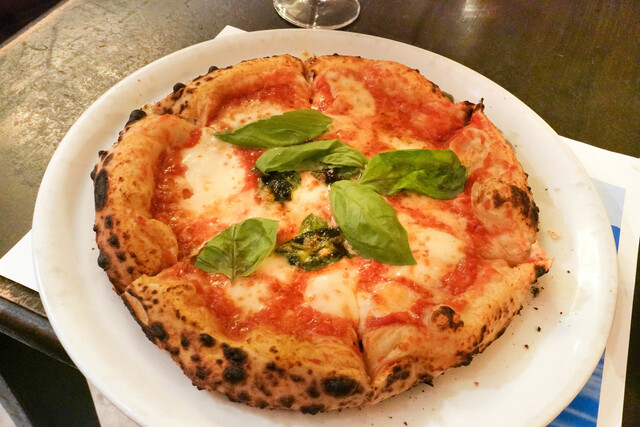
Approaching Nishigotanda from Fudo Mae, the mood shifts from central Tokyo polish to a quieter residential-commercial grain: low-rise shopfronts, local foot traffic, and restaurants that earn repeat custom rather than rely on spectacle. That setting suits Tokyo’s better pizza rooms. The city’s Neapolitan wave has never been only about importing Naples; it has been about Japanese control over fermentation, heat, timing, and ingredient consistency. Pizzeria Vento e Mare reads as part of a mature pizza culture, not a novelty category.
Tokyo diners are unusually exacting about single-dish specialists. Sushi counters, yakitori rooms, curry shops, coffee bars, and pizzerias face the same standard: a narrow format exposes every technical choice, and the city rewards restaurants that repeat quality across a short service window. This is why a pizza address in Nishigotanda can sit in the same broader conversation as highly focused Tokyo specialists such as 124. KAGURAZAKA (Yakitori), 3 Chome no Curry Ya San, or 12/10 Shinjuku ten: different cuisines, same pressure to make a compact proposition feel complete.
Tokyo pizza now depends on dough, heat, and ingredient restraint
The modern Tokyo pizzeria has to solve a difficult equation. Neapolitan pizza depends on soft dough, fast heat, and ingredients that announce themselves without excess. Japan adds another layer: diners expect precision in texture, pacing, and portion logic even when the format is informal. Pizzeria Vento e Mare’s stated approach, handmade pizza baked in a high-temperature oven with a chewy, crisp, thin crust, places it inside that technical tradition. Tokyo pizza is no longer judged against generic Italian dining; it is judged against other specialists that have made the oven the centre of the room.
Ingredient sourcing is the quiet issue behind this style. A Neapolitan-leaning pie lives or fails on flour behaviour, tomato acidity, cheese moisture, oil quality, and how those elements react under intense heat. Tokyo’s strongest pizzerias avoid overloading the base because excess topping weight can flatten the dough and mute the oven work. In this category, restraint is not aesthetic minimalism. It is structural. If the crust is thin, the heat high, and the dough handmade, the kitchen has less room to hide behind abundance.
The Tabelog Pizza 100 selections across 2017, 2018, 2019, 2021, 2023, and 2025 give the restaurant a useful trust signal. Tabelog’s Hyakumeiten lists matter in Japan because they track genre specialists rather than only fine-dining prestige. For travellers, that distinction matters: a Michelin-style lens can miss the places Tokyo residents treat as category benchmarks; a pizza-specific list points more directly to the city’s everyday specialist hierarchy.
Nishigotanda gives the room a neighbourhood advantage
Nishigotanda and Fudo Mae sit away from the hotel-heavy circuits that shape many first-time Tokyo itineraries. That distance changes the dining rhythm. The area is central enough to be practical, but local enough that a small restaurant cannot survive on visitor novelty alone. An 18-seat format reinforces that neighbourhood scale: compact, controlled, and better suited to small parties than large-group dining.
This is why the restaurant belongs in a different decision set from Tokyo’s premium sushi and yakiniku rooms. A venue such as Togoshi Ginza Sushi Bando sits in a higher spend bracket, while Yakiniku Shimizu and Ranmaru answer different cravings. Pizza at this level offers a lower-commitment evening with a serious technical core. It is not a substitute for sushi or yakiniku; it is a way to see how Tokyo treats a foreign staple once the city has absorbed it.
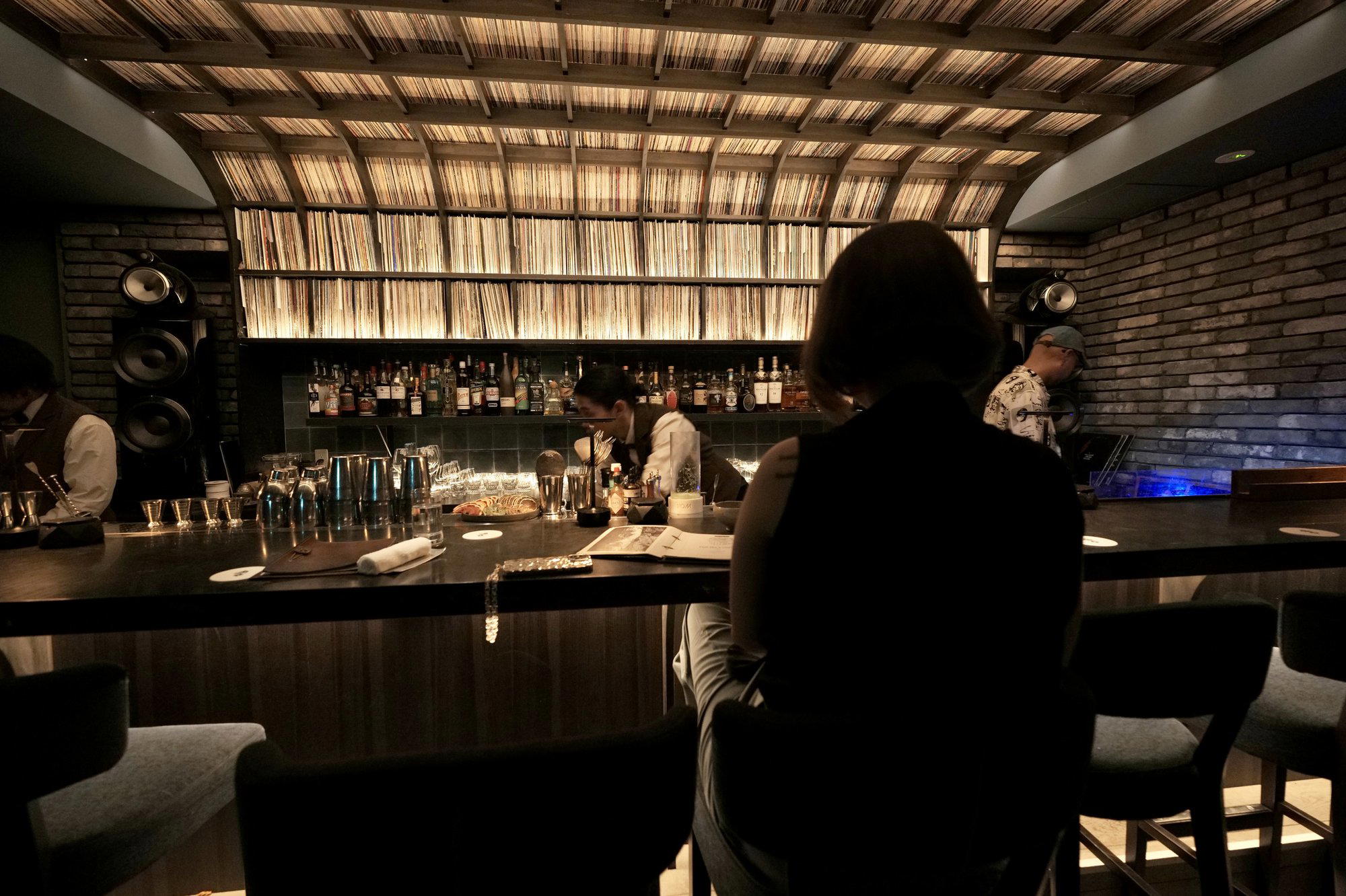
The drinking frame is casual but not careless. Wine and cocktails are listed, putting the meal closer to a small Italian night out than a quick slice stop. Take-out is available, and children are welcome, both signals that the restaurant has neighbourhood utility as well as destination pull. For travellers building a week in Tokyo, not every good meal needs to be a ceremony; the city’s food culture is stronger when the itinerary includes this middle register.
How to place it inside a Tokyo itinerary
For a Tokyo dining plan, this is a useful counterweight to high-structure reservations. A week built only around omakase, tasting menus, and late-night bars can become repetitive in its intensity. A focused pizzeria in Shinagawa gives the schedule a different texture: still specialist, still selective, but less formal. Pairing this dinner with coffee, curry, yakitori, or izakaya-style meals makes the city’s range clearer than stacking prestige formats night after night.
The broader map helps. For nearby and citywide restaurant planning, Our full Tokyo restaurants guide gives the deeper field, while category shifts can be planned through Our full Tokyo bars guide, Our full Tokyo hotels guide, Our full Tokyo experiences guide, and Our full Tokyo wineries guide. Tokyo’s appeal lies in these switches of scale: a small pizza room one night, grilled seafood at. 鮪と炭火焼き うお炭 秋葉原店 another, then a graphic café stop at 2D Cafe when the itinerary needs something lighter.
Travellers extending the trip beyond the capital can read this specialist logic across Japan and the wider Pacific dining circuit. A sukiyaki-focused meal at -Grilled beef Sukiyaki- KAMAKURA TANUKIAN 鎌倉 たぬき庵 in Kamakura, café culture at.cafe in Osaka, a Kumamoto stop at.know in Kumamoto, Vietnamese cooking at (Shoku) Vietnam in Kawasaki, curry in Sapporo at [Curry Senmon Ten] Maruyama Kyoju. and Kyoto dining at [ki:] in Kyoto all point to the same pattern: narrow formats, clear identity, and careful execution. Across the Pacific, Jōdo Saké Bar in Los Angeles and Onigiri Time in Pasadena show how Japanese dining codes travel when the format is disciplined.
The verdict is practical rather than breathless: book this for a compact, serious pizza meal when the Tokyo schedule needs craft without ceremony. The strongest reason is not novelty; it is the way a small Nishigotanda pizzeria reflects a city that treats dough, sourcing, and oven work with the same seriousness it gives to sushi rice or yakitori charcoal.
The Short List
Comparable venues by category and price.
| Venue | Cuisine | Price | Notes |
|---|---|---|---|
| Pizzeria Vento e MareThis venue — the venue you are viewing | Not listed | $$ | Not listed |
| Trattoria dai Paesani | Shinjuku, Authentic Abruzzese Trattoria | $$ | Not listed |
| SAVOY | Setagaya, Neapolitan-Style Pizza | $$ | Not listed |
| Pizzeria Bakka M'unica | Shinagawa, Neapolitan-Style Pizza | $$ | Not listed |
| CASA BELLA | Not listed | $$ | Shinjuku, Cozy Italian pasta and wine bar |
| La TRIPLETTA | Not listed | $$ | Shinagawa, Neapolitan pizza & Italian in Musashi-Koyama |
Recognition history
Dated appearances from independent guides and award organizations, with the underlying list record or original source where available.
Tabelog 100 #97 · No. 97
Tabelog · Tabelog 100 - Pizza - 2025










At a Glance
- Cozy
- Lively
- Classic
- Family
- Group Dining
- Casual Hangout
- Solo
- Standalone
- Open Kitchen
- Private Dining
- Extensive Wine List
- Craft Cocktails
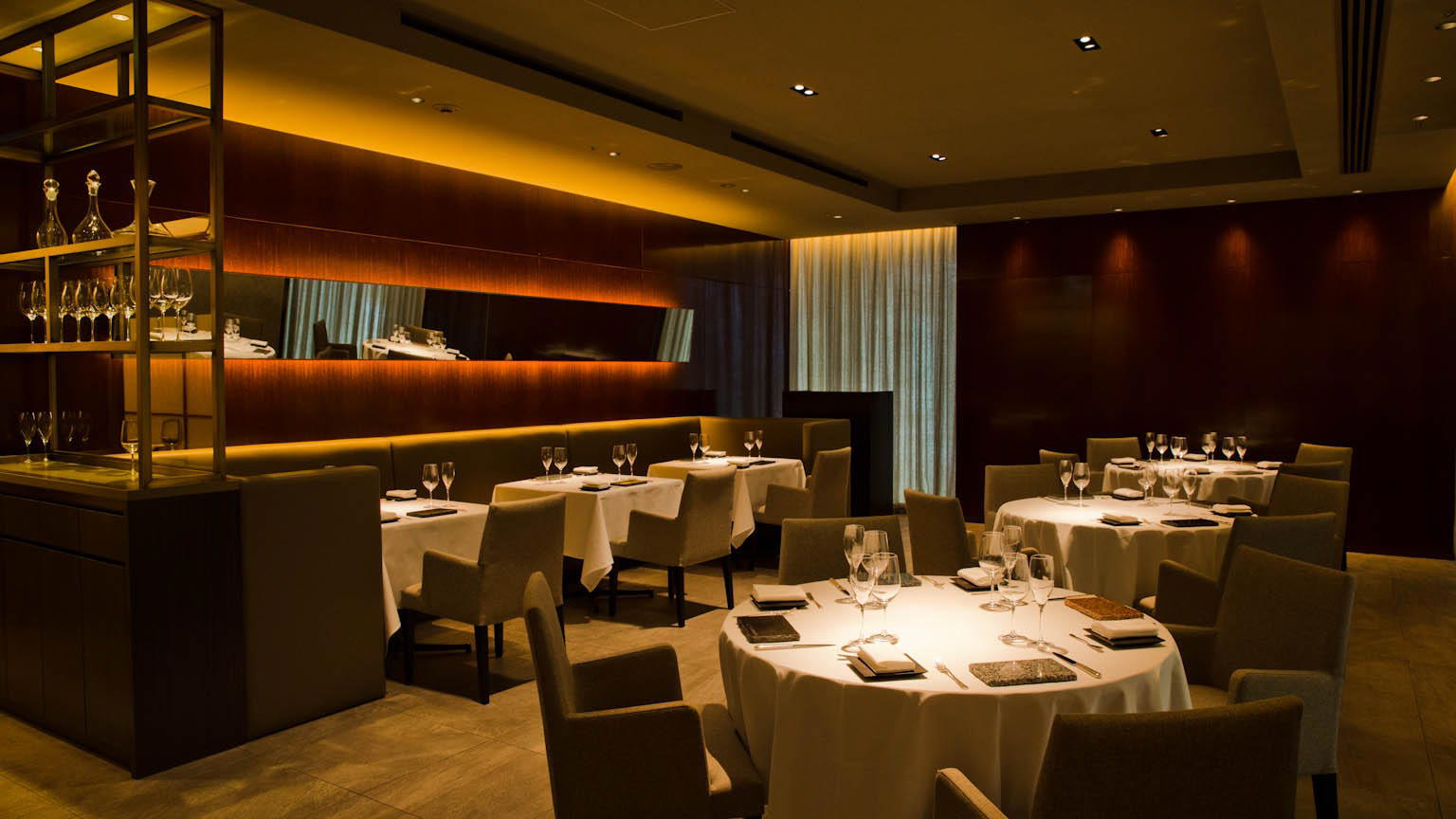
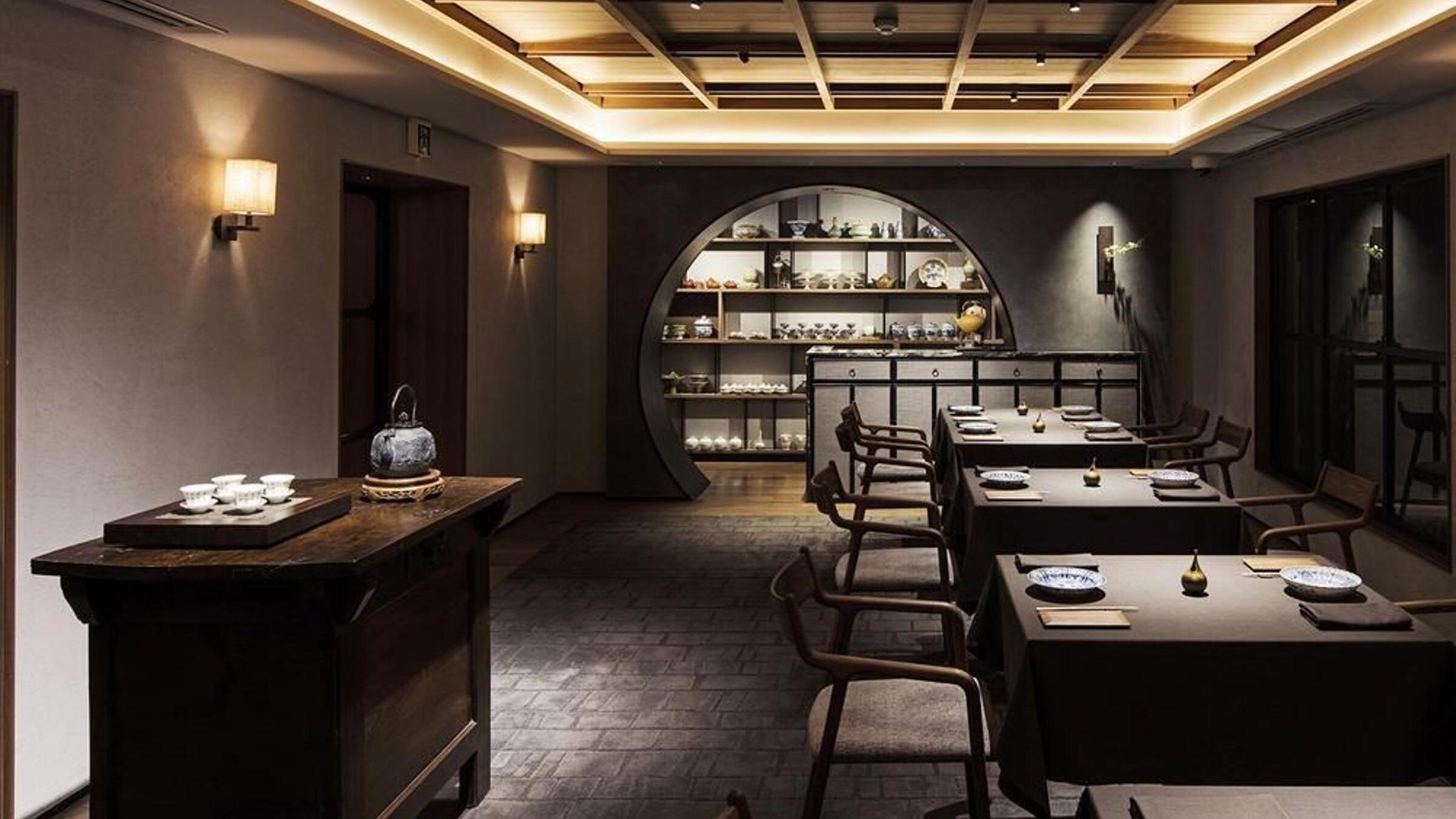
A friendly, lively, casual neighborhood spot with a relaxed hideout feel and an intimate 18-seat dining room.