
Tokyo’s Neapolitan pizza scene has matured into a serious craft category, and da GIORGIO sits in the Bunkyo-Yushima end of that conversation with repeated Tabelog Pizza 100 selections through 2025. Expect an Italian format built around pizza, pasta, wine and a room suited to dates or groups, with English menu support and a no-smoking policy.
Pearl is the En Primeur Club membership app — saves, bookings, and concierge access live there. Same editors, same standards.
- Address
- 東京都文京区湯島3-37-14 ソルミオビル 1F 2F
- Phone
- +81358264300
- Website
- tabelog.com
 Saves & bookings on Pearl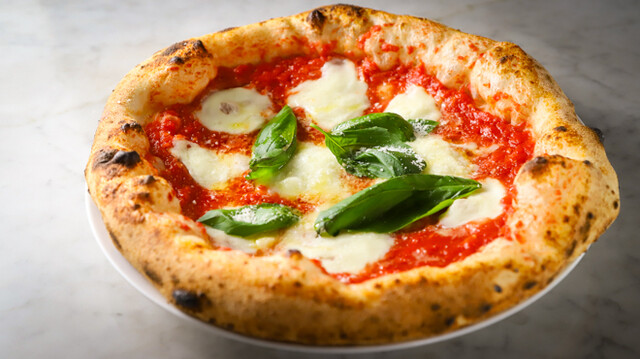
Yushima is not Tokyo hotel lobbies and glass towers. Around Ueno Hirokoji and Okachimachi, the city tightens into older commercial streets, small dining rooms, dessert counters, yakitori shops and after-work restaurants driven by repeat local use, not spectacle. Here, a wood-fired pizza room has a particular charge: Naples is the reference point; Tokyo supplies discipline, pacing and product sensitivity.
Tokyo has become one of the world’s serious pizza cities by applying to imported foodways the scrutiny it gives sushi, soba and tempura. Dough management, oven temperature, mozzarella condition, tomato balance and service rhythm are the grammar. da GIORGIO sits in the city’s established Neapolitan-influenced tier, with Tabelog Pizza 100 selections in 2017, 2018, 2019, 2021, 2023 and 2025. That recurrence matters more than one badge, signaling durability where Tokyo diners quickly punish inconsistency.
Neapolitan method filtered through Tokyo's ingredient discipline
Visitors often mistake pizza in Tokyo for imported comfort food. At the higher end, it operates closer to craft. The Neapolitan framework brings the wood-fired oven, quick bake and elastic dough ideal; Tokyo adds sourcing, portion balance and service precision. The result is not fusion, but borrowed technique tightened by local expectations.
The menu is clearly Italian, with pizza, pasta and wine as the spine rather than a tasting-menu structure. This is neither formal, reservation-war Tokyo dining nor casual slice culture. It occupies the middle ground where value depends on repeated execution: dough that behaves, toppings that do not overload the base, pasta that belongs in the meal rather than as an afterthought, and drinks chosen to support the format.
The local-ingredient question in Tokyo Italian dining is less about announcing Japanese products than showing restraint. Tokyo cooks absorb foreign methods by narrowing the margin for error: less sauce where excess would blur dough, sharper texture control, and a bias toward seasonality when produce is part of the composition. Naples provides the operating system; Tokyo dining culture decides how cleanly it runs.
Tabelog’s Pizza 100 places the restaurant inside a national user-driven award context, not a tourist-facing ranking. For travelers, that helps. Michelin stars and global lists can skew toward fine dining; Tabelog category lists often capture places serious local diners keep in rotation. A 3.69 Tabelog score in Japan is a stronger signal than it may seem to readers used to inflated international rating platforms.
Yushima gives the meal a neighbourhood register
Yushima and Ueno Hirokoji suit this restaurant because the area resists one identity. It sits near museum-going Ueno, after-work Okachimachi, old sweets shops, izakaya corridors and low-key date-night rooms. Nearby comparison points show the range: Karinto Yushima Kagetsu and Kanmidokoro Mitsubachi Honten anchor traditional sweets; Usagiya CAFE serves a lighter café register; Torie Ueno hirokoji ten pushes toward higher-spend yakitori; Gensen Yoshoku Sakurai reflects Tokyo’s long-running affection for Western-style Japanese cooking. Pizza becomes neighbourhood habit, not imported novelty.
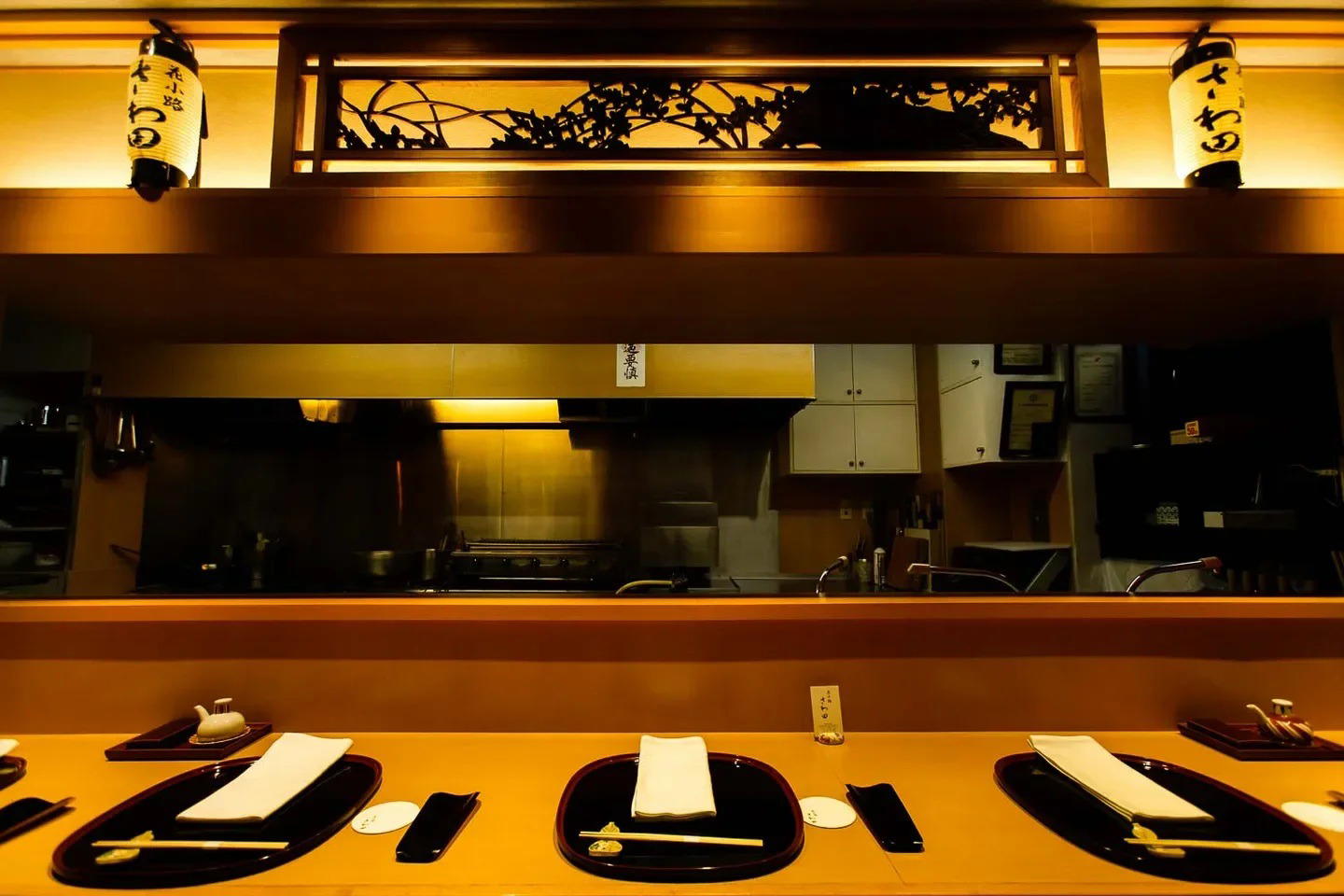
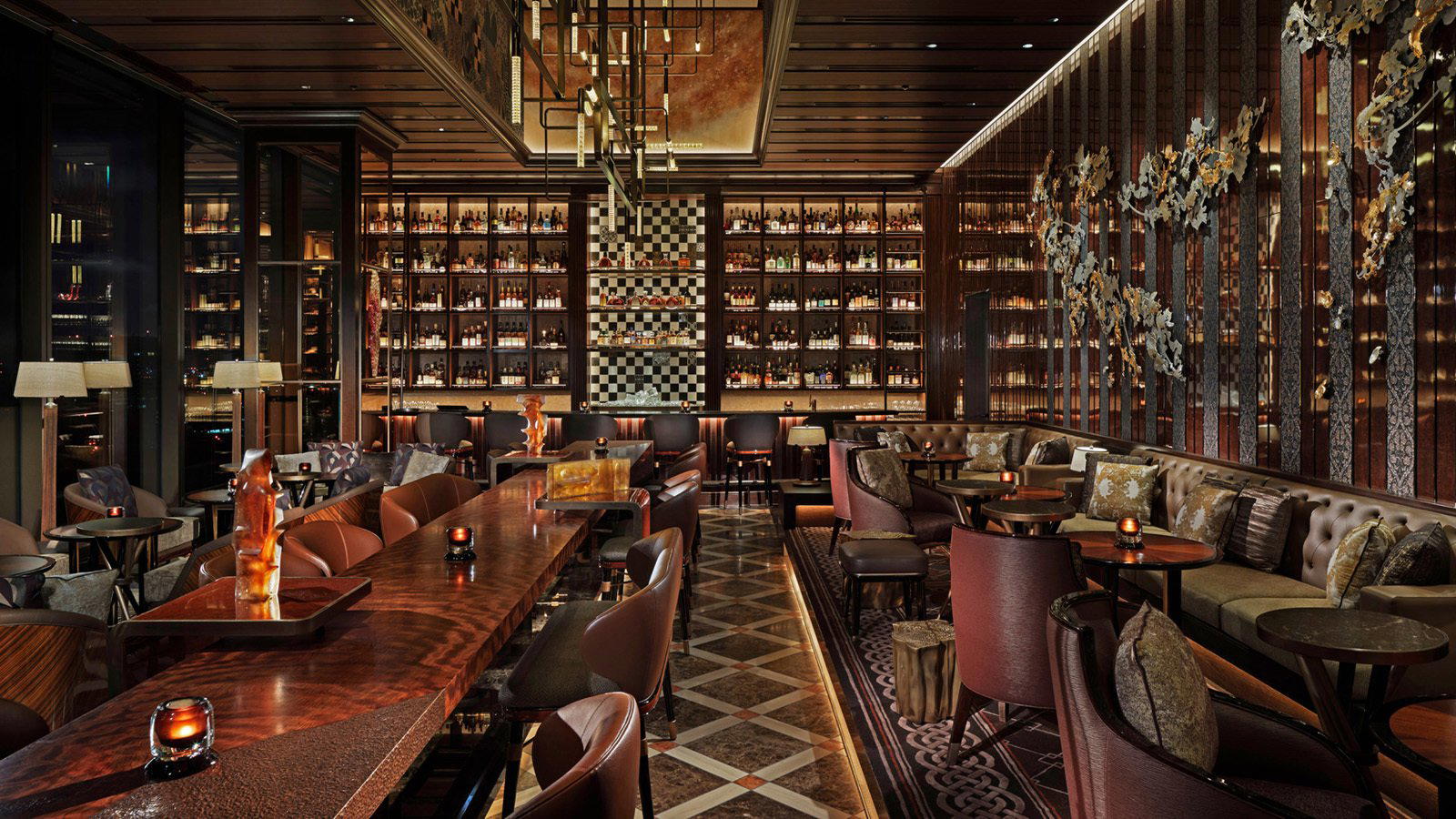
The room’s shape affects the mood. A 50-seat restaurant with private-use options for larger groups sits apart from the tiny counter formats that dominate many Tokyo itineraries. It works for a social dinner without losing the ingredient-led focus that gives the category credibility. The second-floor group option adds another clue: this place is built for dates, friends and celebrations, not only pizza obsessives studying crust structure.
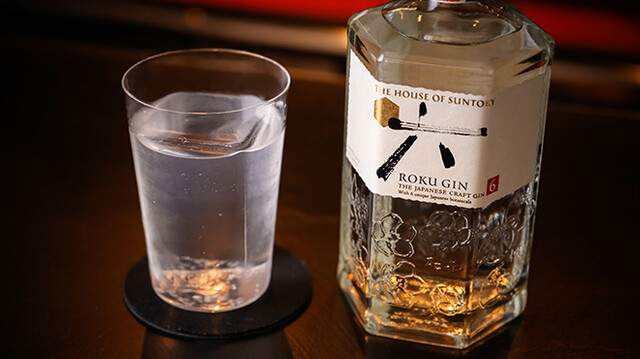
Service details point to an accessible, international-facing operation by Tokyo standards. A multilingual English menu is available, wine and cocktails are part of the drinks offer, and take-out is listed among the services. Those elements do not make the experience less local; they make it easier to fit into a Tokyo trip that may already include counters, set menus and language-dependent bookings. The no-smoking policy also matters where older dining rooms can vary.
For trip planning, da GIORGIO pairs with the eastern city rather than the Ginza-Aoyama luxury circuit. Readers can place it alongside neighbourhood-led restaurants in Our full Tokyo restaurants guide, then build the evening around nearby bars from Our full Tokyo bars guide or a hotel base from Our full Tokyo hotels guide. The same grid connects to Our full Tokyo experiences guide and Our full Tokyo wineries guide, useful for travelers treating dinner as part of a wider cultural day.
How to position it in a Tokyo itinerary
The strongest use case is a mid-to-high casual Italian dinner when the itinerary needs craft without ceremony. Tokyo’s premium dining can become counter-heavy and schedule-sensitive; a pizza-and-wine room in Yushima offers another rhythm. It is especially sensible after Ueno or Okachimachi, when crossing town for a formal meal adds friction. Repeated Pizza 100 recognition supports a destination detour, while the neighbourhood context keeps it properly placed.
Families should read the policy details before treating it as an easy multigenerational option. Preschool children and strollers are discouraged, narrowing the audience compared with larger casual Italian restaurants. Adult groups, couples and travelers with older children will find the format easier, particularly because the space can handle more than the typical compact Tokyo dining room.
For readers comparing categories across Japan and beyond, the appeal sits in contrast. Tokyo has small-format curry rooms such as 3 Chome no Curry Ya San, yakitori addresses like 124. KAGURAZAKA (Yakitori), casual visual cafés such as 2D Cafe, and seafood-driven rooms including. 鮪と炭火焼き うお炭 秋葉原店. Shinjuku alternatives such as 12/10 Shinjuku ten serve a different urban register. Outside Tokyo, the comparison widens through -Grilled beef Sukiyaki- KAMAKURA TANUKIAN 鎌倉 たぬき庵 in Kamakura.cafe in Osaka.know in Kumamoto, (Shoku) Vietnam in Kawasaki, [Curry Senmon Ten] Maruyama Kyoju. in Sapporo and [ki:] in Kyoto. Even overseas Japanese-leaning references such as Jōdo Saké Bar in Los Angeles and Onigiri Time in Pasadena show the broader point: technique travels, but serious versions are defined by local habits.
The verdict is simple: this is a Tokyo pizza address for travelers who care about craft but do not want another formal counter meal. The evidence is repeat category recognition, a wine-ready Italian format and a Yushima location grounded in everyday Tokyo rather than staged for visitors.
Budget Reality Check
Comparable venues by category and price.
| Venue | Cuisine | Price | Notes |
|---|---|---|---|
| da GIORGIOThis venue — the venue you are viewing | Not listed | $$ | Not listed |
| Trattoria Tsukiji Paradiso | Chūō, Southern Italian Seafood Trattoria | $$ | Not listed |
| PIZZA BORSA | Toshima, Traditional Neapolitan Pizza | $$ | Not listed |
| Tanta Bocca | Shibuya, Italian Trattoria | $$ | Not listed |
| La TRIPLETTA | Not listed | $$ | Shinagawa, Neapolitan pizza & Italian in Musashi-Koyama |
| SAVOY | Setagaya, Neapolitan-Style Pizza | $$ | Not listed |
Recognition history
Dated appearances from independent guides and award organizations, with the underlying list record or original source where available.
Tabelog 100 #69 · No. 69
Tabelog · Tabelog 100 - Pizza - 2025








At a Glance
- Cozy
- Lively
- Rustic
- Intimate
- Date Night
- Casual Hangout
- After Work
- Group Dining
- Celebration
- Solo
- Open Kitchen
- Standalone
- Design Destination
- Extensive Wine List
- Local Sourcing
A cozy, intimate pizzeria where guests sit close to a crackling wood-fired oven, with warm lighting, the sounds and aromas of pizzas baking, and a casual, lively neighborhood feel.