Tandoori Nächte serves Northern Indian tandoori dishes in Berlin’s Bornimer Str. 4 location, with Tandoori Chicken and Lamb Biryani for lunch or dinner.
Pearl is the En Primeur Club membership app — saves, bookings, and concierge access live there. Same editors, same standards.
- Address
- Bornimer Str. 4, 10711 Berlin, Germany
- Phone
- +493054892448
- Directions
- Get directions
 Saves & bookings on Pearl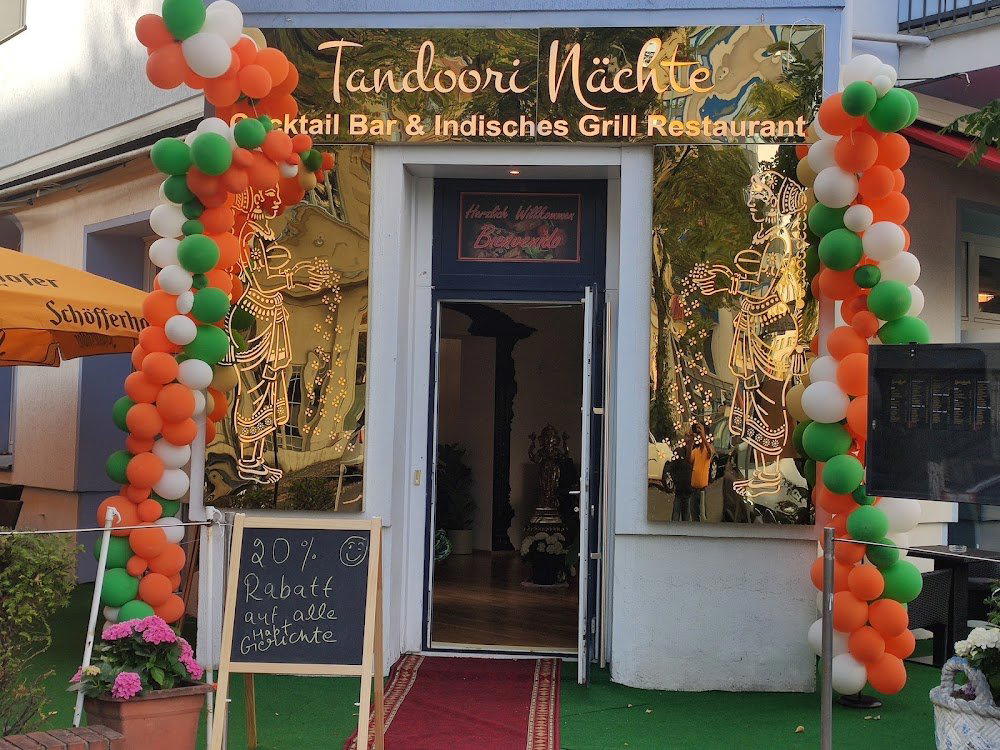
Charlottenburg After Dark: Tandoori, Smoke, and the Northern Indian Table
Bornimer Strasse sits in a residential pocket of Charlottenburg-Wilmersdorf, a district that Berlin's dining conversation tends to skip in favour of Mitte's tasting-menu corridors or Kreuzberg's casual internationalism. That relative quietness is precisely what makes it a telling address for a neighbourhood Indian restaurant. The tandoor oven arrived in Europe as a restaurant fixture largely through the postwar South Asian diaspora in Britain, and its spread through continental capitals followed a different, slower arc: Berlin's Indian dining scene built itself without the critical mass that London's Southall or Birmingham's Balti Triangle provided, meaning each restaurant here has had to establish credibility on its own terms rather than riding a district-wide reputation.
Tandoori Nächte, at Bornimer Str. 4, operates within that context. The name itself announces the format clearly: tandoori cooking is the anchor, and the German word for "nights" signals something about the register the kitchen aims at. Tandoori technique is not a style that rewards shortcuts. The cylindrical clay oven operates at temperatures between 250 and 480 degrees Celsius, and the marination windows for proteins, typically measured in hours rather than minutes, determine the quality of the finished dish more than any flourish at the pass. Restaurants that do it seriously have to commit to the infrastructure and the preparation discipline that the method demands.
The Cultural Weight of Tandoori Cooking in a European Context
To understand what a restaurant called Tandoori Nächte is positioning itself against, it helps to know what tandoori cooking actually represents in its original context. The technique traces its commercial restaurant lineage to the Moti Mahal in Peshawar and later Delhi, where Kundan Lal Gujral standardised the format in the 1940s. By the 1950s, tandoori chicken had become the dish that introduced grilled Indian cooking to an international audience, eventually landing on the menus of airline galleys and state banquets. The irony is that in India itself, tandoor cooking varies enormously by region: Punjabi preparations differ structurally from Rajasthani ones, and the flatbreads produced in a tandoor, naan, roti, kulcha, represent a parallel tradition that most European restaurants underserve relative to the protein-forward dishes that get more attention.
Berlin's Indian restaurant market sits at a different maturity point from London or Amsterdam. The city has a growing South Asian community, and the dining options have diversified beyond the generic "Indian restaurant" format. Specialists have emerged across subregional cuisines, and the expectations of the diner have shifted accordingly. A restaurant leading with tandoori cooking in this environment is making a specific claim about its kitchen identity, one that invites scrutiny of technique rather than just flavour familiarity.
What Charlottenburg Adds to the Reading
Charlottenburg has long been Berlin's more traditionally bourgeois district, a neighbourhood that weathered the city's decades of division without losing its residential continuity. The dining character here runs toward established, repeat-visit restaurants rather than the experimental or the trend-driven. Indian restaurants in this kind of neighbourhood context tend to serve regulars as much as destination diners, which creates a different set of pressures: consistency matters more than novelty, and the room needs to work for a Thursday evening as much as a Saturday. That dynamic shapes what a kitchen like this has to deliver over time.
For comparison, Berlin's fine dining conversation is increasingly sophisticated. The city's Michelin-starred tier includes Rutz, working in modern European territory, Nobelhart & Schmutzig with its radical local-sourcing position, FACIL in its Potsdamer Platz hotel setting, CODA Dessert Dining which has built a reputation around the dessert-as-main-event format, and Restaurant Tim Raue, which applies German discipline to Asian flavour architecture. None of these operate in the Indian cuisine register. The subcontinental kitchen in Berlin has not yet produced a starred address, which means quality Indian cooking here exists outside the formal awards structure and has to communicate its seriousness through other signals: sourcing transparency, preparation honesty, the visible presence of the tandoor itself.
Reading the Room and the Menu Logic
Indian restaurants that take the tandoori format seriously typically structure their menus around a clear progression: the oven handles proteins and breads, the wet kitchen handles curries and lentil preparations, and the two interact on the plate through complementary temperatures and textures. The leading versions of this format use the tandoor not just for the expected tikka preparations but also for the breads, where the difference between a competent and an excellent naan is unmistakable: the correct version has char at the edges, a slight elasticity at the centre, and enough fat to stay supple through the first few minutes at the table.
For diners accustomed to the tasting-menu format that dominates Berlin's upper tier, the à la carte structure typical of Indian restaurants represents a different kind of decision-making. The skill lies in sequencing the order correctly, in knowing which dishes are designed to arrive together and which suffer from waiting. This is knowledge that a well-informed front-of-house team can supply, and it is one of the more reliable proxies for how seriously a restaurant treats the full dining experience rather than just the cooking.
Placing Tandoori Nächte in the Wider German Dining Picture
Germany's broader fine dining circuit operates at considerable distance from Indian cuisine. The addresses that draw greater attention nationally, places like Aqua in Wolfsburg, Schwarzwaldstube in Baiersbronn, Vendôme in Bergisch Gladbach, Victor's Fine Dining by Christian Bau in Perl, Waldhotel Sonnora in Dreis, ES:SENZ in Grassau, and JAN in Munich, work in European classical or modern European frameworks. Internationally, places like Le Bernardin in New York City or Atomix in New York City show how a single cuisine identity can anchor a restaurant high on its city's conversation. Indian cooking has not yet reached that tier in the German system, which makes neighbourhood-level restaurants like those on Bornimer Strasse the primary location where the cuisine is building its audience and its credibility. Other strong German addresses worth knowing include Restaurant Haerlin in Hamburg, Schanz in Piesport, and Bagatelle in Trier.
Planning Your Visit
Tandoori Nächte is located at Bornimer Str. 4, 10711 Berlin, in the Charlottenburg-Wilmersdorf district. The restaurant is in Berlin's Charlottenburg-Wilmersdorf district at Bornimer Str. 4, 10711 Berlin. Reservations are recommended, and the price tier is moderate, with an estimated spend of about $25 per person. For this category of neighbourhood Indian restaurant in Berlin,
Cost and Credentials
Comparable venues nearby, for context on price, style, and recognition.
| Venue | Cuisine | Price | Notes |
|---|---|---|---|
| Tandoori NächteThis venue — the venue you are viewing | Halensee, Northern Indian Tandoori | $$ | Not listed |
| Namaste | Wilmersdorf, Authentic Indian Cuisine | $$ | Not listed |
| Swadishta | Not listed | $ | Tiergarten, Authentic Indian Vegetarian Cuisine |
| BRLO Charlottenburg | Charlottenburg, Modern Brewery Gastropub | $$ | Not listed |
| Yarok | Mitte, Authentic Syrian | $$ | Not listed |
| Dolores Mitte | Mitte, California Mission-Style Burritos | $$ | Not listed |
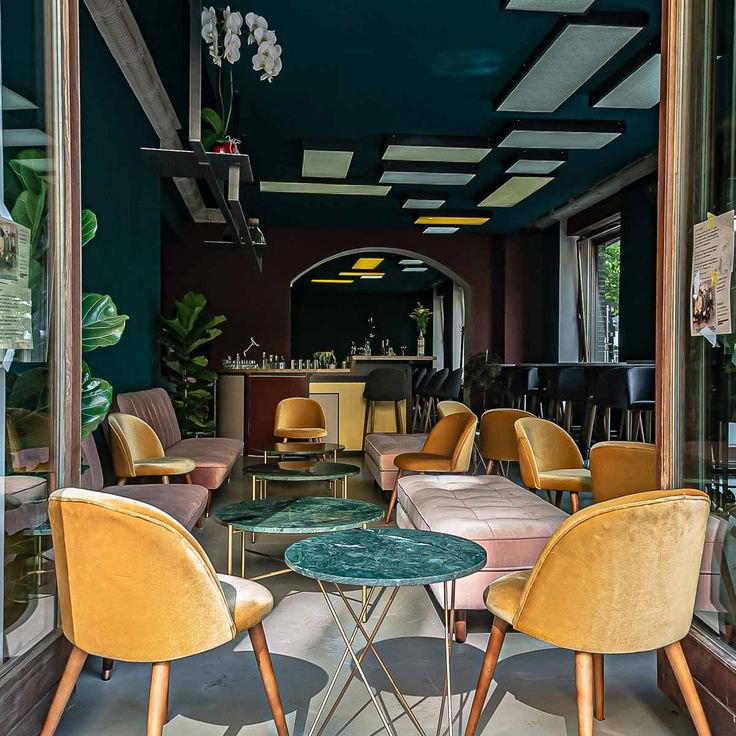
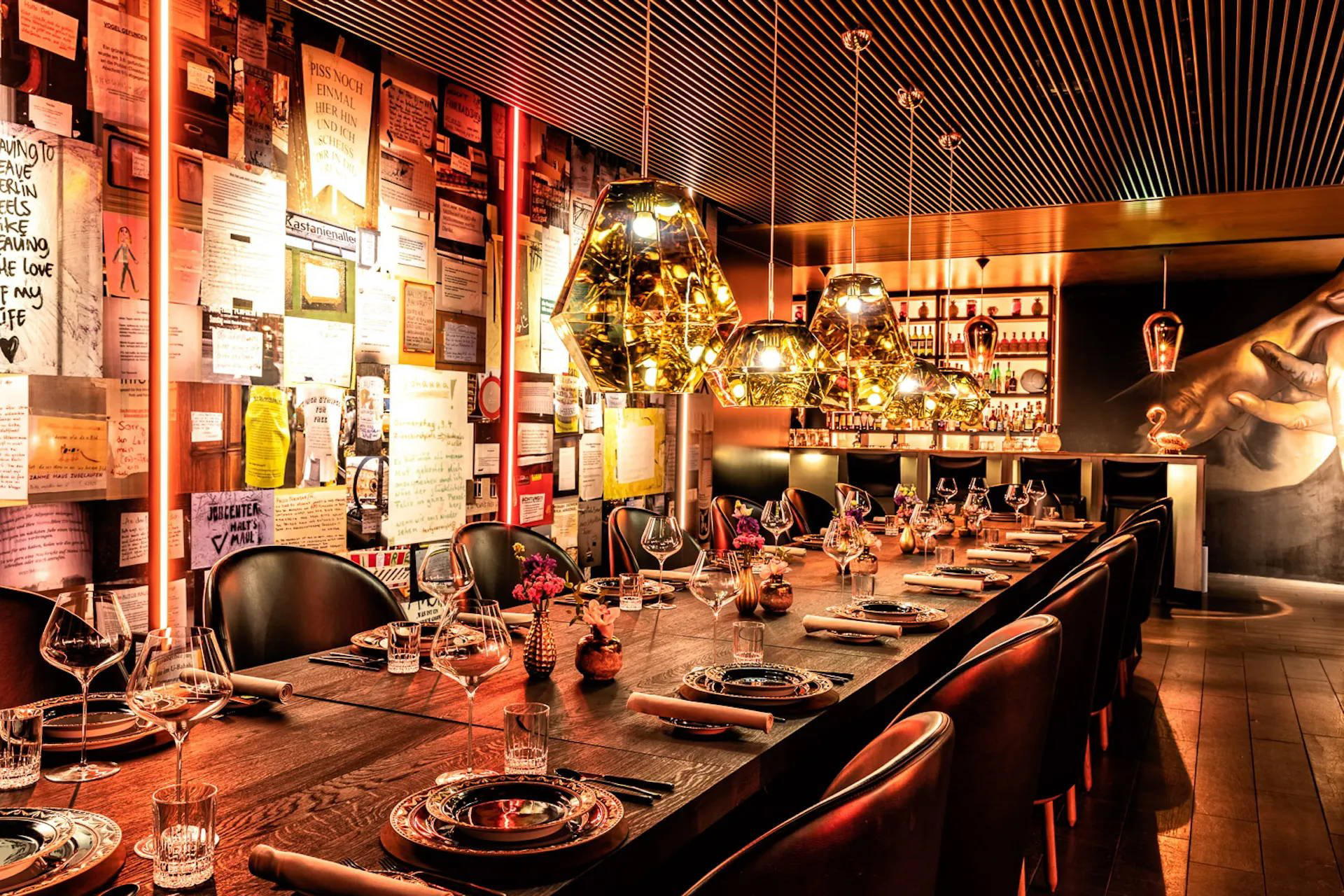
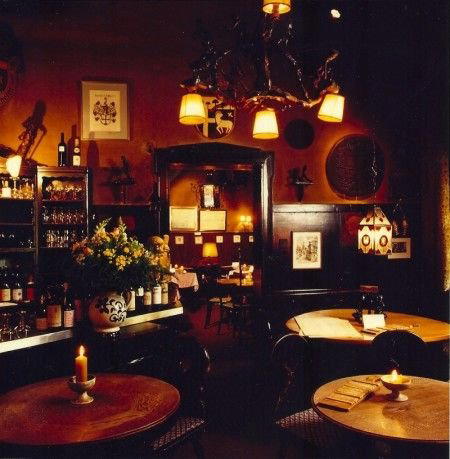
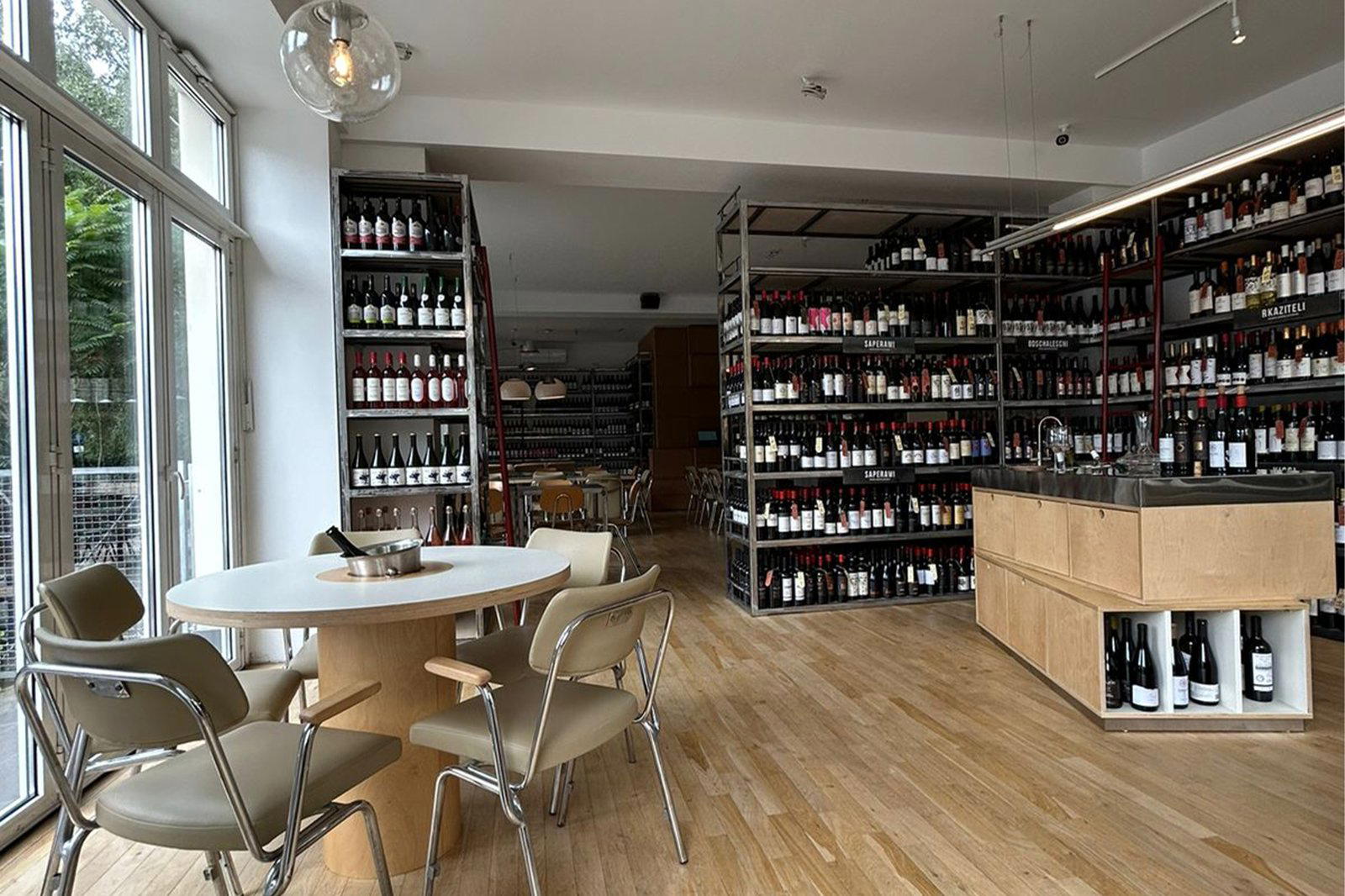
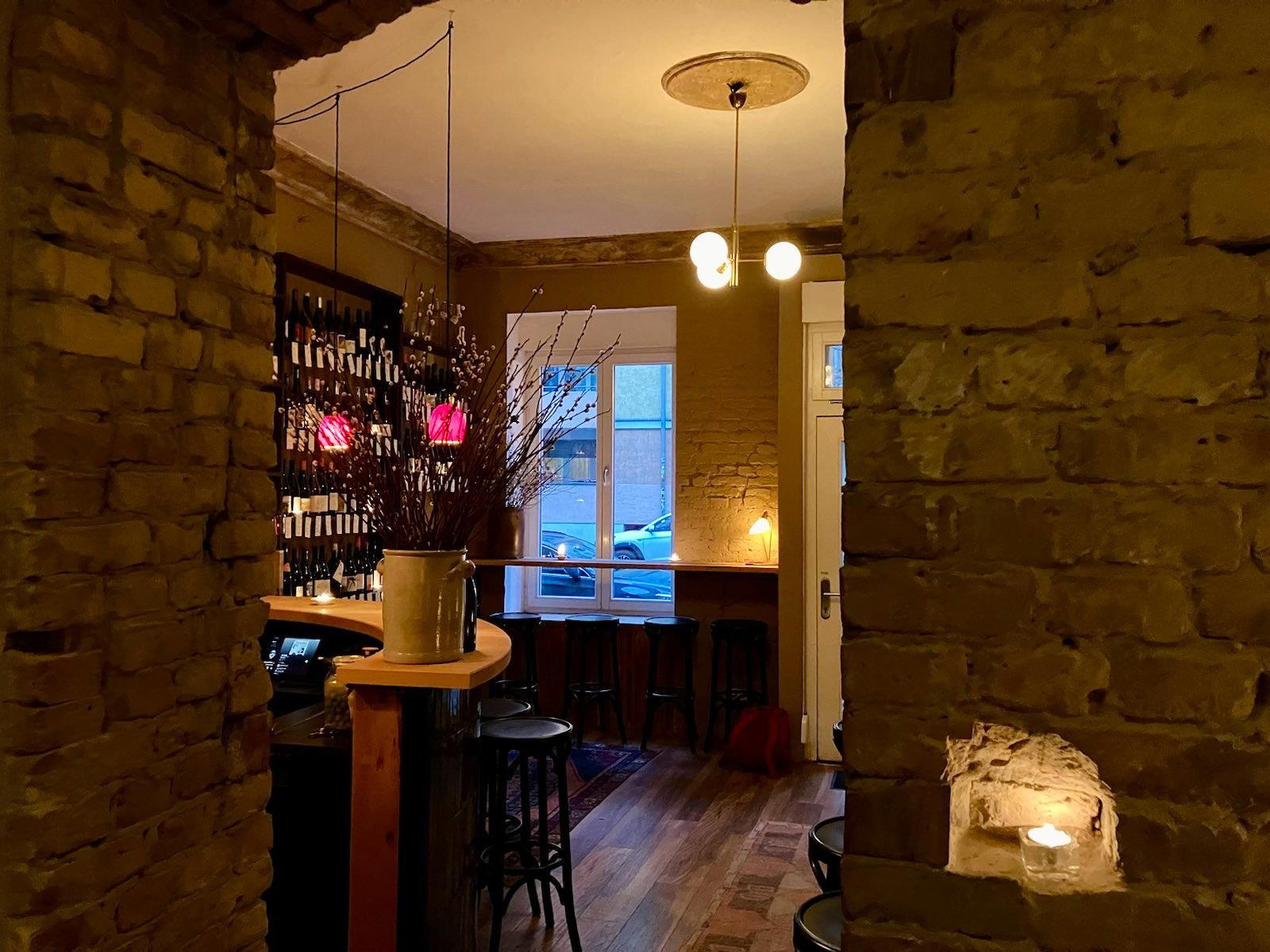
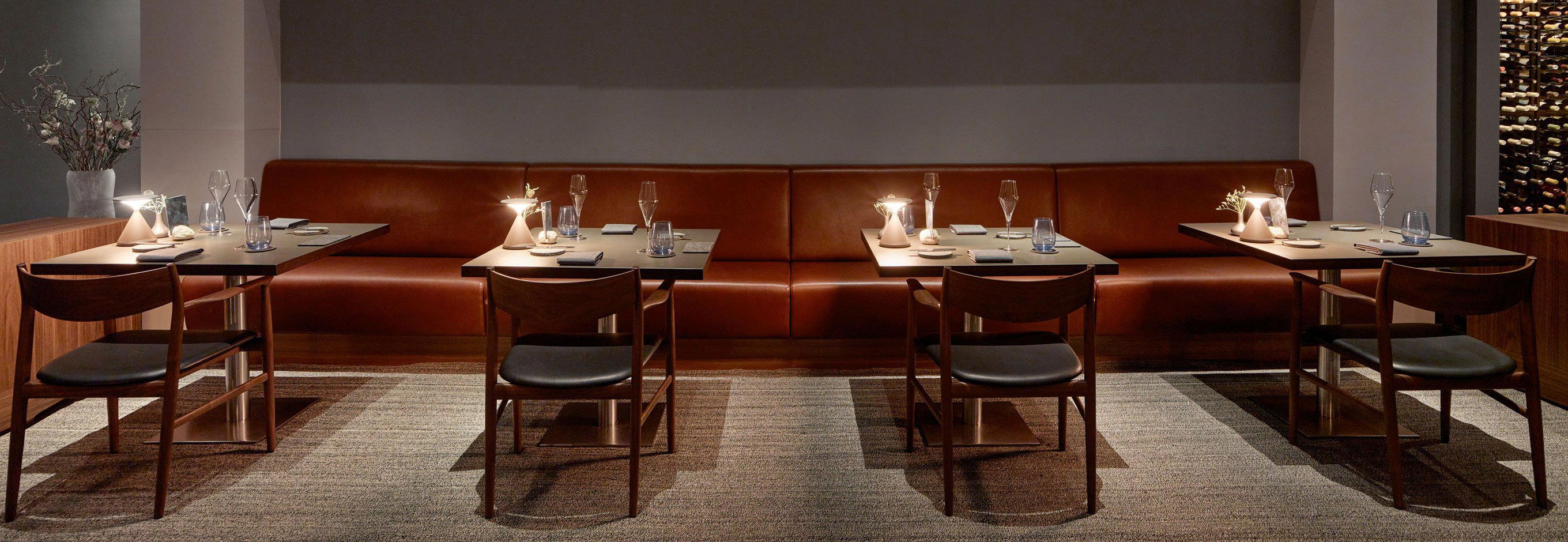
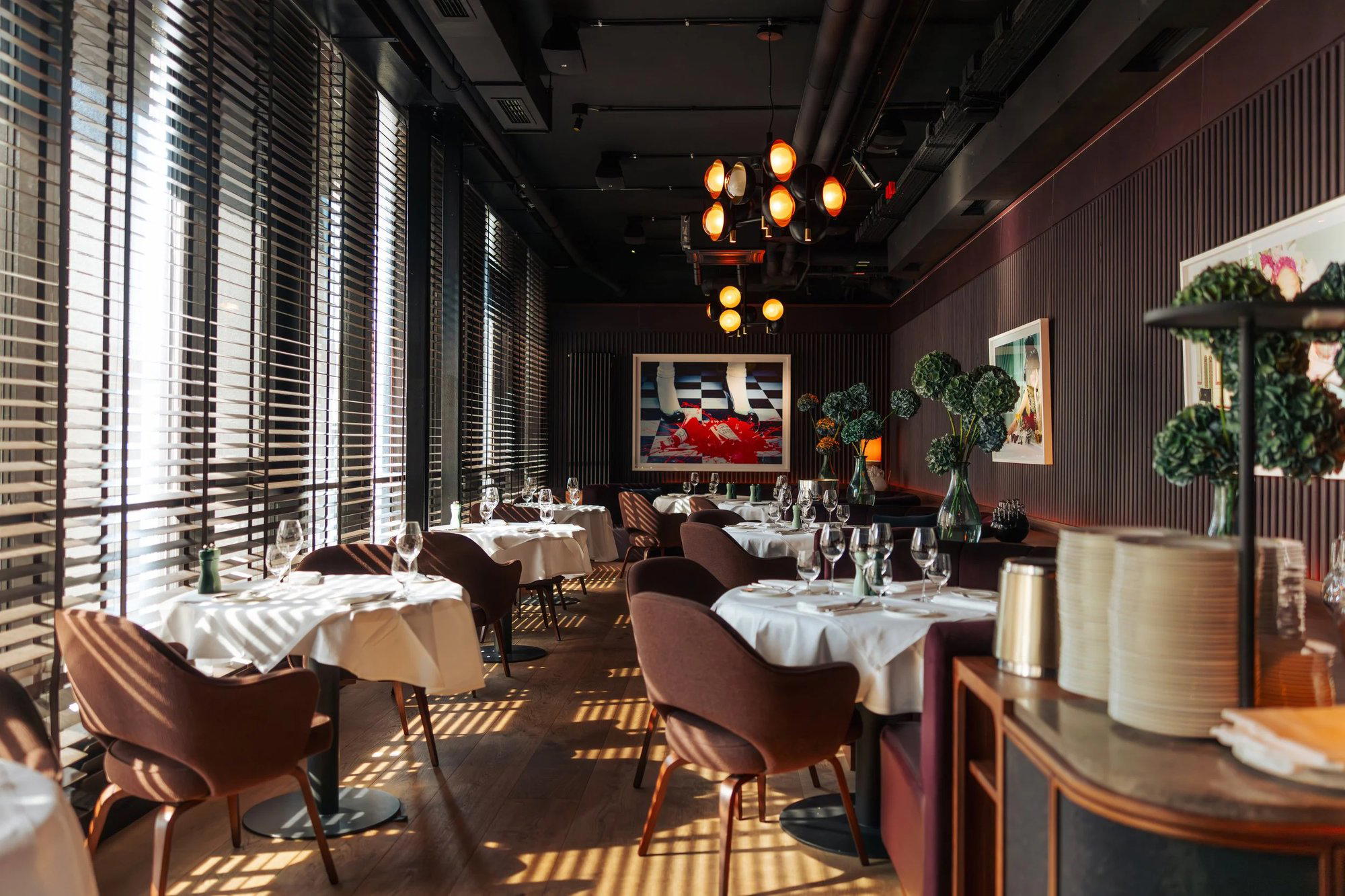

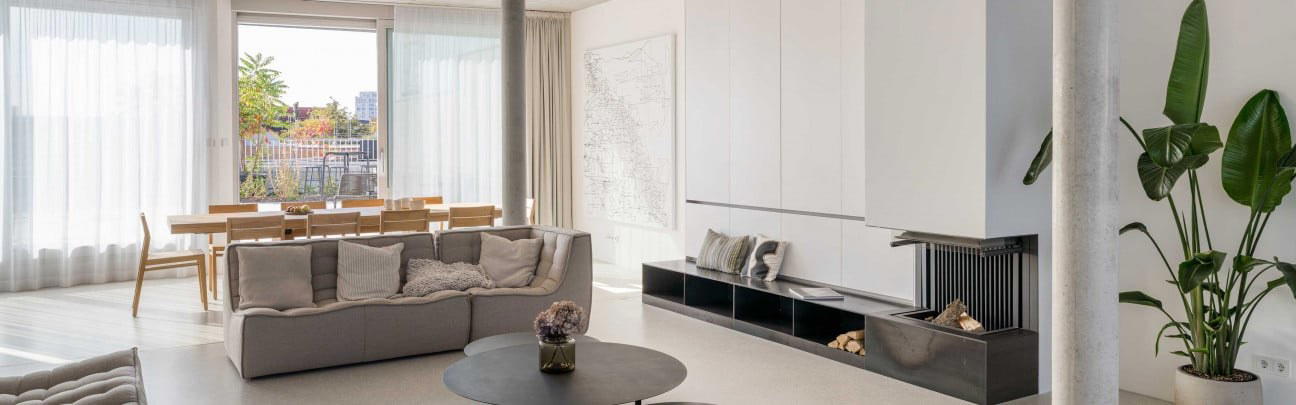

At a Glance
- Modern
- Trendy
- Casual Hangout
- Date Night