On Lützowstraße in Tiergarten, Swadishta sits at the intersection of Berlin's growing appetite for South Asian cuisine and the city's broader shift toward ingredient-led cooking. The restaurant occupies a neighbourhood that has long operated in the shadow of Mitte's dining concentration, making it a reference point for those tracking how Indian cooking is repositioning itself in the German capital.
Pearl is the En Primeur Club membership app — saves, bookings, and concierge access live there. Same editors, same standards.
- Address
- Lützowstraße 69, 10785 Berlin, Germany
- Phone
- +493084430356
- Website
- swadishta.de
- Directions
- Get directions
 Saves & bookings on Pearl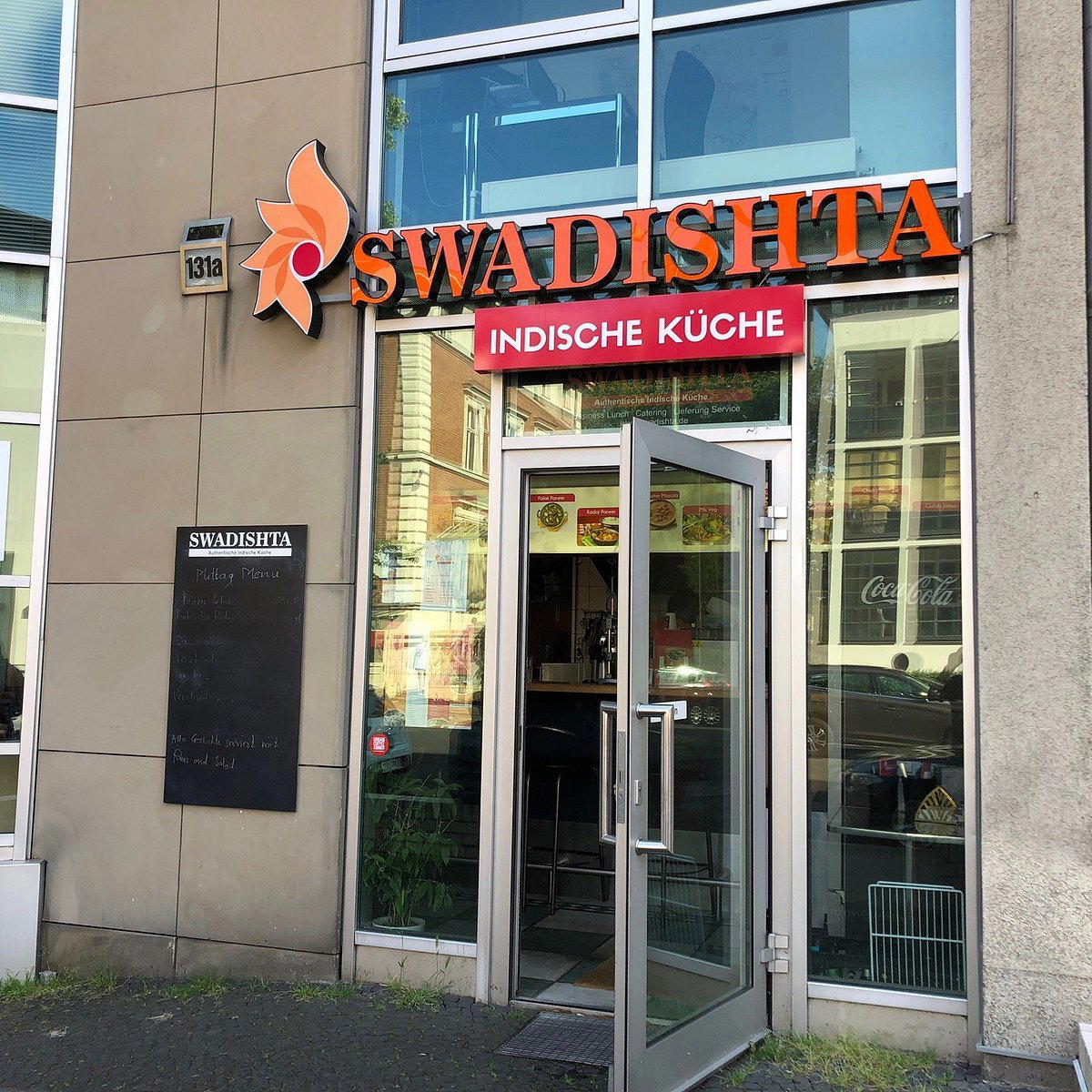
Tiergarten's Quiet Shift, and Where Swadishta Fits
Berlin's dining map has reorganised considerably over the past decade. The city's most discussed restaurants, places like Nobelhart & Schmutzig, Rutz, and FACIL, have clustered their prestige in Mitte and Kreuzberg, pulling critical attention toward modern European formats. Meanwhile, Tiergarten has quietly accumulated a different kind of dining character: less trophy-hunting, more neighbourhood-rooted. Lützowstraße 69 sits in that zone, and Swadishta has made it a fixed point for Indian cooking in a city where South Asian cuisine has historically struggled to move beyond the casual register.
That repositioning of Indian restaurants in Berlin is the broader story worth paying attention to. For years, the template was uniform: affordable menus, familiar North Indian dishes, interiors that made few demands on the eye. The last few years have seen a handful of operators attempt something different, pushing spice literacy and regional specificity toward the kind of guest who also books at CODA Dessert Dining or follows the seasonal sourcing conversation at Restaurant Tim Raue. Swadishta is part of that repositioning effort.
How the Format Has Evolved
The editorial angle on Swadishta is not simply what it serves, but what it has become relative to where it started. Indian restaurants in German cities have tended to evolve in one of two directions: they either double down on volume and accessibility, or they attempt a pivot toward a more considered format with tighter menus and closer attention to sourcing. The latter path is harder, because it asks guests to reassess a cuisine they may already have fixed assumptions about.
Swadishta's position on Lützowstraße signals something about its ambitions. This is not a high-footfall corridor. It draws a local and repeat audience rather than a tourist sweep, which tends to produce a different quality of evolution in the kitchen. Restaurants that survive and develop in lower-traffic neighbourhoods do so because regulars return, and regulars return when the cooking changes enough to reward repeat visits. That dynamic, common to some of Germany's most interesting addresses outside the major dining corridors, is visible in how places like Schanz in Piesport or Bagatelle in Trier have built reputations through consistency rather than spectacle.
The broader German fine dining conversation, anchored by addresses like Aqua in Wolfsburg, Victor's Fine Dining by Christian Bau in Perl, and Waldhotel Sonnora in Dreis, rarely intersects with the Indian restaurant category. That gap is not a criticism of Indian cooking; it reflects how slowly critical infrastructure, awards bodies and editorial platforms included, has turned its attention toward South Asian kitchens in this country. Swadishta operates in a category that is still being defined in Berlin, which gives it both more room to move and less scaffolding to lean on.
The South Asian Kitchen in a European Context
Across Europe, the Indian restaurant category has gone through a visible reassessment. London led the shift, with kitchens proving that regional specificity, whether Chettinad, Keralan, or Punjabi in granular form, could carry the same critical weight as French or Japanese cooking. That shift has been slower to arrive in Germany, partly because the South Asian diaspora is smaller and more dispersed, and partly because the country's critical attention has remained focused on its own regional cuisines and on French technique as a benchmark.
What makes the Berlin moment interesting is that the city's relative lack of culinary conservatism, compared to Munich or Hamburg, where places like JAN in Munich and Restaurant Haerlin in Hamburg occupy established fine dining positions, creates more space for category-crossing cooking. Guests who regularly visit ES:SENZ in Grassau or Schwarzwaldstube in Baiersbronn bring a sophisticated palate to the table regardless of the cuisine, and that cross-pollination of expectation is slowly lifting the baseline for what an Indian restaurant in Germany can attempt.
For those tracking this shift internationally, comparisons reach further than Germany. The model for what a serious Indian-influenced kitchen looks like at the highest level is visible in places like Atomix in New York City, which demonstrates how a non-European culinary tradition can occupy the upper tier of a major dining city when the format is right. The technical discipline that defines kitchens like Le Bernardin in New York City is a different register entirely, but it sets a useful benchmark for precision and consistency that serious kitchens in any cuisine are measured against.
Swadishta does not yet operate with the critical apparatus of those addresses, and claiming otherwise would be premature given the absence of documented award recognition. But its presence in Tiergarten, its neighbourhood positioning, and the trajectory of South Asian dining in Berlin suggest it is worth watching as the category develops. At this stage, the useful thing EP Club can offer is context rather than verdict.
Approaching Swadishta: What to Know
Lützowstraße runs through a part of Berlin that rewards exploration on foot. The address at number 69 sits in a stretch of the street that is quiet by Berlin standards, without the noise of the major thoroughfares nearby. For visitors who have structured their Berlin dining around Mitte or Prenzlauer Berg, this part of Tiergarten requires a small deliberate detour, which is in keeping with the kind of restaurant that builds its audience through word-of-mouth rather than location advantage.
Reservations are recommended. Dress is casual. Budget: about $20 per person. Getting there: The nearest U-Bahn stations are Lützowstraße and Nollendorfplatz.
For a wider view of Berlin's dining across categories and price points, see our full Berlin restaurants guide.
Peers Worth Knowing
Comparable venues nearby, for context on price, style, and recognition.
| Venue | Cuisine | Price | Notes |
|---|---|---|---|
| SwadishtaThis venue — the venue you are viewing | Authentic Indian Vegetarian Cuisine | $ | Not listed |
| Tandoori Nächte | Northern Indian Tandoori | $$ | Halensee |
| Aspendos | Turkish Döner & Grill | $ | Schöneberg |
| El Amigo Taqueria | Authentic Mexican Taqueria | $ | Scheunenviertel |
| Möllers Köttbullar | Swedish Street Food | $ | Kreuzberg |
| Malakeh | Authentic Syrian | $$ | Schoneberg |
At a Glance
- Cozy
- Casual
- Casual Hangout
- Group Dining
- Family
- Solo
- Terrace
- Open Kitchen
- Beer Program
Current opening hours
- Monday
- 12–10 PM
- Tuesday
- 12–10 PM
- Wednesday
- 12–10 PM
- Thursday
- 12–10 PM
- Friday
- 12–10 PM
- Saturday
- 12–10 PM
- Sunday
- 12–10 PM
Hours can change for holidays and private events. Last verified .
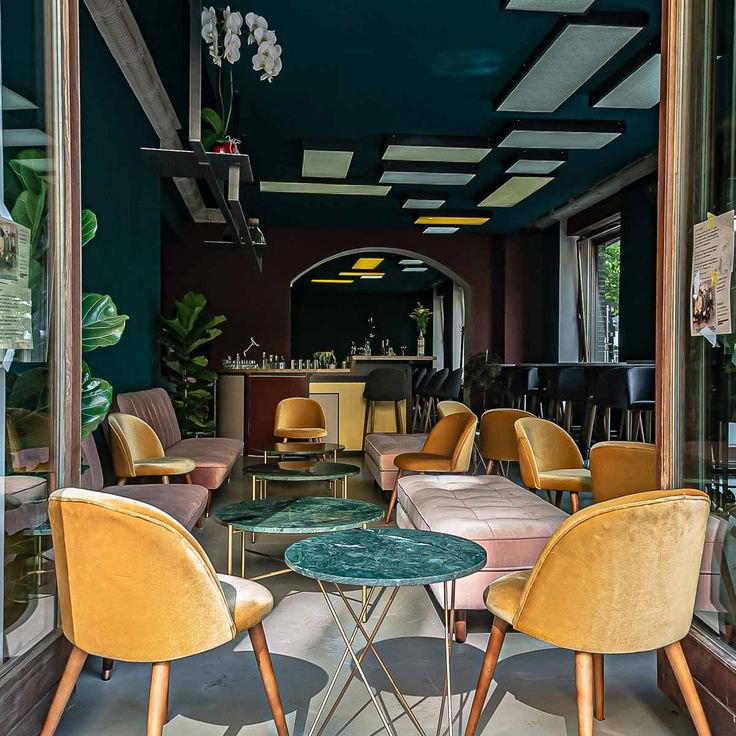
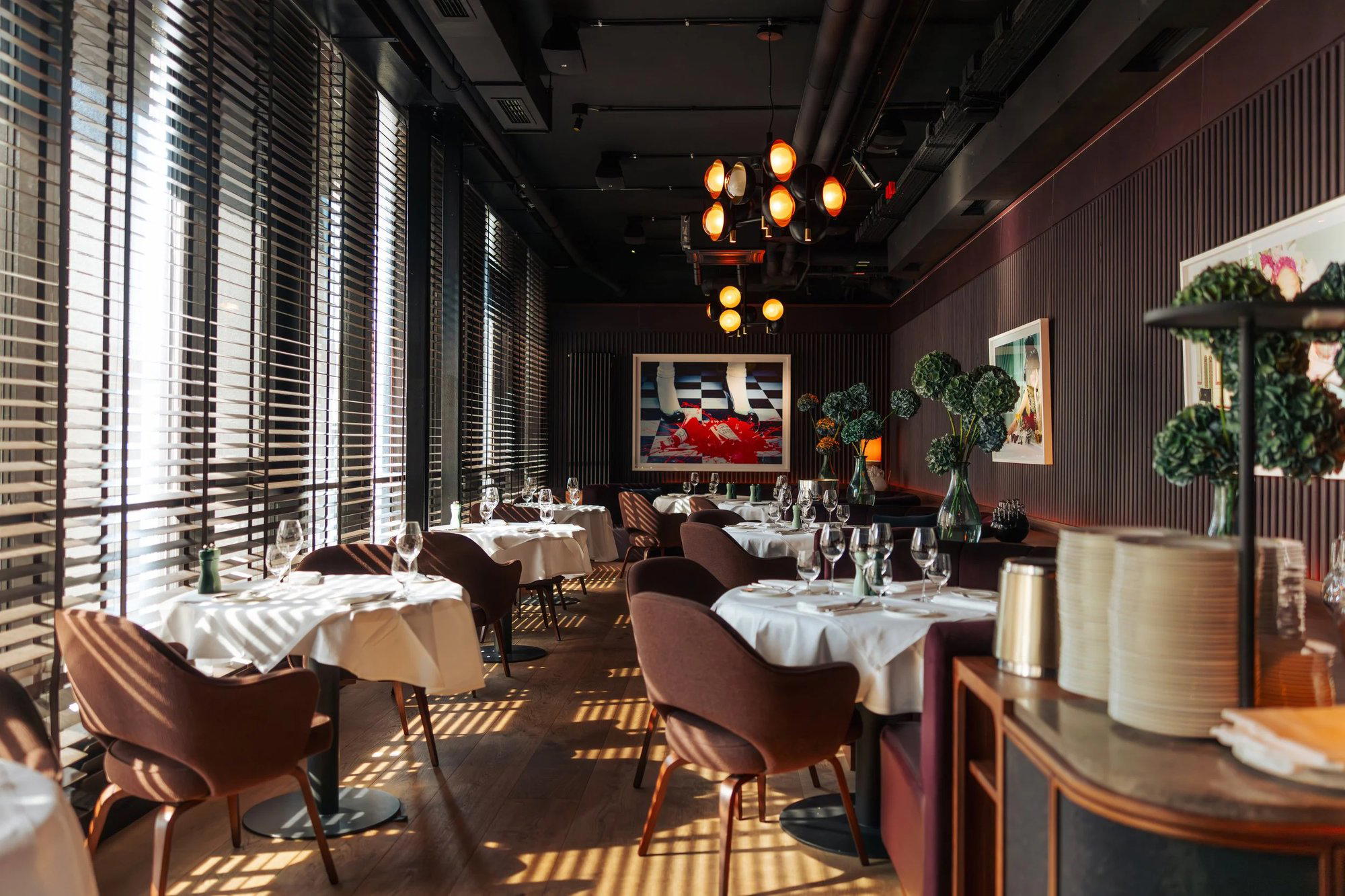
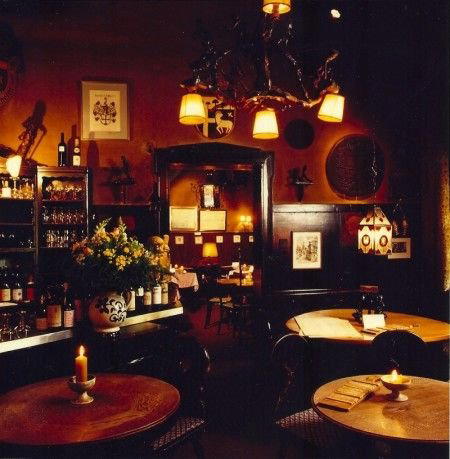
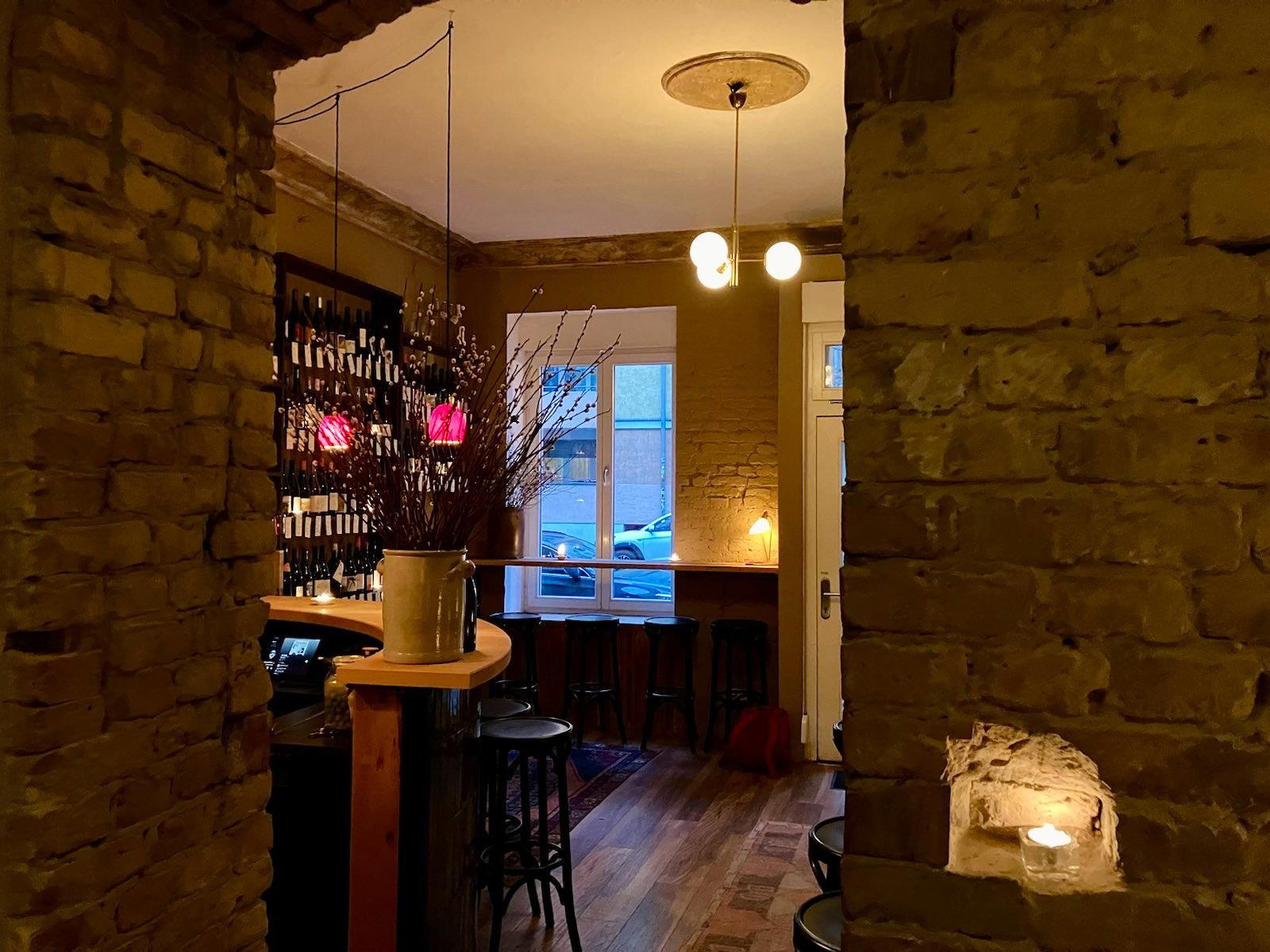
Low-key, unpretentious atmosphere with focus on food rather than decor; cramped interior but pleasant terrace seating available.