On Pariser Strasse in Wilmersdorf, Namaste occupies a corner of Berlin's Indian dining scene that rewards those who know where to look. The address sits in a residential stretch well away from the tourist circuits, placing it among the neighbourhood restaurants that Berliners return to by habit rather than hype. For a city whose fine-dining conversation is dominated by European formats, Namaste represents a different register entirely.
Pearl is the En Primeur Club membership app — saves, bookings, and concierge access live there. Same editors, same standards.
- Address
- Pariser Str. 56, 10719 Berlin, Germany
- Phone
- +493023947830
- Website
- namaste-indisches.de
- Directions
- Get directions
 Saves & bookings on Pearl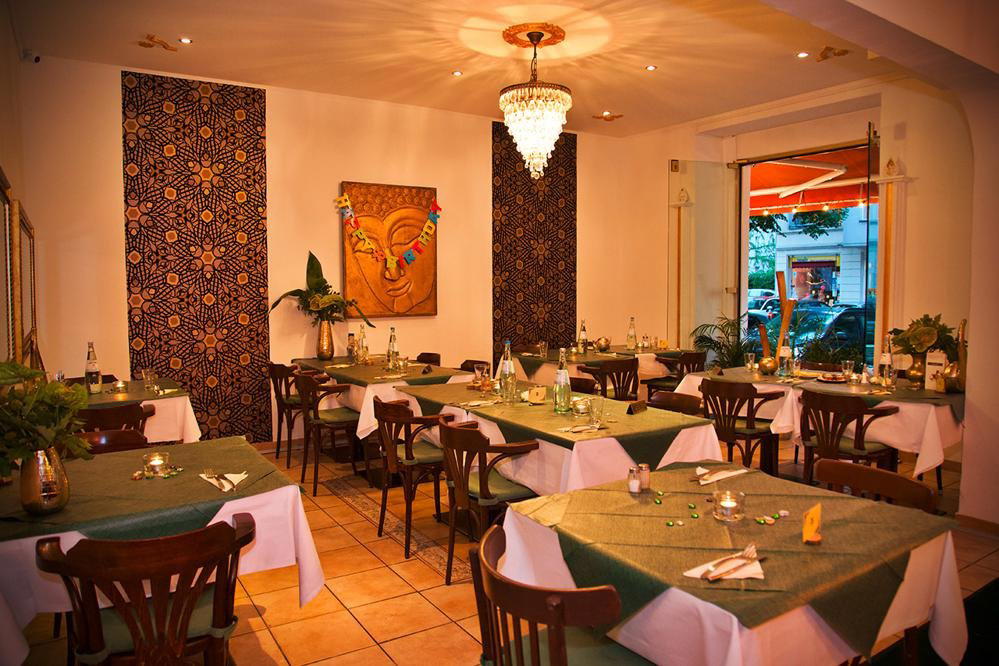
Wilmersdorf's Quiet Radius
But Berlin also holds a parallel layer of restaurants that operate outside that recognition circuit and serve a different function in the city's eating life. Indian restaurants sit largely in this second category, and Namaste on Pariser Strasse 56 is one of the addresses that residents in Wilmersdorf treat as a known quantity rather than a discovery.
Pariser Strasse runs through the western residential arc of the city, a neighbourhood whose dining profile leans toward the local and the reliable over the experimental. Approaching from Hohenzollerndamm, the street is low-key by design: tree-lined, mid-rise, absent the gallery clusters and concept-bar density of Mitte or Prenzlauer Berg. For Indian food specifically, this kind of residential embedding is often a marker of consistency. The restaurant serves a local clientele.
Indian Cooking in the German Context
To understand where Namaste sits, it helps to understand how Indian cuisine has developed in German cities relative to its trajectory in London or New York. In the UK, Indian restaurants have operated across a wide prestige spectrum for decades, from high-volume curry houses to tasting-menu formats that reference specific regional traditions. Germany's Indian restaurant culture arrived later and has evolved more slowly at the upper end. The result is that most Indian restaurants in Berlin still occupy a mid-market position, offering familiar North Indian frameworks: tandoor-cooked proteins, dal preparations, rice dishes, and bread service. That is not a criticism of the cuisine itself, which is technically demanding and regionally complex. It is simply a description of where the market sits.
Cities like New York have seen this start to shift. At Atomix, Korean cooking has been repositioned at a fine-dining price point backed by rigorous technique and a tasting-menu format. Indian cooking in European cities is at an earlier stage of that repositioning. Restaurants like Namaste sit in the broader wave of Indian dining that has not yet entered the Michelin conversation in Germany,
For a sense of what high-recognition Indian cooking looks like at an international reference level, London's leading Indian tables now operate at price points and with tasting-menu structures that parallel European fine dining. Berlin has not reached that tier yet with Indian cuisine, which means restaurants operating in this space have more room to define their own register.
What the Address Signals
Pariser Strasse 56 is a specific kind of Berlin restaurant address. It is not in a dining destination postcode. It does not benefit from the foot traffic of Kurfürstendamm nearby, nor the cultural density of Kreuzberg. What it does is plant the restaurant squarely in a neighbourhood where the competition is other neighbourhood restaurants, and where a returning clientele, rather than tourism, sustains the business. This is a different operating logic from the restaurants that anchor Berlin's international reputation, including Restaurant Tim Raue, where the room is partly a destination in itself.
The German dining scene beyond Berlin also provides useful context. Restaurants at the decorated end of the national spectrum, including Aqua in Wolfsburg, JAN in Munich, and Schwarzwaldstube in Baiersbronn, operate within European culinary frameworks. The same is true of Vendôme in Bergisch Gladbach, ES:SENZ in Grassau, Victor's Fine Dining by Christian Bau in Perl, Waldhotel Sonnora in Dreis, Restaurant Haerlin in Hamburg, Schanz in Piesport, and Bagatelle in Trier. Indian cooking sits entirely outside this formal recognition infrastructure in Germany, which tells you something about both the cuisine's positioning and its opportunity.
The Cultural Weight of Indian Cooking
Indian cuisine carries significant regional depth that is rarely fully represented in European restaurant settings. The gap between what the subcontinent's cooking traditions contain, the fermented rice preparations of Tamil Nadu, the coastal seafood curries of Kerala, the dry-spiced meat dishes of Rajasthan, the mustard-forward cooking of West Bengal, and what typically appears on European menus is considerable. Most Indian restaurants outside the subcontinent and the UK concentrate on a North Indian and Mughlai register: tandoor cooking, cream-based sauces, leavened and unleavened breads, and rice dishes. This is genuinely skilled cooking when executed well, and it forms a coherent tradition in its own right, but it represents a slice rather than the full range.
Understanding that context allows a reader to assess Namaste more precisely than a simple restaurant recommendation can. The relevant question is not whether Namaste is the kind of room that competes with Berlin's decorated European tables. It is whether the cooking delivers within its chosen register and whether it serves the neighbourhood function that Wilmersdorf-based diners evidently find it useful for.
For comparison within South Asian cooking at an international reference level, the format shifts seen at restaurants like Le Bernardin in New York City in adjacent cuisine categories illustrate what happens when a non-European tradition receives formal fine-dining investment and structure. Indian cooking is on a slower version of that trajectory in German cities.
Know Before You Go
Address: Pariser Str. 56, 10719 Berlin, Germany
Neighbourhood: Wilmersdorf, western Berlin
Phone: Not available
Website: Not available
Price range: About $30 per person
Hours: Mon-Sun: 11 AM-11 PM
Cuisine Context
Comparable venues nearby, for context on price, style, and recognition.
| Venue | Cuisine | Price | Notes |
|---|---|---|---|
| NamasteThis venue — the venue you are viewing | Authentic Indian Cuisine | $$ | Not listed |
| Bahadur | Authentic Northern Indian Tandoori Grill | $$ | Wilmersdorf |
| Tandoori Nächte | Northern Indian Tandoori | $$ | Halensee |
| Café Tschüsch | Vegetarian Indian Café | $$ | Neukolln |
| Stulle mit Brot | Berliner Stullen & Soup Shop | $$ | Charlottenburg |
| WaWa | Authentic Korean | $$ | Schoneberg |

At a Glance
- Modern
- Casual
- Sophisticated
- Casual Hangout
- Group Dining
- Family
- Terrace
Current opening hours
- Monday
- 11 AM–11 PM
- Tuesday
- 11 AM–11 PM
- Wednesday
- 11 AM–11 PM
- Thursday
- 11 AM–11 PM
- Friday
- 11 AM–11 PM
- Saturday
- 11 AM–11 PM
- Sunday
- 11 AM–11 PM
Hours can change for holidays and private events. Last verified .
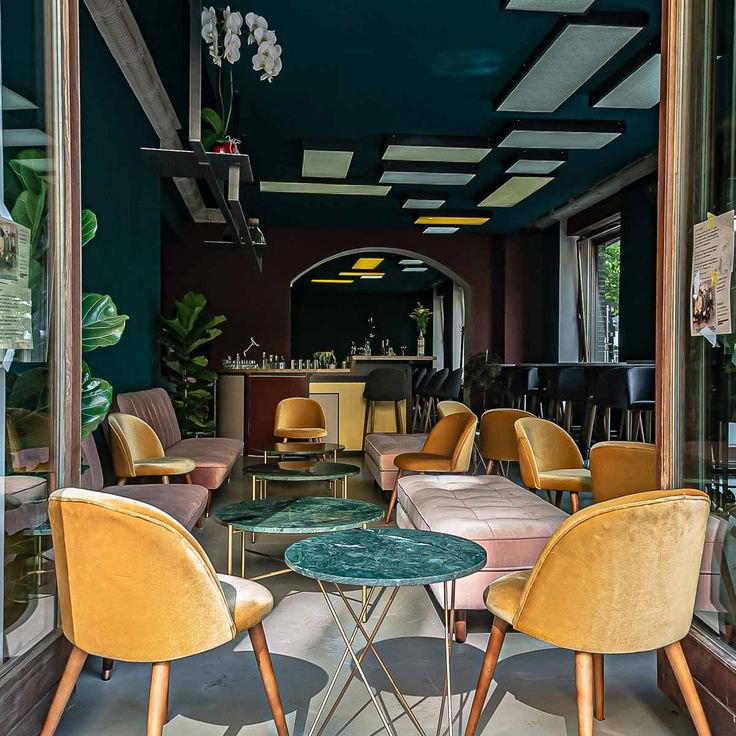
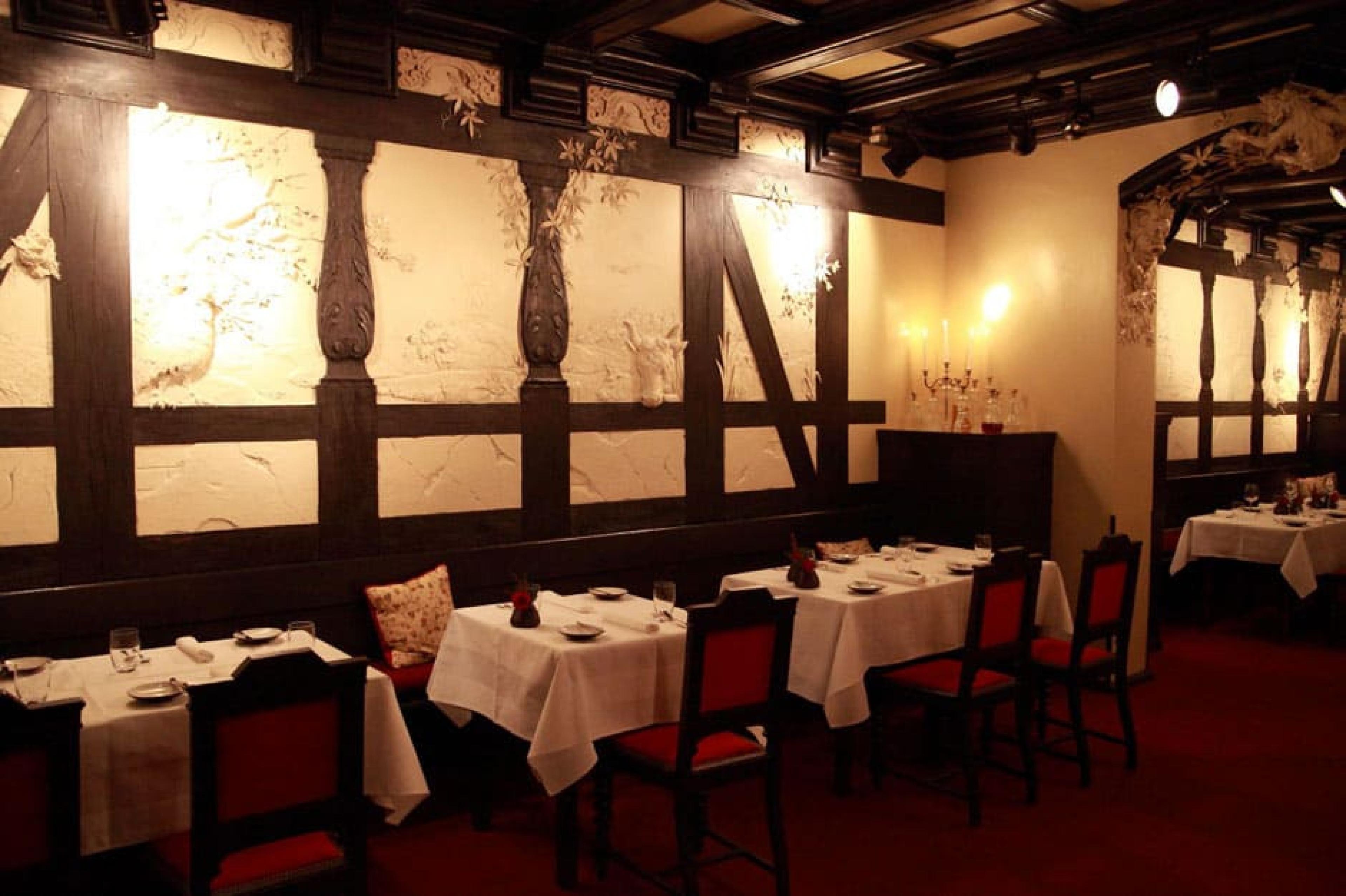
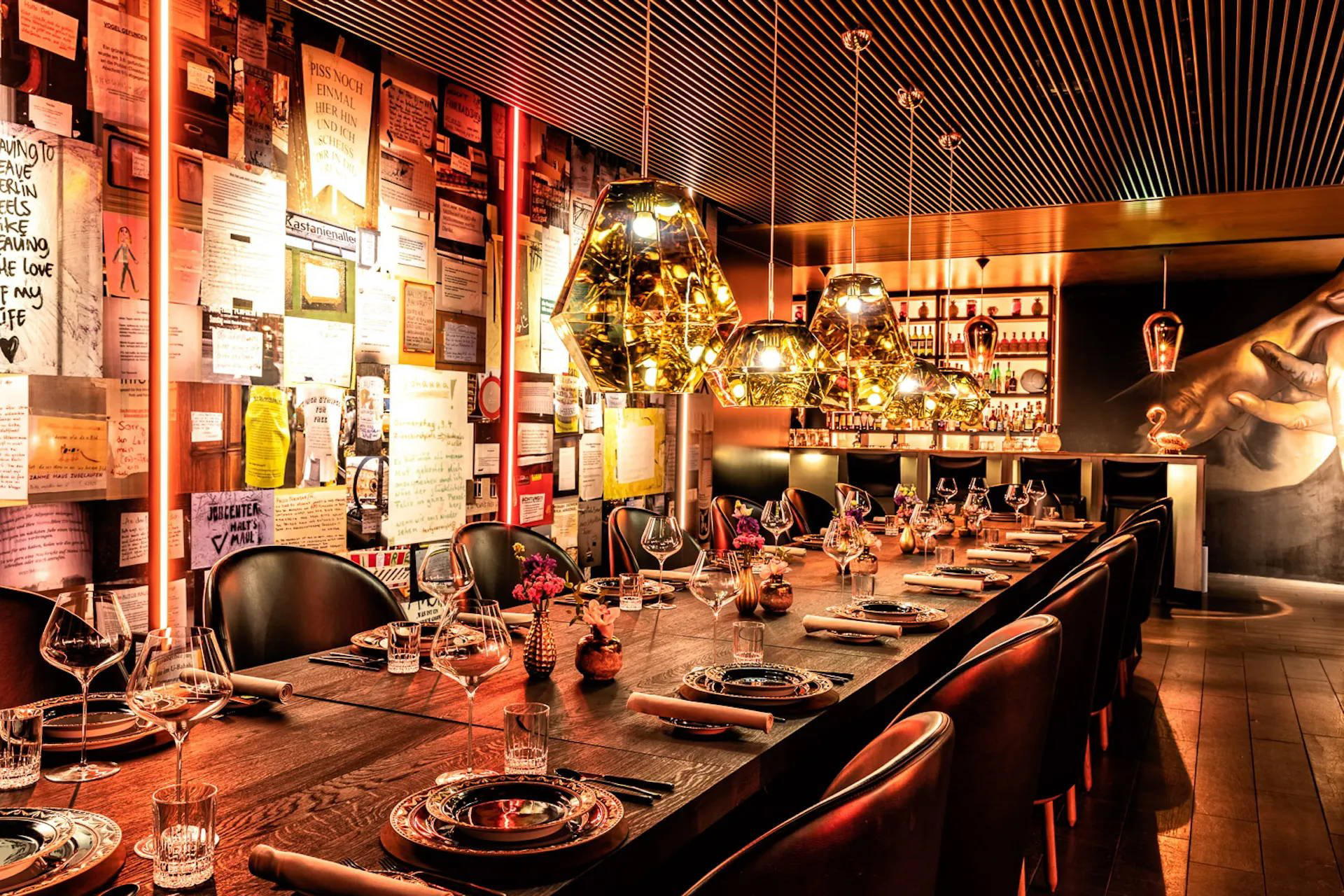
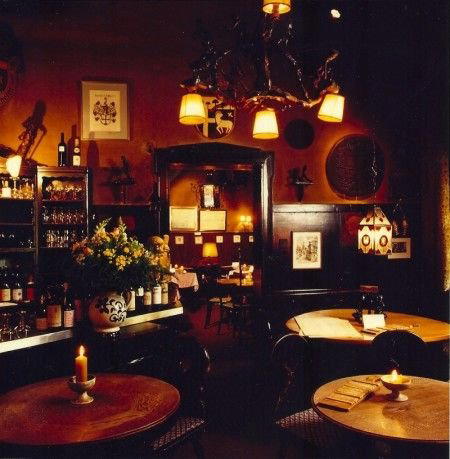
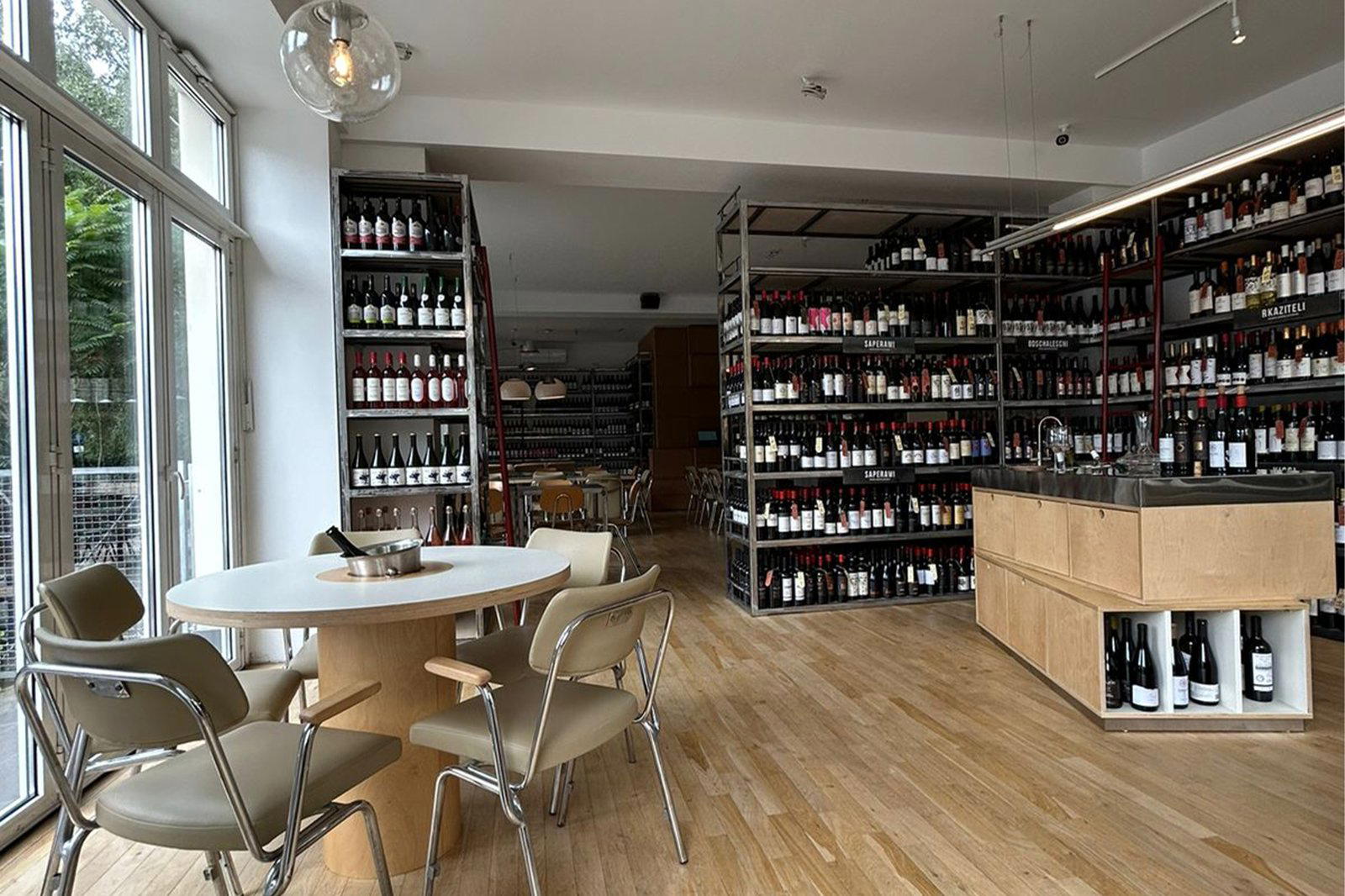
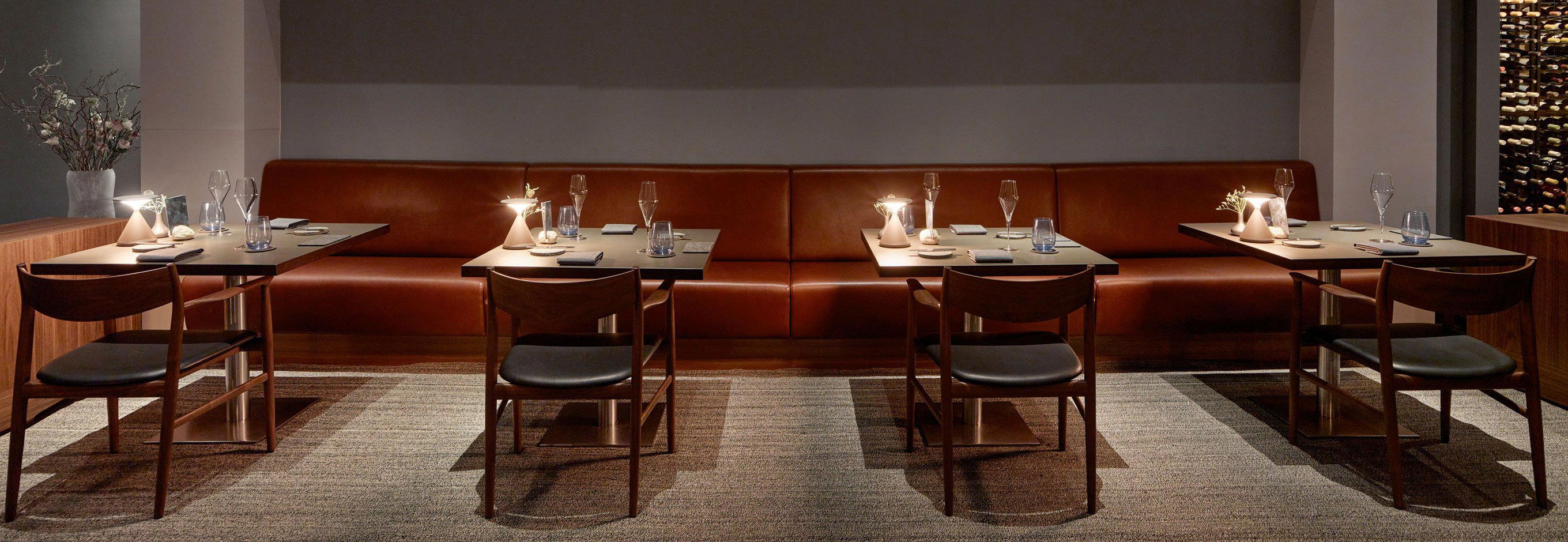
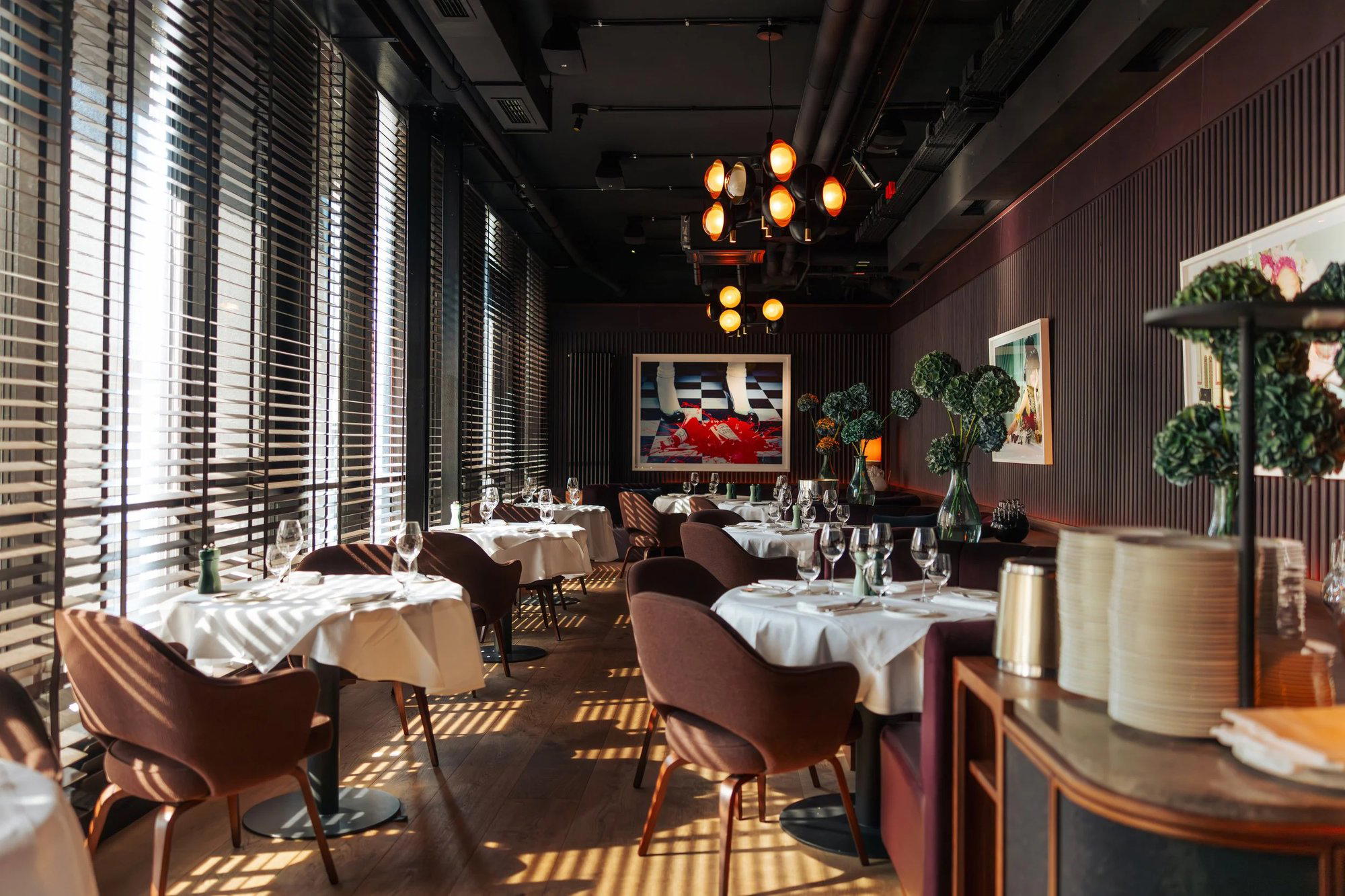
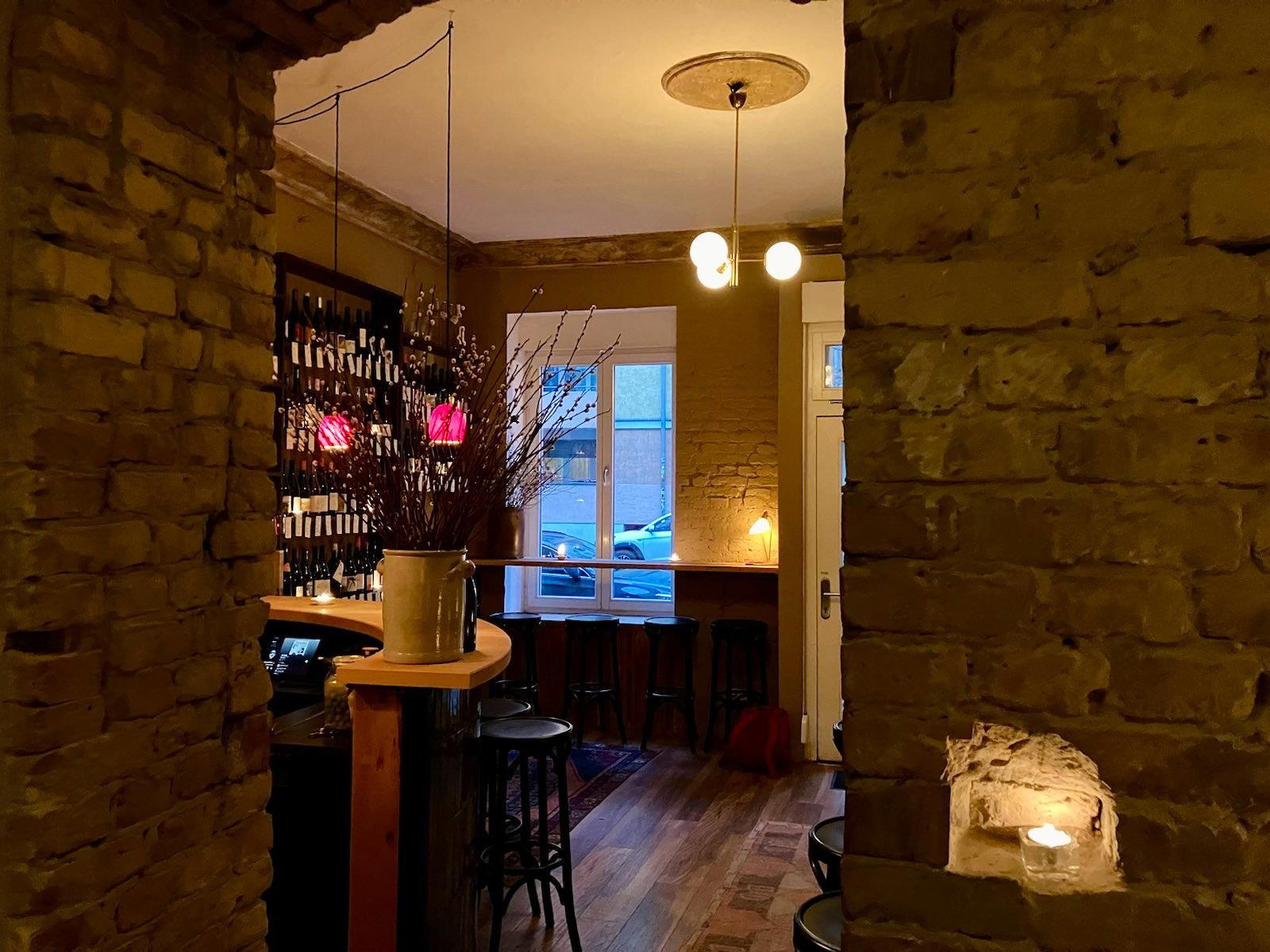
Modern and welcoming space with warm lighting and a sophisticated yet relaxed atmosphere that balances contemporary design with traditional hospitality.