Michelin Plate
Our verdict
A couple-run Italian restaurant in Osaka's Nishi Ward, tamanegi takes its name from the Japanese word for onion, a bulb central to both Italian and French kitchens. The kitchen draws directly from Piemonte: hand-rolled pasta, free-range beef, and organic wines anchor a menu that holds two consecutive Michelin Plate recognitions (2024 and 2025) at a mid-range price point.

Pearl is the En Primeur Club membership app, where members save venues, book tables and use the concierge.

The menu
What to order
- Handmade_tajarin
- Agnolotti_del_plin
- Free_range_beef
Onion Lamps and Piemontese Roots in Nishi Ward
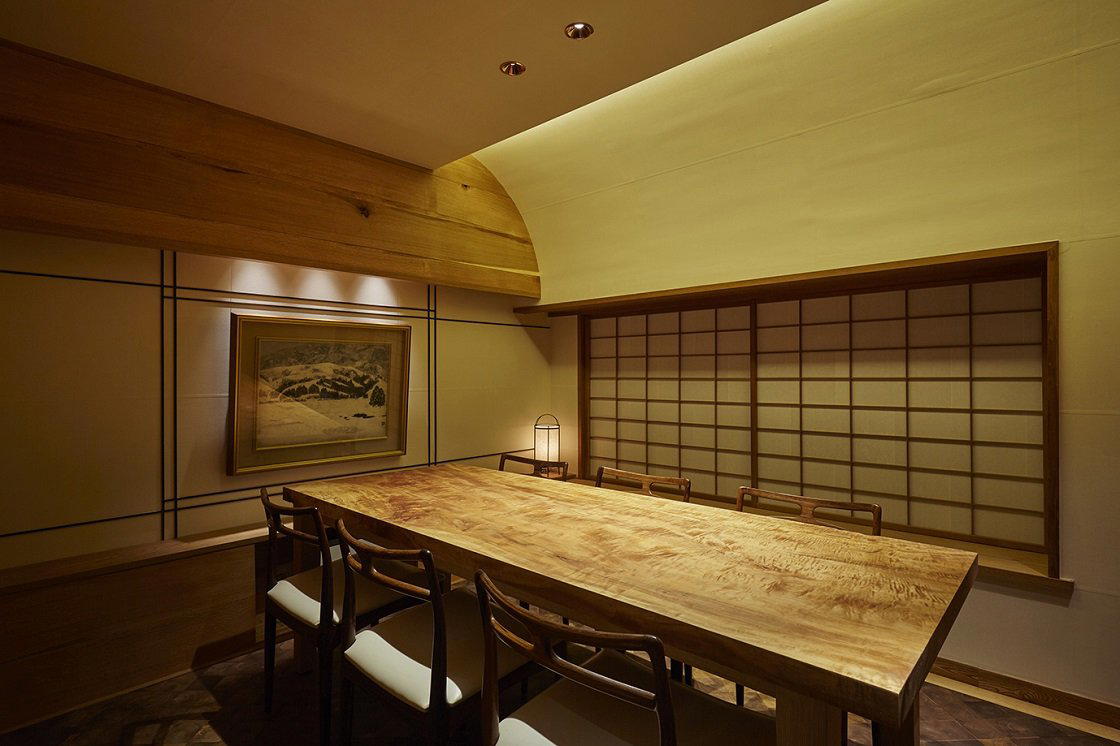
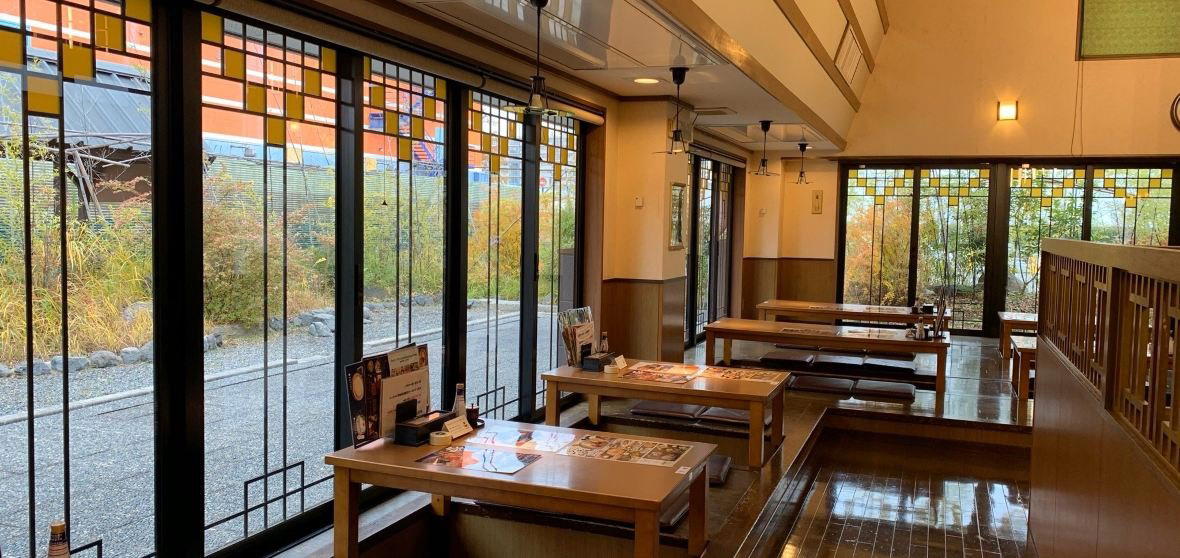
Walk into tamanegi on Shinmachi and the first thing you register is the ceiling: onion-shaped lamps casting a warm, amber-tinted light across the room. The name, tamanegi means onion in Japanese, is not a whim. It signals a kitchen philosophy built around an ingredient that sits at the base of both Italian soffritto and French mirepoix, chosen by a couple whose culinary references span both traditions. In Osaka's Nishi Ward, where the Italian dining scene skews toward polished urban trattorias and chef-driven tasting menus, this small restaurant operates at a different register: domestic in scale, sourcing-focused in approach, and priced accessibly enough to fill seats on a weekday evening.
Provenance as the Kitchen's Organizing Principle
The strongest independent Italian restaurants in Japan, whether cenci in Kyoto or 8½ Otto e Mezzo Bombana in Hong Kong, tend to anchor their identity in a specific Italian region rather than the peninsula at large. Piemonte is among the more demanding choices: a landlocked region in Italy's northwest where the cooking relies heavily on technique and ingredient quality rather than olive oil abundance or tomato sweetness. Hand-rolled pasta traditions there, tajarin, plin, agnolotti dal plin, require both precision and feel, and they do not forgive inferior flour or rushed dough.
At tamanegi, the pasta is made by hand using methods learned during the chef's time working in Piemonte. That direct apprenticeship in the region, rather than a Japan-based interpretation of it, matters here. Piemontese cuisine is unusually dependent on what you source: the beef, classically from Fassona cattle, benefits from specific pasture conditions; the truffles and hazelnuts of the Langhe define whole dish categories. Bringing that ethos to Osaka means substituting local Japanese equivalents where necessary, and the kitchen's use of completely free-range beef signals that the substitution logic is applied at the provenance level, not just as an aesthetic gesture.
The organic wine pairing reinforces this. Italy's natural and organic wine producers are disproportionately concentrated in Piemonte and its surrounding regions, with producers such as those in the Monferrato hills working with minimal intervention. Pairing that category of wine with produce-forward cooking is a coherent position, not a marketing one, low-intervention wines tend to resolve differently against food than heavily manipulated bottles, and a sommelier background in French wine (the husband trained as a sommelier at a French restaurant) gives the list a technical spine that extends beyond varietal matching.
Where tamanegi Sits in Osaka's Italian Scene
Osaka has developed a credible Italian dining tier over the past decade, with venues ranging from neighbourhood trattorias to multi-course tasting rooms. Among the city's recognized Italian addresses, tamanegi sits in the accessible-mid bracket: the ¥¥ price point places it well below Osaka's leading tasting menus, HAJIME and La Cime both operate at ¥¥¥¥, and in the same general range as il Centrino, La casa TOM Curiosa, La Lucciola, P greco, and YUNiCO.
The Michelin Plate recognition in both 2024 and 2025 positions it as a Michelin-observed address without entering the starred hierarchy. In Michelin's framework, a Plate indicates food prepared to a good standard, it is a threshold marker that separates reviewed restaurants from the broader mass. Holding that recognition across two consecutive editions at a mid-range price point is a reasonable signal of consistency.
The wider picture of how Italian cuisine operates across Japan is sketched more fully by venues like Goh in Fukuoka, 1000 in Yokohama, and 6 in Okinawa.
The Couple-Run Format and What It Implies
Couple-run restaurants occupy a specific niche in Japan's dining culture. They tend to be small, seat counts are typically limited to the range a two-person operation can manage, and the division of roles is usually clear: one partner on the kitchen, one handling front of house, wine, or both. The format creates a coherence of vision that larger teams often cannot replicate, but it also creates constraints: opening hours are frequently restricted, closure for holidays or personal reasons is more common than in corporate-backed venues, and reservation windows can be narrow.
At tamanegi, the wife's culinary training in Piemonte and the husband's sommelier background at a French restaurant represent complementary expertise pointing in a compatible direction. French and Italian wine cultures overlap significantly at the premium level, Burgundy and Barolo share enough in common that a palate trained on one can read the other.
Planning Your Visit
Address: 1 Chome-20-15 Shinmachi, Nishi Ward, Osaka 550-0013. Price range: ¥¥, mid-range by Osaka standards, accessible relative to the city's starred tier. Reservations: Booking in advance is advisable given the small, couple-run format; capacity is limited and the Michelin Plate recognition across two years makes the restaurant a known quantity among Osaka's Italian dining regulars. Contact methods are not listed publicly, checking Japanese reservation platforms or visiting in person to enquire is the most reliable approach. Awards: Michelin Plate 2024 and 2025. Leading for: Provenance-focused Italian cooking at a realistic price point, with organic wine pairing and hand-made pasta rooted in Piemontese technique.
For the broader Osaka picture, see our full Osaka restaurants guide, our full Osaka hotels guide, our full Osaka bars guide, our full Osaka wineries guide, and our full Osaka experiences guide.
Frequently asked questions
Is tamanegi focused on a specific cuisine style?
What part of town is tamanegi in?
tamanegi is located at 1 Chome-20-15 Shinmachi, Nishi Ward, Osaka, 550-0013, Japan, Osaka.
Is tamanegi award-winning?
tamanegi has received recognition including: Onion-shaped lamps hang from the ceiling. In this couple-run restaurant, the wife has studied Italian cuisine and the husband was a sommelier at a French restaurant. They chose the name (‘tamanegi’ is Japanese for ‘onion’) because of the bu….
What dish is tamanegi famous for?
Hand-made pasta is the kitchen's clearest calling card, prepared using techniques the chef brought back from Piemonte. The approach, fresh pasta made by hand in the regional northern Italian tradition, sets tamanegi apart from the broader Italian dining tier in Osaka, where that level of pasta craft is less common at the ¥¥ price point.
What's the price range at tamanegi?
Pricing at tamanegi is listed as ¥¥.
Should I book tamanegi in advance?
Couple-run restaurants in Japan typically operate with tight seat counts, enough for two people to manage without support staff, which means availability fills quickly once word spreads. Given tamanegi holds a Michelin Plate in both 2024 and 2025, reserving ahead is a practical step, particularly for weekend evenings in Nishi Ward.
What's the signature at tamanegi?
The Piemontese framework is the consistent thread: hand-made pasta, completely free-range beef, and organic wines selected by a husband who trained as a sommelier in a French restaurant. The name itself signals the kitchen's philosophy, the onion, common to both Italian and French cooking, bridges the couple's two culinary traditions.
At-a-Glance Comparison
A quick snapshot of similar venues for side-by-side context.
| Venue | Cuisine | Price | Awards | Notes |
|---|---|---|---|---|
| tamanegiThis venue (the venue you are viewing) | Piemonte-inspired Italian Fine Dining | $100–150 | Michelin Plate | Not listed |
| HAJIME | Avant-Garde Japanese Fine Dining | $300–500 | 3 Michelin Stars · World's 50 Best #83 | French, Innovative |
| La Cime | Modern French with Japanese Ingredients | $150–200 | 2 Michelin Stars · World's 50 Best #13 | French |
| Kashiwaya Osaka Senriyama | Seasonal Kaiseki Omakase | $200–300 | 3 Michelin Stars · La Liste Top Restaurants | Japanese |
| Taian | Traditional Japanese Kaiseki Omakase | $150–200 | 3 Michelin Stars · La Liste Top Restaurants | Kaiseki, Japanese |
| Fujiya 1935 | Modern Japanese with European influences | $100–150 | 2 Michelin Stars · La Liste Top Restaurants | Innovative |
Recognition history
Dated appearances from independent guides and award organizations, with the underlying list record or original source where available.
Michelin Plate
Michelin
Full recognition history (3 entries)
Michelin Plate
Michelin
Michelin Plate
Michelin