
Tabelog Silver #28
Our verdict
Osaka’s Italian dining has a serious counter culture, and gucite sits in the wine-led, reservation-only tier rather than the casual trattoria lane. The room is small, the ritual is adult, and the Tabelog Award 2026 Silver plus repeated Italian WEST 100 selections place it among the city’s closely watched Italian addresses.

Pearl is the En Primeur Club membership app, where members save venues, book tables and use the concierge.
The menu
What to order
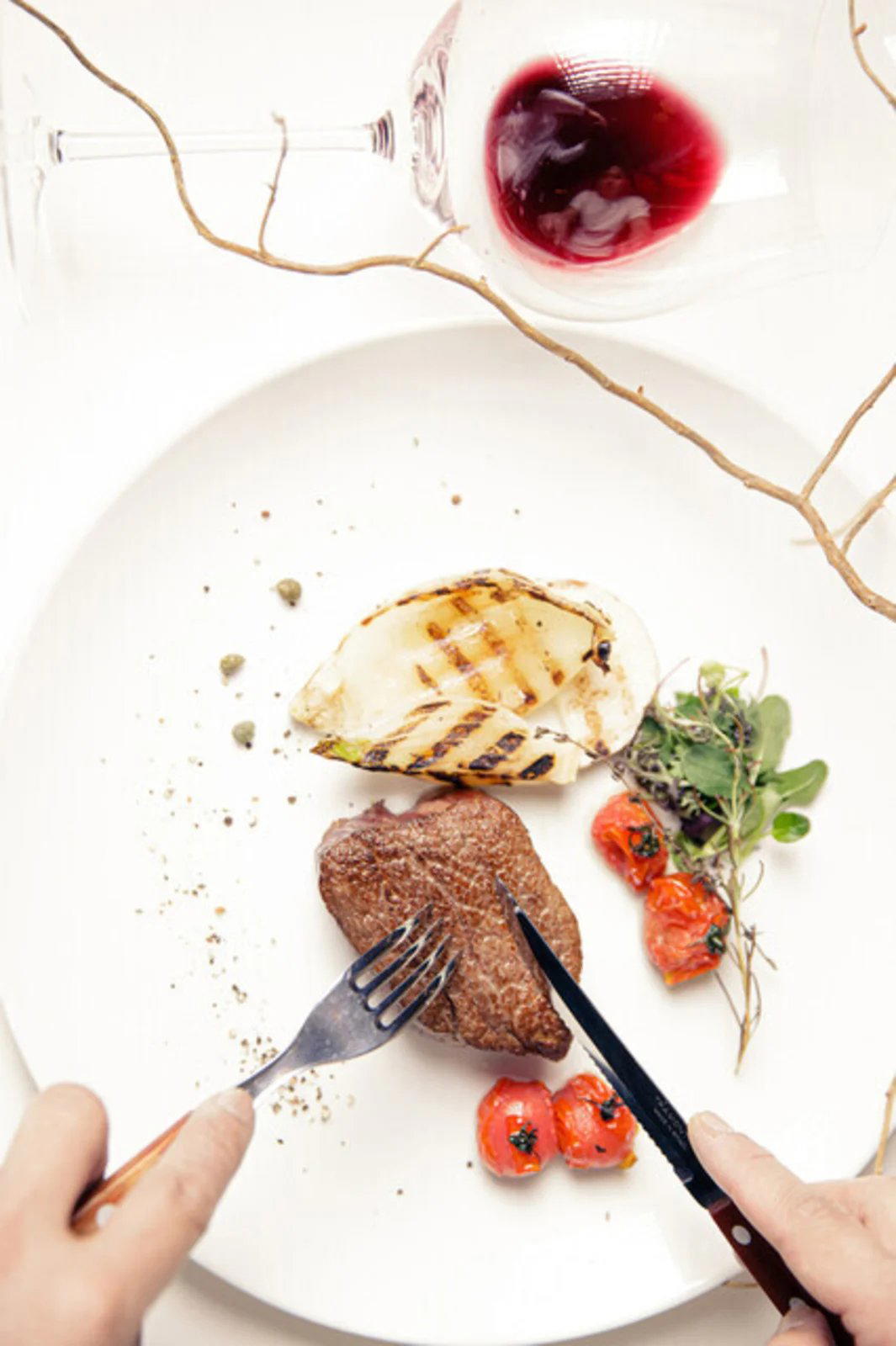
- French veal cutlet
- Tajarin ragu sauce
- Basque pork tonnato
Tenma is not only Osaka of neon excess. Around Temmabashi, the city tightens into quieter blocks, office edges, river-adjacent streets and small rooms that trade spectacle for concentration. That suits gucite: an Italian restaurant built around a compact counter, a handful of table seats and a meal where wine is not accessory but format. Osaka’s high-end Italian scene has matured into a local category, fitting Italian structure to Japanese pacing, seasonality and counter etiquette rather than reproducing Roman or Tuscan templates.
The first read is scale. With counter seating listed at 8 to 10 places and one 4-seat table, the room sits at Osaka dining’s small-format end, closer in discipline to kappo or sushi than to a broad trattoria. When most of the room can see the kitchen’s timing, courses arrive as sequence rather than private order; the guest keeps pace, drinks with intent and treats the room as shared space.
Italian cooking filtered through Osaka's counter discipline
Japanese Italian cooking is strongest when it stops imitating Italy and works with local habits: smaller courses, careful temperature control, seafood fluency, close wine matching and a counter that carries the drama. In Osaka, that approach has a sharper edge. The city prizes immediacy, value signals and host-guest exchange; in a small Italian room, those habits make the meal feel less like fine dining theatre than controlled ritual.
gucite’s category is Italian, but the more useful label is wine-led Japanese Italian at premium scale. Tabelog lists dinner at JPY 20,000 to JPY 29,999, well above Osaka’s casual pasta-and-wine bracket and closer to tasting-menu territory. Guests pay for pacing, sourcing judgement and wine compatibility as much as any plate. The note asking guests who cannot drink wine to refrain from entering is unusually direct, clarifying the restaurant’s centre of gravity without a slogan.
The recognition supports that reading. The restaurant holds The Tabelog Award 2026 Silver, after 2025 Bronze, and was selected for Tabelog Italian WEST 100 in 2021, 2023 and 2025. In Japan, Tabelog scores and award lists carry practical weight because they often reflect sustained diner attention, not a single inspection. A 2026 score of 4.32 places gucite in a narrow band where reputation, booking access and repeat interest reinforce one another.
That does not make it universal. The format is specific: small room, wine emphasis, adult pacing, no private rooms, no parking and no smoking. Diners wanting Osaka’s faster, louder pleasures will find a different answer at 551 Horai (551蓬莱), while bakery and café stops such as 52CHO-ME BAKERY or .cafe serve another side of the city’s daily appetite. The point is not breadth but commitment to a narrower dining ritual.
Where it sits in Osaka's Italian and premium dining map
Osaka’s Italian field runs from Neapolitan-leaning rooms such as 99 Pizza Napoletana Gourmet to more composed kitchens such as a canto (Italian). gucite belongs to the constrained end, where seating scarcity and wine alignment matter as much as cuisine label. Compared with nearby premium categories, Japanese dining at Temmabashi Fujikawa or beef-led spending at Wagyu no Kiraku frames a different choice: national tradition, meat luxury or Italian structure interpreted through Osaka manners.
The Tenma and Temmabashi position explains the tone. This is not Umeda hotel dining or Namba entertainment dining. It sits where destination restaurants can operate with less street-level performance, drawing guests who know why they are there. The Suezawa Building, 1F address keeps the experience low-key by city standards, but the award history shows serious diners have not overlooked it.
For travellers building a broader Osaka itinerary, gucite works better as a fixed evening anchor than a flexible meal between attractions. It is reservation-only, and the posted reservation status says no new reservations are accepted. That fact is decisive: this is not a backup plan. It belongs with limited-seat Japanese counters, where access shapes the trip rather than the other way around.
Osaka rewards contrast. A trip can move from this controlled Italian dinner to looser food markets, cocktail rooms, hotels and cultural programming without flattening the city into one dining identity. For wider planning, see Our full Osaka restaurants guide, Our full Osaka hotels guide, Our full Osaka bars guide, Our full Osaka wineries guide and Our full Osaka experiences guide. Those guides make more sense when gucite is understood not as an isolated trophy booking, but as evidence of how far Osaka’s premium dining has moved beyond the old shorthand of takoyaki, okonomiyaki and late-night appetite.
The ritual is narrow, and that is the point
The practical texture is part of the editorial judgement. Hours are structured around dinner services, with Thursday closure listed and a monthly non-fixed closure noted. Credit cards are accepted; electronic money and QR code payments are not. Private rooms and private use are unavailable. The format is compact, controlled and not designed for maximum accommodation.
The strongest case for gucite is for diners who treat wine as dinner’s framework and small rooms as feature, not compromise. The weakest case is for mixed groups with uncertain drinking preferences, young children, dietary complexity or flexible-booking needs. In Osaka, that clarity is useful: the city has enough range that every serious meal need not serve every traveller.
Readers mapping Japan beyond Osaka can compare how other cities express dining rituals: [ki:] in Kyoto through a different Kyoto register. 鮪と炭火焼き うお炭 秋葉原店 in Tokyo in a sharper Tokyo mode.know in Kumamoto with a regional lens, (Shoku) Vietnam in Kawasaki through Japan’s casual international layer, and [Curry Senmon Ten] Maruyama Kyoju. in Sapporo for a northern comfort-food counterpoint. Further afield, -Grilled beef Sukiyaki- KAMAKURA TANUKIAN 鎌倉 たぬき庵 in Kamakura, Jōdo Saké Bar in Los Angeles and Onigiri Time in Pasadena show how Japanese dining codes travel, loosen and reassemble. gucite’s place in that conversation is precise: Osaka Italian for guests willing to let wine, counter and pace set the terms.
Frequently asked questions
What are gucite's hours?
Hours at gucite: Mon, Tue, Wed, Fri, Sat 18:00 - 00:00.
Where is gucite in Osaka?
gucite is located in Osaka. 2 Chome-7-1 Tenma, Kita Ward, Osaka, 530-0043, Japan, Osaka.
What's the signature at gucite?
The defining setup is the 8-10 seat counter, backed by a four-seat table and a wine-led room in Tenma, Osaka. That compact format matters here as much as the Italian category, because the restaurant is reservation only and has earned the Tabelog Award 2026 Silver.
How does gucite handle allergies?
Those details are not published. 2 Chome-7-1 Tenma. For an Italian dinner at this scale, any allergy request should be raised before booking, especially with the 8-10 seat counter service. Check the venue's official channels for the latest details.
Can I bring kids to gucite?
gucite reads as an adults-first room: it is reservation only, has an 8-10 seat counter, and the venue note says, 'Please refrain from entering if you cannot drink wine.' Those details make it a poor fit for casual family dining in Osaka.
Where It Fits
Comparable venues nearby, for context on price, style, and recognition.
| Venue | Cuisine | Price | Awards | Notes |
|---|---|---|---|---|
| guciteThis venue (the venue you are viewing) | Italian Fusion Counter | $150–200 | Tabelog Silver #28 | Not listed |
| Tachinomi Bakery Urapane | Italian Bakery Bar | $10–20 | Tabelog 100 #71 | Nishi |
| Trattoria Cielo | Casual Italian Trattoria | $20–30 | Tabelog 100 #89 | Yodogawa |
| Shimanouchi Fujimaru Jozosho | Urban winery with Italian-based cuisine | $50–100 | Star Wine List · Tabelog 100 #96 | Chūō |
| The Grand Cafe | Italian-style café and dining bar | $30–50 | Tabelog 100 #18 | Kita |
| Mashica | Italian Izakaya with Natural Wines | $30–50 | Star Wine List | Nishi |
Recognition history
Dated appearances from independent guides and award organizations, with the underlying list record or original source where available.
Tabelog Silver #28
Tabelog
Full recognition history (3 entries)
Tabelog 100 #12 · No. 12
Tabelog · Tabelog 100 - Italian - WEST - 2025
Tabelog Bronze
Tabelog
Continue exploring
More in Osaka
Restaurants in Osaka
All restaurants in Osaka →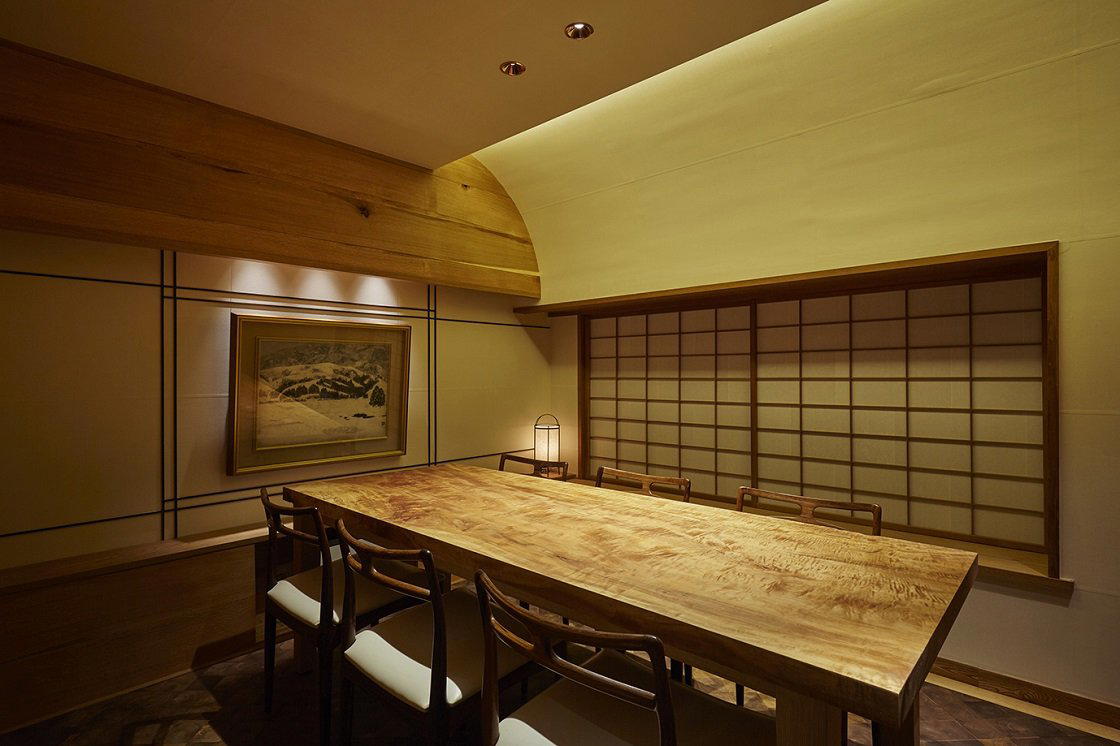


Bars in Osaka
All bars in Osaka →
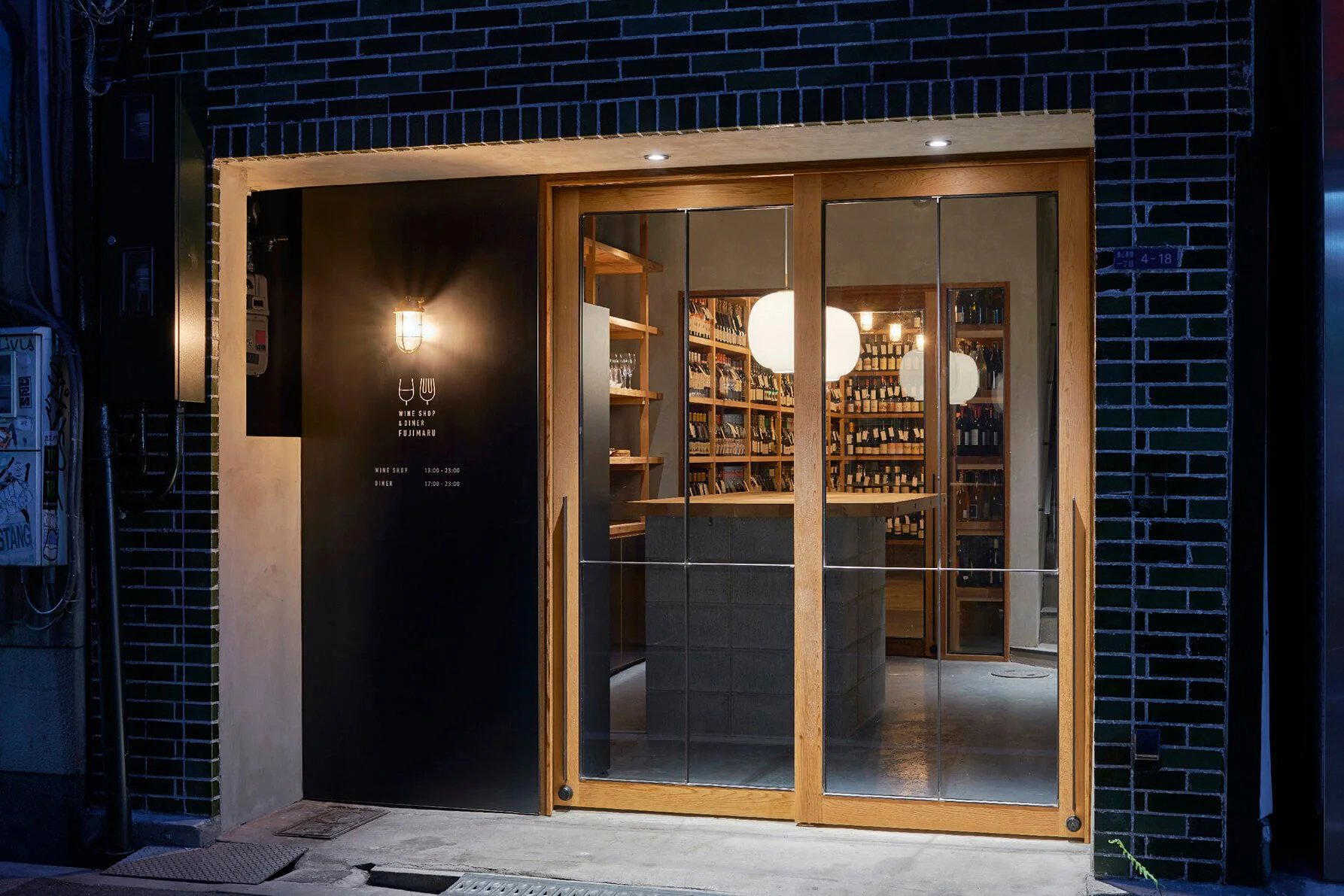
Hotels in Osaka
All hotels in Osaka →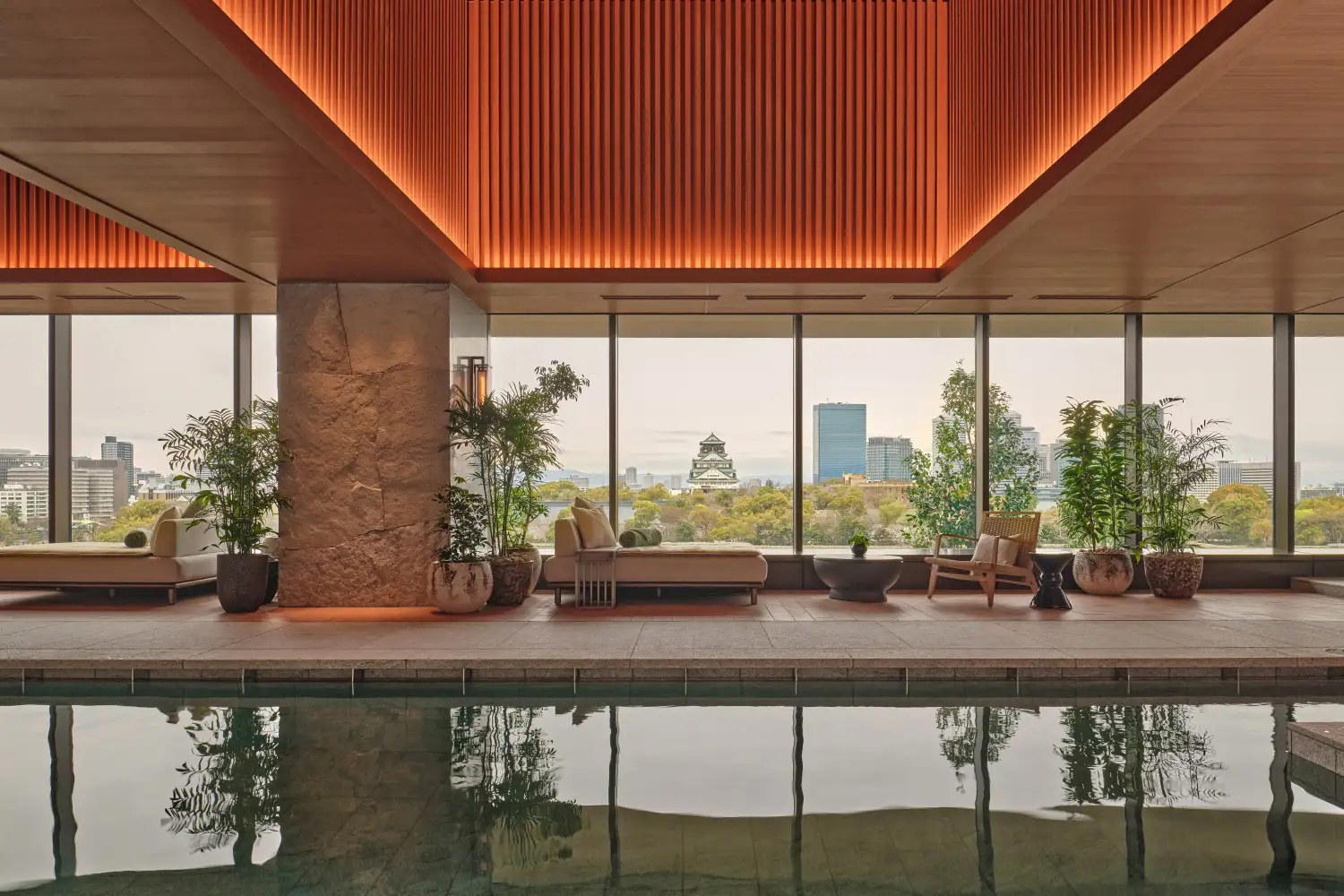



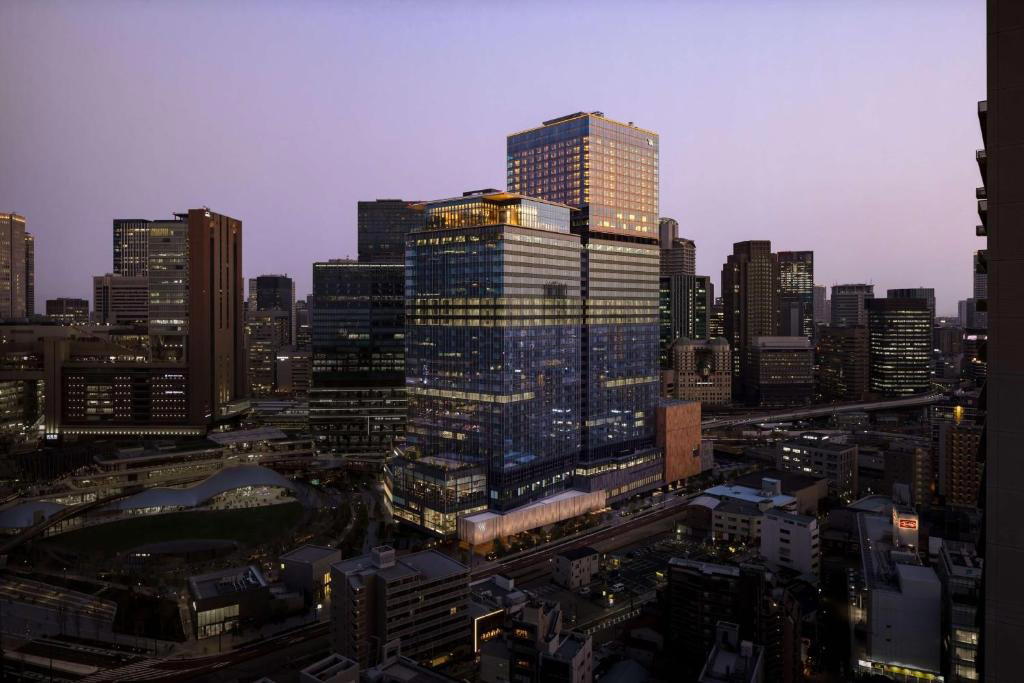
Wineries in Osaka
Browse all →
Details
- Intimate
- Sophisticated
- Date Night
- Special Occasion
- Chefs Counter
- Sake Program
- Local Sourcing
- Counter Dining
- Wine
Current opening hours
- Monday
- 6 PM–12 AM
- Tuesday
- 6 PM–12 AM
- Wednesday
- 6 PM–12 AM
- Thursday
- Closed
- Friday
- 6 PM–12 AM
- Saturday
- 6 PM–12 AM
- Sunday
- 2–10 PM
Hours can change for holidays and private events. Hours as of .
Cozy counter decorated with trees seating about 10, quiet street location turning lively at opening with an intimate, stylish interior.