
Dynasty at the Renaissance Harbour View in Wan Chai is one of Hong Kong's established Cantonese dining rooms, positioned where harbour-district tradition meets the city's competitive fine-dining tier. The menu architecture follows classical Cantonese logic, dim sum, whole-ingredient preparations, and banquet formats that reward group ordering. Its address on Harbour Road places it within reach of the convention district's steady stream of business entertaining.
Pearl is the En Primeur Club membership app — saves, bookings, and concierge access live there. Same editors, same standards.
- Address
- 1 Harbour Rd, Wan Chai, Hong Kong
- Phone
- +85225846972
- Website
- marriott.com
- Directions
- Get directions
 Saves & bookings on Pearl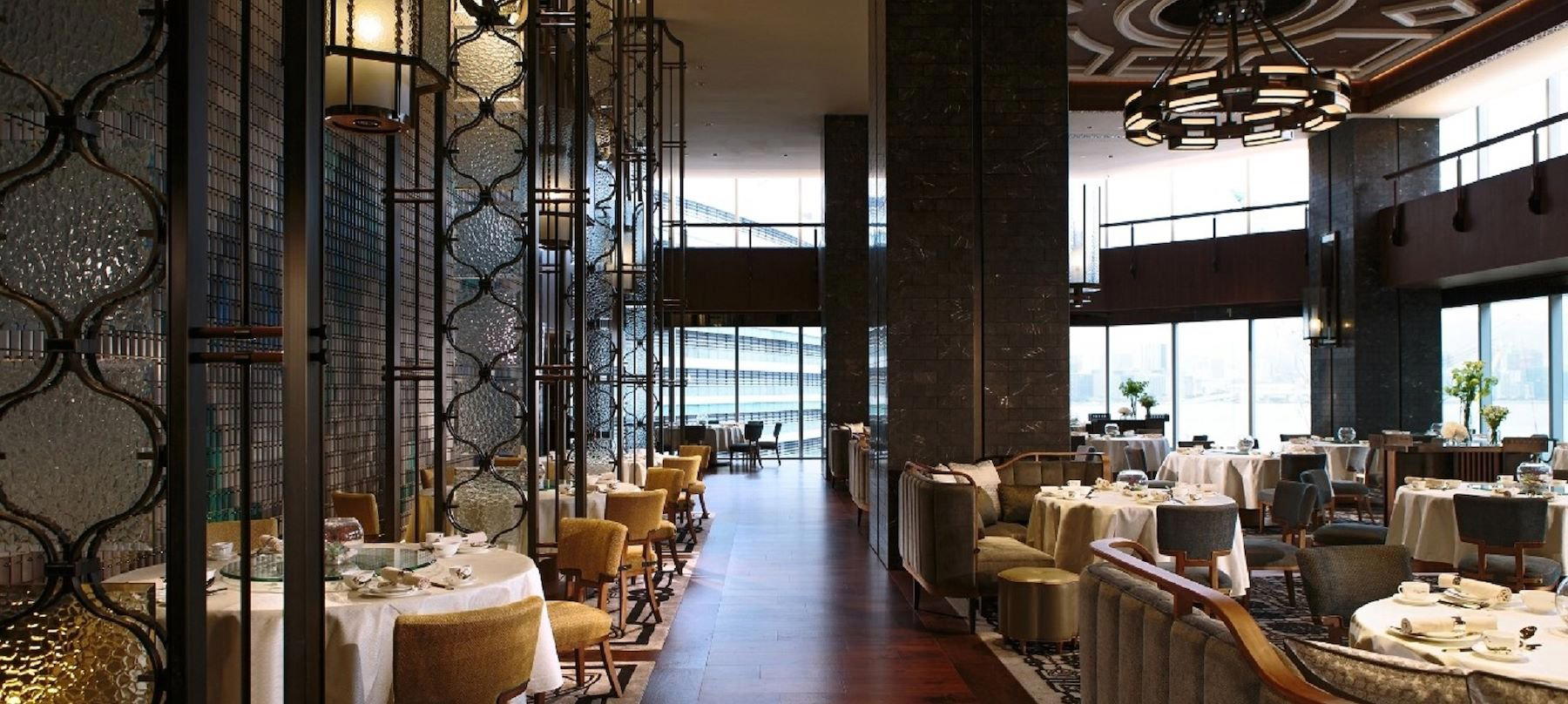
Wan Chai's Cantonese Tradition and Where Dynasty Sits Within It
Wan Chai has always occupied an interesting middle position in Hong Kong's dining geography. It lacks Central's concentration of internationally recognised fine-dining addresses, the kind of rooms where Amber and Caprice have built reputations over decades, but it also sits at a remove from the more utilitarian Cantonese dining found in the New Territories districts. The result is a neighbourhood that has historically supported a different kind of Chinese restaurant: hotel-anchored, banquet-capable, oriented around business entertaining and group meals rather than the solo tasting-menu format that now dominates critical attention.
Dynasty, located at 1 Harbour Road in Wan Chai, is precisely that kind of room. Positioned inside a harbour-facing hotel property, it addresses a diner whose priorities run toward private dining rooms, lazy-susan formats, and menus structured around sharing rather than individual progression. That is not a lesser ambition than the omakase or chef's-table model, it is simply a different one, and in Hong Kong's Cantonese tradition, it is the older and more socially embedded of the two.
Reading the Menu Architecture
The logic of a classical Cantonese menu is worth understanding before you arrive, because it shapes how to order well. Unlike the linear progression of a French tasting menu, the model followed by rooms like Ta Vie or 8 1/2 Otto e Mezzo Bombana, a Cantonese banquet menu is built around simultaneity and contrast. Dishes arrive in categories rather than courses: cold starters that establish texture variety, soups that anchor the table, roasted proteins, stir-fries, seafood preparations, and a starchy close of rice or noodles. The sequence within those categories is negotiated rather than prescribed.
At hotel Cantonese restaurants in Hong Kong, that architecture is typically expressed through set menus at different price points alongside an à la carte selection that allows the experienced diner to construct their own sequence. This is where knowledge of the cuisine pays off most directly: ordering well at a room like Dynasty means understanding which categories to anchor (a whole roasted bird, a seafood centrepiece) and which to treat as supporting texture (cold appetisers, vegetable dishes). The dim sum service, when available, operates on its own logic entirely, a mid-morning or early-afternoon format built around smaller plate cycles that reward sustained ordering over time rather than a single curated selection.
The Cantonese kitchen's relationship with premium ingredients, abalone, dried seafood, bird's nest, whole fish, is also directly legible in how these menus are structured. High-cost ingredients tend to anchor the centre of the table rather than appearing as individual components in a composed dish. That transparency of ingredient over technique is one of the defining contrasts between Cantonese fine dining and the European models that now dominate Hong Kong's Michelin column. Both Forum, which built its reputation specifically on abalone preparation, and the broader hotel Cantonese tier occupy this same ingredient-forward logic, just at different price and prestige coordinates.
The Harbour Road Address and What It Implies
The convention district end of Wan Chai, where Harbour Road runs, has a specific hospitality character. It is dense with hotel dining rooms, oriented toward expense-account entertaining, and proximate to the Hong Kong Convention and Exhibition Centre. That context shapes the clientele at rooms like Dynasty: a mix of corporate groups booking private dining spaces, visiting mainland Chinese guests for whom hotel Cantonese dining carries specific status signals, and local families using the banquet format for celebrations.
This is a different visitor profile from the one that fills the counter seats at the city's newer tasting-menu formats. It is also worth noting that this type of room, hotel-anchored, banquet-capable, Cantonese, represents one of Hong Kong's most historically stable dining categories. The floating restaurant tradition that once drew tourists to Aberdeen (represented in our archive by the Former Jumbo Floating Restaurant) has faded, but the hotel Cantonese banquet room has proved more durable, partly because its function is social rather than purely gastronomic.
The harbour-facing location is also practically relevant. Wan Chai is directly accessible by MTR, and the Wan Chai station exit places most harbour-district hotels within a short walk. For visitors combining dinner with the convention centre or with an evening in the adjacent arts district, the location removes logistical friction that attaches to more remote addresses.
Placing Dynasty in Hong Kong's Wider Cantonese Context
Hong Kong's Cantonese dining tier spans an enormous range, from the roast-meat specialists and wonton noodle shops found across districts like Yau Tsim Mong, where Block 18 Doggie's Noodle represents the dedicated noodle format, to the Michelin-starred rooms that price against international fine dining. Hotel Cantonese rooms occupy a specific band within that spectrum: they are typically more expensive than standalone neighbourhood restaurants and more format-flexible than the starred tasting-menu tier.
Other districts contribute their own Cantonese variants. Lei Garden in Sha Tin represents the suburban Cantonese banquet format, while Chin Sik in Tsuen Wan and Hoi Tin Garden in Tuen Mun reflect the New Territories' own Cantonese dining culture. Each of those addresses serves a different primary function from a hotel dining room in Wan Chai, which explains why the city's Cantonese scene feels so internally varied to first-time visitors.
Le Salon de Thé de Joël Robuchon at ifc mall and AMMO in Central and Western occupy different registers of the European-influenced tier, while international points of comparison, rooms like Le Bernardin in New York or Lazy Bear in San Francisco, illustrate how different cities anchor their fine-dining identities around equally distinct culinary logics.
Planning Your Visit
Booking ahead is advisable for weekend dim sum and for any private dining room or banquet configuration, where group minimums and menu pre-selection often apply. Weekday lunch tends to be more accessible. Given the convention-district location, availability during major trade fairs and exhibitions at the HKCEC can tighten considerably; if your travel overlaps with a major convention period, earlier reservation is prudent. Practical specifics, current hours, pricing, and booking contact, are best confirmed directly with the hotel, as hotel dining room schedules can shift seasonally. Dress code at rooms of this type in Hong Kong typically runs toward smart casual, with business attire common in the evening.
Enchanted Garden Restaurant in the Islands, Habib's in Kwun Tong, and King of Soybeans in Wong Tai Sin, our Hong Kong restaurants guide covers the full spread.
Cuisine Context
Comparable venues nearby, for context on price, style, and recognition.
| Venue | Cuisine | Price | Notes |
|---|---|---|---|
| DynastyThis venue — the venue you are viewing | Award-Winning Cantonese | $$$$ | Not listed |
| Stellar House (Chuang’s Enterprise Building) | Traditional Cantonese / Shunde banquet cuisine | $$$$ | Wan Chai |
| Soft Bank | Cantonese Private Kitchen | $$$$ | Sheung Wan |
| Xin Rong Ji | Modern Taizhou & regional Chinese fine dining | $$$$ | Wan Chai |
| Imperial Court | Modern Lingnan Cantonese Fine Dining | $$$$ | NAPE |
| Shang Palace | Michelin-Starred Cantonese | $$$$ | Yau Tsim Mong South |
Recognition history
Dated appearances from independent guides and award organizations, with the underlying list record or original source where available.
SCMP 100 Top Tables Restaurants
SCMP 100 Top Tables
Continue exploring
More in Hong Kong
Restaurants in Hong Kong
Browse all →
Bars in Hong Kong
Browse all →
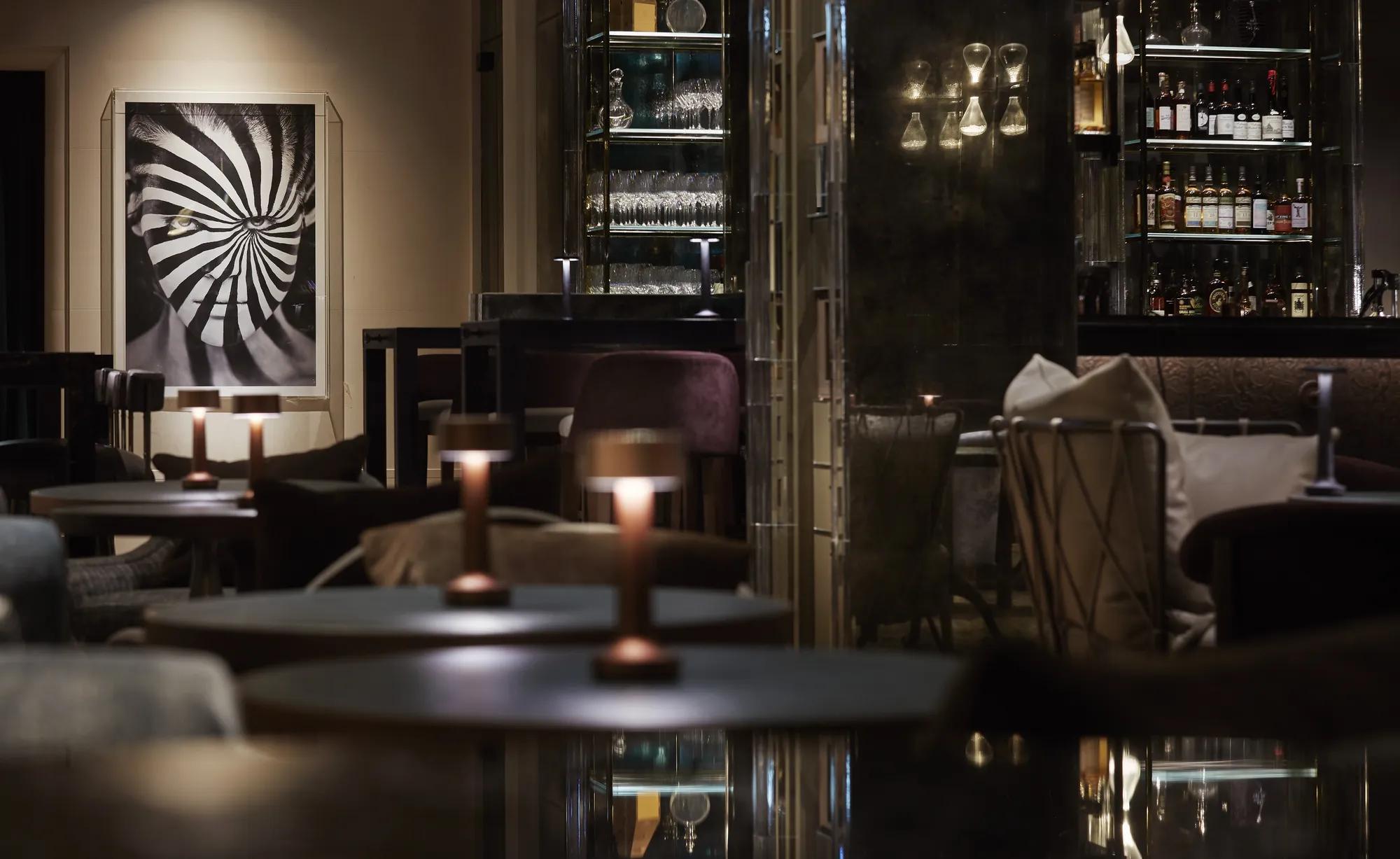
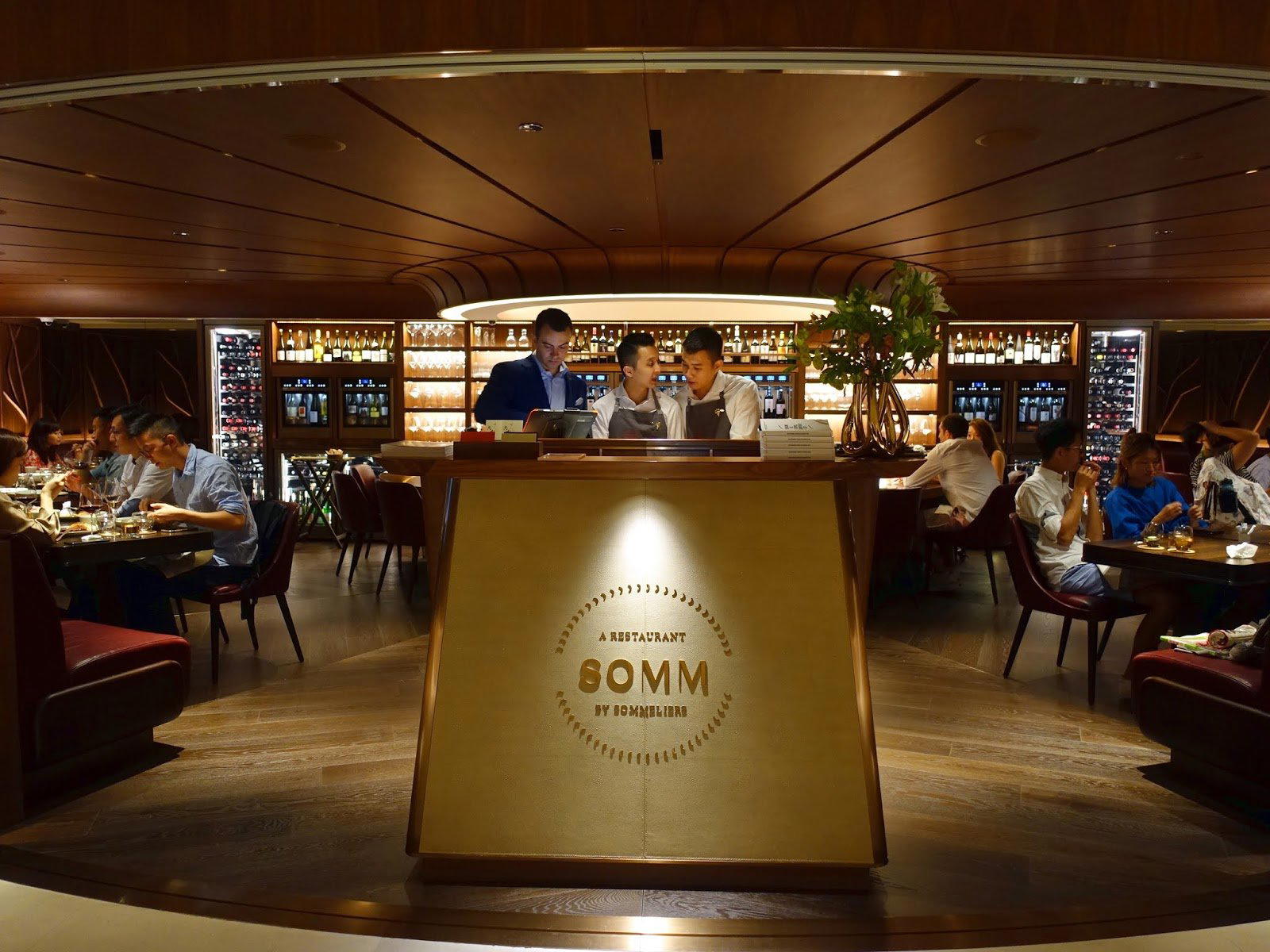
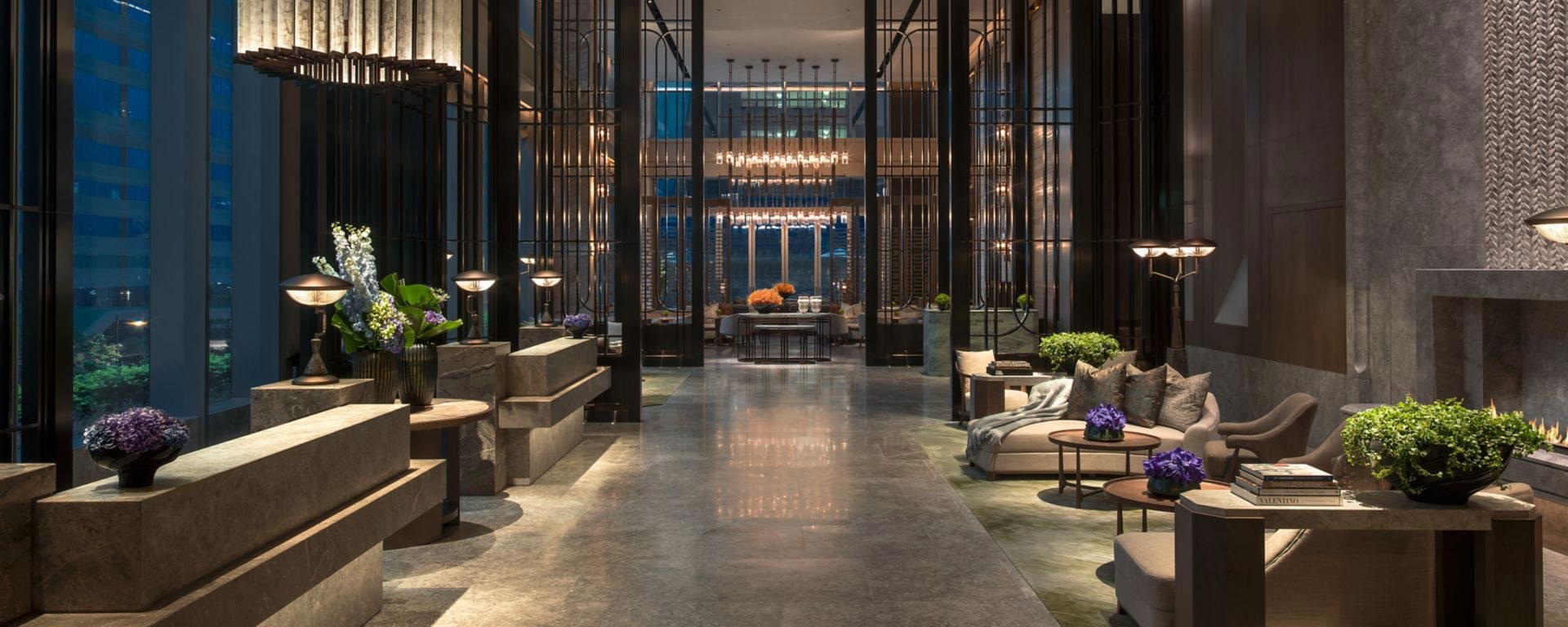
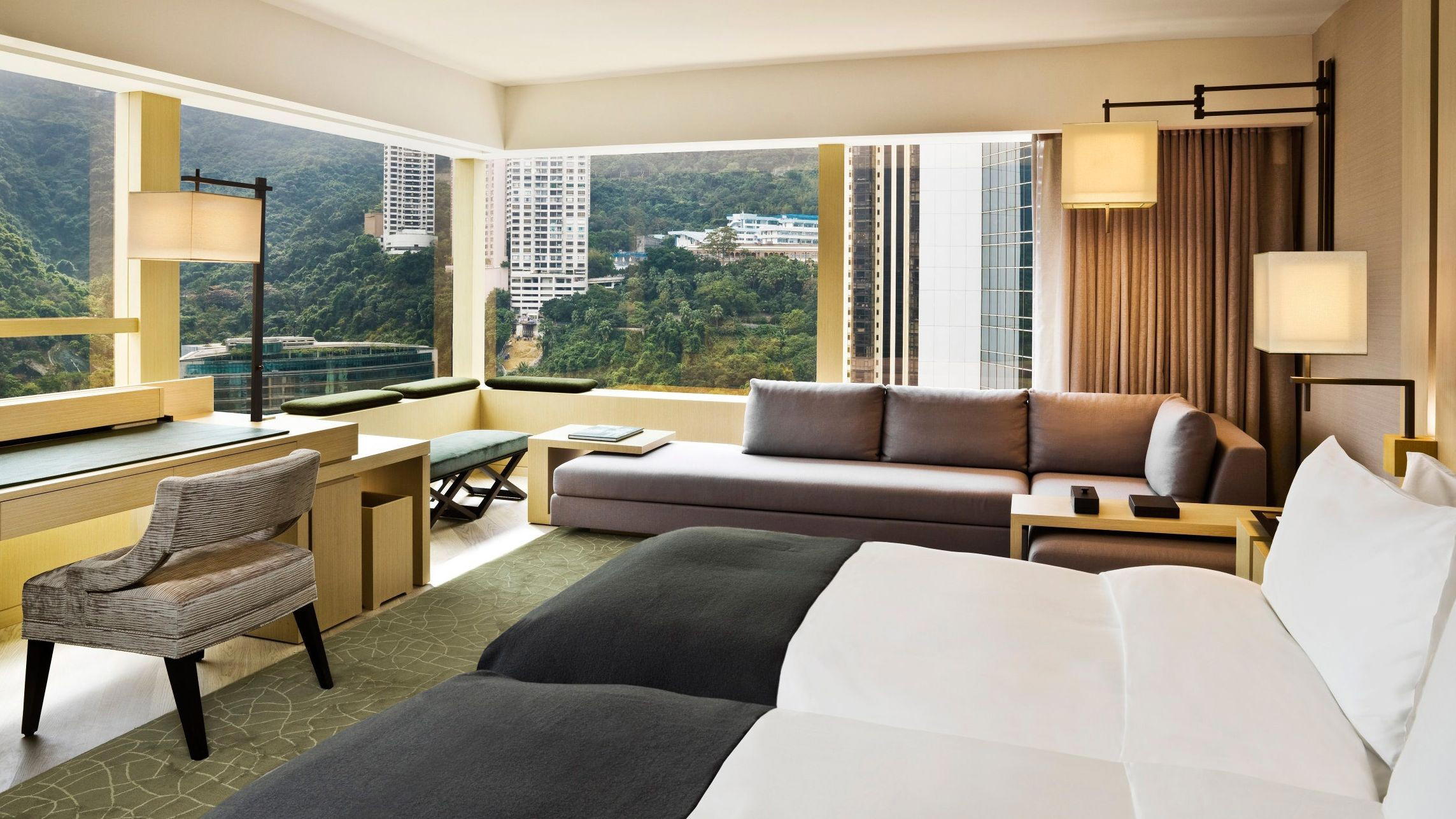
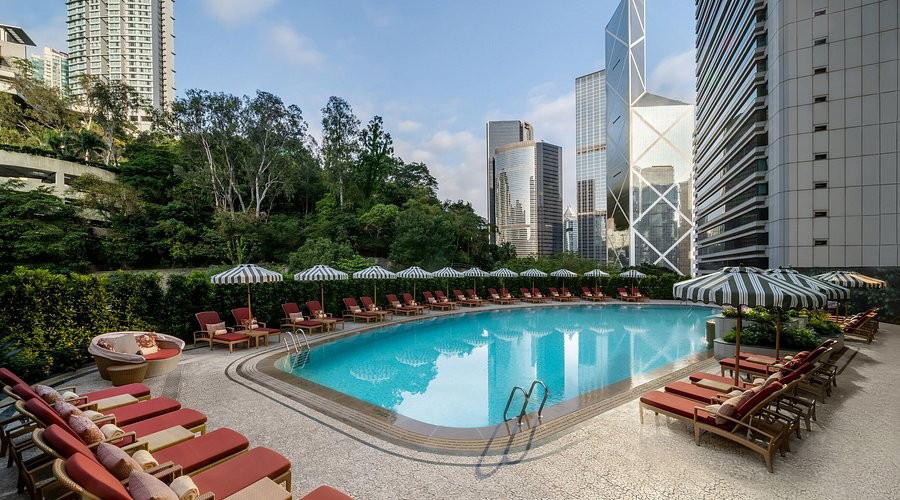
At a Glance
- Elegant
- Sophisticated
- Classic
- Business Dinner
- Special Occasion
- Group Dining
- Waterfront
- Hotel Restaurant
- Private Dining
- Sake Program
- Waterfront
- Skyline
Current opening hours
- Monday
- 12–3 PM, 6–10:30 PM
- Tuesday
- 12–3 PM, 6–10:30 PM
- Wednesday
- 12–3 PM, 6–10:30 PM
- Thursday
- 12–3 PM, 6–10:30 PM
- Friday
- 12–3 PM, 6–10:30 PM
- Saturday
- 12–3 PM, 6–10:30 PM
- Sunday
- 11:30 AM–3 PM, 6–10 PM
Hours can change for holidays and private events. Last verified .
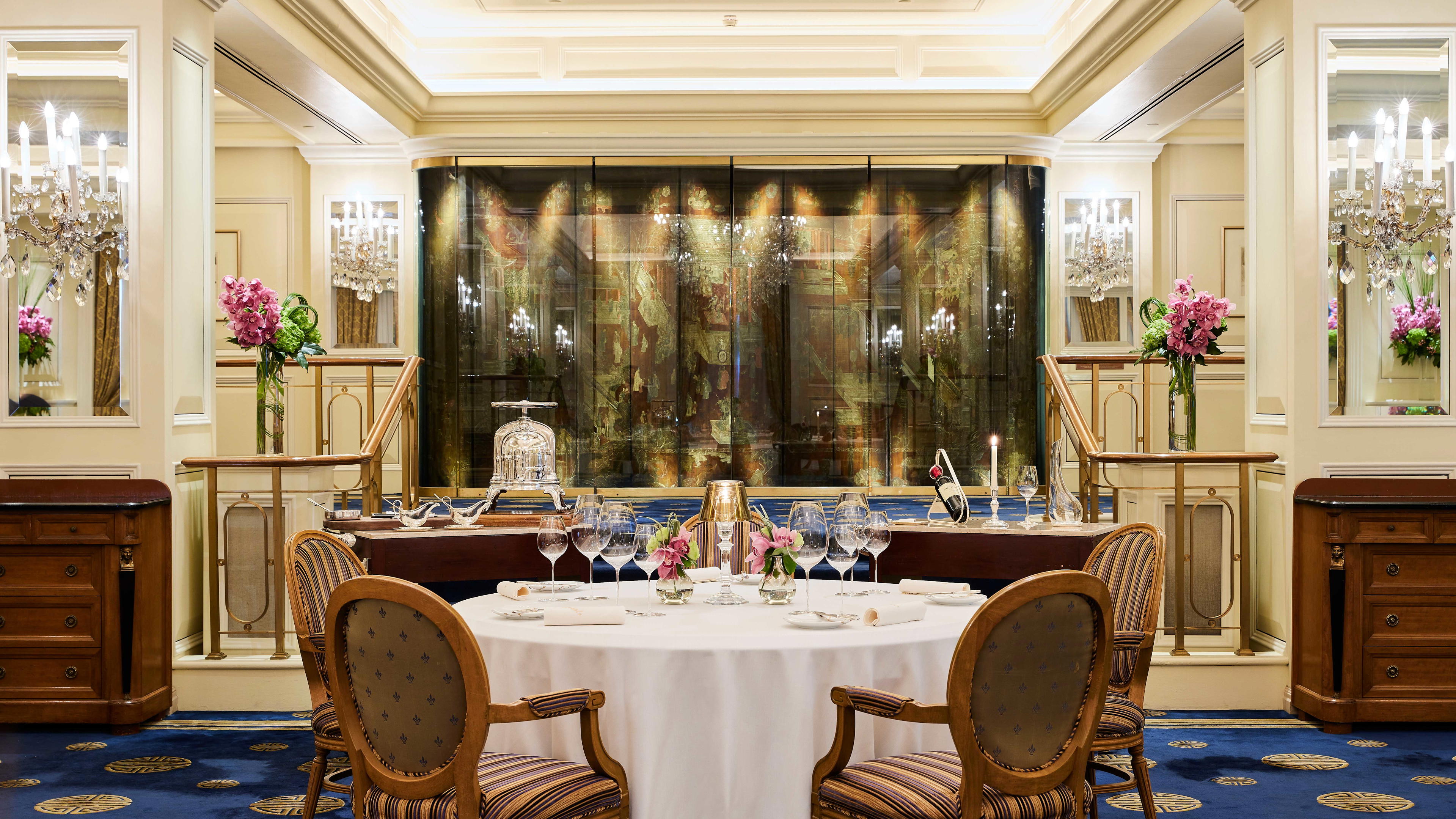
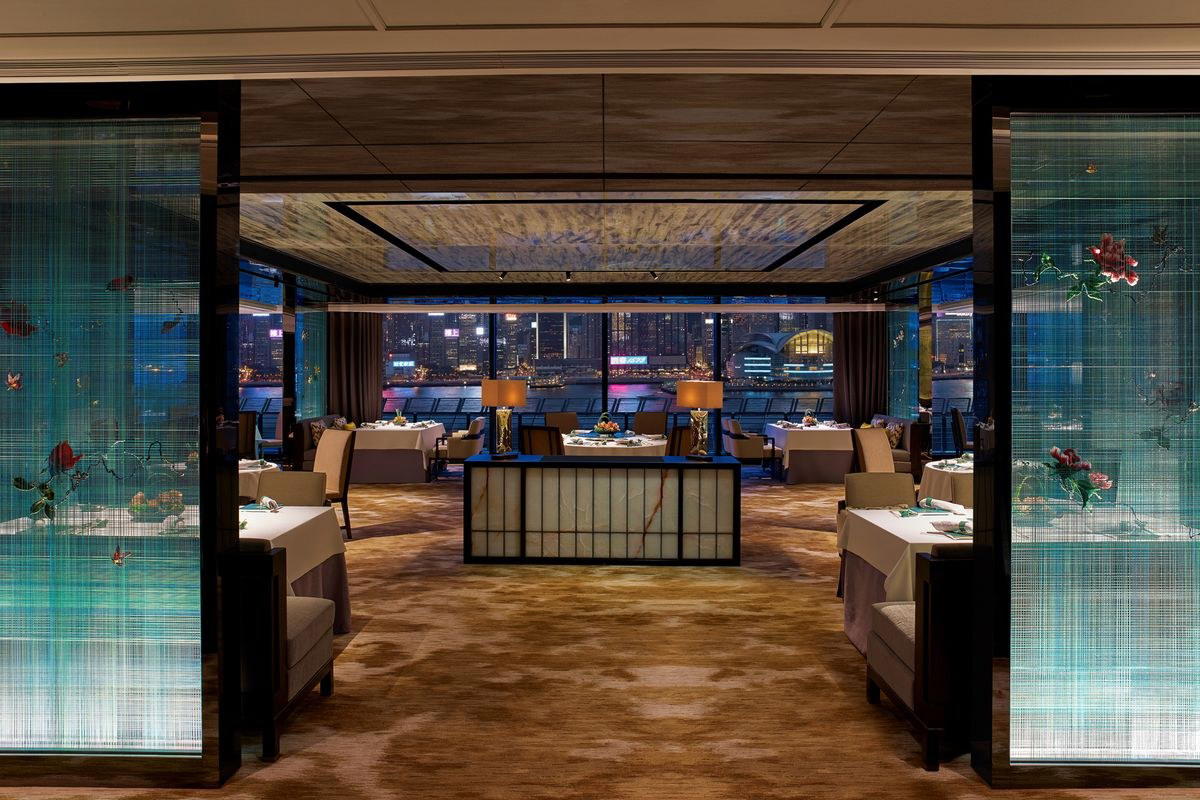
Luxe wood-panelled interiors with high ceilings evoking Chinese heritage in beige and gold tones, offering a stylish and sophisticated atmosphere.