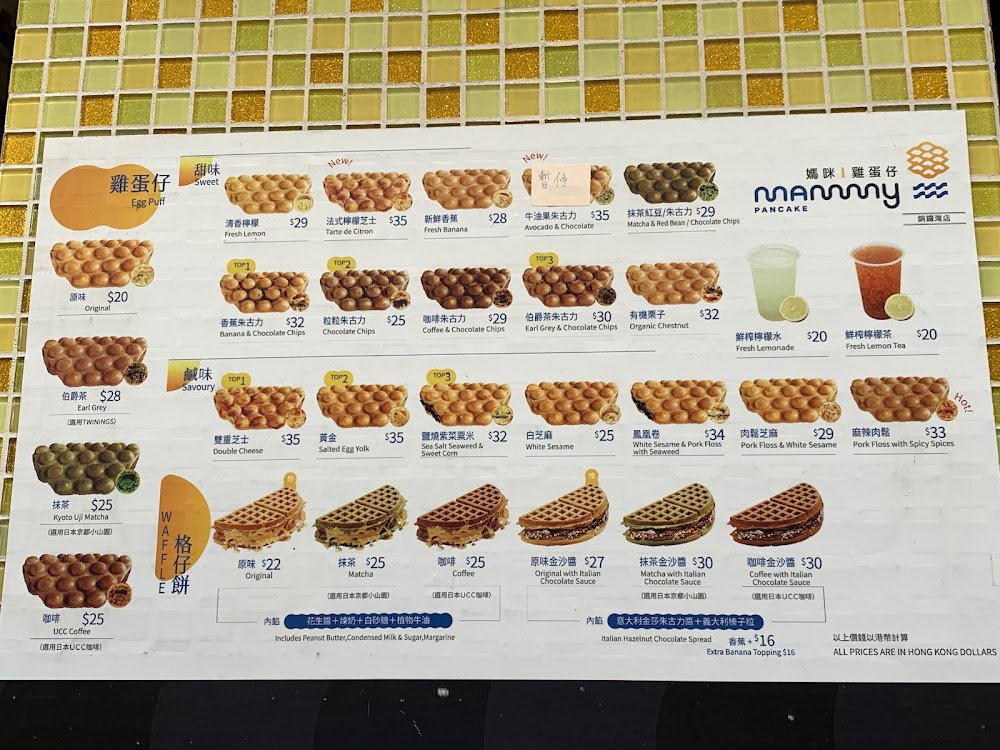
Mammy Pancake is a Hong Kong institution in the cha chaan teng tradition, built around the egg waffle, that distinctively bubble-pocked street snack that defines the city's casual eating culture. In a dining scene that spans Michelin-starred Italian and French contemporary, this is where locals queue for something that requires neither a reservation nor a credit card limit.

Pearl is the En Primeur Club membership app — saves, bookings, and concierge access live there. Same editors, same standards.
Egg Waffles and the Grammar of Hong Kong Street Eating
Hong Kong's food culture operates on two parallel tracks that rarely intersect. On one side sits a concentration of fine dining that few cities outside Tokyo and Paris can match, three-Michelin-star counters, wine programs of serious cellar depth, and tasting menus priced above most cities' monthly rent. On the other runs something older, more democratic, and more defining: the street-level snack economy, where the egg waffle, or gai daan jai, has been the benchmark item since the 1950s. Mammy Pancake is a Hong Kong restaurant specializing in egg waffles, a casual street-snack staple that typically costs about US$5 per person.
The gai daan jai emerged as a resourceful response to post-war food economics. Broken eggs that couldn't be sold whole were mixed into a batter and cooked in a cast-iron mould to produce a grid of hollow, golden spheres, crisp at the shell, airy inside, with a faint sweetness that made them as much snack as dessert. Street vendors sold them from portable stalls, and the format survived urbanisation, tourism, and the arrival of every global fast food chain partly because it requires a skill that chains can't easily systematise: reading the heat of the iron, the thickness of the batter, the exact moment the waffle releases cleanly. That craft persistence is what gives egg waffle specialists their continued cultural authority.
Where Mammy Pancake Sits in the City's Snack Hierarchy
Hong Kong's egg waffle scene has fragmented considerably in recent years. The category now spans everything from tourist-facing shops in Mong Kok selling Instagram-ready versions loaded with ice cream and cereal toppings, to old-school neighbourhood vendors whose entire operation is a griddle and a folded paper bag. Mammy Pancake occupies a position associated with quality-focused consistency rather than spectacle, the kind of place where the waffle itself is the point, not the scaffolding for a dessert construction.
That positioning matters in a city where the snack category has become a genuine tourist draw. Visitors who have already worked through the fine dining tier, Amber's French contemporary technique, Caprice's classical French approach, or the Italian precision of 8½ Otto e Mezzo Bombana, often find that what stays with them is a paper-wrapped waffle eaten standing on a pavement. That contrast is not incidental to Hong Kong's identity as an eating city; it is central to it.
The broader Hong Kong eating circuit extends well beyond the central districts. Across the territory, neighbourhood-specific restaurants hold their own cultural weight: Lei Garden in Sha Tin for Cantonese banquet cooking, Hoi Tin Garden in Tuen Mun for traditional Hakka-influenced dishes, and further into the outer districts, spots like King Of Soybeans in Wong Tai Sin and Coconut Soup in Yau Tsim Mong that serve specific, deeply local food traditions. Mammy Pancake belongs to that texture of the city, the layer of eating that doesn't appear on hotel concierge lists but shapes daily life.
On Drink Pairings and the Cha Chaan Teng Beverage Logic
The editorial angle of wine list depth applies oddly but instructively to a place like this. Hong Kong's highest-tier restaurants take their wine programs seriously: Ta Vie's Japanese-French approach pairs with a cellar that reflects both European classical and Japanese restraint philosophies, while Forum's Cantonese kitchen is supported by a list curated specifically around the fat and umami density of its cooking. The contrast with egg waffle culture is worth sitting with: at the restaurant, the beverage pairing is almost certainly a cup of hong kong milk tea, strong, tannin-heavy, cut with evaporated milk into something both bitter and creamy, or a yuenyeung, the half-tea, half-coffee blend that has no real equivalent elsewhere. These drinks are not afterthoughts. They were developed alongside the snack culture precisely because the flavour profile of gai daan jai, sweet, slightly eggy, with a faint caramelisation, calls for something with structural contrast. The cha chaan teng beverage tradition is, in its own way, as considered a pairing exercise as anything happening at a fine dining sommelier station.
For visitors moving between the city's restaurant registers, that logic is worth carrying. The egg waffle doesn't need a Burgundy or a Riesling. It needs the drink that Hong Kong developed for it over seventy years.
Planning a Visit
The restaurant draws queues, particularly on weekends and during school holiday periods, the late afternoon window between roughly 3pm and 6pm tends to be the peak demand hour across most of Hong Kong's popular street food stops. Arriving in mid-morning, when foot traffic in the surrounding streets is lighter, typically means shorter waits. No reservations are taken, and the format is walk-up and transactional, which is part of the appeal. Payment at most such establishments runs cash-first, though Octopus card acceptance has become common across Hong Kong's food vendor category.
The Hong Kong eating circuit also includes specific experiences worth pairing with a street food afternoon: the atmospheric history of the Former Jumbo Floating Restaurant in Aberdeen, the outer-island food culture accessible via Gangstas in Islands, or the diverse range of immigrant food traditions found at places like Habib's Indian and Middle Eastern Food in Kwun Tong and I Love Istanbul in Tsuen Wan. Each represents a different layer of Hong Kong's food story, one the city tells through an unusually dense concentration of eating options across every price point and cultural reference.
For comparison, the distance between the restaurant and the dining rooms of Central is not just geographic. It's a distance across the full register of what a city can offer at the table, from Gaia in Central and Western to egg waffles on the pavement, from the considered wine lists of French contemporary rooms to yuenyeung in a paper cup. Hong Kong is one of the few cities where both ends of that range are worth your full attention. Other cities with that kind of spread, New York, where Le Bernardin's seafood precision and Atomix's Korean tasting counter coexist with street-cart culture, operate on a similar principle: the city's food identity is the full range, not just stronger examples from it. Hong Kong makes that argument as clearly as anywhere, and the restaurant is part of the evidence.
Fast Comparison
Comparable venues nearby, for context on price, style, and recognition.
| Venue | Cuisine | Price | Notes |
|---|---|---|---|
| Mammy PancakeThis venue — the venue you are viewing | Hong Kong Egg Waffles | $ | Not listed |
| Tak Yu Restaurant (德如茶餐廳) | Hong Kong Cha Chaan Teng | $ | Wan Chai |
| Hoover Cake Shop | Traditional Hong Kong Bakery | $ | Kowloon City |
| Ap Lei Chau Market | Hong Kong Cantonese Seafood | $ | Ap Lei Chau |
| Sun Hing Restaurant | Traditional Cantonese Dim Sum | $ | Western |
| Leaf Dessert | Traditional Chinese Desserts & Noodles | $ | Central |
Continue exploring
More in Hong Kong
Restaurants in Hong Kong
Browse all →
Bars in Hong Kong
Browse all →
At a Glance
- Well Known
- Lively
- Trendy
- Casual Hangout
- Solo
- Family
- After Work
- Late Night
- Open Kitchen
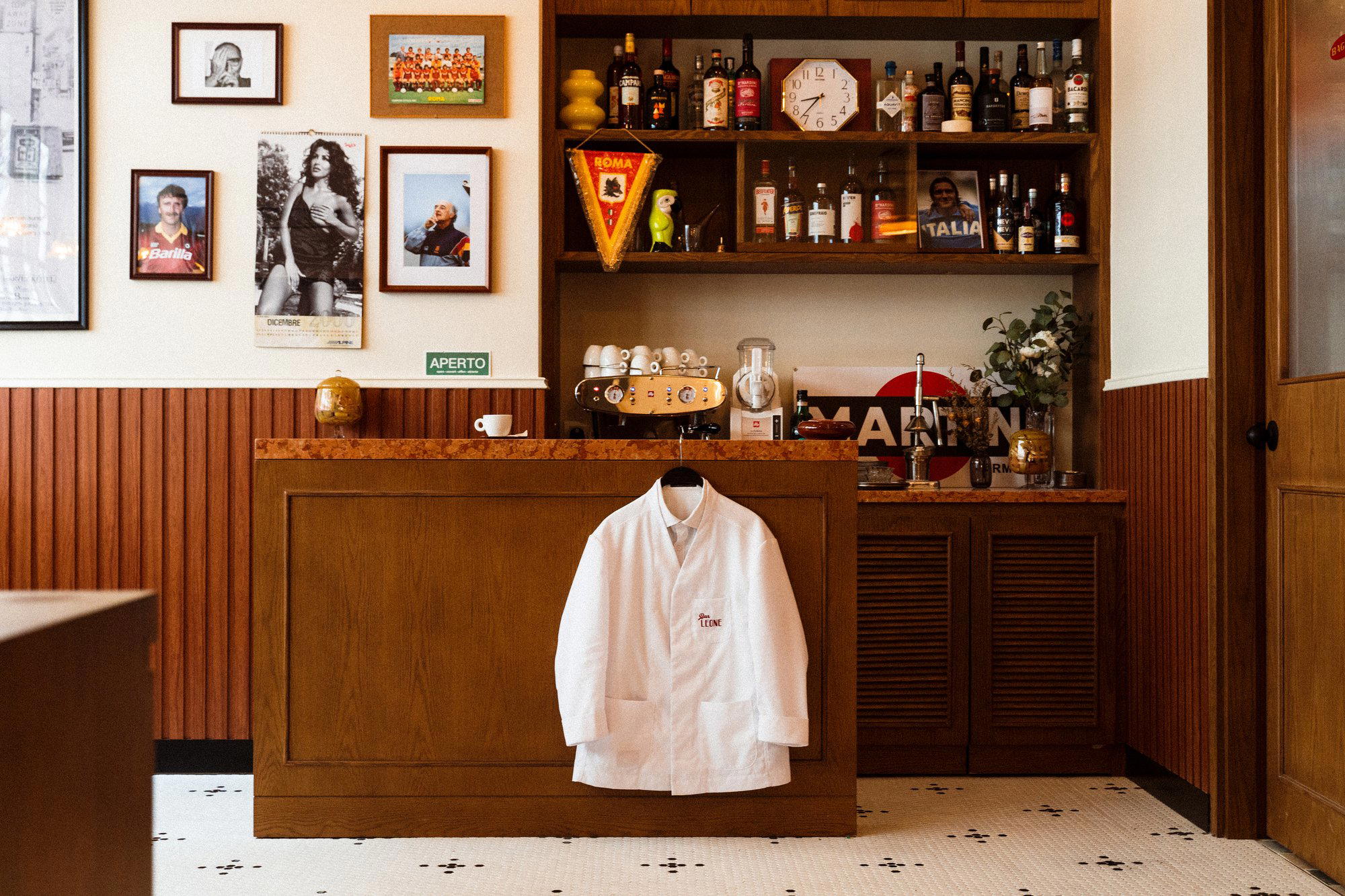
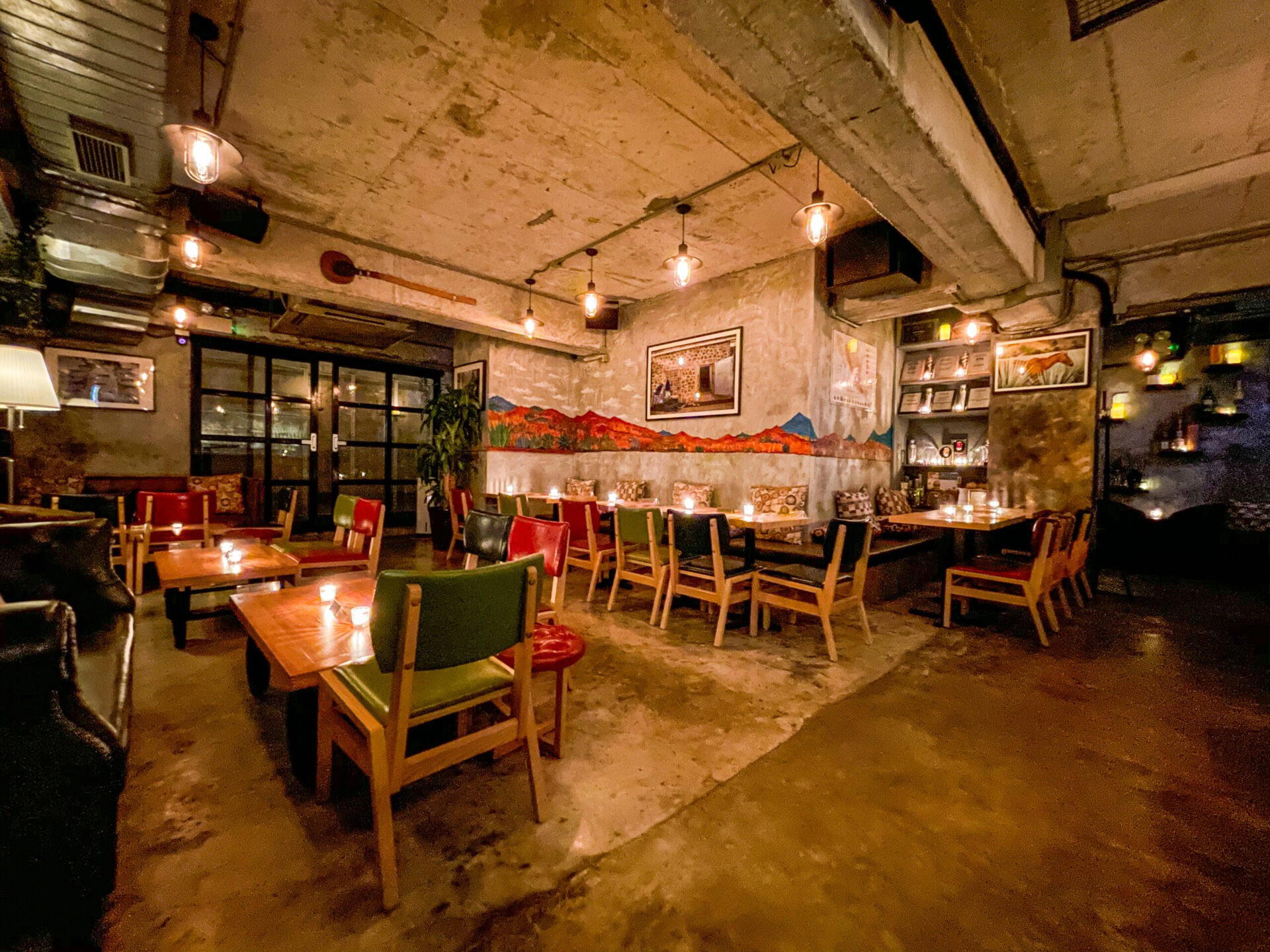
Modern, inviting shop with bright yellow and dark blue signage; casual, energetic counter-service environment with quick-order preparation (5-8 minutes).