Malakeh on Potsdamer Strasse brings Syrian home cooking into a Berlin dining room where the architecture of the space feels as considered as the food on the plate. In a city where Middle Eastern cuisine often defaults to fast-casual formats, this address operates at a different register, slower, more deliberate, and rooted in a culinary tradition that rewards attention.
Pearl is the En Primeur Club membership app — saves, bookings, and concierge access live there. Same editors, same standards.
- Address
- Potsdamer Str. 153, 10783 Berlin, Germany
- Phone
- +4917622160998
- Website
- malakeh.de
- Directions
- Get directions
 Saves & bookings on Pearl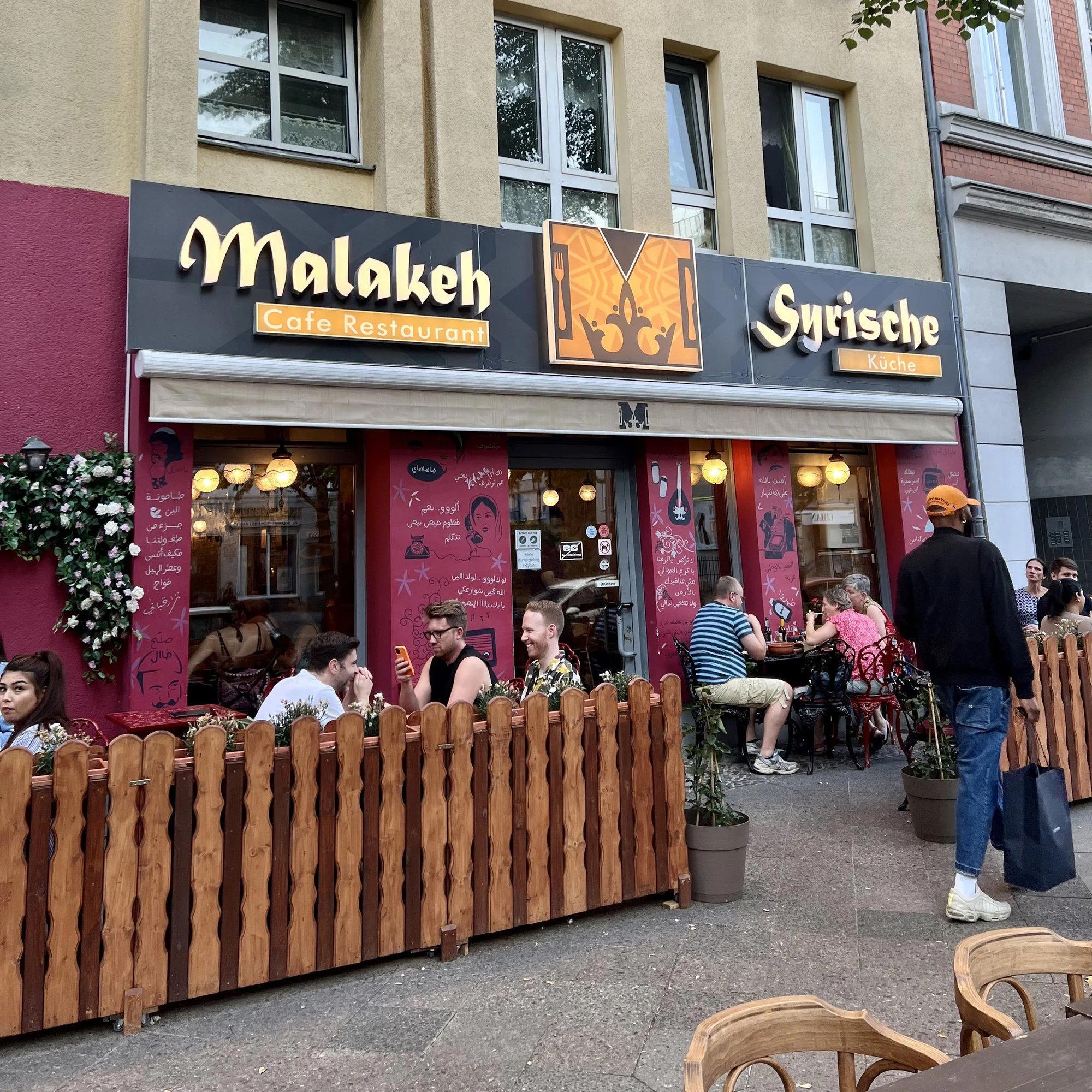
A Room That Sets Its Own Terms
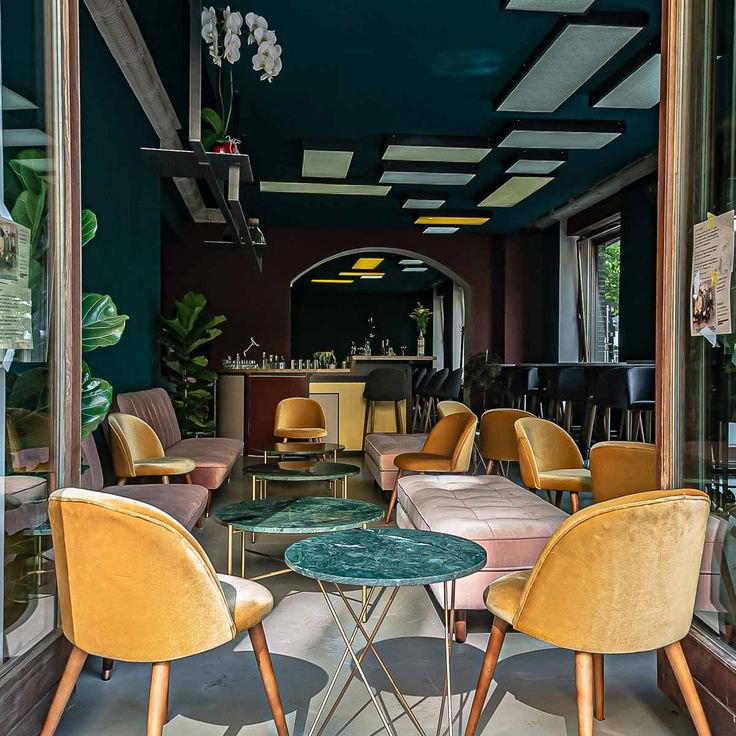
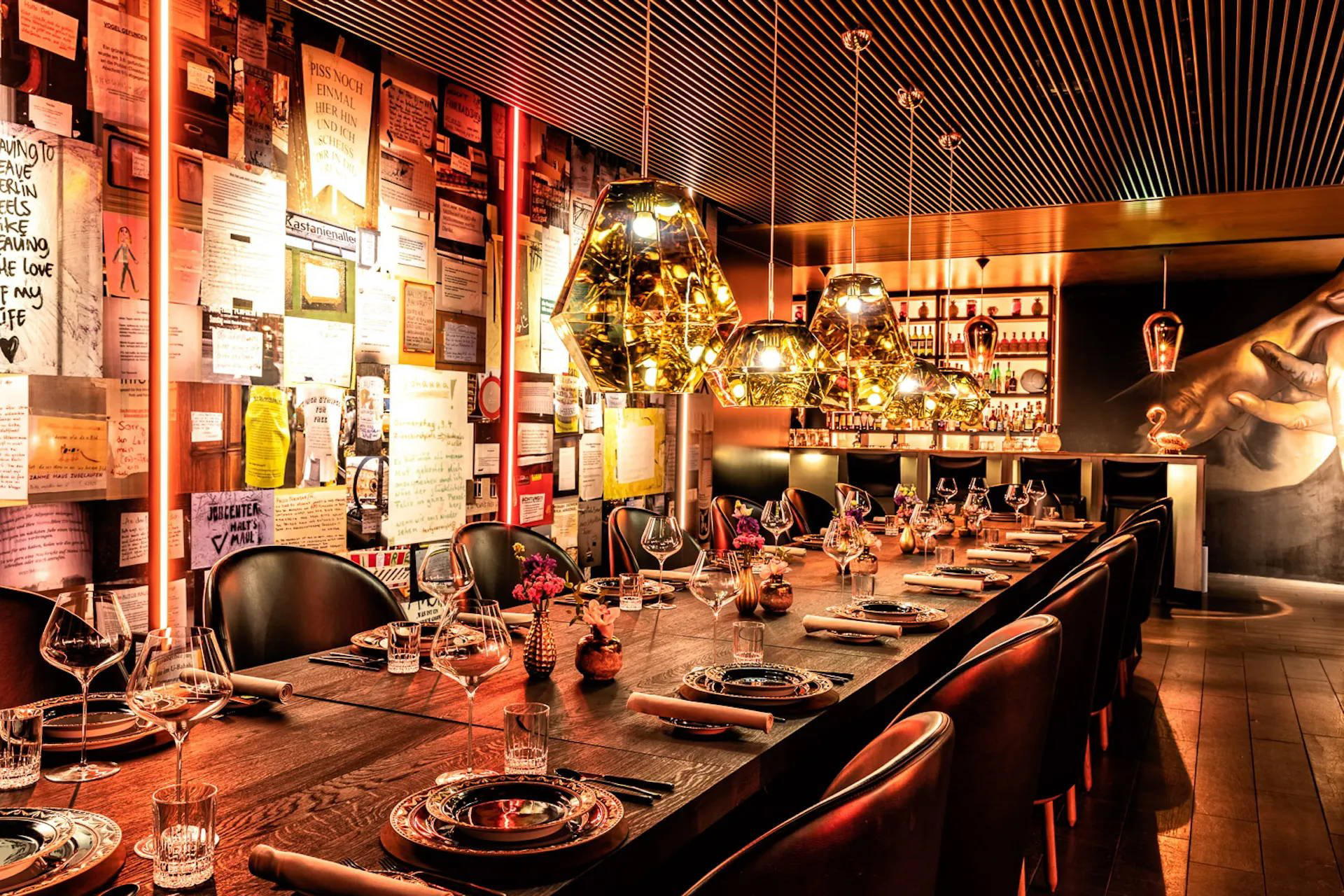
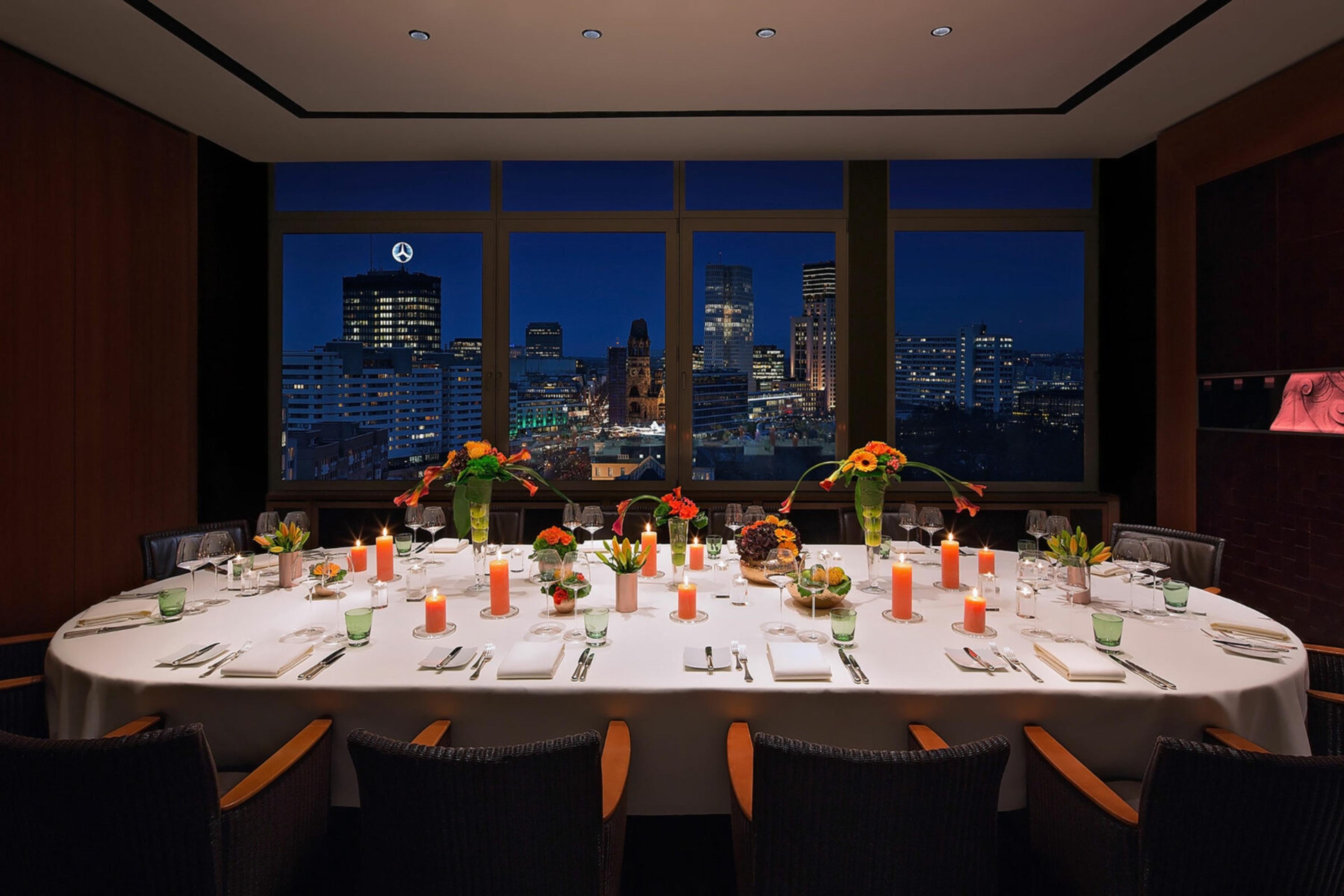
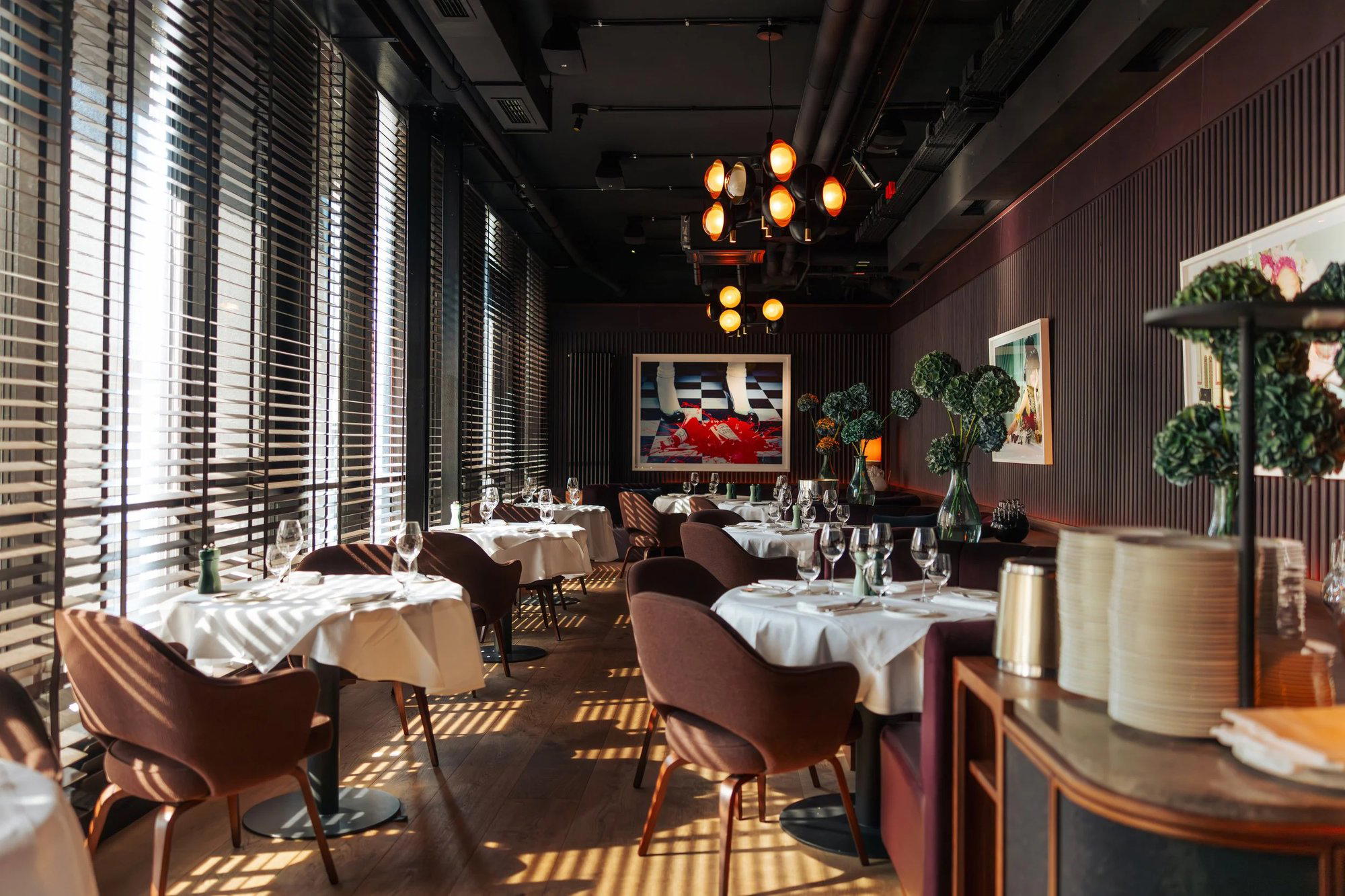
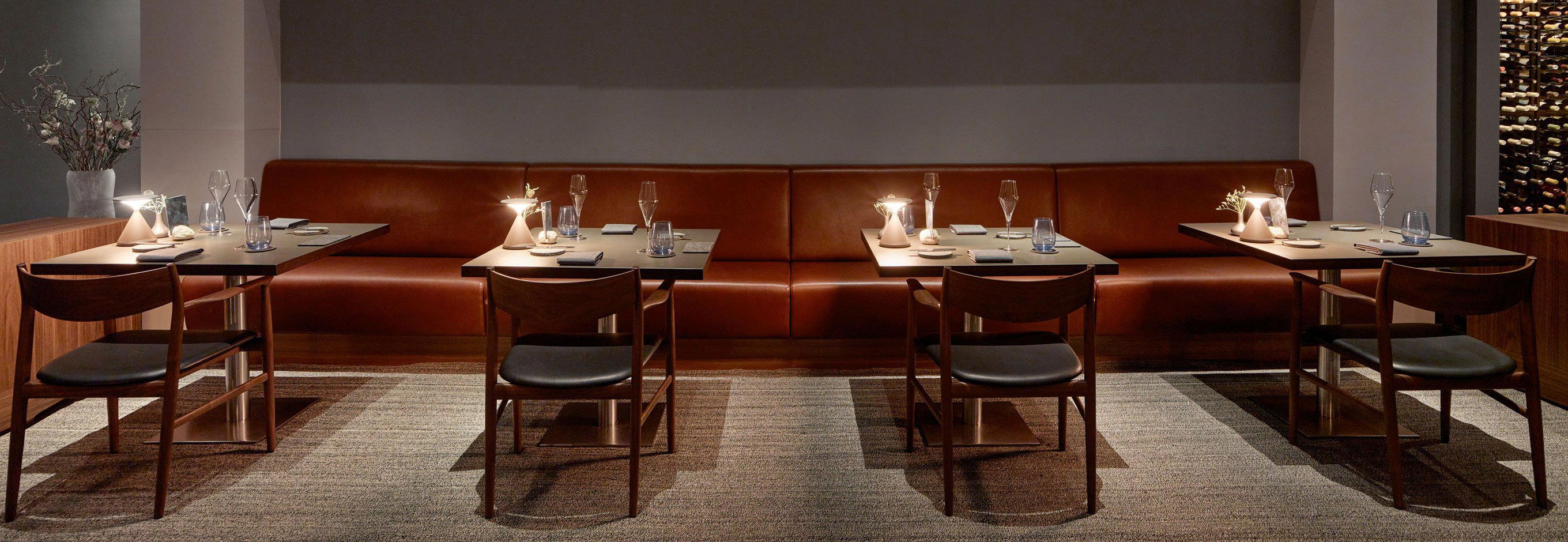
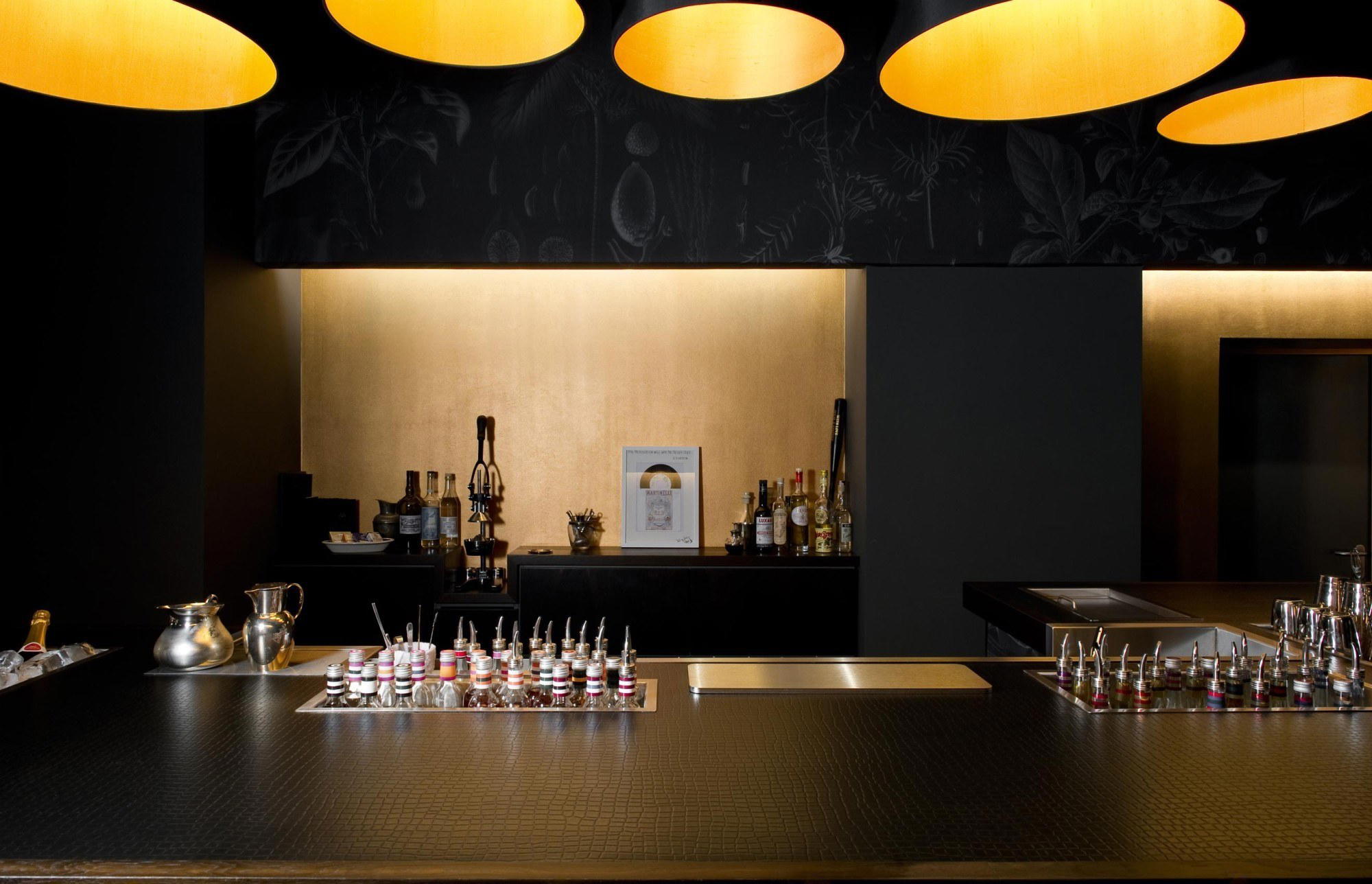
Potsdamer Strasse has spent the better part of a decade repositioning itself. What was once a corridor of late-night convenience and discount retail has steadily attracted galleries, independent restaurants, and the kind of quiet, considered spaces that don't announce themselves loudly. Malakeh sits inside this shift, at number 153, in a dining room whose design logic runs counter to the louder gestures of Berlin's more theatrical restaurant openings. There is no exposed ductwork performing industrial cool or reclaimed-timber maximalism. The space reads with restraint, warm materials, careful lighting, and a room proportion that encourages conversation rather than spectacle. In a city where dining interiors often compete for Instagram geometry, this is a deliberate choice, and it shapes everything about how the food lands.
The physical container matters because Syrian cuisine, at its most considered, is a cuisine of accumulation and patience. Dishes built from slow-cooked legumes, layered spice, and long-reduced broths don't perform well in rooms optimised for speed. The dining room at Malakeh gives both the food and the guest the time that the format requires.
What Syrian Cooking Looks Like in This Register
Berlin's relationship with Middle Eastern cuisine is longer and more complex than most European capitals. The city has hosted Syrian, Lebanese, Iraqi, and Turkish cooking communities for decades, and the street-level expression of that, shawarma counters, falafel windows, bakeries producing ka'ak and mamoul, is woven into daily life across Neukölln, Wedding, and Moabit. What is rarer is a restaurant operating at a slower, more compositional register, treating Syrian home cooking as a reference point for a full sit-down dining experience.
Malakeh occupies that less-populated tier. The kitchen draws from a tradition that is Levantine in its spice logic but distinctly Syrian in its emphasis on rice dishes, stuffed vegetables, and slow-cooked meat preparations. Dishes like kibbeh, ground meat and bulgur shaped and fried or baked, and freekeh-based preparations carry a culinary lineage that runs back centuries through Damascus and Aleppo. At this address, those preparations are treated with the same seriousness that Nobelhart & Schmutzig applies to hyperlocal German produce or that Rutz applies to its wine-led modern European framework. The ambition is different in form but comparable in intent: to present a cuisine on its own terms.
The Space as Editorial Statement
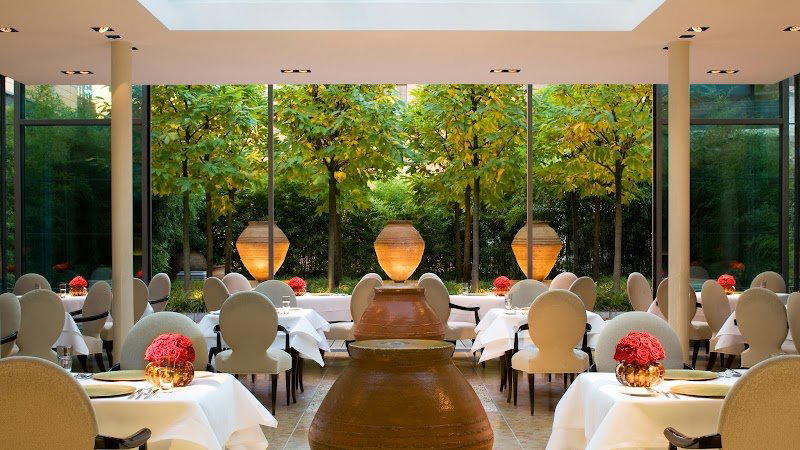
The interior at Malakeh communicates something specific about the cuisine's positioning. Across Berlin's premium end, restaurants like FACIL and CODA Dessert Dining make strong architectural statements, glass atriums, counter-only formats, rooms designed to signal that what happens here is not ordinary. Malakeh takes a quieter path. The warmth of the materials and the human scale of the seating arrangement place it closer to the tradition of the Syrian guest room, where hospitality is expressed through generosity and attentiveness rather than through theatricality.
That choice has a practical effect on the dining experience. Tables are spaced with enough generosity that neighbouring conversations don't intrude. The lighting temperature is warm enough to read the room as welcoming without tipping into the dimness that obscures food detail. These are not accidental decisions. They reflect an understanding that the food being served, sharing plates, mezze-adjacent starters, dishes intended to be passed and discussed, needs a social architecture that matches its logic.
Where This Fits in Berlin's Current Dining Map
Berlin rewards the kind of specificity that Malakeh offers. The city's dining scene has matured enough that the Michelin-starred tier, represented locally by Restaurant Tim Raue and others, now coexists with a parallel set of restaurants that derive authority from deep culinary knowledge rather than award accumulation. Malakeh belongs to the latter group. Its comparable set is not the three-course contemporary European tasting menu. It is the small number of restaurants in Berlin and across Germany that take a non-European culinary tradition seriously enough to present it without compromise or fusion hedging.
For context on how that tier looks across Germany more broadly, the wider network includes addresses like JAN in Munich and Restaurant Haerlin in Hamburg, though those operate in a formally European fine-dining register that Malakeh does not attempt to mirror. The distinction is instructive: Malakeh's authority comes from cultural specificity, not from adherence to the grammar of French-influenced fine dining that underpins restaurants like Waldhotel Sonnora in Dreis or Vendôme in Bergisch Gladbach.
Internationally, the comparison that holds is with restaurants in New York that have repositioned non-Western cuisines at a serious dining register, Atomix did this for Korean cooking, and Le Bernardin built its entire identity on treating seafood as a subject worthy of rigorous attention. Malakeh is working a similar logic with Syrian cooking in a European city that has the population and the cultural appetite to understand what it is doing.
Planning a Visit
Malakeh is located at Potsdamer Strasse 153, 10783 Berlin, in the Schöneberg district, accessible by U-Bahn from Kleistpark station on the U7 line. Potsdamer Strasse has become a reliable evening destination, with enough density of interesting independent restaurants and bars that the area rewards arriving earlier and exploring on foot before or after the meal. Specific booking windows, current hours, and reservation methods are best confirmed directly with the restaurant, as operational details at this address are not currently consolidated through a central booking platform. Given the growing profile of this stretch of Potsdamer Strasse, weekends book ahead more quickly than midweek slots. For anyone building a Berlin itinerary around serious eating, the full Berlin restaurants guide maps the broader scene, including how Malakeh sits relative to the city's Michelin-tracked addresses and its strongest independent openings.
Booking and Cost Snapshot
Comparable venues nearby, for context on price, style, and recognition.
| Venue | Cuisine | Price | Notes |
|---|---|---|---|
| MalakehThis venue — the venue you are viewing | Schoneberg, Authentic Syrian | $$ | Not listed |
| NENI Berlin | Not listed | $$ | Tiergarten, Middle Eastern Fusion with Mediterranean & Austrian Influences |
| forn simsim | Prenzlauer Berg, Levantine Manakish | $$ | Not listed |
| Bobbe Speisesalon | Not listed | $$$ | Wilmersdorf, Kosher Israeli-Mediterranean |
| Goldadelux | Kreuzberg, Israeli Street Food - Sabich | $$ | Not listed |
| 963 | Charlottenburg, Modern Levantine | $$ | Not listed |
At a Glance
- Cozy
- Intimate
- Casual Hangout
- Date Night
- Standalone
Current opening hours
- Monday
- Closed
- Tuesday
- 12–10 PM
- Wednesday
- 12–10 PM
- Thursday
- 12–10 PM
- Friday
- 12–10 PM
- Saturday
- 12–10 PM
- Sunday
- 12–10 PM
Hours can change for holidays and private events. Last verified .
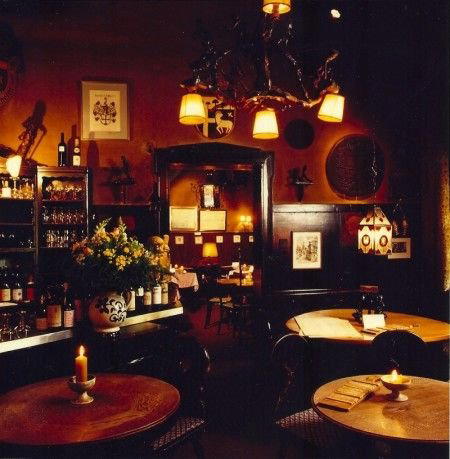
Cozy atmosphere resembling a traditional Syrian living room with friendly service.