Möllers Köttbullar brings a focused Swedish comfort-food tradition to Kreuzberg's Köpenicker Strasse, where the neighbourhood's mix of local regulars and visitors has long supported casual but considered dining. In a Berlin scene dominated by tasting-menu ambition, a venue that anchors itself to a single, well-executed dish category occupies a distinct position. It suits occasions where the meal itself is the ritual, not the backdrop.
Pearl is the En Primeur Club membership app — saves, bookings, and concierge access live there. Same editors, same standards.
- Address
- Köpenicker Str. 190, 10997 Berlin, Germany
- Phone
- +493069817979
- Website
- koettbullar.com
- Directions
- Get directions
 Saves & bookings on Pearl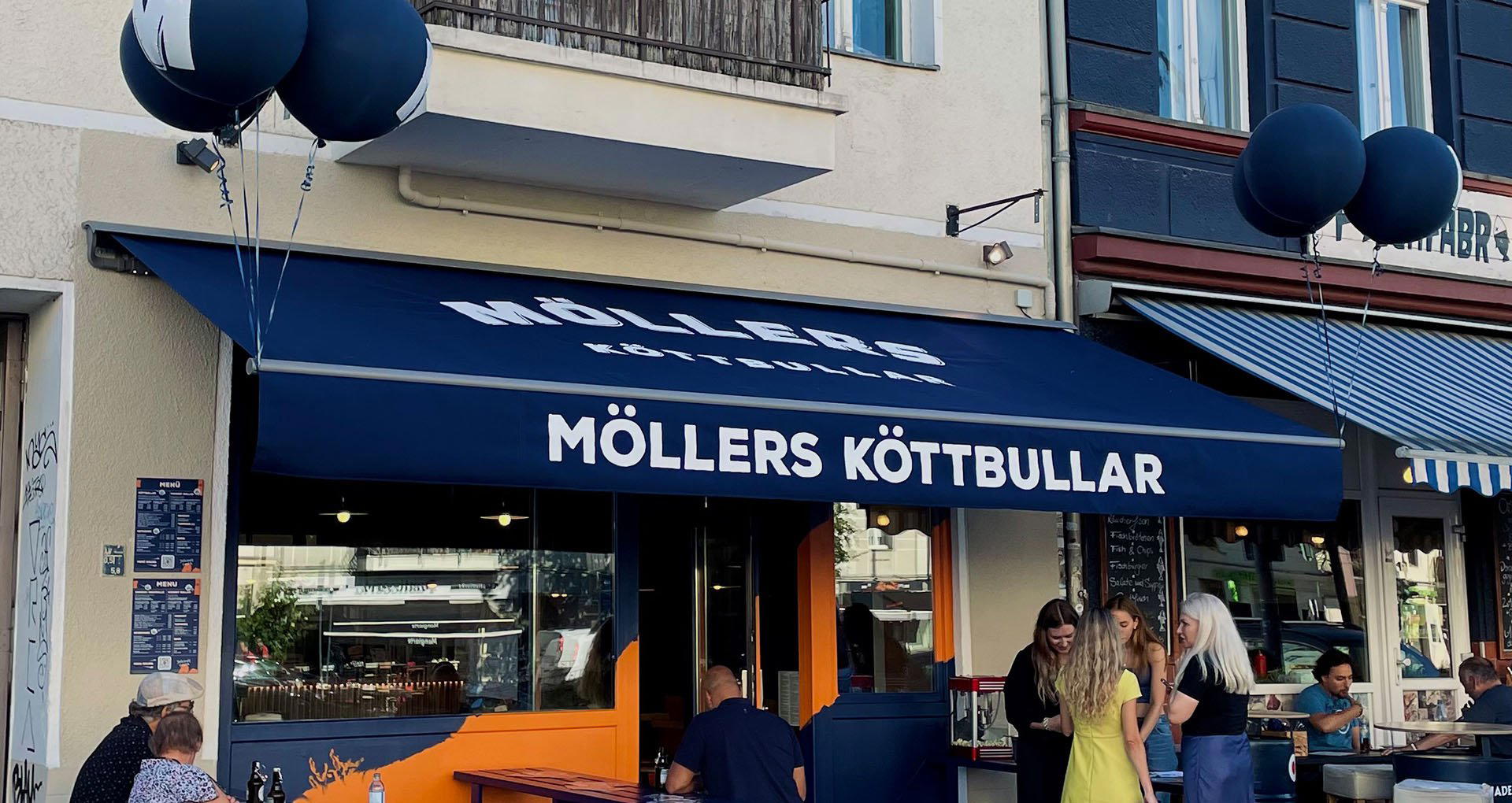
Where Berlin Meets Swedish Simplicity: The Case for Occasion Dining Without a Tasting Menu
Berlin's dining culture has always made room for a particular kind of restaurant: the place that does one thing with enough conviction that the single dish becomes the reason for the evening. Kreuzberg, more than most Berlin neighbourhoods, sustains this format. The area around Köpenicker Strasse draws a mix of long-term residents, design-studio workers, and visitors who know the difference between eating somewhere and eating something. Möllers Köttbullar sits on this street with a premise that would look eccentric in most European capitals but reads as entirely coherent in this part of Berlin: Swedish meatballs, taken seriously, as the centrepiece of an occasion.
That framing matters. In a city where Rutz and Nobelhart & Schmutzig define one end of the serious-dining spectrum with multi-course modern European and Modern German menus priced at €€€€, and where CODA Dessert Dining has built international recognition around creative dessert-forward tasting formats, there is genuine appetite for something that functions outside tasting-menu logic entirely. Köttbullar, Swedish meatballs, traditionally served with lingonberry, cream sauce, and pickled cucumber, carry enough cultural weight and enough technical range that a kitchen dedicated to them is not a novelty act. It is a position.
The Köttbullar Tradition and What It Takes to Do It Well
Swedish meatball culture has a more complex culinary history than its IKEA-cafeteria reputation suggests. Traditionally, köttbullar are made from a blend of beef and pork (sometimes veal), seasoned with allspice and white pepper, bound with cream-soaked breadcrumbs, and pan-fried in butter before finishing in a gravy made from the drippings. The texture, light, almost airy at the centre, with a browned exterior, is a direct result of technique, not just recipe. Overworking the mix tightens the protein; too little fat and the ball dries in the pan. The cream sauce requires a roux base and enough stock reduction to carry flavour without turning heavy. These are not difficult dishes in the sense of complexity, but they are demanding in the sense of consistency, and consistency over a full service is where most casual kitchens fall short.
That technical discipline is precisely what makes a specialist format interesting for a deliberate meal out. When the kitchen's entire focus sits on one dish category, the margin for the kind of drift that affects broader menus is reduced. Analogous dynamics are visible in other European specialist formats: the German restaurant that anchors its identity to regional offal preparations, the Parisian bistro that exists to cook one cut of beef one way. In Berlin, Möllers Köttbullar occupies that structural role within Swedish-Scandinavian comfort food.
Kreuzberg as a Dining Neighbourhood
The address on Köpenicker Strasse places Möllers Köttbullar in the eastern edge of Kreuzberg, close to where the district meets Treptow-Köpenick. This stretch of Kreuzberg is less saturated with tourist-facing dining than the area around Oranienstrasse or Graefekiez, which means the audience is more likely to be intentional about where they are eating.
Kreuzberg's food culture has historically been shaped by its Turkish and Middle Eastern communities, but the district has expanded to accommodate Korean, Japanese, and Nordic influences without losing its working-neighbourhood feel. A Scandinavian specialist in this context is neither incongruous nor strategically forced. The neighbourhood supports specialist formats because the resident population is accustomed to eating across cuisines with specificity rather than breadth.
Occasion Dining Without the Occasion-Dining Price Point
There is a category of special-occasion meal that does not require a Michelin-starred dining room. Not every milestone moment calls for the kind of extended evening that FACIL or Restaurant Tim Raue deliver, each operating at the €€€€ tier with the full apparatus of multi-course progression and wine pairings. Some occasions are better served by a meal that is direct, warm, and specific, where the pleasure is in the thing itself rather than in the architecture of the evening.
Köttbullar, served well, carry that kind of occasion weight. They are a comfort-food reference point for an enormous proportion of the Northern European population, and for Scandinavian visitors or expats in Berlin, a genuinely well-executed plate can carry as much emotional resonance as a tasting-menu climax course. For first-time visitors encountering the dish in a dedicated format, the novelty of the specialist approach adds an additional layer of interest to the meal. Either way, the format rewards intention.
For those building a broader Berlin dining itinerary around milestone meals, the city offers several other reference points at the high end of the spectrum. Within Germany more broadly, venues such as Aqua in Wolfsburg, Vendôme in Bergisch Gladbach, and Victor's Fine Dining by Christian Bau in Perl represent the formal end of the occasion-dining spectrum, alongside regional standouts like Schwarzwaldstube in Baiersbronn, Waldhotel Sonnora in Dreis, and ES:SENZ in Grassau. JAN in Munich, Schanz in Piesport, Bagatelle in Trier, and Restaurant Haerlin in Hamburg extend that map to other German cities. Internationally, Le Bernardin in New York City and Atomix in New York City illustrate what commitment to a focused culinary identity produces at the highest competitive tier. The restaurant operates at a different scale, but the underlying principle, depth over breadth, connects.
Know Before You Go
Planning Details
- Address: Köpenicker Str. 190, 10997 Berlin, Germany
- Neighbourhood: Kreuzberg (eastern edge, near Treptow border)
- Cuisine focus: Swedish meatballs (köttbullar) and associated accompaniments
- Price range: About €15 per person
- Reservations: Walk-ins welcome
- Hours: Mon to Sun, 12-9 PM
- Getting there: Köpenicker Str. 190, 10997 Berlin, Germany
Compact Comparison
Comparable venues nearby, for context on price, style, and recognition.
| Venue | Cuisine | Price | Notes |
|---|---|---|---|
| Möllers KöttbullarThis venue — the venue you are viewing | Kreuzberg, Swedish Street Food | $ | Not listed |
| Puffer-Imbiss | Not listed | $ | Kreuzberg, Traditional German Potato Pancakes |
| Hirsch & Eber | Prenzlauer Berg, Wild Game Burgers | $$ | Not listed |
| Schnitzelei Mitte | Mitte, Modern German Schnitzel | $$ | Not listed |
| Mirabelle | Pankow, Traditional German | $$ | Not listed |
| Jungbluth | Steglitz, Modern German Cuisine | $$$ | Not listed |
At a Glance
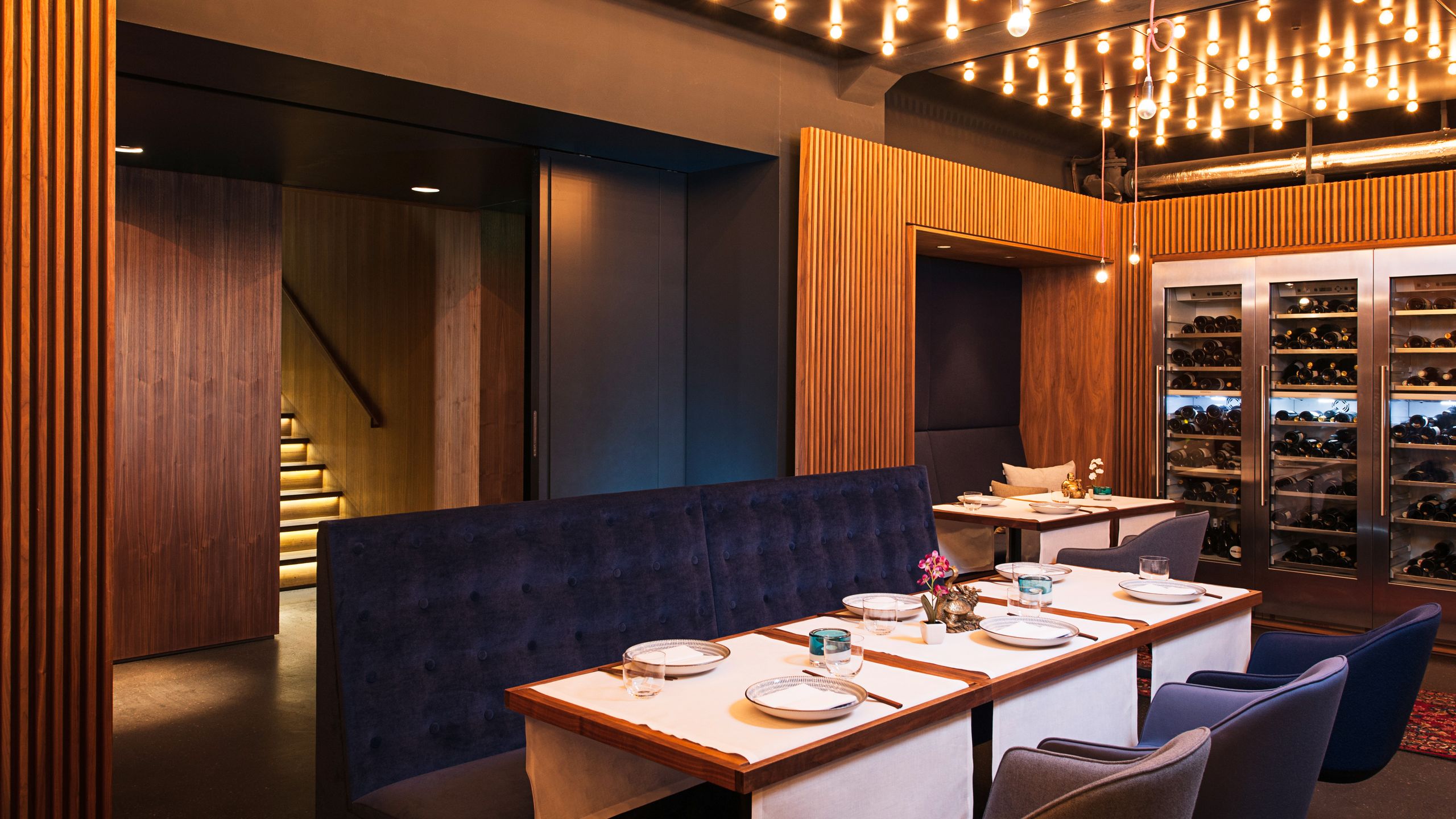
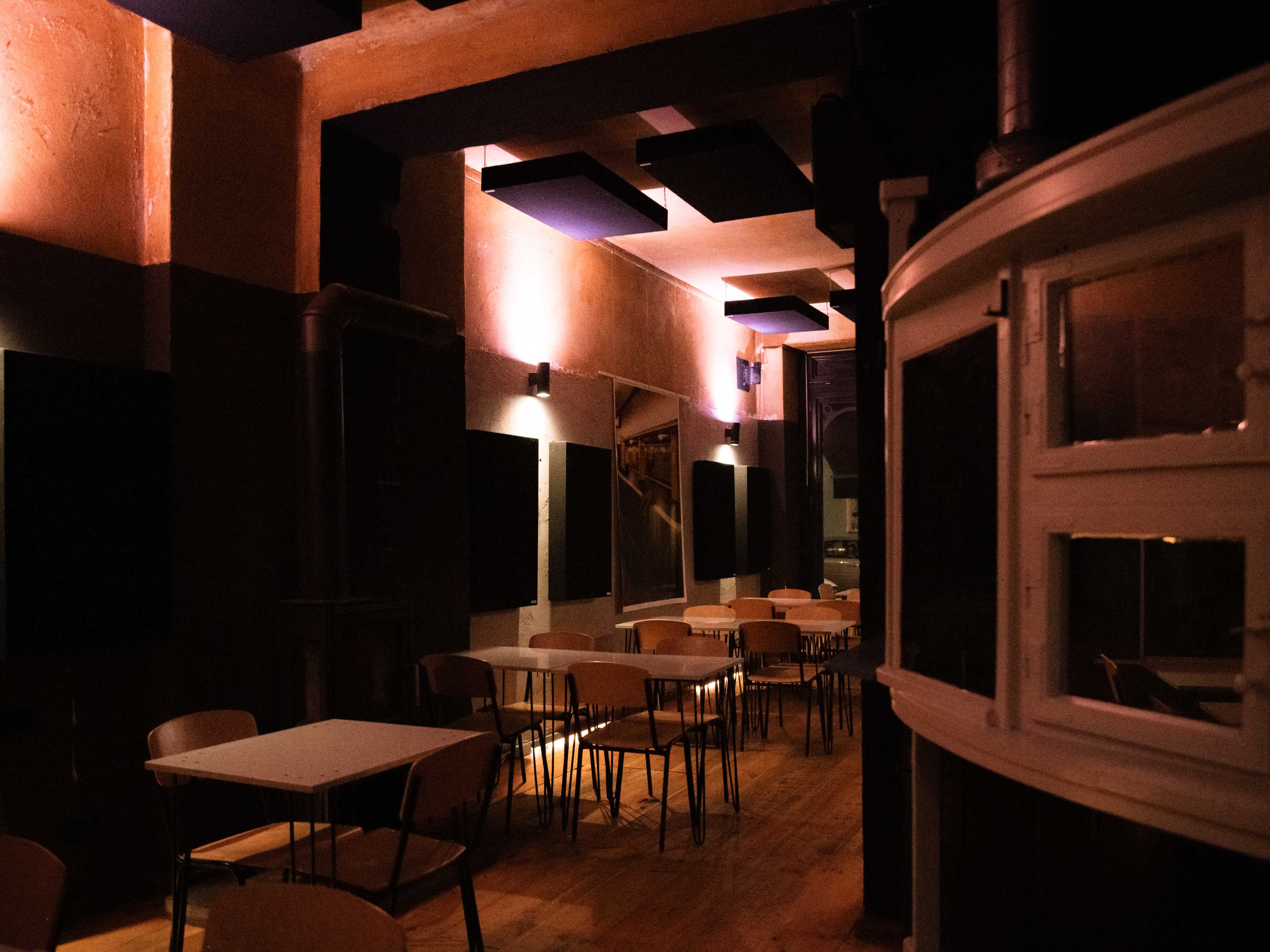
- Cozy
- Modern
- Rustic
- Casual Hangout
- Late Night
- Organic
- Local Sourcing
Current opening hours
- Monday
- 12–9 PM
- Tuesday
- 12–9 PM
- Wednesday
- 12–9 PM
- Thursday
- 12–9 PM
- Friday
- 12–9 PM
- Saturday
- 12–9 PM
- Sunday
- 12–9 PM
Hours can change for holidays and private events. Last verified .
Cozy street food spot with a fresh deep blue exterior and comfortable outdoor benches, offering a casual and inviting atmosphere.