
Tabelog Silver #152
Our verdict
Ushimaru puts Chiba’s produce-first Italian cooking in a rural Sammu setting, with fish, wine service, private rooms and a 20-seat scale shaping the experience. Its Tabelog Award Silver recognition in 2024, 2025 and 2026 places it in a serious regional tier rather than a casual countryside detour.

Pearl is the En Primeur Club membership app, where members save venues, book tables and use the concierge.
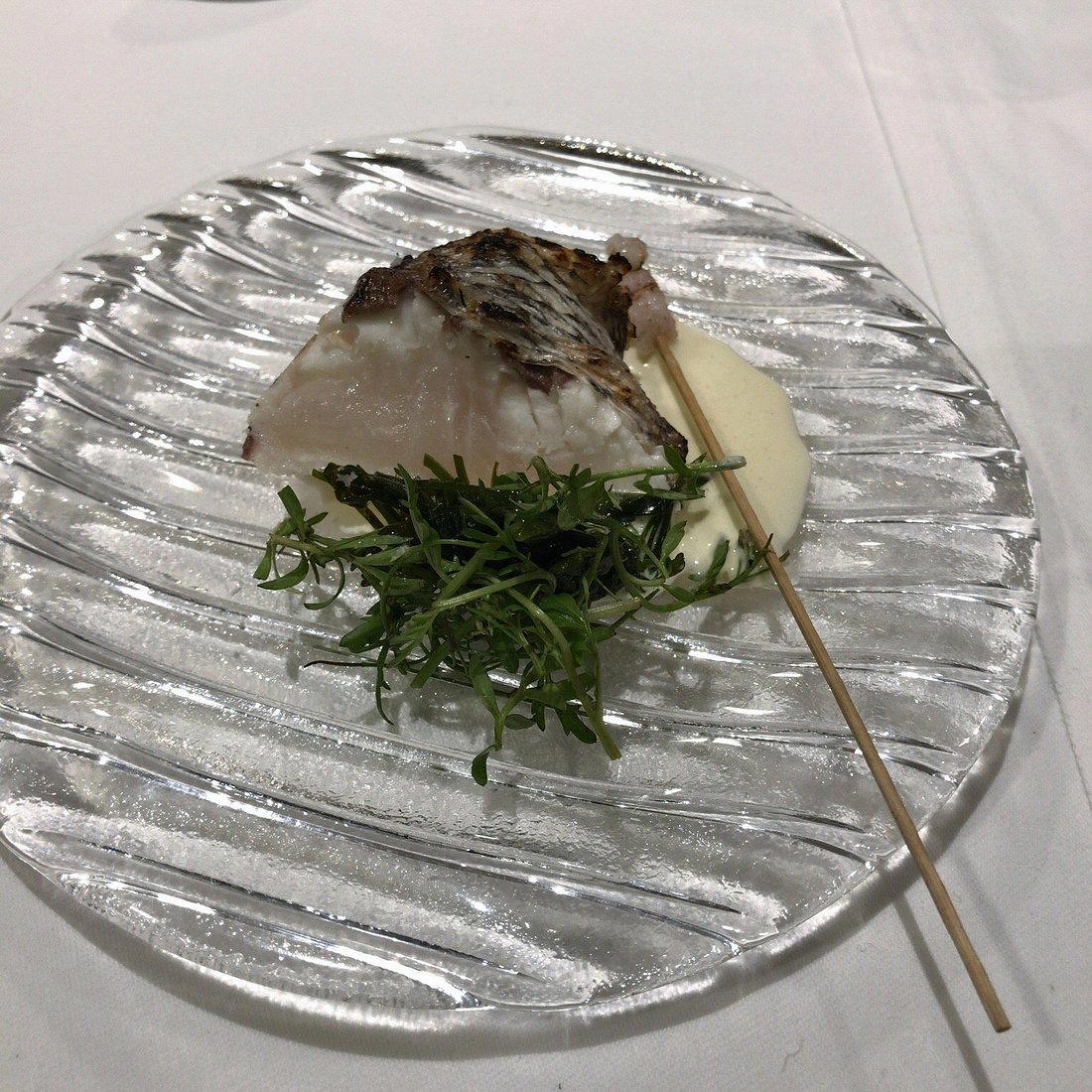
Rural Chiba changes a meal before the first course. Away from Tokyo’s dense counters and hotel dining rooms, the rhythm slows, the rooms shrink, and the question shifts from spectacle to supply: what can a kitchen build when the prefecture gives it fish, vegetables, dairy and farm access close by?
Ushimaru belongs to Chiba’s destination-restaurant tradition, where the journey is part of the editorial case, not decorative romance. Its category is Italian, but the sharper reading is local-produce Italian: a Japanese regional kitchen using Italian structure to frame what the area supplies. That matters in Chiba, too often treated as airport territory or Tokyo’s beach extension despite its serious agricultural and coastal food base.
Chiba produce, Italian grammar, and a destination-room scale
Japan’s Italian dining scene spans urban pasta-and-wine rooms, luxury hotel restaurants and regional kitchens translating local ingredients through Italian technique. Ushimaru belongs to the last group. It sits in Sammu, not central Chiba city, and the countryside setting sharpens the sourcing argument: Italian format organizes fish, vegetables, wine and celebratory dining without forcing the meal into Tokyo’s familiar luxury codes.
The recognition supports that reading. Ushimaru was a Tabelog Award Silver winner in 2024, 2025 and 2026, after Bronze awards from 2017 through 2023, and was selected for Tabelog Italian EAST “Tabelog 100” in 2021, 2023 and 2025. Those signals matter because Italian dining outside the major metropolitan core has to work harder for attention; repeated selection suggests sustained relevance, not a single-year spike. It also holds a Gault&Millau Japan score of 15.5/20 and a Chiba Gastronomy Award Special Prize (1st edition).
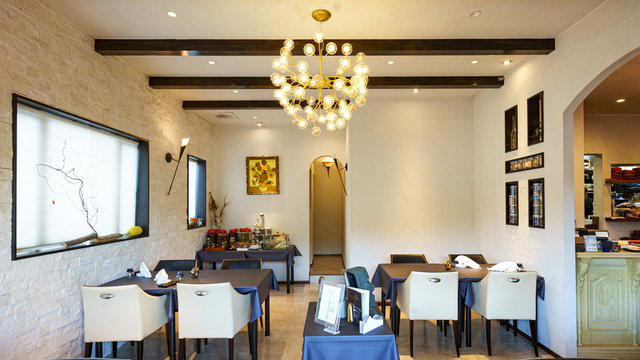
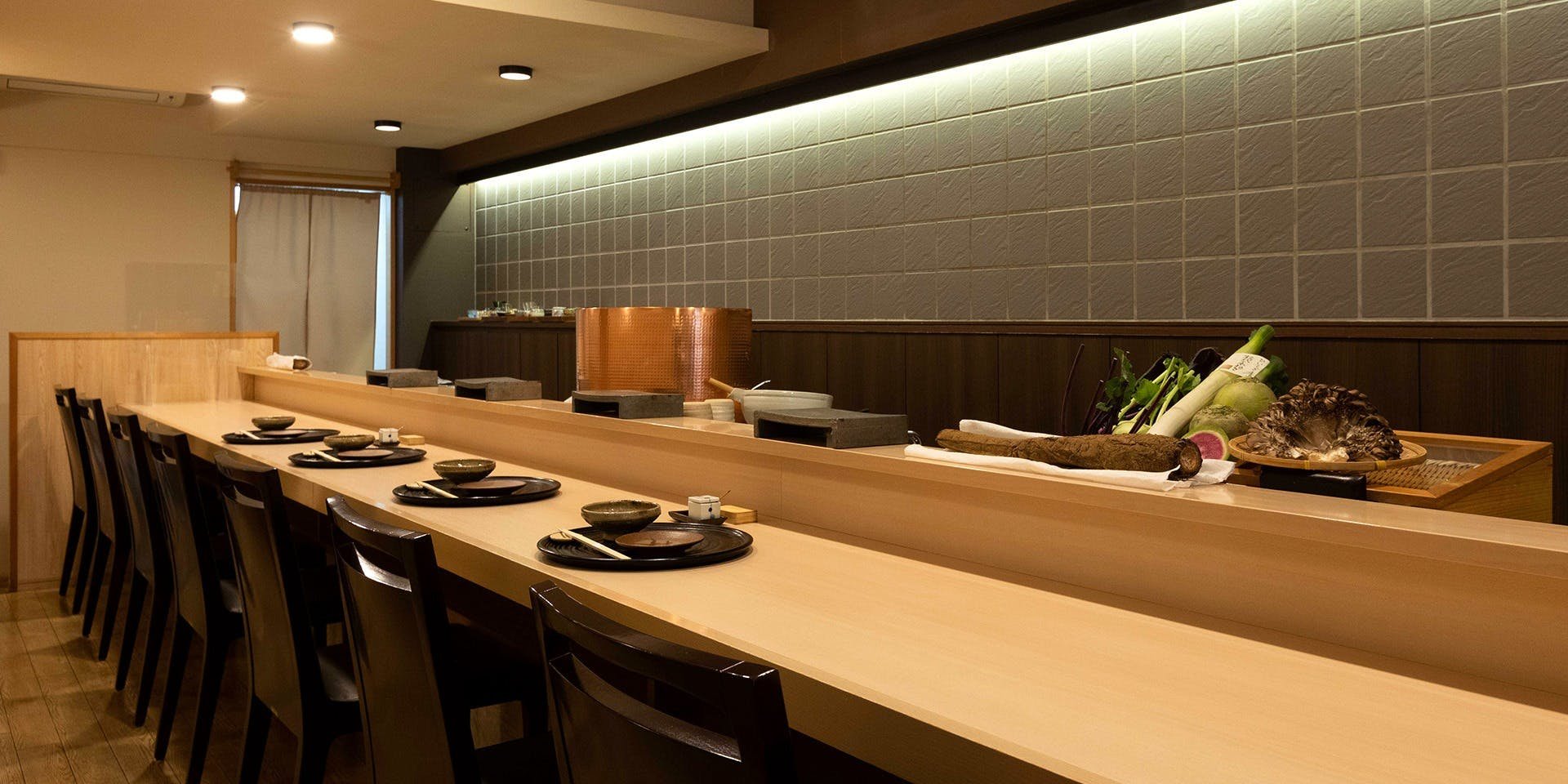
The room is controlled, with 20 seats and private rooms listed for four and six guests. Chef Ken Uchiya leads the kitchen. That scale suits a produce-led kitchen: fewer covers mean fewer compromises when ingredients vary by catch, harvest and season. The restaurant also lists a focus on fish and wine, plus sake, shochu and cocktails, placing it in a Japanese-Italian lane rather than a rigid import of trattoria convention.
Within Chiba, this is the end of the spectrum where a meal is planned around a dedicated trip and a higher-touch room, not a convenient stop between errands.
Why the sourcing angle matters more than the label
Ushimaru’s Italian cooking is shaped by Chiba’s regional ingredients and rural setting. In Chiba, the more convincing versions acknowledge the prefecture’s food economy: Pacific seafood, vegetables from inland farming districts, dairy production and seasonal harvests. A restaurant that names fish as a particular focus is speaking to that local advantage.
That is why Ushimaru’s farm-to-table description is more than a fashionable tag. In a rural Japanese context, ingredient sourcing is not only about ethics or seasonality; it changes the value proposition. The diner is not paying for a skyline, imported luxury cues or a famous urban postcode. The appeal rests on whether the kitchen can turn proximity into precision, and whether the room can make a trip outside the city feel coherent.
Ushimaru operates in a more deliberate bracket: an omakase tasting menu at JPY 19,800–22,000 plus a 10 percent service charge, with optional pairings. It is a planned restaurant meal, not a spontaneous country lunch.
The stronger editorial case is restraint of format. Private rooms, terrace seating, family accommodation, BYO, sommelier service, non-smoking interiors and pet access on the terrace point to a restaurant serving several Japanese occasion types without becoming generic. Family meals, business meals, small celebrations and restaurant weddings can pull a room in different directions; the limited seat count keeps the proposition from feeling stretched.
How to place it in a Chiba itinerary
For travelers using Chiba as more than a transit corridor, Ushimaru works as an anchor meal, not an add-on. It suits a day built around the eastern side of the prefecture, especially when the dining plan values regional cooking over urban convenience. The restaurant is a 30-minute drive from Narita International Airport (NRT). The nearest-station logistics and rural address mean the meal should be scheduled with transport in mind, not squeezed between tight city appointments.
The broader Chiba circuit rewards that approach. Readers comparing restaurant options can start with Our full Chiba restaurants guide, then match the meal to lodging through Our full Chiba hotels guide. The same planning logic applies for drinks, producers and cultural time around the prefecture via Our full Chiba bars guide, Our full Chiba wineries guide and Our full Chiba experiences guide.
For readers mapping Japanese regional dining more widely, useful contrasts sit outside Chiba as well. A beef-focused meal at -Grilled beef Sukiyaki- KAMAKURA TANUKIAN 鎌倉 たぬき庵 in Kamakura, a Tokyo charcoal-and-tuna format at. 鮪と炭火焼き うお炭 秋葉原店 in Tokyo, café culture at.cafe in Osaka, contemporary regional cooking at.know in Kumamoto, Vietnamese cooking at (Shoku) Vietnam in Kawasaki, curry specialization at [Curry Senmon Ten] Maruyama Kyoju. in Sapporo, sake-bar dining at Jōdo Saké Bar in Los Angeles and Japanese snack-format precision at Onigiri Time in Pasadena all show how format defines expectation before cuisine label does.
The verdict is clear: choose Ushimaru for Chiba ingredients interpreted through Italian structure, in a small rural room with repeated Tabelog recognition. Do not treat it as a casual fallback. Its strengths reward advance planning: sourcing, scale, wine service and the sense that the prefecture itself is part of the meal.
Frequently asked questions
Is Ushimaru suitable for children?
Yes. The restaurant welcomes babies, preschoolers, and school-age children, and it lists a kids menu plus children’s courses from JPY 6,000. Children aged 10 and older are treated as adults at Ushimaru in Chiba.
What should I expect atmosphere-wise at Ushimaru?
Expect a 20-seat room in a house-restaurant setting, with private rooms for four to seven guests, an open terrace, and a non-smoking dining space. The format suits family meals and business dinners, and the Tabelog Award 2026 Silver recognition signals a serious regional address rather than a casual trattoria.
When is Ushimaru open?
Hours at Ushimaru: Friday–Monday lunch and dinner; Tuesday lunch only; Wednesday and Thursday closed.
Where exactly is Ushimaru?
Ushimaru is located in Chiba.
Comparable venues nearby, for context on price, style, and recognition.
| Venue | Cuisine | Price | Awards | Notes |
|---|---|---|---|---|
| UshimaruThis venue (the venue you are viewing) | Farm-to-Table Italian | $50–100 | Tabelog Silver #152 | Not listed |
| EST! Prossimo | Italian Trattoria & Osteria Bar | Not listed | Tabelog 100 #63 | Chuo Ward |
| Manzan | Authentic Sichuan Chinese | $500+ | Tabelog 100 #17 | Makuhari Hongo |
| Le Coeur | Seasonal French Fine Dining | $50–100 | Tabelog 100 #42 | Chuo Ward |
| Vv.lab | Seasonal Italian Fine Dining | Not listed | Tabelog 100 #74 | Makuhari |
| Tenhaku | Modern Tempura | Not listed | Tabelog Silver #140 | Chūō-ku |
Recognition history
Dated appearances from independent guides and award organizations, with the underlying list record or original source where available.
Tabelog Silver #152
Tabelog
Full recognition history (3 entries)
Tabelog 100 #68 · No. 68
Tabelog · Tabelog 100 - Italian - EAST - 2025
Tabelog Silver
Tabelog
Continue exploring
More in Chiba
Details
- Cozy
- Elegant
- Intimate
- Scenic
- Date Night
- Special Occasion
- Open Kitchen
- Extensive Wine List
- Sake Program
- Farm To Table
- Local Sourcing
- Street Scene
- A La Carte
- Vegetarian Friendly
Current opening hours
- Monday
- 11:30 AM–2 PM, 6–10 PM
- Tuesday
- 11:30 AM–2 PM, 6–10 PM
- Wednesday
- Closed
- Thursday
- Closed
- Friday
- 11:30 AM–2 PM, 6–10 PM
- Saturday
- 11:30 AM–2 PM, 6–10 PM
- Sunday
- 11:30 AM–2 PM, 6–10 PM
Hours can change for holidays and private events. Last verified .
Relaxing and intimate atmosphere in a solitary European-style house amid rural fields, with stylish spaces and terrace seating.