
Tabelog Silver #140
Our verdict
Tenhaku brings Chiba into Japan’s serious tempura conversation through a six-seat counter format, Tabelog Award 2026 Silver recognition, and repeat selection in Tabelog 100 Tempura. The appeal is less about spectacle than discipline: a small-room reading of tempura as timing, oil management, seafood sourcing, and restraint.

Pearl is the En Primeur Club membership app, where members save venues, book tables and use the concierge.
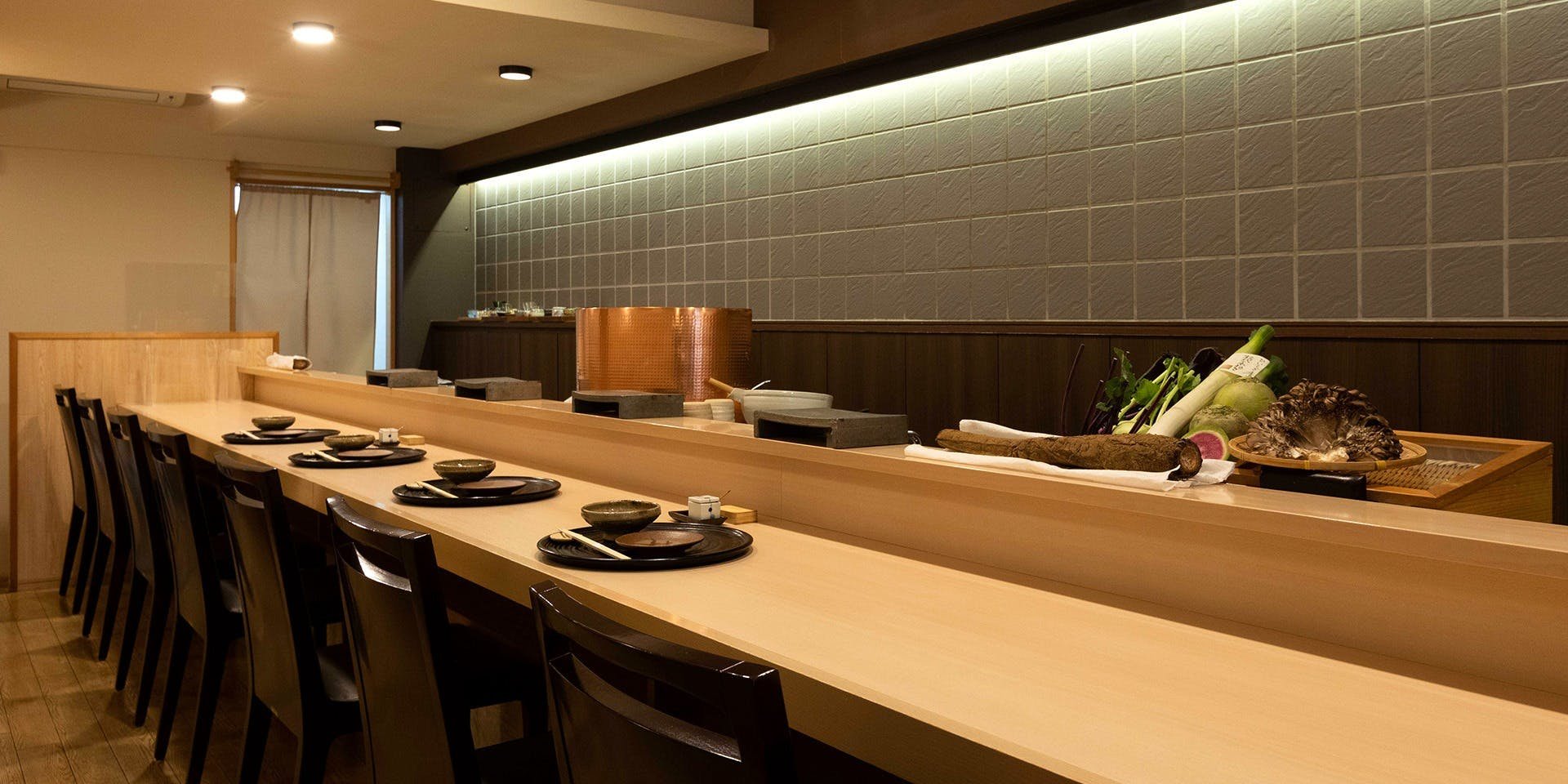
Honcho is not Ginza, and that matters. Chiba’s central district has a working-city rhythm: civic buildings, narrow commercial blocks, and restaurants that tend to serve locals before destination diners. In that setting, a six-seat tempura counter changes the terms of the meal. The format asks for silence, punctuality, and attention, because tempura at this level is not a parade of fried items; it is a sequence built around batter thickness, oil temperature, and the short window between fryer and palate.
Japan’s high-end tempura tradition has always carried a quieter prestige than sushi or kaiseki. The craft is technical rather than theatrical. Batter is a membrane, not armor. Seafood and vegetables are judged by moisture, cut, and season, then by how quickly the coating releases steam. A small counter makes those decisions visible without turning them into performance. Tenhaku sits inside that lineage, but its Chiba address shifts the frame away from Tokyo’s luxury dining circuits and toward a regional reading of the same discipline.
Chiba tempura with national-level signals
Serious tempura outside Tokyo often faces a perception problem: diners assume the capital defines the category, while regional counters must justify the journey. The stronger argument is comparative value and focus. A restaurant in Chiba carrying Tabelog Award 2026 Silver recognition, after Bronze recognition in 2023, 2024, and 2025, belongs in a national conversation rather than a local-only file. Selection for Tabelog 100 Tempura in 2022, 2023, and 2025 reinforces the point: the praise is category-specific, not general popularity.
That distinction is useful for readers deciding how to spend a limited Japan itinerary. Chiba’s dining scene ranges from low-cost ramen and casual burger counters to yakiniku rooms in the same spending bracket as a premium tempura meal. Against comparison venues such as PANTRY COYOTE, Ramen Jiro Chiba ten, Seikou En, and Private room Yakiniku GYU CHIBA, the difference is not simply price. It is format. Tempura at this level compresses the restaurant into a timed counter, where the meal depends on pacing and the cook’s control of oil across the full sequence.
The category also carries cultural weight. Tempura entered Japan through Portuguese contact in the 16th century, then became an Edo-era street food before fine counters recast it as a precision cuisine. Modern premium tempura keeps that dual identity intact: direct, immediate, and technically demanding. In Chiba, the genre feels less like a status ritual than a study in concentration. The city’s proximity to Tokyo makes it easy to misread as satellite dining, but Chiba has its own audience for specialists, especially when the room is this small and the recognition this specific.
A counter meal built around restraint, timing, and fish
The available signals point to a fish-forward tempura counter rather than a broad washoku restaurant using tempura as one component. Drinks run in a Japanese frame, with sake, shochu, and wine listed, which suits a cuisine where oil, salt, and seafood need balance rather than heavy pairing rhetoric. The room is counter-only, with fewer seats at lunch than at dinner, and that scale creates a different social contract from a large dining room. Conversation drops. Timing matters. The meal is governed by the fryer.
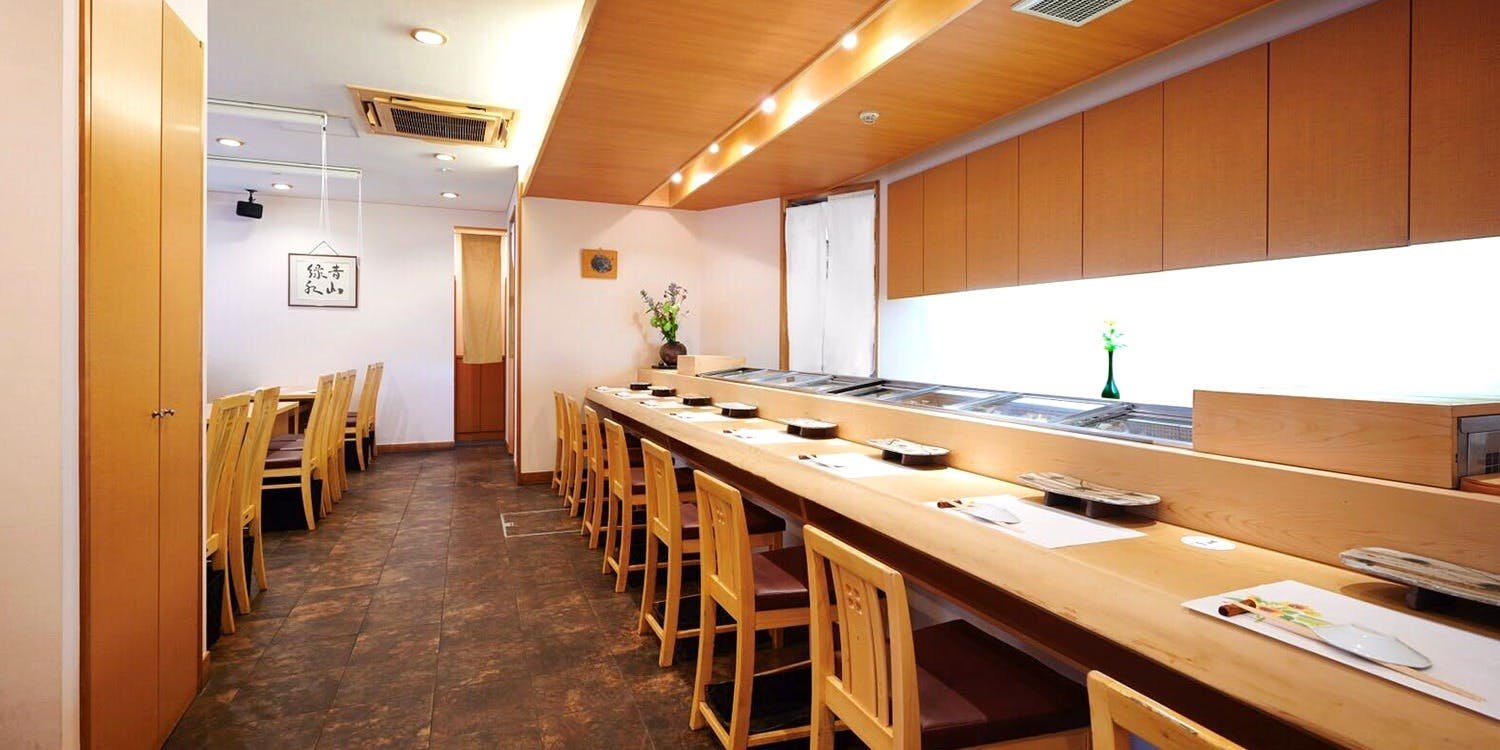
There is no need to romanticize the setup. Six seats mean the restaurant has little tolerance for lateness, scent-heavy grooming, or casual improvisation. That is not stiffness for its own sake; it protects a cuisine where oil condition and serving sequence shape the result. In high-end tempura, a delay is not merely inconvenient. It changes the way each piece lands. This is why the format attracts solo diners as easily as pairs: the counter rewards attention more than occasion dressing.
For travelers mapping Chiba through food, Tenhaku adds a specialist anchor to a city better known internationally for transit links, baseball, and access to Tokyo Bay. The broader EP Club Chiba edit is useful for placing it alongside other local categories: Our full Chiba restaurants guide covers the dining spread, while Our full Chiba hotels guide, Our full Chiba bars guide, Our full Chiba wineries guide, and Our full Chiba experiences guide help frame a stay beyond the table.
How it fits into a Chiba itinerary
For readers building a wider Japan food route, the useful comparison is not only within Chiba. Regional specificity can be just as compelling in -Grilled beef Sukiyaki- KAMAKURA TANUKIAN 鎌倉 たぬき庵 in Kamakura. 鮪と炭火焼き うお炭 秋葉原店 in Tokyo.cafe in Osaka.know in Kumamoto, (Shoku) Vietnam in Kawasaki, and [Curry Senmon Ten] Maruyama Kyoju. in Sapporo. For a different Japanese-drinking lens abroad, Jōdo Saké Bar in Los Angeles and Onigiri Time in Pasadena extend the conversation beyond Japan.
The editorial call is clear: this is for diners who value tightly controlled craft over breadth, room energy, or menu flexibility. Tenhaku makes sense when tempura itself is the point of the outing. In Chiba, that gives the city a serious counter-format address with awards strong enough to move it beyond local convenience and into planned-dining territory.
Frequently asked questions
Where exactly is Tenhaku?
Tenhaku is located in Chiba.
What are the opening hours for Tenhaku?
Hours at Tenhaku: ■Business hours[Fri - Tue]First session 12:00Second session 18:00■Closed onAll day Wednesday, All day Thursday, Monday afternoon, Friday afternoon.
What do critics highlight about Tenhaku?
Critics point to the recognition trail: Tabelog Award 2026 Silver, Bronze awards from 2025 to 2023, and selection for Tabelog Tempura "Tabelog 100" in 2025, 2023, and 2022. The room is only six seats, so the appeal is the counter format as much as the food category.
Is Tenhaku good for vegetarians?
It is a tempura counter, and the venue is described as being particular about fish, so vegetarians should not expect a broad plant-based menu. The six-seat, reservation-only setup on Honcho in Chiba reads as a focused specialist room rather than a flexible à la carte kitchen.
Would Tenhaku be comfortable with kids?
It can work for older, steady diners, but the format is tight: six seats, two fixed sessions, and a note asking guests to arrive 10 minutes early. That setup suits a controlled meal more than a loose family outing in central Chiba.
What's the overall feel of Tenhaku?
Tenhaku feels compact and controlled, with counter seating, a reservation-only policy, and two simultaneous sittings at 12:00 and 18:00. The address on Honcho in Chiba and the six-seat room give it the character of a serious neighborhood specialist rather than a casual drop-in spot.
Cost and Credentials
Comparable venues by cuisine and price in the same metro.
| Venue | Cuisine | Price | Awards | Notes |
|---|---|---|---|---|
| TenhakuThis venue (the venue you are viewing) | Modern Tempura | Not listed | Tabelog Silver #140 | Not listed |
| Private room Yakiniku GYU CHIBA | Private-room premium Yakiniku | $100–150 | Tabelog 100 #55 | Chuo Ward, Private-room premium Yakiniku |
| Seikou En | Traditional Yakiniku (Japanese BBQ) | $50–100 | Tabelog 100 #56 | Chuo-ku, Traditional Yakiniku (Japanese BBQ) |
| Hiroshima Ya | Hiroshima-style Okonomiyaki | $20–30 | Tabelog 100 #23 | Minami Nagareyama, Hiroshima-style Okonomiyaki |
| Takaoka | Chiba-Style Omakase Sushi | $200–300 | Tabelog Bronze #447 | Yaesu, Chiba-Style Omakase Sushi |
| Sushiei | Edomae Sushi Omakase | $500+ | Tabelog Silver #129 | Nishi Chiba, Edomae Sushi Omakase |
Recognition history
Dated appearances from independent guides and award organizations, with the underlying list record or original source where available.
Tabelog Silver #140
Tabelog
Full recognition history (3 entries)
Tabelog Bronze
Tabelog
Tabelog 100 #71 · No. 71
Tabelog · Tabelog 100 - Tempura - 2025
Continue exploring
More in Chiba
Restaurants in Chiba
All restaurants in Chiba →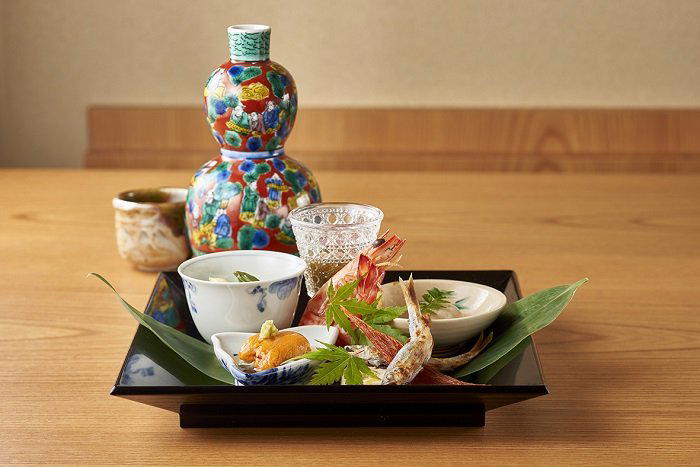




Details
- Elegant
- Sophisticated
- Intimate
- Date Night
- Special Occasion
- Chefs Counter
- Sake Program
- Counter Dining
Current opening hours
- Monday
- 12–12:05 PM, 6–6:05 PM
- Tuesday
- 12–12:05 PM, 6–6:05 PM
- Wednesday
- Closed
- Thursday
- Closed
- Friday
- 12–12:05 PM, 6–6:05 PM
- Saturday
- 12–12:05 PM, 6–6:05 PM
- Sunday
- 12–12:05 PM, 6–6:05 PM
Hours can change for holidays and private events. Last verified .