
Our verdict
Sushi Iwa sits in Tsukiji, operating from the neighbourhood that once fed Tokyo's fish trade for a century. Under chef Hisayoshi Iwa, the counter draws consistent recognition from Opinionated About Dining, ranking in Japan's top 400 for three consecutive years. Lunch service runs Tuesday through Saturday, making it one of the more accessible daytime omakase options in central Tokyo at this tier of recognition.

Pearl is the En Primeur Club membership app, where members save venues, book tables and use the concierge.
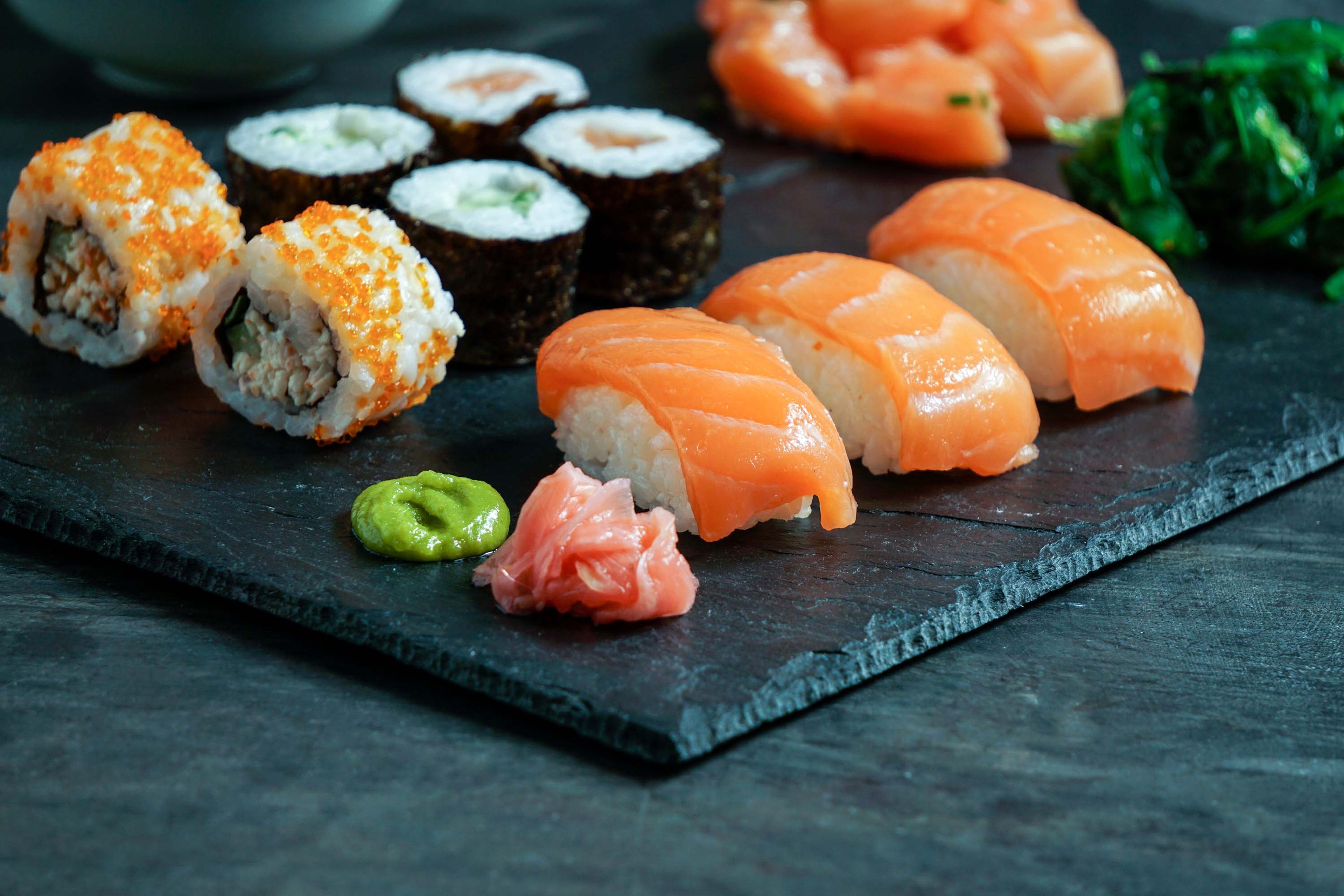
Tsukiji After the Market: The Counter That Stayed
When Tokyo's famous wholesale fish market relocated to Toyosu in 2018, Tsukiji lost its industrial heartbeat but retained something harder to manufacture: proximity to generations of sushi culture embedded in the streets around it. The neighbourhood's remaining fish vendors, specialist suppliers, and long-standing counters didn't follow the market east. That context matters when placing this counter in its peer group, because Tsukiji-area sushi has always operated differently from the Ginza or Akasaka models, closer to the supply chain, less dependent on hotel adjacency, more tied to the daily rhythm of procurement.
Three Years of Consecutive Recognition
Opinionated About Dining, the critic-weighted ranking system that strips away PR campaigns and self-reported data, has listed Sushi Iwa in its Japan rankings for three consecutive years: Highly Recommended in 2023, ranked at #324 in 2024, and #409 in 2025. That trajectory, entering ranked and sustaining presence across multiple cycles, places this counter in a specific tier of Tokyo sushi: above neighbourhood standbys, below the three-Michelin-star counters that dominate international conversation, but consistently acknowledged by the critics who cover Japan most closely.
For context, the counters that occupy the very leading of Tokyo omakase, places like Harutaka, Sukiyabashi Jiro Roppongiten, and Sushi Kanesaka, command multi-month booking windows and prices well above the mid-tier. Sushi Iwa's recognition pattern puts it in the second tier of that hierarchy: critically validated, locally embedded, and accessible in ways that the top-bracket counters are not. That is a specific and useful position for a reader making decisions about where to allocate a Tokyo sushi booking.
The Lunch Argument
Tokyo omakase culture has a lunch problem, not a problem for diners, but a problem of perception. Many visitors default to dinner bookings on the assumption that evening service carries more ceremony, better fish, or a fuller expression of the chef's intent. At the top-end counters, that assumption sometimes holds; fish aged overnight for dinner service does differ from what lands at lunch. But for counters operating at Sushi Iwa's tier, the lunch service often represents the smarter booking for several reasons that have nothing to do with compromise.
Sushi Iwa opens for lunch Monday through Saturday, from 11 am to 2 pm, before transitioning to dinner service from 5 pm. Sunday remains closed. That midday window places the counter inside the working rhythm of Tsukiji, a neighbourhood that still moves on morning supply chains, and the lunch format at Japanese sushi counters of this calibre typically runs the same omakase structure as the evening. The fish is sourced from the same morning market relationship; the rice, at a counter where that preparation is part of the point, is freshly prepared for each service. What shifts is the surrounding context: less ceremonial pressure, often shorter waits on the day, and the ability to carry the meal into a Tsukiji afternoon rather than committing to an extended evening.
Practically, the lunch window at counters in this recognition tier, comparable to Edomae Sushi Hanabusa and Hiroo Ishizaka in their category positioning, also tends to have marginally greater availability than peak dinner slots, though this should not be read as a guarantee. Tokyo counters at any recognition level can book quickly, and advance planning remains advisable.
Edomae in Tsukiji
Edomae sushi, the tradition that developed in Edo-period Tokyo using fish from Tokyo Bay and vinegared rice as a preservation technique, finds its most natural home in the waterfront districts that ring the old bay. Tsukiji's geography is part of that lineage. A counter operating here in the sushi tradition carries an implicit connection to that history, not as marketing, but as a physical fact of where the neighbourhood sits relative to the bay and the fish trade it supported.
Chef Hisayoshi Iwa works within this tradition at the Tsukiji address, and the counter draws its identity from that location as much as from any individual technique. The Edomae approach, which emphasises knife work, curing, ageing, and seasoning the fish itself rather than dressing it at the table, requires procurement relationships and product knowledge that come more naturally from proximity to the source. That logistical advantage is part of why Tsukiji-based counters remain competitive with higher-profile neighbourhoods despite lacking the foot traffic of Ginza.
Planning a Visit
Sushi Iwa is located at 2 Chome-15-12 Tsukiji, Chuo City, Tokyo. The address places it in the heart of the outer market area, walkable from Tsukiji station on the Hibiya Line and Tsukijishijo station on the Oedo Line. For visitors structuring a Tokyo dining itinerary across multiple meals, Tsukiji lunch pairs naturally with an afternoon in the outer market stalls before moving elsewhere for the evening. Those building a fuller picture of the city's restaurant tier can find broader context in our full Tokyo restaurants guide, alongside our full Tokyo hotels guide, our full Tokyo bars guide, our full Tokyo wineries guide, and our full Tokyo experiences guide.
For visitors extending beyond Tokyo, the same critical recognition networks that track Sushi Iwa also cover HAJIME in Osaka, Gion Sasaki in Kyoto, akordu in Nara, Goh in Fukuoka, 1000 in Yokohama, and 6 in Okinawa. Those seeking comparable sushi experiences elsewhere in Asia can reference Sushi Shikon in Hong Kong and Shoukouwa in Singapore, both of which represent the export tier of Japanese omakase that Tokyo counters like Sushi Iwa anchor from the source.
Quick reference: Sushi Iwa, 2 Chome-15-12 Tsukiji, Chuo City, Tokyo. Lunch Mon–Sat 11 am–2 pm; dinner Mon–Fri 5–10 pm, Sat 5–9 pm; closed Sunday.
Frequently asked questions
Where is Sushi Iwa located?
Sushi Iwa is located at 2 Chome-15-12 Tsukiji, Chuo City, Tokyo 104-0045, Japan, Tokyo.
What time does Sushi Iwa open and close?
Hours at Sushi Iwa: Hours: Monday 11 am–2 pm, 5–10 pm Tuesday 11 am–2 pm, 5–10 pm Wednesday 11 am–2 pm, 5–10 pm Thursday 11 am–2 pm, 5–10 pm Friday 11 am–2 pm, 5–10 pm Saturday 11 am–2 pm, 5–9 pm Sunday Closed.
What's the best thing to order at Sushi Iwa?
Sushi Iwa operates as an omakase counter, so Chef Hisayoshi Iwa sets the menu based on daily procurement, there is no à la carte selection. The format follows edomae tradition, meaning the sequence and ingredients shift with what arrives from market that day. OAD has ranked the counter in Japan's top restaurants every year from 2023 through 2025, which reflects consistency in execution rather than a single signature dish. Commit to the full omakase; that is the only way the counter is designed to be eaten.
Nearby-ish Comparables
| Venue | Cuisine | Price | Awards | Notes |
|---|---|---|---|---|
| Sushi IwaThis venue (the venue you are viewing) | Traditional Japanese Omakase Sushi | $200–300 | Not listed | Not listed |
| Harutaka | Edo-Style Omakase Sushi | $200–300 | 3 Michelin Stars · World's 50 Best #76 | Sushi |
| RyuGin | Modern Kaiseki | $500+ | 3 Michelin Stars · World's 50 Best #41 | Kaiseki, Japanese |
| L'Effervescence | Modern French with Japanese Influences | $200–300 | 3 Michelin Stars · World's 50 Best #69 | French |
| HOMMAGE | Modern French with Japanese Influences | $150–200 | 2 Michelin Stars · World's 50 Best #78 | Innovtive French, French |
| MAZ | Innovative Peruvian-Japanese Fusion | $150–200 | 2 Michelin Stars · World's 50 Best #28 | Innovative |
Recognition history
Dated appearances from independent guides and award organizations, with the underlying list record or original source where available.
Opinionated About Dining Top Restaurants in Japan Recommended
Opinionated About Dining
Full recognition history (4 entries)
Opinionated About Dining Top Restaurants in Japan Ranked #409
Opinionated About Dining
Opinionated About Dining Top Restaurants in Japan Ranked #324
Opinionated About Dining
Opinionated About Dining Top Restaurants in Japan Highly Recommended
Opinionated About Dining
Continue exploring
More in Tokyo
Restaurants in Tokyo
All restaurants in Tokyo →
Bars in Tokyo
All bars in Tokyo →





Details
- Intimate
- Elegant
- Classic
- Special Occasion
- Date Night
- Business Dinner
- Chefs Counter
- Sake Program
- Sustainable Seafood
- Omakase
- Counter Dining
- Sake
Current opening hours
- Monday
- 11 AM–2 PM, 5–10 PM
- Tuesday
- 11 AM–2 PM, 5–10 PM
- Wednesday
- 11 AM–2 PM, 5–10 PM
- Thursday
- 11 AM–2 PM, 5–10 PM
- Friday
- 11 AM–2 PM, 5–10 PM
- Saturday
- 11 AM–2 PM, 5–9 PM
- Sunday
- Closed
Hours can change for holidays and private events. Hours as of .
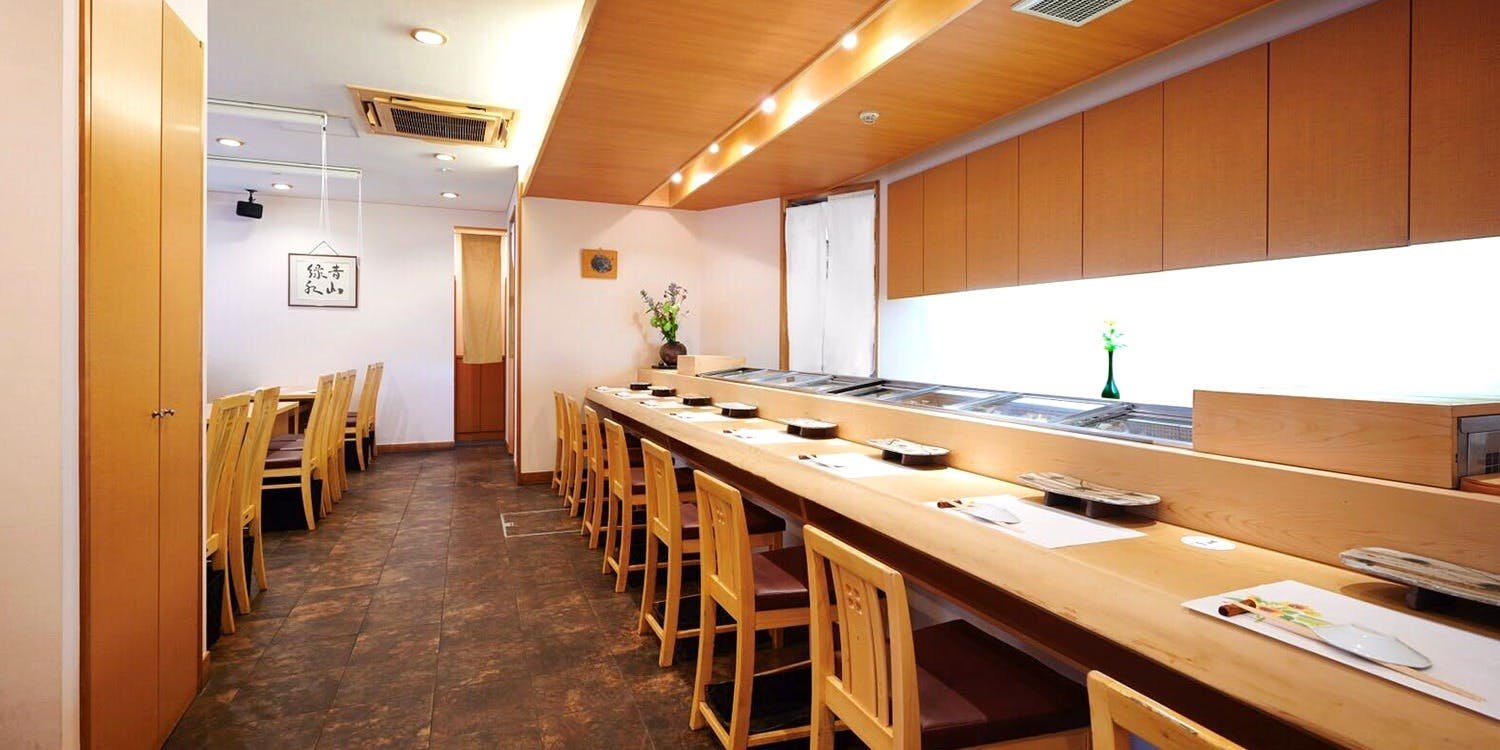
Plain but immaculate interior with a calm, cozy counter-focused atmosphere and focused lighting on the sushi preparation.