
Kagurazaka Ishikawa has anchored the quieter, residential side of Shinjuku's dining scene since the mid-2000s, earning three Michelin stars and a reputation built on the precise seasonal logic of kaiseki. The counter seats a small number of guests per service, and advance reservations are measured in months rather than days. For anyone tracing Japan's leading kaiseki outside the Kyoto heartland, this address carries serious weight.
Pearl is the En Primeur Club membership app — saves, bookings, and concierge access live there. Same editors, same standards.
- Address
- Japan, 〒162-0825 Tokyo, Shinjuku City, Kagurazaka, 5 Chome−37 高村ビル 1f
- Phone
- +81352250173
- Website
- kagurazaka-ishikawa.co.jp
 Saves & bookings on Pearl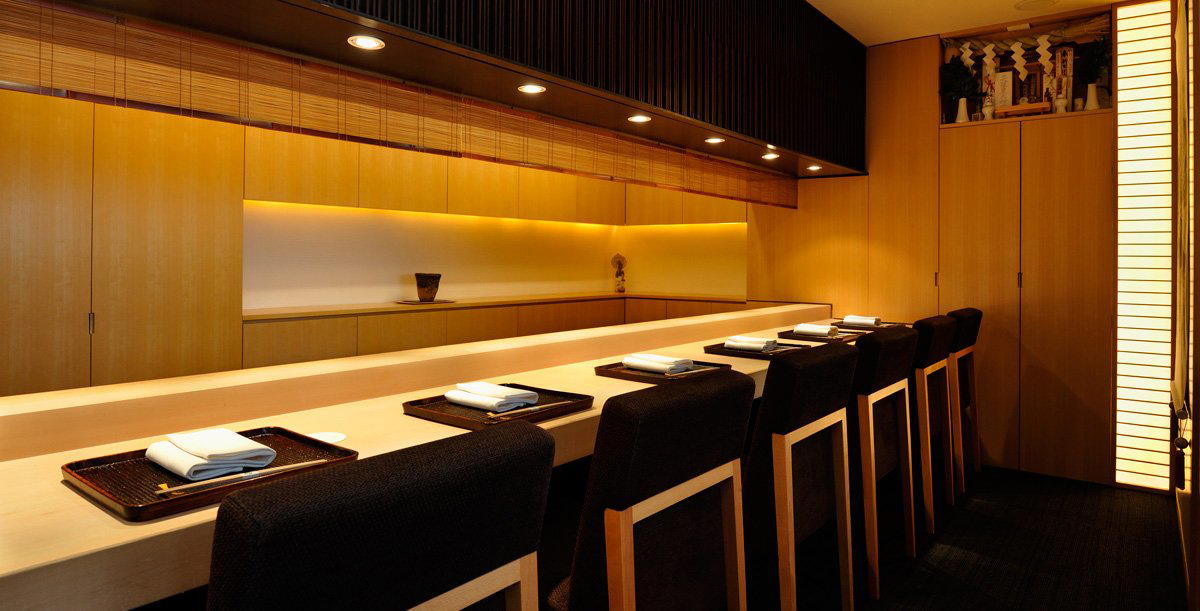
Kaiseki Beyond Kyoto: The Kagurazaka Position
Japan's kaiseki tradition has long been centered in Kyoto, where the form developed alongside temple culture, tea ceremony, and the rhythms of a landlocked city dependent on preserved and seasonal ingredients. Tokyo's claim to comparable kaiseki is more recent, and it rests on a smaller number of addresses that have earned the argument through sustained critical recognition rather than geographic heritage. Kagurazaka Ishikawa (神楽坂 石かわ) is among the more cited of those addresses, operating from a first-floor space in Shinjuku City's Kagurazaka district, a neighbourhood that has historically attracted French bistros, traditional machiya architecture, and a quieter dining culture than Ginza or Roppongi. The restaurant is a Michelin Three-Star Kaiseki Omakase in Tokyo's Shinjuku City, placing it in the upper tier of Tokyo's kaiseki houses alongside destinations like RyuGin, which operates from Roppongi Hills and represents a different but equally decorated strand of Japanese haute cuisine. Where RyuGin pushes kaiseki toward technique-forward modernism, Kagurazaka Ishikawa is more consistently positioned in the classical seasonal tradition.
The Narrative Arc of a Kaiseki Progression
Kaiseki is, structurally, a meal with a predetermined logic. Unlike à la carte dining or even Western tasting menus, the sequence in kaiseki is not primarily about escalating richness or dramatic contrast; it follows the progression of a tea gathering's hospitality, moving through sakizuke, hassun, yakimono, and rice courses in an order refined over centuries. At the highest level, what separates one three-star kaiseki counter from another is less the sequence itself and more the intelligence of the seasonal sourcing that fills it.
At Kagurazaka Ishikawa, the kaiseki progression tracks closely to what Japan's leading seasonal produce dictates at any given moment. Autumn brings matsutake mushrooms, Pacific saury, and the first of the year's river fish at their peak. Winter service leans into fugu where licensed, snow crab from the Sea of Japan, and the kind of root vegetable preparations that require months of pickling to execute. Spring unfolds through bamboo shoots, cherry blossom-season garnishes, and young fish. Summer is one demanding season for a kaiseki kitchen, maintaining lightness while satisfying, and sourcing shimmer-fresh seafood in a city that can punish inferior product immediately.
The progression across any of these seasons at a counter like Kagurazaka Ishikawa is designed to feel accumulative without becoming heavy. The early courses establish register and season; the middle courses carry the kitchen's main statement on technique; the closing rice course and pickles are a deliberate deceleration. Guests who have eaten kaiseki only in Western-concept tasting menu contexts sometimes find the closing modesty of the rice course surprising. It is, in fact, the form's most considered gesture.
Where Kagurazaka Sits in Tokyo's Premium Dining Field
Tokyo's three-Michelin-star tier now includes Japanese, French, and hybrid-format restaurants in roughly equal numbers. On the Japanese side, kaiseki and sushi represent distinct traditions with different competitive dynamics. The sushi counter market, anchored by addresses like Harutaka in Ginza, competes primarily on product sourcing, rice temperature control, and the relationship between chef and guest across a short counter. Kaiseki competes on a broader palette: sequence design, seasonal alignment, tableware selection, and the integration of soup, grilled, and simmered courses that sushi does not attempt.
Among Tokyo's French fine dining tier, addresses like L'Effervescence and Sézanne hold their own three-star status, and the city's French restaurants have increasingly absorbed Japanese seasonal logic into European frameworks. Innovative addresses such as Crony push that synthesis further. Kagurazaka Ishikawa sits outside these hybrid conversations, occupying a position that prizes fidelity to kaiseki structure over cross-cultural experimentation. That conservatism, in the leading sense of the word, is part of its critical standing.
For guests mapping Japan's kaiseki landscape more broadly, Kagurazaka Ishikawa belongs in a conversation that extends beyond Tokyo. Gion Sasaki in Kyoto, HAJIME in Osaka, and Goh in Fukuoka each represent regional variations on Japan's haute cuisine tradition. Further afield, addresses like akordu in Nara, a kaiseki address in Nanao, and a destination restaurant in Takashima illustrate how premium Japanese dining has spread well beyond its traditional urban centers. Within Tokyo itself, the full Tokyo restaurants guide covers the range of options across price points and formats.
The Kagurazaka Context
The choice of Kagurazaka as a location carries some editorial weight. This district, running northwest from Iidabashi station, developed its Franco-Japanese dining identity through the twentieth century and retains a neighbourhood character that is quieter and more residential than the city's more commercially dense dining corridors. A kaiseki counter here draws guests willing to travel away from the central luxury cluster, which, in a city where three-star restaurants are distributed across Ginza, Roppongi, Azabu, and Marunouchi, is a meaningful positioning choice. Comparable regional specificity appears in Japan's broader restaurant culture: 高大山乃川製 in Sapporo and 庄羽屋 in Nishikawa Machi represent how notable Japanese dining frequently roots itself in specific, non-central locations. Internationally, restaurants like Le Bernardin in New York and Atomix, also in New York, demonstrate a similar principle: critical authority does not require one prominent address, only consistent execution at a high level. Bistro Ange in Toyohashi and Birdland in Sakai extend this pattern to mid-size Japanese cities.
Planning a Visit
Kaiseki at the three-star level in Tokyo requires planning that most Western tasting-menu experiences do not. Reservations are appointment only. The format is counter or small room service, prix-fixe, with limited or no à la carte variation. Guests with dietary restrictions should communicate these at the time of booking, not on arrival; the multi-course structure makes last-minute substitution significantly more disruptive than in Western formats, where individual courses can often be swapped independently. The Kagurazaka address is accessible from Iidabashi station on the JR Sobu, Tokyo Metro Tozai, Namboku, and Yurakucho lines, placing it within reasonable distance of central Tokyo accommodation.
Seasonal timing matters at this level. An autumn visit prioritises matsutake and Pacific fish at their peak. A winter visit, particularly from December through February, accesses the richest cold-season ingredients. Spring, particularly late March through May, offers the bamboo shoot season that kaiseki chefs consider among the year's most expressive periods. There is no poor season for this format at a kitchen of this standing, but there are seasons with more dramatic seasonal arguments, and autumn and spring often bring particularly expressive seasonal ingredients.
Quick reference: 神楽坂 石かわ, 5 Chome-37, Kagurazaka, Shinjuku City, Tokyo. Michelin Three-Star Kaiseki Omakase. Formal dress code. Appointment only.
Peers in This Market
Comparable venues nearby, for context on price, style, and recognition.
| Venue | Cuisine | Price | Notes |
|---|---|---|---|
| 神楽坂 石かわThis venue — the venue you are viewing | Michelin Three-Star Kaiseki Omakase | $$$$ | Not listed |
| 鉄板焼 赤坂 | Luxury Japanese Teppanyaki with Wagyu & Skyline Views | $$$$ | Akasaka |
| Yakiniku Oboshimeshi | Modern Yakiniku with Korean Influences | $$$$ | Minato |
| Tempura Fukutarou | Seasonal Tempura Omakase | $$$$ | Taitō |
| 鮨処いし原 | Traditional Omakase Sushi | $$$$ | Chūō |
| Yama no Ue | Edo-Style Tempura | $$$$ | Chūō |
Recognition history
Dated appearances from independent guides and award organizations, with the underlying list record or original source where available.
Black Pearl 2 Diamond
Black Pearl






At a Glance
- Elegant
- Intimate
- Quiet
- Sophisticated
- Special Occasion
- Celebration
- Business Dinner
- Chefs Counter
- Open Kitchen
- Private Dining
- Historic Building
- Sake Program
- Sommelier Led
- Local Sourcing
Current opening hours
- Monday
- Closed
- Tuesday
- 5–10 PM
- Wednesday
- 5–10 PM
- Thursday
- 5–10 PM
- Friday
- 5–10 PM
- Saturday
- 12–3 PM, 5–10 PM
- Sunday
- Closed
Hours can change for holidays and private events. Last verified .
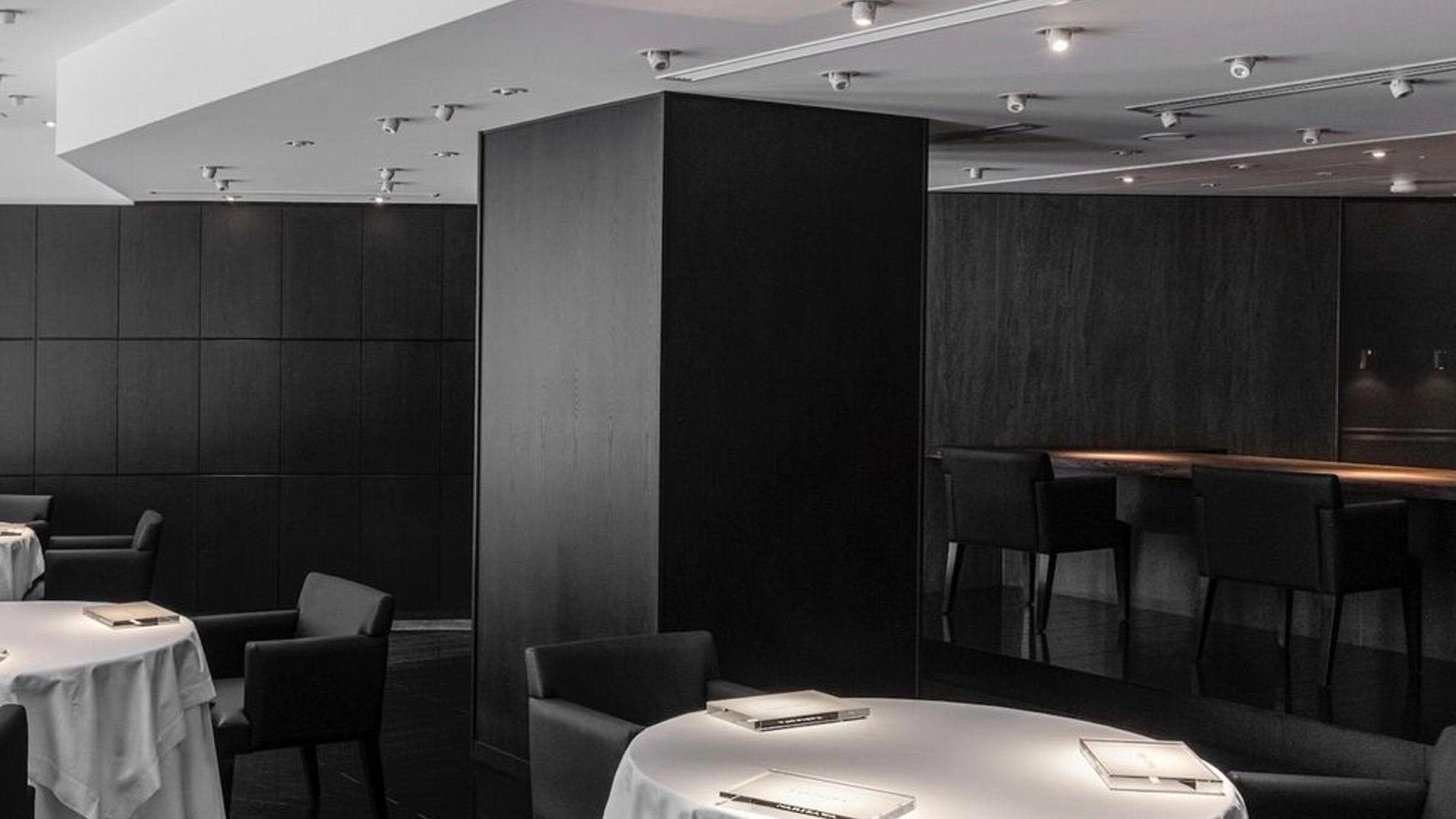
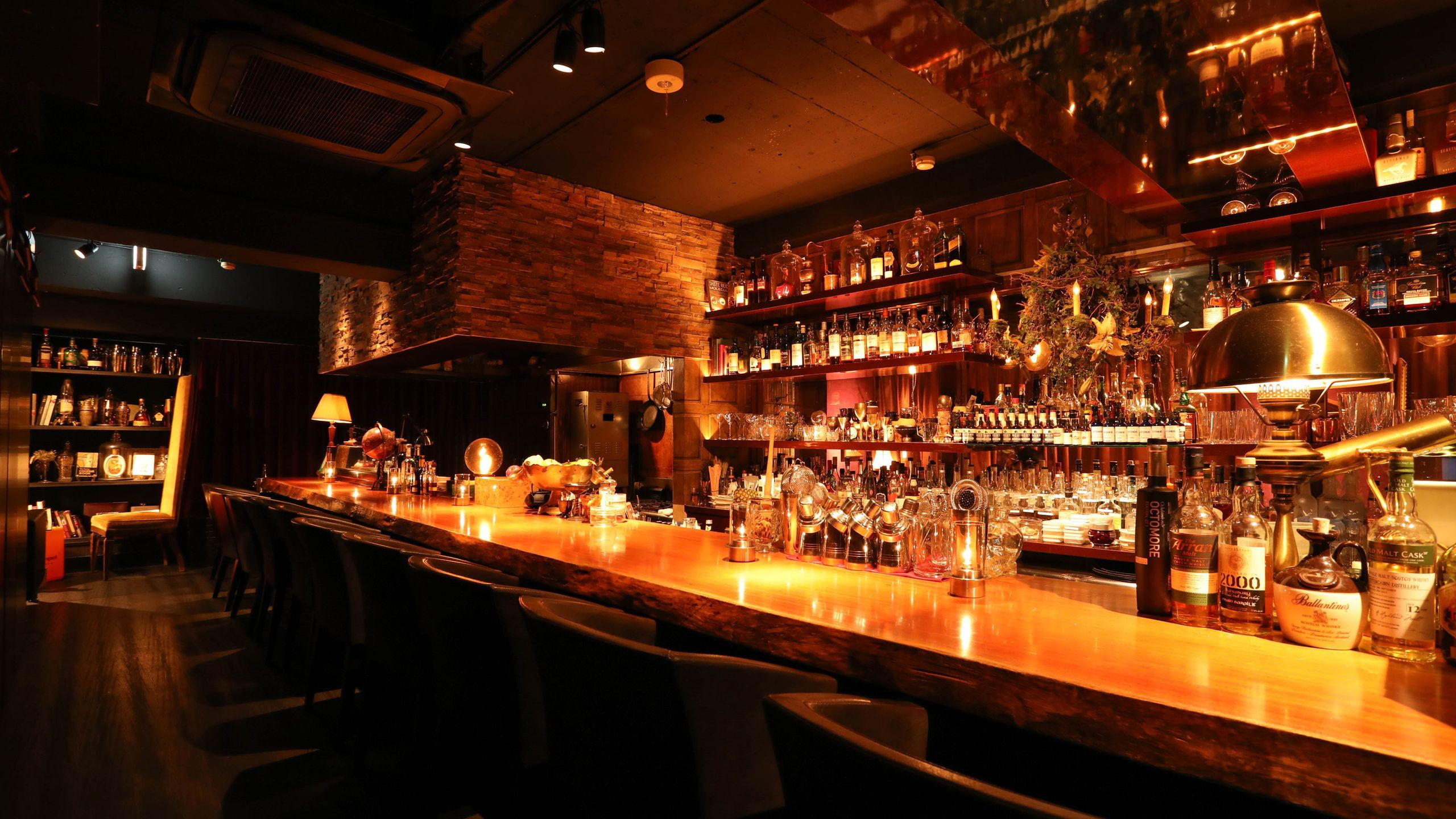
Refined and serene atmosphere with a polished counter and private rooms set within a historic stone-paved alley, creating a tranquil sanctuary for haute cuisine.