
Shibuya’s sushi scene rewards small counters that can hold discipline without Ginza formality. Sushi Rizaki Shibuya sits in that serious middle-upper bracket: a 10-seat sushi and seafood counter in Kamiyamacho, selected for Tabelog Sushi TOKYO 100 in 2021, 2022, and 2025, with drinks spanning sake, shochu, and wine.
Pearl is the En Primeur Club membership app — saves, bookings, and concierge access live there. Same editors, same standards.
- Address
- 8-2 Kamiyamacho, Shibuya, Tokyo 150-0047, Japan
- Phone
- +81 3-5738-8293
- Website
- sushi-rizaki.com
 Saves & bookings on Pearl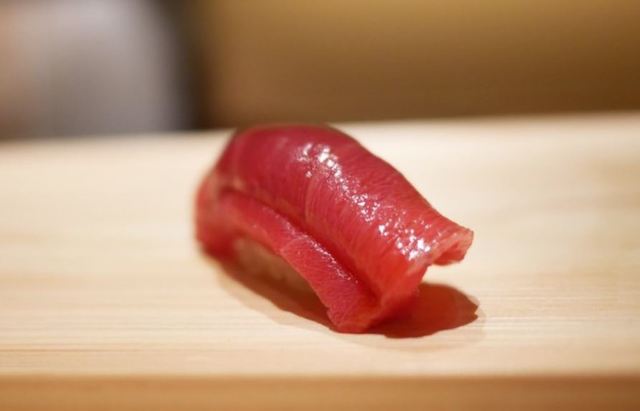
Kamiyamacho changes the rhythm of Shibuya. The station-side glare thins out, the streets pull toward Oku-Shibu’s quieter restaurant belt, and sushi begins to feel less like a trophy dinner than a counter conversation conducted at close range. In Tokyo, that shift matters. The city’s sushi culture is often read through Ginza’s expense-account counters, but Shibuya has developed a parallel lane: smaller rooms, later urban energy, and enough seriousness to attract diners who care about fish quality, rice temperature, and pacing without requiring the old ceremonial codes.
Sushi Rizaki Shibuya belongs to that lane. Its public signals are clear: sushi and seafood, 10 seats, non-smoking, private use available, and selection for Tabelog Sushi TOKYO 100 in 2021, 2022, and 2025. That sequence matters more than a single badge. Tokyo’s sushi field is dense, opinionated, and unforgiving; repeated selection suggests the counter has remained visible in a category where attention moves quickly and where diners compare meals across a deep bench of Edomae-style rooms.
Oku-Shibu gives the sushi counter a different tempo
Oku-Shibu is not a decorative label; it changes the dining calculus. This pocket between Shibuya, Yoyogi Park, and Kamiyamacho pulls in restaurants that benefit from proximity to the city’s nightlife without sitting inside the busiest station grid. For sushi, that means a room can feel urban rather than hushed, serious rather than stiff. The counter format keeps the meal intimate, but the neighbourhood keeps it from becoming museum-like.
That distinction is useful when comparing Tokyo sushi formats. At one end are casual fish counters and neighbourhood sushi restaurants, where value and speed shape the meal. At another are high-prestige counters with international reservation pressure and prices that signal destination dining. A 10-seat counter selected for Tabelog’s sushi list sits closer to the latter group in expectation, though the Shibuya address gives it a less formal frame than Ginza’s established prestige circuit.
The food category is also narrower than a general Japanese fine-dining room. Sushi and seafood are the stated centre, with an emphasis on fish rather than a broad kaiseki structure. That keeps attention on sourcing, knife work, seasoning, and the sequence of pieces. In Tokyo, where even casual sushi can be technically competent, this kind of room is judged less by novelty than by control: how cleanly the meal moves, how drinks fit the fish, and whether the counter sustains focus across the full sitting.
Recognition here is a signal of consistency, not spectacle
Tabelog’s Sushi TOKYO 100 selection is a useful trust marker because it sits inside Japan’s own restaurant-review culture rather than an imported luxury vocabulary. For travellers, it should be read as a local relevance signal, not a guarantee of a particular style of performance. The 2025 selection, alongside earlier appearances in 2021 and 2022, places the counter in a competitive Tokyo category where repeat recognition carries practical weight.
The drinks information also says something about the intended meal. Sake, shochu, and wine are all part of the listed programme, and BYO drinks are accepted. That range points to a counter designed for diners who treat pairing as part of the sushi experience rather than an afterthought. Sake remains the culturally natural partner for many sushi meals, but wine has become increasingly common at Tokyo counters that receive both domestic regulars and international guests. Shochu adds another Japanese register, particularly for diners who prefer a drier or stronger line against seafood.
Children are handled with the caution typical of serious Tokyo counters: the setting is small, the meal is structured, and younger guests are suitable only when they can participate in the full course format. That is not hostility; it is format protection. At 10 seats, one distracted party changes the room for everyone.
How to place it within a Tokyo dining itinerary
This is a counter for travellers who want Shibuya proximity without choosing a casual station-area meal. The smarter comparison is not with broad Japanese restaurants, but with other sushi addresses in Tokyo that trade on intimacy, fish handling, and repeat local recognition. 鮨 あい澤 and SUSHI KOURIN occupy related sushi conversations in the city, while Uoriki represents a much lower-price seafood reference point. Those comparisons clarify the role here: this is not a cheap sushi stop, and it is not trying to be a sprawling luxury dining room. It is a compact counter in a district where serious restaurants hide in plain city life.
For a wider Tokyo plan, use Our full Tokyo restaurants guide to separate sushi counters from yakitori, curry, seafood, and late-night dining. Nearby category contrasts include . 鮪と炭火焼き うお炭 秋葉原店 for tuna and charcoal cooking, 12/10 Shinjuku ten for Shinjuku dining, 124. KAGURAZAKA (Yakitori) for skewers, 2D Cafe for a visual café detour, and 3 Chome no Curry Ya San for Tokyo’s curry culture. City planning can extend through Our full Tokyo hotels guide, Our full Tokyo bars guide, Our full Tokyo wineries guide, and Our full Tokyo experiences guide.
For broader Japan and Japanese-diaspora context, compare the formality of sushi with -Grilled beef Sukiyaki- KAMAKURA TANUKIAN 鎌倉 たぬき庵 in Kamakura.cafe in Osaka.know in Kumamoto, (Shoku) Vietnam in Kawasaki, [Curry Senmon Ten] Maruyama Kyoju. in Sapporo, [ki:] in Kyoto, Jōdo Saké Bar in Los Angeles, and Onigiri Time in Pasadena. The through-line is not sameness, but how Japanese dining formats travel, tighten, relax, or specialize depending on city and audience.
Compact Comparison
Comparable venues by price and recognition.
| Venue | Cuisine | Price | Notes |
|---|---|---|---|
| Sushi Rizaki ShibuyaThis venue — the venue you are viewing | Not listed | $$$ | Not listed |
| Takasaki no Okan | Not listed | $$$ | Ikejiri Ohashi, Meguro, Hot Sake Pairing Omakase |
| Sake Hidejiro | Shibuya, Japanese Sake Omakase Izakaya | $$$ | Not listed |
| Yokoyama | Minato, Seasonal Japanese Kaiseki | $$$ | Not listed |
| 香下 | Chiyoda, Modern Japanese Kaiseki | $$$ | Not listed |
| Shoutai En Shibadaimon ten | Not listed | $$$ | Minato, Traditional Yakiniku (Japanese BBQ) |
Recognition history
Dated appearances from independent guides and award organizations, with the underlying list record or original source where available.
Tabelog 100 #45 · No. 45
Tabelog · Tabelog 100 - Sushi - TOKYO - 2025














At a Glance
- Quiet
- Elegant
- Sophisticated
- Intimate
- Classic
- Date Night
- Special Occasion
- Business Dinner
- Solo
- Standalone
- Chefs Counter
- Sake Program
- Local Sourcing
- Sustainable Seafood
Current opening hours
- Monday
- 6–11 PM
- Tuesday
- 6–11 PM
- Wednesday
- 6–11 PM
- Thursday
- 6–11 PM
- Friday
- 6–11 PM
- Saturday
- 6–11 PM
- Sunday
- Closed
Hours can change for holidays and private events. Last verified .
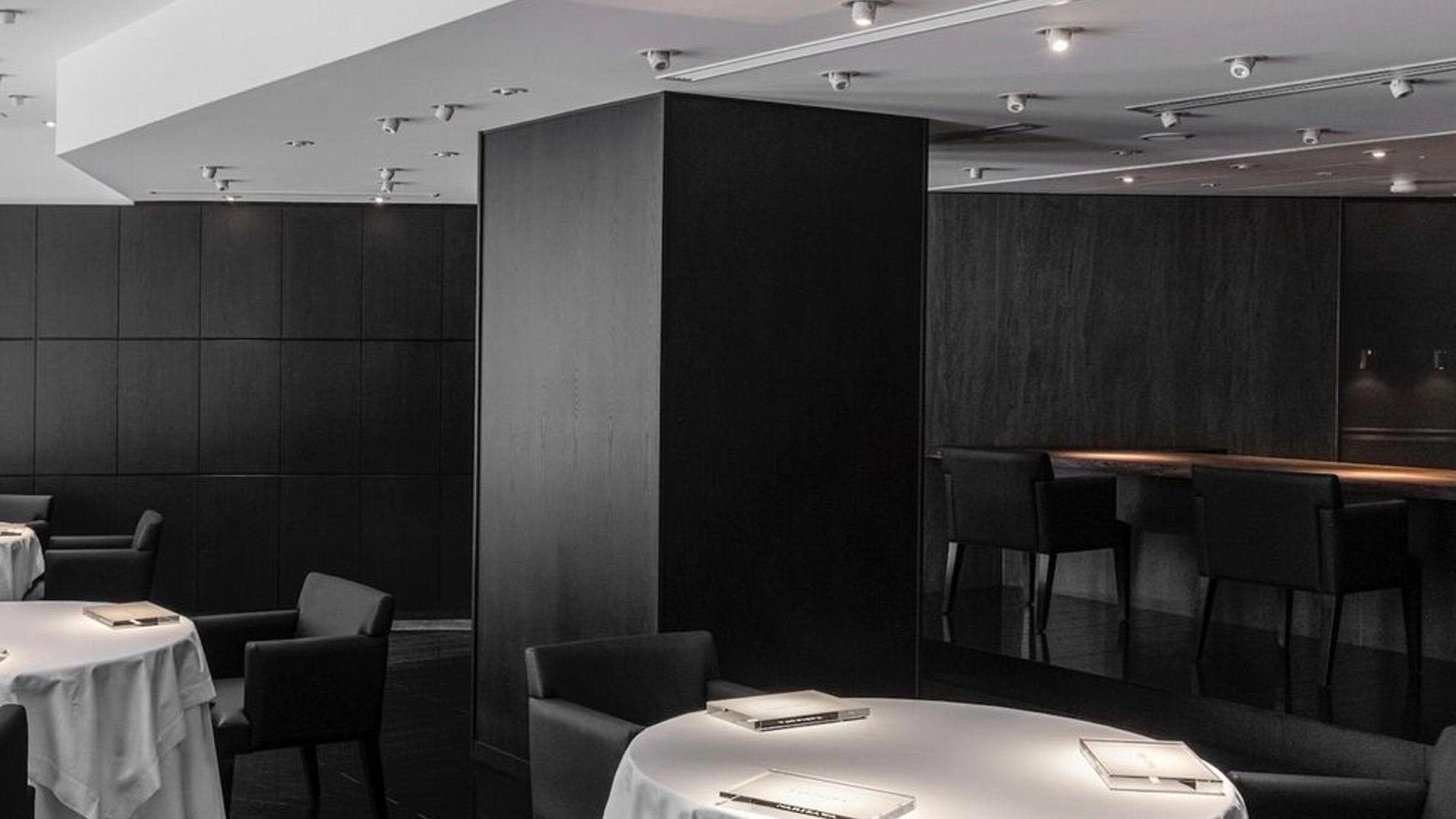
Tranquil, refined, and intimate, with a traditional Edomae sushi focus and a quietly attentive feel.