
Sake Hidejiro places the izakaya in a quieter Ebisu-Daikanyama register: compact, sake-led, and closer to a specialist counter than a casual after-work tavern. Its Tabelog 100 Izakaya EAST selections in 2022, 2024, and 2025 give it a clear signal within Tokyo’s crowded sake-bar field, especially for diners interested in nihonshu as the spine of the evening rather than an accessory.
Pearl is the En Primeur Club membership app — saves, bookings, and concierge access live there. Same editors, same standards.
- Address
- 2 Chome-10-8 Ebisunishi, Shibuya, Tokyo 150-0021, Japan
- Website
- sake-hidejiro.com
 Saves & bookings on Pearl
The approach to Ebisu’s western side changes the mood before the first pour: station traffic thins, Daikanyama’s lower-rise rhythm takes over, and the dining vocabulary shifts from mass-market izakaya to smaller rooms where sake gets the seriousness sushi counters give rice temperature. Sake Hidejiro belongs to that quieter Tokyo category: a Japanese sake bar and izakaya where scale, counter culture, and nihonshu focus matter more than spectacle.
Ebisu and Daikanyama suit this address. Between office-drinking convenience and residential polish, a good izakaya here must serve regulars who know what they drink, couples arriving from nearby boutiques and galleries, and solo diners who read the counter as a complete evening, not a compromise. In that context, Sake Hidejiro’s repeated inclusion in Tabelog 100 Izakaya EAST, with selections in 2022, 2024, and 2025, is more than a badge. It places the restaurant in a competitive Tokyo bracket where small differences in sake curation, pacing, and room discipline separate serious specialists from general-purpose taverns.
Ebisu's sake-bar izakaya, stripped of after-work noise
Tokyo’s izakaya scene is too broad to work as one category. At one end are high-volume drinking rooms built for speed and groups; at the other, compact, reservation-led places where the drinks list shapes the meal. Sake Hidejiro sits in the latter camp, with Japanese cuisine and nihonshu carrying the identity rather than a chef-led tasting-menu narrative. For travellers, that distinction matters. This is neither the Ginza counter model nor Shinjuku neon drinking. It belongs to the Ebisu-Daikanyama middle register: controlled, adult, and specific.
The sake emphasis is the central reason to pay attention. Tokyo has many restaurants with sake on the list, but fewer where nihonshu is the lens through which the izakaya format is read. The cooking belongs to a broader pairing culture: small plates, measured pacing, and room to move across sake styles without turning dinner into a lecture. For diners comparing neighbourhood options, Sora to Mugi to and Cafe Accueil Ebisu ten occupy more casual, lower-spend territory nearby, while recte reflects the area’s French dining thread and BLACOWS its premium burger culture. The restaurant operates in a different lane, closer to a specialist drinking-and-dining room than a broad neighbourhood catch-all.
That lane matters more in Tokyo as high-end omakase and French-Japanese tasting menus climb in price and formality. Sake-led izakaya offer another kind of precision: less ceremony, more flexibility, and a closer connection to everyday Japanese drinking culture. The threshold is still high, but the grammar differs. A diner is not buying a grand menu arc; they are buying the judgment of a room that knows how sake and Japanese cooking should share the table.
Counter culture gives the room its hierarchy
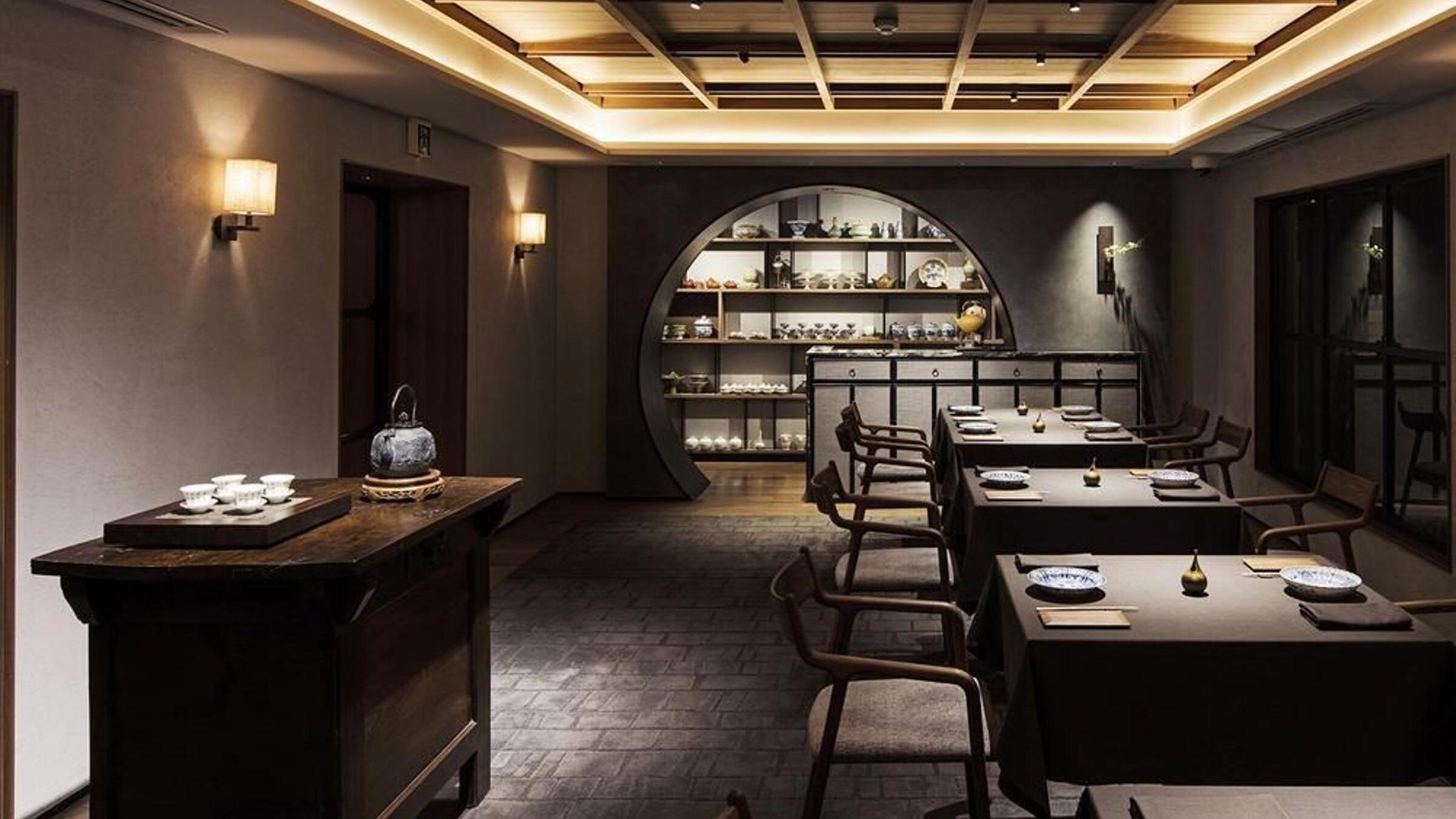
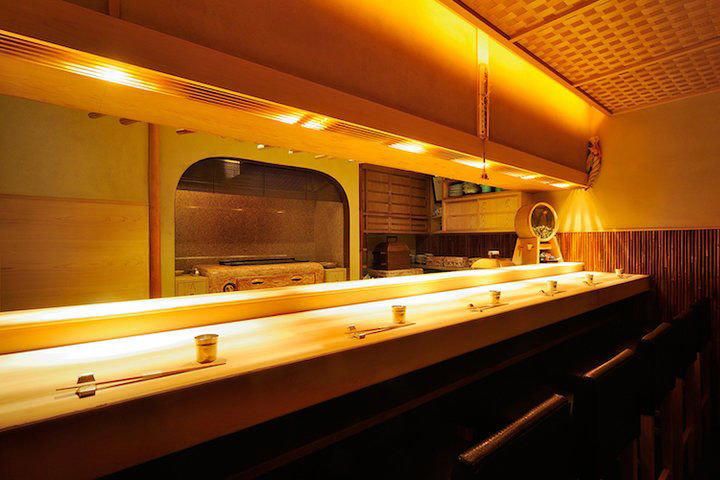
The counter is practical, but in Tokyo it is also social structure. Eight counter seats and three four-seat tables create a split personality: solo diners and pairs get a close-range sake-bar experience, while small groups sit slightly outside that orbit. The listed capacity of 20 keeps the scale intimate without turning the place into a rarefied chef’s counter. That balance is part of its appeal in Ebisu, where restaurants often serve both local regularity and destination dining.
Tabelog’s score of 3.66 carries weight here because izakaya ratings in Japan rarely behave like hotel-star shorthand. A strong score, repeated Hyakumeiten recognition, and continued presence on the 2025 EAST list point to consistency in a dense, exacting field. The award does not make the restaurant formal; it makes the informal format easier to read. For an international diner, it signals not merely a charming sake stop near Daikanyama, but a recognized izakaya where the format has been sharpened.
The no-smoking policy matters more than it sounds. Sake bars depend on aroma and temperature as much as alcohol content, and smoke can flatten both the room and the glass. In a city where older drinking rooms often carried cigarettes as atmosphere, a non-smoking specialist izakaya changes the experience for anyone paying attention to sake rather than simply drinking through a night out.
Where it fits in a Tokyo dining itinerary
The strongest use case is a Tokyo evening built around sake rather than a famous chef or trophy counter. The restaurant works for diners who know izakaya can be exacting without becoming formal, and for travellers wanting an Ebisu-Daikanyama address with more substance than a fashionable café stop. Its private-use option for a small full-room gathering also hints at local function: compact enough for a focused night, flexible enough for people who know the room and want it to themselves.
For planning, it fits a neighbourhood-led itinerary better than a cross-city chase. Ebisu and Daikanyama reward walking, and the area’s restaurant mix makes contrasts easy: French at recte, casual café culture at Cafe Accueil Ebisu ten, and sake-led izakaya here. Readers building a wider Tokyo dining map can cross-reference Our full Tokyo restaurants guide, then branch into category-specific planning through Our full Tokyo hotels guide, Our full Tokyo bars guide, Our full Tokyo wineries guide, and Our full Tokyo experiences guide.
For readers comparing Tokyo across formats, nearby and citywide references sharpen the decision:. 鮪と炭火焼き うお炭 秋葉原店, 12/10 Shinjuku ten, 124. KAGURAZAKA (Yakitori), 2D Cafe, and 3 Chome no Curry Ya San each point to a different Tokyo dining vocabulary. Travellers extending the comparison beyond the capital can look to -Grilled beef Sukiyaki- KAMAKURA TANUKIAN 鎌倉 たぬき庵 in Kamakura.cafe in Osaka.know in Kumamoto, (Shoku) Vietnam in Kawasaki, [Curry Senmon Ten] Maruyama Kyoju. in Sapporo, and [ki:] in Kyoto. For sake culture outside Japan, Jōdo Saké Bar in Los Angeles and Onigiri Time in Pasadena show how Japanese drinking and casual food formats translate abroad.
The verdict is simple: this is an address for people who want izakaya tradition treated with restraint and sake literacy, not amplified into a theme. In Ebisu-Daikanyama, that restraint is the point.
Awards and Standing
Comparable venues for context, by category and price tier.
| Venue | Cuisine | Price | Notes |
|---|---|---|---|
| Sake HidejiroThis venue — the venue you are viewing | Japanese Sake Omakase Izakaya | $$$ | Not listed |
| Ushigoro Kan Ebisu honten | Premium Wagyu Yakiniku & Japanese Sake | $$$ | Shibuya |
| Ebisu Yoroniku | Modern Yakiniku Omakase | $$$ | Shibuya |
| Shoto Ran Kan | Refined Japanese Izakaya | $$$ | Shibuya |
| Shokudo Todaka | Creative Izakaya-style Japanese | $$$ | Shinagawa |
| Zakuro TBS ten | Traditional Japanese Shabu-shabu & Sukiyaki | $$$ | Minato |
Recognition history
Dated appearances from independent guides and award organizations, with the underlying list record or original source where available.
Tabelog 100 #80 · No. 80
Tabelog · Tabelog 100 - Izakaya - EAST - 2025











At a Glance
- Intimate
- Sophisticated
- Quiet
- Modern
- Special Occasion
- Date Night
- Group Dining
- Private Event
- Chefs Counter
- Standalone
- Sake Program
Current opening hours
- Monday
- 7–10 PM
- Tuesday
- 7–10 PM
- Wednesday
- 7–10 PM
- Thursday
- 7–10 PM
- Friday
- 7–10 PM
- Saturday
- 6–9 PM
- Sunday
- 5–8 PM
Hours can change for holidays and private events. Last verified .
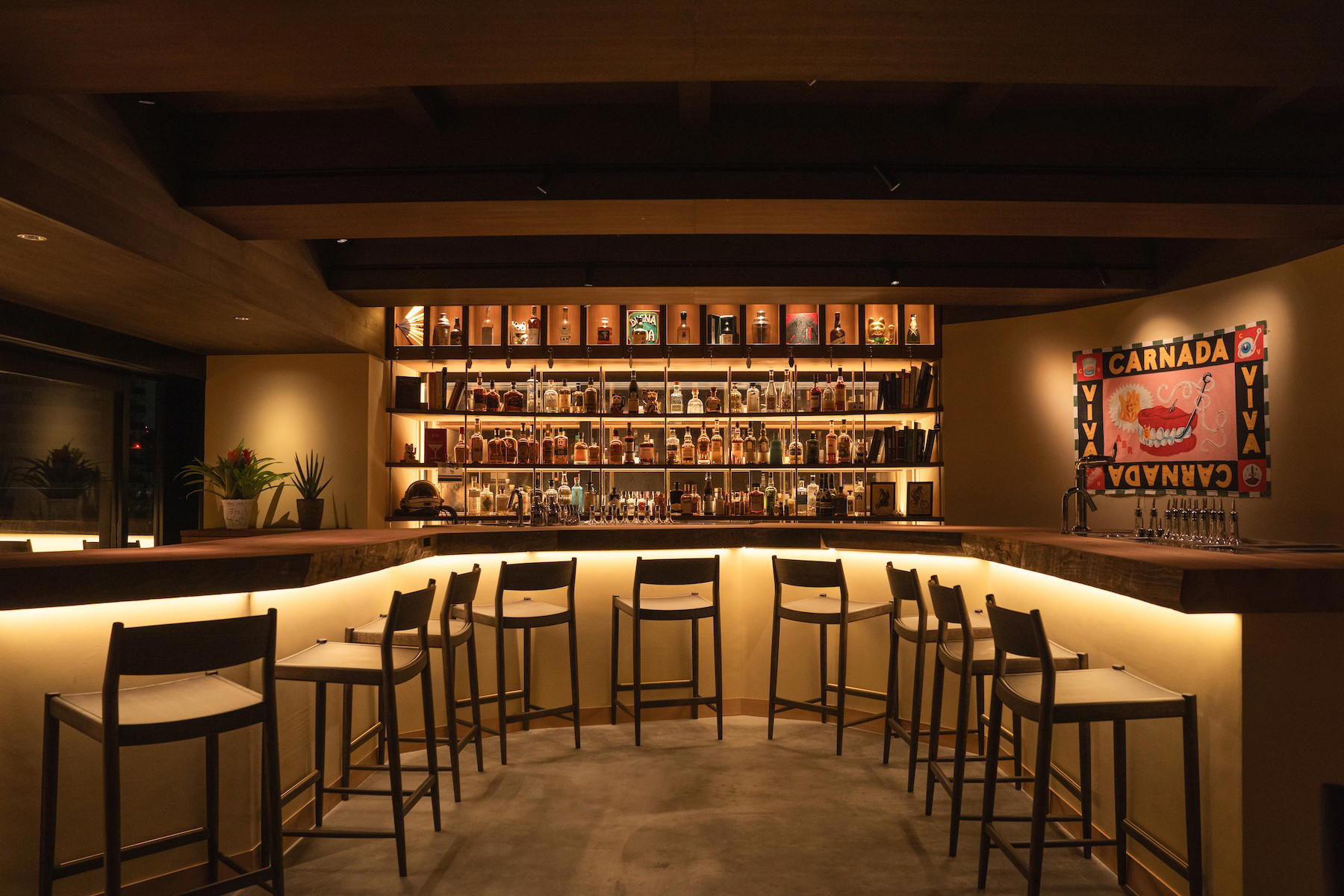
Serene, modern Japanese, and intimate, with a counter-focused setup that suits a quiet sake-led evening.