Sushi Nouveau occupies a dedicated space within Iguatemi Alphaville Shopping Mall in Barueri, São Paulo's extended western business corridor. The restaurant positions itself inside a Brazilian mall environment that has increasingly attracted serious dining concepts, placing Japanese cuisine in a context where the Nikkei community's long influence on São Paulo-area food culture is keenly felt.
Pearl is the En Primeur Club membership app — saves, bookings, and concierge access live there. Same editors, same standards.
- Address
- Iguatemi Alphaville Shopping Mall - Alameda Rio Negro, 111 Piso Xingu, loja 218 - Alphaville Industrial, Barueri - SP, 06454-000, Brazil
- Phone
- +5511914862105
- Website
- sushinouveau.com.br
- Directions
- Get directions
 Saves & bookings on Pearl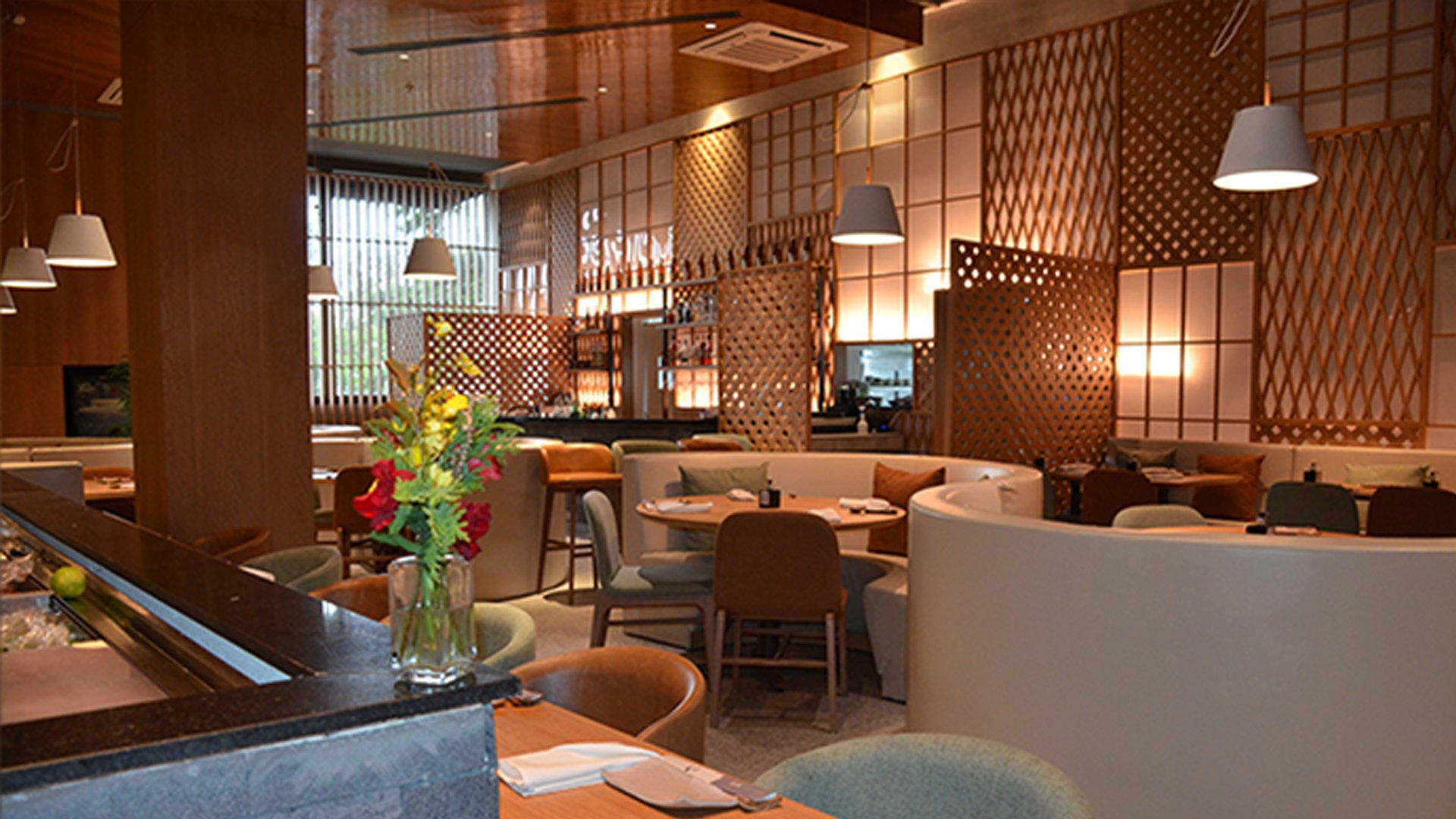
Japanese Cuisine in São Paulo's Western Corridor
Brazil holds the largest Japanese diaspora population outside Japan, and nowhere is that demographic weight felt more acutely in dining terms than across Greater São Paulo. The Nikkei community's influence on the city's restaurant culture stretches across a century, from the market stalls of Liberdade to the tasting menus at contemporary addresses in Pinheiros and Vila Madalena. In Barueri and the broader Alphaville district, that tradition takes on a different character: here, the Japanese dining offer lives alongside the corporate infrastructure of São Paulo's western business expansion, and the quality benchmarks tend to be set by a resident professional class with regular exposure to Japan-sourced product and technique.
Sushi Nouveau sits within Iguatemi Alphaville Shopping Mall on Alameda Rio Negro, on the Piso Xingu level. Iguatemi is not a generic retail anchor; the group's properties across Brazil have consistently attracted restaurants that operate at a higher technical register than typical mall dining, and the Alphaville location serves a catchment area where spending power and culinary expectations track closer to São Paulo's Jardins than to the city's broader suburban average. For a Japanese concept, that context creates the conditions for serious sourcing and kitchen discipline rather than volume-led casual output.
The Nikkei Context That Shapes This Category
Understanding what a sushi restaurant means in São Paulo requires understanding what the Nikkei community built here. The first Japanese immigrants arrived in Brazil in 1908, and by the second half of the twentieth century, Japanese-Brazilian chefs and producers had created a culinary infrastructure that now supports everything from neighbourhood teishoku houses in Liberdade to the high-end omakase counters that have multiplied in São Paulo's wealthier districts since the 2010s. Brazil produces its own wasabi, cultivates premium fish through aquaculture, and sources bluefin tuna directly from Japan through established cold-chain networks connecting São Paulo's market system to Toyosu.
That infrastructure means a well-positioned sushi restaurant in the Greater São Paulo area has access to sourcing that would have been unthinkable in most Brazilian cities two decades ago. The comparison set for serious Japanese dining in this metropolitan zone includes not just local peers but international reference points: the kind of technical rigour represented by counters like Le Bernardin in New York City in seafood handling, or the cross-cultural precision evident at Atomix in New York City where Asian culinary traditions are executed at a globally competitive level. Those references frame the aspiration bracket, even if the local context and price tier differ.
Within Barueri itself, the Japanese dining category is anchored by a small number of addresses operating above the casual sushi delivery tier. OUE Sushi Alphaville is one of the other names in this local peer group worth knowing before making a booking decision.
Mall Dining at a Serious Level: What the Format Signals
The instinct to dismiss mall-based restaurants as a quality compromise is understandable but increasingly outdated in Brazil's major urban centres. São Paulo's premium shopping developments have become legitimate dining destinations in their own right, partly because rental economics allow chefs to invest in kitchen infrastructure and partly because the captive professional demographic in locations like Alphaville supports a lunch and dinner trade that sustains more ambitious operations. The Iguatemi group's track record across its São Paulo-area properties bears this out.
For a sushi concept, the mall format also carries specific logistical advantages: temperature-controlled storage, consistent foot traffic from the business district, and proximity to the kind of corporate dining that generates repeat lunchtime covers. These conditions tend to reward consistency in kitchen output, which is among the more telling quality signals in Japanese cuisine, where the margin between a precise and a careless execution of a single piece of nigiri is immediately visible to an experienced diner.
Placing Sushi Nouveau in the Broader Brazilian Dining Conversation
Brazil's most-discussed restaurants right now are predominantly playing in the modern Brazilian and contemporary tasting-menu space: D.O.M. in São Paulo and Lasai in Rio de Janeiro represent that conversation at its most decorated. Japanese cuisine operates in a parallel critical register in Brazil, less visible in international awards coverage but deeply embedded in how São Paulo's dining public actually eats. The omakase boom that hit São Paulo in the late 2010s brought a wave of counter-format restaurants that pushed the local market's understanding of nigiri temperature, fish aging, and rice seasoning to a level that would have seemed implausible a generation earlier.
Sushi Nouveau's positioning within this environment, at the Alphaville end of the metropolitan zone rather than in the central São Paulo neighbourhoods where most of the critical attention lands, places it in a category that serves a real local need: serious Japanese dining for a professional population that works and, increasingly, lives west of the city centre. The regional Brazilian dining scene tracked across our wider coverage, from Kampeki Sushi in Canoas to Madê in Santos, shows how Japanese cuisine has embedded itself across Brazilian cities at multiple price points and levels of ambition. In Barueri, the expectation is that an address inside Iguatemi is pitching at the higher end of what the local market supports.
Planning Your Visit
The restaurant is located at Iguatemi Alphaville Shopping Mall, Alameda Rio Negro 111, Piso Xingu, loja 218, Alphaville Industrial, Barueri, São Paulo. The restaurant follows these hours: Mon: 12-3 PM, 6:30-10 PM; Tue: 12-3 PM, 6:30-10 PM; Wed: 12-3 PM, 6:30-10 PM; Thu: 12-3 PM, 6:30-10 PM; Fri: 12-3 PM, 6:30-10 PM; Sat: 12-10 PM; Sun: 12-4 PM, 6-10 PM. Reservations are recommended. Dress code is smart casual, and reservations are recommended.
For readers exploring the wider São Paulo state dining circuit alongside a visit to Barueri, our coverage extends to Famosa Pizza in Ribeirao Preto and Bistrô Vila Graziella in Bauru, among other São Paulo state addresses.
Price and Recognition
Comparable venues nearby, for context on price, style, and recognition.
| Venue | Cuisine | Price | Notes |
|---|---|---|---|
| Sushi NouveauThis venue — the venue you are viewing | Alphaville, Modern Japanese Sushi | $$$ | Not listed |
| OUE Sushi Alphaville | Alphaville, Modern Fusion Sushi | $$$ | Not listed |
| Djapa Moema | Moema, Modern Japanese Rodízio | $$$ | Not listed |
| Kaizen Japanese Food | Not listed | $$$ | Vila Brandina, Autêntica Culinária Japonesa Omakase |
| Restaurante Aizomê | Vila Bela Vista, Modern Japanese Kaiseki | $$$ | Not listed |
| Tanka Restaurante | Not listed | $$ | Se, Asian Buffet (Japanese, Chinese, Korean, Thai) |
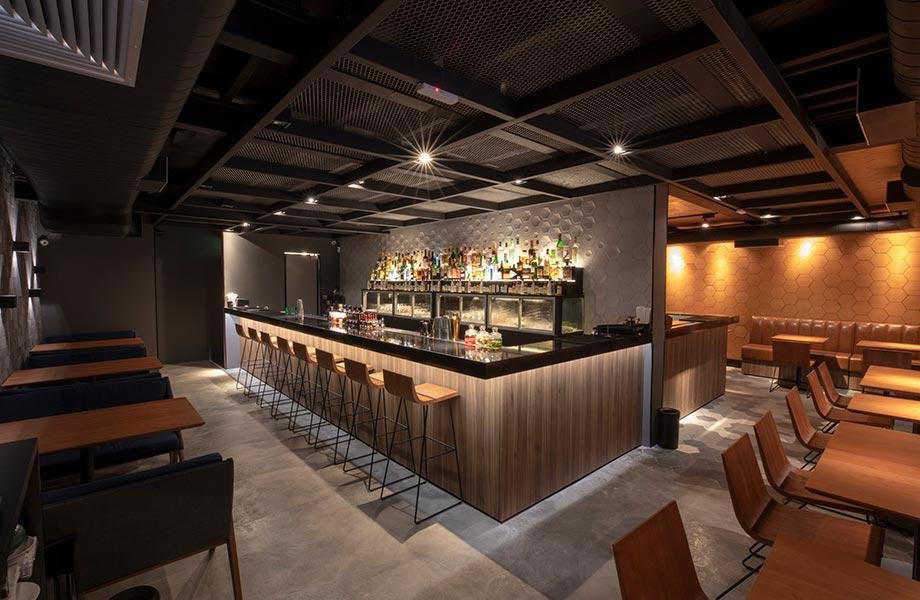
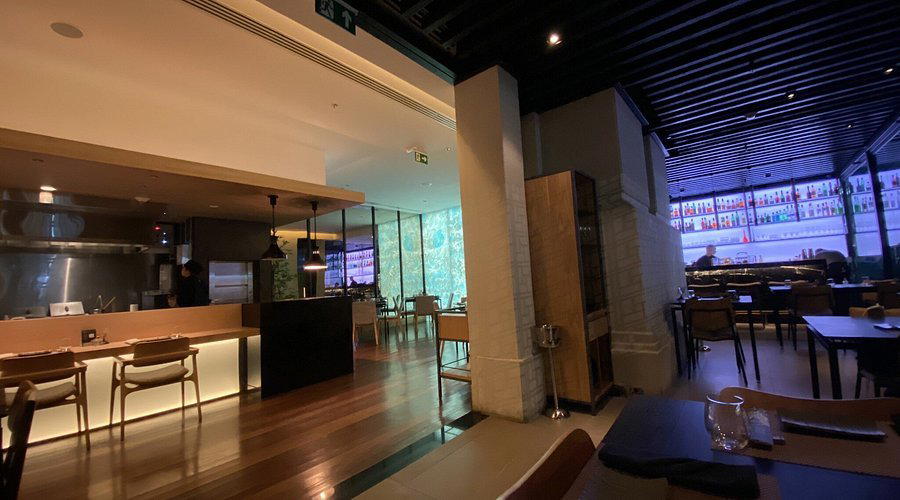
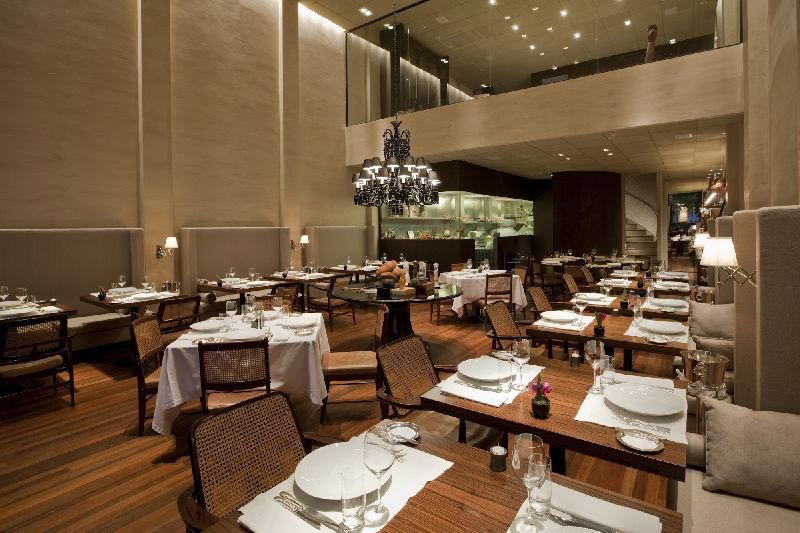
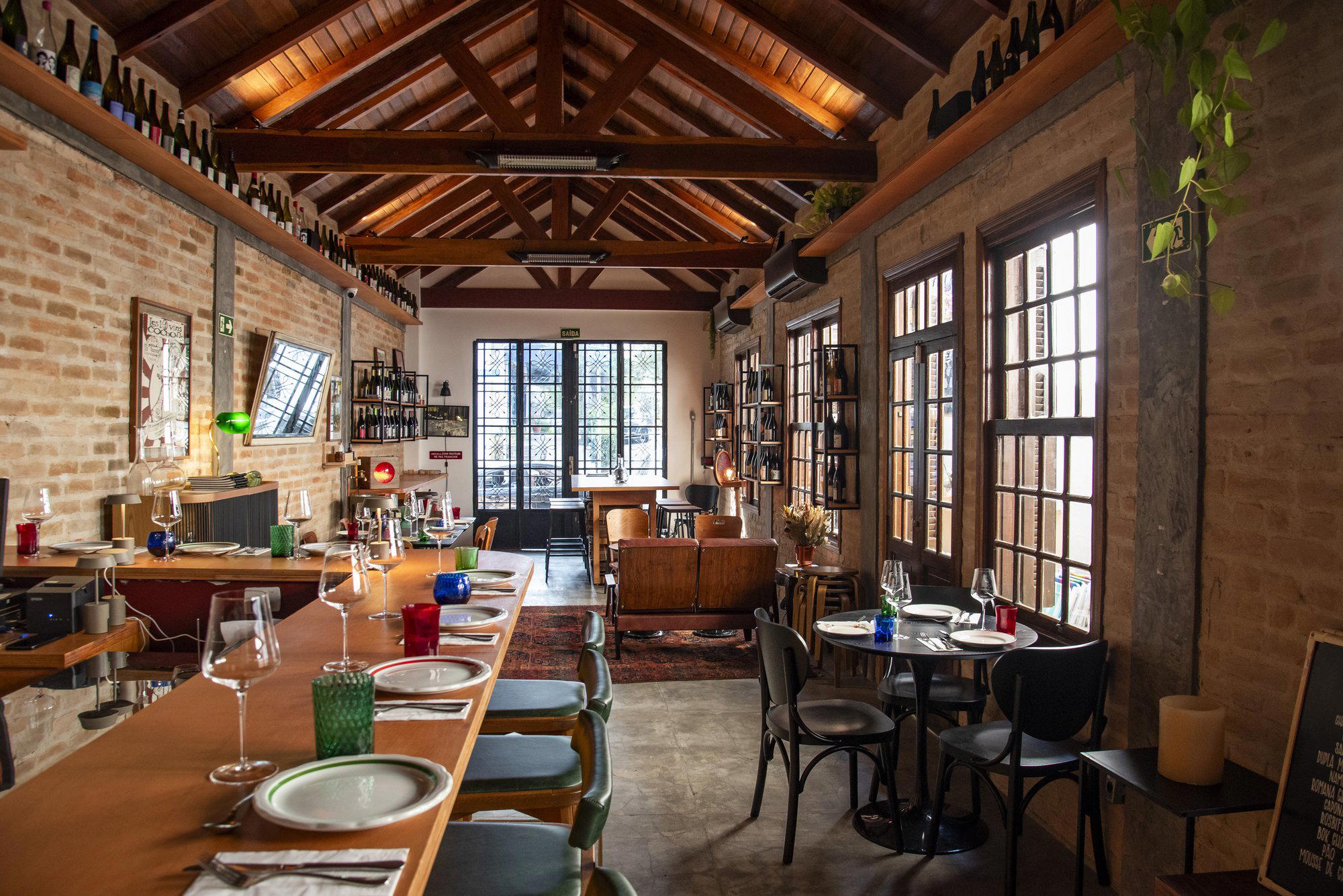
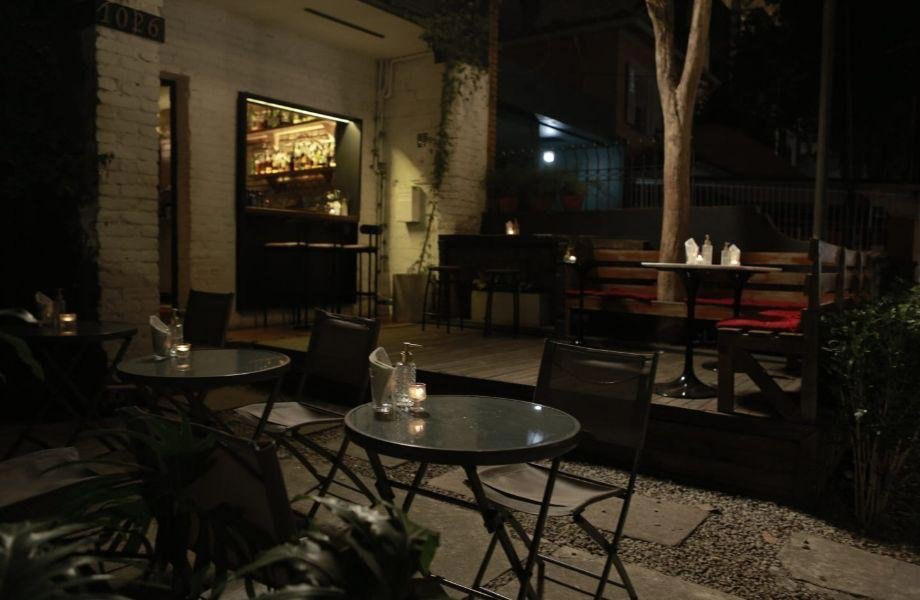
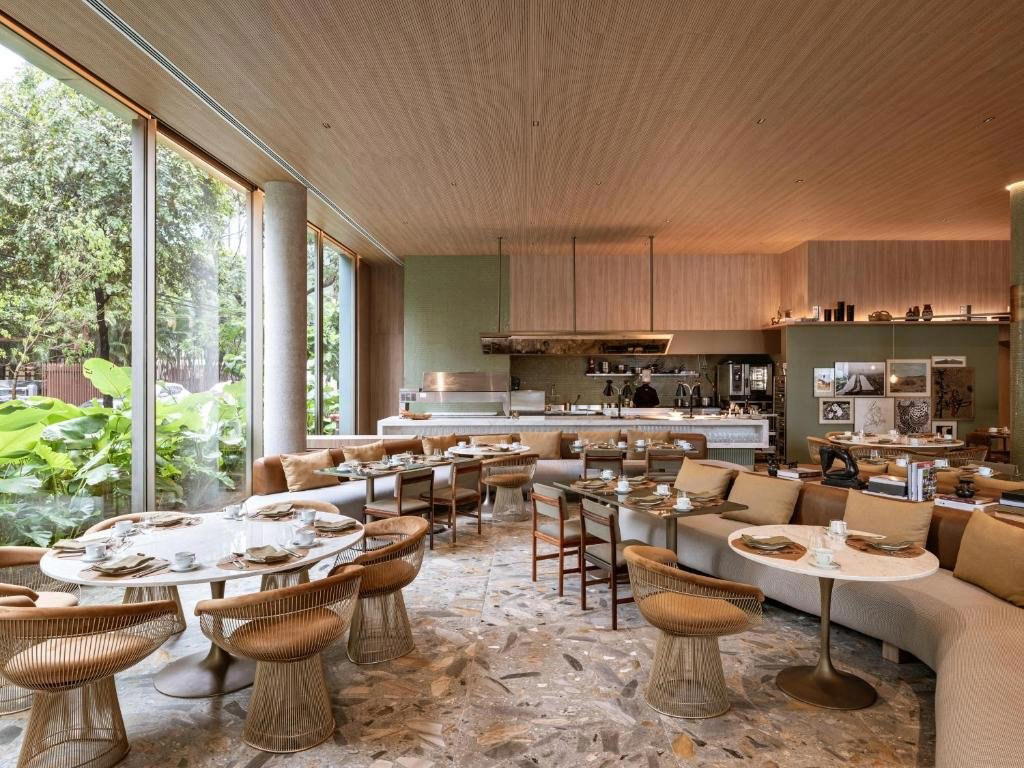
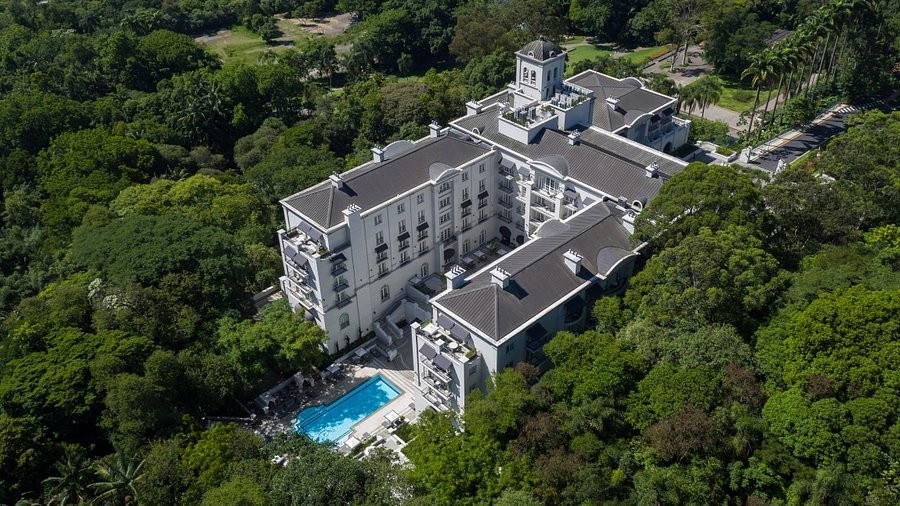
At a Glance
- Modern
- Cozy
- Elegant
- Date Night
- Special Occasion
- Open Kitchen
- Sake Program
Current opening hours
- Monday
- 12–3 PM, 6:30–10 PM
- Tuesday
- 12–3 PM, 6:30–10 PM
- Wednesday
- 12–3 PM, 6:30–10 PM
- Thursday
- 12–3 PM, 6:30–10 PM
- Friday
- 12–3 PM, 6:30–10 PM
- Saturday
- 12–10 PM
- Sunday
- 12–4 PM, 6–10 PM
Hours can change for holidays and private events. Last verified .
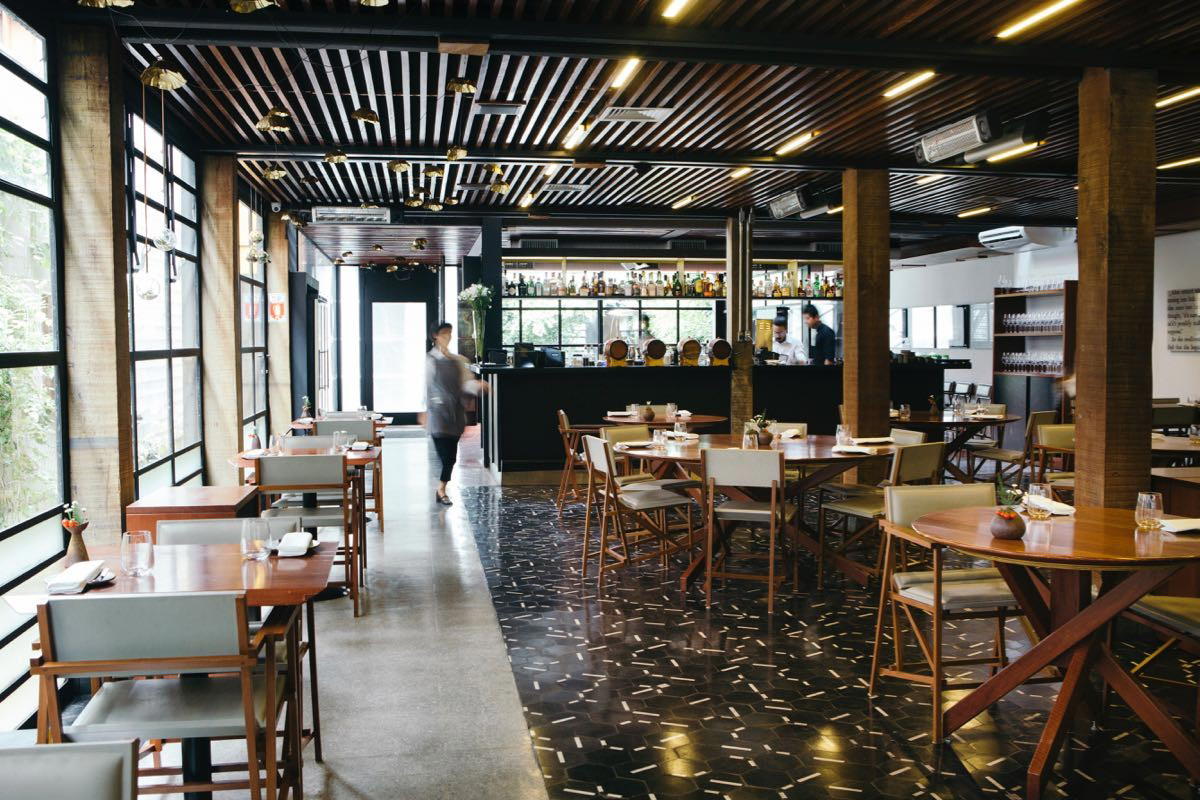
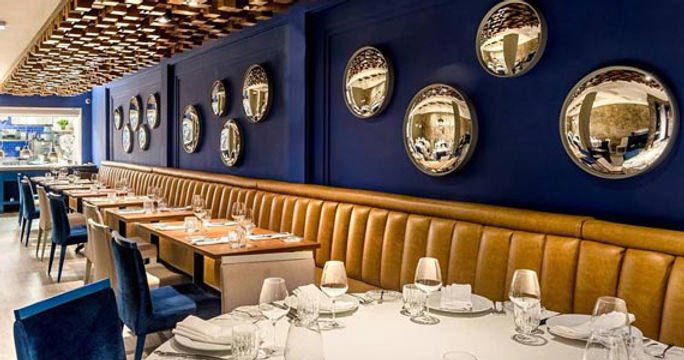
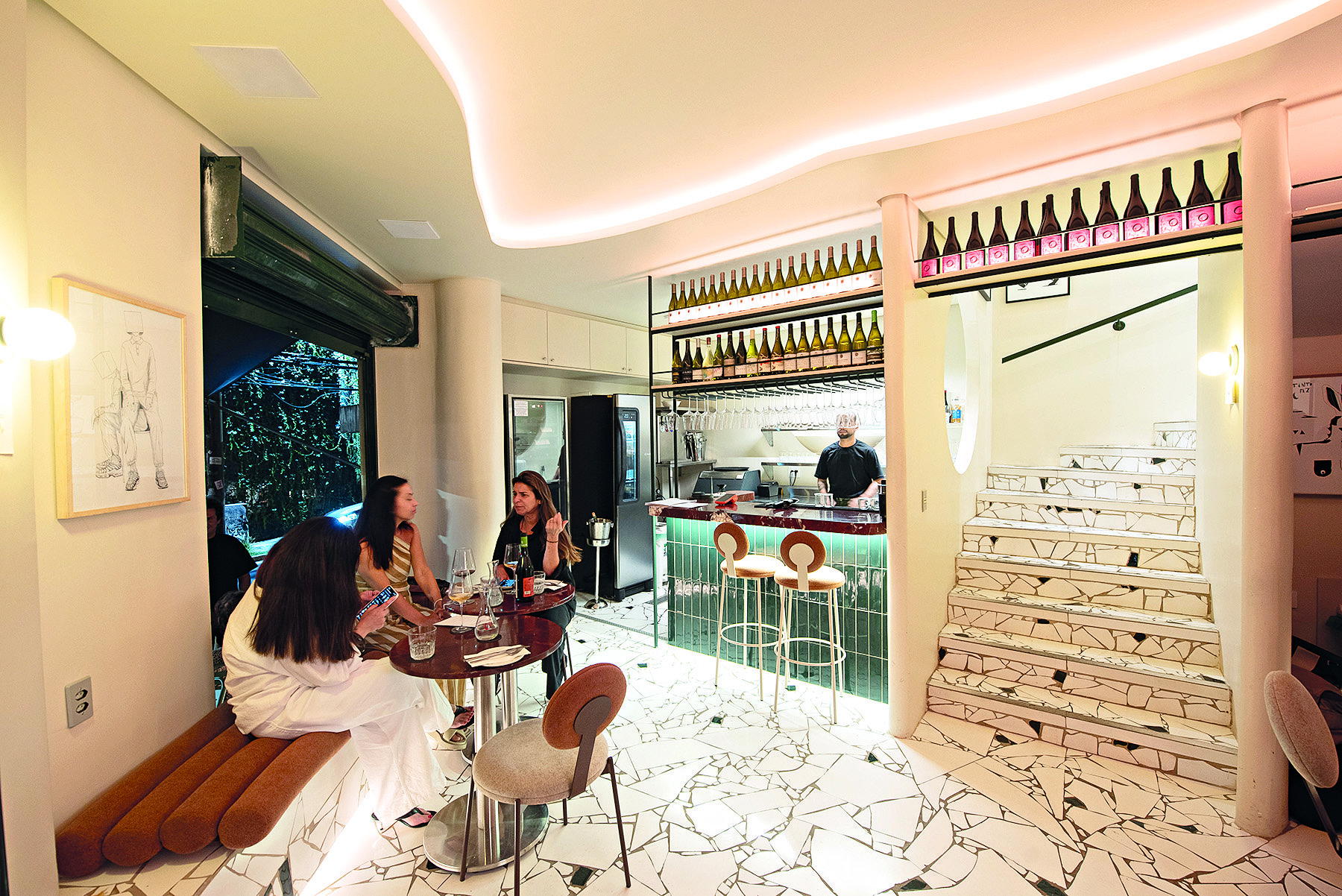
Ambiente acolhedor e descontraído com foco em culinária japonesa artesanal e saudável.