

World's 50 Best #24 · Top 500 Bars Best Bars #19
Our verdict
On Rua Fradique Coutinho in Pinheiros, TAN TAN occupies a stretch of São Paulo's most food-literate neighbourhood alongside restaurants that include Maní and several other fixtures of the city's creative dining circuit. Where much of Pinheiros trends toward the tasting-menu format, TAN TAN operates in a register worth examining on its own terms, a São Paulo address with enough local presence to warrant attention from anyone mapping the city's current dining moment.

Pearl is the En Primeur Club membership app, where members save venues, book tables and use the concierge.
The menu
What to order
- Katsu Sando
- Tan Tan Maze Soba
- Gyoza
- Aka Teba
- Tuna Cannoli
Pinheiros and the Street That Shapes São Paulo's Dining Conversation
Rua Fradique Coutinho does not announce itself. The street runs through Pinheiros quietly, lined with low facades, boteco awnings, and the kind of restaurant frontages that São Paulo's food crowd has learned to read as signals rather than spectacles. It is the neighbourhood's texture rather than any single address that makes this corridor matter: within a few blocks you move between casual neighbourhood spots, serious wine bars, and restaurants, including Maní, that hold positions in broader conversations about where Brazilian cooking is going. TAN TAN sits inside that ecosystem at number 153, and understanding it means understanding the street first.
Pinheiros has become the area of São Paulo where the city's most food-literate residents eat on a weeknight. It is not the neighbourhood of formal occasion dining in the way that parts of Jardins once were, and it is not the destination for the kind of tasting-menu theatre you find at D.O.M. or Tuju. Pinheiros is where the city's restaurant culture breathes more freely, where formats are less fixed and the room tends to feel lived-in rather than staged.
The Sensory Register of a Pinheiros Address
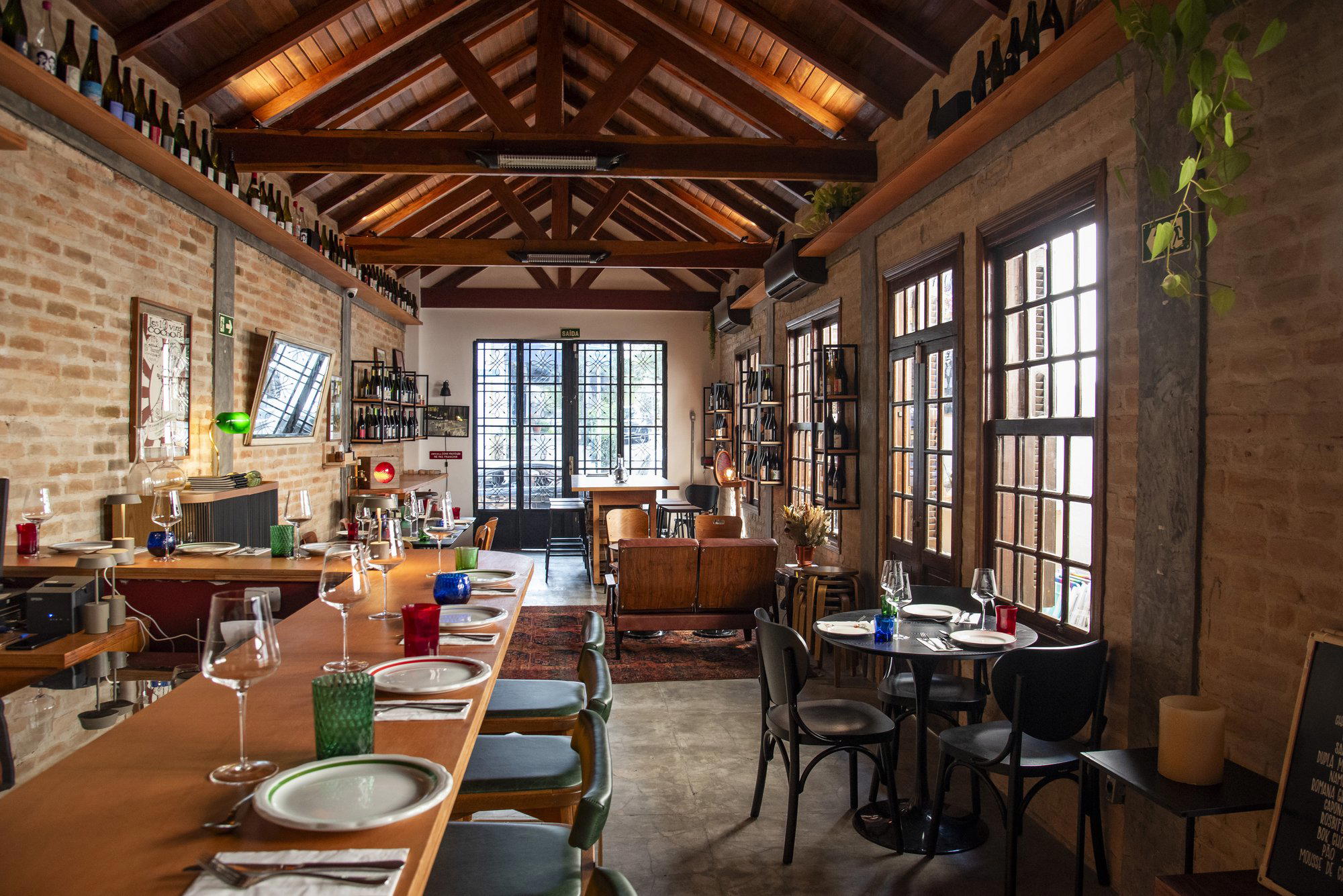
São Paulo's better neighbourhood restaurants share a particular atmospheric grammar. Rooms tend to run narrow and deep, with exposed brick or raw concrete holding the noise from tables that are rarely spaced for comfort. The city does not reward silence in its dining rooms the way Tokyo does, and Pinheiros in particular skews convivial rather than quiet. On Fradique Coutinho, the street itself provides a layer of ambient noise, motorbikes, the overlap of conversations spilling from open frontages, that settles into the background once you are seated.
What distinguishes the better addresses on this street is not grandeur but density of attention: the gap between a dish that arrives as an afterthought and one that arrives with visible care. São Paulo's food-aware public has become increasingly precise about that distinction, and restaurants on Fradique Coutinho compete for regulars who eat out three or four times a week and notice the difference. TAN TAN operates in that environment, where the baseline expectation from a neighbourhood crowd is higher than the room's appearance might suggest.
For visitors arriving from outside São Paulo, the contrast with more formally designed dining destinations can be useful context. The city's high-end creative tier, anchored by restaurants like Evvai and Fame Osteria, operates with a different set of room signals: controlled lighting, curated playlists, service choreography. Pinheiros neighbourhood restaurants generally trade those signals for directness. The room is less art-directed; the experience is more immediate.
Where TAN TAN Sits in São Paulo's Wider Dining Circuit
São Paulo's restaurant scene has fractured into legible tiers over the past decade. At one end, a small number of destination restaurants compete for international recognition; Brazil's most discussed addresses in that bracket, from the Michelin-starred houses of Jardins to the kind of creative programmes tracked by Lasai in Rio de Janeiro, have repositioned Brazilian fine dining in a global frame. At the other end, the city's neighbourhood fabric, the kind of cooking that feeds São Paulo daily rather than occasionally, runs across formats that range from Italian-influenced cantinas to churrascarias and all-day lunch counters.
Pinheiros restaurants tend to occupy the space between those poles. They are not positioning for international rankings, but they are not casual fillers either. This is where the city's working food professionals eat when they are not working, and that audience keeps standards honest in ways that award cycles do not always capture. For a sense of how that mid-tier restaurant culture plays out across Brazil more broadly, the EP Club São Paulo guide maps the full spectrum.
Internationally, the closest reference points for this kind of neighbourhood restaurant culture, serious without being self-serious, locally embedded rather than destination-facing, might be found in cities like New York, where technically accomplished restaurants operate in modest rooms without the formal apparatus of tasting-menu dining. The comparison is not exact, but it is useful: a place like Atomix in New York represents one pole of ambition, while the neighbourhood fabric that surrounds it represents another. TAN TAN belongs to the neighbourhood-fabric category in São Paulo terms.
Planning a Visit to Rua Fradique Coutinho
Pinheiros is accessible from central São Paulo via the Fradique Coutinho metro station on Line 4-Yellow, which puts the street within walking distance of the restaurant. The neighbourhood concentrates its restaurant activity across evenings and weekend afternoons; arriving by rideshare is the practical choice for most visitors, as parking in the area is limited and street navigation can be slow during peak hours.
The broader Fradique Coutinho stretch rewards a longer visit than a single address requires. The street's density of food and drink options means that a meal at TAN TAN fits naturally into an evening that starts or ends elsewhere on the block. For visitors building a wider São Paulo itinerary, the contrast between a Pinheiros neighbourhood dinner and the more formal programmes at destination restaurants, whether that is the modern Brazilian creativity at D.O.M. or the contemporary Italian approach at Evvai, makes structural sense. Brazil's restaurant geography outside São Paulo offers further contrasts: the more intimate neighbourhood dining scenes of cities like Manaus, where places like Bistro Fitz Carraldo operate, or the Italian-rooted traditions of southern Brazilian towns such as Santa Maria, represented by Cantina Pozzobon, show how differently local food culture expresses itself across a country this large.
Other Brazilian addresses worth noting for context include Aero Burguer e Grill in Santa Cruz do Sul, Arte e Café Imperial in Angra dos Reis, Casa da Dika in Bragança, Casa da Flor in Dourados, Casa da Picanha Penedo in Itatiaia, Famosa Pizza in Ribeirão Preto, and Fornazzo Pizzaria in Passo Fundo, each reflecting a distinct regional food culture within Brazil's broad dining spectrum. For those with a transatlantic reference point, Le Bernardin in New York City represents the kind of highly formalised destination dining that São Paulo's neighbourhood restaurants consciously depart from in format and atmosphere.
Frequently asked questions
Is TAN TAN suitable for children?
What should I expect atmosphere-wise at TAN TAN?
What do regulars order at TAN TAN?
Do I need a reservation for TAN TAN?
What's the standout thing about TAN TAN?
How does TAN TAN fit into the broader Pinheiros dining circuit, and is it worth combining with other stops on Rua Fradique Coutinho?
A Lean Comparison
Comparable venues nearby, for context on price, style, and recognition.
| Venue | Cuisine | Price | Awards | Notes |
|---|---|---|---|---|
| TAN TANThis venue (the venue you are viewing) | Modern Japanese Chuka Noodle Bar | $20–30 | World's 50 Best #24 · Top 500 Bars Best Bars #19 | Not listed |
| Jam Jardins Japanese Cusine | Japanese Fusion | Not listed | Not listed | Jardim Paulista, Japanese Fusion |
| Izakaya Issa | Authentic Japanese Izakaya | $20–30 | Not listed | Liberdade, Authentic Japanese Izakaya |
| Sushi Hamatyo | Traditional Japanese Omakase | $50–100 | Not listed | Pinheiros, Traditional Japanese Omakase |
| Daiki Sushi | Classic Japanese Sushi | $20–30 | Not listed | Moema, Classic Japanese Sushi |
| Nakka Jardins | Modern Japanese Omakase | $50–100 | Not listed | Jardim Paulista, Modern Japanese Omakase |
Recognition history
Dated appearances from independent guides and award organizations, with the underlying list record or original source where available.
World's 50 Best Bars #24
World's 50 Best
Top 500 Bars Best Bars #19
Top 500 Bars
Full recognition history (4 entries)
World's 50 Best Bars #31
World's 50 Best
World's 50 Best Bars #56
World's 50 Best
Continue exploring
More in São Paulo
Restaurants in São Paulo
All restaurants in São Paulo →
Bars in São Paulo
All bars in São Paulo →
Details
- Modern
- Trendy
- Intimate
- Lively
- Date Night
- Casual Hangout
- After Work
- Open Kitchen
- Craft Cocktails
- A La Carte
- Small Plates
- Craft Cocktails
- Vegetarian Friendly
- Vegan Options
Current opening hours
- Monday
- Closed
- Tuesday
- 7–11 PM
- Wednesday
- 7–11 PM
- Thursday
- 7–11 PM
- Friday
- 7–11 PM
- Saturday
- 12–4 PM, 7–11 PM
- Sunday
- 7–11 PM
Hours can change for holidays and private events. Hours as of .
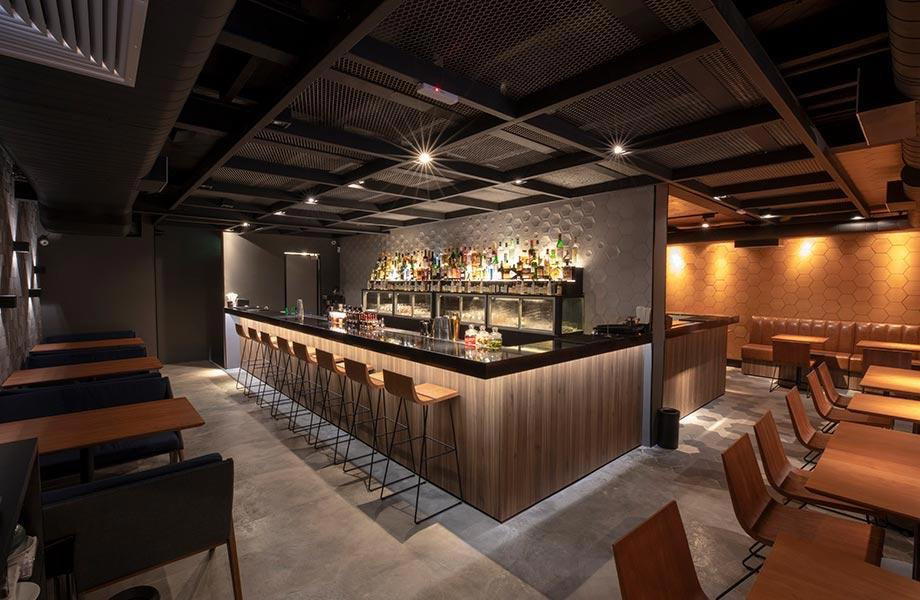
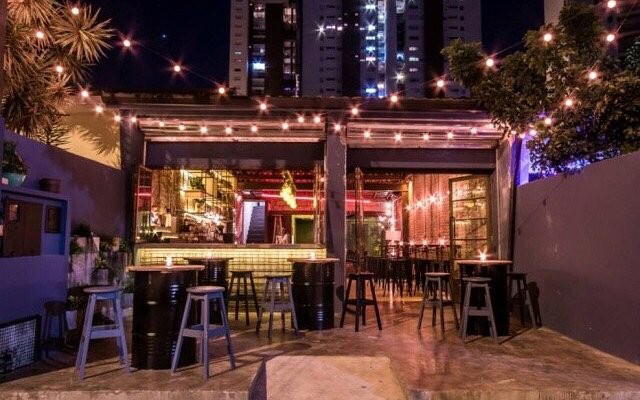
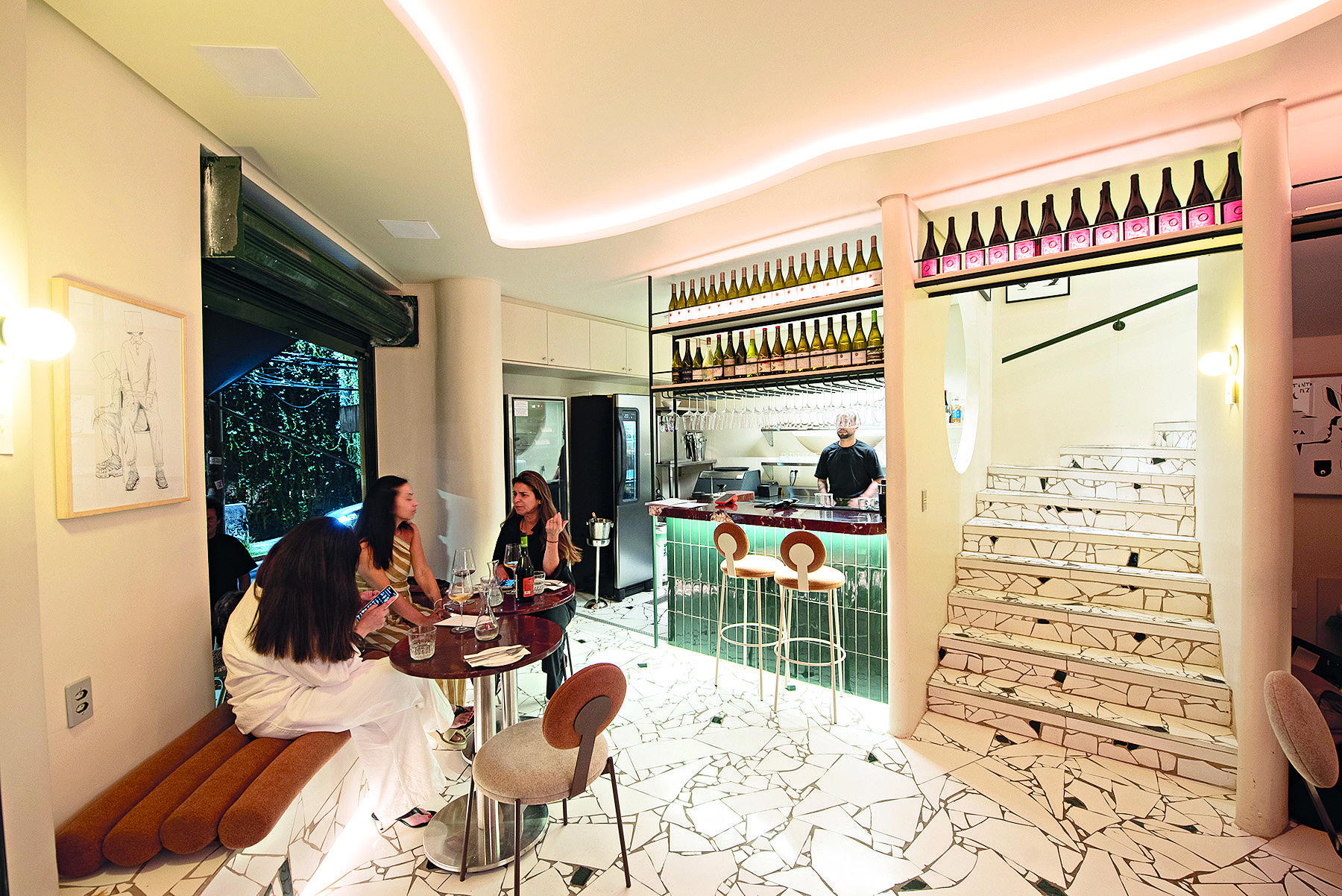
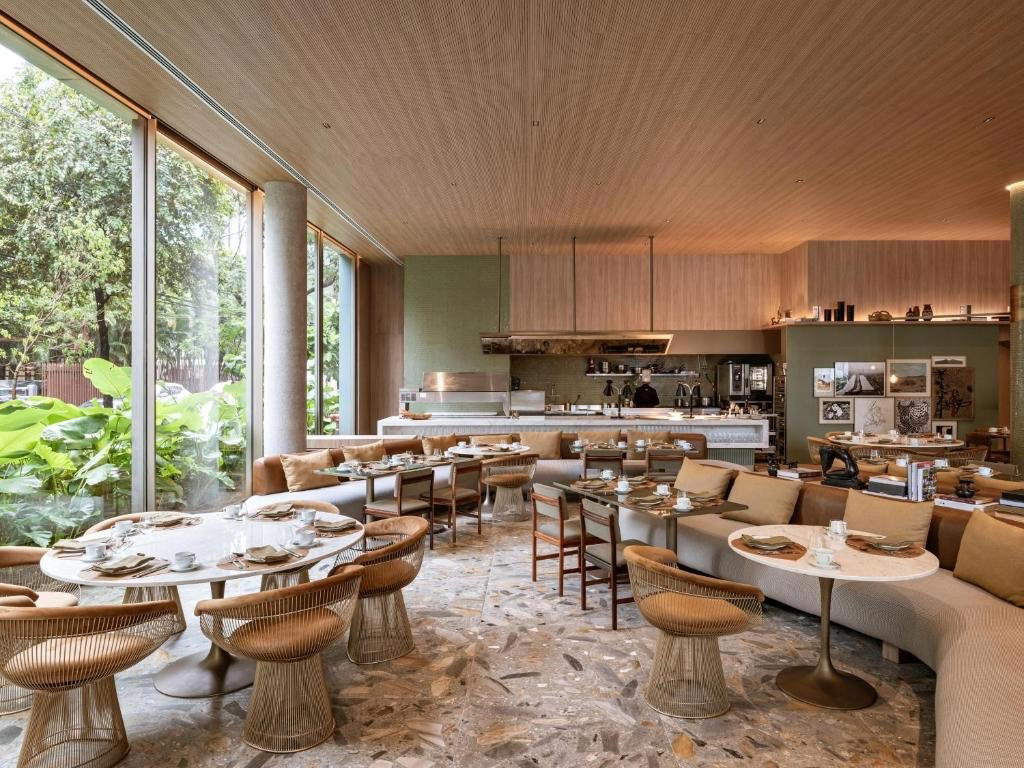
Intimate yet busy atmosphere with angular hard surfaces of wood, hammered metal, and granite, open kitchen, and sleek wooden bar counter.