Our verdict
OUE Sushi Alphaville operates in Alphaville Industrial, one of greater São Paulo's most concentrated commercial districts, where Japanese dining has established a consistent presence among the business lunch and corporate dinner crowd. The address on Alameda Rio Negro places it within easy reach of Barueri's office clusters, and the format appears calibrated to that audience. For broader context on the Barueri dining scene, see our full guide.

Pearl is the En Primeur Club membership app — saves, bookings, and concierge access live there. Same editors, same standards.
- Address
- Al. Rio Negro, 585 - Alphaville Industrial, Barueri - SP, 06454-000, Brazil
- Phone
- +5511982587221
- Hours
- Mon ClosedTue–Thu 6–11 PMFri 6 PM–12 AMSat 12 PM–12 AMSun 12–11 PM
- Website
- ouesushi.com.br
- Directions
- Get directions
The menu
What to order
- Foie Gras Sushi
- Canadian Scallops
- King Crab
- Midori
Japanese Dining in the Corporate Belt: What Alphaville's Sushi Scene Tells You
Greater São Paulo's suburban restaurant geography follows a clear pattern: where the office parks go, so does the Japanese food. Alphaville Industrial, the commercial district straddling the Barueri municipal boundary roughly 25 kilometres west of Paulista, has accumulated a density of Japanese and Japanese-adjacent restaurants over the past two decades that reflects both the district's corporate appetite and Brazil's own deep relationship with Japanese culinary tradition. Brazil holds the largest Japanese diaspora population outside Japan, a demographic reality that has shaped sushi culture here differently than in Europe or North America. In Brazilian cities, Japanese food is not an imported luxury so much as an integrated local tradition, and the quality floor sits correspondingly higher.
OUE Sushi Alphaville, addressed at Alameda Rio Negro 585 in the Alphaville Industrial zone, operates in that context. The location is functional rather than atmospheric by neighbourhood design: wide arterial roads, business park architecture, and a clientele moving between meetings rather than between leisure activities. That positioning shapes everything about how a sushi restaurant in this district has to perform. A venue here competes on reliability and sourcing credibility first, on theatre second. You can compare the neighbourhood dynamic with the experience at Sushi Nouveau, another address working within Barueri's corporate dining rhythm.
Ingredient Sourcing and Why It Matters in This Market
The credibility question for Japanese restaurants in Brazil's interior corporate belt has always centred on fish sourcing. São Paulo state does not have direct coastline access comparable to Santos or Rio, and the supply chain from Brazilian fishing ports, or from international suppliers via Guarulhos airport, adds logistical complexity that smaller or less capitalised operations typically manage inconsistently. The better sushi restaurants in the Alphaville corridor have historically differentiated themselves precisely on this axis: who is buying what, from where, and how quickly it moves from source to counter.
Brazil's own Atlantic fisheries contribute robalo, linguado, and certain tuna species to the domestic supply, while premium operations supplement with imported salmon from Chile and Norway, and increasingly with air-freighted product from Japan's Tsukiji and Toyosu markets. The price differential between a restaurant running on domestic-only product and one maintaining international sourcing relationships is substantial, and it shows on the plate in texture and temperature behaviour, not in presentation alone. This is the axis on which sushi addresses in the Alphaville area tend to sort themselves into tiers. For a sense of how ingredient sourcing functions at the highest tier of Brazilian fine dining more broadly, the approach at D.O.M. in São Paulo offers useful calibration, even across cuisine categories. Similarly, Lasai in Rio de Janeiro has built its reputation on supply chain discipline as a primary editorial point.
The Alphaville Corporate Dining Format
Restaurants in Alphaville Industrial exist inside a commercial ecosystem with specific timing pressures. Lunch service drives the bulk of weekday covers, with the business dinner occupying a secondary but meaningful slot. Weekend trade tends to attract a different audience: residents of the adjacent Alphaville residential condominiums, which represent one of greater São Paulo's wealthier suburban populations. This creates a dual-market dynamic that the better operators in the area read carefully. A sushi restaurant serving corporate lunches on Tuesday and family dinners on Saturday is running two different service philosophies under the same roof, and the format discipline required to do both well is not trivial.
The broader Barueri dining scene reflects this dual character across cuisine types, from casual to formal. Our full Barueri restaurants guide maps that range in detail. For reference points further afield across Brazil's restaurant geography, the range is considerable: from the regional specificity of Bistro Fitz Carraldo in Manaus to the Italian-Brazilian tradition at Cantina Pozzobon in Santa Maria, each market has its own rhythm. Japanese food in Barueri occupies a specific and well-established niche within that broader picture.
Positioning Within the Sushi Category
Brazilian sushi has diverged significantly from Japanese orthodoxy over the decades, producing a local genre that incorporates cream cheese, tropical fruits, and deep-fried preparations alongside more conventional forms. The market in São Paulo's corporate suburbs tends to offer both registers, with the higher-end addresses maintaining a cleaner, more technique-led approach and the casual tier leaning into the Brazilian-adapted style.
For comparison within the sushi category across Brazil, Kampeki Sushi in Canoas represents a different regional market adapting the same cuisine to its own corporate and residential audience. The pattern of Japanese restaurants anchoring business districts repeats across Brazilian cities at multiple price points. What separates the tiers is almost always sourcing discipline and the ratio of trained technique to adapted presentation.
Planning Your Visit
OUE Sushi Alphaville sits at Alameda Rio Negro 585, Alphaville Industrial, Barueri, SP. The address is accessible by car from central São Paulo in approximately 30 to 40 minutes depending on traffic conditions on the Castello Branco or Anhanguera highways, though peak-hour transit in either direction adds time considerably. Alphaville Industrial is oriented around private vehicle access, with limited public transport options reaching the district directly. Visitors arriving on weekday lunchtimes during the peak corporate window (noon to 2pm) should expect the area's restaurants to operate at capacity; later afternoon slots and evening bookings typically have more flexibility.
For further dining exploration in the region and across Brazil, EP Club covers a wide range of addresses: Madê in Santos is worth attention for coastal comparison, while Bistrô Vila Graziella in Bauru represents the interior São Paulo state dining scene at a different register. Further afield, Le Bernardin in New York City and Atomix in New York City provide useful international reference points for how sourcing-led seafood restaurants operate at the top of their respective markets.
Frequently asked questions
Is OUE Sushi Alphaville child-friendly?
The Alphaville Industrial address at Alameda Rio Negro 585 places the restaurant squarely in a corporate dining corridor, where the weekday format skews toward business lunches rather than family outings. That said, sushi restaurants in this category throughout Greater São Paulo typically accommodate children without issue. check the venue's official channels to confirm seating arrangements before visiting with young diners.
What's the overall feel of OUE Sushi Alphaville?
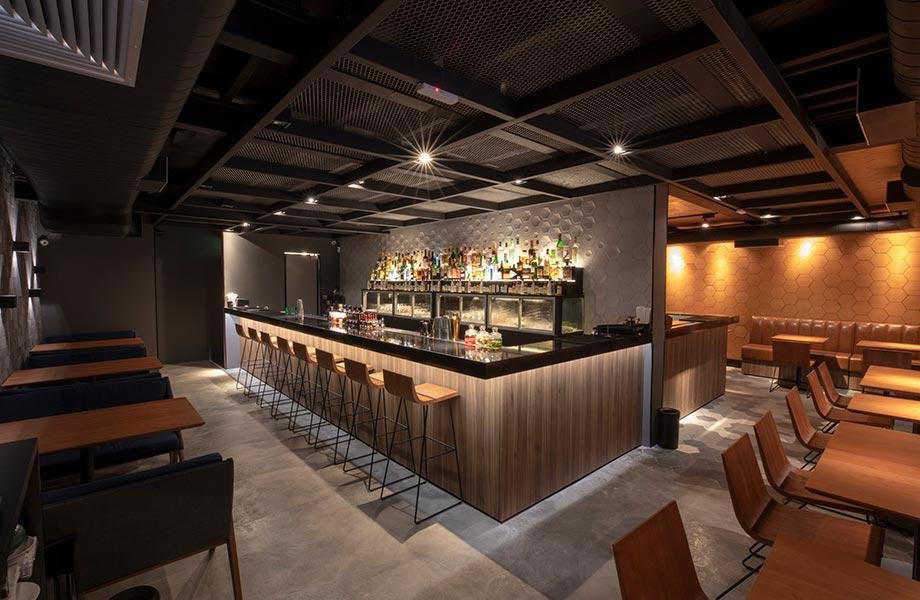
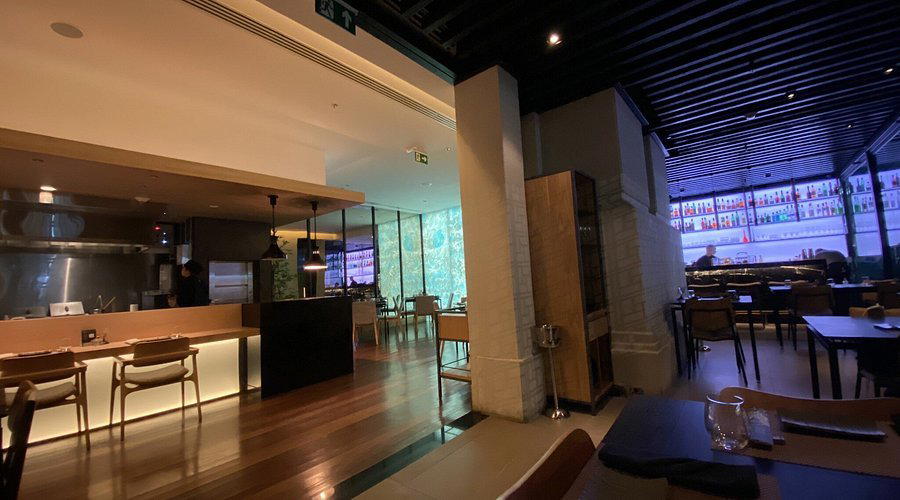
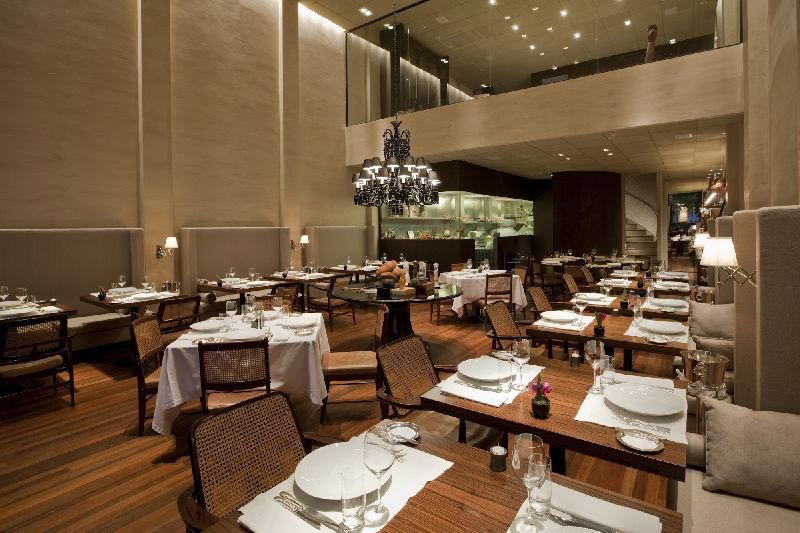
Situated inside Alphaville Industrial in Barueri, the restaurant operates within one of Greater São Paulo's densest office-park corridors, which shapes the atmosphere considerably. Expect a setting geared toward efficient weekday lunch service rather than leisurely evening dining, consistent with the commercial rhythm of the Alameda Rio Negro stretch. The format reflects the corporate-belt positioning common to Japanese restaurants in this part of São Paulo state.
Does OUE Sushi Alphaville suit a business lunch in Alphaville Industrial?
The Alameda Rio Negro 585 address puts it at the centre of Alphaville Industrial's commercial zone, and restaurants in this district are built around the weekday corporate lunch window. That geographic positioning makes it a practical option for professionals based in the surrounding office parks in Barueri. The accessible car route from central São Paulo also makes it workable for clients coming in from outside the suburb.
What's the best thing to order at OUE Sushi Alphaville?
Brazilian sushi restaurants in the Alphaville Industrial corridor frequently offer both traditional nigiri-based formats and the locally evolved style incorporating cream cheese and tropical ingredients, so the menu likely spans both approaches.
At-a-Glance Comparison
Comparable venues nearby, for context on price, style, and recognition.
| Venue | Cuisine | Price | Notes |
|---|---|---|---|
| OUE Sushi AlphavilleThis venue — the venue you are viewing | Modern Fusion Sushi | $20–30 | Not listed |
| Sushi Nouveau | Modern Japanese Sushi | Not listed | Alphaville |
| Sushi Kotoshi 23 | Japanese Rodízio | $20–30 | Enseada |
| Sushi Hamatyo | Traditional Japanese Omakase | $50–100 | Pinheiros |
| Tanka Restaurante | Asian Buffet (Japanese, Chinese, Korean, Thai) | $20–30 | Se |
| Temakeria Paulista | Japanese Temaki & Sushi | $10–20 | Agua Rasa |
Details
- Elegant
- Modern
- Romantic
- Date Night
- Special Occasion
- Business Dinner
- Open Kitchen
- Private Dining
- Tasting Menu
- A La Carte
- Small Plates
Current opening hours
- Monday
- Closed
- Tuesday
- 6–11 PM
- Wednesday
- 6–11 PM
- Thursday
- 6–11 PM
- Friday
- 6 PM–12 AM
- Saturday
- 12 PM–12 AM
- Sunday
- 12–11 PM
Hours can change for holidays and private events. Last verified .
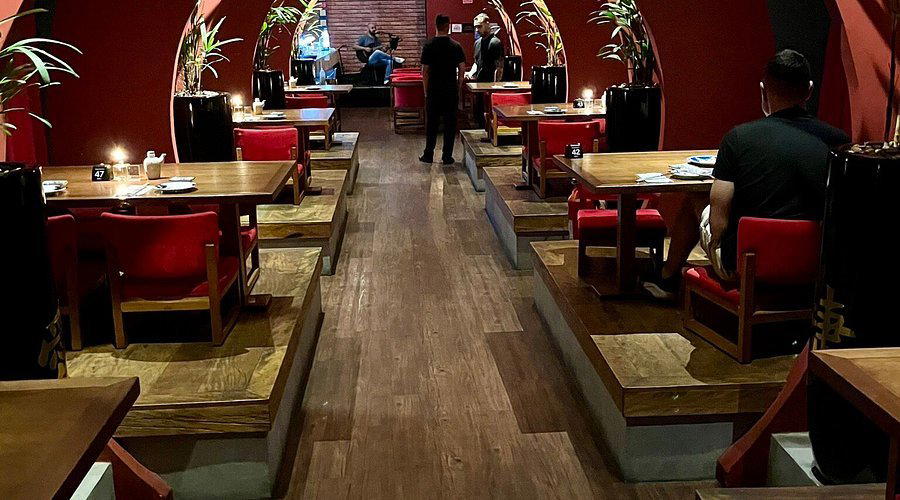
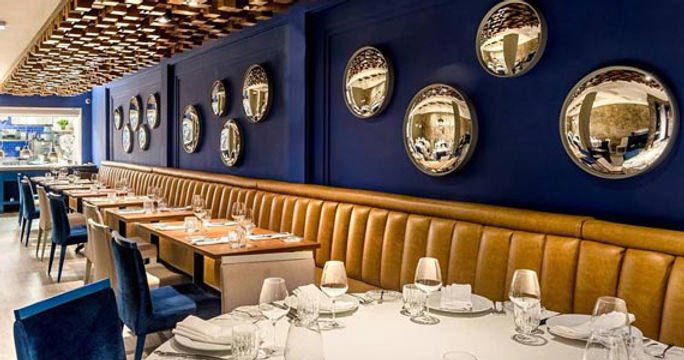
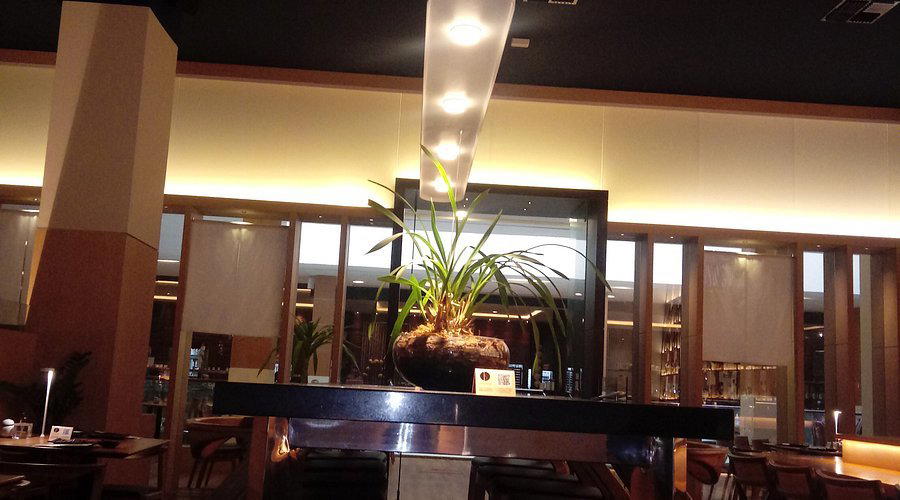
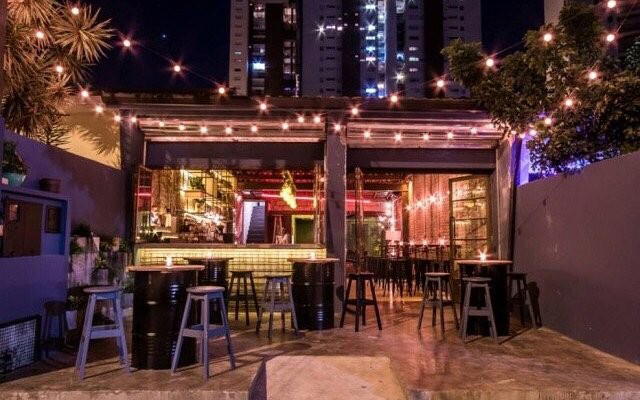
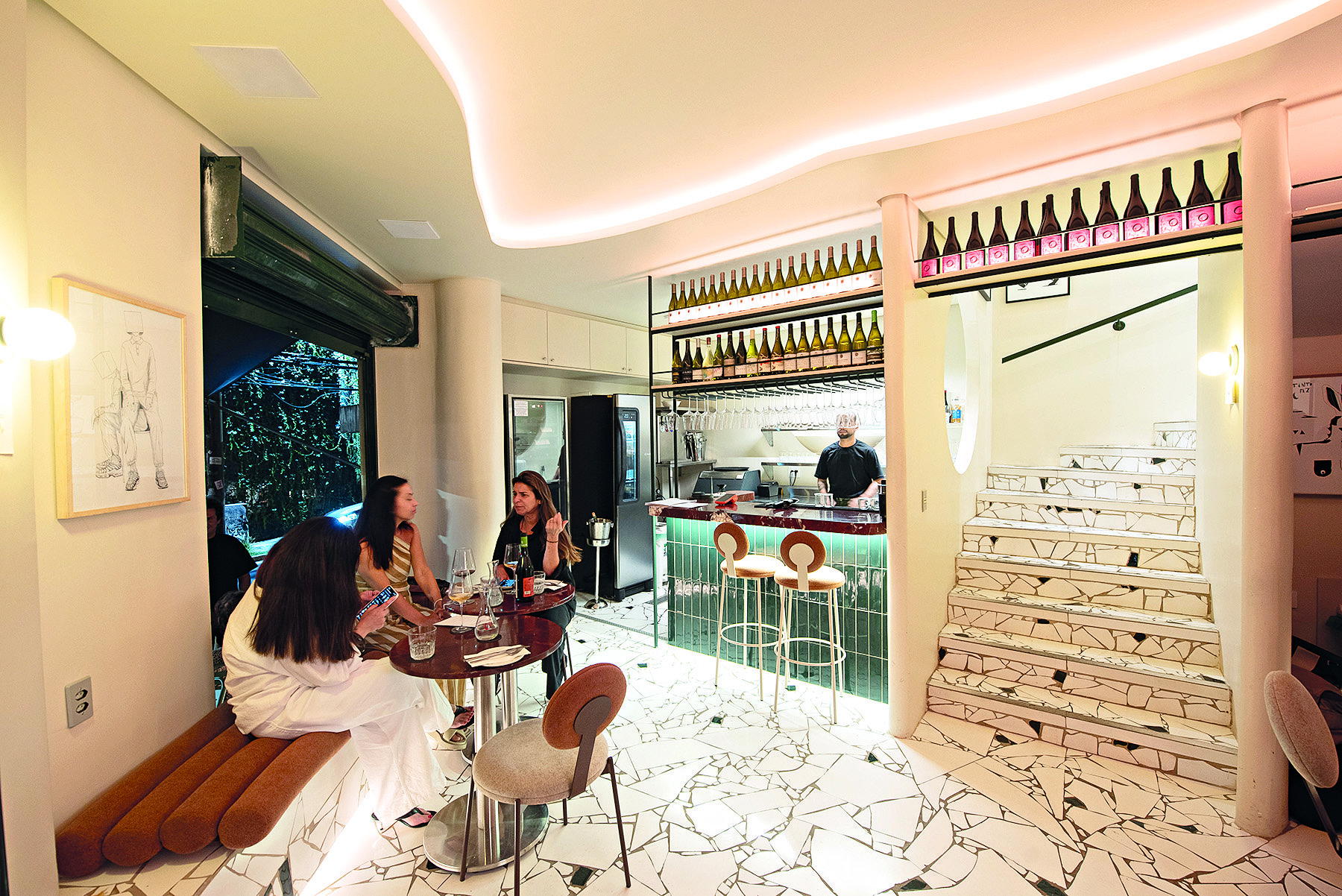
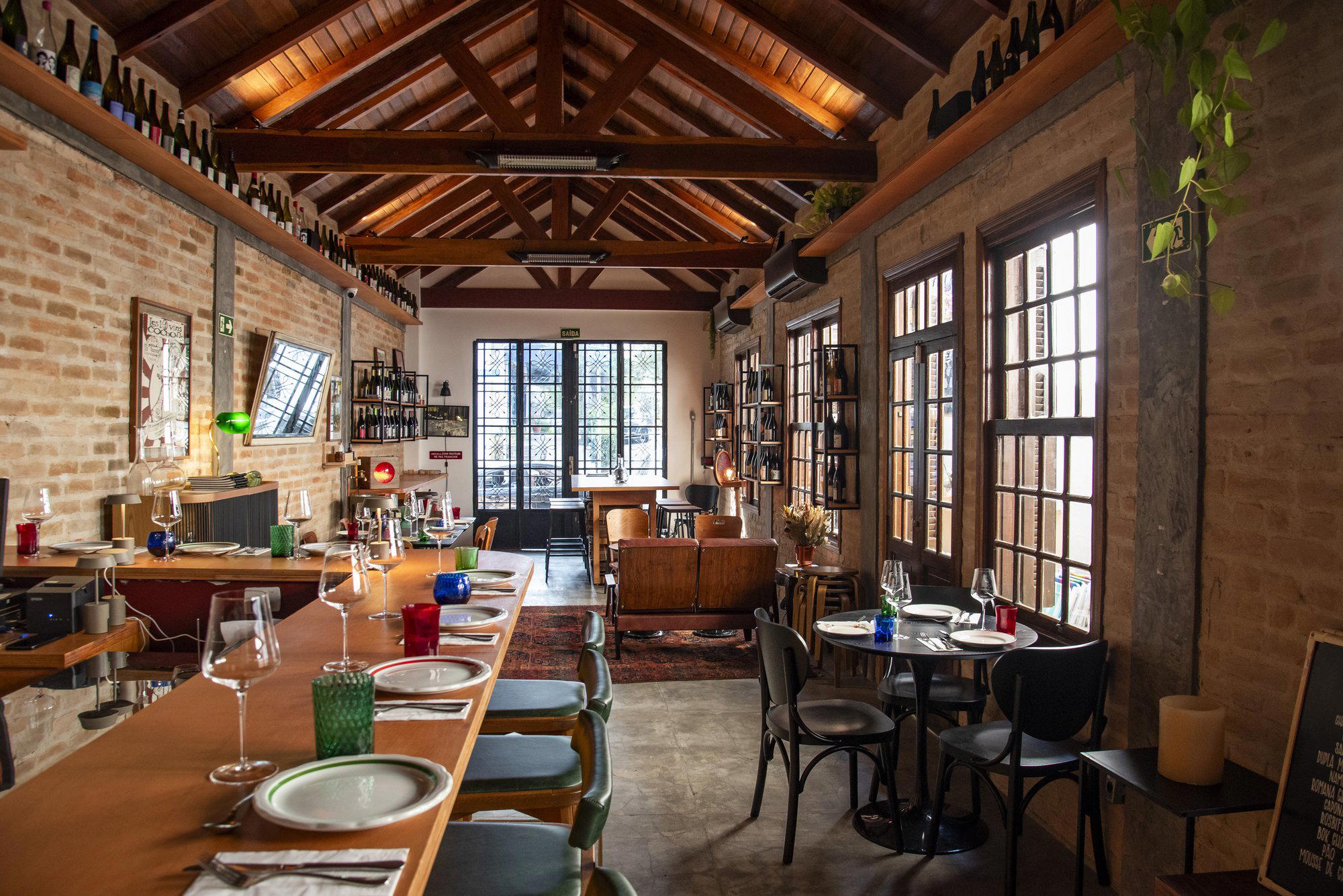
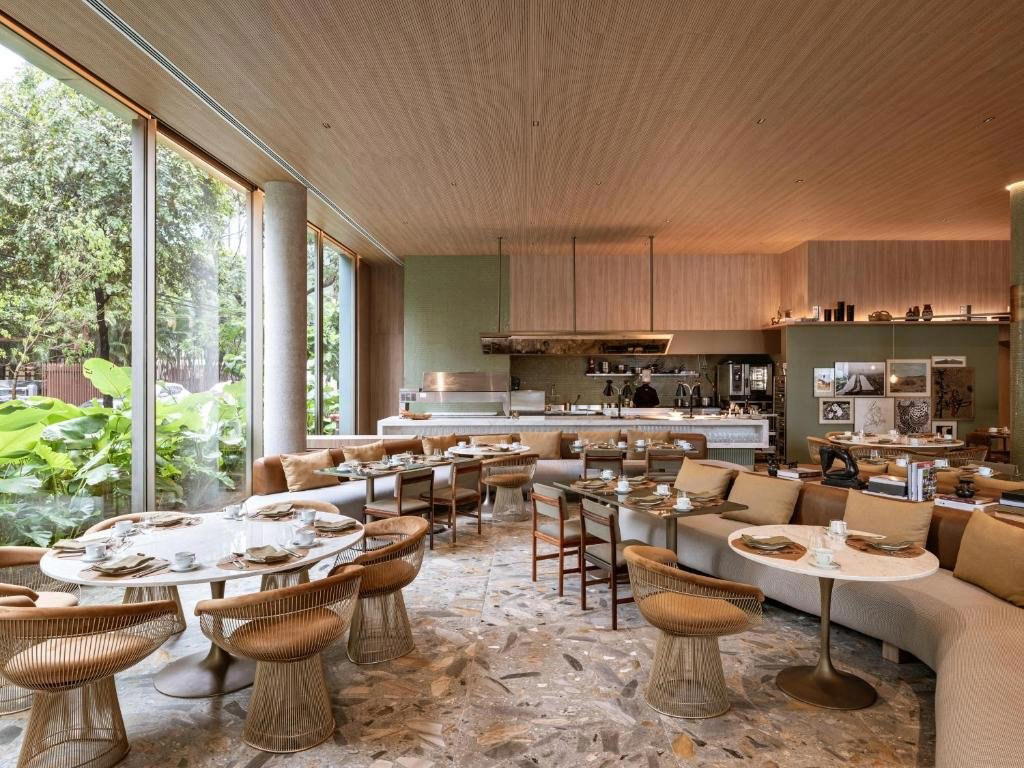
Visually striking with imposing Buddha statue and well-decorated tables; red ambient lighting creates an upscale yet modern atmosphere.