





3 Michelin Stars · World's 50 Best #70 · La Liste Top Restaurants
Our verdict
Tuju holds two Michelin stars and a place at number 70 on the World's 50 Best list (2025), positioning it among a small group of São Paulo restaurants that have turned the city's multicultural density into a coherent creative program. Chef Ivan Ralston Bielawski works from seasonal Brazilian ingredients, and the wine list — 910 selections, 3,500 bottles in inventory — ranks among the strongest in South America by Star Wine List criteria.

Pearl is the En Primeur Club membership app — saves, bookings, and concierge access live there. Same editors, same standards.
- Address
- R. Frei Galvão, 135 - Jardim Paulistano, São Paulo - SP, 01454-060, Brazil
- Phone
- +55 11 91899-0002
- Hours
- Mon ClosedTue–Fri 7–10 PMSat 12–3 PM, 7–10 PMSun Closed
- Website
- tuju.com.br
- Directions
- Get directions
- Booking
- Book on Tock
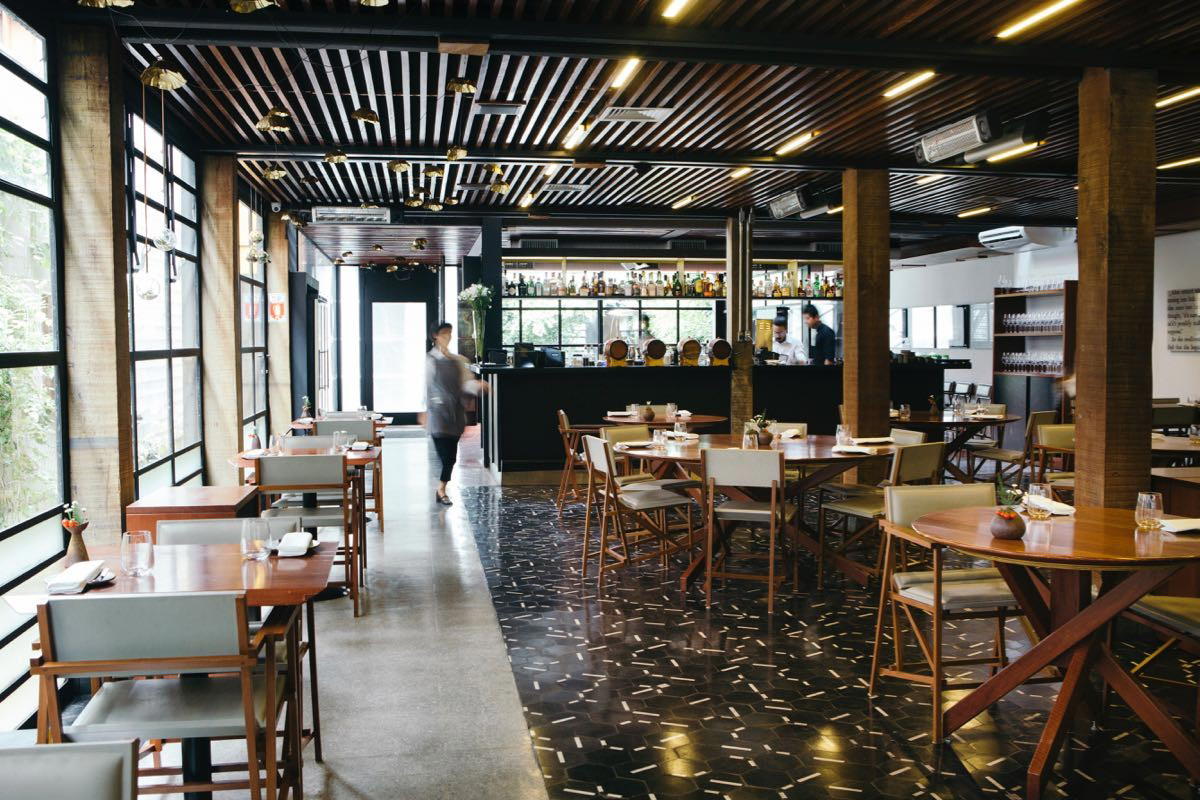
Where São Paulo's Complexity Lands on the Plate
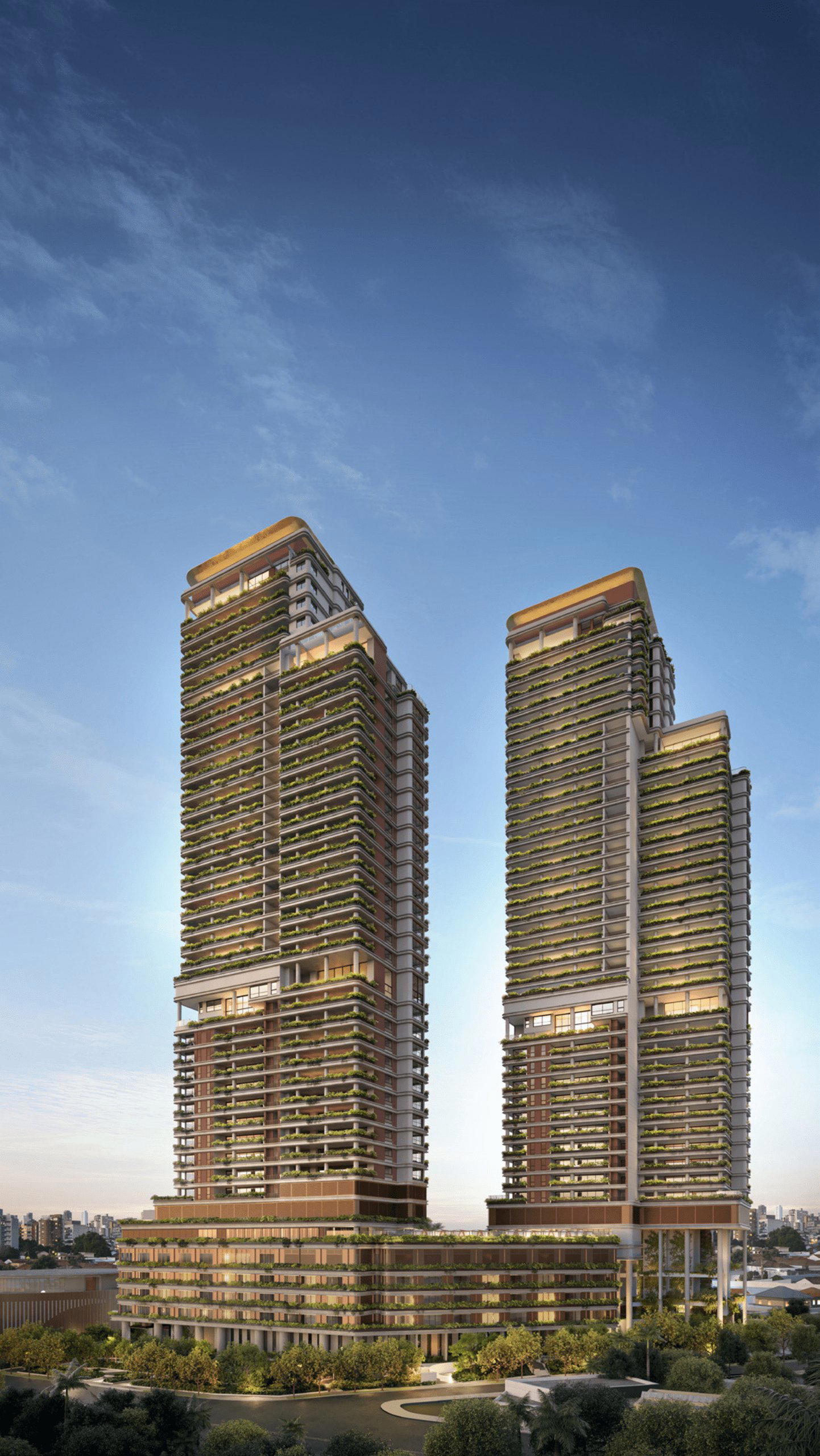
Jardim Paulistano is one of São Paulo's quieter residential pockets, a neighbourhood of low facades and tree-lined streets that reads as understated against the city's louder commercial districts. Arriving at R. Frei Galvão 135, the scale is domestic rather than monumental — a building that gives little away from the street. That restraint is, in retrospect, instructive. What happens inside belongs to a category of creative cooking that São Paulo has been quietly building toward for two decades: ingredient-driven, technically exacting, and rooted in the specific cultural collisions that make the city what it is.
São Paulo's fine dining tier has always been defined by the city's improbable cosmopolitanism. Waves of Japanese, Italian, Lebanese, German, and internal Brazilian migration have deposited overlapping food traditions into a single metropolitan zone, and the most interesting kitchens here are the ones that acknowledge that complexity rather than resolving it into a single tidy narrative. Tuju sits at the sharper end of that project, earning two Michelin stars in 2024 and 2025, a third star in 2026, and reaching number 70 on the World's 50 Best Restaurants list in 2025 — a position that places it in direct conversation with the continent's most closely watched tables, including D.O.M., which has occupied a similar role in São Paulo's creative dining canon for longer.
The Creative Program: Seasonal Ingredients as Primary Argument
Creative Brazilian cooking, as a category, has matured significantly since the early 2000s. What was once a novelty, using Amazonian or Cerrado ingredients as spectacle, has settled into something more disciplined: chefs treating Brazil's ecological range as a serious technical resource rather than a marketing point. The program at Tuju operates within that more rigorous framework, building from seasonal Brazilian ingredients and reflecting, as the kitchen's own framing puts it, the many encounters that shape a multicultural city. Dinner is the format; the pricing tier sits at $$$+ for cuisine, placing it at the upper end of São Paulo's creative category alongside peers like Evvai and above mid-tier creative addresses like Maní.
Chef Ivan Ralston Bielawski's training trajectory matters here as context for the kitchen's position, not as personal mythology. Kitchens that produce this kind of sustained result, a rise to three Michelin stars in 2026, a La Liste score of 75–76 points across 2025 and 2026, tend to reflect extended technical formation and a stable creative direction. The cuisine at Tuju does not appear to be chasing novelty for its own sake; the consistency of the awards record suggests a kitchen with a settled point of view, which is rarer than it sounds in a city that generates as much dining energy as São Paulo.
For comparison at the level of creative ambition and regional grounding, Lasai in Rio de Janeiro works similar territory from a different geographic base, while newer entrants like Manga in Salvador and Orixás | North Restaurant in Itacaré signal that this approach to Brazilian ingredients is widening geographically, not just deepening in the major cities.
The Wine List: A Serious Program at the top of the City's Tier
Wine lists in São Paulo's top tier vary considerably. Some kitchens treat the cellar as an afterthought; others have built programs that rival European peers in depth and selection logic. Tuju falls firmly in the latter category. The list carries 910 selections across an inventory of approximately 3,500 bottles, and Star Wine List awarded it both the number one and number two ranking position in 2026, an unusual double placement that reflects the program's breadth rather than a single category strength.
The geographical strengths on the list read like a map of the world's most serious producing regions: France (Champagne, Burgundy, Bordeaux), Italy (Piedmont), Spain, Portugal, Germany, Argentina, Brazil, and Chile. The pricing tier is $$$, meaning a significant proportion of the selection runs above $100 per bottle. The corkage fee, at $75, is set at a level that discourages casual BYO but accommodates collectors bringing a specific bottle for a significant occasion. Sommeliers Thiago Frencl and Tiago Menezes manage the program; dual sommelier coverage at this level suggests the list is actively curated rather than assembled and left static.
For context, the wine program at Tuju competes at a tier that few São Paulo restaurants reach. This is a cellar built for guests who treat the wine component as equal in weight to the food, which is consistent with the kitchen's overall positioning as a serious creative address rather than a destination primarily known for a single style or ingredient.
São Paulo's Creative Tier: Where Tuju Sits
Understanding what Tuju is requires understanding what São Paulo's fine dining tier has become. The city's most decorated creative restaurants now operate in a small, competitive bracket that includes international recognition, serious wine programs, and menus that change with genuine seasonal discipline. Fame Osteria and Cuia represent different points on the city's broader dining spectrum.
At the global level, Tuju's creative program draws comparison with European two-star kitchens that work from strong regional ingredient identity: Alléno Paris au Pavillon Ledoyen in Paris and Enrico Bartolini in Milan both hold comparable Michelin status while operating from distinct national culinary traditions. The comparison is not about style, Brazilian creative cooking and French or Italian haute cuisine are very different projects, but about the seriousness of the technical and sourcing commitment involved.
For visitors building a broader picture of Brazil's serious dining scene beyond São Paulo, Mina in Campos do Jordão, Primrose in Gramado, and Castelo Saint Andrews in Gramado offer reference points across different Brazilian regions and price points.
Planning a Booking
| Detail | Tuju | D.O.M. | Maní |
|---|---|---|---|
| Michelin Stars | 2 (2024, 2025) | 1 | 1 |
| World's 50 Best (2025) | #70 | Not listed | Not listed |
| Cuisine Price Tier | $$$ | $$$$ | $$$ |
| Wine Selections | 910 | Not published | Not published |
| Service | Dinner only | Lunch and Dinner | Lunch and Dinner |
| Neighbourhood | Jardim Paulistano | Jardim Paulista | Jardim Paulista |
Tuju serves dinner only. The address is R. Frei Galvão, 135, Jardim Paulistano, São Paulo. For the broader São Paulo dining picture, see our full São Paulo restaurants guide. The city's hotel, bar, and winery scenes are covered separately in our São Paulo hotels guide, our São Paulo bars guide, and our São Paulo wineries guide. For curated experiences in the city, see our São Paulo experiences guide.
Frequently asked questions
Is there a head chef associated with Tuju?
The chef associated with Tuju is Ivan Ralston Bielawski.
In Context: Similar Options
| Venue | Cuisine | Price | Awards | Notes |
|---|---|---|---|---|
| TujuThis venue — the venue you are viewing | Modern Brazilian Fine Dining | $200–300 | 3 Michelin Stars · World's 50 Best #70 | Not listed |
| Evvai | Modern Italian-Brazilian Fusion | $200–300 | 3 Michelin Stars · World's 50 Best #95 | Contemporary Italian, Modern Cuisine |
| D.O.M. | Modern Brazilian Amazonian Fine Dining | $150–200 | 2 Michelin Stars · World's 50 Best #74 | Modern Brazilian, Creative |
| Maní | Modern Creative Brazilian | $50–100 | 1 Michelin Star · World's 50 Best #67 | Brazilian - International, Creative |
| Jun Sakamoto | Japanese Omakase | $100–150 | 1 Michelin Star · La Liste Top Restaurants | Sushi, Japanese |
| A Casa do Porco | Modern Brazilian Pork-Centric | $30–50 | Michelin Bib Gourmand · World's 50 Best #25 | Regional Brazilian, Brazilian |
Recognition history
Dated appearances from independent guides and award organizations, with the underlying list record or original source where available.
Michelin 3 Stars
Michelin
World's 50 Best Restaurants #70
World's 50 Best
La Liste Top Restaurants
La Liste
Star Wine List
Star Wine List
Wine Spectator Best of Award of Excellence
Wine Spectator
Full recognition history (11 entries)
La Liste Top Restaurants
La Liste
Michelin 2 Stars
Michelin
The Best Chef Three Knives
The Best Chef
Wine Spectator Best of Award of Excellence
Wine Spectator
World's 50 Best Latin America's Best Restaurants #8
World's 50 Best
Michelin 2 Stars
Michelin
Continue exploring
More in São Paulo
Restaurants in São Paulo
Browse all →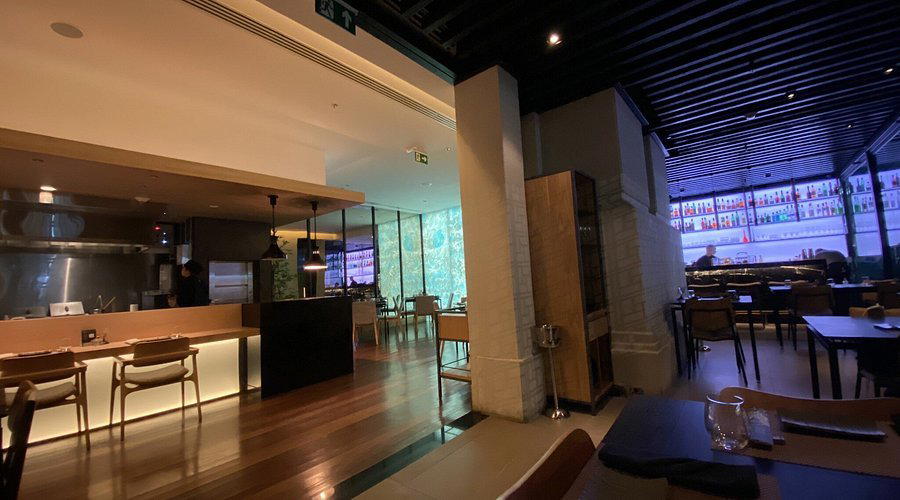
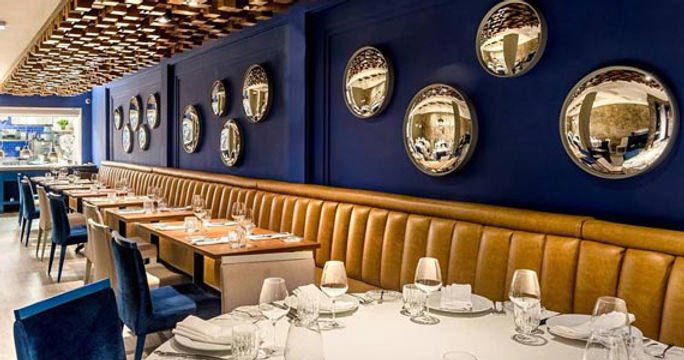
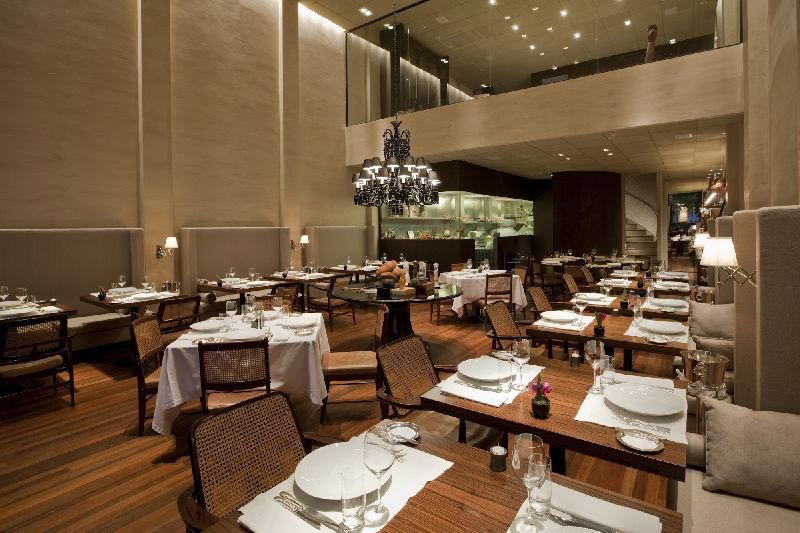
Bars in São Paulo
Browse all →
Details
- Elegant
- Modern
- Sophisticated
- Intimate
- Date Night
- Celebration
- Special Occasion
- Open Kitchen
- Garden
- Terrace
- Extensive Wine List
- Local Sourcing
- Garden
- Tasting Menu
- Vegetarian Friendly
- Vegan Options
- Gluten Free Options
Current opening hours
- Monday
- Closed
- Tuesday
- 7–10 PM
- Wednesday
- 7–10 PM
- Thursday
- 7–10 PM
- Friday
- 7–10 PM
- Saturday
- 12–3 PM, 7–10 PM
- Sunday
- Closed
Hours can change for holidays and private events. Last verified .
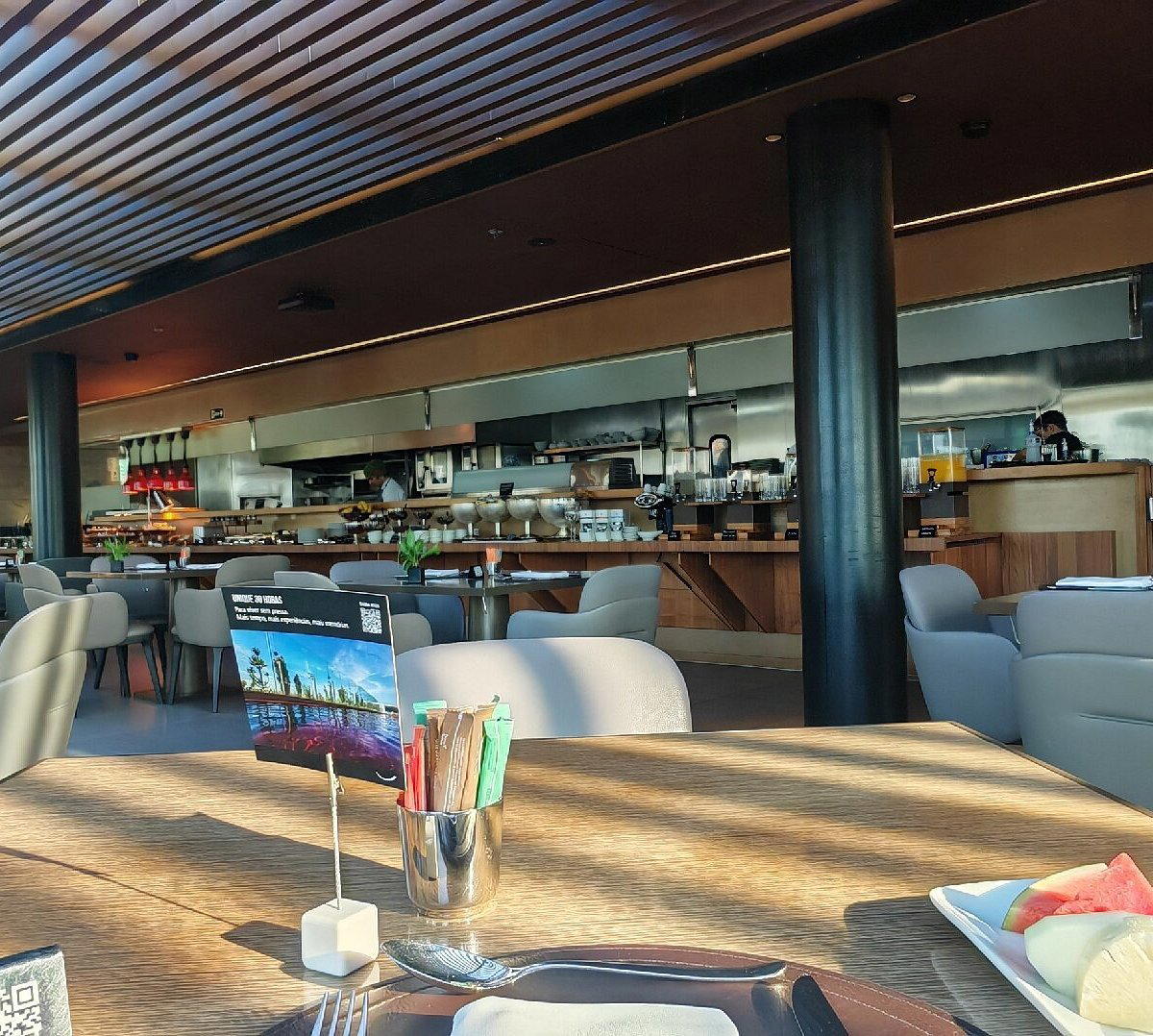
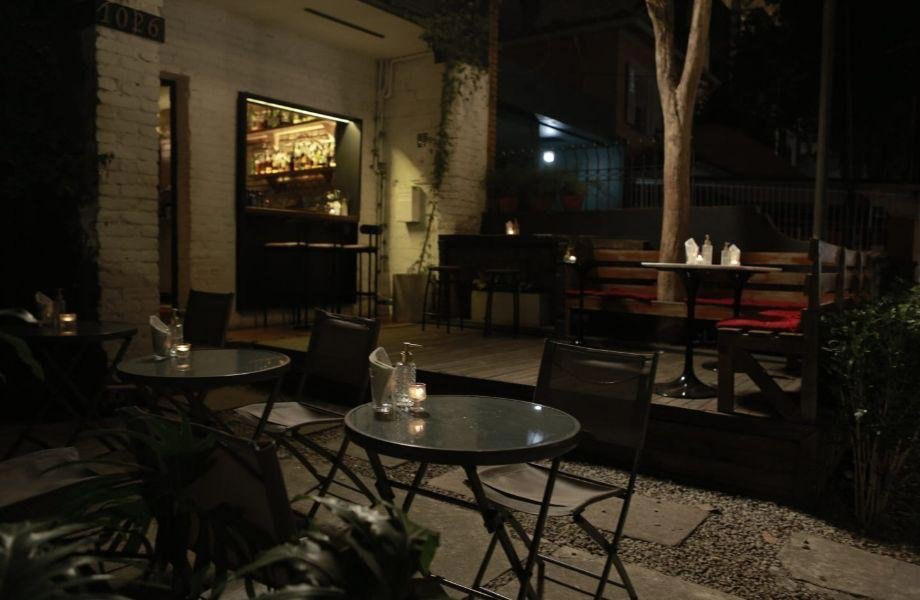
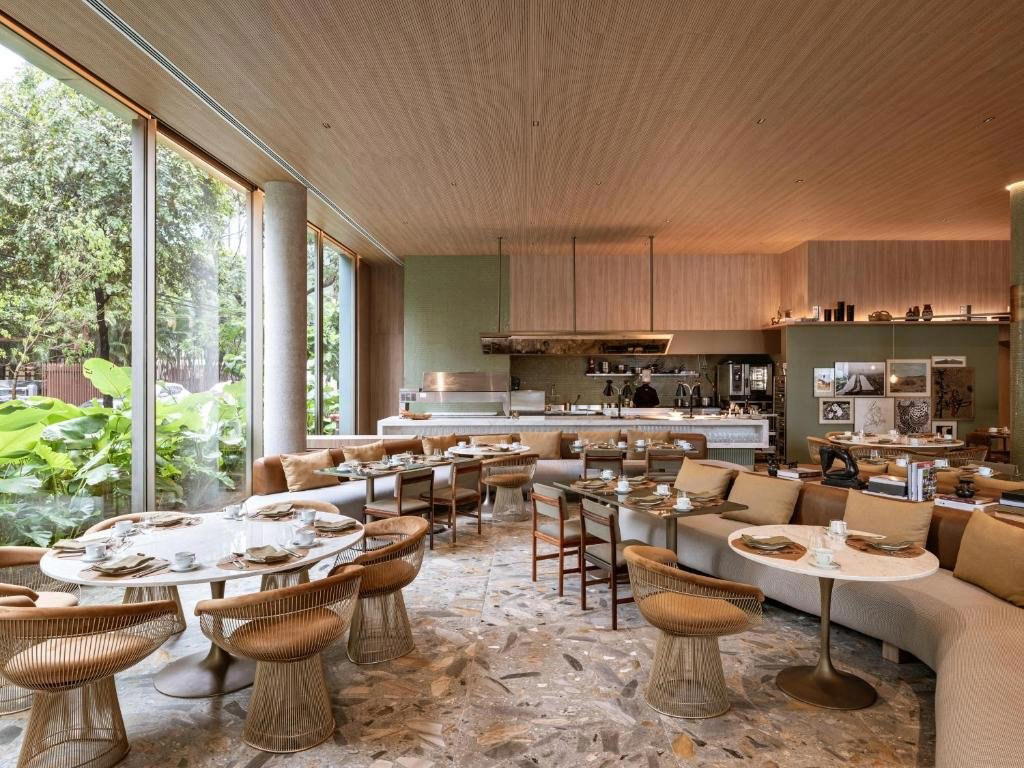
Airy modern design with natural materials, lush greenery, soft lighting, and a warm welcoming atmosphere centered around an open kitchen.