Our verdict
Sushi Kyotatsu (すし京辰) operates inside Narita Airport's Terminal 1, Third Satellite, making it one of the few dedicated sushi counters accessible airside in Japan's international gateway. The setting reframes the typical transit meal around the rhythms of Edomae tradition, offering travellers a structured alternative to the generic airport food hall before a long-haul departure.

Pearl is the En Primeur Club membership app, where members save venues, book tables and use the concierge.
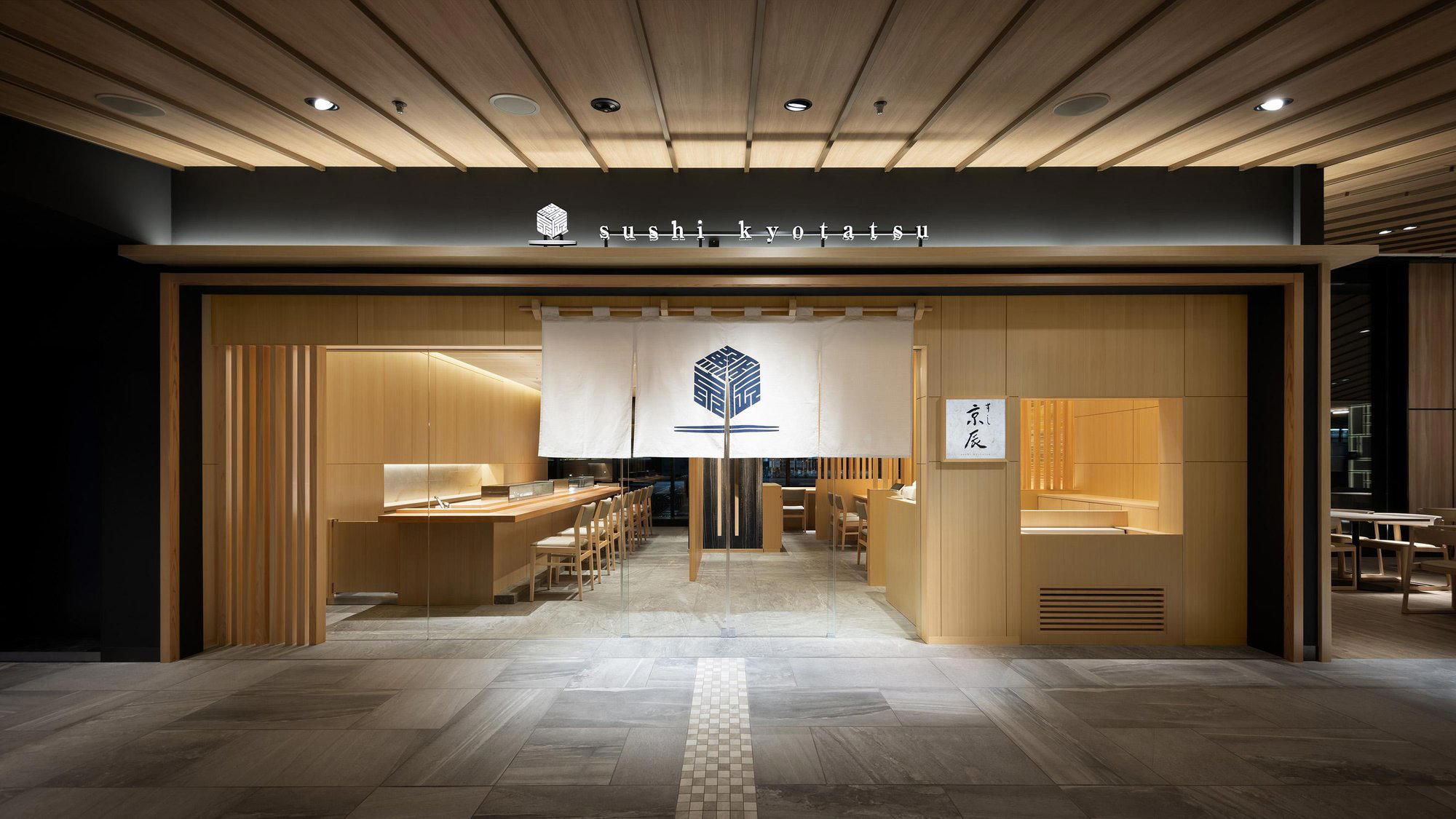
Sushi at 10,000 Feet of Altitude, Before You Reach It
There is a specific atmosphere that belongs only to airport restaurants operating beyond the security barrier: the compressed calm of travellers who have cleared their obligations and now exist, briefly, in a suspended state between departure and arrival. At Narita Airport's Terminal 1, Third Satellite, that atmosphere is the frame around Sushi Kyotatsu (すし京辰). The satellite terminal sits at the far reach of the T1 pier, past the main retail concourse, in a quieter pocket where flight gates outnumber shops. Getting there requires time already allocated, which is, in its way, a natural filter for the kind of diner who chooses a sushi counter over a convenience tray.
Narita's airside dining has historically skewed toward fast formats suited to anxious departures. Sushi Kyotatsu occupies a different register: a sushi house operating within an international transit zone, placing Edomae-rooted preparation in a context most travellers associate with grab-and-go noodles or packaged bento. That positioning is worth noting not as a curiosity but as a structural fact about how Japan's airports have approached food quality relative to their European and American counterparts. Japan's premium airport food culture, sustained across ramen houses, tonkatsu counters, and sushi bars within Narita and Haneda both, reflects a broader domestic expectation that quality does not automatically degrade in transit spaces.
The Edomae Tradition in a Transit Context
Edomae sushi, the Tokyo-lineage style that underpins most of Japan's serious sushi culture, is defined less by spectacle than by precision: the temperature of the rice, the rest time on fish, the use of curing and marinating as technique rather than novelty. These are not qualities that broadcast themselves loudly. A well-prepared piece of nigiri at a counter like this one reads, to the initiated, through texture and seasoning rather than visual drama. Across Japan, this standard is maintained at counters ranging from basement spots in Ginza to the kind of destination restaurants that draw international reservation lists, venues like Harutaka in Tokyo, where the Edomae approach is expressed at its most disciplined.
What airport sushi counters like Kyotatsu represent is the broader distribution of that tradition into everyday infrastructure. Japan's fish supply chains, maintained at a level that few other countries sustain, make quality sushi in a transit terminal a realistic proposition rather than a compromise. The sensory comparison matters here: the smell of properly conditioned sushi rice, vinegar-forward and warm, is distinct from the faint cold-case odour of pre-made sushi at airport convenience retailers. The difference is technique applied at the counter rather than hours earlier in a commissary kitchen.
Sitting Airside: What the Format Signals
Counter sushi in Japan operates on a specific social contract. You sit close. The preparation is visible. Conversation between chef and diner, when it occurs, tends toward brevity and precision rather than performance. This format exists at radically different price and prestige tiers, from the rarefied omakase counters of Tokyo to working-lunch sushi bars in office districts, but the spatial grammar stays consistent. At Sushi Kyotatsu, that grammar is imported into a satellite terminal, which creates a mild but legible contrast: the aircraft visible through gate windows, the departure board cycling overhead, and the counter's contained focus on preparation in the middle distance.
For context across Japan's broader sushi scene, the airport counter occupies a mid-tier position in the hierarchy that runs from convenience-store sushi through kaiten (conveyor belt) formats, lunch-set counter restaurants, and finally omakase. The venues at the apex of that hierarchy, those with Michelin recognition and allocation-based booking, represent a different competitive set entirely. You can trace that upper tier across Japan in places like HAJIME in Osaka, Gion Sasaki in Kyoto, and Goh in Fukuoka. Sushi Kyotatsu does not compete with those; it addresses a different need, and does so within a format that takes the sushi counter's structural logic seriously.
Narita's Dining Ecosystem, Airside and Beyond
Narita Airport's Terminal 1 carries a more complete dining ecosystem than most international hubs of comparable size. Within the terminal, travellers can move between ramen, tonkatsu, tempura, and sushi without leaving the secured area, a breadth that reflects the airport's role as a primary long-haul gateway rather than a regional connector. For those with time before departure, Ippudo (一風堂) and Ginza Kagari (銀座 篝) represent strong ramen options within the terminal's food corridor. Japanese Ramen Tomita (日本の中華そば富田) operates in the same general zone for travellers drawn to a heavier, more intense broth format.
Outside the secured area, Narita City and its surroundings carry their own dining character, most notably the traditional eel houses along Naritasan Omotesando, the stone-paved approach street to Naritasan Shinshoji Temple. Kikukawa (うなぎ四代目菊川) and Mitsumoto Tei (三本亭) are worth considering for travellers arriving early enough to exit the terminal. Our full Narita restaurants guide covers both the airside and city options in detail.
For a wider sense of Japan's serious dining culture, the kind of context that makes an airport sushi counter readable as part of a broader tradition, the EP Club covers venues across the country, including akordu in Nara and counters in less-visited cities like Nanao and Nishikawa Machi. Internationally, the same editorial lens applied to airport-adjacent dining finds parallels at venues like Le Bernardin in New York City and Atomix in New York City, where the question of how a city's dining culture presents itself to arriving internationals carries its own weight.
Planning Your Visit
Sushi Kyotatsu is located airside within Narita Airport Terminal 1, Third Satellite (三里塚御料牧場1-1), accessible after clearing immigration and security on the departures level. Because it sits in the satellite extension, allow additional transit time beyond the main terminal concourse, the satellite is a separate pier reached by automated walkway or corridor, and gate proximity will vary by airline and season. Departure-day timing is the operative constraint: most travellers find the counter accessible during the two-hour pre-boarding window standard for international long-haul departures from Narita. For travellers transiting in spring, Narita Airport tends to operate at refined capacity during the cherry blossom travel season, which compresses dwell time and can affect wait availability at popular counters.
Frequently asked questions
What's the address for Sushi Kyotatsu (すし京辰)?
Sushi Kyotatsu (すし京辰) is located at 三里塚御料牧場1-1 (成田空港 第1ターミナル 第3サテライト), 成田市, 千葉県, 282-0011, Narita.
Is Sushi Kyotatsu inside the secure zone at Narita Airport, and which terminal is it in?
Sushi Kyotatsu (すし京辰) is located airside inside Narita Airport Terminal 1, specifically within the Third Satellite at 三里塚御料牧場1-1, accessible only after clearing immigration and security. This placement means it serves passengers who have already passed through departure formalities, distinguishing it from the landside restaurants in the terminal's public areas. Travellers connecting through or departing from Terminal 1 should confirm their gate is in or accessible from the Third Satellite before planning a visit.
What do people recommend at Sushi Kyotatsu (すし京辰)?
Sushi Kyotatsu is an Edomae-style counter, so the omakase or nigiri selections aligned to that Tokyo-lineage tradition are the natural starting point. The format rewards ordering whatever the chef is cutting that day rather than arriving with a fixed list. Given the airside location inside Narita Terminal 1's Third Satellite, the kitchen is geared toward travellers who want a serious sushi meal rather than a quick snack.
How far ahead should I plan for Sushi Kyotatsu (すし京辰)?
Because Sushi Kyotatsu operates airside within Narita Terminal 1, your planning window is largely set by your flight schedule rather than a reservation calendar alone. Access requires clearing immigration and security at Terminal 1, so factor in processing time. Arriving at the Third Satellite with at least 90 minutes before boarding gives you a workable window for a counter sushi meal without rushing.
What is Sushi Kyotatsu (すし京辰) known for?
Sushi Kyotatsu is known for delivering counter-style Edomae sushi within Narita Airport's Terminal 1, making it one of the few airside venues in Japan where the format and tradition of a city sushi-ya carry through to the departure gate. Its position in the Third Satellite places it past the main security barrier, which keeps the atmosphere closer to a dedicated dining room than a food-court concession.
Can Sushi Kyotatsu (すし京辰) adjust for dietary needs?
Traditional Edomae sushi menus are built around seafood and vinegared rice, with limited structural flexibility for vegetarian or allergy-specific requirements. The airside setting inside Narita Terminal 1 means alternatives within the same satellite are limited if adjustments cannot be made.
Is eating at Sushi Kyotatsu (すし京辰) worth the cost?
For a traveller transiting Narita Terminal 1, the comparison is not against Tokyo's top sushi counters but against the broader field of airport dining, where a properly executed nigiri service at a dedicated counter is genuinely rare. If the format matches what you are looking for before a long-haul flight, the Third Satellite location makes it one of the more considered dining options available airside.
Peers Worth Knowing
Comparable venues nearby, for context on price, style, and recognition.
| Venue | Cuisine | Price | Awards | Notes |
|---|---|---|---|---|
| Sushi Kyotatsu (すし京辰)This venue (the venue you are viewing) | Edomae Sushi Omakase | $50–100 | Not listed | Not listed |
| Surugaya | Traditional Unagi (eel) Restaurant | $30–50 | Tabelog 100 #73 | Nakamachi / Naritasan Shinsho-ji Temple approach |
| Kikukawa (うなぎ四代目菊川) | Traditional Japanese Unagi (Grilled Eel) | $30–50 | Not listed | Narita Airport Terminal 2 |
| Tekoteko | Authentic Brazilian Grill & Home Cooking | $20–30 | Tabelog 100 #98 | Narita |
| Mitsumoto Tei (三本亭) | Yoshoku (Japanese Western Cuisine) | $20–30 | Not listed | Narita Airport |
| Tatsu (日本の大衆食堂 たつ吉) | Japanese Grill & Craft Beer | $10–20 | Not listed | Narita Airport |
Continue exploring
More in Narita
Details
- Elegant
- Sophisticated
- Intimate
- Solo
- Business Dinner
- Chefs Counter
- Sake Program
- Sustainable Seafood
- Omakase
- A La Carte
- Counter Dining
- Vegetarian Friendly
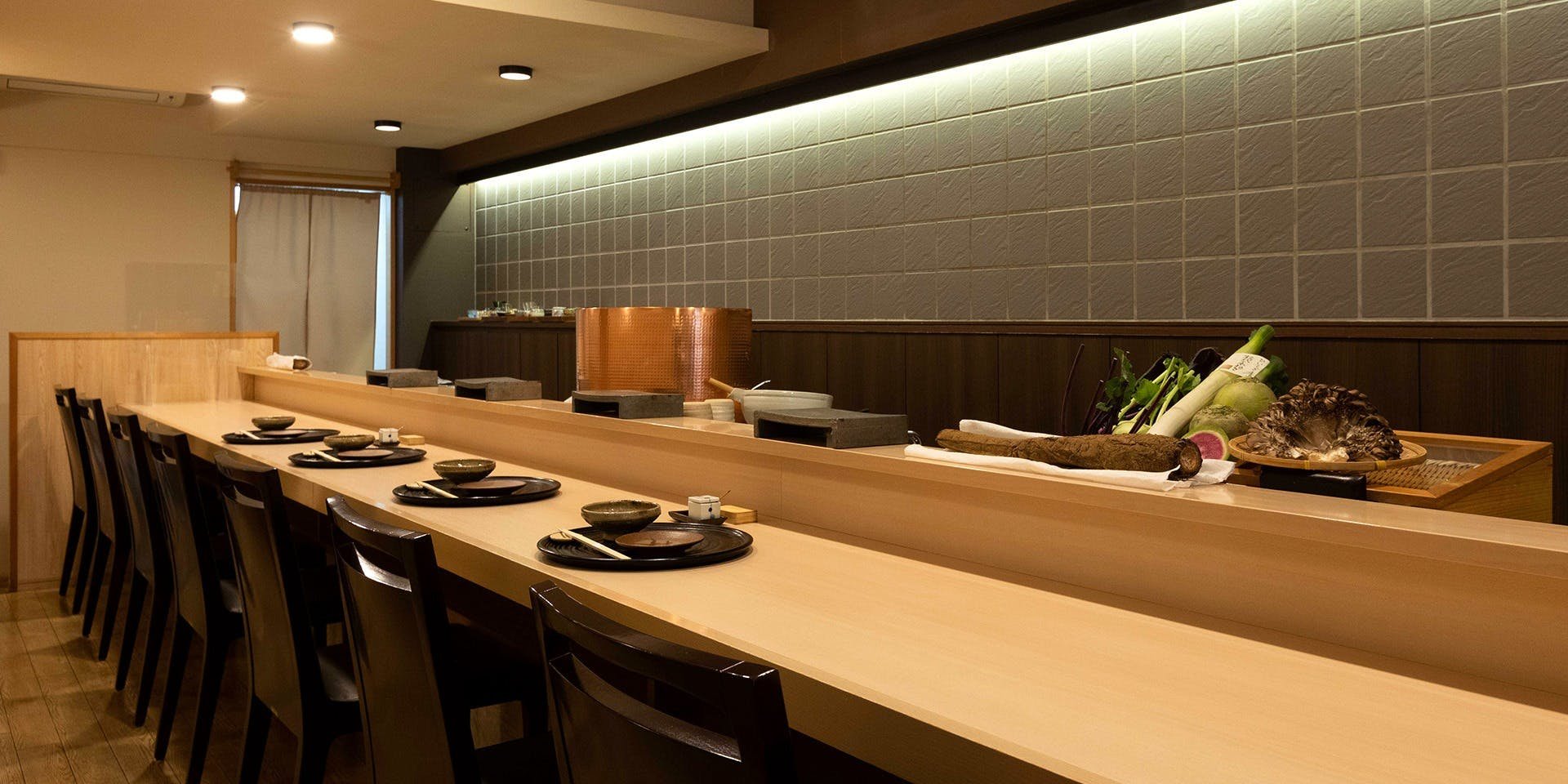
Clean and focused atmosphere ideal for travelers, with counter seating emphasizing the sushi preparation.