
Tekoteko gives Narita’s dining scene a sharper edge than the usual airport-city shorthand suggests: Brazilian cooking, a compact 30-seat room, and repeated Tabelog 100 recognition in the Asian and ethnic cuisine EAST category. It works best as a grounded counterpoint to ramen, unagi, and temple-town snacks, with sourcing and grill culture doing the serious work.
Pearl is the En Primeur Club membership app — saves, bookings, and concierge access live there. Same editors, same standards.
- Address
- 858-1 Kamicho, Narita, Chiba 286-0032, Japan
- Phone
- +81 476-22-1811
- Website
- teco-teco.jp
 Saves & bookings on Pearl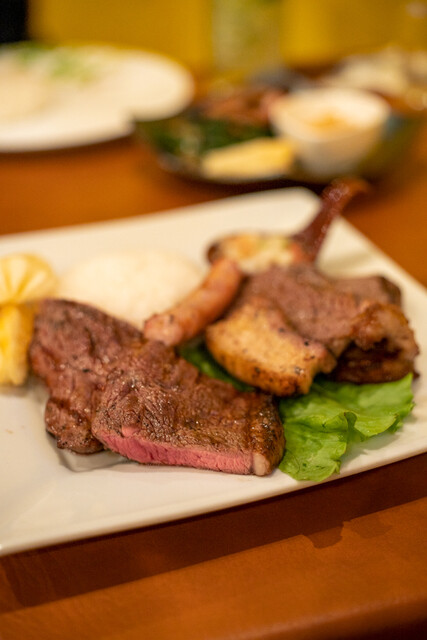
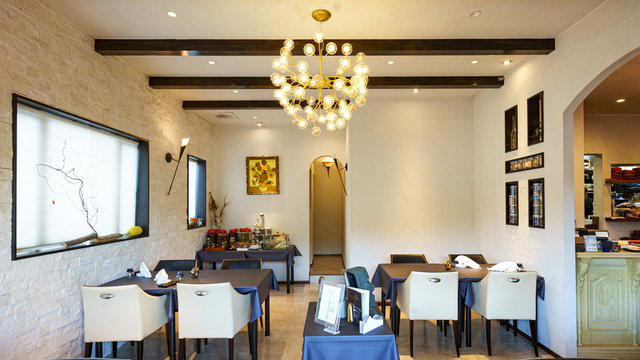
Approaching Narita’s older commercial streets, the city’s food identity can seem narrow: temple-route sweets, eel houses built around pilgrimage traffic, ramen for transiting travelers, and quick meals timed to trains. Tekoteko adds another register. Its small room feels local rather than staged, and its Brazilian category matters because Narita’s better dining is not only Japanese tradition; it also reflects the communities and travel routes shaping Chiba’s airport city.
That is why Tekoteko deserves attention. Narita is often treated as a pass-through, yet its dining map has more range than the airport label suggests. The comparison is not Tokyo luxury counters, but compact neighborhood restaurants where focused cuisine, a manageable room, and repeat local use create credibility. Tekoteko’s selection for Tabelog 100 - Asian cuisine / Ethnic cuisine - EAST in 2022, 2023, and 2024 places it among specialist restaurants whose reputations form outside the usual sushi-and-kaiseki hierarchy.
Brazilian cooking gives Narita a different kind of local table
Brazilian food in Japan carries specific cultural weight, tied to migration, factory towns, suburban communities, and an appetite for grilled meat, beans, rice, stews, and shared plates rather than Japanese fine dining’s course-by-course grammar. In Narita, that matters. The airport brings international movement, but the better meal is not always in a terminal-adjacent hotel restaurant; often it is in modest rooms translating global foodways into Japanese neighborhood scale.
Tekoteko fits that pattern. Its category is Brazilian, but the editorial interest is broader: how imported cuisines become local when served at everyday frequency rather than as themed performance. Ingredient sourcing is central. Brazilian cooking depends on protein, starch, acid, smoke, and seasoning; it does not need luxury signals to register quality. The question is whether the kitchen makes an accessible format feel specific, consistent, and rooted in the cuisine’s defining ingredients.
Narita’s wider dining conversation sharpens the point. A traveler could move from chicken and fish traditions at Torihan Uohan to eel at Surugaya, or from casual ramen at Menya Fukuichi to Italianate spending at Pizzeria Positano. Tekoteko occupies another lane: not the cheapest snack stop, not the higher-spend eel house, not a Tokyo-style destination counter. It is a specialist ethnic-cuisine address in a 30-seat format, and that limited scale helps explain why the recognition carries weight.
For a wider itinerary, the contrast is instructive. Ginza Kagari (銀座 篝), Ippudo (一風堂), and Japanese Ramen Tomita (日本の中華そば富田) speak to Japan’s ramen export culture and domestic noodle obsession. Kikuk川 (うなぎ四代目菊川) points back to unagi, a classical Narita association. Halal Dosa Biryani shows another side of the city’s non-Japanese dining. Tekoteko makes Narita feel less like a single-cuisine stopover and more like a small city with distinct immigrant and traveler-fed appetites.
The signal is consistency, not spectacle
Tabelog’s Hyakumeiten lists reward a different authority from Michelin-style fine dining. They often capture places Japanese diners revisit because the cooking is focused and dependable. Tekoteko’s three consecutive selections in the Asian and ethnic cuisine EAST category, plus a Tabelog score of 3.57, should be read that way. This is not a room trading on ceremony, but a recognized specialist where consistency and category fluency matter.
The 30-seat scale also sets expectations. Small international-cuisine restaurants in regional Japanese cities succeed when the menu has a clear center of gravity. The kitchen cannot rely on encyclopedic breadth; it must decide what version of the cuisine to represent. For Brazilian food, that usually means grilled proteins, staple accompaniments, and the balance between richness and freshness matter more than decorative plating. Without inventing dish names, the point is clear: the cuisine rewards kitchens that source and cook directly.
Narita’s dining rhythm reinforces this. Around the station and the Omotesando approach to Shinsho-ji, many meals are built for predictable flow: lunch windows, early dinners, travelers with luggage, residents meeting friends. A Brazilian restaurant here must work for local repeat diners and visitors wanting a meal that is neither airport food nor a formal Japanese set piece. That dual audience makes the “friends” occasion tag plausible: the format suits conversation, shared ordering, and a less ceremonial evening.
There is an economic argument, too. Within Narita, comparison venues range from sub-JPY 1,000 sweets at Kintoki no Amataro Yaki to higher dinner bands at Surugaya and Pizzeria Positano. Tekoteko sits closer to the everyday specialist tier than occasion dining, useful for travelers who have already allocated one meal to unagi or a Tokyo splurge and want Narita itself to offer something more personal than a convenience meal.
How to place it in a Narita itinerary
Use Tekoteko as a corrective to the default Narita script. The city’s temple approach, eel culture, and ramen options are valid, but incomplete. Brazilian cooking brings a different sourcing logic: meat, staple grains, beans, sauces, and grilled or stewed formats rather than dashi, tare, or freshwater eel. That contrast makes the meal more than a cuisine swap; it reframes Narita as a place where international food has settled into local scale.
It also fits a broader Chiba or greater Tokyo eating plan. Travelers can compare regional specialists with bigger-city dining rooms: -Grilled beef Sukiyaki- KAMAKURA TANUKIAN 鎌倉 たぬき庵 in Kamakura shows a beef-led Japanese format, while. 鮪と炭火焼き うお炭 秋葉原店 in Tokyo shifts to tuna and charcoal. Further afield, (Shoku) Vietnam in Kawasaki and [Curry Senmon Ten] Maruyama Kyoju. in Sapporo underline how non-Japanese and spice-driven formats operate across the country, while.cafe in Osaka and.know in Kumamoto show how smaller-format venues can anchor trips beyond headline restaurants.
For North American readers, the comparison can cross the Pacific without forcing equivalence. Jōdo Saké Bar in Los Angeles and Onigiri Time in Pasadena show Japanese food adapting abroad; Tekoteko shows Brazilian food operating inside Japan. The direction differs, but the editorial question is similar: what happens when a cuisine becomes part of another city’s ordinary dining life?
Use it as part of a Narita plan rather than a standalone pilgrimage. The fuller picture sits in Our full Narita restaurants guide, with sleep, drinking, wine, and activity context in Our full Narita hotels guide, Our full Narita bars guide, Our full Narita wineries guide, and Our full Narita experiences guide. Put Tekoteko on the map not for novelty, but because Narita’s serious dining is wider, more immigrant-shaped, and more ingredient-led than the airport narrative suggests.
How It Stacks Up
Comparable venues by cuisine and price in the same metro.
| Venue | Cuisine | Price | Notes |
|---|---|---|---|
| TekotekoThis venue — the venue you are viewing | Authentic Brazilian Grill & Home Cooking | $$ | Not listed |
| Tatsu (日本の大衆食堂 たつ吉) | Japanese Grill & Craft Beer | $$ | Narita Airport |
| Ginza Kagari (銀座 篝) | Chicken Paitan Ramen | $$ | Ginza |
| Menya Fukuichi | Ramen shop specializing in rich chicken ramen | $ | Hanazakicho |
| Saboten (新宿さぼてん) | Tonkatsu (Japanese Pork Cutlet) | $$ | Narita Airport |
| Kintoki no Amataro Yaki | Traditional Japanese Obanyaki / Manju Sweet Shop | $ | near Narita Station / Naritasan Omotesando |
Recognition history
Dated appearances from independent guides and award organizations, with the underlying list record or original source where available.
Tabelog 100 #98 · No. 98
Tabelog · Tabelog 100 - Asian cuisine / Ethnic cuisine - EAST - 2024
Continue exploring
More in Narita
At a Glance
- Cozy
- Lively
- Classic
- Intimate
- Casual Hangout
- Family
- Group Dining
- Solo
- Celebration
- After Work
- Standalone
- Historic Building
- Beer Program
- Street Scene
Current opening hours
- Monday
- Closed
- Tuesday
- 11:30 AM–2:30 PM, 5:30–10 PM
- Wednesday
- 11:30 AM–2:30 PM, 5:30–10 PM
- Thursday
- 11:30 AM–2:30 PM, 5:30–10 PM
- Friday
- 11:30 AM–2:30 PM, 5:30–10 PM
- Saturday
- 11:30 AM–2:30 PM, 5:30–10 PM
- Sunday
- 11:30 AM–2:30 PM, 5:30–10 PM
Hours can change for holidays and private events. Last verified .