
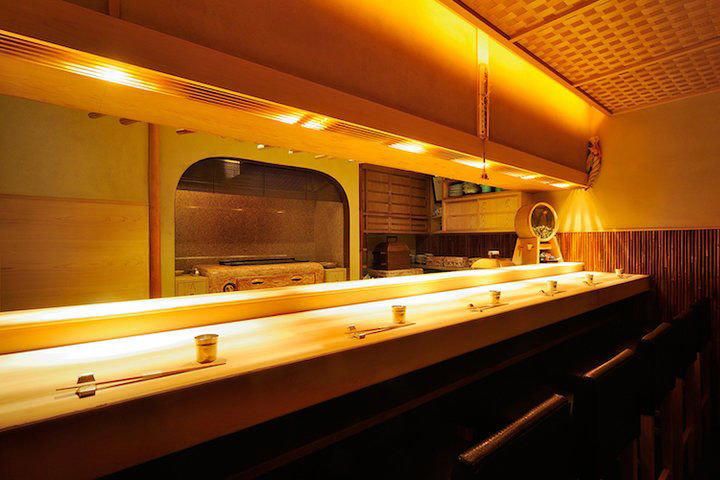
Sushi Kozue places the small-counter sushi format in Takanawa’s quieter dining orbit rather than Ginza’s trophy-table circuit. Its Tabelog Sushi TOKYO 100 selection for 2025 gives it a clear reputation signal, while the seven-seat counter keeps the experience closer to Tokyo’s compact, reservation-led sushi rooms than to hotel dining or broad à la carte restaurants.
Pearl is the En Primeur Club membership app — saves, bookings, and concierge access live there. Same editors, same standards.
- Address
- 東京都港区高輪3-6-12 ブレアハウス
- Phone
- +818065196623
- Website
- tabelog.com
 Saves & bookings on Pearl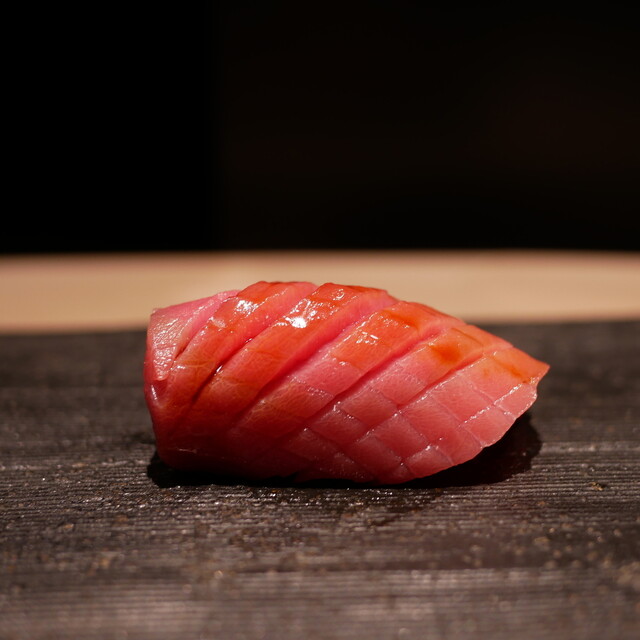
Takanawa changes the temperature of a Tokyo sushi evening before the first piece. Away from Ginza’s polished procession and Nishi-Azabu’s late-night traffic, the area moves to a residential rhythm around Takanawadai and Shinagawa. Here, a seven-seat counter reads less theatre, more concentration. Room size matters because Tokyo sushi is increasingly split between grand reputational rooms and compact counters where pacing, rice temperature, fish condition, and the narrow exchange between guest and itamae decide the meal.
Sushi Kozue belongs to the compact category. Recognition in the Tabelog Sushi TOKYO 100 for 2025 places it inside a crowded, scrutinised city field, where small differences in sourcing, shari style, knife work, and service cadence carry disproportionate weight. Tabelog’s sushi lists are not international trophy badges in the Michelin sense, but in Tokyo they are a serious local signal: diners use them to sort the dense sushi market into rooms worth chasing, watching, or leaving to neighbourhood demand.
A seven-seat counter in Tokyo's reputation economy
Tokyo has many sushi counters, but the category’s economics have sharpened. Serious diners choose between famous Ginza counters with global demand, hotel sushi with easier concierge pathways, and smaller neighbourhood rooms where reputation builds through local review culture and repeat dining. Seven seats force precision. There is little room for drift in timing, conversation, or temperature; the format exposes discipline and weakness.
That is why the 2025 Tabelog selection matters. It does not make the restaurant an international status object by itself, but it places the counter in the same evaluative conversation as Tokyo sushi rooms judged by diners who know the genre’s details. The listed emphasis on fish also matters in a city where sushi credibility is often read through procurement and handling rather than decoration. For diners comparing Takanawa with Ginza or Akasaka, the point is not that the neighbourhood substitutes for those districts, but that Tokyo’s sushi map is broader than old prestige addresses suggest.
The counter-only structure changes the social contract. Large restaurants can absorb uneven parties and late arrivals; small sushi rooms cannot. At this scale, a seat is not simply inventory. It is part of the performance mechanics, shaping every course and guest. These rooms suit diners who understand omakase etiquette: arrive on time, keep the group small, avoid perfume, and treat the meal as a timed craft format, not a flexible night out.
Takanawa gives the meal a different kind of Tokyo context
Takanawa is often treated as a passage between Shinagawa, hotel towers, embassy-adjacent streets, and residential pockets, not as a dining district with one loud identity. That in-between quality can help sushi. Without Ginza’s expectation of spectacle, the meal is judged more by fundamentals than address mythology. Nearby hotel dining rooms such as KATSURA Steak House, Nadaman Takanawa Prime, and Ristorante Caffe Ciliegio serve a different role in the area: polished, accessible, and useful for business or visitors. A small sushi counter works on another logic.
That distinction helps travellers build a Tokyo itinerary. The city rewards sequencing: one night in Shinjuku, another in Akihabara, another around Shinagawa or Takanawa, rather than forcing every serious meal into the same central corridor. For broader planning, Our full Tokyo restaurants guide gives the wider map, while neighbourhood contrasts sharpen through casual and specialist entries such as 12/10 Shinjuku ten, . 鮪と炭火焼き うお炭 秋葉原店, 124. KAGURAZAKA (Yakitori), 2D Cafe, and 3 Chome no Curry Ya San. These comparisons are not equivalence; they show how Tokyo dining value shifts by format, district, and purpose.
For visitors staying near Shinagawa, the location has practical intelligence without making convenience the headline. Takanawadai sits close enough to major transport routes for a tight evening, yet the room’s scale keeps it reservation-led rather than walk-in neighbourhood. Pairing dinner with a nearby hotel stay suits travellers who prefer a quieter close; Our full Tokyo hotels guide is the better tool for that side of the plan. For after-dinner alternatives, Our full Tokyo bars guide covers Tokyo’s drinking rooms, while Our full Tokyo experiences guide and Our full Tokyo wineries guide widen the itinerary beyond restaurants.
How to read its reputation against the wider Japan table
A Tabelog Sushi TOKYO 100 selection is a city-specific credential, and that matters. Japan’s restaurant culture is intensely local: a Takanawa counter, a patisserie in the same city such as Patisserie Ryoco, and a bakery such as BOULANGERIE SEIJI ASAKURA can all attract serious attention for different reasons. The useful reading is not category ranking, but that Tokyo diners judge closely across formats. Sushi receives especially forensic attention because its vocabulary of quality is narrow and unforgiving: fish, rice, seasoning, temperature, timing, and counter control.
For travellers moving through Japan, the better question is how this Tokyo counter fits a broader route. Regional dining resets expectations fast: -Grilled beef Sukiyaki- KAMAKURA TANUKIAN 鎌倉 たぬき庵 in Kamakura points to a different beef-and-sukiyaki tradition.cafe in Osaka reflects a looser urban register.know in Kumamoto shifts the geography again, and [ki:] in Kyoto sits inside a city where restraint has its own codes. Even casual Japanese formats abroad, from Jōdo Saké Bar in Los Angeles to Onigiri Time in Pasadena, show how context changes familiar forms. In that frame, Sushi Kozue is for the diner who wants Tokyo sushi in a concentrated, reputation-backed room without making the address the whole story.
The stronger case for the counter is editorial, not decorative. It occupies a narrow lane: selected in a 2025 Tokyo sushi list, built around seven counter seats, and situated away from the city’s louder luxury dining corridors. That combination suits diners who value format discipline over brand theatre. Those seeking breadth, casual energy, or a long drinks-led evening should plan elsewhere, including options beyond Tokyo such as (Shoku) Vietnam in Kawasaki or [Curry Senmon Ten] Maruyama Kyoju. in Sapporo. The point of a room this small is focus, and the diner’s job is to decide whether that focus is the reason for the night.
Cuisine and Recognition
Comparable venues to calibrate price, style, and recognition.
| Venue | Cuisine | Price | Notes |
|---|---|---|---|
| Sushi KozueThis venue — the venue you are viewing | Intimate Sushi Omakase Counter | $$$$ | Not listed |
| Yakatabune Izanagi | Wagyu Omakase on Tokyo Bay Yakatabune | $$$$ | Shinagawa |
| Yakitori Hirako | Modern farm-to-table yakitori omakase | $$$$ | Minato |
| Sushi Kinoshita | Seasonal Japanese & Edomae Sushi Omakase | $$$$ | Minato |
| Seryna | Premium Kobe Beef Shabu-Shabu | $$$$ | Minato |
| CHIKAMINE | Seasonal Tempura Omakase | $$$$ | Shibuya |
Recognition history
Dated appearances from independent guides and award organizations, with the underlying list record or original source where available.
Tabelog 100 #32 · No. 32
Tabelog · Tabelog 100 - Sushi - TOKYO - 2025








At a Glance
- Intimate
- Cozy
- Elegant
- Modern
- Date Night
- Special Occasion
- Business Dinner
- Solo
- Group Dining
- After Work
- Chefs Counter
- Standalone
- Design Destination
- Sake Program
- Extensive Wine List
- Sustainable Seafood
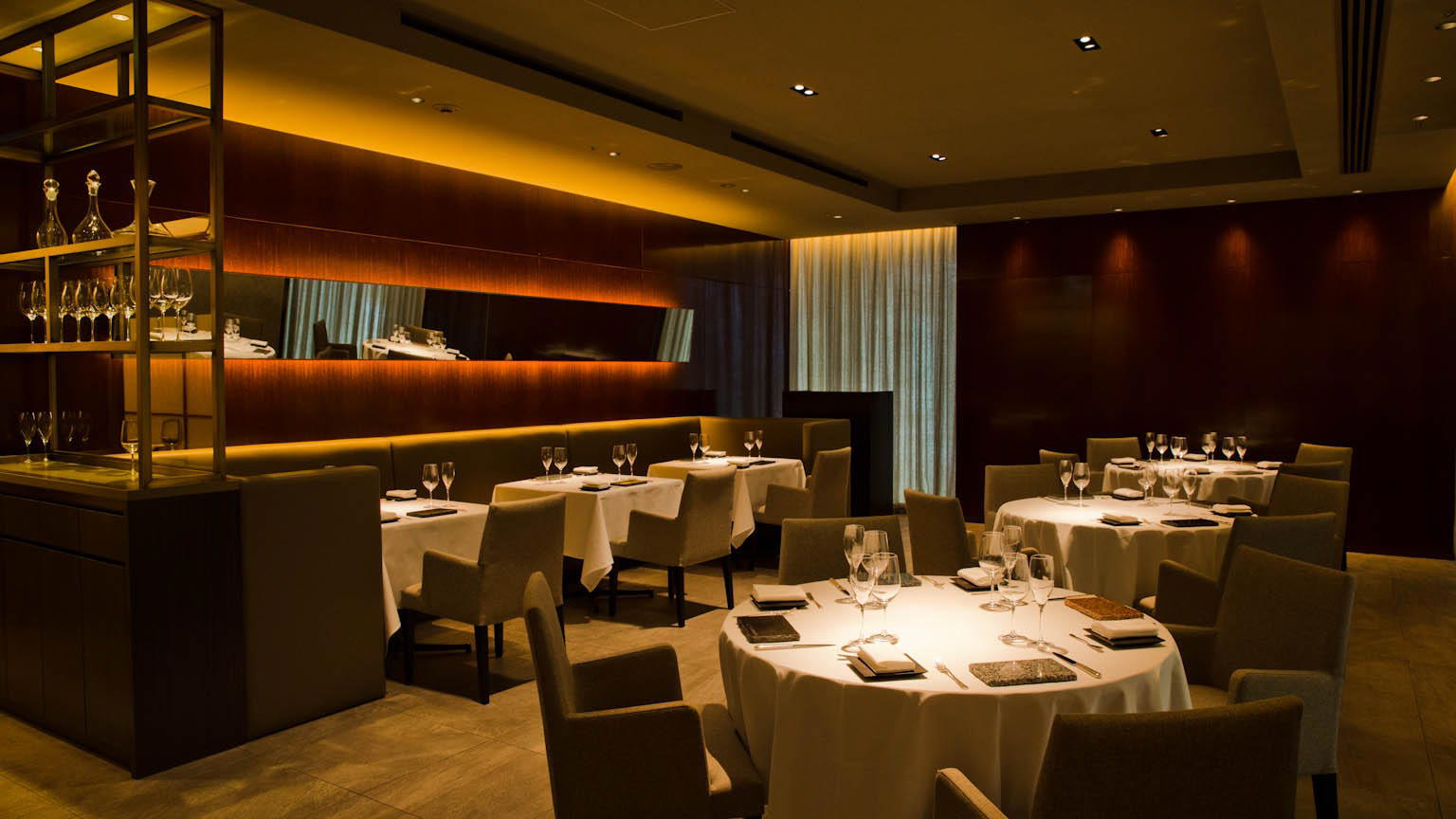
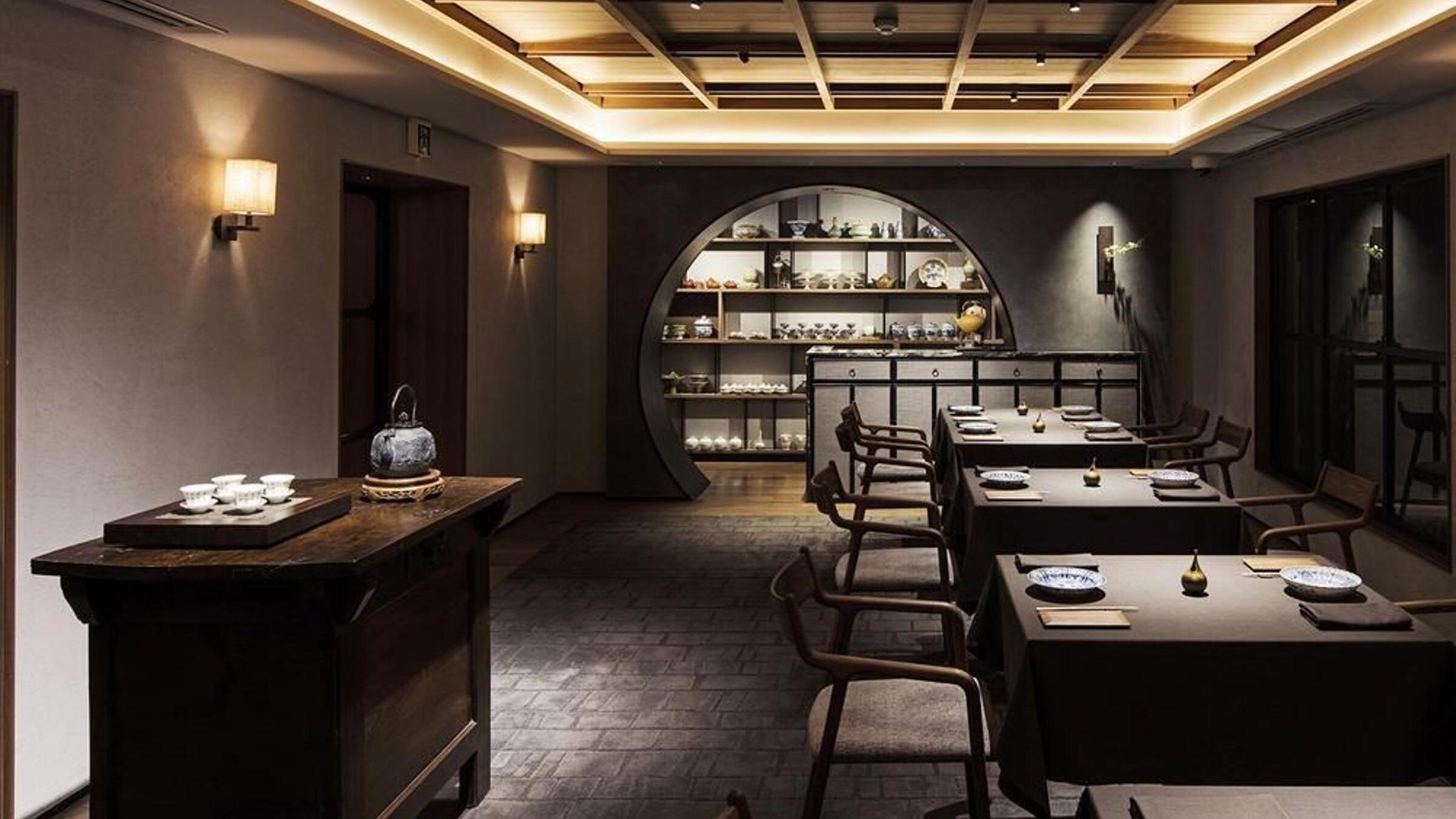
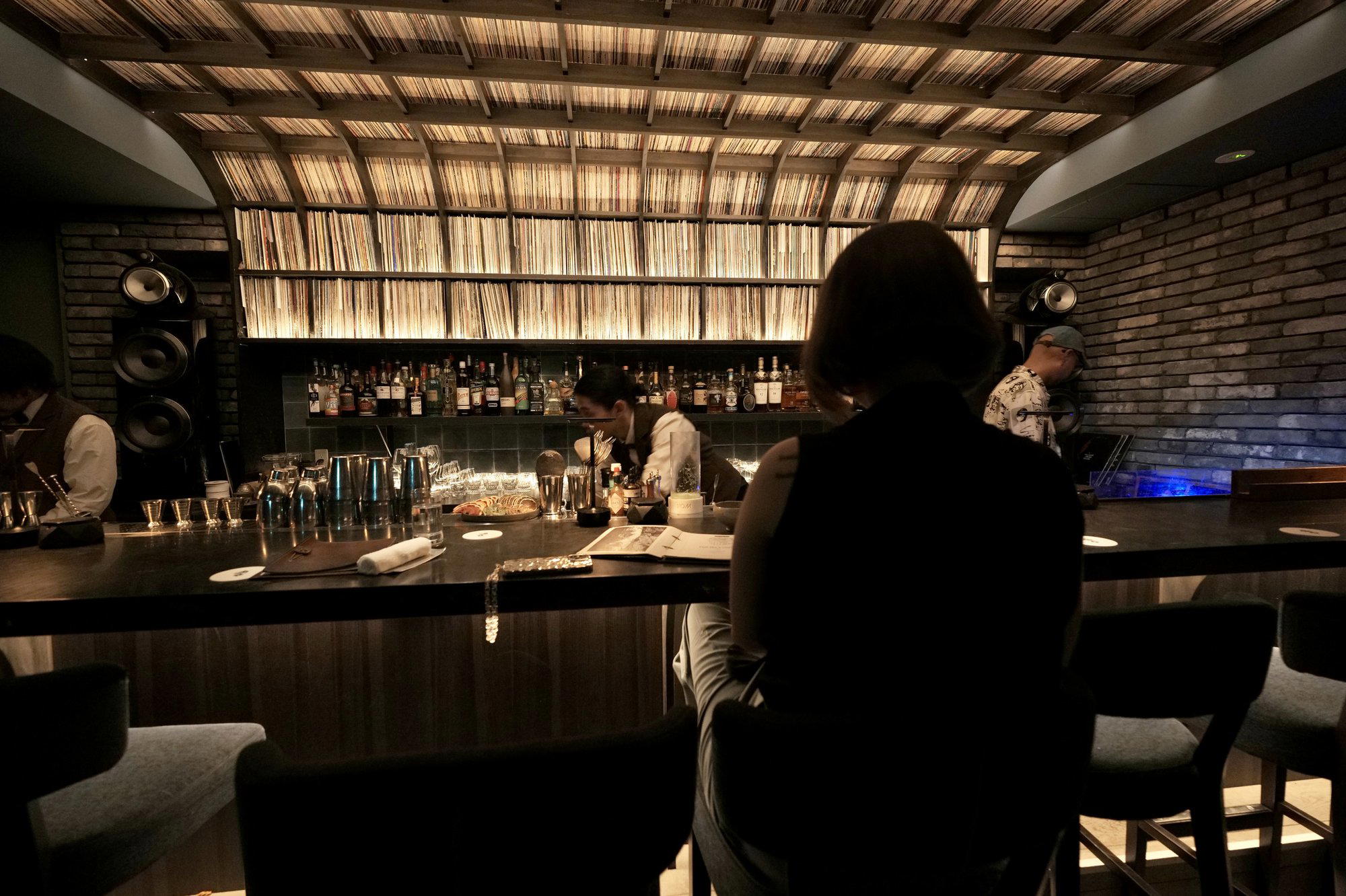
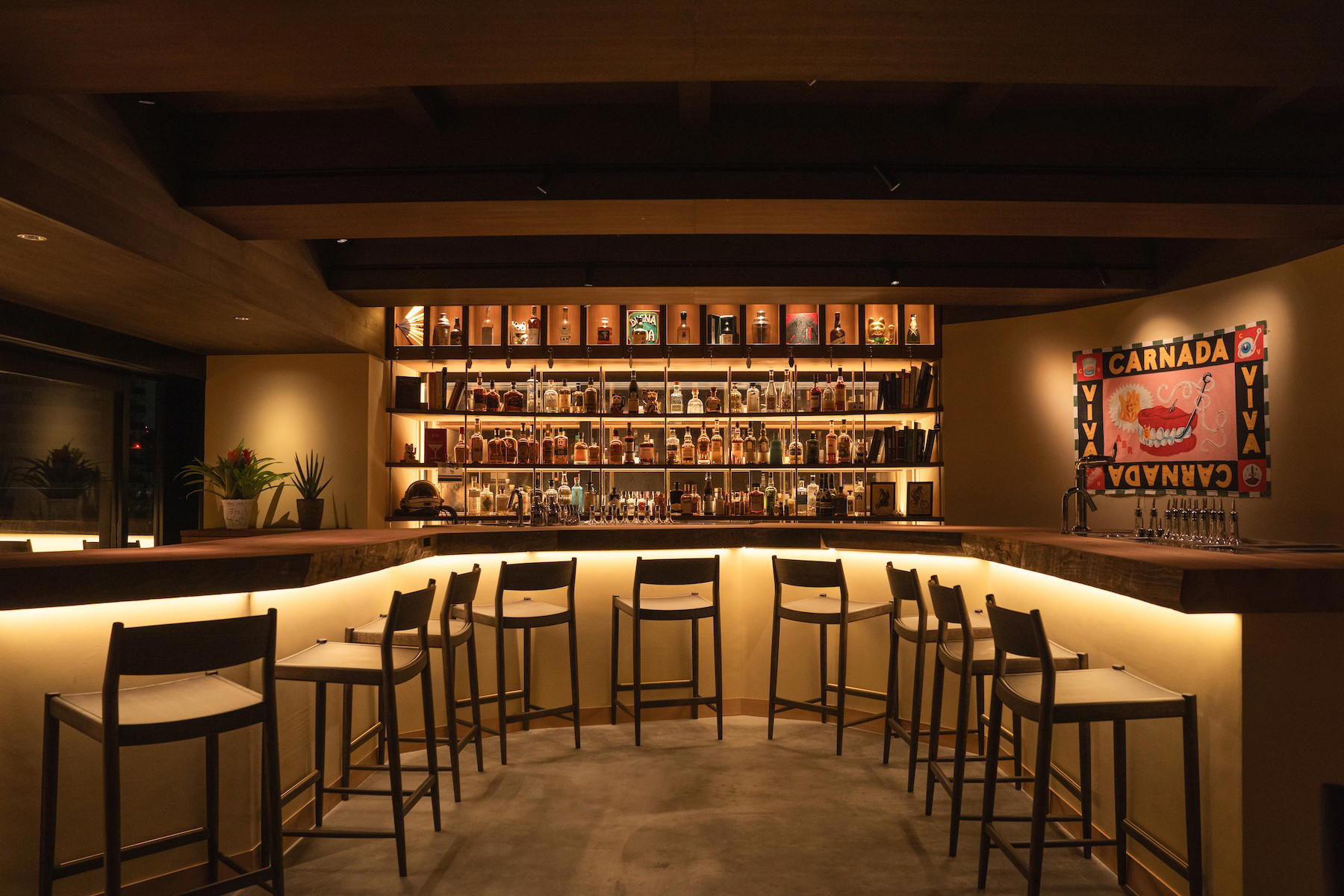
A small, stylish and quietly luxurious counter-only space with just seven seats, free Wi‑Fi, and a relaxed, hideaway feel; guests describe a calm, focused atmosphere where the chef’s movements and the glistening neta under the spotlight become the main visual drama.