
Akagi puts the Iriya izakaya tradition into a more serious register: fish-led cooking, eel, monkfish and sake rather than casual grazing. Its Tabelog 100 Izakaya EAST 2025 selection and compact 30-seat format place it above the neighbourhood drinking-room tier, while the appeal remains grounded in seasonal Japanese tavern cooking rather than ceremony.
Pearl is the En Primeur Club membership app — saves, bookings, and concierge access live there. Same editors, same standards.
- Address
- Japan, 〒110-0014 Tokyo, Taito City, Kitaueno, 2 Chome−29−3 メゾン森 1F
- Phone
- +81 3-5830-7128
- Website
- instagram.com
 Saves & bookings on Pearl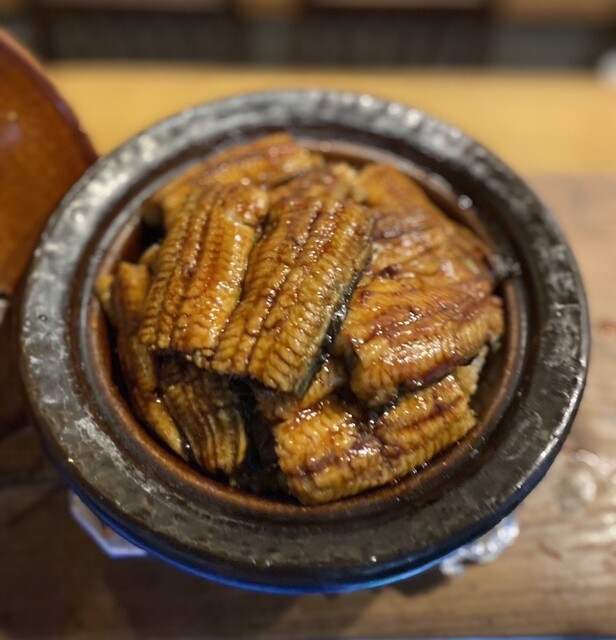
Kitaueno moves differently from Tokyo’s polished central dining districts. Around Iriya, the mood is lower-slung and residential, with izakaya culture folded into daily life rather than staged for visitors. That matters at Akagi, a serious kitchen in a tavern frame: not luxury theatre, but a fish-led counter-and-tatami room where sake, eel, monkfish and seasonal rice dishes carry the meal.
Tokyo’s izakaya hierarchy is often misunderstood outside Japan. At the casual end, izakaya can mean skewers, fried snacks and after-work beer. Higher up, it becomes a flexible Japanese dining room, less formal than kaiseki yet capable of comparable ingredient discipline. Akagi sits in that second camp. Its selection for Tabelog 100 Izakaya EAST 2025 gives it a public marker in a crowded category, while the appeal lies in what it delivers inside the izakaya format: variety, seasonality and a sake-aware register without fine dining’s fixed choreography.
Fish, eel and monkfish define the value of the table
The useful way to read Akagi is by where the kitchen places attention. It is described around fish, sake, wine, monkfish and unagi, not a long luxury course script. That clarifies the value: the spend goes toward seasonal Japanese tavern cooking using ingredients that can quickly rise in cost, especially eel and winter hot-pot fish. Natural eel, farmed-versus-wild eel comparisons, seasonal kamameshi and anko nabe sit at the center.
Anko nabe, the monkfish hot pot associated with colder months, has old-school Tokyo logic: communal, warming and ingredient-driven, better suited to an izakaya than a hushed tasting-menu room. Eel works differently, with its own Japanese craft culture around grilling, saucing and texture. Putting eel and monkfish inside one izakaya gives Akagi range: not breadth for its own sake, but a practical spread of seasonal dishes for groups, sake drinking and repeat visits.
That range separates it from cheaper Iriya options. Nearby comparison venues such as HARU and Kansai Fu Teuchi Udon Irasshai occupy a low-price everyday lane, while Tonpei sits closer to casual neighbourhood dining. Iriya Kishimojin Monzen no Daya and sardexka operate in a higher spend bracket. Akagi belongs between those poles: more ingredient-led than an everyday tavern, less rigid than formal Japanese course dining. For travellers comparing Tokyo restaurants by category rather than fame, that middle-high izakaya tier can be the smarter spend.
The Iriya address gives the meal a quieter Tokyo frame
Iriya is not Ginza, Aoyama or Roppongi, which is part of the point. The district sits within Taito’s older eastern Tokyo fabric, close to Ueno’s cultural orbit but away from the hotel-dining loop. Restaurants here feel embedded rather than performative. In that setting, a 30-seat room with counter, table and tatami seating reads as practical rather than quaint: flexible for friends, structured for a fish-focused dinner, and small enough that peak-season policies matter.
The owner’s background at Inshuntei in Ueno Park adds a useful credential without turning the story into biography. Ueno has long balanced culture, parkland and old Tokyo dining habits; that lineage helps explain why the cooking points toward seasonal Japanese dishes rather than a generic drinking menu. Tabelog recognition adds an external trust signal, but the neighbourhood frame explains the experience more clearly: a local izakaya idiom sharpened around fish and sake.
For broader Tokyo planning, Akagi suits readers moving beyond the city’s better-known sushi and kaiseki narratives. The contrast is useful against other EP Club Tokyo listings, from . 鮪と炭火焼き うお炭 秋葉原店 for tuna and charcoal cooking to 12/10 Shinjuku ten and 124. KAGURAZAKA (Yakitori) for other casual-specialist formats. Lighter city stops such as 2D Cafe or 3 Chome no Curry Ya San show how broad Tokyo’s map becomes once the search moves beyond trophy counters.
How to place it in a Tokyo itinerary
Akagi makes most sense for diners wanting a serious Japanese tavern meal with seasonal anchors rather than a prestige tasting menu. Winter matters if monkfish hot pot is the priority; eel gives another reason to look beyond colder months. The venue notes that busy winter periods can affect à la carte-only requests and may bring time limits, common in small Tokyo rooms where hot-pot courses and group dining compress the evening.
The practical decision is simple: treat Akagi as a planned dinner, not a spontaneous bar-crawl stop. Its scale and seasonal demand reward advance planning, especially for groups interested in private-room use. Credit cards are accepted, while electronic money and QR payments are not, a detail that matters in Tokyo, where payment norms vary by category and age of operation. Non-smoking status also helps travellers avoiding older tavern rooms with lingering smoke.
Readers building a fuller city plan can use Our full Tokyo restaurants guide for dining, then cross-check hotels, bars, wineries and cultural formats through Our full Tokyo hotels guide, Our full Tokyo bars guide, Our full Tokyo wineries guide and Our full Tokyo experiences guide. For broader Japan and overseas comparisons, related listings such as -Grilled beef Sukiyaki- KAMAKURA TANUKIAN 鎌倉 たぬき庵 in Kamakura.cafe in Osaka.know in Kumamoto, (Shoku) Vietnam in Kawasaki, [Curry Senmon Ten] Maruyama Kyoju. in Sapporo, [ki:] in Kyoto, Jōdo Saké Bar in Los Angeles and Onigiri Time in Pasadena help frame how Japanese casual-specialist formats travel, adapt and resist easy translation.
The critical case for Akagi is not that it competes with Tokyo’s formal luxury rooms. It shows how much range remains inside the izakaya category when the kitchen is built around fish, seasonal hot pot and eel rather than generic drinking snacks. For the spend, the reward is precision without stiffness, a local eastern Tokyo setting, and a meal that explains why Japan’s tavern tradition deserves the same attention as its counters.
Peers in This Market
Comparable venues at a glance for context.
| Venue | Cuisine | Price | Notes |
|---|---|---|---|
| AkagiThis venue — the venue you are viewing | Traditional Japanese Izakaya with Aged Eel | $$$ | Not listed |
| Tachinomi Asakusa Sharemon | Japanese Izakaya / Standing Bar | $$$ | Taitō |
| たかはし | Modern Japanese Kaiseki Omakase | $$$ | Kōtō |
| 焼鳥 髙はし | Michelin-Starred Yakitori | $$$ | Chūō |
| 365 Nichi to Nihonbashi | Artisan Japanese Bakery | $$$ | Chūō |
| Shirogane Toritama Kagurazaka ten | Yakitori & Izakaya | $$$ | Shinjuku |
Recognition history
Dated appearances from independent guides and award organizations, with the underlying list record or original source where available.
Tabelog 100 #17 · No. 17
Tabelog · Tabelog 100 - Izakaya - EAST - 2025







At a Glance
- Cozy
- Date Night
- Group Dining
- After Work
- Casual Hangout
- Standalone
- Sake Program
Current opening hours
- Monday
- 5–10 PM
- Tuesday
- 5–10 PM
- Wednesday
- 5–10 PM
- Thursday
- 5–10 PM
- Friday
- 5–10 PM
- Saturday
- 5–10 PM
- Sunday
- 5–10 PM
Hours can change for holidays and private events. Last verified .
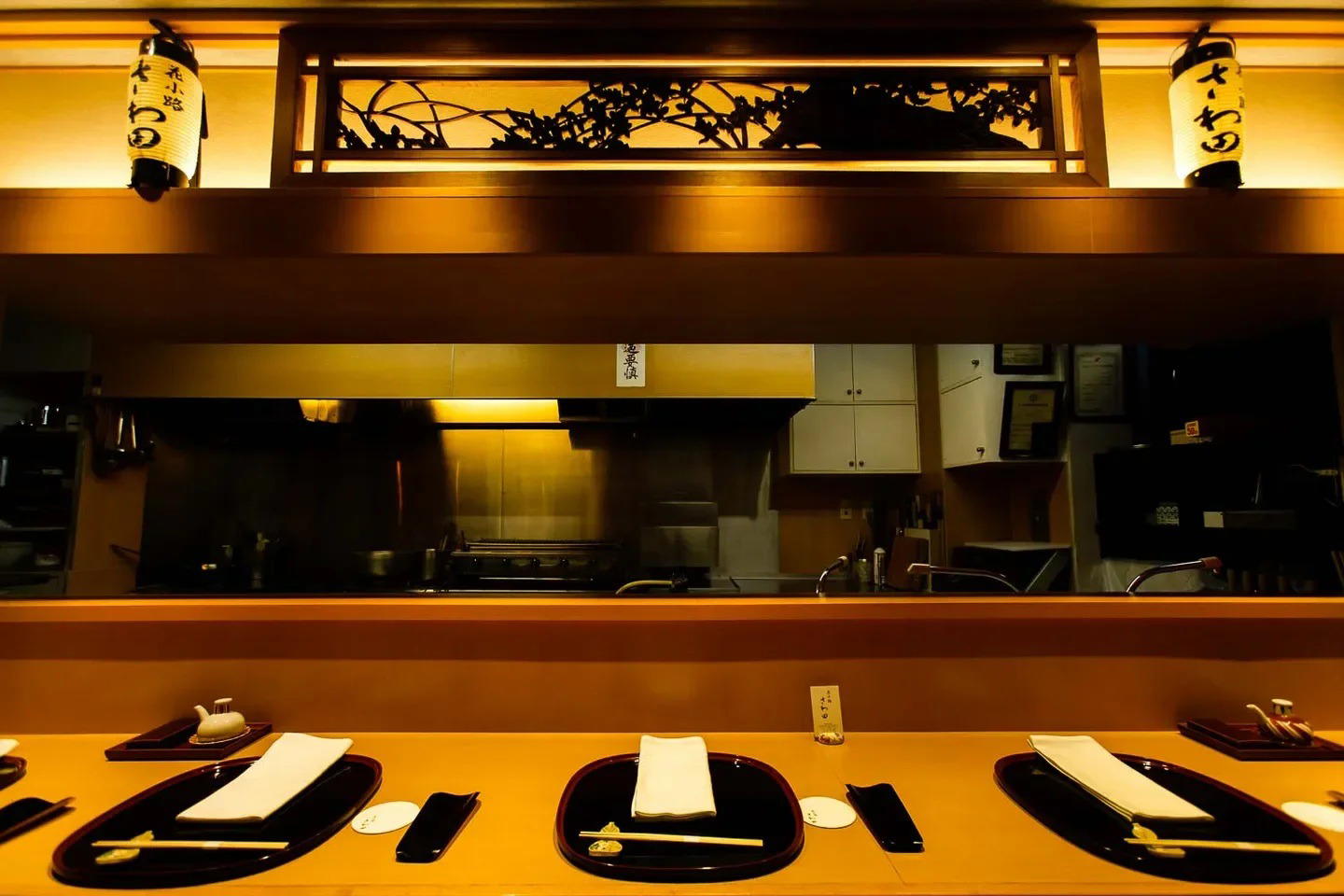
Small, relaxed neighborhood izakaya with counter, table, and tatami seating that creates a warm, low-key atmosphere suited to quiet conversation and simple, well-executed Japanese food.