

Michelin Guide Plate · Michelin Plate
Our verdict
Sushi Hare on Stanley Street occupies a competitive position in Singapore's omakase tier, holding a Michelin Plate and back-to-back recognition from Opinionated About Dining's Asia rankings in 2024 and 2025. Chef Motoharu Inazuka leads a counter that prices at the mid-premium level, offering a credible edomae experience without the top-end tariff of Singapore's starred houses.

Pearl is the En Primeur Club membership app, where members save venues, book tables and use the concierge.
The menu
What to order
- Botan Ebi
- Chutoro Noodles
- Kamatoro
- Ankimo
- Nodoguro
Stanley Street's Counter Culture
Singapore's CBD fringe has quietly become a reliable address for serious Japanese dining. Stanley Street, in particular, draws a working lunch crowd by day and a more deliberate dinner set by night, the kind of guests who book weeks ahead and arrive knowing what they want. The street's compact block hosts a handful of Japanese-leaning addresses, and Sushi Hare at number 14 fits the pattern: a small counter format, a controlled menu, and a chef with verifiable credentials in edomae tradition. Walking into the room, the contrast with Singapore's larger Japanese restaurants is immediate. There is no ambient noise to manage, no large dining room to fill. The scale is deliberate.
Where Sushi Hare Sits in Singapore's Omakase Tier
Singapore's omakase market has stratified considerably over the past decade. At the leading, two-star houses like Shoukouwa and Hamamoto command price points that position them against Tokyo's premier counters. Below that band sits a more contested middle tier, where Michelin Plate recognition and independent guide rankings serve as the primary differentiators. Sushi Hare operates in that middle tier, and it does so with a profile that keeps it visible: a Michelin Plate in 2025 and consecutive listings on Opinionated About Dining's Leading Restaurants in Asia, ranked 209th in 2024 and 237th in 2025.
That OAD placement is worth reading carefully. The guide weights its rankings toward the votes of frequent diners and food professionals rather than anonymous inspectors, which makes it a useful signal of sustained quality among a knowledgeable audience. Holding a position in the top 250 across two consecutive years, in a category as competitive as Asian sushi, suggests consistency rather than a single exceptional meal. Peer counters in the same segment include Sushi Ichi, Sushi Sakuta, and Sushi Ashino, all of which occupy broadly similar price and credential territory in Singapore's mid-premium omakase band.
The Value Proposition: What the Price Point Actually Buys
At the $$$ price level, Sushi Hare occupies a position that makes a specific argument about what omakase dining should cost outside Japan. The top-tier counters in Singapore have pushed their pricing toward or past the SGD 400-500 per person threshold. The mid-tier, where Sushi Hare sits, typically runs in the SGD 150-300 range depending on format, and the trade-off is well understood: fewer courses involving imported premium fish, a slightly less ceremonial pace, but the same underlying technique and sourcing discipline that defines serious edomae work.
For a diner who has eaten across Tokyo's omakase circuit, the value calculation at Singapore's mid-tier counters becomes about access and execution rather than exclusivity. Counters like Harutaka in Tokyo or Sushi Kanesaka represent what the format looks like with decades of refinement and Tokyo's fish market access. Singapore counters in this tier are doing something different: maintaining technical standards in a market where ingredient logistics are harder and the diner base is more international. That context matters when assessing what the price actually delivers.
Internationally, the comparison set for mid-tier omakase outside Japan includes counters like Sushi Shikon in Hong Kong and HANE in Seoul, both operating in similarly demanding markets. The sustained OAD recognition Sushi Hare has accumulated places it in credible company within that regional frame.
Chef Motoharu Inazuka and the Edomae Approach
Edomae sushi as a tradition is defined by technique applied before service: curing, aging, marinating, and seasoning fish to draw out or concentrate flavour rather than relying solely on the raw product. The style developed in Edo-period Tokyo as a practical response to the absence of reliable refrigeration, and its persistence in contemporary omakase reflects genuine culinary discipline rather than nostalgia. At the highest level, as seen at counters like Sukiyabashi Jiro Roppongiten or Edomae Sushi Hanabusa, the technique becomes a form of expression. At the mid-tier, it remains a benchmark of credibility.
Chef Inazuka's role at Sushi Hare is to anchor the counter within that tradition. Singapore's sushi scene has room for both pure product-forward counters and more technique-intensive edomae approaches, and the OAD rankings suggest Inazuka's execution has found an audience among informed diners. Beyond the single-counter setting in Singapore, comparison counters like Sushi Harasho in Osaka or Sushi Sho in New York demonstrate how the edomae form translates across different cities and ingredient environments.
Singapore's Broader Dining Frame
Sushi Hare is one address within a dense and competitive dining city. For visitors building a broader Singapore itinerary, the city rewards planning across categories. The full Singapore restaurants guide covers the range from hawker-adjacent casual to multi-course formal, while the Singapore bars guide maps a cocktail scene that has developed considerable technical depth since 2015. Visitors focused on accommodation will find the Singapore hotels guide useful for positioning, and those interested in wine-adjacent programming should consult the wineries guide and experiences guide for the fuller picture.
Within the Japanese dining category specifically, Singapore's counter scene continues to expand and sharpen. The competition keeps technical standards high and gives informed diners real choice across price points. Sushi Hare's position in the mid-premium band, backed by consistent third-party recognition, makes it a meaningful option in that competitive field rather than a default one.
Planning Your Visit
Address: 14 Stanley St, Singapore 068733. Cuisine: Edomae sushi, omakase format. Price range: $$$ (mid-premium tier, expect SGD 150-300 per person based on Singapore omakase norms at this level; confirm current pricing directly). Awards: Michelin Plate 2025; Opinionated About Dining Leading Restaurants in Asia ranked 237th in 2025 and 209th in 2024. Reservations: Advance booking required; small counter format means availability is limited, particularly for dinner seatings.
Frequently Asked Questions
Frequently asked questions
Where is Sushi Hare located?
Sushi Hare is located at 14 Stanley St, Singapore 068733, Singapore.
What kind of recognition has Sushi Hare received?
Sushi Hare has received recognition including: Opinionated About Dining Top Restaurants in Asia Ranked #237 (2025); Michelin Plate (2025); Opinionated About Dining Top Restaurants in Asia Ranked #209 (2024).
What's the best thing to order at Sushi Hare?
Sushi Hare runs a fixed omakase format, so there is no à la carte selection, Chef Motoharu Inazuka sets the courses entirely. The Edomae approach that defines the counter centres on pre-service techniques: curing, aging, and seasoning fish rather than serving it raw and unworked. That means the progression of nigiri itself is the thing to pay attention to, as each piece reflects deliberate preparation decisions rather than just sourcing. Booking the full counter experience is the only way to engage with it.
Compact Comparison
A small set of peers for context, based on recorded venue fields.
| Venue | Cuisine | Price | Awards | Notes |
|---|---|---|---|---|
| Sushi HareThis venue (the venue you are viewing) | Japanese Omakase | $200–300 | Michelin Guide Plate · Michelin Plate | Not listed |
| Zén | Yakitori & Japanese Izakaya | $50–100 | Tabelog 100 #92 | European Contemporary |
| Jaan by Kirk Westaway | Modern British Fine Dining | $200–300 | 2 Michelin Stars · Michelin Guide 2 Stars | British Contemporary |
| Burnt Ends | Modern Australian Barbecue | $100–150 | 1 Michelin Star · Michelin Guide 1 Star | Australian Barbecue, Barbecue |
| Summer Pavilion | Michelin-Starred Cantonese | $100–150 | 1 Michelin Star · Michelin Guide 1 Star | Cantonese |
| Born | Contemporary Fusion Fine Dining | $200–300 | 1 Michelin Star · Michelin Guide 1 Star | Creative Cuisine, Innovative |
Recognition history
Dated appearances from independent guides and award organizations, with the underlying list record or original source where available.
Michelin Guide Plate
Michelin Guide
Michelin Plate
Michelin
Opinionated About Dining Top Restaurants in Asia Ranked #237
Opinionated About Dining
Full recognition history (4 entries)
Opinionated About Dining Top Restaurants in Asia Ranked #209
Opinionated About Dining
Continue exploring
More in Singapore
Restaurants in Singapore
All restaurants in Singapore →
Bars in Singapore
All bars in Singapore →
Details
- Minimalist
- Intimate
- Elegant
- Serene
- Date Night
- Special Occasion
- Business Dinner
- Chefs Counter
- Open Kitchen
- Sake Program
- Sustainable Seafood
- Omakase
- Counter Dining
- Sake
Current opening hours
- Monday
- Closed
- Tuesday
- 12–3 p.m., 6–10 p.m.
- Wednesday
- 12–3 p.m., 6–10 p.m.
- Thursday
- 12–3 p.m., 6–10 p.m.
- Friday
- 12–3 p.m., 6–10 p.m.
- Saturday
- 12–3 p.m., 6–10 p.m.
- Sunday
- 12–3 p.m., 6–10 p.m.
Hours can change for holidays and private events. Hours as of .
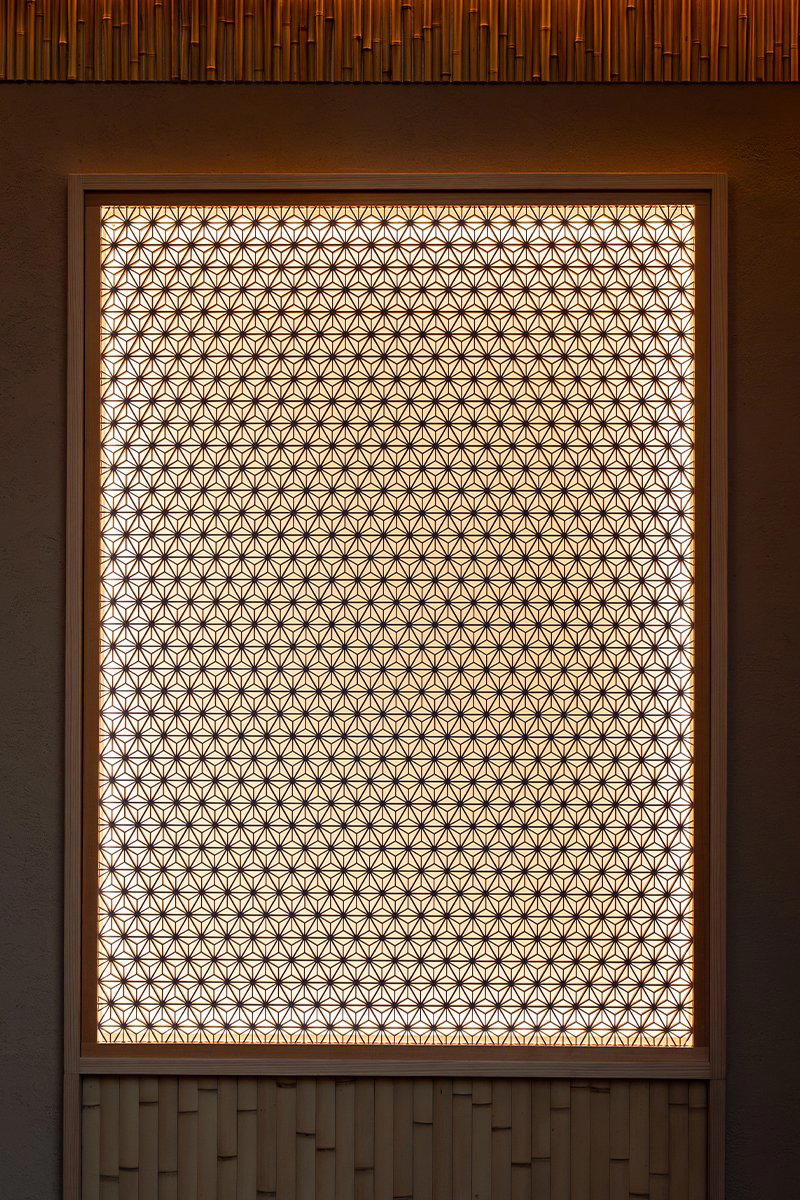
Simple and serene Japanese minimalist interior with hinoki wood counter, luminous sun installation at entrance, spacious yet intimate 10-seater setup evoking tranquility and warmth.