Tabelog 100 #92
Our verdict
ZEN is an Osaka yakitori counter in Fukushima, selected for Tabelog 100 Yakitori WEST in 2023, 2024, and 2025. Expect a compact, sequence-driven grilled-chicken meal rather than casual skewer snacking, with a dinner budget of JPY 10,000–14,999 and an 18-seat room split between counter and tables.

Pearl is the En Primeur Club membership app, where members save venues, book tables and use the concierge.
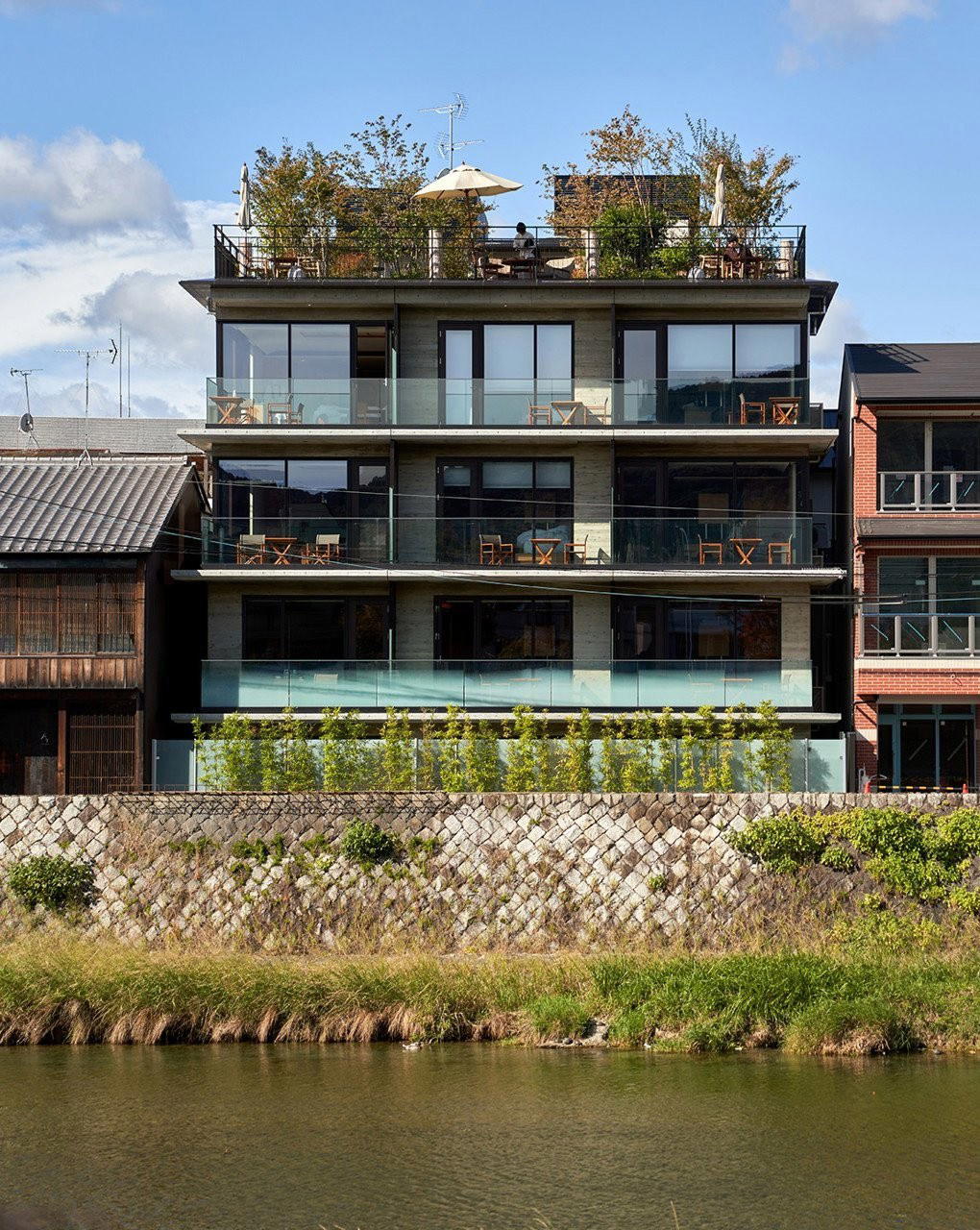
Osaka’s dining streets have a rhythm apart from the city’s busiest entertainment and shopping zones. The appeal is often smaller-scale and more deliberate: focused rooms, close attention to timing, and meals where grilled chicken skewers are treated as the main event rather than background comfort. In that setting, ZEN belongs to Osaka’s recognized yakitori conversation, where the meal is best understood by progression, not by piling skewers onto the table.
Yakitori in Osaka has moved well beyond the after-work beer companion. The stronger rooms treat chicken as a full-course subject, using sequence, heat control, and balance as the architecture of dinner. ZEN’s Tabelog Hyakumeiten recognition in 2025, with a listed score of 3.71, places it within that category of specialist addresses, a useful distinction in a city where grilled chicken can mean anything from a quick neighborhood stop to a more deliberate dinner format.
Osaka yakitori with a course-like arc
The meal makes sense when read as pacing. Contemporary yakitori often opens lightly, builds through richer or more intensely grilled cuts, then uses a closing dish or final stretch to settle the progression. That structure matters because chicken is a narrower canvas than sushi or kaiseki; repetition becomes a risk unless the kitchen varies cut, seasoning, temperature, and smoke.
ZEN’s category is yakitori, which matters in Japan’s premium chicken culture: the subject is not decoration, it is the core of the meal, and the kitchen’s task is to make a focused format feel complete. The stronger versions of this style depend less on novelty than on calibration, with each serving acting as a small adjustment in fat, char, salt, and restraint.
Compared with another Osaka yakitori point of reference such as Sumibiyakitori Coquelet, ZEN sits in a composed dinner bracket, closer to a meal built around sequence than a loose evening of ordering rounds. It also occupies a different lane from Osaka dining rooms such as LIAISON or Cuisine Française Liaison, where the appeal comes through a different kind of structure. The point here is narrower and more Japanese: grilled chicken skewers, careful pacing, and enough confidence to let small changes carry the meal.
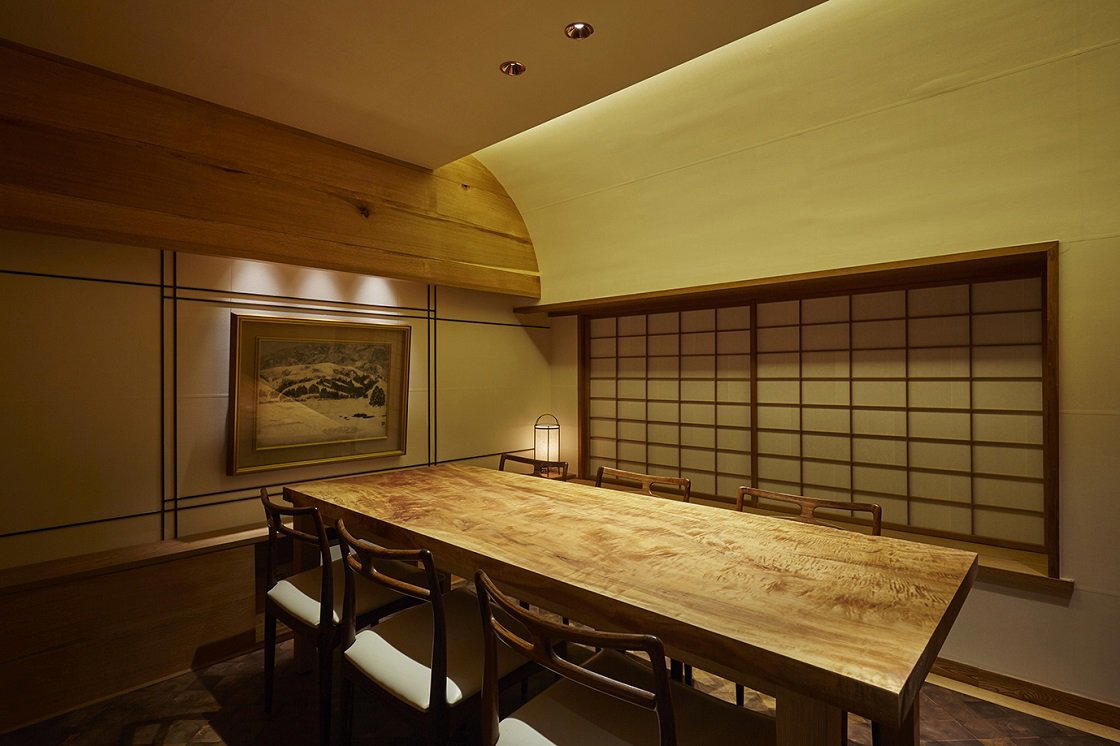
The room rewards attention rather than ceremony
Osaka’s dining culture is often strongest when it refuses excess formality. Some rooms in the city can be hushed; others can feel conversational; yakitori sits somewhere between the two, with the cooking process giving the meal an immediate center. A focused setting changes how diners read the food. Skewers are not simply delivered, they are part of a sequence, and that sense of progression is part of the format’s appeal.
The room’s appeal is the way a focused format makes attention meaningful, without turning dinner into a closed temple of connoisseurship. That balance suits Osaka, a city that has become one of Japan’s better places for focused dining without the stiffness that can come with destination restaurants. For travelers building an Osaka food itinerary, the city rewards pairing a serious dinner with a broader look at its range, from daytime stops and casual eating to more deliberate formats.
That wider range is where Osaka becomes interesting. A day might run from simple daytime stops and casual everyday eating into more deliberate dinner formats, then shift toward a yakitori meal built around grilled chicken skewers. For a fuller map of the city, use Our full Osaka restaurants guide alongside Our full Osaka hotels guide, Our full Osaka bars guide, Our full Osaka wineries guide, and Our full Osaka experiences guide.
Where it fits in a Japan-focused dining itinerary
ZEN is strongest as a dinner for travelers who already understand that yakitori can carry a full evening. It is not the right category for diners seeking elaborate plating or a chef biography as the main narrative. The pleasure is structural: how a sequence of grilled chicken skewers can hold attention, how the rhythm of the meal can stretch or sharpen, and how a focused room can turn a familiar food into a disciplined dinner.
Its listed dinner budget, JPY 10,000 - JPY 14,999, matches the format’s more considered side. At that level, the value is not just the number of skewers or dishes but the control of pacing, heat, and seasoning. Smoke, salt, and chicken are the basic vocabulary, while the experience depends on how carefully those elements are organized across the evening.
For visitors comparing across Japan, ZEN’s value lies in Osaka specificity rather than national spectacle. Tokyo may dominate the international conversation around counter dining, but Kansai has its own register: less theatrical, often warmer, and comfortable with precision that does not announce itself too loudly. Travelers looking beyond a single dinner can compare ZEN with other Osaka dining rooms generically, or with permitted local points of reference such as Oshima and Óptimo, where the appeal comes from a different kind of focus.
The editorial read is simple: choose this for a focused Osaka dinner built around yakitori, with recognized credentials and a clear sense of progression. The room’s appeal is not breadth; it is focus. In a city famous for appetite, that restraint is exactly the point.
Frequently asked questions
What should I budget for a meal at ZEN?
Pricing at ZEN is listed as JPY 10,000 - JPY 14,999.
How do I find ZEN?
ZEN is located in Osaka.
What are the opening hours for ZEN?
Opening hours for ZEN should be confirmed directly with the restaurant before visiting.
What's ZEN best at?
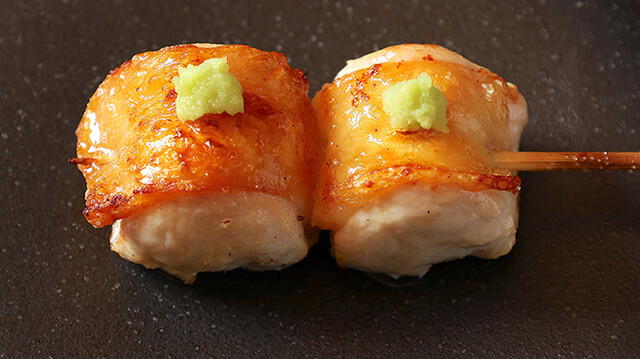
ZEN is built around yakitori, or grilled chicken skewers. Its 2025 Tabelog Hyakumeiten recognition gives it clear third-party credibility in Osaka.
Can ZEN accommodate dietary restrictions?
The practical move is to call +81-6-6345-6555 before booking and state any restrictions. It is a yakitori house in Osaka, so flexibility will depend on the kitchen’s setup.
Is ZEN child-friendly?
Family suitability and any children’s options should be confirmed directly with ZEN before booking, especially for a focused yakitori dinner in Osaka.
Pricing, Compared
Nearby venues at a similar price tier for orientation.
| Venue | Cuisine | Price | Awards | Notes |
|---|---|---|---|---|
| ZENThis venue (the venue you are viewing) | Yakitori & Japanese Izakaya | $50–100 | Tabelog 100 #92 | Not listed |
| Wagyu Matsushita Kamidoori ten | Premium Wagyu Yakiniku, Sukiyaki & Shabu-Shabu | $100–150 | Tabelog 100 #55 | Kita, Premium Wagyu Yakiniku, Sukiyaki & Shabu-Shabu |
| Yakiniku Futoro | Casual Wagyu Yakiniku Counter | $100–150 | Tabelog 100 #98 | Kita, Casual Wagyu Yakiniku Counter |
| Higyu | Japanese Yakiniku | Not listed | Tabelog 100 #79 | Kita, Japanese Yakiniku |
| San Bettei Kitashinchi ten | Okinawan Shabu-Shabu & Sukiyaki | $50–100 | Tabelog 100 #67 | Kita, Okinawan Shabu-Shabu & Sukiyaki |
| Kiyo Suke | Traditional Sukiyaki & Shabu-shabu | $50–100 | Tabelog 100 #87 | Chūō, Traditional Sukiyaki & Shabu-shabu |
Recognition history
Dated appearances from independent guides and award organizations, with the underlying list record or original source where available.
Tabelog 100 #92 · No. 92
Tabelog · Tabelog 100 - Yakitori - WEST - 2025