
Black Pearl 1 Diamond
Our verdict
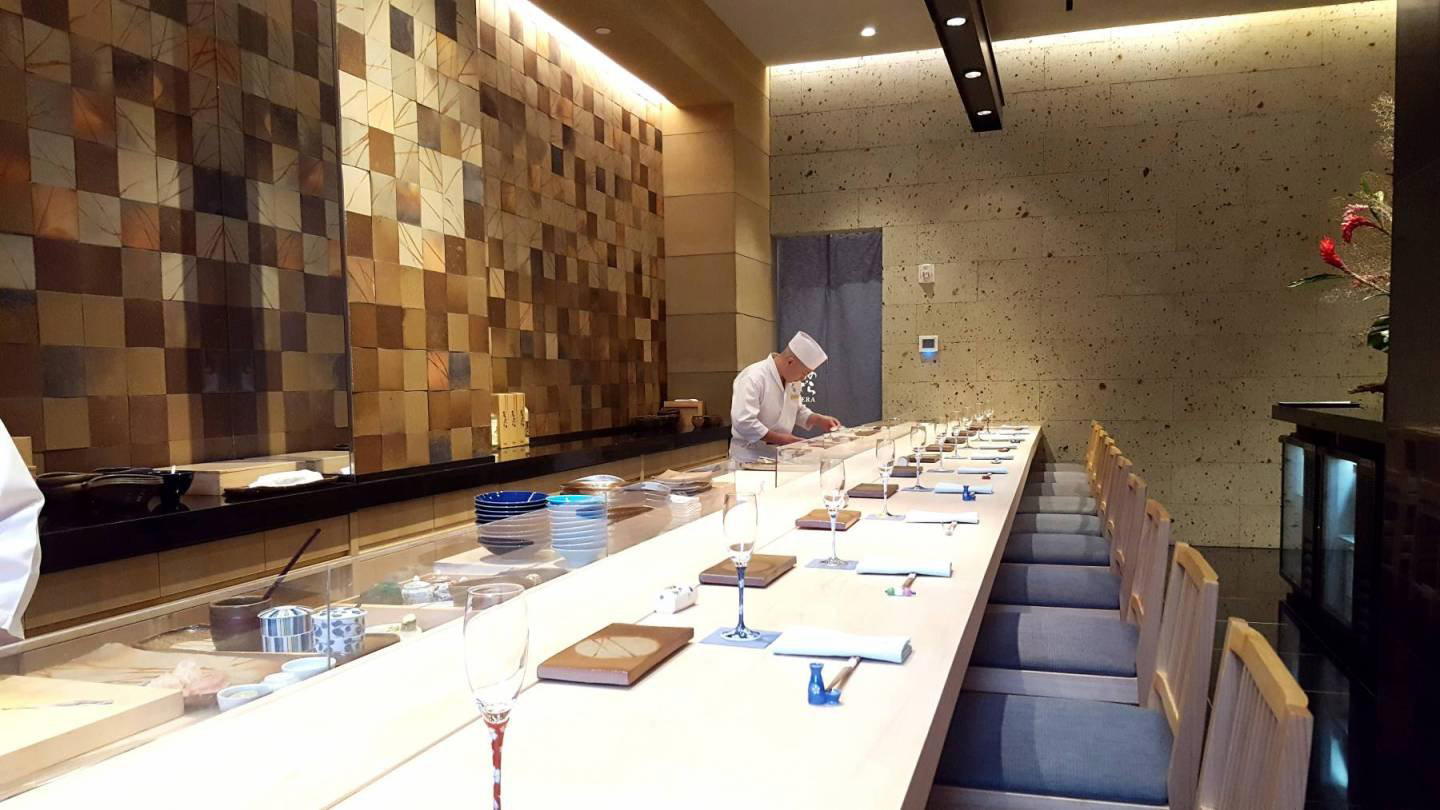
Sushi Ginza Onodera Shanghai brings Tokyo's premium omakase format to the Bund, with Chef Akifumi Sakagami overseeing a counter that has climbed the Opinionated About Dining Asia rankings from Recommended in 2023 to #202 in 2024. A Black Pearl 1 Diamond holder for 2025, it occupies the upper tier of Shanghai's Japanese fine dining circuit, where sourcing discipline and a considered drinks program set the bar.

Pearl is the En Primeur Club membership app, where members save venues, book tables and use the concierge.
The menu
What to order
- Sea urchin nigiri
- Eel sushi
- Tamagoyaki
Where the Bund Meets the Edomae Counter
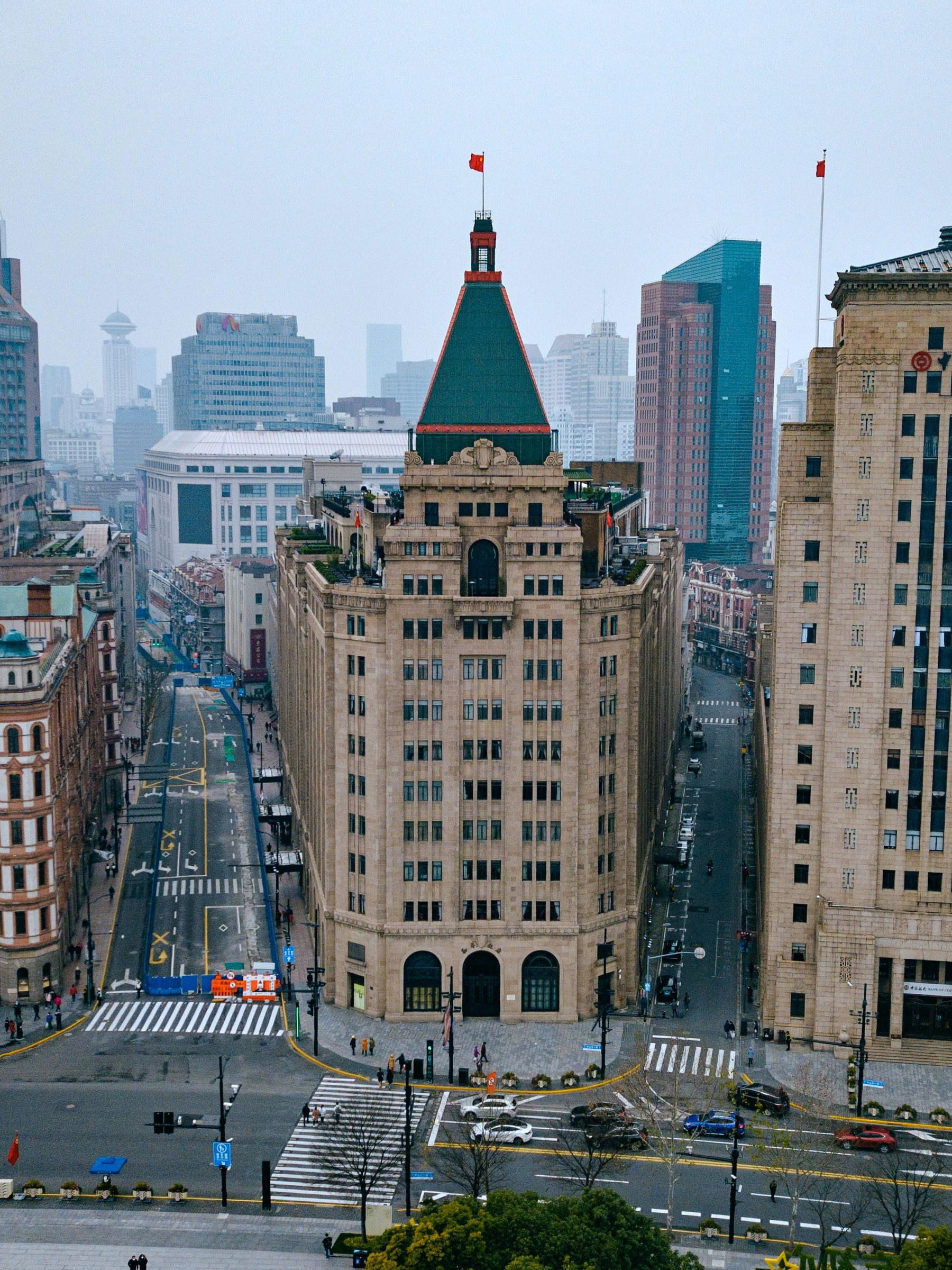
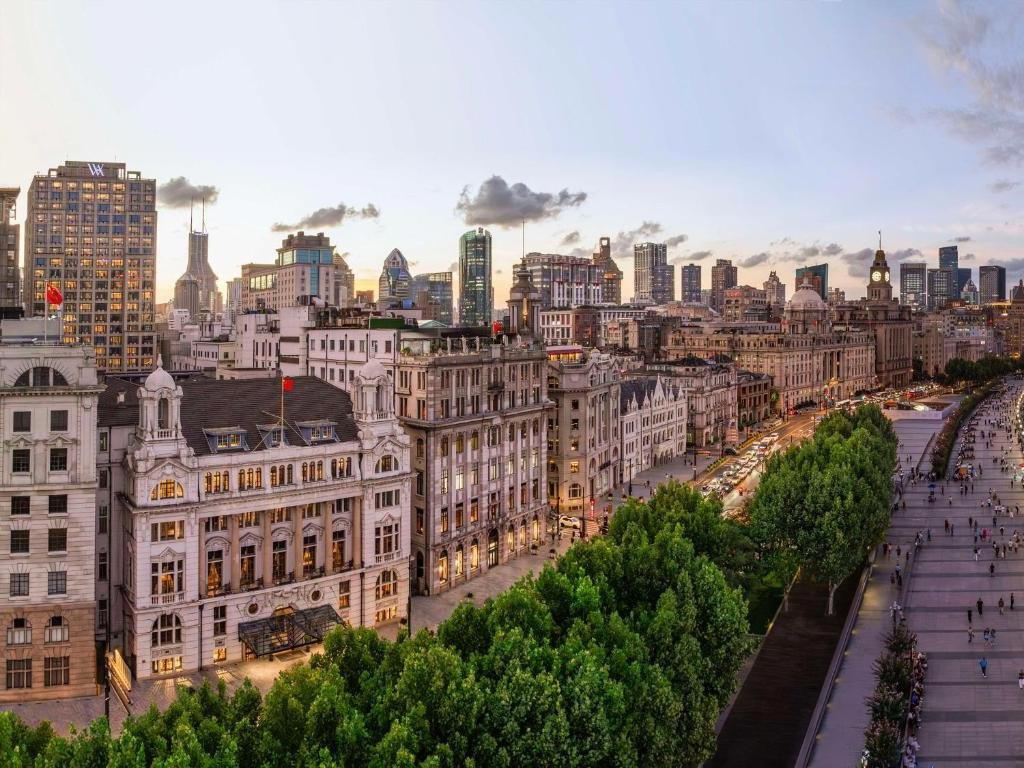
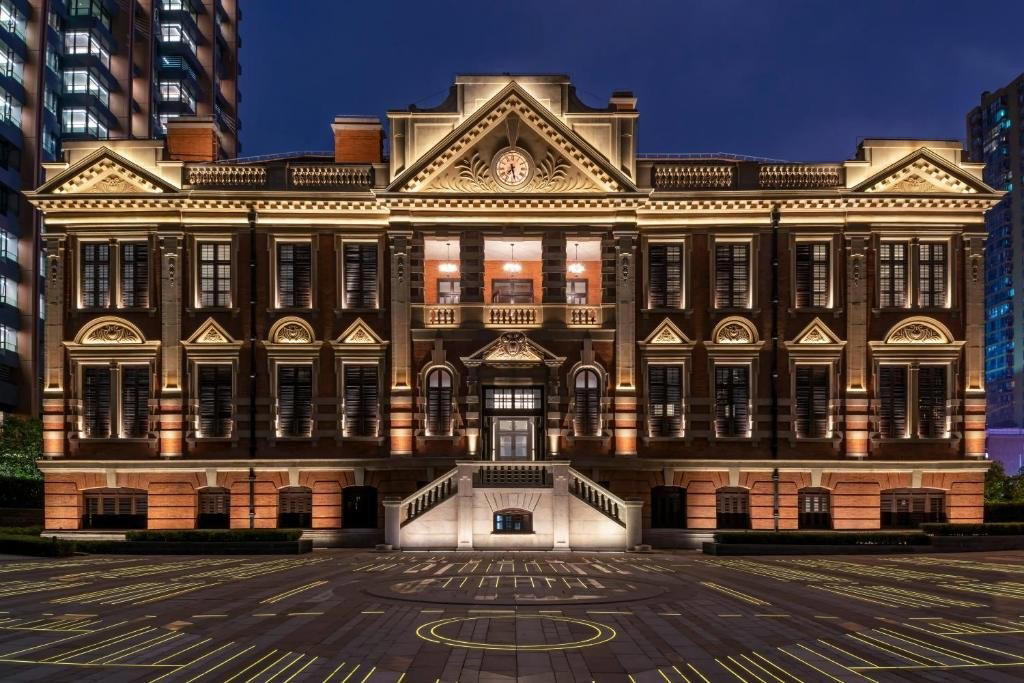
The address tells you something before you even sit down. Positioned on Zhongshan Dong Yi Lu, the stretch of the Bund that Shanghai uses as a backdrop for ambition, Sushi Ginza Onodera Shanghai places itself inside a dining corridor that expects precision and charges accordingly. The room belongs to a category of Japanese counter restaurants that have spread through Asia's major cities over the past decade: intimate, disciplined in format, Japanese in execution, but calibrated for an international clientele that drinks as seriously as it eats.
That last point matters. The editorial angle on Sushi Ginza Onodera Shanghai is not just the fish. Omakase counters at this level increasingly compete on the quality of their beverage programs as much as their sourcing. A tasting menu paced across a dozen or more courses is a different proposition entirely when the sake list is curated with the same rigor applied to the aged fish. At the Onodera group's locations globally, the drinks program is treated as a structural element of the meal, not an afterthought.
The Omakase Format in Shanghai's Japanese Dining Circuit
Shanghai now supports several tiers of Japanese fine dining, from accessible conveyor-belt operations through mid-range robatayaki and izakaya formats to a smaller cluster of high-commitment omakase counters. It is in that upper tier, where booking windows stretch weeks ahead, per-person spend enters premium territory, and the chef behind the counter is the entire point, that Sushi Ginza Onodera Shanghai operates.
The Onodera group originated in Tokyo's Ginza district, a neighbourhood whose omakase counters define one benchmark of what the format can be. Ginza, as a district, has long been associated with the highest-registered tier of Tokyo sushi culture: intimate seating, market-sourced fish, aged preparations, and a pace that resists shortcuts. That lineage travels with the brand. For comparison, counters in Hong Kong operating from similar Tokyo-derived traditions, such as Sushi Shikon, set a visible regional benchmark for how Japanese fine dining translates outside Japan. In Tokyo itself, counters like Harutaka demonstrate the source tradition. Onodera Shanghai is the local node of that broader network.
Chef Akifumi Sakagami heads the kitchen. His role here, as with senior chefs at comparable counters, is to maintain sourcing standards, manage the daily composition of the omakase sequence, and calibrate the menu against what the market actually delivers that week. At counters of this type, the chef's relationship with suppliers is as consequential as technique.
Awards Trajectory and Competitive Position
Sushi Ginza Onodera Shanghai's awards record shows a consistent upward move. Opinionated About Dining, one of the more data-driven critical registers for Asian dining, listed the restaurant as Recommended in 2023, moved it to #202 in its Leading Restaurants in Asia ranking for 2024, and placed it at #314 for 2025. The 2025 ranking number represents a repositioning within a larger, more competitive pool rather than a quality decline, the OAD Asia list has expanded its field materially in recent cycles. The Black Pearl 1 Diamond designation for 2025, awarded by the Meituan-Dianping guide, which applies to premium restaurants across Greater China, provides a separate regional trust signal. Taken together, the two awards place this counter in the documented upper bracket of Shanghai's Japanese dining options.
For readers calibrating where this fits in Shanghai's overall fine dining spectrum, the restaurant occupies a different category from the city's premium Chinese tables. Operations like 102 House (Cantonese), Fu He Hui (vegetarian), and Taian Table (modern European) each sit in comparable price and prestige territory but represent entirely different culinary traditions. The city's ability to support that range simultaneously is one of the more interesting things about dining in Shanghai right now. Elsewhere in the region, readers exploring high-end Chinese dining might look at Chef Tam's Seasons in Macau, Imperial Treasure Fine Chinese Cuisine in Guangzhou, or Ru Yuan in Hangzhou for regional contrast.
Drinks at This Level: What the Format Demands
The editorial angle worth dwelling on is the beverage program. Among the details that separate a serious omakase counter from a technically competent but ultimately forgettable one, the drinks list is often the differentiator. Edomae-style sushi, with its emphasis on aged fish, seasoned rice, and restrained flavour development, responds well to sake selections that understand umami tension and acidity balance. The leading counters in Japan's major cities, and their better international offshoots, now employ or consult sake specialists in the same way European fine dining uses sommeliers.
For guests who approach the counter primarily as drinkers as well as eaters, this is where the conversation about value happens. A carefully chosen junmai daiginjo paired against aged kohada and marinated shellfish extends the experience in a way that wine alone rarely achieves at a sushi counter. Whether a similar depth of sake curation applies at Onodera Shanghai should be a direct question when booking. At peer counters in Tokyo and Hong Kong operating in the same tier, sake programs typically include regional producers not available in retail, with the sommelier or chef advising course-by-course pairings as a separate purchase option from the base menu price.
For those whose preference runs to wine, the counter's Bund address and its international clientele create an expectation for a list that extends beyond table wine into serious Burgundy or Champagne territory. Comparable Japanese fine dining venues in Shanghai at this award level typically maintain short lists that justify the per-bottle spend in relation to the menu they accompany.
Shanghai Context: Getting the Most from the Address
The Bund-area address places Sushi Ginza Onodera Shanghai within easy range of the city's other serious dining. After a counter lunch or before an evening omakase, the neighbourhood offers some of the city's more interesting bar options, the EP Club Shanghai bars guide covers the current field. For those planning a longer stay around a meal of this calibre, the Shanghai hotels guide maps accommodation across the relevant price tiers. Readers building a fuller dining itinerary can find the complete editorial overview in the Shanghai restaurants guide, which also covers options like Xin Rong Ji on West Nanjing Road (Taizhou cuisine), 8½ Otto e Mezzo Bombana, and other awarded tables across styles and price points. Further afield, Xin Rong Ji operates across the region, with branches in Beijing and Chengdu, as well as Dai Yuet Heen in Nanjing for those extending their itinerary. The Shanghai experiences guide and Shanghai wineries guide round out the platform's coverage of the city.
Know Before You Go
- Address: 18-3, Unit 303, Zhongshan Dong Yi Lu (The Bund), Huangpu District, Shanghai 200002
- Chef: Akifumi Sakagami
- Cuisine: Japanese omakase / Edomae sushi
- Awards: Black Pearl 1 Diamond (2025); OAD Leading Restaurants in Asia #314 (2025), #202 (2024), Recommended (2023)
- Booking: Reservations are strongly advised; seats at counters in this category typically fill several weeks ahead, particularly for weekend evening slots
- Drinks: Ask specifically about sake pairing options when booking, counters at this level often offer course-by-course sake service as a separate programme
- Price tier: Premium omakase bracket; comparable to the upper end of Shanghai's Japanese fine dining circuit
- Nearest context: Bund / Huangpu riverfront, walking distance from Nanjing Road East
Frequently asked questions
Is Sushi Ginza Onodera Shanghai Michelin-listed?
Sushi Ginza Onodera Shanghai has received recognition including: Opinionated About Dining Top Restaurants in Asia Ranked #314 (2025); Black Pearl 1 Diamond (2025); Opinionated About Dining Top Restaurants in Asia Ranked #202 (2024); Opinionated About Dining Top Restaurants in Asia Recommended (2023).
Who is the chef connected to Sushi Ginza Onodera Shanghai?
The chef associated with Sushi Ginza Onodera Shanghai is Akifumi Sakagami.
What do regulars order at Sushi Ginza Onodera Shanghai?
The counter operates on a set omakase format, meaning there is no à la carte selection, the kitchen sequences the meal from start to finish. At Ginza Onodera counters, that structure is rooted in edomae technique, where the preparation of each piece is as considered as the ingredient itself. What changes is the seasonal sourcing, which drives what appears in front of you on any given visit.
How would you describe the cuisine at Sushi Ginza Onodera Shanghai?
How do I find Sushi Ginza Onodera Shanghai?
Sushi Ginza Onodera Shanghai is located at China, 楼303铺18-3号CN 上海市 黄浦区 中山东一路 邮政编码: 200002, Shanghai.
Should I book Sushi Ginza Onodera Shanghai in advance?
Yes, and with meaningful lead time. The venue holds a Black Pearl 1 Diamond (2025) and has climbed from OAD Recommended (2023) to a ranked position of #202 (2024) and #314 (2025) across all of Asia, a profile that keeps the counter consistently occupied. For weekend seatings especially, booking several weeks ahead is the standard approach among Shanghai's Japanese dining regulars.
What do critics highlight about Sushi Ginza Onodera Shanghai?
Opinionated About Dining, one of the more data-driven critical registers covering Asian restaurants, has tracked this venue upward across three consecutive years, from a recommended listing in 2023 to a ranked position within the top restaurants in Asia by 2024. The Black Pearl guide, which focuses specifically on Chinese market dining, awarded it 1 Diamond in 2025. Both recognitions point to consistency of technique under chef Akifumi Sakagami as the through-line.
Cuisine Context
A quick peer reference to anchor this venue in its category.
| Venue | Cuisine | Price | Awards | Notes |
|---|---|---|---|---|
| Sushi Ginza Onodera ShanghaiThis venue (the venue you are viewing) | Traditional Japanese Omakase | $200–300 | Black Pearl 1 Diamond | Not listed |
| Fu He Hui | Modern Seasonal Vegetarian Fine Dining | $200–300 | 2 Michelin Stars · World's 50 Best #11 | Vegetarian |
| Ming Court | Cantonese with Shanghainese Influences | $30–50 | 1 Michelin Star · Black Pearl 1 Diamond | Cantonese |
| Polux | French Bistro | $30–50 | Michelin Bib Gourmand | French |
| Royal China Club | Cantonese Dim Sum | $100–150 | Michelin Plate · The Good Food Guide GFG Good | Chinese, Cantonese |
| Scarpetta | Refined Italian Pasta & Pizza | $50–100 | Michelin Plate · Wine Spectator Best of Award of Excellence | Italian |
Recognition history
Dated appearances from independent guides and award organizations, with the underlying list record or original source where available.
Opinionated About Dining Top Restaurants in Asia Recommended
Opinionated About Dining
Black Pearl 1 Diamond
Black Pearl
Full recognition history (5 entries)
Opinionated About Dining Top Restaurants in Asia Ranked #314
Opinionated About Dining
Opinionated About Dining Top Restaurants in Asia Ranked #202
Opinionated About Dining
Opinionated About Dining Top Restaurants in Asia Recommended
Opinionated About Dining