Susheria
Susheria occupies a Georgetown address on K Street NW, placing it within reach of Washington D.C.'s most competitive dining corridor. The venue sits in a city where Japanese-inflected concepts have multiplied across price tiers, from counter omakase to fast-casual rolls.
Pearl is the En Primeur Club membership app — saves, bookings, and concierge access live there. Same editors, same standards.
- Address
- 3101 K St NW, Washington, DC 20007
- Phone
- +12023332006
- Website
- susheriadc.com
- Directions
- Get directions
 Saves & bookings on Pearl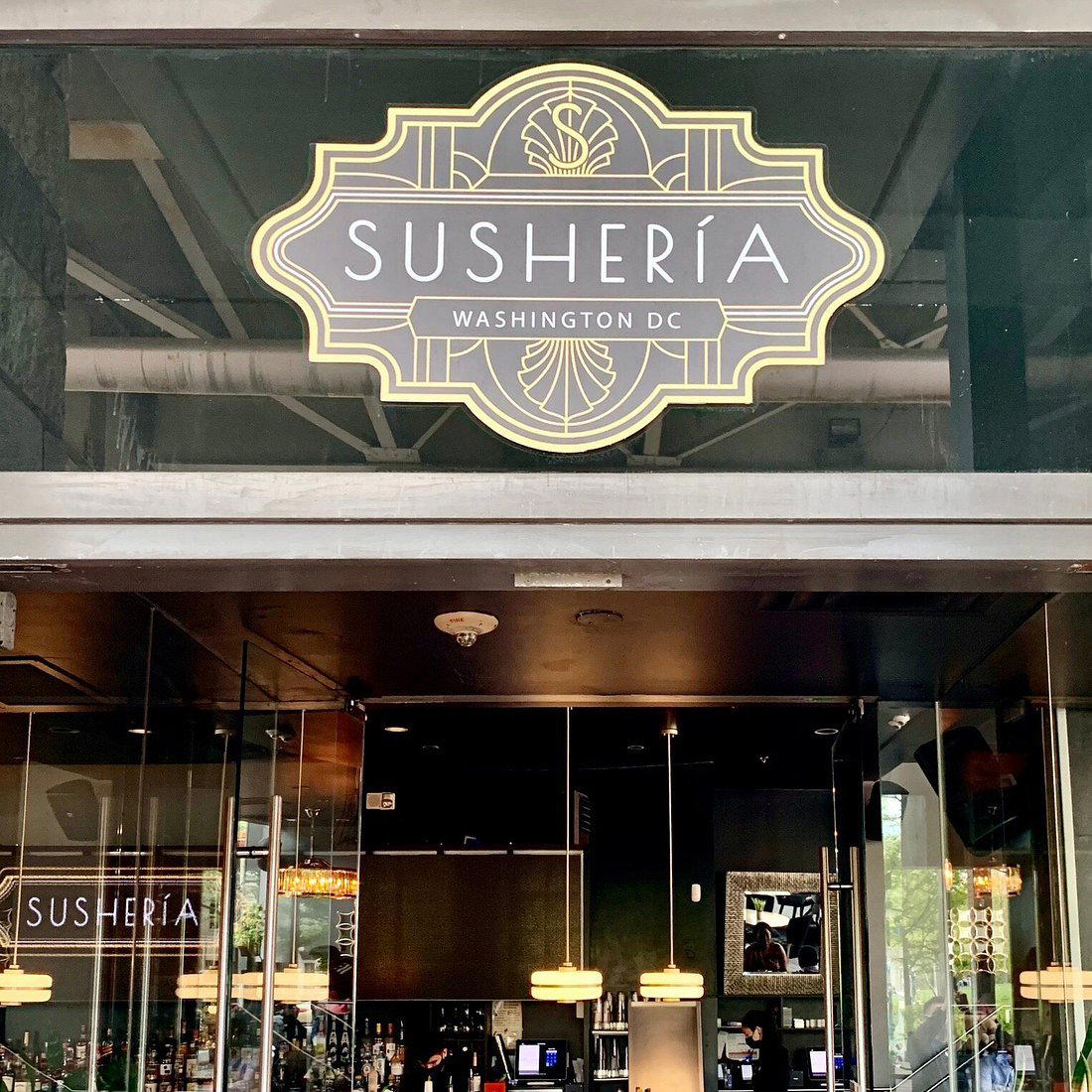
Georgetown's Shifting Japanese Dining Scene
Washington D.C.'s relationship with Japanese cuisine has moved through several distinct phases over the past decade. The city that once relied on a handful of reliable sushi bars near Dupont Circle and Penn Quarter now supports a more layered market: omakase counters priced against New York peers, mid-tier concepts built around quality fish at accessible price points, and fast-casual formats that have professionalized without reaching counter-service ambition. Susheria is a Nikkei Japanese-Peruvian Fusion restaurant in Washington, D.C. It enters this market at a moment when the middle tier is where most of the real competition plays out.
Georgetown itself carries specific dining context. The neighbourhood draws a mix of university-adjacent regulars, lobbyists from nearby offices, and visitors who arrive from the waterfront. K Street, in this stretch, sits closer to the Canal and the Potomac than the corporate corridor the name implies further east, the setting is lower-key than central Penn Quarter, and the dining formats that succeed here tend toward the considered rather than the theatrical. That context shapes what a Japanese concept needs to offer: reliable execution, a room that works across multiple visit types, and a menu with enough range to anchor both a quick weekday lunch and a longer evening with a group.
Lunch vs. Dinner: Where the Calculus Changes
In D.C.'s mid-to-upper Japanese dining tier, the lunch-dinner divide is more consequential than in most other cuisine categories. Counter omakase formats at venues like Jônt or the capital's higher-end contemporaries operate primarily as dinner destinations, the format demands time, and the price points reflect that. At that level, lunch is either abbreviated or unavailable. The middle tier, where sushi-focused concepts operate with à la carte or abbreviated set formats, runs a different calculation: daytime service pulls office traffic and can run at higher volume, while evening service needs atmosphere and menu depth to justify the spend against a city that offers serious competition.
For a concept at Susheria's address, that divide matters most in how the room is arranged and how the menu scales across the day. Georgetown lunch diners move faster; evening visitors expect a slower pace and more considered pairing options. Particularly durable Japanese mid-tier concepts in cities like New York and San Francisco, the tier that sits below destinations like Le Bernardin or the extended tasting-format experiences of Alinea in Chicago, solve this by running genuinely different menus for each service rather than simply truncating the dinner list for lunch.
Placing Susheria in D.C.'s Competitive Set
D.C.'s current fine-casual and mid-fine dining tier is crowded with well-funded concepts. Causa operates at the $$$$ tier with a Peruvian fish-forward menu that draws some of the same customer appetite for precise, ingredient-led raw preparations. Oyster Oyster at the $$$ tier demonstrates that the city's diners will commit to focused, single-concept menus when the execution is consistent. Albi, at the $$$$ tier with a Middle Eastern lens, shows that neighbourhood-anchored fine dining in D.C. can hold its own without a downtown address.
Japanese concepts in this bracket compete most directly on fish sourcing transparency, rice quality, and the balance between composed rolls and nigiri-forward options. Cities with more established omakase cultures, New York, Los Angeles, San Francisco, have pushed sourcing language into mainstream dining conversations in ways that D.C. is catching up to. A venue at Susheria's address can position on the Georgetown neighbourhood premium while building credibility through the specificity of its fish program.
How Susheria Compares on Logistics
| Venue | Cuisine | Price Tier | Neighbourhood |
|---|---|---|---|
| Susheria | Japanese (sushi) | Confirm with venue | Georgetown, K St NW |
| Causa | Peruvian | $$$$ | Downtown D.C. |
| Oyster Oyster | New American / Vegetarian | $$$ | Shaw |
| Albi | Middle Eastern | $$$$ | Navy Yard |
| Jônt | Modern French / Contemporary | $$$$ | Penn Quarter |
The Broader American Sushi Moment
Across the United States, the sushi category has bifurcated sharply. At the upper end, omakase counters benchmark against Japanese domestic standards, the format popularised in cities like New York, with bookings opening months in advance and per-head prices that rival tasting menus at destinations like The French Laundry in Napa or Single Thread Farm in Healdsburg. At the other end, fast-casual sushi has commoditised the category in ways that erode mid-tier positioning if a concept doesn't differentiate clearly.
The mid-tier opportunity, which is where a concept named Susheria most plausibly operates, is in providing the craft-over-theatrics proposition: trained knife work, thoughtful rice seasoning, and sourcing that can be articulated to the table without a full counter-format commitment. Cities like Los Angeles have this tier well-developed; D.C. is building toward it. Internationally, the category conversation includes destinations like 8 1/2 Otto e Mezzo Bombana in Hong Kong, where fine dining with serious technique at mid-capacity scale has demonstrated what consistent execution can sustain across a competitive market. Closer to home, Atomix in New York shows how a Korean fine-dining format can anchor itself through rigour rather than volume, a structural lesson applicable across East Asian cuisine categories.
D.C. diners interested in the full spectrum of the city's serious restaurant culture should also consider minibar for molecular-format ambition and The Inn at Little Washington for the region's most sustained fine dining reputation. For the complete picture, our Washington D.C. restaurants guide maps the city's dining tiers with full editorial context.
Planning Your Visit
Susheria is located at 3101 K St NW, Washington, DC 20007, in the Georgetown neighbourhood. Current hours are Mon: Closed; Tue: 4-11 PM; Wed through Sat: 4 PM-12 AM; Sun: 4-11 PM. Reservations are recommended.
Providence in Los Angeles, Lazy Bear in San Francisco, Addison in San Diego, Blue Hill at Stone Barns in Tarrytown, and Emeril's in New Orleans.
Price and Positioning
Comparable venues nearby, for context on price, style, and recognition.
| Venue | Cuisine | Price | Notes |
|---|---|---|---|
| SusheriaThis venue — the venue you are viewing | Not listed | $$ | Not listed |
| Kotobuki | Not listed | $$ | Berkley, Traditional Edo-Style Sushi & Kamameshi |
| Il Canale | Not listed | $$ | Waterfront Georgetown, Authentic Neapolitan Pizza |
| Sette Osteria | Logan Circle, Authentic Italian Osteria | $$ | Not listed |
| Izakaya Seki | Cardozo, Authentic Japanese Izakaya | $$$ | Not listed |
| Vokzal | Cardozo, Eastern European Gastropub | $$ | Not listed |
Continue exploring
More in Washington DC
Restaurants in Washington DC
Browse all →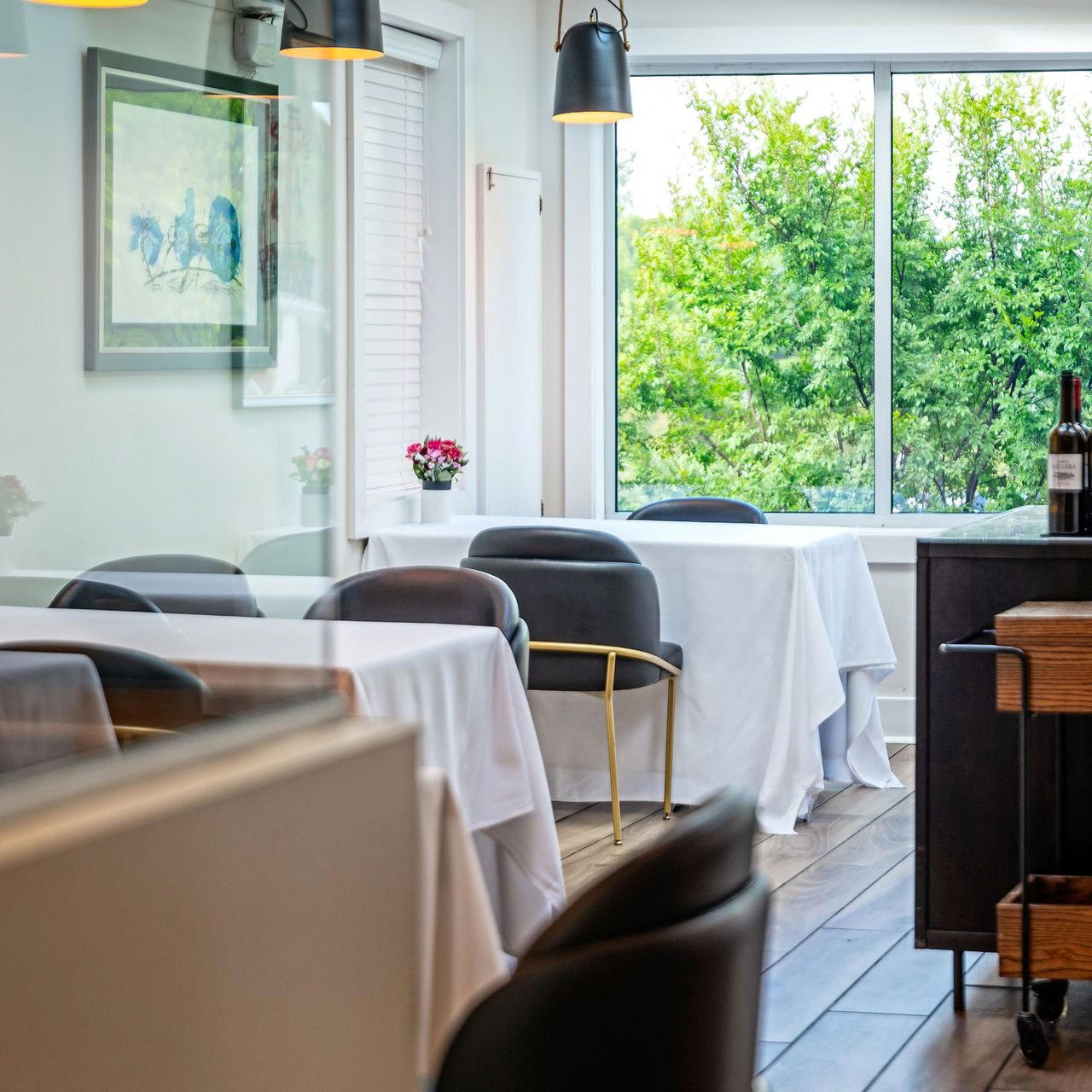
Bars in Washington DC
Browse all →
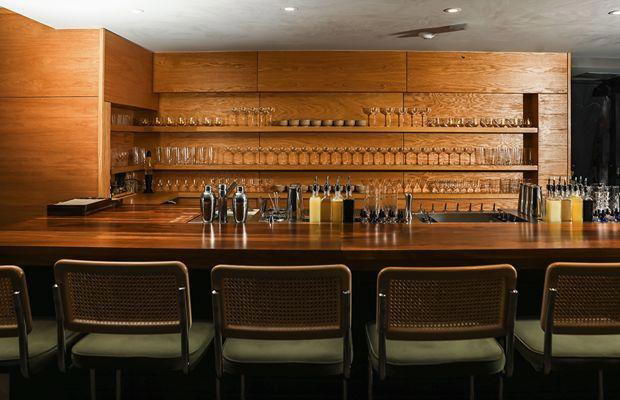
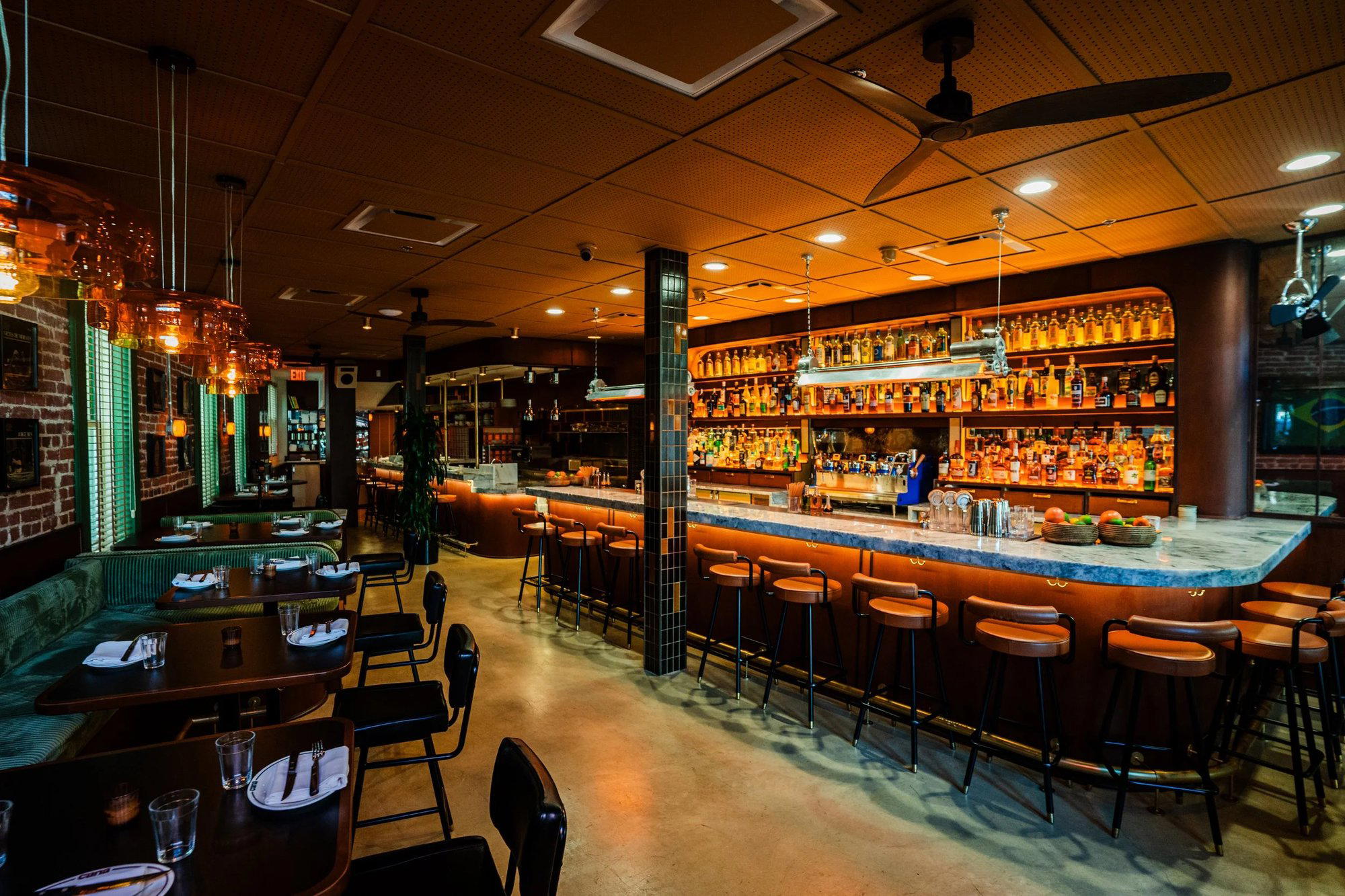
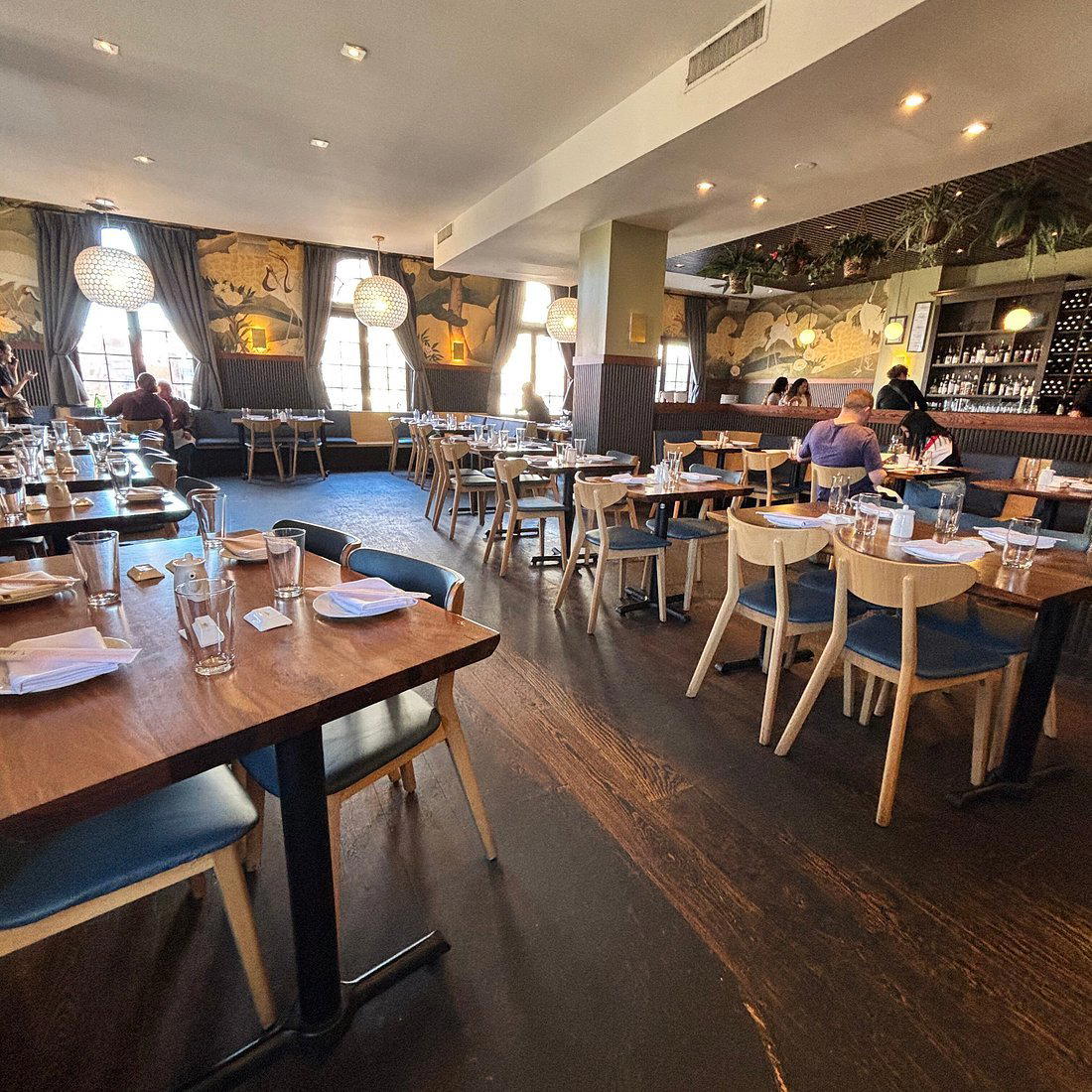
Hotels in Washington DC
Browse all →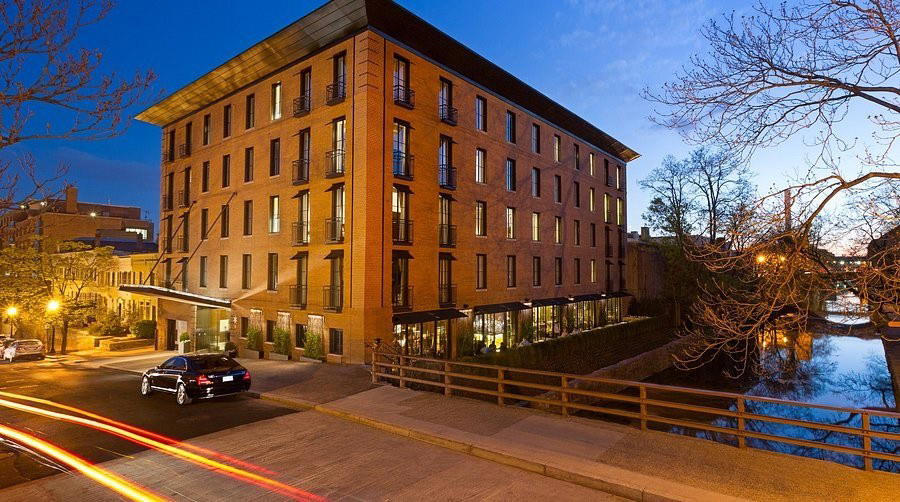
At a Glance
- Trendy
- Modern
- Lively
- Date Night
- Casual Hangout
- Special Occasion
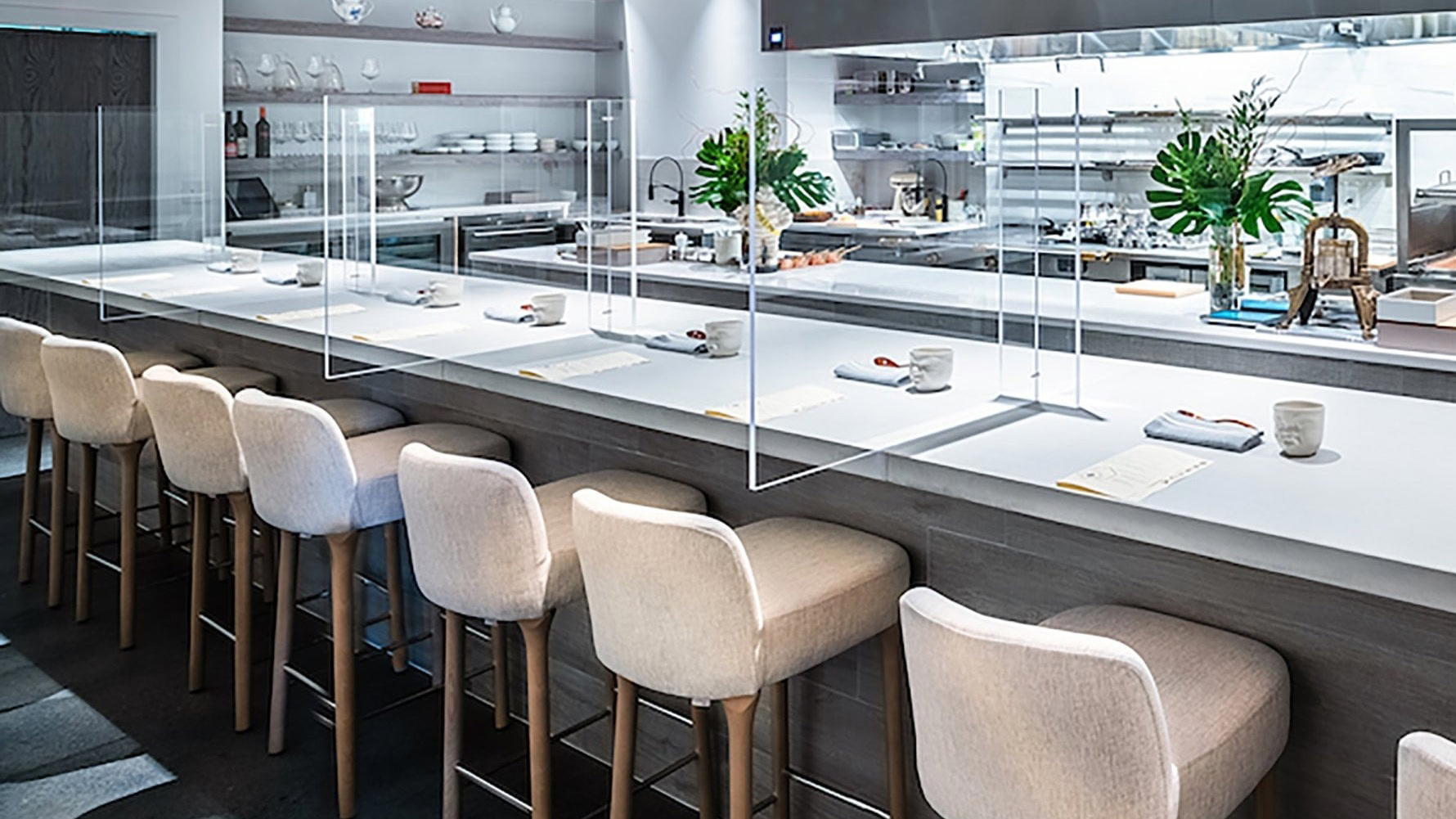
- Open Kitchen
- Sake Program
- Craft Cocktails
Current opening hours
- Monday
- Closed
- Tuesday
- 4–11 PM
- Wednesday
- 4 PM–12 AM
- Thursday
- 4 PM–12 AM
- Friday
- 4 PM–12 AM
- Saturday
- 4 PM–12 AM
- Sunday
- 4–11 PM
Hours can change for holidays and private events. Last verified .
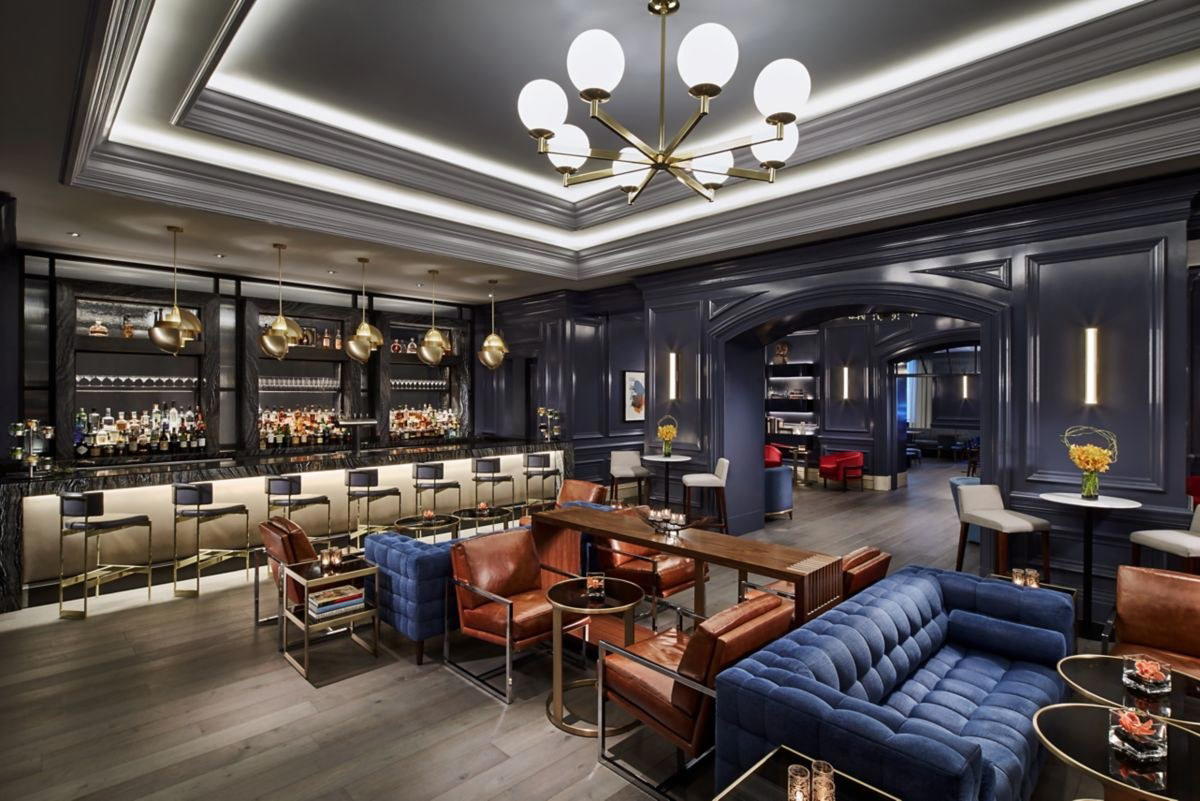
Chic modern space with stylish decor and welcoming vibe.