Il Canale

Il Canale occupies a Georgetown address at 1065 31st St NW, placing it in one of Washington D.C.'s most established dining corridors. The restaurant draws on Italian cooking traditions in a neighbourhood where competition is sustained and expectations run high. For visitors working through D.C.'s broader dining scene, it sits in the mid-to-upper tier of the capital's Italian offerings.
Pearl is the En Primeur Club membership app — saves, bookings, and concierge access live there. Same editors, same standards.
- Address
- 1065 31st St NW, Washington, DC 20007
- Phone
- (202) 337-4444
- Website
- ilcanale.com
- Directions
- Get directions
 Saves & bookings on Pearl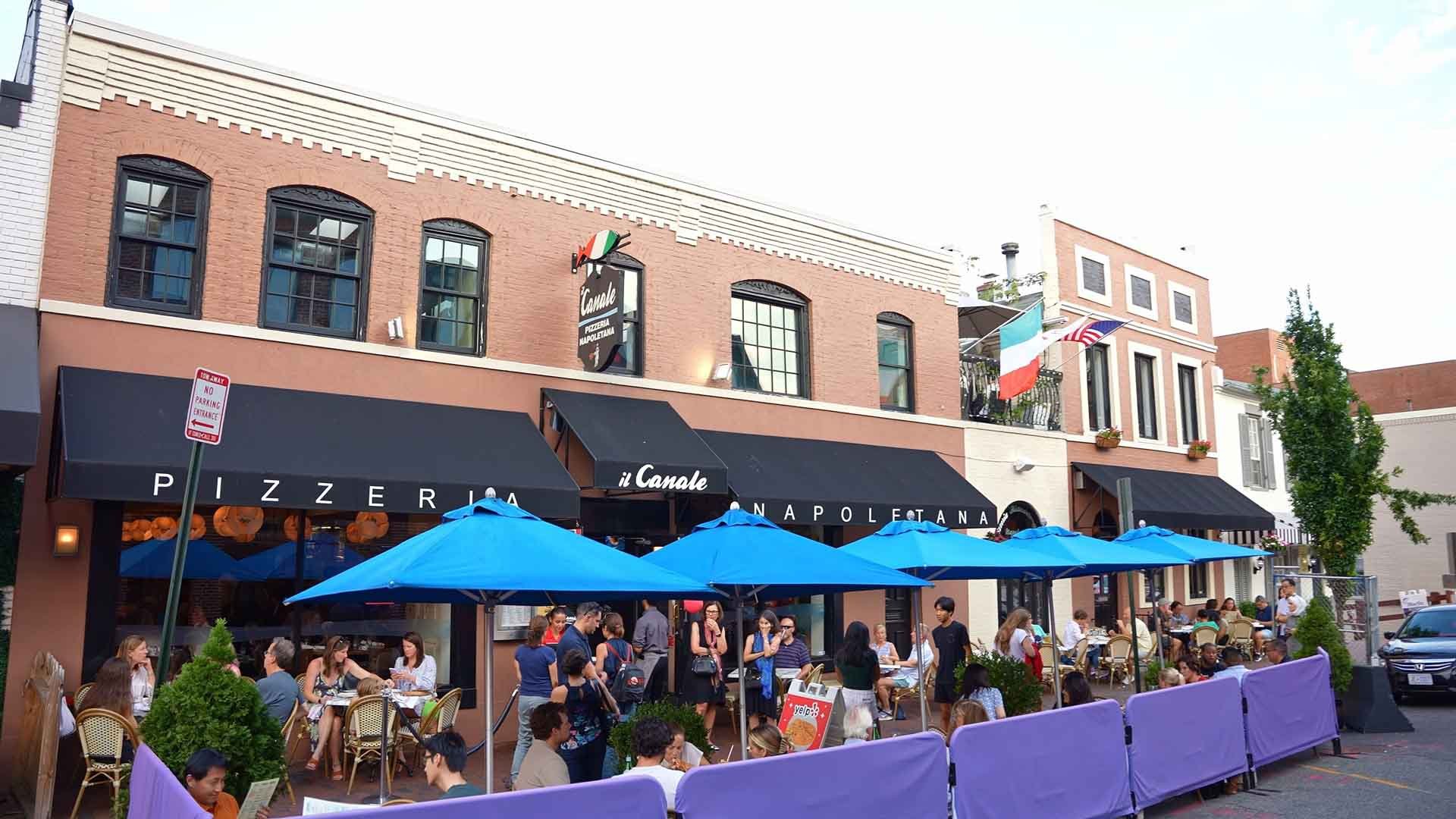
Georgetown's Italian Table
Il Canale is an authentic Neapolitan pizza restaurant at 1065 31st St NW in Washington, D.C. with. The cobblestone-adjacent blocks, the proximity to the C&O; Canal, the low Federal-style facades: this is one of the few parts of Washington where the physical environment does real work in framing a meal before you've sat down. Il Canale, at 1065 31st St NW, occupies that setting directly. The canal reference in the name is not incidental. The restaurant trades on Georgetown's most legible piece of Old World geography, and the positioning signals something about how Italian cooking gets contextualised in D.C.'s premium dining tier.
Italian restaurants in Washington have historically occupied an awkward middle ground. The city's diplomatic culture created early demand for white-tablecloth European dining, but the format often curdled into expense-account conservatism. Over the past decade, D.C.'s broader restaurant scene has pulled sharply toward chef-driven, concept-forward formats. Against that backdrop, Italian cooking in Georgetown sits in a different register: neighbourhood institution rather than destination statement.
The Architecture of an Italian Meal in This Part of the City
The progression of a meal at an Italian restaurant in this price bracket follows a structure that has genuine intellectual logic. Antipasti are not a formality. In the Italian tradition, the opening courses establish register: the acidity of a preserved vegetable, the fat of a cured meat, the salt-and-oil balance of a bruschetta tell you what the kitchen understands about contrast before any cooking begins. Georgetown diners who arrive expecting the meal to start with pasta are reading the format wrong. The antipasto is where a kitchen signals its confidence.
Primi follow with pasta or risotto, and this is where the gap between Italian-American and Italian-informed kitchens becomes most legible. Pasta texture is a credentialling exercise. Al dente is not a preference but a structural requirement: overcooked pasta collapses the flavour architecture of a dish by releasing starch into the sauce at the wrong rate. Kitchens that produce consistent pasta in a high-turnover Georgetown setting are doing something logistically disciplined, regardless of the specific dish on offer.
The secondi course is where meat and fish centrally enter. In Italian sequencing, this is the course most likely to be under-ordered by American diners trained by the French tradition of a single large plate as the meal's centrepiece. A secondi should arrive when you have already eaten through two courses of complexity. Its relative simplicity, a grilled fish or a braise, is the point: the meal has been building toward a kind of rest.
Dolce closes the arc. Tiramisu, panna cotta, cannoli: these are not afterthoughts in the Italian structure but the course that determines whether the meal's pacing was correct. If you arrive at dessert genuinely satisfied but not overloaded, the progression worked. That balance is harder to achieve than most restaurant-goers recognise, and it is the standard against which any serious Italian kitchen should be measured.
Where Il Canale Sits in D.C.'s Italian Scene
Washington's Italian restaurant tier has thinned at the leading over the past decade. The white-tablecloth Italian houses that defined the city's business dining in the 1990s have largely given way either to more casual trattorias or to Italian-inflected tasting menu formats. The restaurant's Georgetown address places it in the traditional end of the market, where the neighbourhood itself provides part of the evening's atmosphere. That's a different proposition from, say, a destination Italian restaurant in a less residential part of the city, where the room has to do more work.
For comparative context at the national level: Italian dining in the United States now spans a range from the minimalist, sourcing-obsessive formats found in New York and San Francisco to the generational red-sauce houses that have never needed to reframe themselves. Georgetown, as a neighbourhood, has historically accommodated both. What it rewards most consistently are restaurants that understand their room, price to their location, and cook with enough discipline that the European reference points feel earned rather than decorative.
Restaurants in cities like New York and Chicago that have built reputations around multi-course tasting progressions, places like Le Bernardin or Alinea, operate on the principle that the sequence of a meal is itself an argument. Italian cooking makes the same argument, more quietly. The sequence is the tradition. Georgetown's dining culture, with its mix of long-term neighbourhood residents and politically adjacent visitors, creates an audience that can receive that argument when a kitchen makes it clearly.
Know Before You Go
| Address | 1065 31st St NW, Washington, DC 20007 |
|---|---|
| Neighbourhood | Georgetown |
| Cuisine | Italian |
| Reservations | Recommended reservations. |
| Hours | Mon to Thu 11 AM to 10:30 PM, Fri and Sat 11 AM to 11 PM, and Sun 11 AM to 10 PM. |
| Getting There | The address is in Georgetown at 1065 31st St NW, Washington, DC 20007. |
For broader trip planning, EP Club also covers D.C. hotels, D.C. bars, and D.C. experiences if you are building a full itinerary around the city.
Cost and Credentials
Comparable venues nearby, for context on price, style, and recognition.
| Venue | Cuisine | Price | Notes |
|---|---|---|---|
| Il CanaleThis venue — the venue you are viewing | Italian | $$ | Not listed |
| Gordon Ramsay Street Pizza - Washington DC | Not listed | $$ | Penn Quarter, Modern Italian Street Pizza |
| Sette Osteria | Logan Circle, Authentic Italian Osteria | $$ | Not listed |
| Al Dente | Not listed | $$ | Wesley Heights, Modern Italian with Neapolitan Pizza |
| Lupo Verde | Cardozo, Rustic Italian Osteria | $$ | Not listed |
| Ulivo | Not listed | $$ | Pleasant Plains, Neighborhood Italian Trattoria |
Recognition history
Dated appearances from independent guides and award organizations, with the underlying list record or original source where available.
Opinionated About Dining Casual in North America Recommended
Opinionated About Dining
Continue exploring
More in Washington DC
Restaurants in Washington DC
Browse all →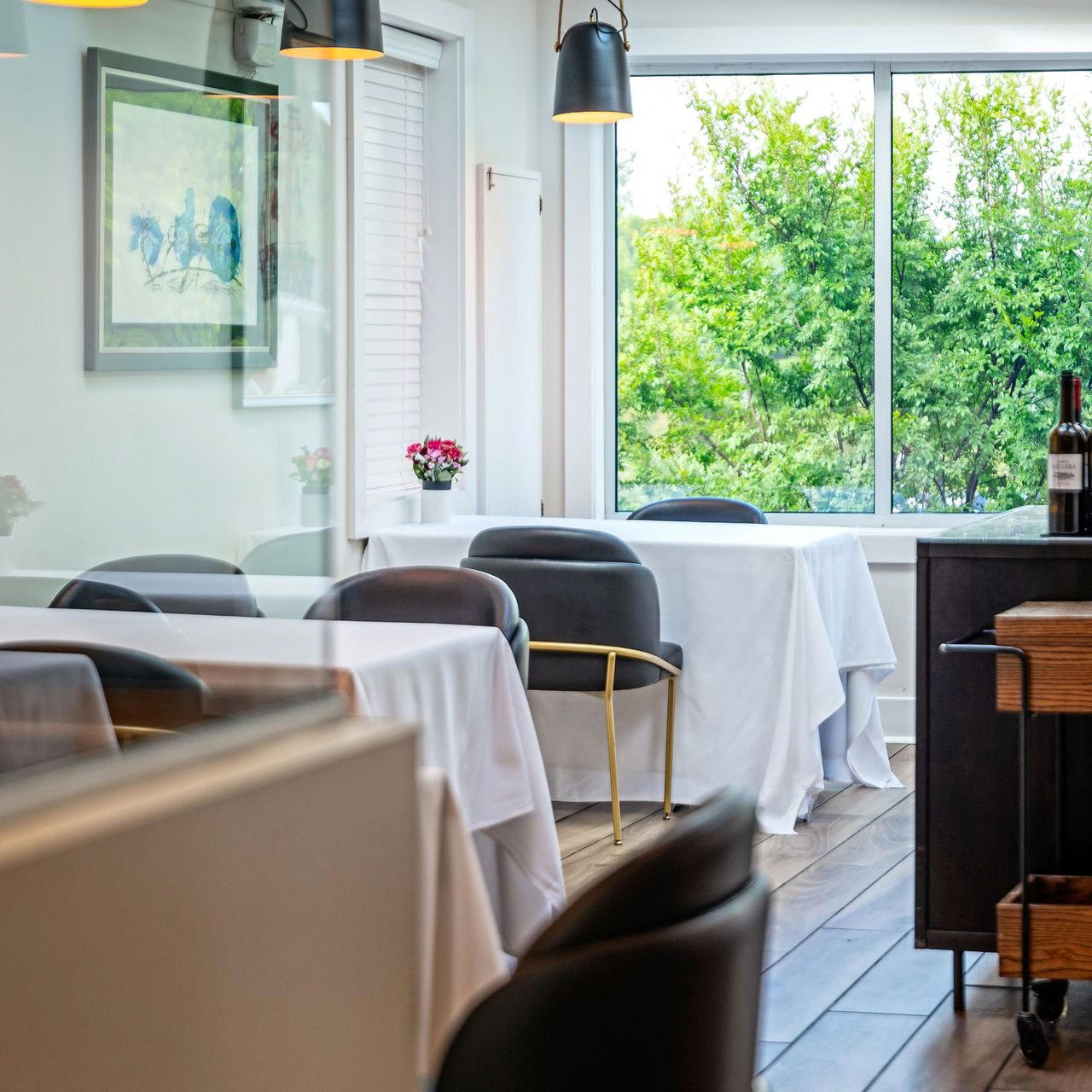
Bars in Washington DC
Browse all →
Hotels in Washington DC
Browse all →
At a Glance
- Lively
- Cozy
- Trendy
- Group Dining
- Casual Hangout
- Celebration
- Open Kitchen
- Terrace
- Extensive Wine List
- Street Scene
Current opening hours
- Monday
- 11 AM–10:30 PM
- Tuesday
- 11 AM–10:30 PM
- Wednesday
- 11 AM–10:30 PM
- Thursday
- 11 AM–10:30 PM
- Friday
- 11 AM–11 PM
- Saturday
- 11 AM–11 PM
- Sunday
- 11 AM–10 PM
Hours can change for holidays and private events. Last verified .
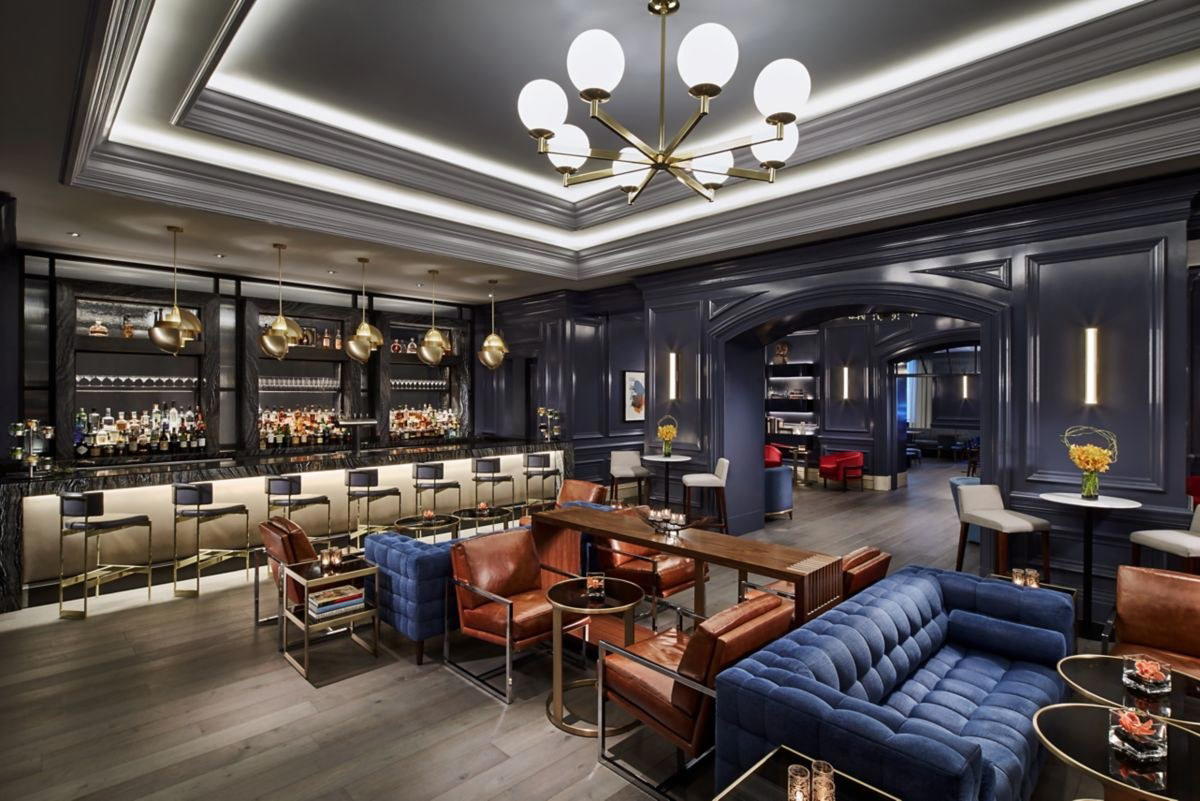
Lively and busy atmosphere with blue-lit full bar, cozy indoor seating, and rooftop terrazza overlooking Georgetown.