Kotobuki
Kotobuki sits on MacArthur Boulevard NW in the Palisades, a neighborhood where the dining scene runs quieter and more residential than Georgetown or Capitol Hill. The address alone signals something: this is a restaurant for people who already know where they are going, not one that courts passing traffic. For Japanese cuisine in northwest Washington, it occupies a consistent place in the conversation.
Pearl is the En Primeur Club membership app — saves, bookings, and concierge access live there. Same editors, same standards.
- Address
- 4822 MacArthur Blvd NW, Washington, DC 20007
- Phone
- +12022816679
- Website
- kotobukidc.com
- Directions
- Get directions
 Saves & bookings on Pearl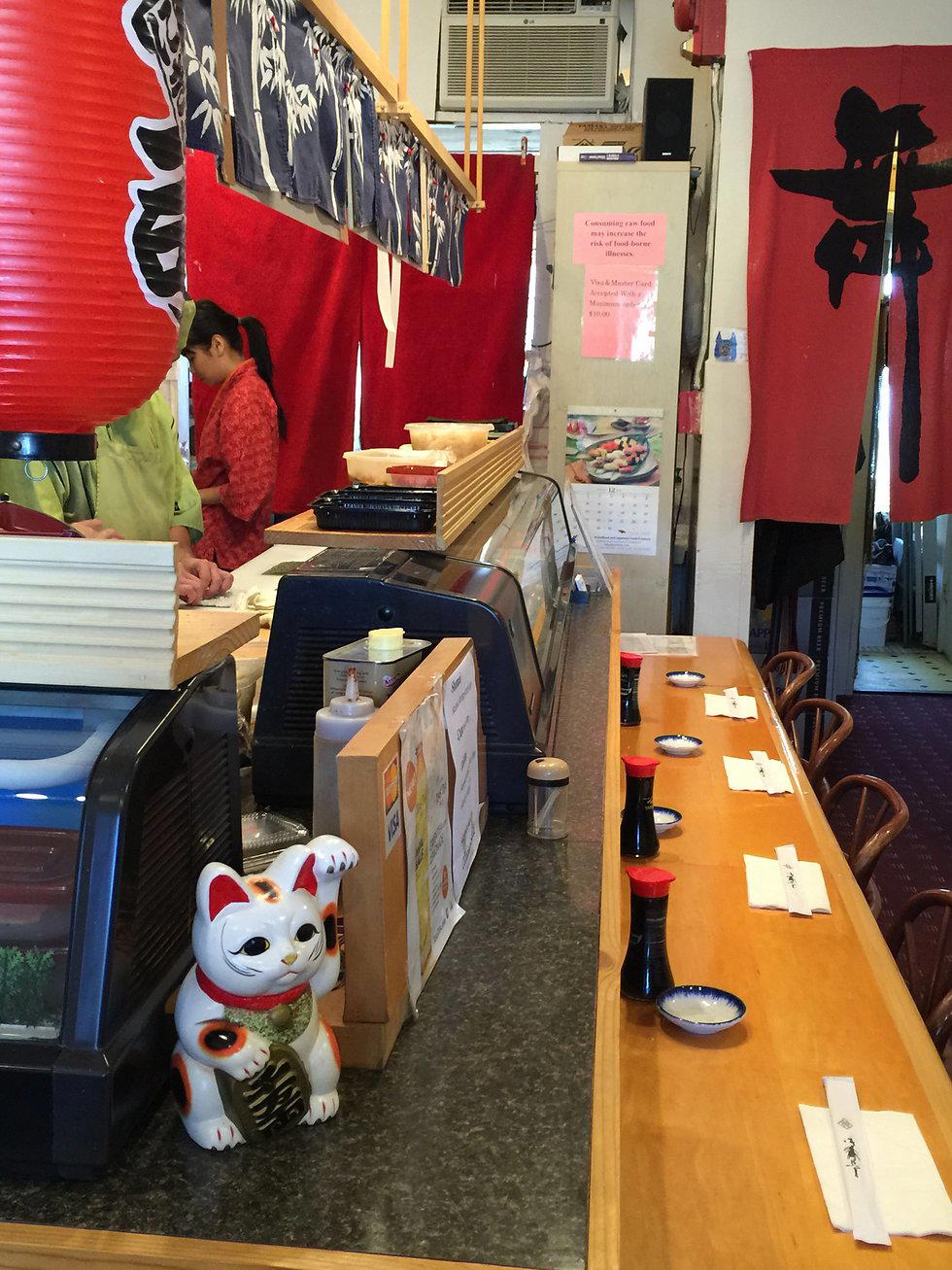
MacArthur Boulevard and the Ritual of the Regular
The Palisades stretch of MacArthur Boulevard NW operates on a different frequency from the better-trafficked dining corridors of Georgetown or Dupont Circle. The neighborhood is residential in the fullest sense: tree-lined, unhurried, and largely indifferent to trends cycling through the city's more centrally positioned blocks. Restaurants here earn their standing through repetition rather than launch-night noise. Kotobuki, at 4822 MacArthur Blvd NW, sits inside that dynamic, a restaurant serving Traditional Edo-Style Sushi & Kamameshi whose address in a quiet northwest corridor has historically filtered its clientele toward those who make the drive with purpose.
That geographic specificity matters more than it might seem. Washington's Japanese dining scene has long concentrated in a handful of corridors: the Penn Quarter–adjacent blocks, the Dupont and Adams Morgan stretch, and a cluster of suburban Maryland and Virginia addresses that serve the region's substantial Japanese expat and diplomatic community. A neighborhood restaurant in the Palisades occupies a different position in that map, less visible to the downtown dinner circuit, more embedded in the pattern of weekly habits for the surrounding households. This is the structure that produces a certain kind of dining ritual: the meal eaten not because it was recommended in a magazine, but because it is Tuesday and this is simply where one goes.
The Form of the Meal
Japanese restaurant culture in the United States carries its own set of inherited rituals, and how a kitchen chooses to interpret or compress them says something about its audience and ambitions. At one end of the American spectrum sit the omakase counters, the format that has come to define premium Japanese dining in cities like New York and Los Angeles, where venues like Atomix in New York City have built entire programs around the choreography of a sequential, chef-directed meal. At the other end sit neighborhood Japanese restaurants that make no claim to that register, instead offering a menu wide enough to serve a family ordering across generations.
Between those poles is where most of Washington's durable Japanese addresses operate. The ritual at this tier is less about pacing dictated from the kitchen and more about the reader's own navigation of a menu: which combination of dishes, in what sequence, produces a coherent meal. That requires a kitchen with sufficient range and consistency across categories, and a front-of-house rhythm that supports unhurried ordering rather than turnover pressure. For regulars, this ritual becomes nearly automatic, a set of default orders refined over many visits into something that functions like a personal tasting menu, assembled from a la carte components.
Washington's broader dining scene has tilted heavily toward the ambitious and the concept-driven in recent years. The Michelin Guide's presence in the city since 2016 accelerated investment in tasting-menu formats and chef-forward programming, venues like Jônt and minibar represent one end of that ambition, while the sustainable-sourcing focus at Oyster Oyster and the refined Peruvian program at Causa represent another strand of the city's current culinary energy. Against that backdrop, a neighborhood Japanese restaurant running on the logic of the regular rather than the logic of the occasion occupies a quieter but no less legitimate position.
Japanese Dining in Washington's Competitive Frame
Japanese cuisine in the American mid-Atlantic sits in an interesting competitive position. The region's diplomatic and international business community creates demand for Japanese food at multiple price points and formats, from conveyor belt and ramen-focused operations to higher-end sushi and kaiseki-adjacent menus. Washington has not developed the density of premium Japanese dining that New York or Los Angeles sustain, there is no local equivalent to the concentration of Michelin-starred Japanese counters on the coasts, but the city does support a stratum of consistent neighborhood Japanese restaurants that function as genuine weekly dining options rather than special-occasion destinations.
The comparison set for a MacArthur Boulevard address is not the tasting-menu circuit that includes The French Laundry in Napa or Alinea in Chicago, nor is it the seafood-forward fine dining represented by Le Bernardin in New York City or Providence in Los Angeles. The relevant comparable set is narrower and more local: Japanese restaurants in northwest Washington that have sustained a neighborhood following across multiple years and remain the default answer when a resident of the Palisades or Spring Valley asks where to go for sushi on a weeknight.
That category has its own standards. Consistency matters more than occasional brilliance. Menu range matters because the neighborhood restaurant serves the same customer in multiple moods and compositions, solo at the bar, family dinner, low-key work meal, and must perform adequately across all of them. And the capacity to sustain quality without the editorial attention or award cycle that keeps higher-profile restaurants sharp is, in its own way, a kind of credential.
Placing Kotobuki in the City's Wider Frame
For visitors approaching Washington's dining scene from the outside, the Palisades address will require a deliberate choice. This is not a restaurant you walk past. It sits well west of the National Mall and Georgetown's main commercial blocks, in a residential stretch that rewards those who have done their research. The more obvious gateway into Washington's Japanese and broader Asian-influenced dining is downtown or in the suburbs, Maryland's Bethesda and Rockville corridors, or Virginia's Eden Center, each of which serves a different slice of the region's Asian dining demand.
Planning Your Visit
Kotobuki is located at 4822 MacArthur Blvd NW, Washington, DC 20007. Reaching it from central Washington requires a car or a deliberate transit effort, and the address is most practically accessed by driving west from Georgetown along MacArthur Boulevard. For those unfamiliar with the corridor, the Palisades neighborhood itself is low-key and residential. Kotobuki is casual, walk-in friendly, and priced at about $25 per person.
Comparable Venues
Comparable venues nearby, for context on price, style, and recognition.
| Venue | Cuisine | Price | Notes |
|---|---|---|---|
| KotobukiThis venue — the venue you are viewing | Traditional Edo-Style Sushi & Kamameshi | $$ | Not listed |
| Toryumon Japanese House | Japanese Sushi and Ramen | $$ | Golden Triangle |
| Izakaya Seki | Authentic Japanese Izakaya | $$$ | Cardozo |
| Uchi | Modern Japanese Omakase | $$$$ | Central Business District |
| Bantam King | Chicken Ramen | $$ | Judiciary Square |
| Peacock Café | American Fusion with Persian Influences | $$ | West Village Georgetown |
Continue exploring
More in Washington DC
Restaurants in Washington DC
Browse all →
Bars in Washington DC
Browse all →
Hotels in Washington DC
Browse all →
At a Glance
- Minimalist
- Cozy
- Casual Hangout
- Solo
- Standalone
- Sake Program
- Sustainable Seafood
Current opening hours
- Monday
- Closed
- Tuesday
- 12–2:30 PM, 4:30–9 PM
- Wednesday
- 12–2:30 PM, 4:30–9 PM
- Thursday
- 12–2:30 PM, 4:30–9 PM
- Friday
- 12–2:30 PM, 4:30–9 PM
- Saturday
- 12–2:30 PM, 4:30–9 PM
- Sunday
- 4:30–9 PM
Hours can change for holidays and private events. Last verified .
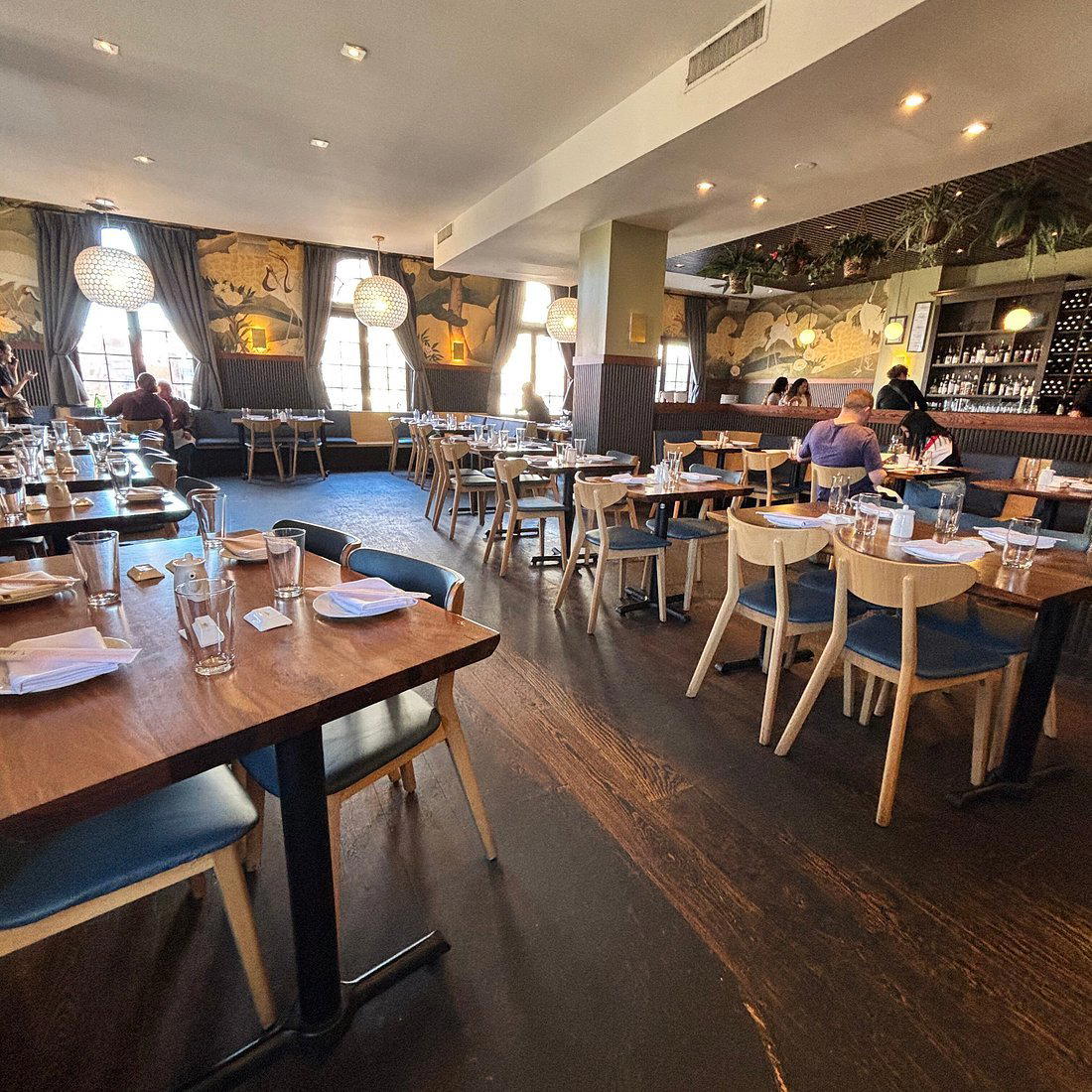
Bare-bones, unassuming second-floor space with a long sushi counter bar; simple, understated setting with Beatles soundtrack that emphasizes the food over decor.