Vokzal
Our verdict
Vokzal occupies a 9th Street NW address in Washington D.C.'s Shaw neighborhood, a corridor that has shifted from working-class transit hub to one of the city's more consequential dining blocks. The name references a train station, and the address places it squarely inside a district where Eastern European and Soviet-era reference points are increasingly finding space alongside the neighborhood's dominant Mid-Atlantic and New American formats.

Pearl is the En Primeur Club membership app, where members save venues, book tables and use the concierge.

The menu
What to order
- Beef Stroganoff
- Chicken Kyiv
- Borscht
- Handmade Pelmeni
Shaw's 9th Street and the Arrival of Something Eastern
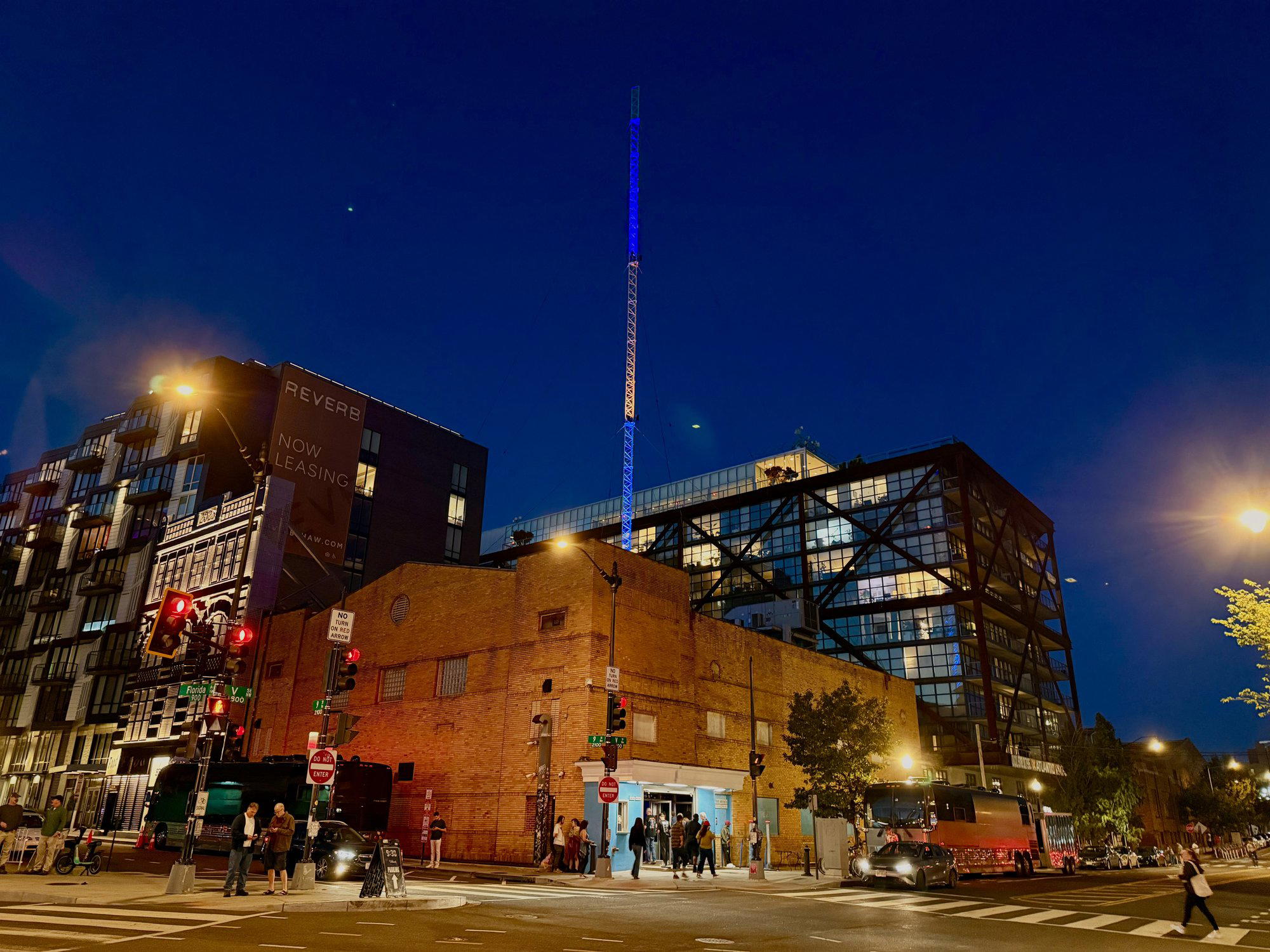
Washington D.C.'s Shaw neighborhood has spent the better part of a decade reshuffling its culinary identity. What was once a corridor defined by go-go music venues and corner carryouts has absorbed a generation of serious restaurants, several of them drawing national attention. The stretch of 9th Street NW in particular has become one of the district's more concentrated dining addresses, sitting within walking distance of the U Street Metro and a short reach from Logan Circle. Vokzal lands at 1914 9th St NW inside this already charged block, and its name, a transliteration of the Russian word for railway station, signals something deliberate about the reference frame being invoked.
The Eastern European and post-Soviet dining tradition is thin in Washington by comparison to the city's depth in Middle Eastern, Latin American, and West African formats. That thinness is itself editorial: a restaurant drawing on that tradition in this ZIP code is operating in relatively uncontested territory, at least in terms of direct peers. Shaw already hosts Albi, which works across Middle Eastern traditions, and the plant-forward Oyster Oyster, which has built a reputation on sustainable New American cooking. Vokzal belongs to neither of those peer sets. Its positioning, at least nominally, is closer to the central and eastern European registers that rarely anchor a serious dining room in this city.
The Block as Context
Understanding 9th Street NW requires understanding Shaw's dual character. The neighborhood has long been a landing point for immigrant communities, and its built environment, rowhouses, converted warehouses, and storefronts with original tile work, still reads as lived-in rather than recently installed. That physical texture matters for a restaurant referencing Soviet-era railway stations, because the vokzal was not a glamorous institution. It was a place of transit, of long waits, of food sold from kiosks alongside platform smoke. Any dining room that takes that reference seriously is making an argument about what nostalgia can do when it is handled with precision rather than sentimentality.
The address at 1914 9th St NW puts Vokzal within the radius of several Shaw anchors that have drawn consistent attention from D.C.'s dining press. The competition in this corridor is not soft. Causa, the Peruvian-focused room nearby, operates at the $$$$tier and draws on a specific regional tradition with depth and authority. Vokzal enters a block where diners have already been trained to expect culinary specificity and a clear point of view.
D.C.'s Broader Fine Dining Tier and Where Vokzal Sits
Washington has a well-defined upper tier of fine dining that includes tasting-menu formats at the level of Jônt and the long-running molecular work at minibar. Those rooms operate at price points and booking depths that place them in a national conversation alongside Alinea in Chicago, The French Laundry in Napa, and Le Bernardin in New York City. Vokzal, based on available data, does not appear to be positioning itself in that tasting-menu bracket. The Shaw address and the railway-station reference suggest something more immediate and less ceremonial, closer in spirit to the neighborhood bistro or wine-bar-adjacent formats that have been gaining ground in D.C.'s mid-tier over the past several years.
That mid-tier, in D.C. as in most American cities, is where the most interesting cooking decisions are currently being made. The constraint of a shorter menu, a more direct service format, and a tighter price envelope forces specificity in a way that a twenty-course progression does not always demand. For context, Lazy Bear in San Francisco and Blue Hill at Stone Barns in Tarrytown represent the far end of the conceptually-driven American dining spectrum. Vokzal's DNA, insofar as the railway-station framing tells us anything, is likely closer to ground level than those rooms.
What a Railway Station Means as a Dining Reference
Across Eastern Europe and the former Soviet republics, the railway station was a specific social institution. It was democratic by necessity, serving travelers who had no alternatives, offering pickled vegetables, dark bread, cured fish, broths, and occasionally something more substantial from a steam table. The food was functional but often deeply regional, varying city by city in ways that reflected local agricultural traditions rather than any central menu logic. A restaurant that takes that reference seriously has access to a rich set of preparations: dishes built around preservation, fermentation, slow cooking, and the kind of economical protein use that defines peasant-adjacent cuisines at their most compelling.
Whether Vokzal executes on that implicit promise is not something that can be confirmed from available data. What the name and address establish is a frame of reference that is specific enough to be meaningful and underrepresented enough in D.C.'s current dining map to be worth attention. For comparison, the Korean-influenced precision at Atomix in New York City or the Mediterranean depth at Providence in Los Angeles both demonstrate how a tightly defined cultural reference, executed with consistency, can build a durable dining identity. The question for Vokzal is whether the railway-station frame is a genuine organizing principle or an aesthetic shorthand.
Planning Your Visit
Vokzal sits at 1914 9th St NW in the Shaw neighborhood, accessible from the U Street/Cardozo Metro station on the Green and Yellow lines, a walk of roughly six to eight blocks. Shaw's dining scene is dense enough that the block rewards a longer evening rather than a quick visit: the neighborhood has the kind of pre- and post-dinner bar culture that makes arriving early or lingering after worthwhile. For a wider orientation to what D.C.'s dining scene currently offers, see our full Washington, D.C. restaurants guide, which maps the city's key neighborhoods and price tiers across cuisine formats. Travelers who want to anchor a D.C. trip around a broader set of serious restaurants might also consider The Inn at Little Washington for a longer excursion, or Addison in San Diego and Single Thread Farm in Healdsburg if the trip extends to the West Coast.
Frequently asked questions
What do regulars order at Vokzal?
How far ahead should I plan for Vokzal?
What makes Vokzal a notable addition to Shaw's dining scene?
Booking and Cost Snapshot
Comparable venues nearby, for context on price, style, and recognition.
| Venue | Cuisine | Price | Awards | Notes |
|---|---|---|---|---|
| VokzalThis venue (the venue you are viewing) | Eastern European Gastropub | Not listed | Not listed | Not listed |
| Bad Saint | Filipino | Not listed | James Beard Award Best Chefs | Columbia Heights, Filipino |
| AMBAR Restaurant, Capitol Hill | Modern Balkan Small Plates | $30–50 | Not listed | Capitol Hill, Modern Balkan Small Plates |
| The Sovereign | Belgian Bistro | $30–50 | Not listed | West Village Georgetown, Belgian Bistro |
| Thip Khao & Padaek | Authentic Laotian | $30–50 | Michelin Plate · Washingtonian 100 Very Best Restaurants #42 | Columbia Heights, Laotian (Lao) & Thai |
| SUNdeVICH | Global Sandwich Shop | $10–20 | Not listed | Shaw, Global Sandwich Shop |
Continue exploring
More in Washington DC
Restaurants in Washington DC
All restaurants in Washington DC →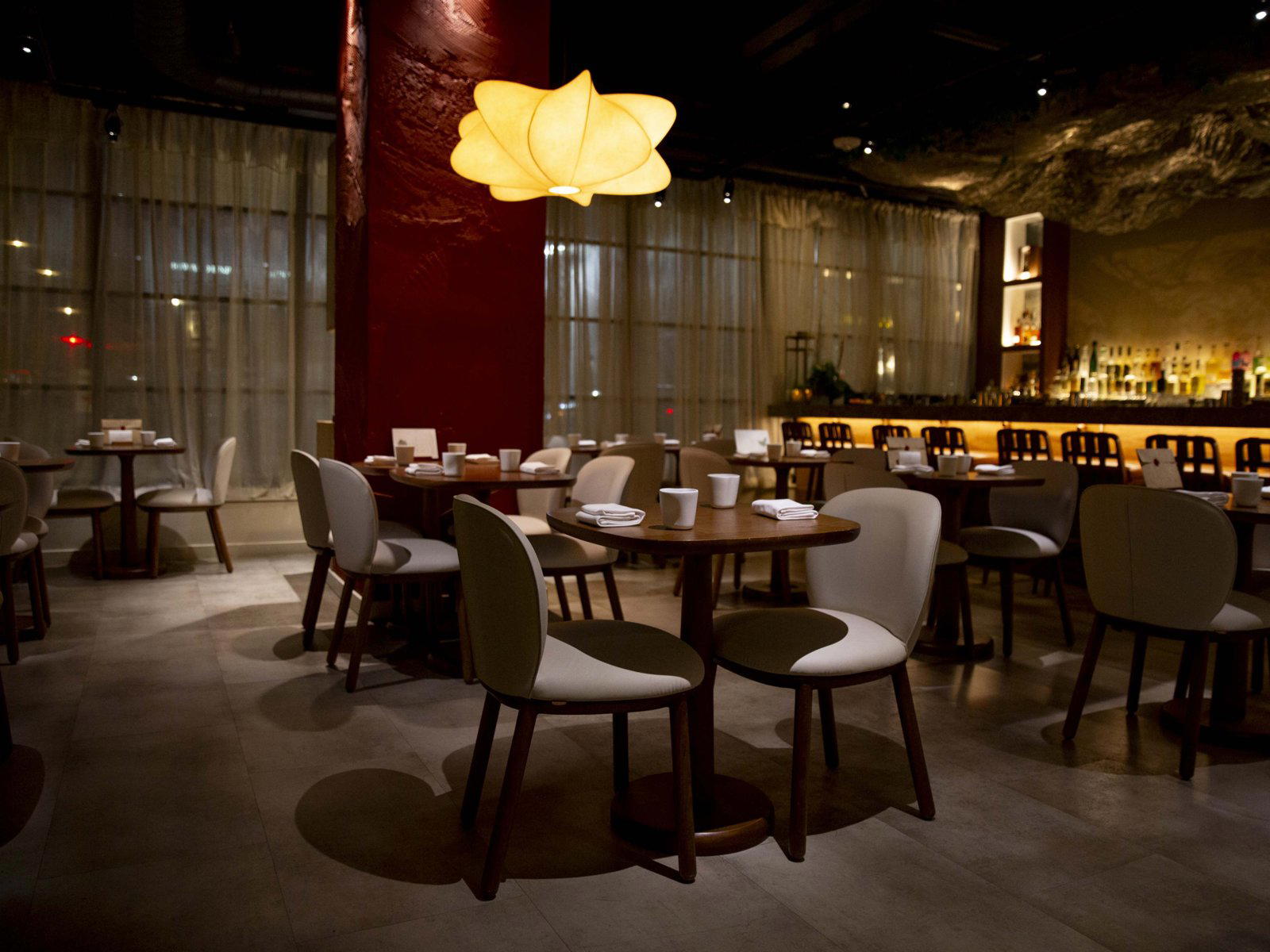
Bars in Washington DC
All bars in Washington DC →

Details
- Cozy
- Warm
- Intimate
- Casual Hangout
- A La Carte
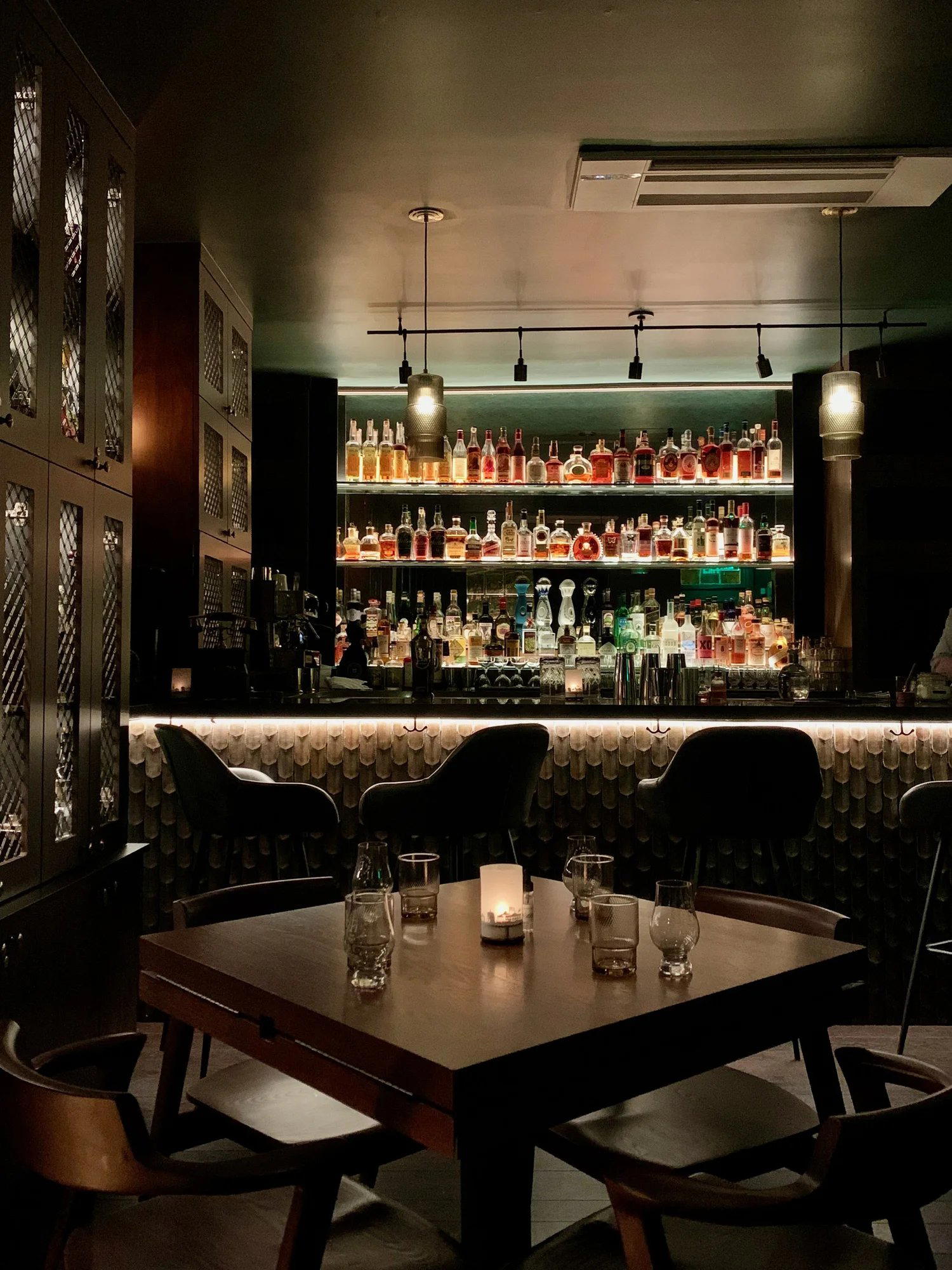
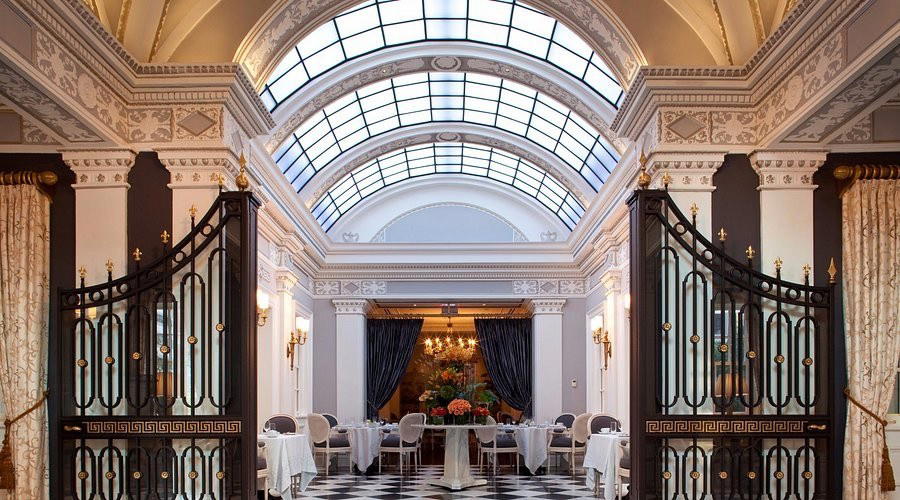
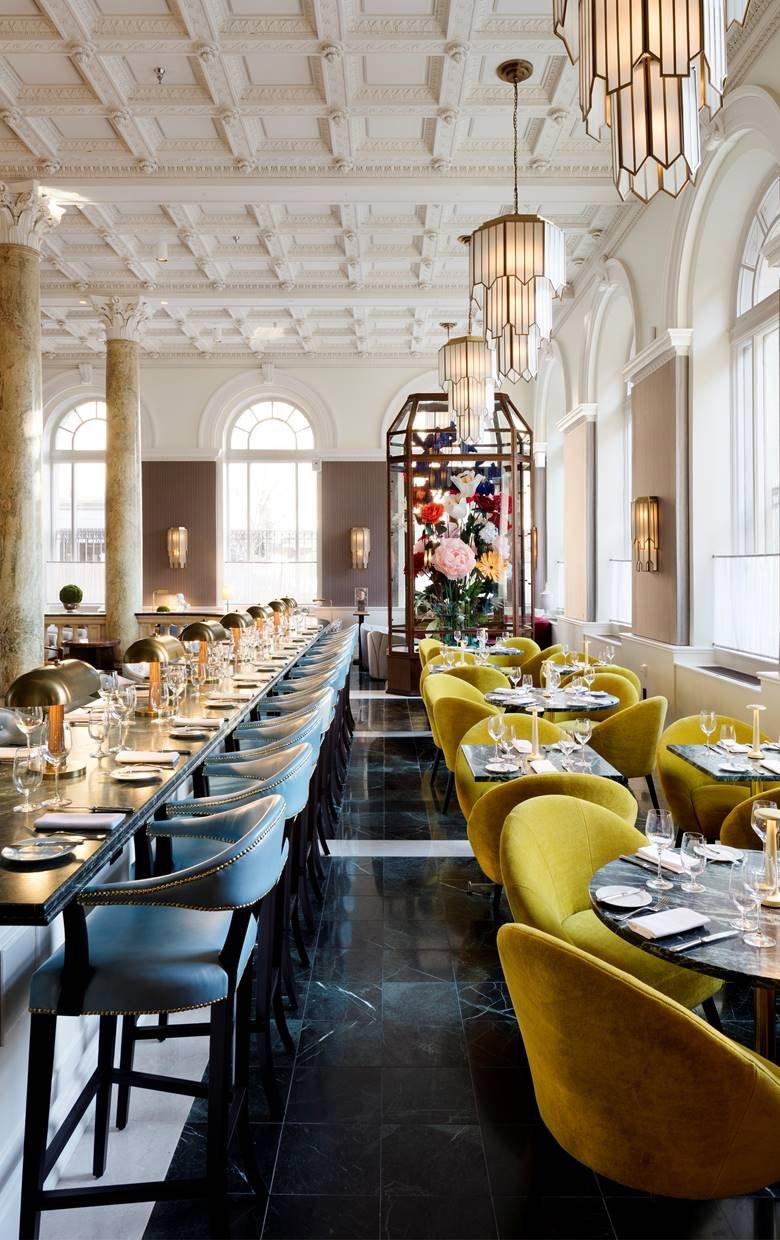
Warm and inviting atmosphere described as cozy by guests and the restaurant itself.