Blues Alley Club
Blues Alley Club on Wisconsin Avenue in Georgetown occupies a long-running position in Washington D.C.'s live jazz circuit, where intimate room formats and evening programming draw a crowd that runs from Capitol Hill regulars to serious music listeners. The club sits in a neighbourhood defined as much by its colonial-era streetscape as by its late-night habits, making it an address worth understanding before you book.
Pearl is the En Primeur Club membership app — saves, bookings, and concierge access live there. Same editors, same standards.
- Address
- 1073 Wisconsin Ave NW 1st Floor, Washington, DC 20007
- Phone
- +1 202 337 4141
- Website
- bluesalley.com
- Directions
- Get directions
 Saves & bookings on Pearl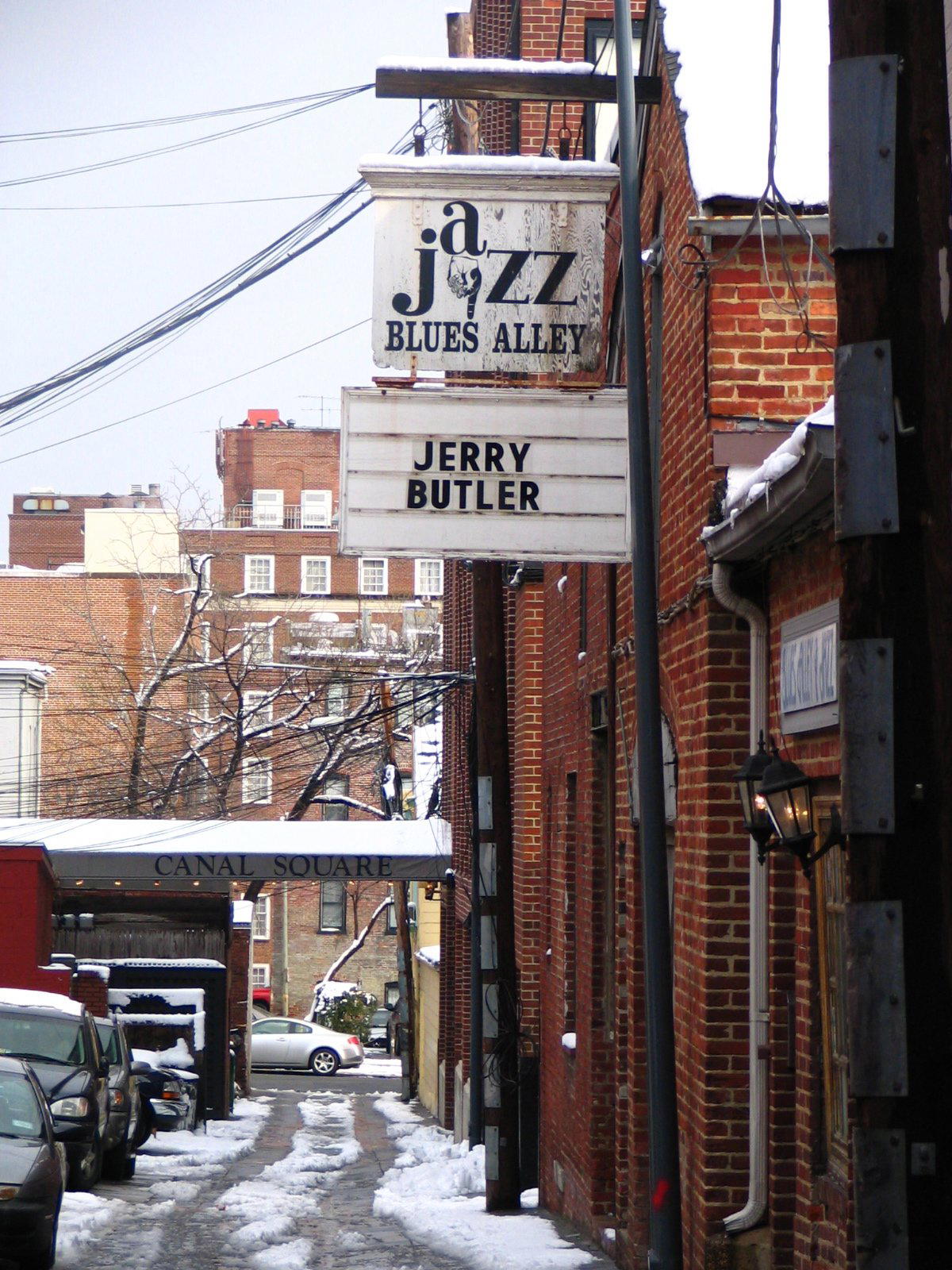
Georgetown After Dark, and the Hours Before It
Georgetown's Wisconsin Avenue corridor runs a quiet afternoon game. The Federal-era townhouses hold their composure through lunch, the foot traffic stays purposeful, and the dining rooms that double as evening destinations feel almost domesticated in daylight hours. Blues Alley Club, at 1073 Wisconsin Ave NW in Washington, D.C. is a bar known for live jazz and late-evening performances. The daytime version of this stretch is browsable, unhurried, and largely tourist-adjacent. The evening version is something else.
Washington, D.C.'s live music venues have long centered on a small number of addresses that sustain performance credibility without sliding into dinner-theatre territory. Blues Alley sits in that category, alongside a Georgetown neighbourhood that has historically supported late-night culture more than its daytime reputation suggests. Understanding the venue means understanding that divide: what shows up at six o'clock is not what shows up at ten.
The Room and What It Asks of You
Intimate jazz clubs in American cities operate on a specific social contract. The room is small enough that conversation at full volume becomes an act of aggression against the performance. Blues Alley's Georgetown location fits that format: the address signals a close-quarters listening environment where the distance between audience and performer collapses in a way that larger D.C. venues cannot replicate. The physical proximity is the product. Across comparable American club formats, from Jewel of the South in New Orleans to heritage rooms in Chicago, the rooms that sustain serious music programming share this characteristic: they are built for listening first, drinking second.
Evening atmosphere at Blues Alley skews toward the committed listener rather than the background-noise crowd. That self-selection is part of what defines the room's character. Georgetown's demographic mix runs toward policy professionals, academic visitors, and an older local contingent that has grown up with the venue as a reference point on the city's cultural calendar. The result is an audience composition that differs markedly from the cocktail-bar crowd you would find at Allegory or Silver Lyan on a Friday night.
Daytime Georgetown vs. Evening Georgetown: A Meaningful Gap
The editorial angle worth pressing here is the degree to which the lunch-versus-dinner divide shapes what Blues Alley Club actually is on any given visit. Many Washington venues that carry evening prestige feel generic during off-peak hours. The Georgetown corridor experiences this acutely: daytime foot traffic on Wisconsin Avenue runs heavily toward retail and casual dining, and the venues that serve both modes often struggle to translate their evening identity into anything coherent before five o'clock.
Blues Alley's position as a performance-anchored venue means the divide is structural rather than atmospheric. The evening show schedule is the gravitational centre of the operation. What happens around it, whether that is food service, drink programming, or the social texture of the room, organises itself relative to that anchor. Cities with deep jazz heritage, from New Orleans to New York, have long understood that the leading live music rooms don't try to be two different venues simultaneously. They commit to an identity and let the daytime hours serve as the long runway to the real thing.
For comparison, the bar programs that have earned sustained recognition in D.C. including Service Bar and 12 Stories, have built their reputations around consistent evening programming with a clear point of view. Blues Alley's equivalent clarity comes from the music, not from the drinks list, which places it in a different competitive tier but with comparable scheduling discipline.
Where Blues Alley Sits in D.C.'s Broader Venue Ecology
Washington's drinking and entertainment venues have diversified sharply over the past decade. The cocktail bar scene, anchored by addresses like Service Bar and internationally connected programs at Silver Lyan, has matured into something that competes with New York and London comparable venues. Blues Alley operates in a parallel track: the live music room that has maintained a Georgetown address through multiple cycles of neighbourhood gentrification and venue churn.
Across American cities, the venues that sustain this kind of longevity, from Kumiko in Chicago to Bar Leather Apron in Honolulu and ABV in San Francisco, share a capacity to define a specific niche and hold it. Blues Alley's niche is Georgetown jazz, with all the neighbourhood-specific social associations that come with the address. It is not competing with the Penn Quarter dining circuit or the Navy Yard's newer entertainment corridor. It is doing a specific thing in a specific place, and that specificity is its competitive durability.
For visitors calibrating their D.C. schedule, the venue functions as an evening anchor rather than an all-day option. Georgetown itself rewards afternoon exploration, from its riverfront to M Street's denser retail and dining strip, with Blues Alley serving as the natural endpoint of a day that starts elsewhere.
Planning Your Visit
Georgetown is walkable from Foggy Bottom, and the neighbourhood's evening energy concentrates on Wisconsin Avenue and M Street. Blues Alley's Wisconsin Avenue address puts it at the quieter northern end of the Georgetown grid, removed from the M Street congestion that peaks on weekends. Evening shows at venues of this format typically require advance booking, and the tighter the room capacity, the further ahead that planning should happen.
What It’s Closest To
Comparable venues nearby, for context on price, style, and recognition.
| Venue | Cuisine | Price | Notes |
|---|---|---|---|
| Blues Alley ClubThis venue — the venue you are viewing | lounge | $$$ | Not listed |
| WILD DAYS | rooftop_bar | $$$ | East End |
| Off the Record | hotel_bar | $$$ | Golden Triangle |
| Cotton & Reed | cocktail_bar | $$ | Capital City Market |
| Brixton | pub | $$ | Cardozo |
| El Techo | rooftop_bar | $$ | Shaw |
Continue exploring
More in Washington DC
Bars in Washington DC
Browse all →
Restaurants in Washington DC
Browse all →
Hotels in Washington DC
Browse all →
At a Glance
- Intimate
- Classic
- Well Known
- Elegant
- Date Night
- Special Occasion
- Late Night
- Live Music
- Historic Building
- Seated Bar
- Lounge Seating
- Classic Cocktails
Current opening hours
- Monday
- 6–11 PM
- Tuesday
- 6–11 PM
- Wednesday
- 6–11 PM
- Thursday
- 6–11 PM
- Friday
- 6–11 PM
- Saturday
- 6–11 PM
- Sunday
- 6–11 PM
Hours can change for holidays and private events. Last verified .
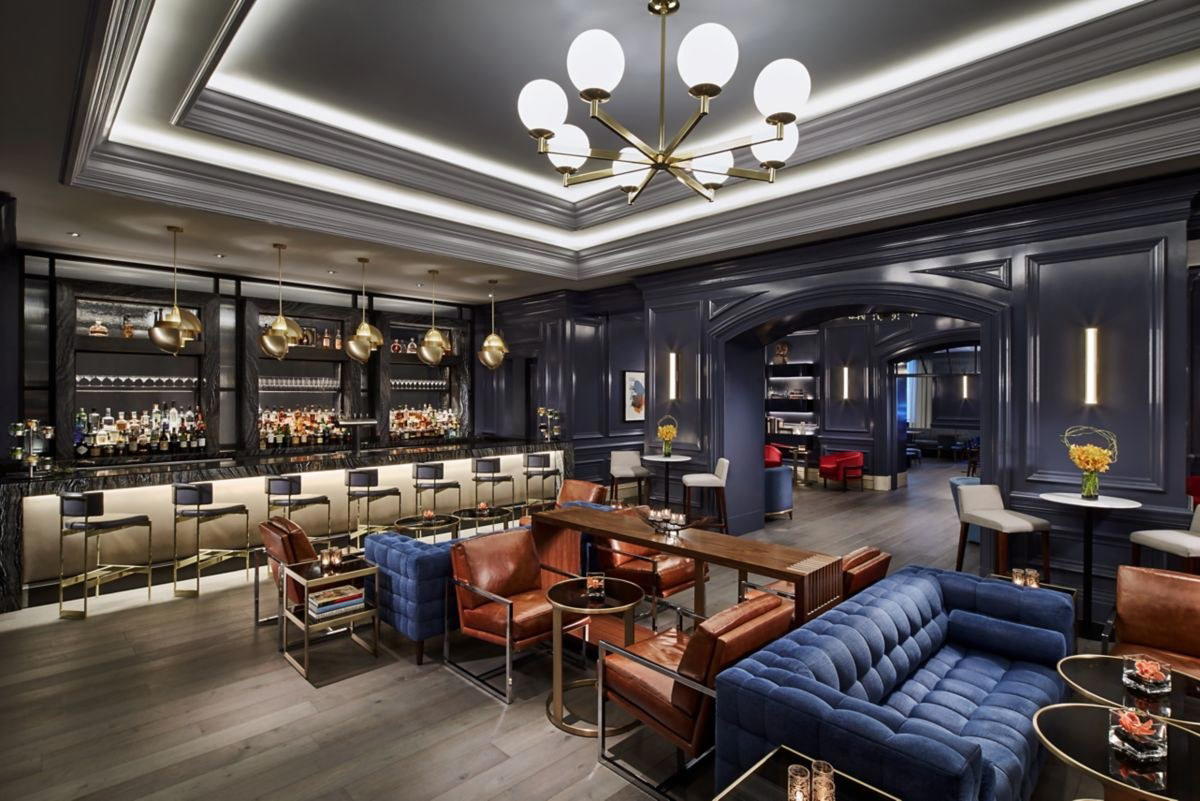
Warm, lively atmosphere reminiscent of 1920s-30s jazz clubs with attentive listening environment and historic charm.