
Yakitori Saito belongs to Yokohama’s serious charcoal-grill circuit: compact, counter-led, and recognised in the Tabelog 100 Yakitori EAST 2025 selection. The appeal is less spectacle than discipline, with grilled chicken skewers, sake, shochu, and wine framed for diners who plan ahead and understand the rhythm of a small Japanese counter.
Pearl is the En Primeur Club membership app — saves, bookings, and concierge access live there. Same editors, same standards.
- Address
- 2 Chome-31-3 Otamachi, Naka Ward, Yokohama, Kanagawa 231-0011, Japan
- Phone
- +81 45-641-5022
- Website
- gew7500.gorp.jp
 Saves & bookings on Pearl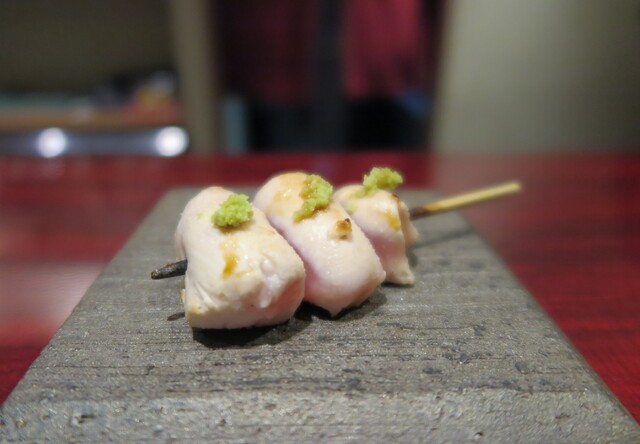
Yokohama’s better yakitori rooms tend to announce themselves quietly: a narrow frontage, the glow of the grill, the compressed energy of a counter where timing matters as much as seasoning. In Naka Ward, the appeal of this genre is not a long menu or theatrical plating, but the live calibration between charcoal, chicken, drink, and pace. Yakitori Saito sits in that compact, planning-heavy tier of the city’s dining culture, where the room is small, the format is focused, and the booking itself is part of the experience.
Yakitori is often misread by travellers as casual drinking food. At the serious end, it is a sequence of small decisions: cut, heat, smoke, salt or tare, when to serve, when to pause, and how to match the next skewer with sake, shochu, or wine. Yokohama gives the category a useful setting. The city is close enough to Tokyo to feel the pressure of high-demand counter dining, but its restaurant culture has a different tempo, shaped by port-city dining, business districts, and neighbourhood regulars rather than destination-only traffic.
A compact Yokohama counter in the serious yakitori bracket
The main signal here is selection for Tabelog 100 Yakitori EAST 2025, a recognition that places the restaurant inside a crowded eastern Japan category rather than merely inside a local Yokohama list. That matters because yakitori recognition is rarely about luxury cues. It rewards consistency, grill control, sourcing discipline, and a room that can sustain a sequence without turning the meal into a drawn-out performance.
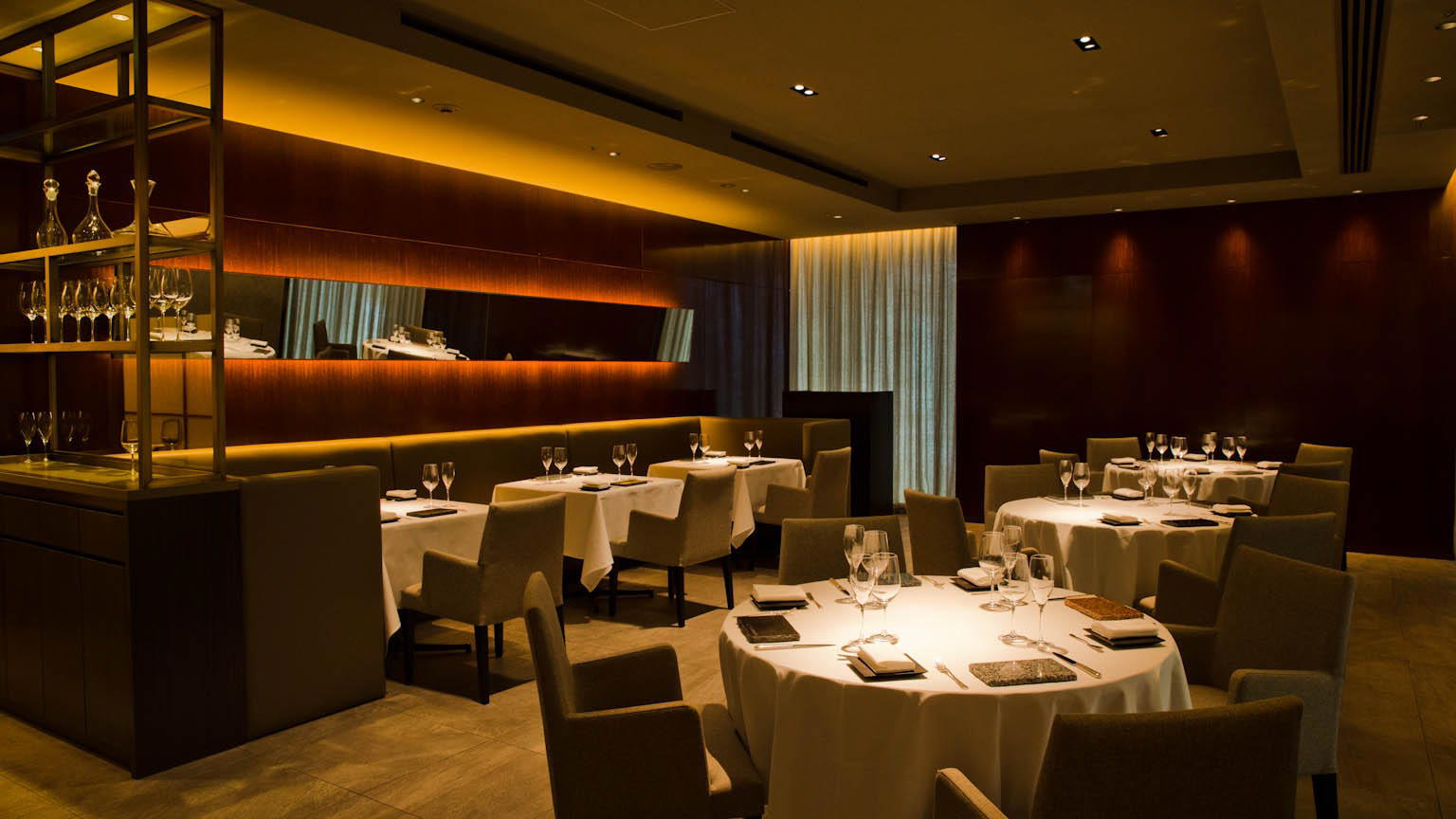
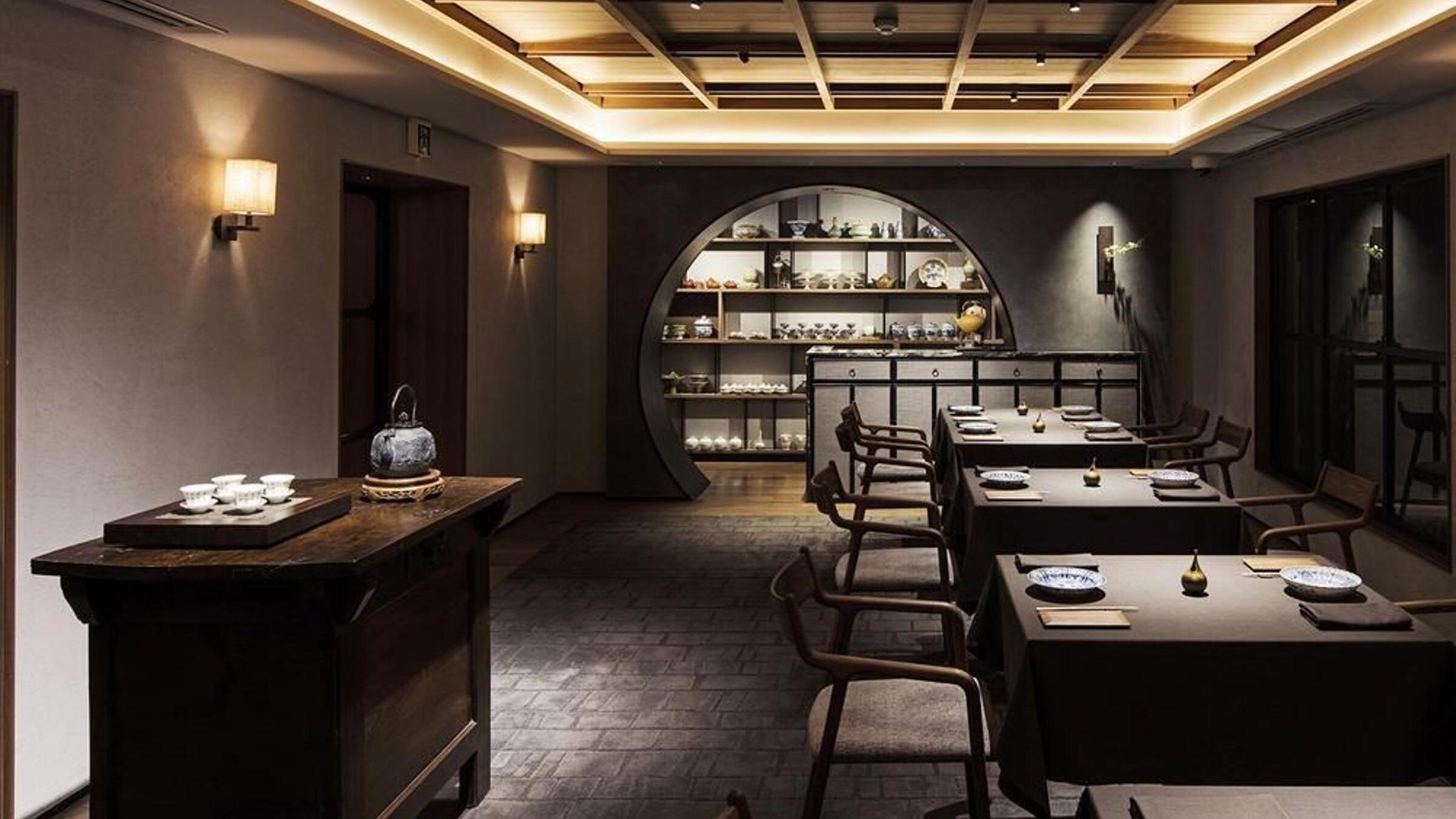
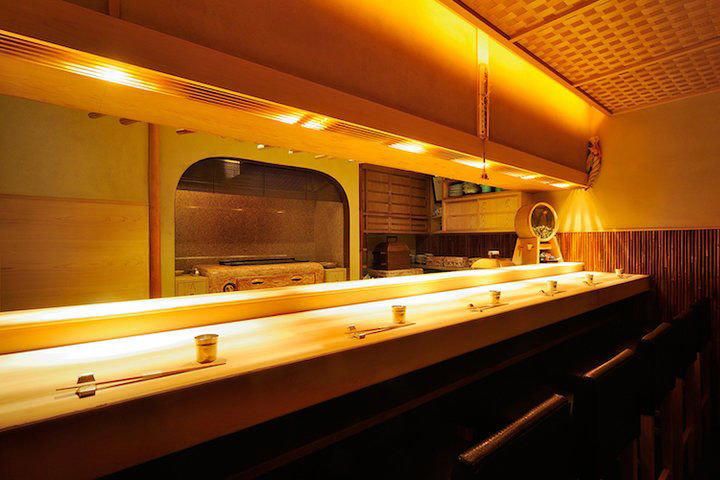
The scale is part of the point. A 14-seat room, including counter seating and a small table allocation, changes how dinner works. Small yakitori restaurants do not absorb late arrivals or indecisive pacing gracefully; they run on waves of heat and timing. Diners used to flexible à la carte restaurants should think of this as a more disciplined counter format, even when the mood remains relaxed. The strongest meals in this category come from surrendering some control to the grill rather than treating the menu as a checklist.
Within Yokohama, that puts Yakitori Saito in a middle position between casual chicken-skewer drinking and higher-spend counter dining. Nearby peer names show the spread: Yakitori Midori and Yakitori Hifumi occupy more expensive local brackets, while 1000 (Yakitori (Grilled chicken skewers)) sits in a still higher tier. The useful comparison is not which room is grander, but what kind of yakitori evening a diner wants: polished counter concentration, broader drinking-house ease, or a more rarefied spend.
Why the booking matters as much as the grill
For small Japanese counters, planning is not administrative detail; it shapes the meal. A compact grill room has limited slack, and yakitori depends on rhythm. The first seating has a different energy from a later one, and groups who arrive with strong dislikes, fragrance, or little appetite for off-cuts tend to work against the format. This is a cuisine built around trust in sequence, not around redesigning dinner at the table.
That is also why Yokohama can be a smart city for travellers who have already done Tokyo’s high-pressure counters. The train network makes Naka Ward easy to fold into a wider evening, and the neighbourhood’s restaurant density gives dinner a sharper local frame than a hotel-district meal. For a broader look at the city’s dining spread, Our full Yokohama restaurants guide gives the wider context; travellers building a full stay can also use Our full Yokohama hotels guide, Our full Yokohama bars guide, Our full Yokohama wineries guide, and Our full Yokohama experiences guide.
The drinks list reinforces the category rather than distracts from it. Sake and shochu are the natural anchors for yakitori, while wine signals the broader shift in Japan’s grill counters toward more flexible pairing habits. That does not turn the room into a wine bar; it simply acknowledges how modern yakitori has moved beyond beer-and-skewer simplicity without losing its core grammar.
How to read the wider Japanese dining map around it
Yokohama rewards diners who understand category before address. A Cantonese meal at Aichun, curry at Ajowan, or soup curry at Alpenjiro Honten answers a different question about the city than a charcoal counter does. The point is not to rank them against one another, but to recognise how Yokohama’s restaurant culture moves between old port-city breadth and specialist Japanese formats.
That wider map extends beyond Yokohama. The disciplined comfort-food register at Anzen Shokudo, beef sukiyaki focus at -Grilled beef Sukiyaki- KAMAKURA TANUKIAN 鎌倉 たぬき庵 in Kamakura, charcoal-led dining at. 鮪と炭火焼き うお炭 秋葉原店 in Tokyo, and casual regional addresses such as.cafe in Osaka.know in Kumamoto, (Shoku) Vietnam in Kawasaki, and [Curry Senmon Ten] Maruyama Kyoju. in Sapporo show how Japanese dining is often better understood by format than by prestige language. Even outside Japan, focused concepts such as Jōdo Saké Bar in Los Angeles and Onigiri Time in Pasadena borrow from that same lesson: narrow formats can carry more authority than sprawling menus.
The case for Yakitori Saito is therefore specific. Seek it out if the goal is a controlled Yokohama yakitori counter with recognised standing in the Tabelog 100 Yakitori EAST 2025 selection, not if the evening requires a loose, all-ages group dinner or a broad menu built around substitutions. The reward is the discipline of a small grill room, where the meal’s success depends on timing, appetite, and an understanding that yakitori becomes serious when the details stay small.
Where It Fits
Nearby venues at a similar price tier for orientation.
| Venue | Cuisine | Price | Notes |
|---|---|---|---|
| Yakitori SaitoThis venue — the venue you are viewing | Traditional Yakitori | $$$ | Not listed |
| Yakitori Hifumi | Omakase Yakitori | $$$ | Naka |
| Yoda | Modern Tonkatsu | $$$ | Naka |
| Tonkatsu Souki | Specialty Tonkatsu (Pork Cutlet) Restaurant | $$ | Kōnan |
| TRICK (鶏喰) | Chicken Shoyu Ramen | $$ | Yoshinocho |
| Suzukiya Honten | Yokohama Iekei Ramen | $$ | Hodogaya |
Recognition history
Dated appearances from independent guides and award organizations, with the underlying list record or original source where available.
Tabelog 100 #3 · No. 3
Tabelog · Tabelog 100 - Yakitori - EAST - 2025










At a Glance
- Intimate
- Cozy
- Classic
- Date Night
- Solo
- After Work
- Casual Hangout
- Special Occasion
- Chefs Counter
- Standalone
- Sake Program
- Beer Program
Current opening hours
- Monday
- 5:30 PM–2 AM
- Tuesday
- 5:30 PM–2 AM
- Wednesday
- 5:30 PM–2 AM
- Thursday
- 5:30 PM–2 AM
- Friday
- 5:30 PM–2 AM
- Saturday
- 5:30–10:30 PM
- Sunday
- Closed
Hours can change for holidays and private events. Last verified .
A tiny, counter-focused yakitori shop with a classic neighborhood feel; warm charcoal aromas and close interaction with the grill make it feel intimate and softly lively rather than loud.