
Kyoto’s chicken-cuisine tradition has a quieter register than kaiseki or temple dining, but it rewards close attention: stock, hotpot, grilling, and the handling of poultry as a specialist craft. Hachikian Marutamachi honten sits in that serious bracket, recognized in the Tabelog 100 Chicken Cuisine 2025 selection and framed around chicken dishes, sukiyaki, and Japanese cooking rather than broad izakaya range.
Pearl is the En Primeur Club membership app — saves, bookings, and concierge access live there. Same editors, same standards.
- Address
- 8 Higashimarutacho, Sakyo Ward, Kyoto, 606-8395, Japan
- Phone
- +81 75-761-5470
- Website
- hachikian.com
 Saves & bookings on Pearl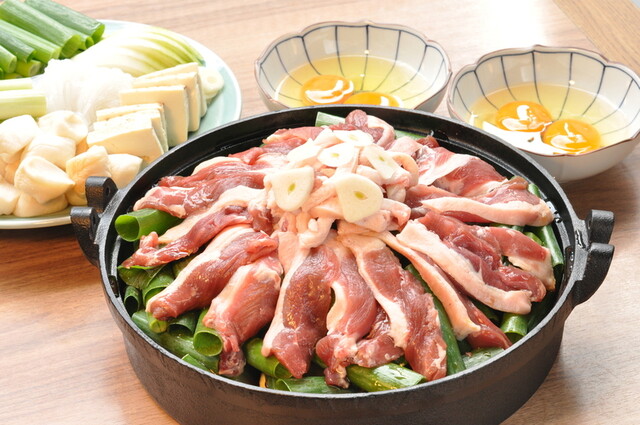
Approaching Jingu Marutamachi, Kyoto changes tempo. Ceremonial dining rooms and tourist-heavy lanes give way to a residential rhythm, with the Kamo River close by and the old imperial quarter within easy reach. It is a fitting setting for chicken cuisine, a category with little of sushi counters’ or kaiseki trays’ visual drama, but the same demands: clean stock, controlled heat, and a kitchen confident enough to make poultry the main argument.
Hachikian Marutamachi honten belongs to that narrower Kyoto tradition. Its recognition in the Tabelog 100 Chicken Cuisine 2025 selection matters because the list separates specialist restaurants from the city’s broader Japanese dining field. Kyoto has many rooms serving chicken as one course among many; fewer are built around the ingredient as the reason to go. Its categories, chicken dishes, sukiyaki, and Japanese cuisine, place it in a lane where technique is measured less by novelty than by consistency across familiar forms.
Chicken cuisine treated as a Kyoto specialty, not a side category
Kyoto dining is often flattened into kaiseki, but the city’s older food culture is more plural: tofu houses, soba specialists, confectioners, eel rooms, izakaya counters, and poultry restaurants, each with its own expectations. Chicken cuisine sits between everyday comfort and formal dining: approachable in ingredient, exacting in execution. That tension makes a specialist address more useful than another all-purpose Japanese restaurant, especially for diners who already know Kyoto’s set-menu temples and want clearer focus.
The sukiyaki connection is important. In Japan, sukiyaki is not merely a sweet soy hotpot; it is a social format, pacing device, and test of balance. With poultry, the kitchen has less margin for error than with richly marbled beef. Appeal rests on timing, seasoning, and the sequence of textures rather than luxury signalling. Hachikian Marutamachi honten enters here: not as a maximalist dining room, but as a specialist in a category where restraint has more value than spectacle.
The Tabelog score of 3.61 adds a useful local signal. On Japanese restaurant platforms, scores above the mid-threes can indicate sustained confidence from domestic diners, especially in categories without the international visibility of sushi, wagyu, or French fine dining. The Tabelog 100 Chicken Cuisine 2025 selection gives that signal structure, placing the restaurant among poultry-focused addresses selected within a defined category, not a general popularity contest.
Reputation built on specificity rather than luxury theatre
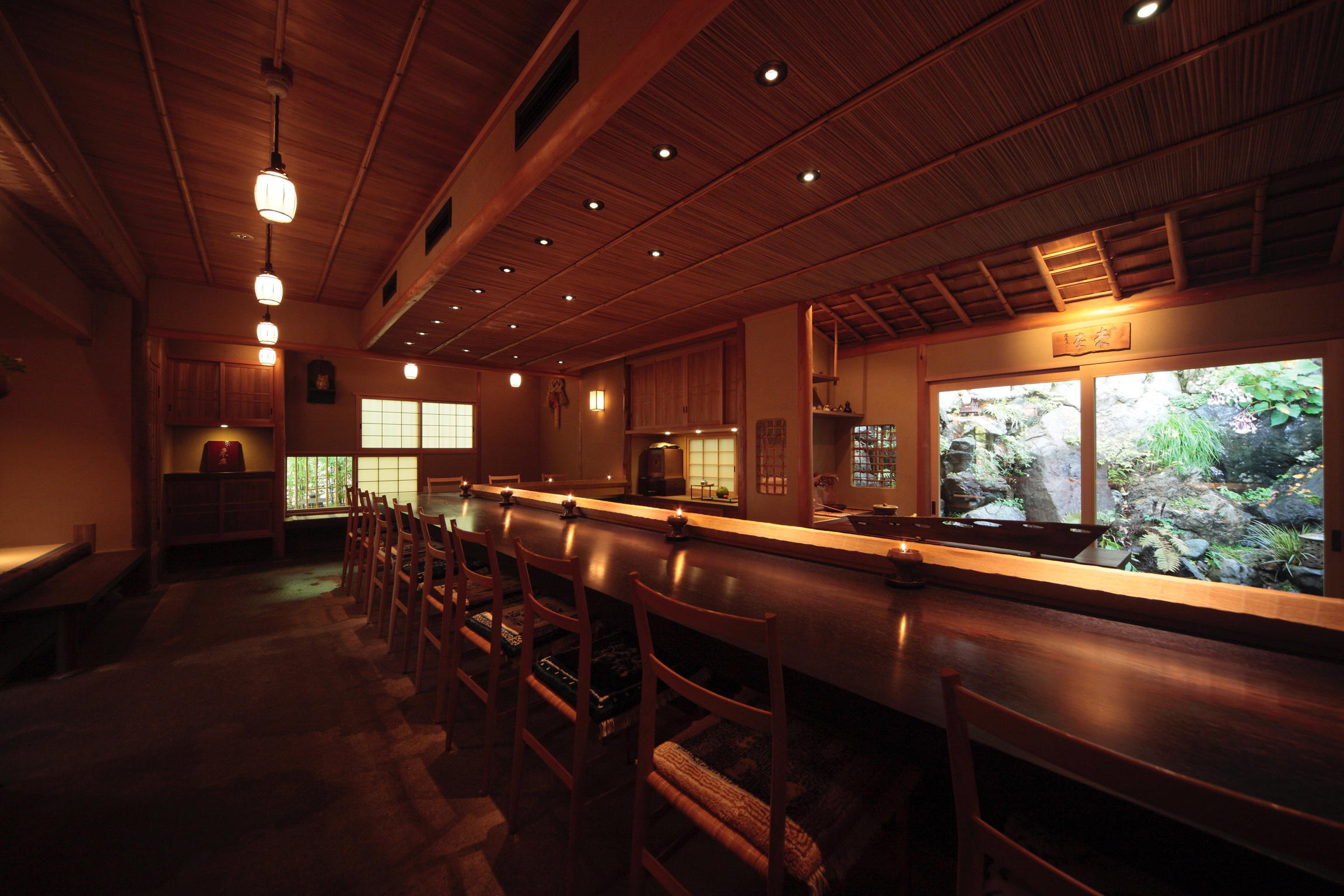
Room format reinforces its position in Kyoto’s dining hierarchy. With 46 seats, private rooms, counter seating, tatami, and sunken seating, the setup reads as a house restaurant rather than a tiny reservation-only counter. That matters for how to judge it. The point is not access friction or chef-led tasting-menu choreography, but whether a long-running Kyoto specialist can deliver a focused meal polished enough for business dining, friends, and visitors seeking local depth without turning dinner into performance.
That makes it different from Kyoto’s genre-hopping restaurants. An izakaya such as Sambongi Shoten, a French room such as Le cadeau, or an Italian address such as ortensia each sits in a separate decision path: drinks-led informality, European technique, or casual regional cooking. Chicken cuisine asks another question. It suits diners who want Japanese specificity without the formality or price escalation of haute kaiseki. Hachikian Marutamachi honten is less about novelty than choosing a category Kyoto has the patience to sustain.
The drink framing keeps the restaurant anchored in Japanese dining rather than international fine-dining mimicry. Sake, shochu, and wine are listed, enough range for a meal moving between simmered, grilled, or hotpot-style poultry preparations without making the beverage program the headline. For visitors, this is often the more revealing Kyoto choice: a table where food format drives the evening and drinks follow the cooking, not the reverse.
How to place it in a Kyoto itinerary
This is a useful meal when Kyoto fatigue sets in. After days of temple routes, counter omakase, and multi-course dining, a poultry specialist offers a grounded read on the city. Jingu Marutamachi also works for travelers staying near the imperial quarter or crossing between Higashiyama and central Kyoto. It is not a nightlife district in the Osaka sense; its appeal is how it connects residential Kyoto, river walks, and serious restaurants without Gion density.
For planning, pair this meal with a varied Kyoto dining map rather than treating it as a substitute for everything else. Our full Kyoto restaurants guide is the natural starting point, especially when comparing specialist Japanese formats with newer rooms such as 3TOKU6MI Shijo karasuma ten, [ki:], Abbesses, 551蓬莱, and Aburi Mochi Honke Nemoto Kazariya. For the rest of the trip, keep the city in layers: Our full Kyoto hotels guide for base selection, Our full Kyoto bars guide for late evenings, Our full Kyoto wineries guide for regional drinking context, and Our full Kyoto experiences guide for cultural scheduling around meals.
Outside Kyoto, the same logic applies: specialist Japanese dining is often more revealing when judged by category rather than luxury shorthand. Sukiyaki-focused travelers may compare the format with -Grilled beef Sukiyaki- KAMAKURA TANUKIAN 鎌倉 たぬき庵 in Kamakura, while broader Japan itineraries can move from seafood and grill formats such as. 鮪と炭火焼き うお炭 秋葉原店 in Tokyo to casual addresses including.cafe in Osaka.know in Kumamoto, (Shoku) Vietnam in Kawasaki, and [Curry Senmon Ten] Maruyama Kyoju. in Sapporo. For readers extending the Japanese food thread to California, Jōdo Saké Bar in Los Angeles and Onigiri Time in Pasadena show how specific formats travel when removed from home context.
The editorial case for the restaurant is not trend-chasing. It represents narrower, more durable recognition: a category specialist with Tabelog 100 Chicken Cuisine 2025 selection, a defined Japanese-poultry focus, and a room format for diners who want comfort without losing seriousness. In a city overrun with generic “Kyoto cuisine” promises, that specificity is the point.
- Tori mizutaki (chicken hotpot)
- Grilled chicken (sumi-yaki)
- Kamo nabe / duck sukiyaki
- Tori nanban / duck nanban
- Chicken nanban (tori nanba)
- Uzura no udon (Kyoto-style udon with poultry broth)
Pricing, Compared
Comparable venues for orientation by cuisine and category.
| Venue | Cuisine | Price | Notes |
|---|---|---|---|
| Hachikian Marutamachi honten | Not listed | $$$ | Sakyō, Traditional Kyoto poultry and sukiyaki cuisine |
| Kara Semi Tei (空蝉亭) | Not listed | $$$ | Kamigyo-ku, Specialty Tonkatsu with Aged Pork |
| 菊乃井 露庵 | Nakagyō, Traditional Kaiseki Omakase | $$$ | Not listed |
| 竹邑庵太郎敦盛 | Kamigyō, Traditional Kaiseki Omakase | $$$ | Not listed |
| Pass The Baton | Gion, Japanese Shaved Ice Salon de Thé | $$$ | Not listed |
| Riki Chan Gion ten | Not listed | $$$ | Higashiyama, High-end Wagyu Yakiniku (Fillet Specialty) |
Recognition history
Dated appearances from independent guides and award organizations, with the underlying list record or original source where available.
Tabelog 100 #3 · No. 3
Tabelog · Tabelog 100 - Chicken cuisine - 2025
Continue exploring
More in Kyoto
Restaurants in Kyoto
Browse all →
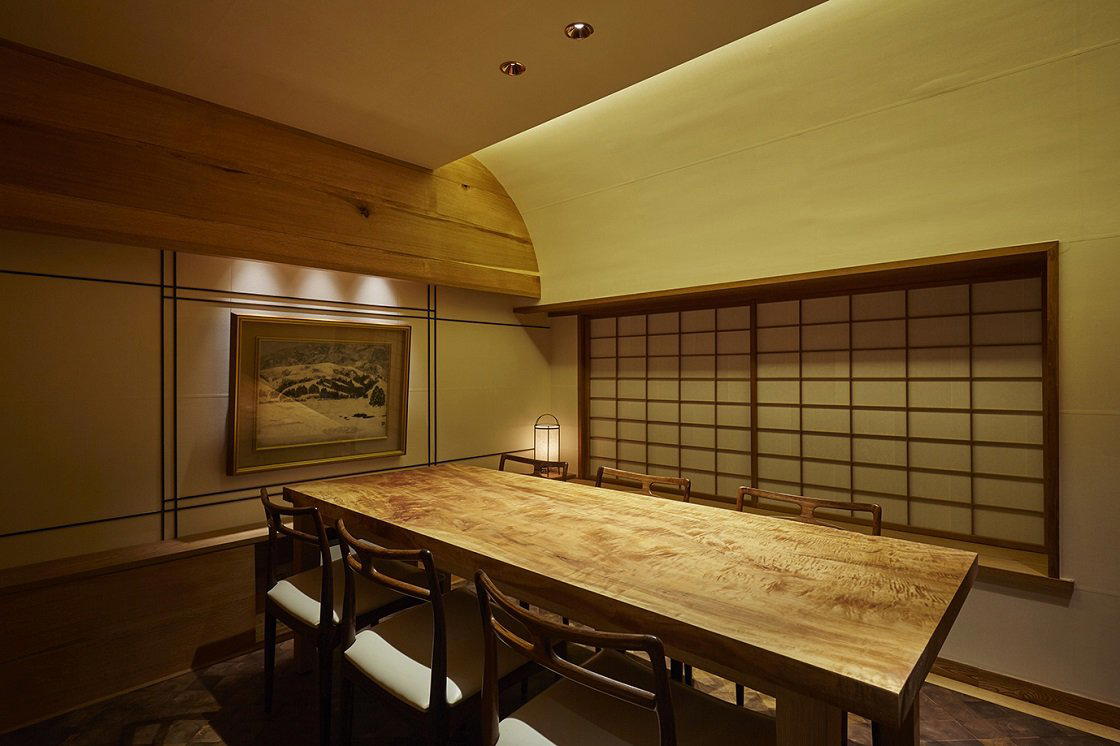
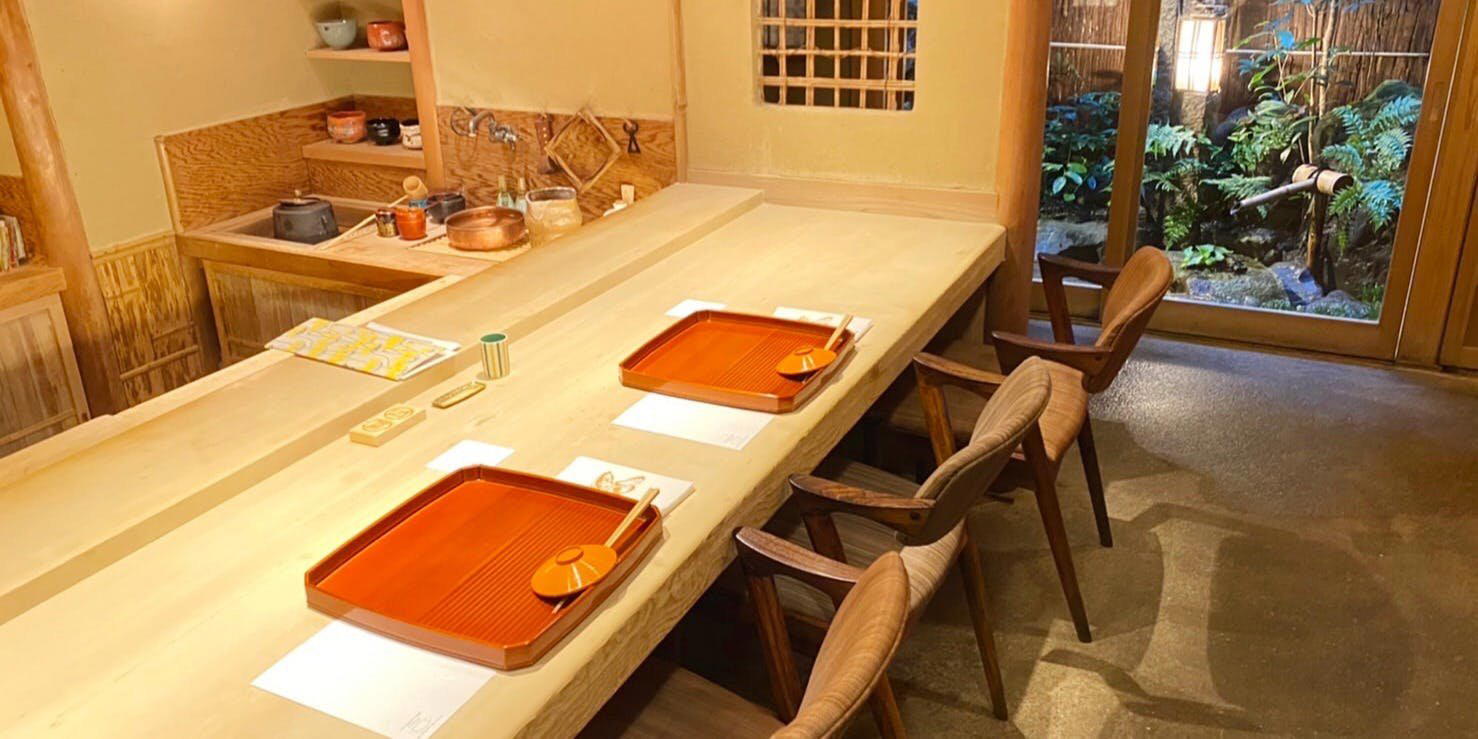
Bars in Kyoto
Browse all →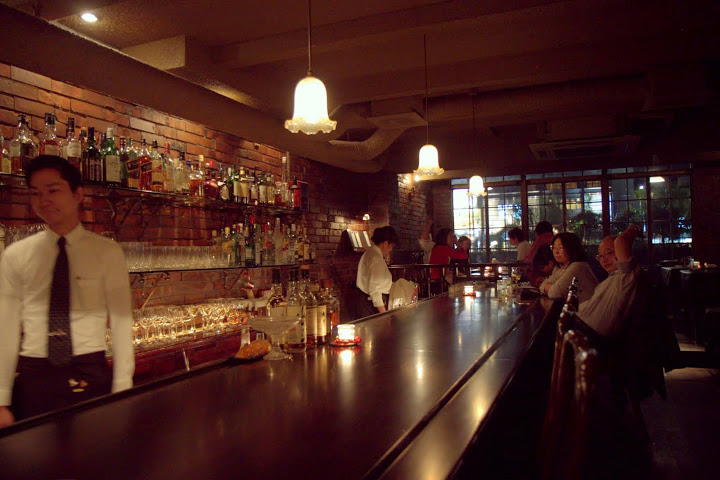
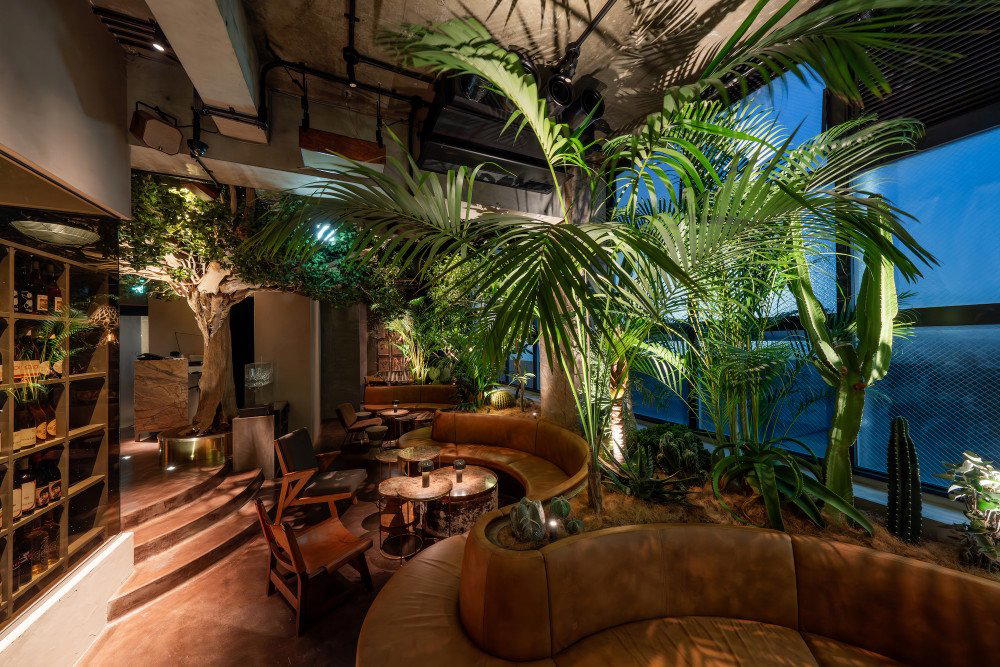
Hotels in Kyoto
Browse all →
Wineries in Kyoto
Browse all →
At a Glance
- Classic
- Cozy
- Intimate
- Special Occasion
- Date Night
- Business Dinner
- Group Dining
- Celebration
- Private Dining
- Historic Building
- Standalone
- Sake Program
- Beer Program
- Local Sourcing
Current opening hours
- Monday
- Closed
- Tuesday
- 11:30 AM–3 PM, 5–10 PM
- Wednesday
- 11:30 AM–3 PM, 5–10 PM
- Thursday
- 11:30 AM–3 PM, 5–10 PM
- Friday
- 11:30 AM–3 PM, 5–10 PM
- Saturday
- 11:30 AM–3 PM, 5–10 PM
- Sunday
- 11:30 AM–3 PM, 5–10 PM
Hours can change for holidays and private events. Last verified .
Traditional Kyoto machiya setting with a calm, cozy and classic atmosphere; tatami rooms and sunken kotatsu-style private rooms create an intimate, quietly convivial feel suited to relaxed, lingering meals rather than hurried dining.