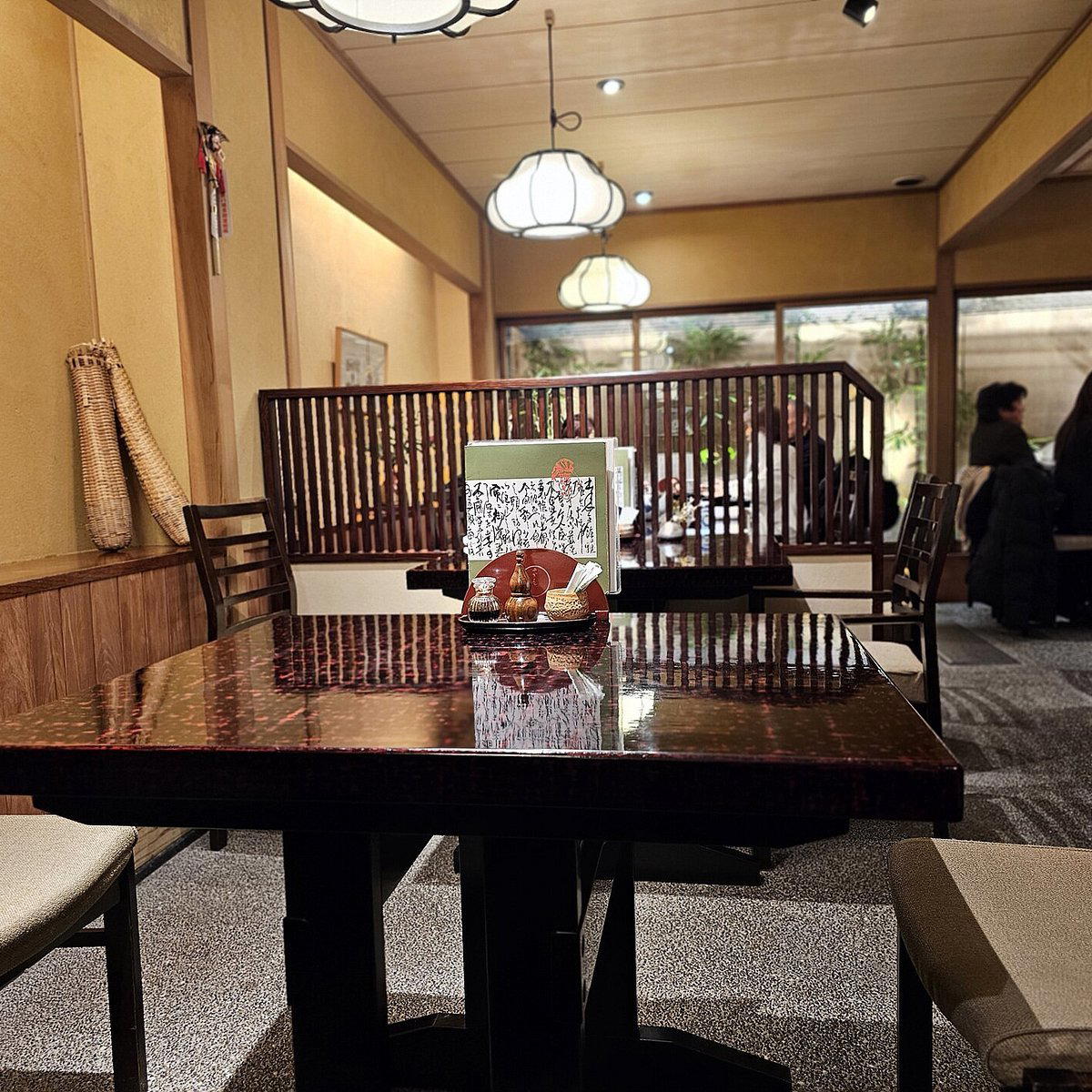
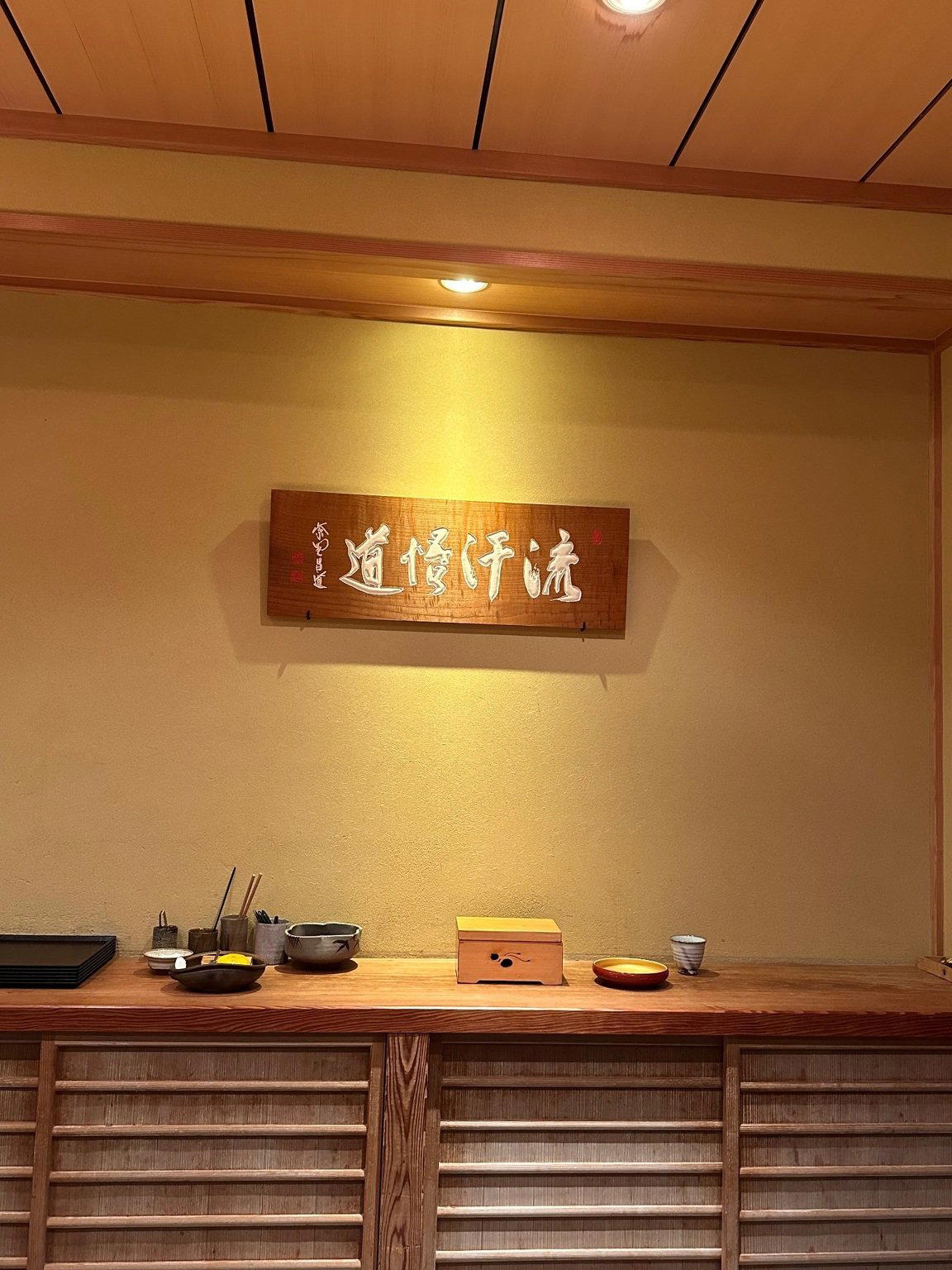
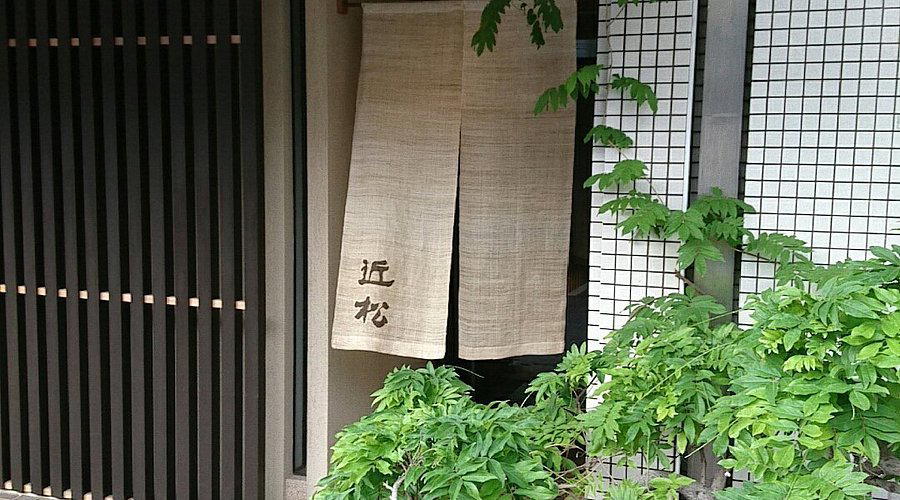
Inakaan sits within Fukuoka's deeply local dining culture, where izakaya tradition and Hakata culinary craft coexist at close range. The restaurant draws from a scene that prizes seasonal ingredient discipline and regional specificity over international trend-chasing. For visitors stepping beyond the city's well-mapped ramen circuit, it represents a more grounded entry point into how Fukuoka actually eats.
Pearl is the En Primeur Club membership app — saves, bookings, and concierge access live there. Same editors, same standards.

How Fukuoka Eats: The Scene Inakaan Belongs To
Fukuoka has long operated as one of Japan's most self-contained food cities. Where Tokyo's dining culture positions itself against global benchmarks and Osaka leans into theatrical abundance, Fukuoka's restaurants tend to answer to local standards first. The city's Hakata district in particular sustains a dense network of small, counter-forward restaurants where the measure of quality is seasonal proximity and craft consistency rather than Michelin accumulation. Inakaan fits within this tradition: a Fukuoka address that draws its logic from the city's own culinary grammar rather than from external validation frameworks.
That grammar has a few defining characteristics. Kyushu's agricultural and coastal resources — sweet soy, mentaiko, locally landed fish from Genkai-nada, and an extensive vegetable growing tradition — inform what ends up on counters and in small dining rooms across the city. Restaurants at this register tend to keep menus tight and seasonally responsive, rotating what the market offers rather than engineering year-round consistency. Understanding Inakaan means understanding that context first, because the restaurant is, in many ways, a product of the city's expectations rather than an exception to them.
Daytime and Evening: Two Distinct Registers
Across Fukuoka's dining culture, the divide between lunch and dinner service is often more pronounced than in comparable Japanese cities. At the lunch hour, counter restaurants and izakaya-adjacent spaces lean accessible: shorter menus, faster pacing, and price points that put serious cooking within reach of a wider range of diners. Evening service shifts the dynamic considerably. The same kitchen tends to slow down, extend the menu, and recalibrate for guests with more time and a higher threshold for restraint and complexity.
This pattern matters practically. Fukuoka's lunch culture , particularly in the Tenjin and Nakasu areas , is genuinely competitive, with restaurants that would read as dinner-only establishments in other cities offering scaled-down daytime formats at notably accessible prices. If Inakaan follows the city's broader pattern, the lunch visit offers a lower-commitment entry point, while an evening reservation calls for more planning and more appetite for a considered, longer experience. Visitors deciding between a midday stop and an evening booking should weigh that against their schedule: a lunch seat in Fukuoka's mid-tier dining scene frequently punches above its price bracket in ways that evening pricing rarely surprises you.
For comparison, Asago and Bekk both operate within Fukuoka's more architecturally considered dining tier, where evening format and room design carry significant weight in how the experience reads. Goh (French) sits in a different competitive bracket entirely, bringing a French technical framework to Kyushu ingredients in a way that positions it closer to destination-dining peers like HAJIME in Osaka or Gion Sasaki in Kyoto. Inakaan operates at a different register from all of these, grounded more explicitly in the city's everyday dining fabric.
The Wider Fukuoka Counter Scene
Fukuoka's counter dining tradition encompasses a broader range of formats than Tokyo's, partly because the city has fewer formalized omakase institutions and a stronger culture of chef-to-guest informality. Sushi is well-represented , Chikamatsu (Sushi) anchors the upper end of that format in the city , but the dominant social dining mode remains the izakaya and the small-plate counter, where the kitchen's range, rather than a single ingredient's treatment, carries the meal.
Across Japan more broadly, this kind of restaurant has become an increasingly important category for serious diners. The formal tasting-menu circuit , represented in Tokyo by addresses like Harutaka and in Nara by akordu , coexists with a deeply functional, seasonally honest tradition of cooking that doesn't structure itself around ceremony. Fukuoka's leading mid-register dining often lands in that second category: technically coherent, ingredient-led, and free of the performance overhead that higher price points tend to carry.
Beef Taigen represents a more specialized trajectory within the city's scene, focusing its identity on a single protein category in the way that Kyushu's wagyu tradition supports. That kind of specialization is another strand of Fukuoka's dining logic: restaurants that know their lane and commit to it without apology. Whether Inakaan takes a similarly focused approach or reads as a broader izakaya-style kitchen is leading confirmed directly with the restaurant before booking.
Planning a Visit
Fukuoka is compact enough that most central dining addresses are reachable on foot or via a short subway ride from Hakata or Tenjin stations. The city's dining scene starts early by Japanese standards , many kitchens begin evening service at 6pm rather than 7 or 7:30 , and reservations at well-regarded smaller restaurants tend to fill midweek as well as on weekends, particularly for counter seats. Visitors arriving during Fukuoka's warmer months should account for the city's humidity, which affects how much time people spend walking between venues; building in a neighbourhood-contained evening rather than crossing districts tends to work better logistically.
Those planning a broader Fukuoka itinerary will find useful context in our full Fukuoka restaurants guide, which maps the city's dining culture across neighbourhoods and price tiers. For reference points from other Japanese cities worth cross-referencing: a comparable regional Japanese address in Nanao and a Sapporo equivalent both illustrate how Japan's secondary food cities handle the space between local tradition and broader culinary ambition. The dynamic Inakaan occupies in Fukuoka has parallels in how addresses like Bistro Ange in Toyohashi and Birdland in Sakai serve their own regional dining cultures without positioning primarily against metropolitan benchmarks.
Contact details, current hours, and reservation availability for Inakaan are leading confirmed directly. Given the absence of a publicly listed booking system or website in current records, calling ahead or visiting in person to secure a table is the most reliable approach, particularly if you have specific dietary requirements. Japanese restaurants at this scale tend to handle dietary requests on a case-by-case basis and generally appreciate advance notice rather than on-the-night conversations.
Cuisine and Recognition
These are the closest comparables we have in our database for quick context.
| Venue | Cuisine | Awards | Notes |
|---|---|---|---|
| Inakaan | This venue | ||
| Chikamatsu | Sushi | Sushi | |
| Gahoujin 我逢人 | Sushi | Sushi | |
| Genkiippai | Ramen | Ramen | |
| Matsuyama | Western | Western | |
| Mihara Tofuten | Tofu | Tofu |
At a Glance
- Classic
- Elegant
- Iconic
- Rustic
- Special Occasion
- Casual Hangout
- Historic Building
- Open Kitchen
- Sake Program
- Local Sourcing
Refined, historically-rooted interior with attentive service; the exterior reflects its long heritage dating back to 1926, creating a sophisticated yet welcoming atmosphere.