Michelin Plate
Our verdict
Statholderens Mat og Vinkjeller occupies the vaulted cellars beneath one of Oslo's oldest administrative buildings, serving classic European cuisine with two consecutive Michelin Plate recognitions (2024 and 2025). At the top end of Oslo's price range, it positions itself as the city's most formally rooted alternative to the New Nordic wave, earning.

Pearl is the En Primeur Club membership app, where members save venues, book tables and use the concierge.
Stone Vaults and Classical Plates in Oslo's Old Quarter
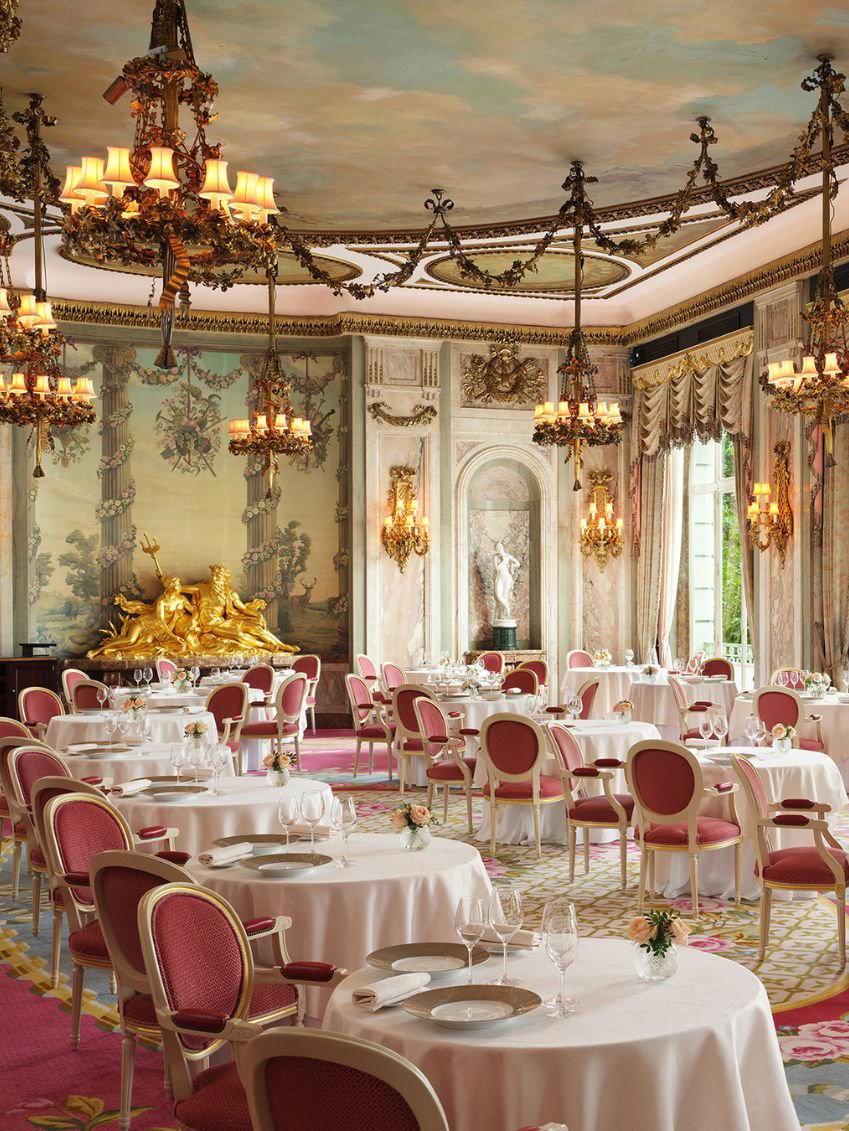
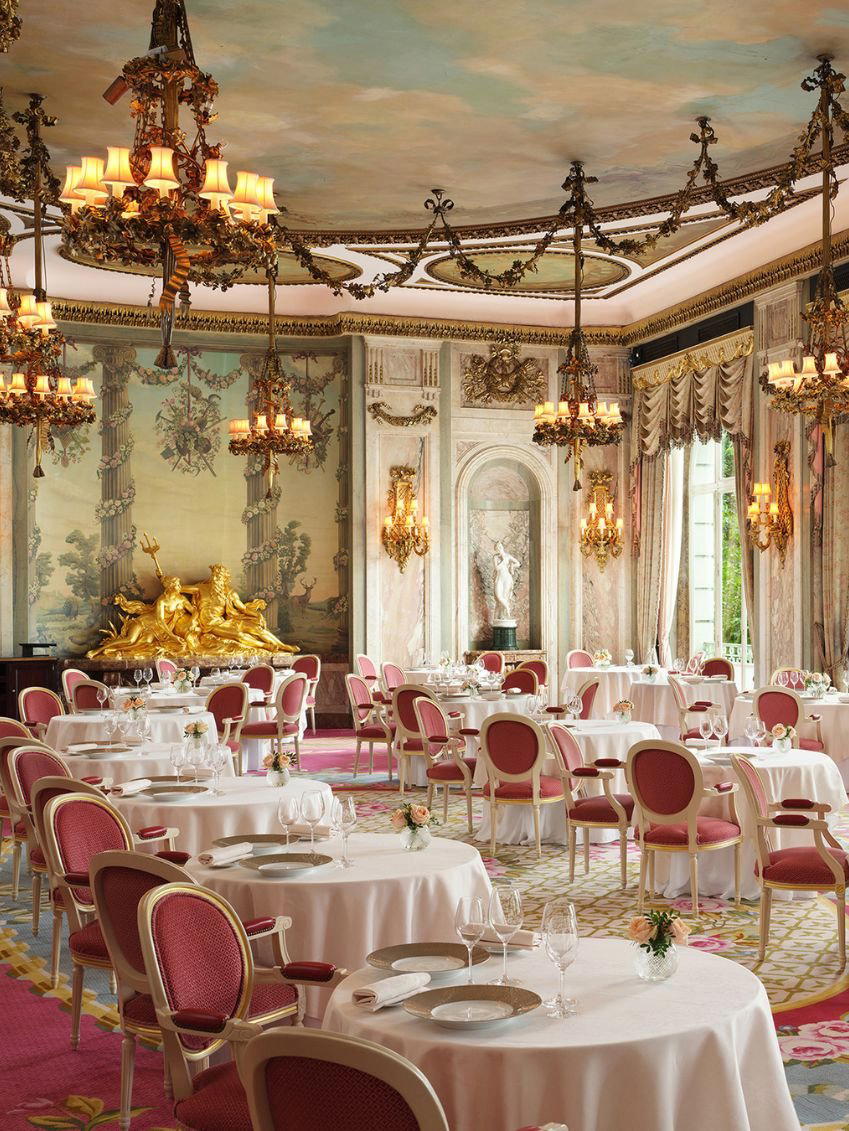
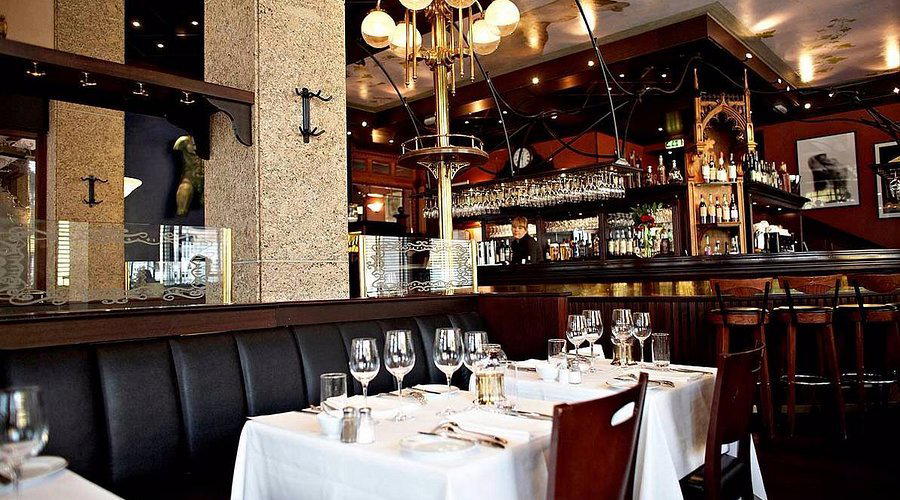
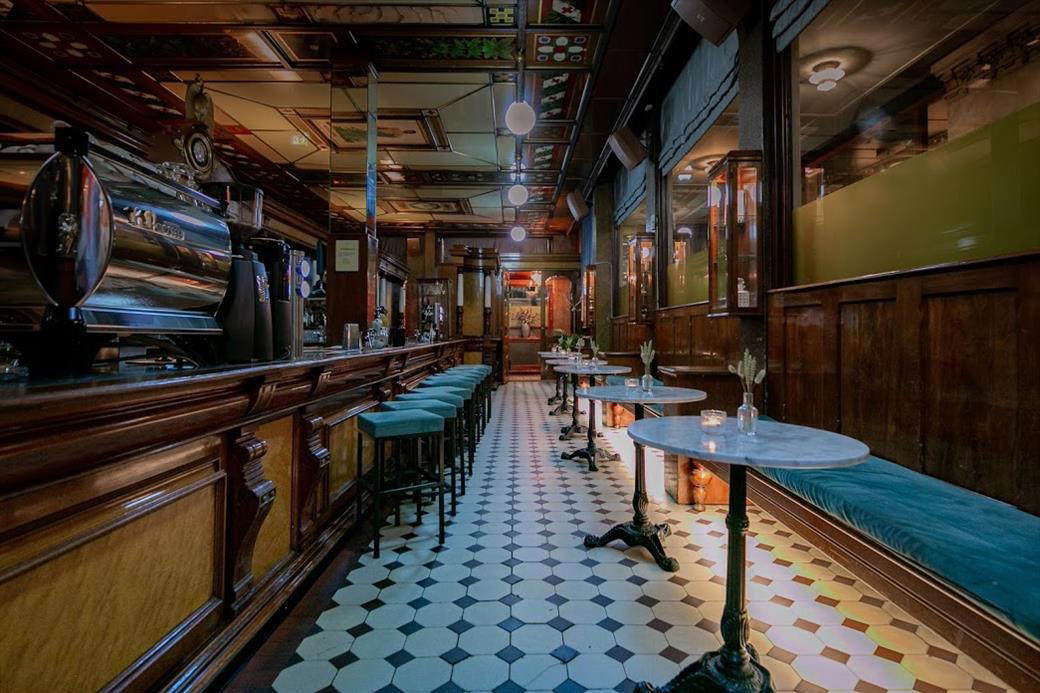
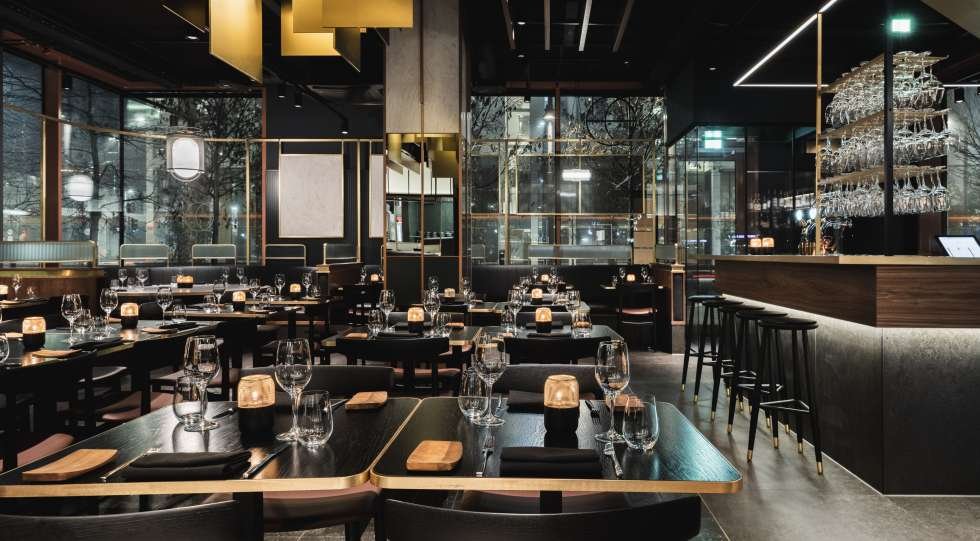
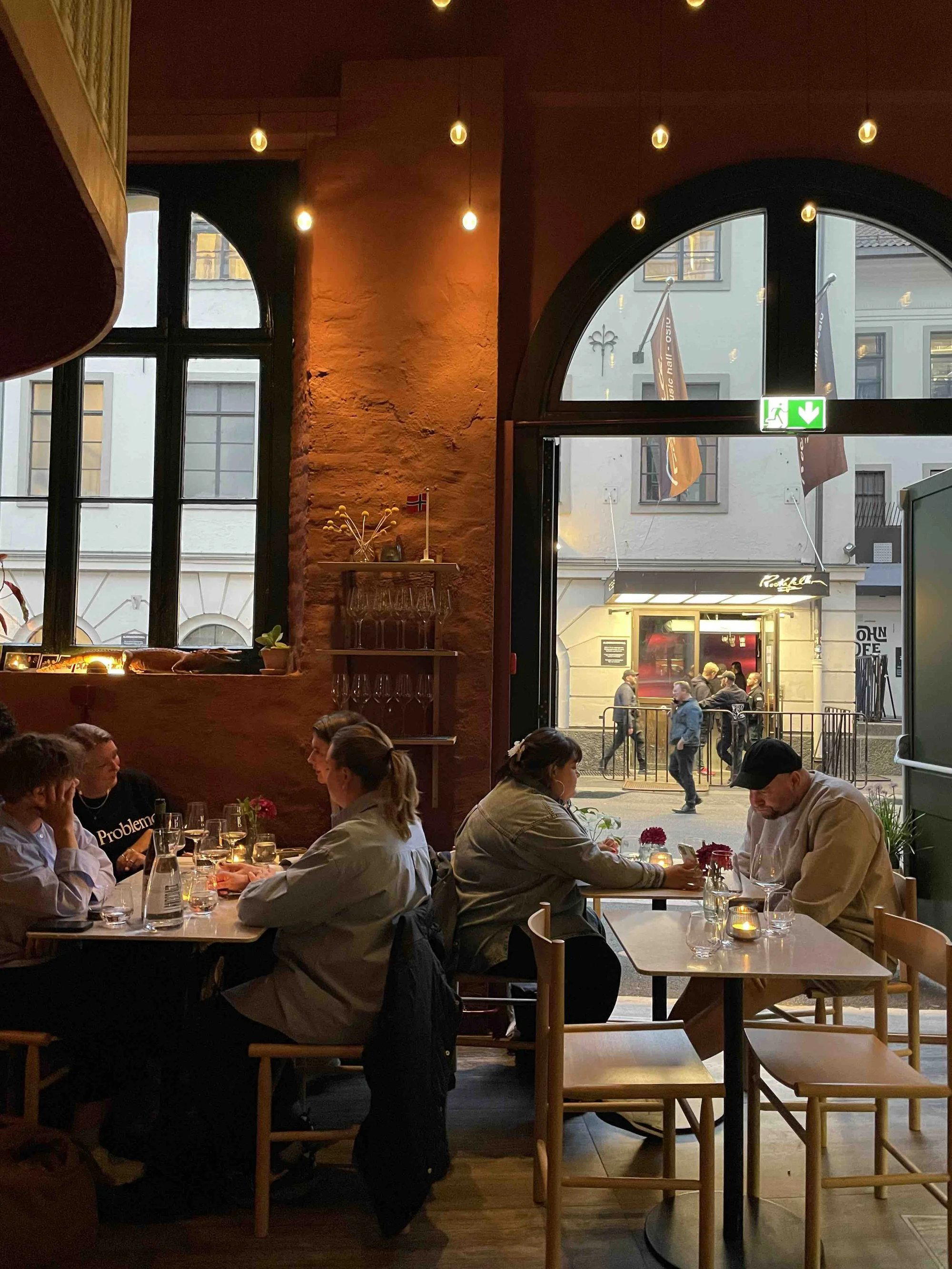
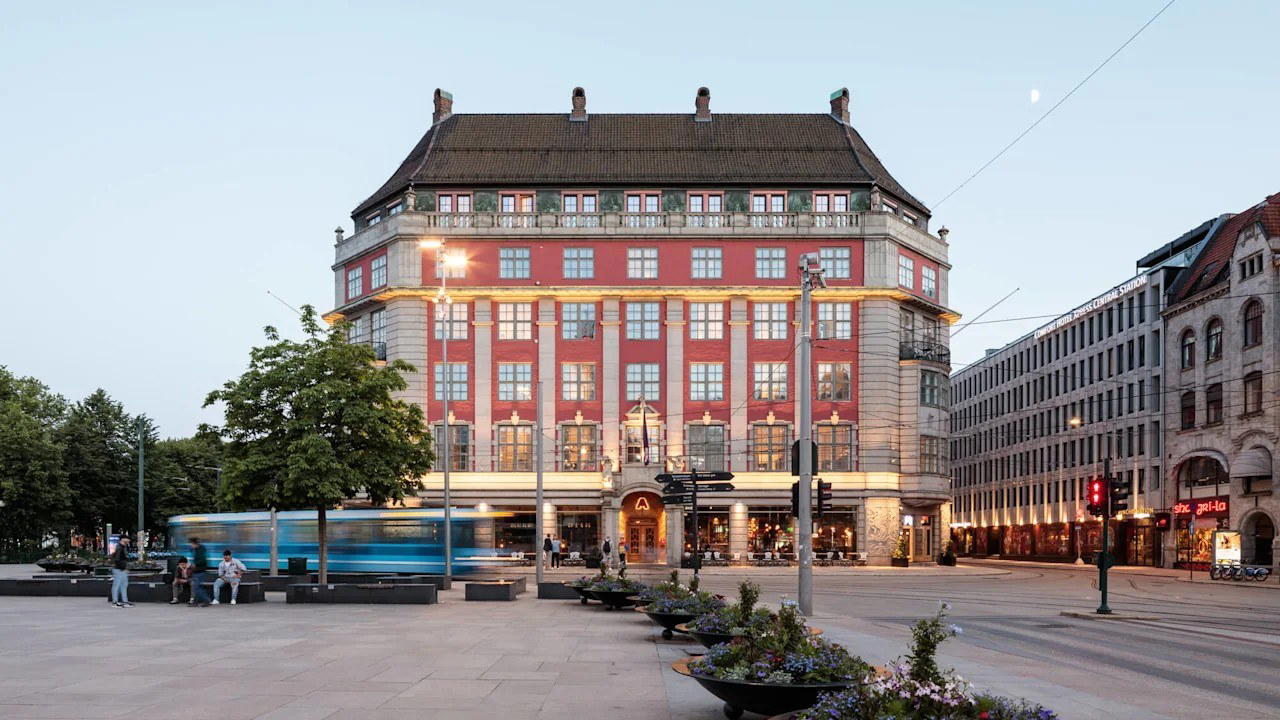
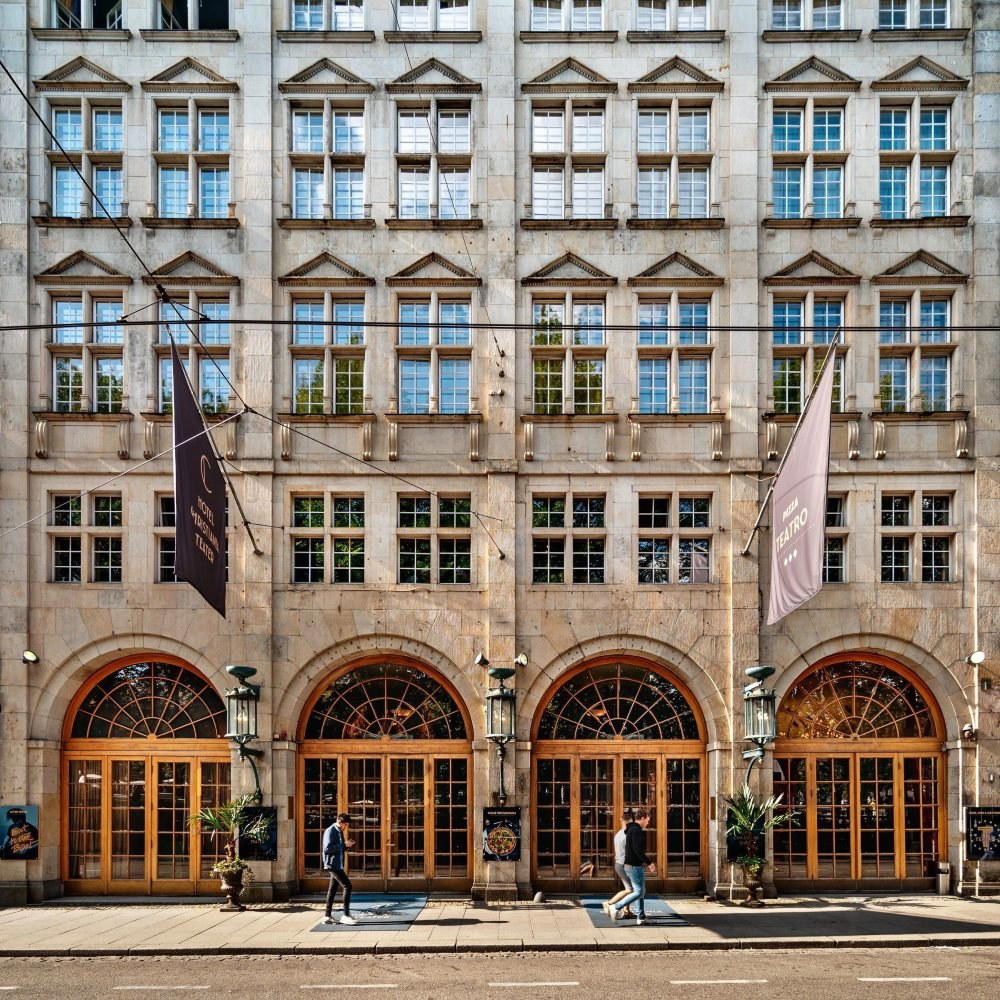
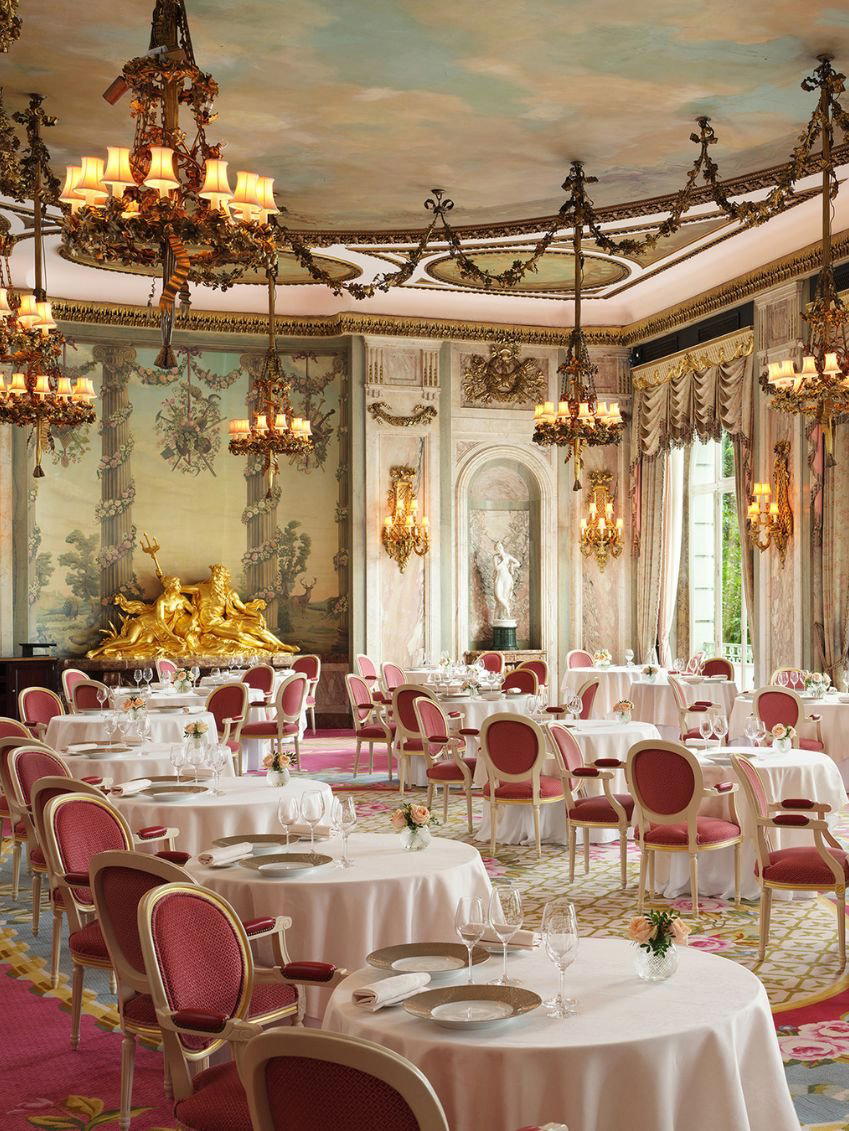
Rådhusgata runs west from the old fortress district toward Oslo's waterfront, and No. 11 is easy to misread from the street. The building above is a seventeenth-century administrative structure, one of Oslo's oldest surviving civic premises. What lies below it is less obvious: a series of stone-vaulted cellars that have been converted into one of the city's more formally pitched dining rooms. The approach itself sets a tone, descend the stairs and the temperature drops, the noise of the street recedes, and the architecture makes its own argument before a menu is placed on the table. Few dining rooms in Oslo trade this directly on historic physical fabric rather than designed atmosphere.
Where Classic Cuisine Fits in Oslo's Current Scene
Oslo's restaurant conversation in recent years has been dominated by the New Nordic current. Maaemo and Kontrast sit at the head of that conversation, tasting menus built around foraged ingredients, hyper-seasonal frameworks, and a specifically Scandinavian culinary identity. Statholderens Mat og Vinkjeller occupies a different position. Its cuisine is classified as Classic, a designation that points toward European culinary tradition rather than the local-product-first philosophy that defines its more talked-about neighbors.
That positioning matters when thinking about the value question at this price level. The €€€€ bracket in Oslo is occupied by restaurants that, almost uniformly, require you to buy into a particular Nordic premise. Statholderens Mat og Vinkjeller asks no such commitment. If the New Nordic idiom leaves some diners cold, or if the visit to Oslo calls for a different register, this is the address where classic European technique and a historic interior work together at the top of the market. For comparison, Bar Amour and Hot Shop operate in creative and modern modes at lower price points, while Mon Oncle handles the French register with a lighter, more bistro-oriented touch. Each serves a different appetite; Statholderens Mat og Vinkjeller is the formal end of that spectrum.
Michelin Plate Recognition and What It Signals
The kitchen has held a Michelin Plate in both 2024 and 2025, consecutive years. In Michelin's current framework, the Plate signals a kitchen producing food of good quality without the inspectors awarding a star. It is not an incidental designation, it requires a level of consistency the Guide's teams return to verify annually, but it does place the restaurant in a specific tier: above the general market, below the starred bracket. In Oslo, the starred restaurants include addresses like Maaemo at the very leading; the Plate tier is a populated, credible middle ground where the cooking is reliable and considered without the astronomical prices that accompany a full star program.
For the reader making a value calculation at the €€€€ level, two consecutive Plate years suggest the kitchen has not slipped. It also suggests the restaurant is not chasing stars through the kind of resource-intensive format (long tasting menus, large brigade, premium imported ingredients in every course) that can make starred dining feel like an endurance event. The classic cuisine framework tends to reward technical execution and ingredient handling over conceptual novelty, and the Plate recognition indicates those fundamentals are being met.
For context on how classic cuisine registers elsewhere in Europe at comparable price points, KOMU in Munich and Maison Rostang in Paris offer a sense of the peer range across the continent.
The Value Argument at Oslo's Leading Price Point
Oslo is among Europe's most expensive cities for dining out at any level. At the €€€€ tier, the question is not whether the bill will be high, it will be, but whether the experience justifies its position in that bracket.
A 4.7 average at that volume points to a kitchen and service operation that performs well under routine conditions, not just on special occasions or when a critic is suspected to be in the room. In a city where the top-tier restaurant scene can sometimes feel geared toward the initiated, that consistency has its own value.
Norway's Broader Fine Dining Map
Statholderens Mat og Vinkjeller is one address in a Norwegian restaurant scene that has become internationally credible well beyond Oslo. RE-NAA in Stavanger holds two Michelin stars and represents the southwest coast's claim on the best of the national market. FAGN in Trondheim brings serious kitchen credentials to a city most international visitors skip. On the west coast, Gaptrast in Bergen and Iris in Rosendal operate in landscapes that make the New Nordic ingredient premise almost literal. Under in Lindesnes, the underwater dining room at Norway's southernmost point, and Boen Gård in Tveit extend the map further still.
Within Oslo specifically, the scene is extensive enough to reward focused planning. Our full Oslo restaurants guide covers the range; the Oslo bars guide, hotels guide, wineries guide, and experiences guide complete the city picture.
Planning a Visit
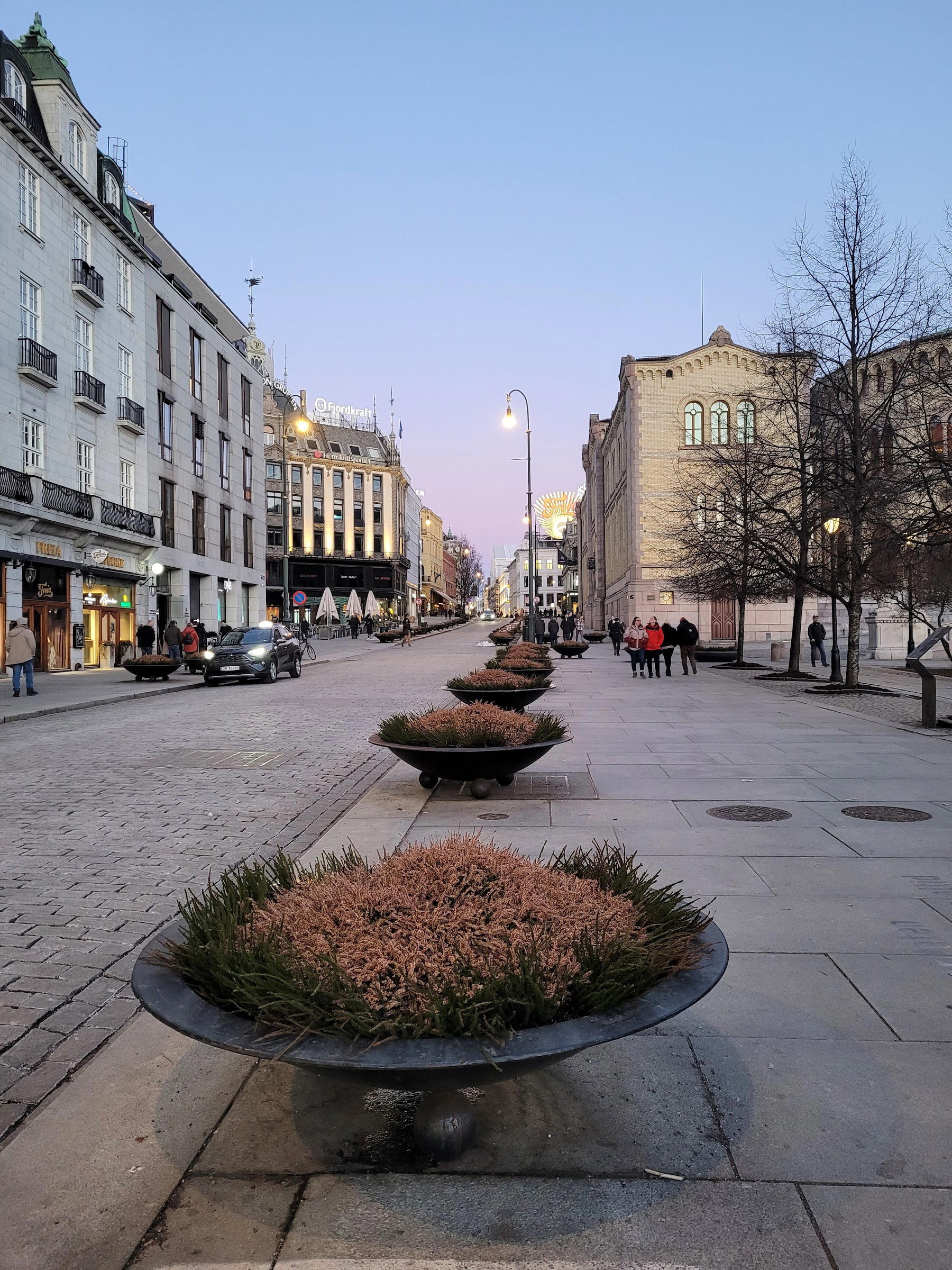
The restaurant sits at Rådhusgata 11 in central Oslo, within walking distance of the waterfront and Aker Brygge, and close enough to the main hotel corridor that a pre- or post-dinner walk is direct. Winter evenings, when the city is dark by mid-afternoon and the contrast between the cold street and the lit stone interior is most pronounced, are the season that plays most directly to the setting's strengths. The price bracket is the best of the Oslo market, so the practical preparation is the same as for any €€€€ address in a major European capital: a reservation, a sense of the format, and no expectation of a quick table turn.
Frequently asked questions
Is Statholderens Mat og Vinkjeller good for families?
The €€€€ price point and classical format position this as a destination for adult dining occasions rather than family outings with children. It sits in the same tier as Oslo's most formal addresses, where the experience is built around a considered, unhurried meal. Families with older teenagers who are comfortable in that setting would find it more appropriate than those travelling with young children.
What kind of setting is Statholderens Mat og Vinkjeller?
The restaurant occupies a historic building on Rådhusgata 11 in central Oslo, close to the waterfront and Aker Brygge. The address sits within a part of the city defined by older civic architecture, which shapes the atmosphere considerably. Consecutive Michelin Plate recognition in 2024 and 2025 places it among Oslo's formally acknowledged kitchens, so expect a setting that matches that register.
Is Statholderens Mat og Vinkjeller award-winning?
Statholderens Mat og Vinkjeller has received recognition including: Michelin Plate (2025); Michelin Plate (2024).
What should I order at Statholderens Mat og Vinkjeller?
The kitchen works in the classic cuisine tradition, which at the €€€€ level in Oslo typically means a menu structured around composed courses with French or European reference points rather than New Nordic minimalism. Michelin Plate status in both 2024 and 2025 confirms consistent kitchen execution, so the set menu or chef's selection is the logical way to experience what the kitchen does well. Specific current dishes are best confirmed directly with the restaurant before your visit.
Is Statholderens Mat og Vinkjeller focused on a specific cuisine style?
What's the pricing like at Statholderens Mat og Vinkjeller?
Pricing at Statholderens Mat og Vinkjeller is listed as €€€€.
What's Statholderens Mat og Vinkjeller's location?
Statholderens Mat og Vinkjeller is located at Rådhusgata 11, 0151 Oslo, Norway, Oslo.
Similar Picks
A compact comparison to help you place this venue among nearby peers.
| Venue | Cuisine | Price | Awards | Notes |
|---|---|---|---|---|
| Statholderens Mat og VinkjellerThis venue (the venue you are viewing) | Classic Scandinavian Bistro | $50–100 | Michelin Plate | Not listed |
| Maaemo | New Nordic Fine Dining | $300–500 | 3 Michelin Stars · World's 50 Best #47 | New Nordic, Modern Cuisine |
| Kontrast | Modern Nordic Fine Dining | $200–300 | 2 Michelin Stars · La Liste Top Restaurants | New Nordic, Scandinavian |
| Hot Shop | Modern Nordic Tasting Menu | $100–150 | 1 Michelin Star · Star Wine List | New Nordic, Modern Cuisine |
| Statholdergaarden | Classic Norwegian-French Fine Dining | $200–300 | 1 Michelin Star · La Liste Top Restaurants | Modern European, Classic Cuisine |
| Arakataka | Modern Nordic | $50–100 | Michelin Plate · Star Wine List | Nordic, Norwegian |
Recognition history
Dated appearances from independent guides and award organizations, with the underlying list record or original source where available.
Michelin Plate
Michelin
Full recognition history (3 entries)
Michelin Plate
Michelin
Michelin Plate
Michelin