

Michelin Plate · Star Wine List
Our verdict
One of Oslo's most enduring addresses, Brasserie Hansken has held its place on Christiania Torv since 1997, earning consecutive Michelin Plate recognition in 2024 and 2025. The kitchen works in the modern European register at a price point that sits below the city's tasting-menu tier, drawing a loyal local following alongside visiting travellers. It occupies a distinct position in Oslo's dining scene: substantive without being ceremonial.

Pearl is the En Primeur Club membership app — saves, bookings, and concierge access live there. Same editors, same standards.
- Address
- Christiania Torv 4, 0158 Oslo, Norway
- Phone
- +47 22 42 60 88
- Hours
- Mon ClosedTue–Fri 11:30 AM–10 PMSat 1–10 PMSun Closed
- Website
- brasseriehansken.no
- Directions
- Get directions
- Booking
- Book on the venue's website
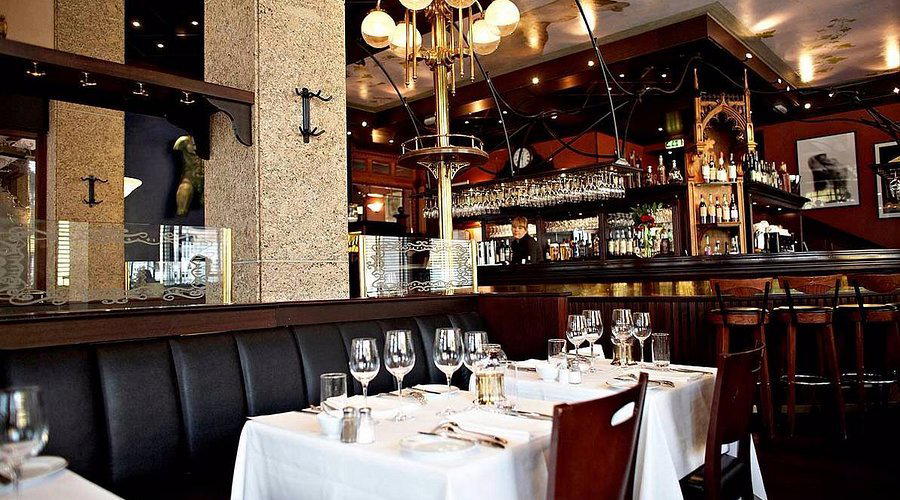
Christiania Torv and the Architecture of Staying Power
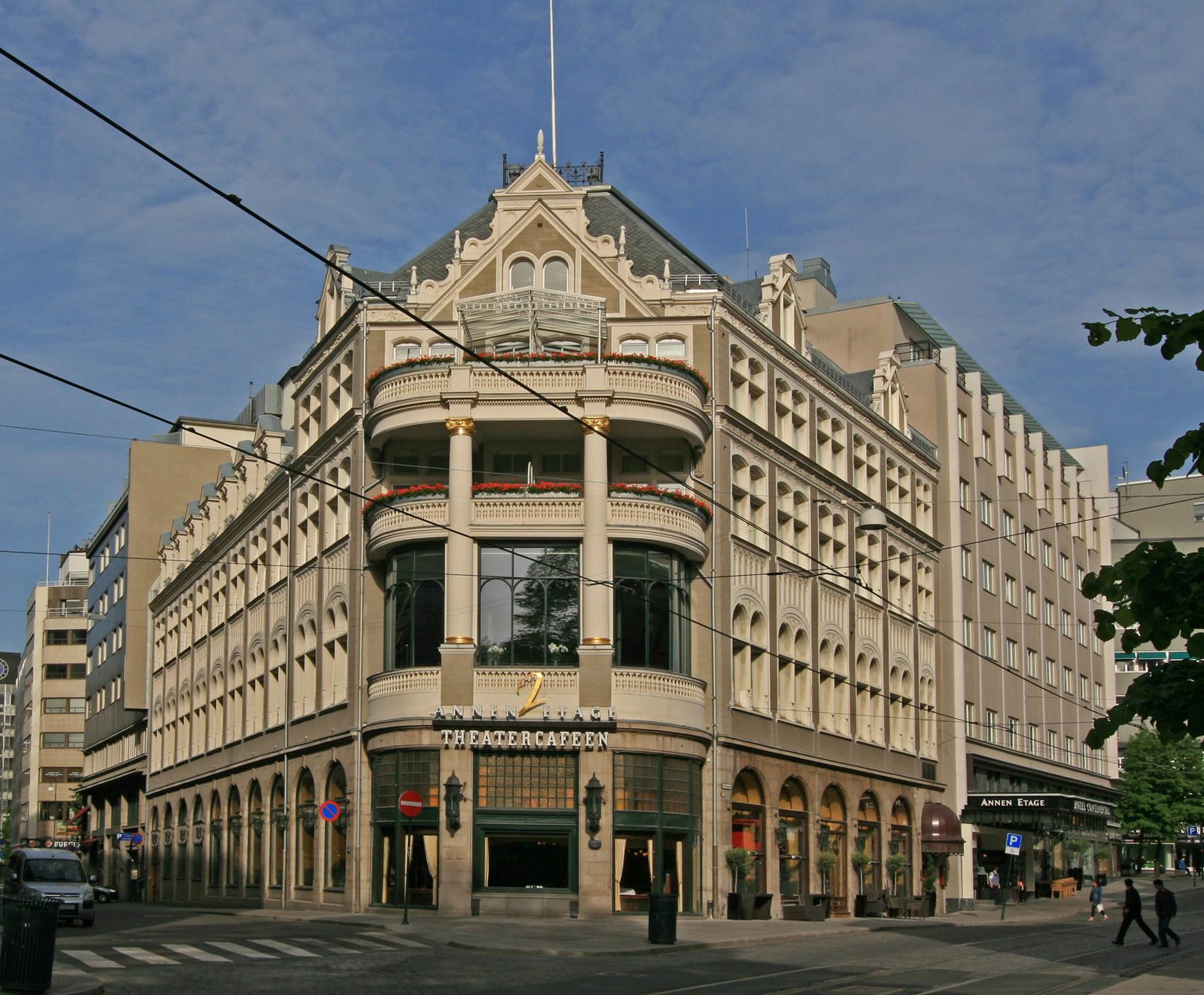
There is a particular kind of restaurant that Oslo does quietly well: the brasserie that refuses to pivot. While the city's upper tier has consolidated around long tasting menus and New Nordic austerity, a different tradition persists at street level. Brasserie Hansken, at Christiania Torv 4 in the old town, belongs to that tradition. The square itself carries historical weight as one of Oslo's oldest public spaces, and the restaurant has been reading its room here since 1997, a span that now runs to nearly three decades.
Longevity at this address is earned, not inherited. Oslo diners are mobile and opinionated, and the tourist traffic that passes through the old town is not enough to sustain a restaurant that fails its regulars. The fact that Hansken draws both locals and travellers in roughly equal measure is a structural signal worth noting: the kitchen is not coasting on location.
Where the Menu Sits in Oslo's Price Structure
Oslo's restaurant market has sharpened into distinct tiers. At the leading, venues like À L'aise and multi-star operations set their pricing against a global luxury benchmark. Below that, the €€€ tier occupies a space that is neither cheap nor ceremonial, and it is here that Brasserie Hansken operates. The pricing aligns it with peers such as FYR Bistronomi & Bar and Festningen, restaurants that offer considered cooking without the full commitment of a multi-course tasting format.
That middle tier has faced pressure from both directions in recent years. The tasting-menu model has expanded upward in ambition and price, while casual formats have pulled the lower end toward informality. Hansken's positioning in between requires the kitchen to justify its price point through consistency, not theatre. The Michelin Plate recognition it received in both 2024 and 2025 suggests the kitchen is meeting that standard reliably enough to earn formal acknowledgment two cycles in succession.
Menu Architecture: Modern Cuisine Without a Manifesto
The editorial angle on Hansken's menu is what it does not try to do. The modern cuisine classification here is not code for tasting-menu formalism or ingredient-as-concept cooking. The brasserie format implies a menu that reads horizontally rather than vertically: dishes you choose between rather than a sequence dictated by the kitchen. That structure places different demands on a kitchen. Every item must hold its own without the narrative momentum of a progression, and the range of any given service has to accommodate the breadth of a brasserie clientele rather than a self-selected group of tasting-menu converts.
This is a format with a specific competitive logic. In cities where the fine-dining conversation has moved almost entirely to long tasting menus, the sustained brasserie remains a counter-position. It appeals to diners who want skilled cooking in a social context rather than a meditative one. Oslo has enough of that demand to support several addresses in this register, but Hansken's consistency over nearly thirty years places it in a smaller subset: those that have maintained quality across multiple shifts in the city's dining culture.
For comparison, look at what has changed in Oslo dining since 1997. Maaemo, now the city's only three-star address, did not open until 2010. The New Nordic wave, the locavore obsession, the rise of natural wine as a default choice, the casualisation of service: Hansken has operated through all of it without abandoning the brasserie form. That is not stagnation; it is a deliberate editorial position about what a restaurant should be.
The Old Town Context
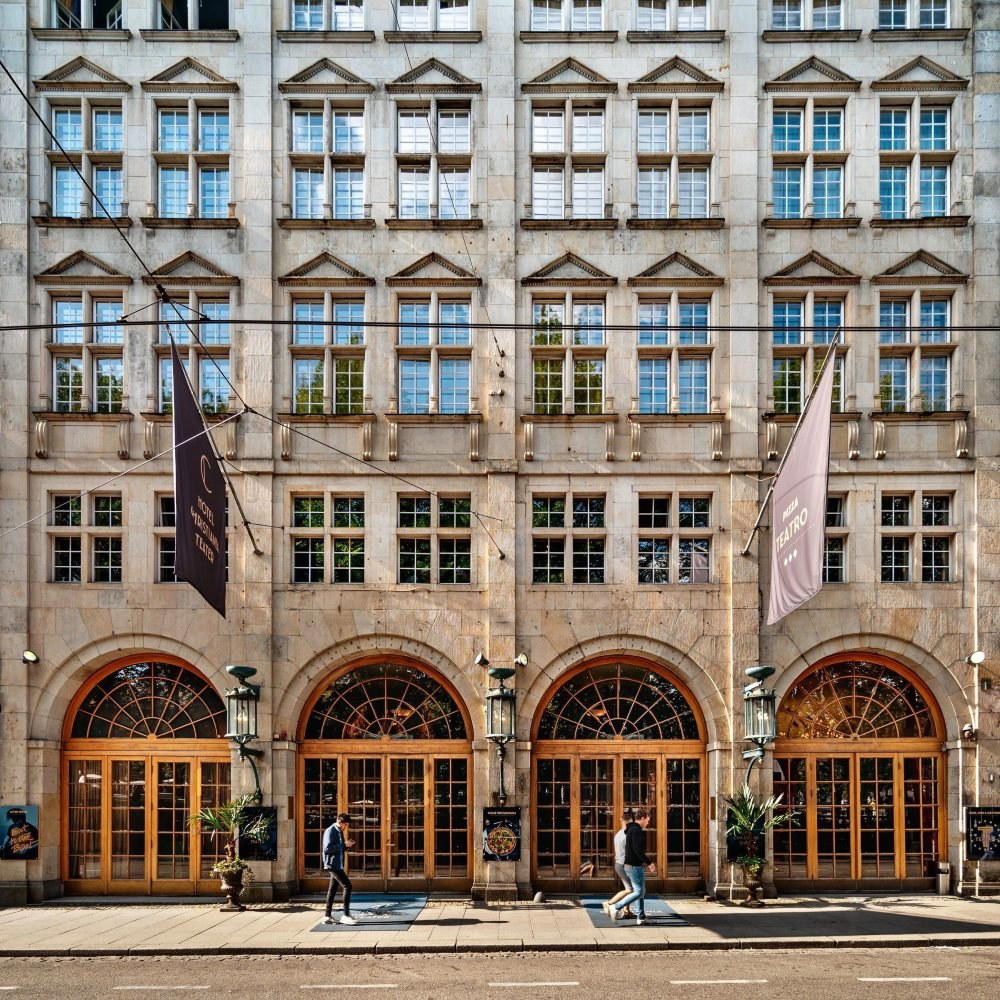
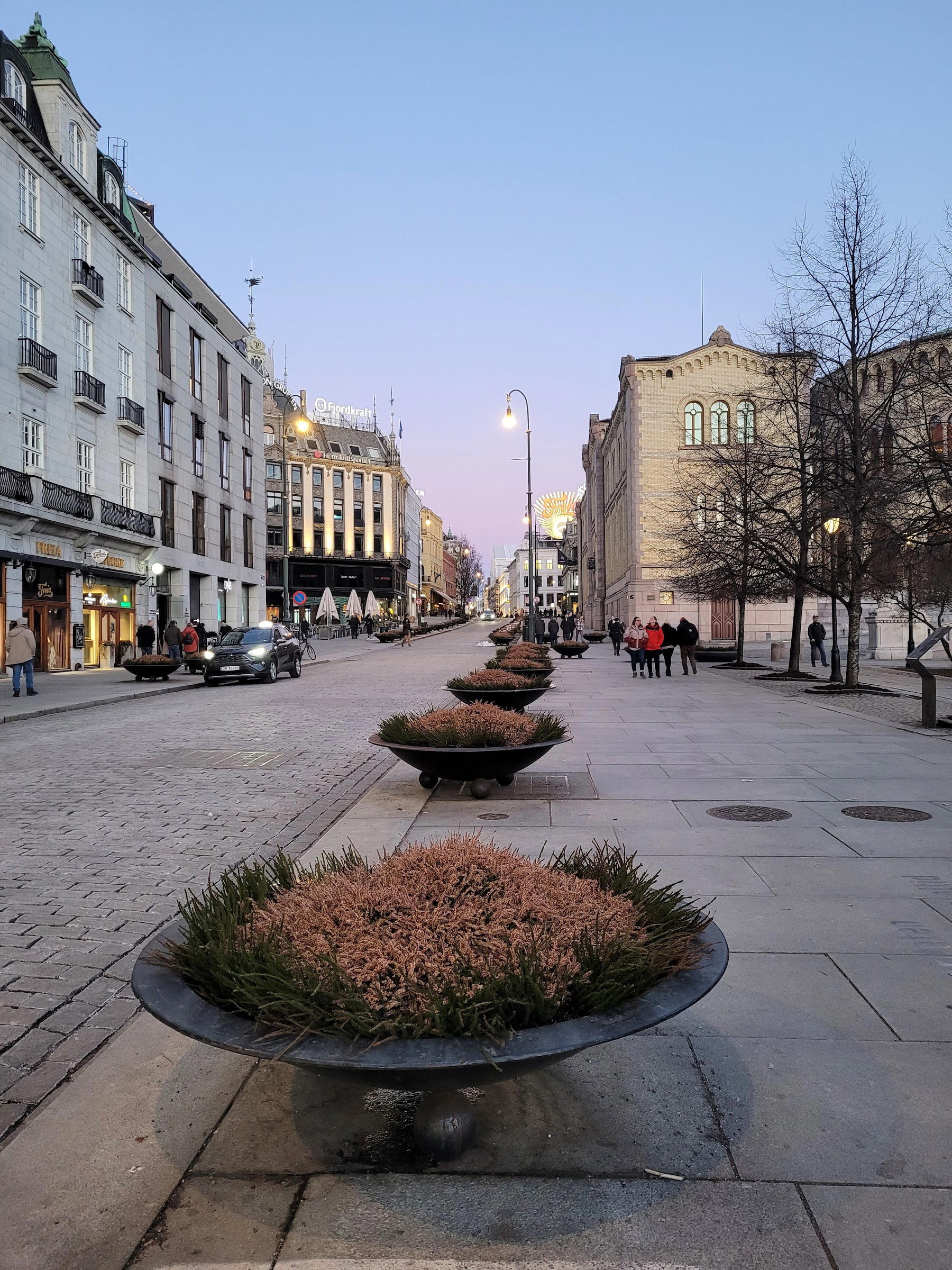
Christiania Torv gives Hansken a setting that few Oslo restaurants can match. The area sits between the waterfront and the Akershus Fortress, in a part of the city where the urban grain is older and smaller-scale than the newer districts. Restaurants in this part of town benefit from a different kind of foot traffic: visitors who are already engaged with the city's history, and locals who choose the old town for its atmosphere rather than its proximity.
That context rewards a certain approach to hospitality. The brasserie format, with its combination of warmth and formality, suits a square that has been a social space for centuries. Comparable addresses in the city, such as Betong or Kolonialen Bislett, operate in different neighbourhood registers. Hansken's position in the old town gives it a specific character that would be difficult to replicate elsewhere in Oslo.
Hansken in the Norwegian Dining Scene
Placed against the broader Norwegian restaurant picture, Hansken represents a different model from the destination-dining addresses that have defined Norway's international reputation. Restaurants like RE-NAA in Stavanger, FAGN in Trondheim, Gaptrast in Bergen, Iris in Rosendal, Under in Lindesnes, and Boen Gård in Tveit have built their identities around a distinctly Norwegian sense of place, seasonality, and local sourcing, often in settings where the landscape itself becomes part of the experience. Hansken is doing something different: urban, European in register, and defined by a brasserie tradition that owes as much to the continent as to Scandinavia.
That distinction matters for how you read the Michelin Plate. The Plate is awarded for good cooking rather than for a particular philosophical approach, and Hansken earns it in a register that is less fashionable in Norway right now than the Nordic-led model. That is worth registering as a quality signal of a specific kind.
For broader Scandinavian context, the modern cuisine tier in Stockholm includes addresses like Frantzén, which operates at a completely different scale of ambition and price. Internationally, the FZN by Björn Frantzén in Dubai shows how the same Nordic lineage translates into a global luxury context. Hansken's appeal is precisely that it is neither of those things: it is a neighbourhood institution that happens to have outlasted most of its contemporaries.
Planning a Visit
Hansken's address at Christiania Torv 4 places it within walking distance of the central waterfront and the Akershus Fortress, making it a natural choice for lunch or dinner during a day spent in the old town. The €€€ price point puts it above Oslo's casual end but below the full-commitment tasting menu tier, which typically runs significantly higher per head in the Norwegian capital. Given the restaurant's consistent local following and its sustained Michelin recognition, booking ahead is advisable, particularly for evening sittings on weekends. Oslo's summer season, when the city moves outdoors and restaurant demand spikes, is the period where advance planning pays off most.
For a fuller picture of where Hansken sits in Oslo's dining options, see our full Oslo restaurants guide. For accommodation, our Oslo hotels guide covers the city's main options. Those looking to extend the evening can find bar and wine recommendations in our Oslo bars guide, our Oslo wineries guide, and our Oslo experiences guide.
Frequently asked questions
What is the overall feel of Brasserie Hansken?
What is the signature dish at Brasserie Hansken?
A quick peer reference to anchor this venue in its category.
| Venue | Cuisine | Price | Awards | Notes |
|---|---|---|---|---|
| Brasserie HanskenThis venue — the venue you are viewing | French Brasserie with Scandinavian Influences | $50–100 | Michelin Plate · Star Wine List | Not listed |
| Maaemo | New Nordic Fine Dining | $300–500 | 3 Michelin Stars · World's 50 Best #47 | New Nordic, Modern Cuisine |
| Kontrast | Modern Nordic Fine Dining | $200–300 | 2 Michelin Stars · La Liste Top Restaurants | New Nordic, Scandinavian |
| Hot Shop | Modern Nordic Tasting Menu | $100–150 | 1 Michelin Star · Star Wine List | New Nordic, Modern Cuisine |
| Statholdergaarden | Classic Norwegian-French Fine Dining | $200–300 | 1 Michelin Star · La Liste Top Restaurants | Modern European, Classic Cuisine |
| Arakataka | Modern Nordic | $50–100 | Michelin Plate · Star Wine List | Nordic, Norwegian |
Recognition history
Dated appearances from independent guides and award organizations, with the underlying list record or original source where available.
Michelin Plate
Michelin
Star Wine List
Star Wine List
Full recognition history (4 entries)
Michelin Plate
Michelin
Michelin Plate
Michelin
Continue exploring
More in Oslo
Restaurants in Oslo
Browse all →
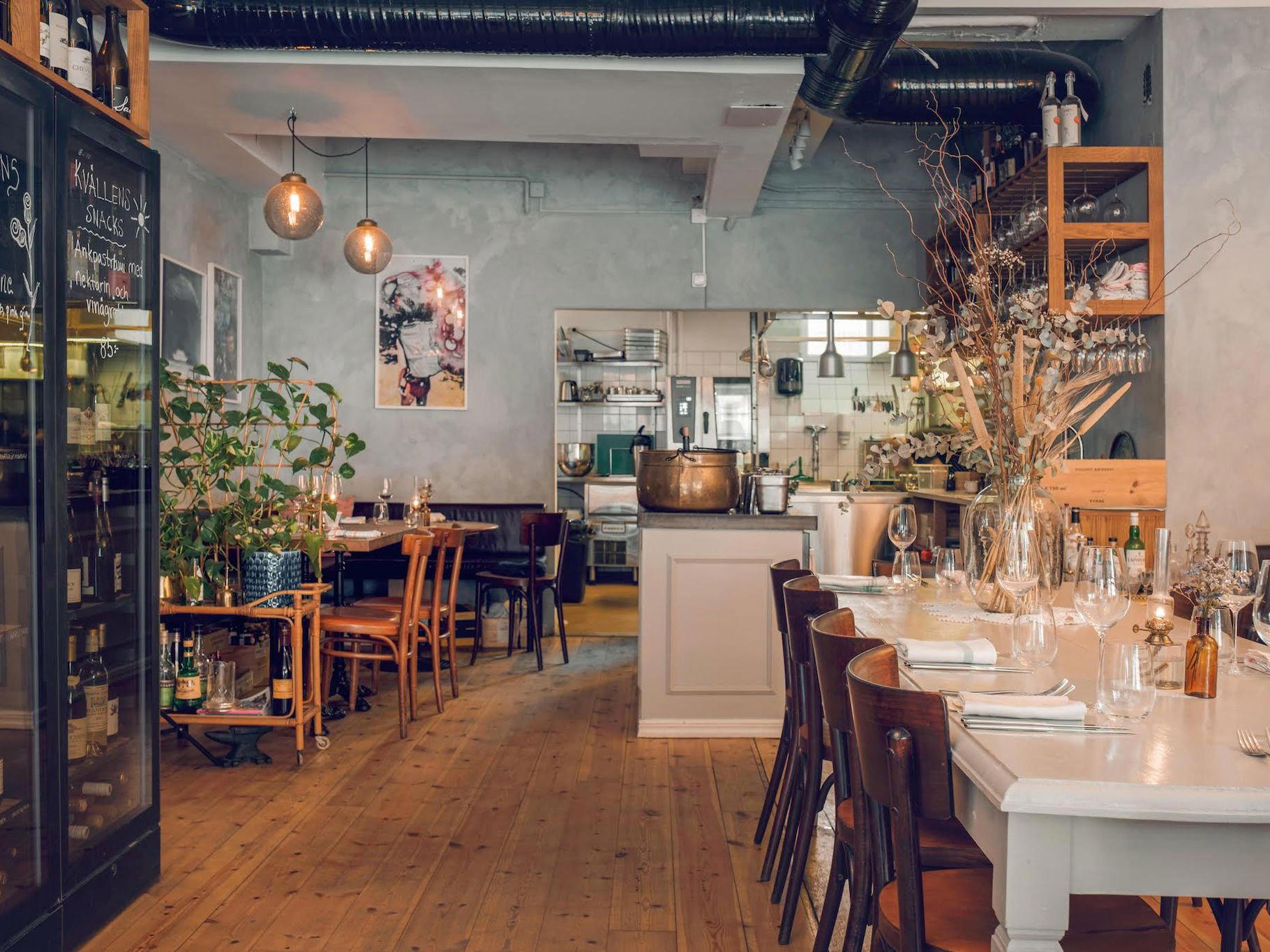
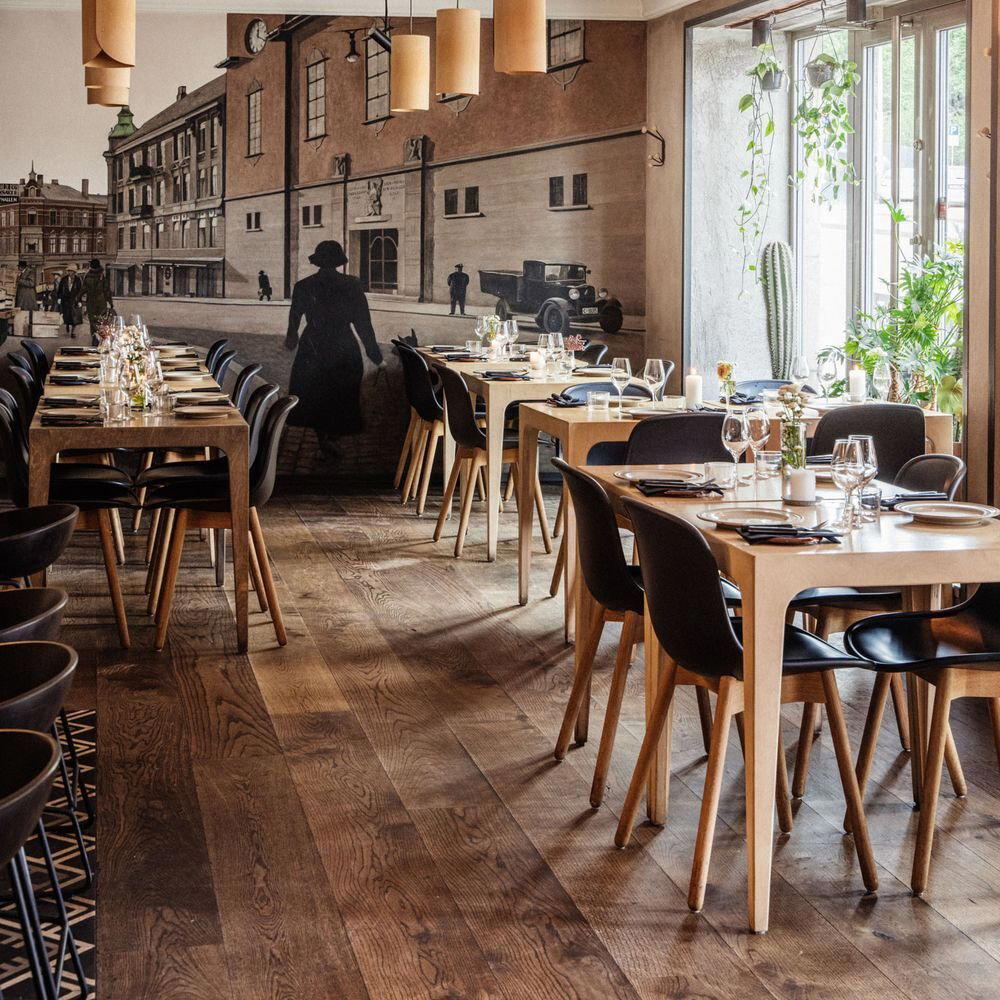
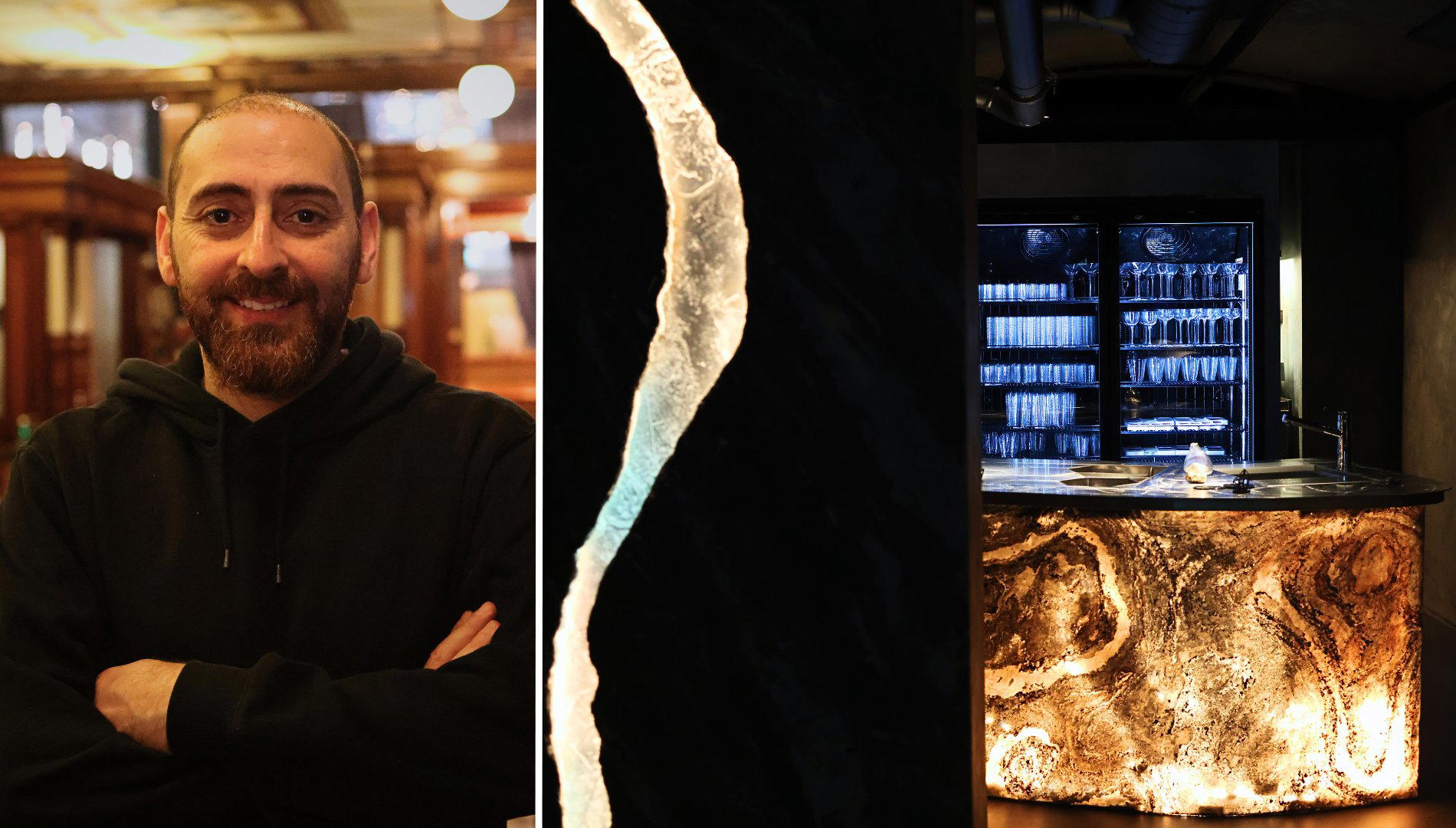
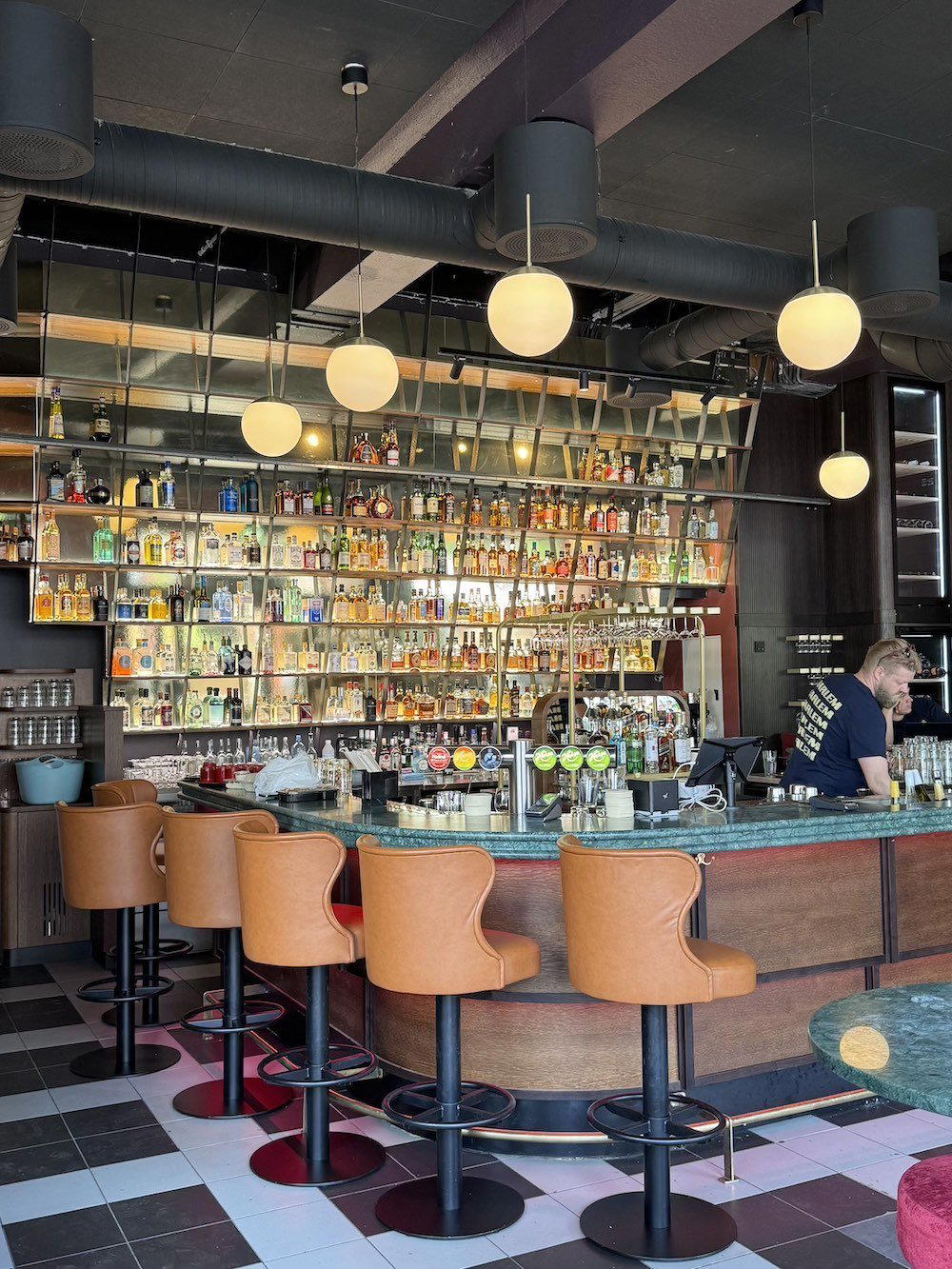
Brasserie Hansken
The wine
- Wine program
- Exceptional wine program
- Extensive wine list
Details
- Classic
- Elegant
- Cozy
- Business Dinner
- Date Night
- Group Dining
- Terrace
- Historic Building
- Extensive Wine List
- Street Scene
- A La Carte
- Wine
- Gluten Free Options
- Vegetarian Friendly
Current opening hours
- Monday
- Closed
- Tuesday
- 11:30 AM–10 PM
- Wednesday
- 11:30 AM–10 PM
- Thursday
- 11:30 AM–10 PM
- Friday
- 11:30 AM–10 PM
- Saturday
- 1–10 PM
- Sunday
- Closed
Hours can change for holidays and private events. Last verified .
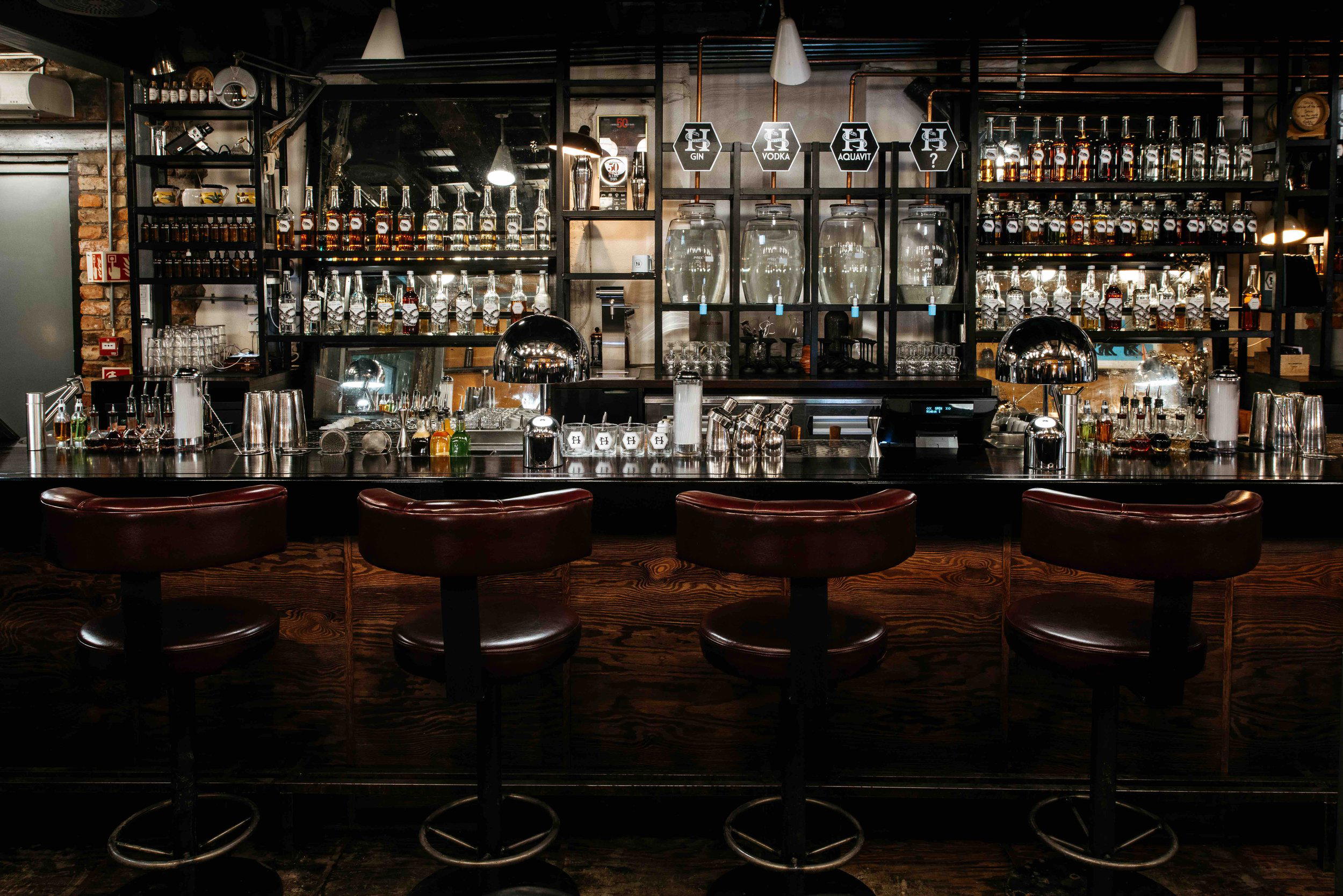
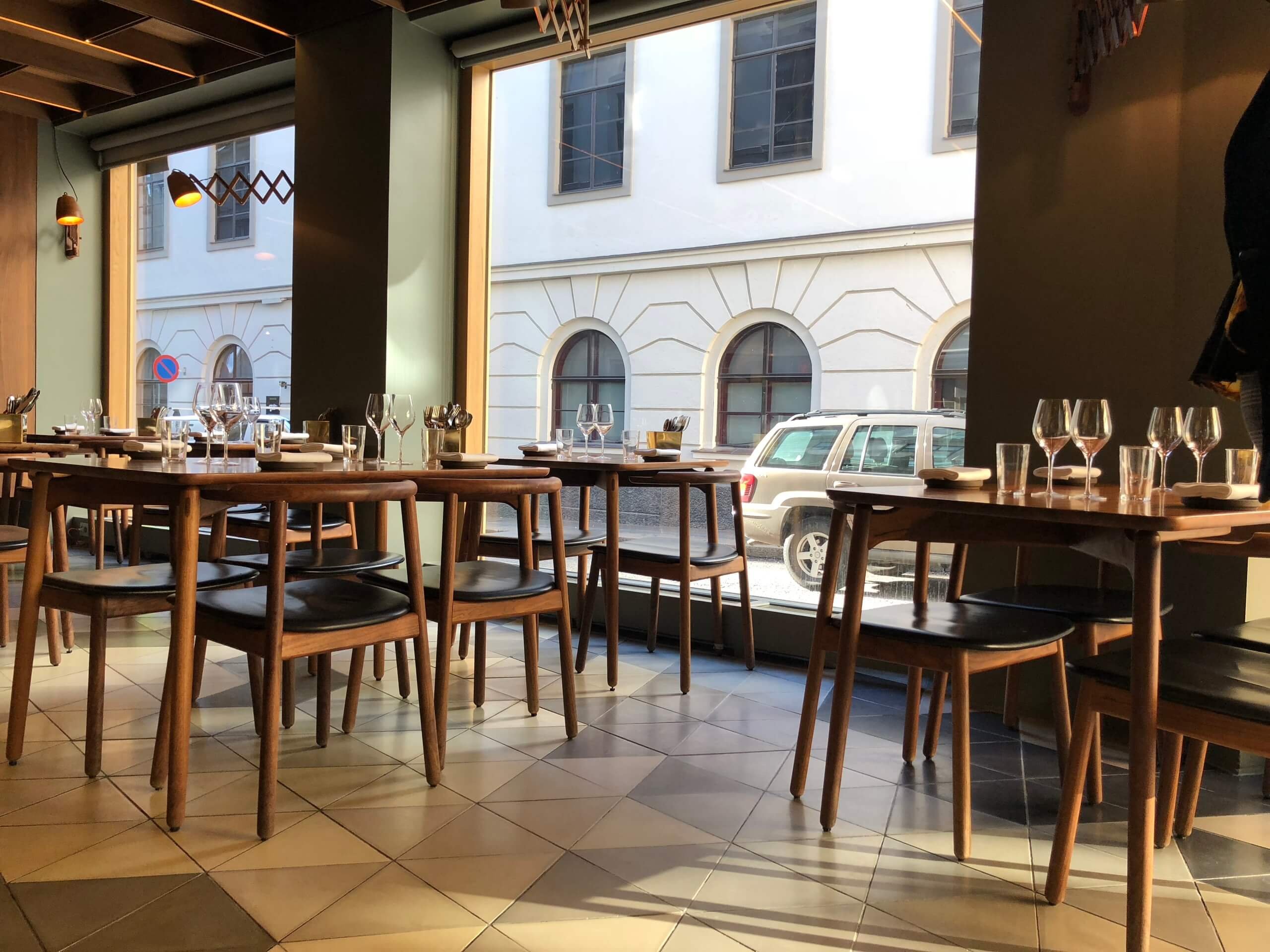
Charming dining areas with white tablecloths, high ceilings, central bar, and relaxed elegant atmosphere.