On Friedrichstraße in the heart of Berlin's Mitte district, STADTSALAT occupies a position at the lighter end of the city's fast-casual dining spectrum. The concept centres on salad-forward eating in a city more commonly associated with hearty German fare and high-concept tasting menus. A practical lunch or dinner option for the Friedrichstraße corridor, where quick, vegetable-led meals remain comparatively underserved.
Pearl is the En Primeur Club membership app — saves, bookings, and concierge access live there. Same editors, same standards.
- Address
- Friedrichstraße 113, 10117 Berlin, Germany
- Website
- stadtsalat.de
- Directions
- Get directions
 Saves & bookings on Pearl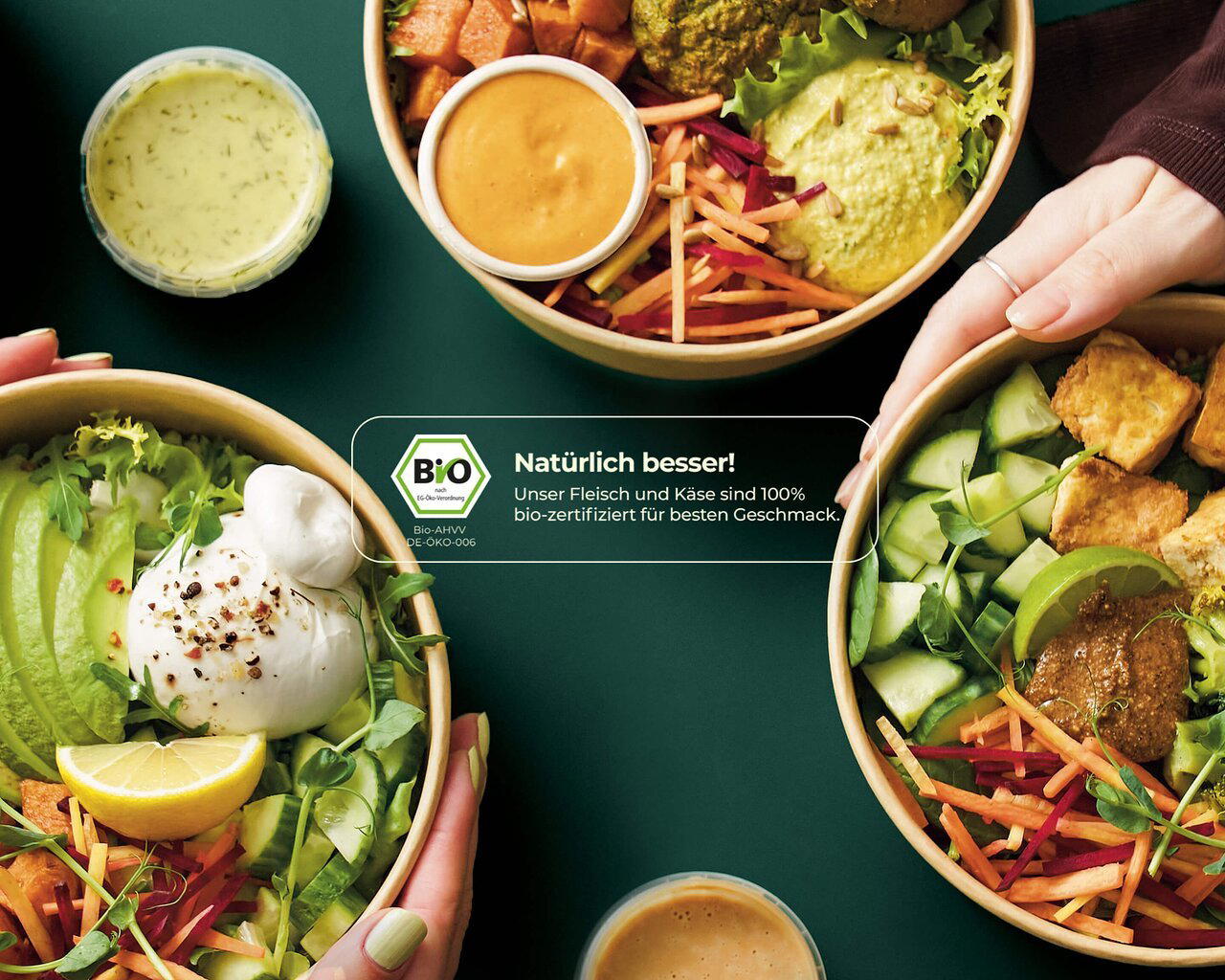
Friedrichstraße and the Case for Vegetable-Led Fast Casual
Berlin's central dining corridor along Friedrichstraße runs a familiar gauntlet: international chains, hotel restaurants, and the occasional mid-market bistro angling for the office and tourist trade in equal measure. The street's proximity to government buildings, major transport links, and the retail strip between Unter den Linden and Checkpoint Charlie means footfall is high but dwell time is short. In that context, the market logic for a salad-focused fast-casual format is clearer than it might first appear. Where the rest of Berlin's Mitte dining scene tends toward either the high-ticket tasting menu tier, represented by addresses like FACIL and Rutz, or the all-day café format, the vegetable-forward quick-service slot is less crowded than the demand would suggest.
STADTSALAT sits at that intersection. The address, Friedrichstraße 113, places it in one of Berlin's most transit-dense stretches, and the format answers a specific need: a composed, customisable meal that doesn't require a reservation or a long sit. For a city that has spent the past decade building one of Germany's more serious restaurant cultures, the everyday register still has genuine gaps, and salad-led concepts fill some of them.
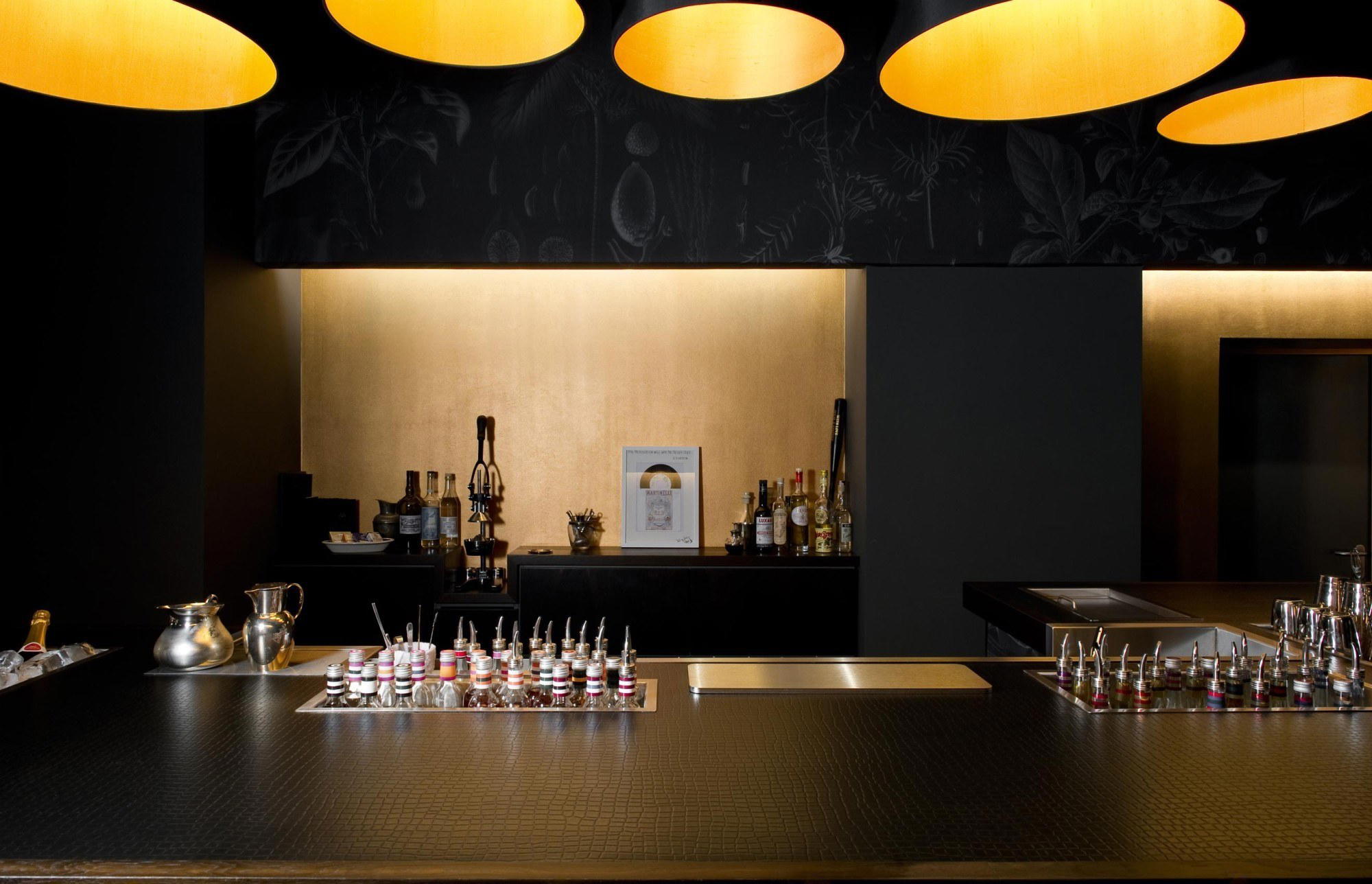
The Physical Container: Reading the Space
Fast-casual salad concepts in European cities have split into two distinct design philosophies. The first borrows from the Scandinavian café tradition: pale wood, chalk menus, an emphasis on craft-market aesthetics that signals health-consciousness without clinical austerity. The second takes a more urban, high-contrast approach, with exposed elements, bold typography, and the visual language of a city that takes its food seriously without taking itself too seriously. STADTSALAT's Friedrichstraße location fits the commercial reality of its block: a working space rather than a destination space, optimised for throughput at lunch and legible ordering at pace.
In a street where many ground-floor operators prioritise visibility and signage over interior depth, the design priorities for a quick-service format are necessarily different from those of, say, Nobelhart & Schmutzig, where the counter format and minimal aesthetic are deliberate editorial statements about what dining in Berlin should mean. STADTSALAT operates in a different register entirely, and the physical container reflects that: functional, accessible, and built around the rhythm of a city lunch break rather than an extended evening.
Where STADTSALAT Sits in Berlin's Eating Spectrum
Berlin's restaurant culture has earned serious international recognition at its upper end. CODA Dessert Dining operates a dessert-led tasting format that sits well outside conventional category definitions. Restaurant Tim Raue has sustained Michelin recognition across multiple years with an Asia-inflected approach that has no direct peer in the city. Further afield in Germany, the fine dining tier extends to addresses like Aqua in Wolfsburg, Schwarzwaldstube in Baiersbronn, and Victor's Fine Dining by Christian Bau in Perl, all operating at the highest tier of the country's culinary infrastructure.
STADTSALAT is not in conversation with any of those addresses. Its comparable set is the fast-casual and counter-service sector in central Berlin, where the competition is less about culinary ambition and more about consistency, speed, and the logic of the composed bowl. In cities like New York, that category has been defined by high-volume operators at scale; in Berlin, it remains more fragmented and locally operated. Internationally, the fast-casual format has produced some of the hospitality sector's most studied concepts, and the salad-bowl model specifically has attracted serious investment in markets from London to Tokyo. Berlin's version of that market is still developing relative to its size and density.
The Friedrichstraße Context
Locating a fast-casual operator on Friedrichstraße rather than in the more culinarily concentrated neighbourhoods of Prenzlauer Berg, Neukölln, or the Hackescher Markt area reflects a different kind of strategic logic. Friedrichstraße serves commuters, government workers, tourists in transit, and the daytime retail crowd. The lunch window is compressed and competitive. An operator that can deliver a composed, customisable meal quickly and at an accessible price point has structural advantages in that environment that it would not necessarily have in a destination-dining neighbourhood where the evening economy dominates.
For visitors working through Berlin's central sights or in transit between the major Mitte landmarks, STADTSALAT's location on Friedrichstraße 113 is a practical data point: a legible option in a stretch of the street where quick, non-chain eating can be harder to locate than the volume of foot traffic would suggest. Those planning more extended dining in Berlin should also consider the broader context of what the city offers at every level, from the counter-service tier up through to the Michelin-recognised addresses covered in our full Berlin restaurants guide.
Germany's Broader Dining Range: Useful Context
For travellers moving through Germany rather than staying in Berlin, the country's fine dining circuit is geographically spread in ways that reward planning. JAN in Munich, Restaurant Haerlin in Hamburg, Vendôme in Bergisch Gladbach, ES:SENZ in Grassau, Waldhotel Sonnora in Dreis, Schanz in Piesport, and Bagatelle in Trier represent the range of serious dining available across German regions. Internationally, the tasting-menu format has been redefined at addresses like Le Bernardin in New York City and Atomix in New York City, both of which benchmark what the category can do at its highest expression. STADTSALAT occupies none of that territory, but understanding where it sits in the full spectrum helps frame the decision of when and why it makes sense.
Planning Your Visit
Reputation Context
Comparable venues nearby, for context on price, style, and recognition.
| Venue | Cuisine | Price | Notes |
|---|---|---|---|
| STADTSALATThis venue — the venue you are viewing | Premium Organic Bowls & Salads | $$ | Not listed |
| TiER | Craft Cocktail Bar | $$ | Neukolln |
| Sathutu | Modern Sri Lankan with Berlin Twists | $$$ | Prenzlauer Berg |
| Lichtblick-Kino | Cinema snacks | $ | Prenzlauer Berg |
| lütt | Modern Creative Tapas | $$$ | Kreuzberg |
| Velvet | Hyperseasonal Foraged Cocktails | $$$ | Neukolln |
Continue exploring
More in Berlin
Restaurants in Berlin
Browse all →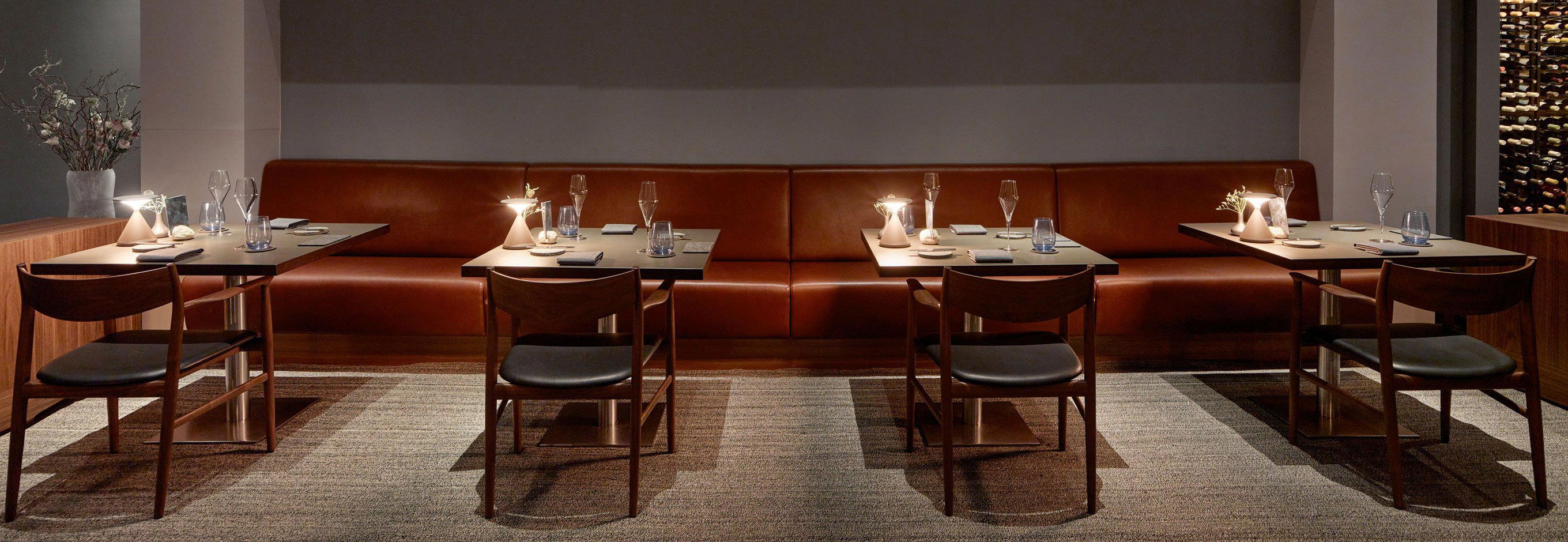
Bars in Berlin
Browse all →
Hotels in Berlin
Browse all →


At a Glance
- Modern
- Trendy
- Casual Hangout
- Terrace
- Organic
- Local Sourcing
Current opening hours
- Monday
- 11:30 AM–8:15 PM
- Tuesday
- 11:30 AM–8:15 PM
- Wednesday
- 11:30 AM–8:15 PM
- Thursday
- 11:30 AM–8:15 PM
- Friday
- 11:30 AM–8:15 PM
- Saturday
- 12:30–8:15 PM
- Sunday
- 12:30–8:15 PM
Hours can change for holidays and private events. Last verified .
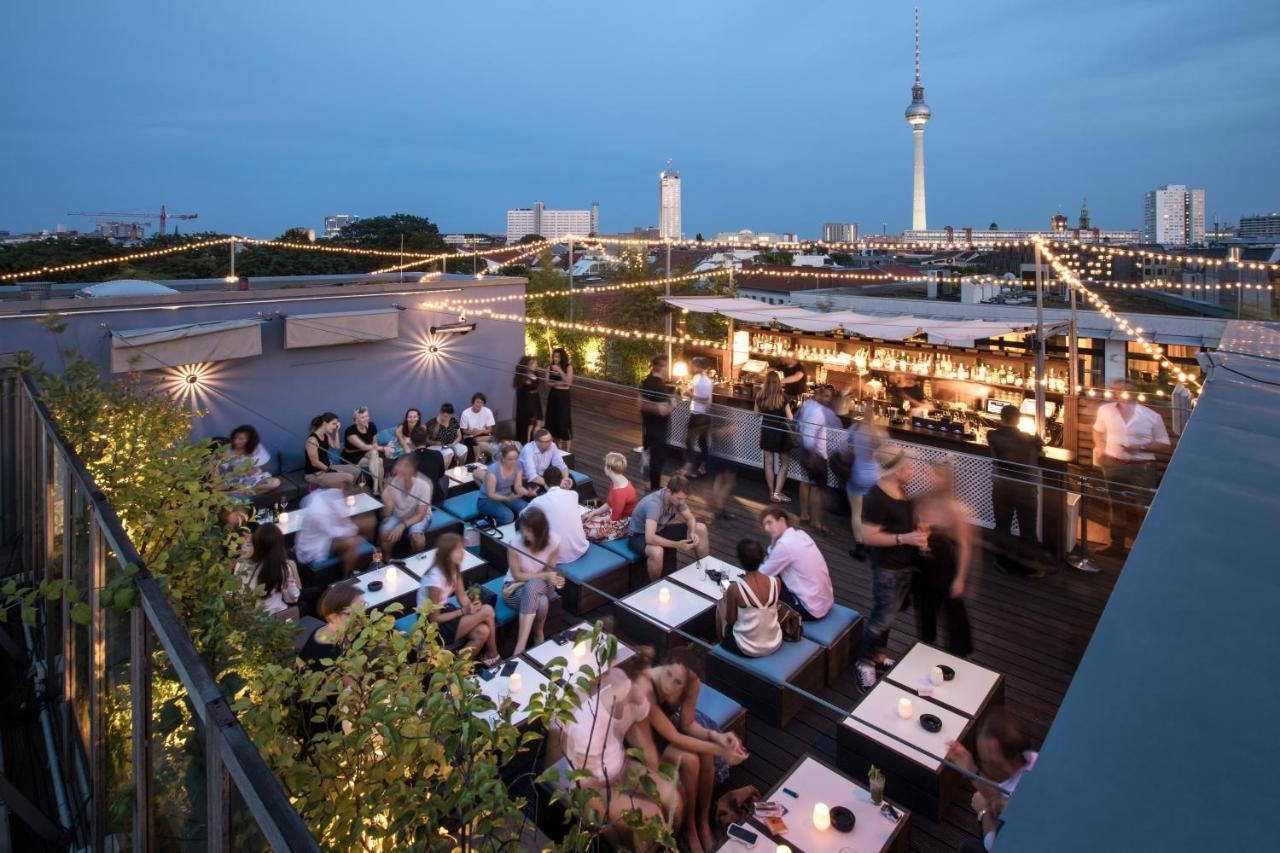
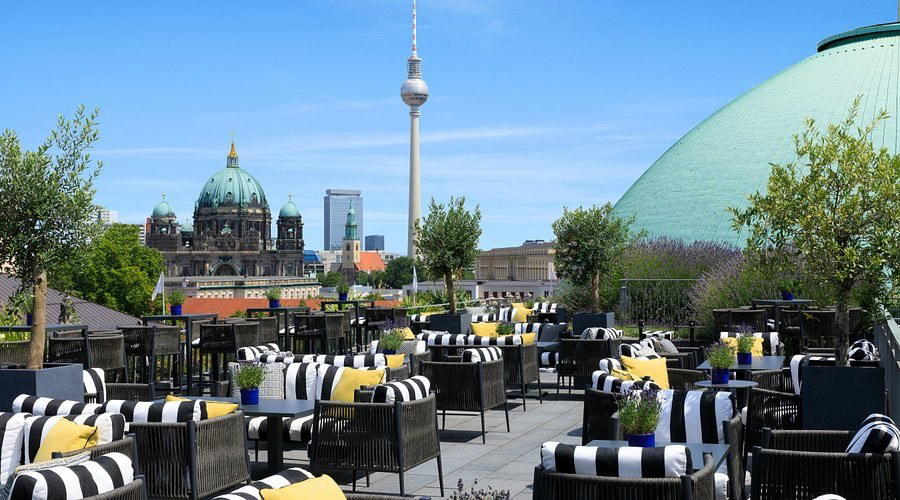
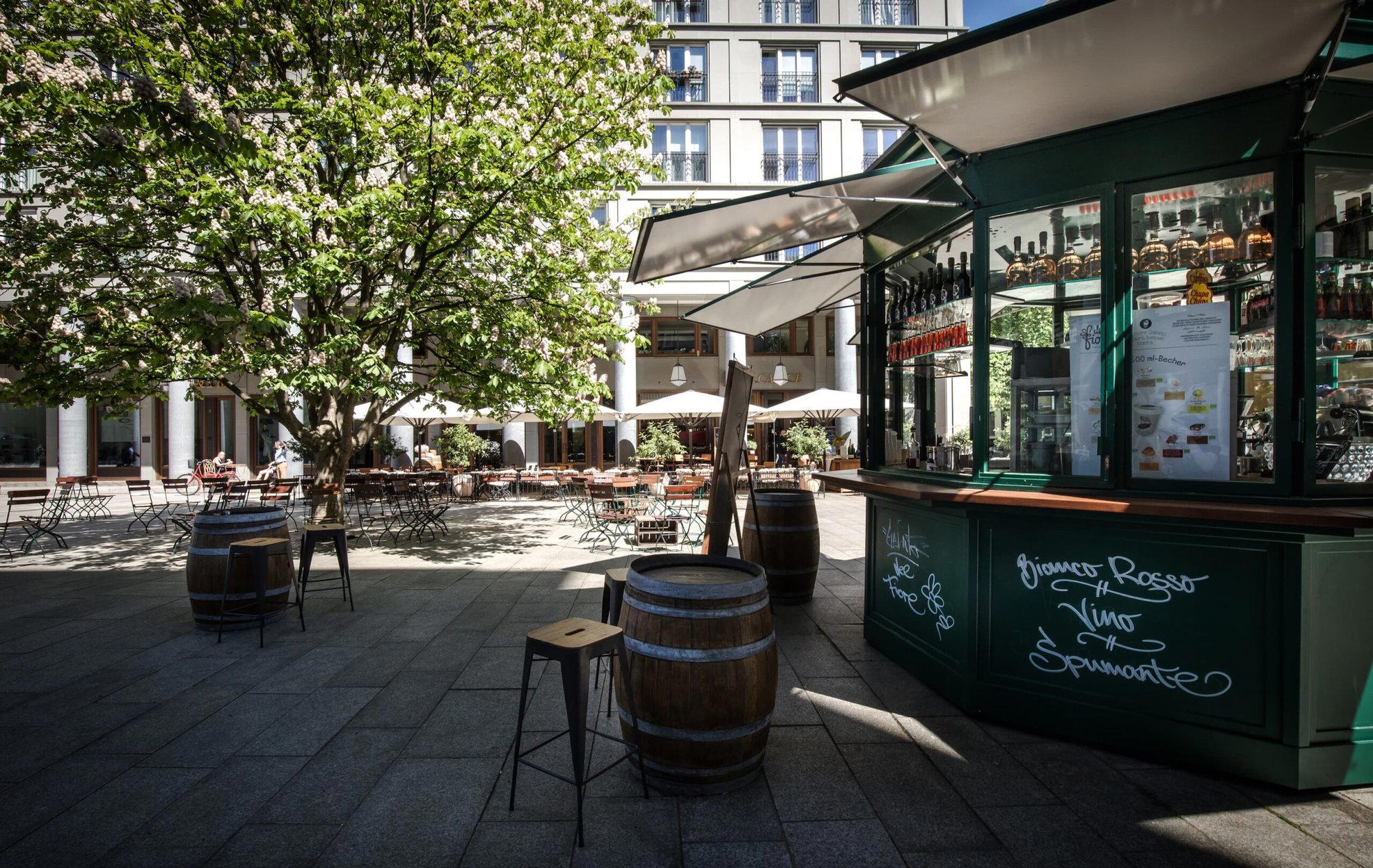
Relaxed modern atmosphere with backyard garden and patio seating, ideal for casual healthy meals.