Our verdict
Sathutu occupies a corner of Rykestraße in Prenzlauer Berg, one of Berlin's most settled residential dining corridors. With the city's creative restaurant scene pushing harder each year into specialist formats, this address places the venue inside a neighbourhood where understated rooms and precise cooking have become the dominant register. Practical details remain limited; direct contact is advisable before visiting.

Pearl is the En Primeur Club membership app, where members save venues, book tables and use the concierge.

Prenzlauer Berg and the Quiet End of Berlin Dining
Rykestraße 15 sits inside one of Berlin's most quietly confident dining neighbourhoods. Prenzlauer Berg long ago completed its transition from post-reunification novelty to established residential district, and the restaurants along its tree-lined streets reflect that maturity. The area does not trade on spectacle. The rooms tend to be compact, the lighting low, and the sound levels calibrated for conversation rather than atmosphere management. Arriving at Sathutu, at number 15 on Rykestraße, you are entering a street where the surrounding architecture, cobblestones, and restored Wilhelminian facades set a tempo before you reach the door. That physical context matters. Berlin's higher-end dining increasingly reads its room through neighbourhood character, and Prenzlauer Berg signals a particular register: considered, residential, and more interested in the plate than the production around it.
Where Sathutu Sits in Berlin's Dining Spread
Berlin's restaurant scene has stratified significantly over the past decade. At the recognised upper tier, venues like Rutz and Nobelhart & Schmutzig operate with Michelin recognition and tightly formatted menus that hold waiting lists months in advance. FACIL brings a Contemporary European approach inside a hotel setting, while CODA Dessert Dining has built a format so specific, a full tasting menu structured entirely around dessert logic, that it occupies its own competitive corner. Below that Michelin tier, a second stratum of serious neighbourhood restaurants operates without the same visibility but often with comparable intention. Sathutu, on Rykestraße, exists in that second register: a Prenzlauer Berg address without the awards footprint of the city's decorated venues, but positioned inside a district where the ambient standard of cooking has risen steadily over the past several years.
For context on how Berlin fits into Germany's wider fine-dining spread, the country's decorated venues tend to cluster away from the capital. Aqua in Wolfsburg, Schwarzwaldstube in Baiersbronn, and Vendôme in Bergisch Gladbach represent the kind of destination-restaurant model that pulls diners out of cities entirely. Berlin's decorated scene, represented by names like Restaurant Tim Raue, operates in a different urban register. Sathutu does not compete in that tier, but its Prenzlauer Berg location places it in a neighbourhood where residents with high culinary expectations eat regularly and repeatedly, rather than on occasion.
The Sensory Register of a Prenzlauer Berg Room
What that absence itself communicates is worth noting: restaurants that accumulate extensive public records tend to do so through awards, press campaigns, or high-volume booking platforms. Venues with thinner digital footprints often operate in a more local, word-of-mouth economy. On Rykestraße, the expected physical environment would be consistent with the street's character: a room that reads as an interior rather than a set, where the cooking arrives with focus rather than theatre.
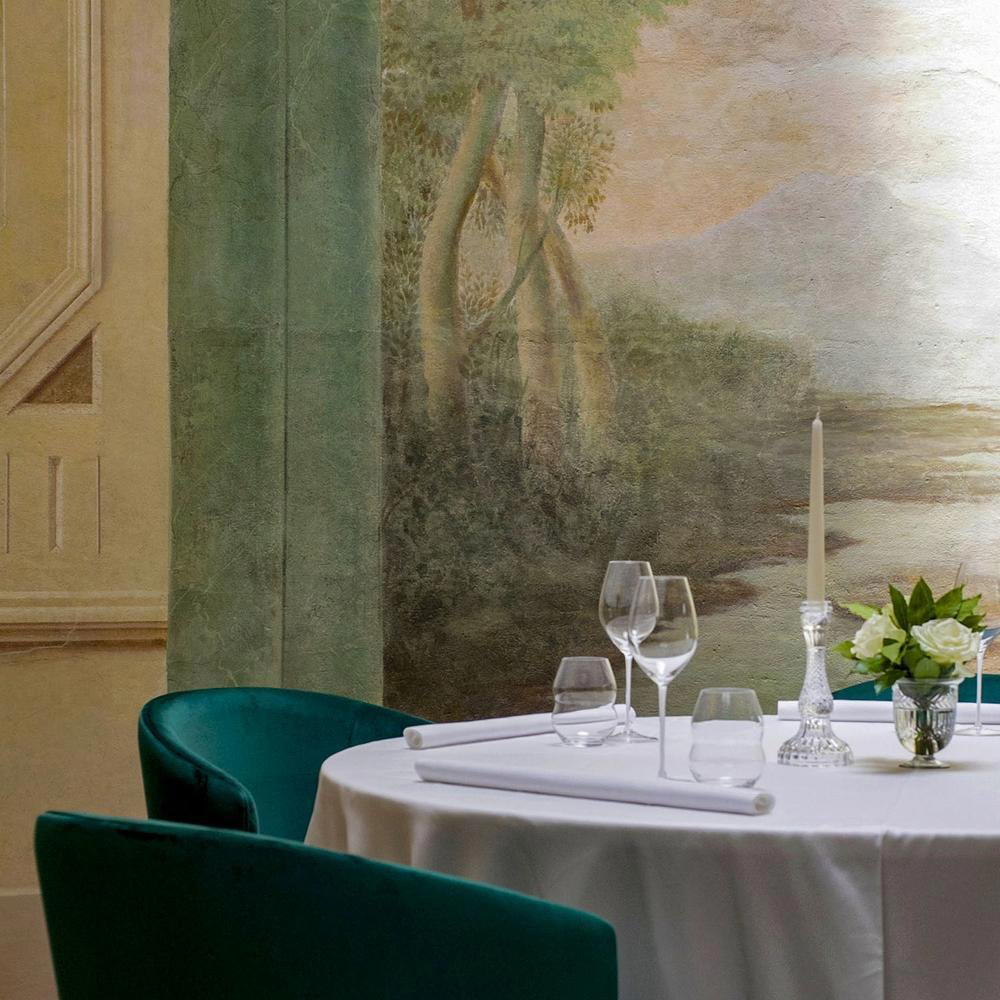
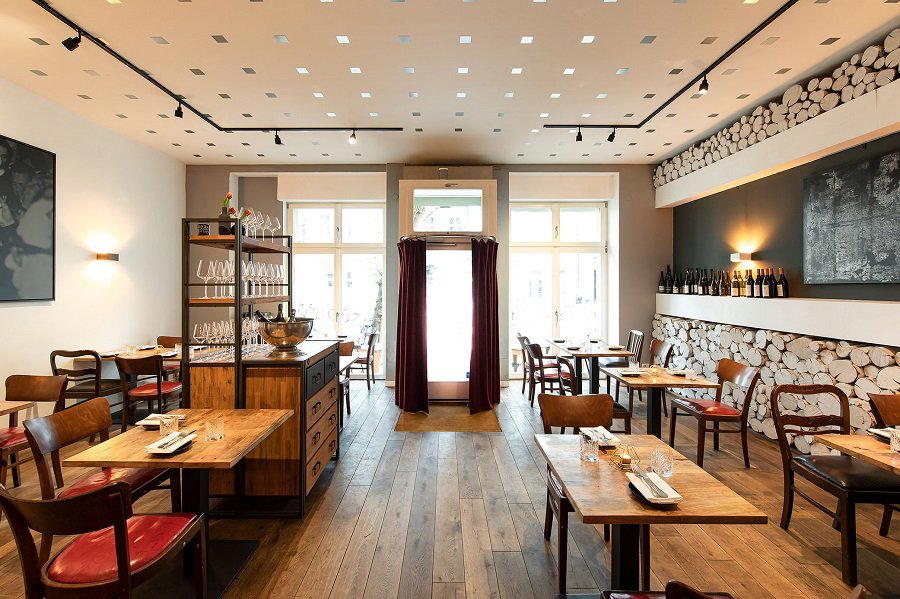
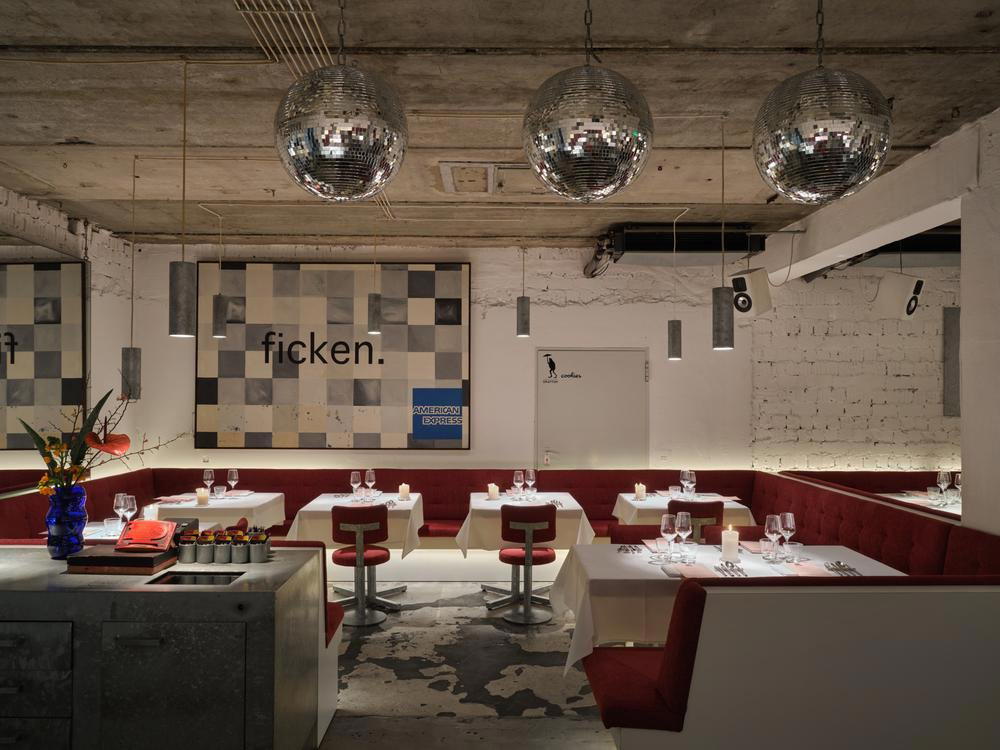
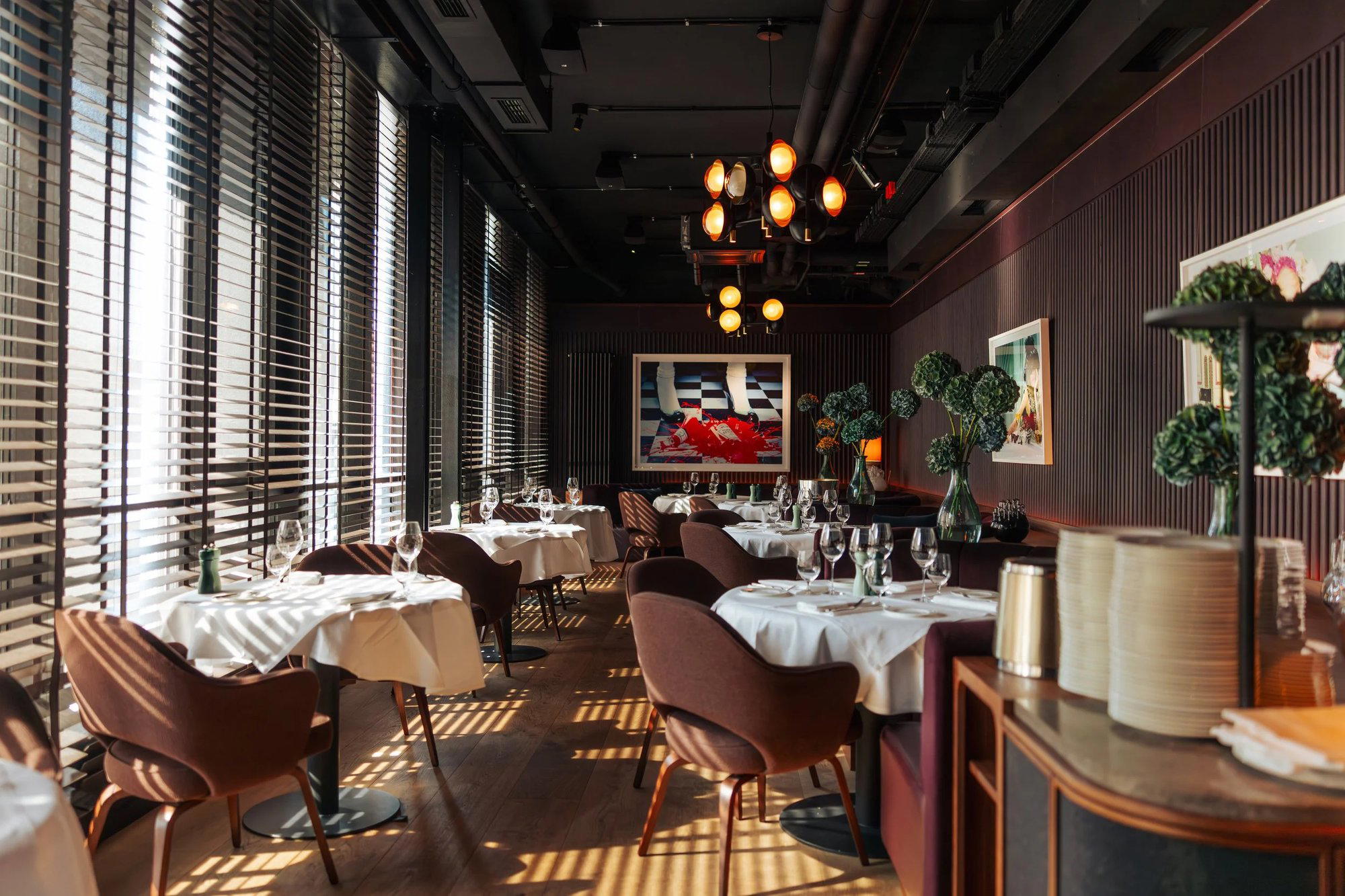
Prenzlauer Berg's residential dining rooms typically share certain atmospheric qualities. Natural materials, considered but not demonstrative lighting, and a sound profile shaped by the dimensions of the room rather than a designed soundscape. The building stock along Rykestraße runs to high-ceilinged pre-war apartments converted into street-level hospitality, which tends to produce a particular acoustic, not silent, not loud, with the warmth of plaster walls and timber floors absorbing the ambient noise of a full room. Whether Sathutu's specific interior matches this pattern exactly cannot be confirmed from available data, but the neighbourhood template is well established and broadly consistent.
Germany's wider restaurant culture has moved toward an emphasis on produce-led cooking over the past decade, a shift visible at both the decorated level, venues like ES:SENZ in Grassau and Schanz in Piesport, and in neighbourhood formats that apply similar principles at a more accessible price point. The sensory experience at that end of the market is typically shaped by the absence of distraction: plates that ask you to pay attention to what is on them rather than what surrounds them.
How Berlin Compares and What That Means for This Address
International dining cities provide useful benchmarks. At Le Bernardin in New York City, the sensory environment is deliberately spare, white linen, controlled acoustics, a room designed to direct attention toward the plate. Atomix, also in New York, builds a more textured sensory experience through ceramic, card, and presentation detail at each course. Berlin's better neighbourhood restaurants tend to fall between those poles: more atmospheric than Le Bernardin's formality, but less constructed in their presentation than Atomix's format. The Rykestraße address suggests Sathutu operates closer to the atmospheric, informal end of that range, shaped by a residential street context rather than a destination-dining ambition.
Comparable German city addresses, Restaurant Haerlin in Hamburg, JAN in Munich, tend to sit in their cities' more formal registers. Berlin habitually resists that formality, which is part of why its neighbourhood dining culture, particularly in Prenzlauer Berg, sustains a different kind of loyalty. Regulars return not for occasion but for routine, which sets a different expectation for the room, the pacing, and the way a meal is experienced from start to end.
Planning a Visit
Sathutu's address is Rykestraße 15, 10405 Berlin. The street is walkable from Senefelderplatz U-Bahn station (U2), placing it at approximately five minutes on foot from the nearest underground connection. Prenzlauer Berg is leading visited in the evening, when the residential streets thin of daytime foot traffic and the restaurant corridor along Rykestraße settles into its quieter rhythm. Reservations: Dress: Prenzlauer Berg's dining norm runs to smart-casual; neither formal dress nor deliberate underdressing reads as appropriate at this level of the neighbourhood's restaurant culture. Budget: No price data is available; comparable Prenzlauer Berg neighbourhood restaurants in this category typically operate in the €30–€60 per head range before wine, though this is a neighbourhood reference point rather than a confirmed figure. For a broader map of where to eat across the city, the EP Club Berlin restaurants guide covers the full range from decorated venues to neighbourhood formats. Further afield, Victor's Fine Dining by Christian Bau in Perl, Waldhotel Sonnora in Dreis, and Bagatelle in Trier represent the western German options for those building a longer itinerary around serious eating.
Frequently asked questions
Is Sathutu okay with children?
There is no published family policy for Sathutu at Rykestraße 15. Prenzlauer Berg is one of Berlin's most family-dense neighbourhoods, and restaurants along this stretch typically accommodate families without issue. Contacting the venue directly before visiting with young children is advisable.
Is Sathutu formal or casual?
No dress code or formality level is documented for Sathutu. Rykestraße sits in Prenzlauer Berg, a neighbourhood where the dominant dining register runs relaxed and unhurried rather than ceremonial. That local context suggests a room where occasion dressing would feel out of place, though this is not confirmed by the venue.
What kind of dining experience does Sathutu offer in Berlin's Prenzlauer Berg?
Sathutu occupies an address at Rykestraße 15, within Prenzlauer Berg, a Berlin district that has developed one of the city's more considered neighbourhood dining scenes over the past two decades. The venue sits roughly five minutes' walk from Senefelderplatz U-Bahn (U2), making it accessible without being in a high-footfall tourist corridor.
What dish is Sathutu famous for?
No signature dish is currently documented for Sathutu. The cuisine type has not been publicly confirmed, which makes it worth checking the venue directly or looking for recent editorial coverage before visiting with specific expectations.
Price and Recognition
Comparable venues nearby, for context on price, style, and recognition.
| Venue | Cuisine | Price | Notes |
|---|---|---|---|
| SathutuThis venue (the venue you are viewing) | Modern Sri Lankan with Berlin Twists | $30–50 | Not listed |
| House of Gin | Gin Bar | Not listed | Tiergarten, Gin Bar |
| 19grams Alex | Specialty Coffee & Brunch | $10–20 | Mitte, Specialty Coffee & Brunch |
| SAN | Modern Japanese Sushi | $50–100 | Prenzlauer Berg, Modern Japanese Sushi |
| Brechts Steakhaus | Dry-Aged Steakhouse | $50–100 | Mitte, Dry-Aged Steakhouse |