Our verdict
Lichtblick-Kino sits on Kastanienallee 77 in Prenzlauer Berg, one of Berlin's most characterful cinema streets. A small independent screening venue operating outside the multiplex circuit, it represents the kind of programme-led film culture that Berlin has preserved better than most European capitals. Check the schedule directly before planning a visit.

Pearl is the En Primeur Club membership app, where members save venues, book tables and use the concierge.

Kastanienallee and the Cinema That Refuses to Disappear
There is a particular quality to Kastanienallee on a weekday evening. The street runs through the heart of Prenzlauer Berg with the unhurried confidence of a neighbourhood that knows it has already been discovered and largely does not care. Bookshops, wine bars, and independent retailers share blocks with apartment facades that still carry traces of pre-unification Berlin. Lichtblick-Kino sits at number 77 in this corridor, a small independent cinema occupying the kind of position that multiplex chains gave up on decades ago: the single-screen neighbourhood venue, programme-led, low-capacity, and entirely reliant on the loyalty of an audience that comes for curation rather than convenience.
Independent cinemas of this format have become genuinely scarce across European cities. Where they survive, they tend to occupy a specific cultural role: not the art-house palace with a bar and a membership programme, but the smaller, scrappier venue where the selection reflects a particular sensibility and the experience is deliberately unmediated. Lichtblick-Kino fits that profile. Its presence on Kastanienallee places it inside a neighbourhood with strong cultural infrastructure and a resident population that has historically supported exactly this kind of programming.
What to Know Before You Go
The editorial angle on Lichtblick-Kino, from a planning perspective, is that it operates on terms quite different from the venues most visitors default to booking. There is no centralised booking platform with real-time seat availability, no standardised cancellation policy communicated through a major aggregator, and no press office issuing updated programme information. The practical consequence is that advance research needs to go directly to source. The venue's own schedule, updated on its website and on local listings platforms, is the only reliable guide to what is screening when.
Timing matters more here than at a larger cinema. Small-capacity venues running programmes tend to sell out on specific titles well ahead of the screening date, particularly for retrospectives, visiting filmmaker events, or one-off archive screenings. If there is a specific film or event drawing you to Lichtblick-Kino rather than the general experience, securing a ticket early is the sensible approach. Arriving on a whim for a popular programme is a gamble that does not always pay off.
Kastanienallee is well-connected by public transport. The U8 line stops at Rosenthaler Platz to the south, and the U2 line runs through the broader Prenzlauer Berg area, making the venue accessible from central Berlin without requiring a taxi or rideshare. The street itself is walkable and active at night, so arriving early to eat or drink nearby before a screening is a realistic option rather than an inconvenience.
Prenzlauer Berg's Independent Culture and Where the Cinema Fits
Understanding Lichtblick-Kino requires understanding the neighbourhood it operates in. Prenzlauer Berg went through a rapid gentrification cycle in the decade after reunification, attracting artists, students, and eventually the professional classes who followed. What remained, in pockets, was a layer of independent cultural infrastructure that predated the change and survived it: small galleries, record shops, theatres, and cinemas running on community loyalty rather than commercial logic.
That survival is not incidental. Berlin has historically maintained a denser network of independent cultural venues than comparable European capitals, partly because of unusually low commercial rents in the post-unification period and partly because of a civic culture that treats independent programming as a public good rather than a niche luxury. Lichtblick-Kino is a product of that environment. It exists because the conditions for its existence were preserved longer here than they would have been in London, Paris, or Amsterdam.
For visitors arriving from cities where the independent single-screen cinema has largely been absorbed or eliminated, a visit to a venue like this carries a particular charge. It is not nostalgia exactly, because Lichtblick-Kino is not trading on heritage. It is more that the format itself, stripped of the design investment and programming apparatus of larger art-house brands, reminds you of what a cinema is before it becomes a destination.
Berlin's Wider Cultural Offer and How to Frame a Visit
Visitors using Berlin as a base for culture tend to over-index on the city's restaurant scene, which has reached genuine international depth. The two-Michelin-star tier is represented by venues including Restaurant Tim Raue and Rutz, while the creative end of the scene includes CODA Dessert Dining, Nobelhart & Schmutzig, and FACIL. Our full Berlin restaurants guide maps the dining scene across price points and neighbourhoods.
A Lichtblick-Kino visit pairs naturally with a Prenzlauer Berg dinner rather than a destination-restaurant booking across the city. The neighbourhood has enough quality at the mid-range to make the combination work as an evening structure: dinner local, then a short walk to the cinema. Planning the film first and building dinner around the schedule is a more reliable approach than the reverse.
For visitors extending into Germany's broader fine-dining circuit, the country's regional scene carries considerable depth beyond Berlin. Schwarzwaldstube in Baiersbronn, Aqua in Wolfsburg, JAN in Munich, Vendôme in Bergisch Gladbach, Victor's Fine Dining by Christian Bau in Perl, ES:SENZ in Grassau, Schanz in Piesport, Waldhotel Sonnora in Dreis, and Restaurant Haerlin in Hamburg represent the kind of programme that rewards deliberate planning. Bagatelle in Trier adds another point on the German map for visitors routing through the west. Internationally, the comparison format of a tightly curated, commitment-required evening out is something venues like Le Bernardin in New York City and Lazy Bear in San Francisco also embody, in their respective categories.
Planning Details
Frequently asked questions
Does Lichtblick-Kino work for a family meal?
Lichtblick-Kino at Kastanienallee 77 is a cinema, not a restaurant, so no meals are served. Whether it suits families depends entirely on the programme, the venue runs independent and repertory screenings that skew toward adult audiences, though specific scheduling can vary. For Berlin dining, the EP Club covers the city's broader food scene separately.
How would you describe the vibe at Lichtblick-Kino?
Prenzlauer Berg's independent cultural scene tends toward the low-key and self-possessed rather than the performatively cool. A small cinema on Kastanienallee fits that register: this is a working neighbourhood venue, not a destination designed around its own atmosphere. Expect a crowd that comes for the programme, not the scene.
What kind of films does Lichtblick-Kino typically screen?
Lichtblick-Kino operates as an independent cinema in Prenzlauer Berg, Berlin, with a programme that sits outside the mainstream multiplex circuit. The venue's Kastanienallee address places it in a neighbourhood with a long-standing independent cultural identity, which broadly shapes what it programmes.
What dish is Lichtblick-Kino famous for?
Lichtblick-Kino is a cinema, not a food venue, there are no dishes, no chef, and no menu associated with this address on Kastanienallee 77. For Berlin's serious dining options, the EP Club covers the city's restaurant scene in separate editorial.
How It Stacks Up
| Venue | Cuisine | Price | Awards | Notes |
|---|---|---|---|---|
| Lichtblick-KinoThis venue (the venue you are viewing) | Cinema snacks | $1–10 | Not listed | Not listed |
| CODA Dessert Dining | Dessert-Inspired Fine Dining | $200–300 | 2 Michelin Stars · World's 50 Best #82 | Creative |
| Rutz | Modern German Fine Dining | $200–300 | 3 Michelin Stars · La Liste Top Restaurants | Modern European, Modern Cuisine |
| Nobelhart & Schmutzig | Hyper-Local Modern German Fine Dining | $100–150 | 1 Michelin Star · World's 50 Best #76 | Modern German, Creative |
| FACIL | Modern Fusion Fine Dining | $200–300 | 2 Michelin Stars · La Liste Top Restaurants | Contemporary European, Creative |
| Horváth | Modern Austrian Vegetable Cuisine | $200–300 | 2 Michelin Stars · La Liste Top Restaurants | Modern Austrian, Creative |
Continue exploring
More in Berlin
Restaurants in Berlin
All restaurants in Berlin →
Bars in Berlin
All bars in Berlin →
Details
- Intimate
- Cozy
- Retro
- Solo
- Date Night
- Casual Hangout
- Historic Building
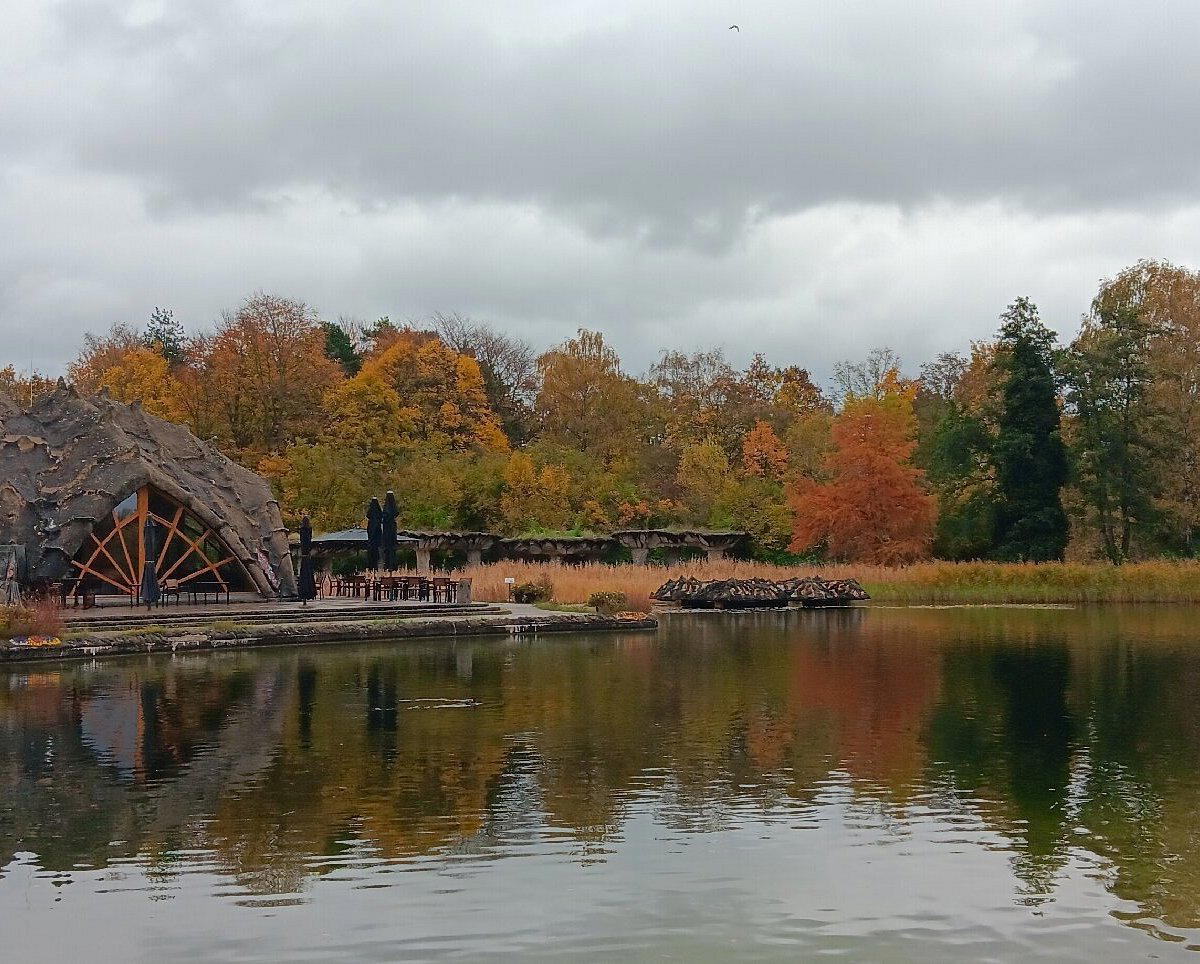
Charming, intimate, and familial atmosphere in retro setting with warm, cozy lighting evoking nostalgic cinema charm.