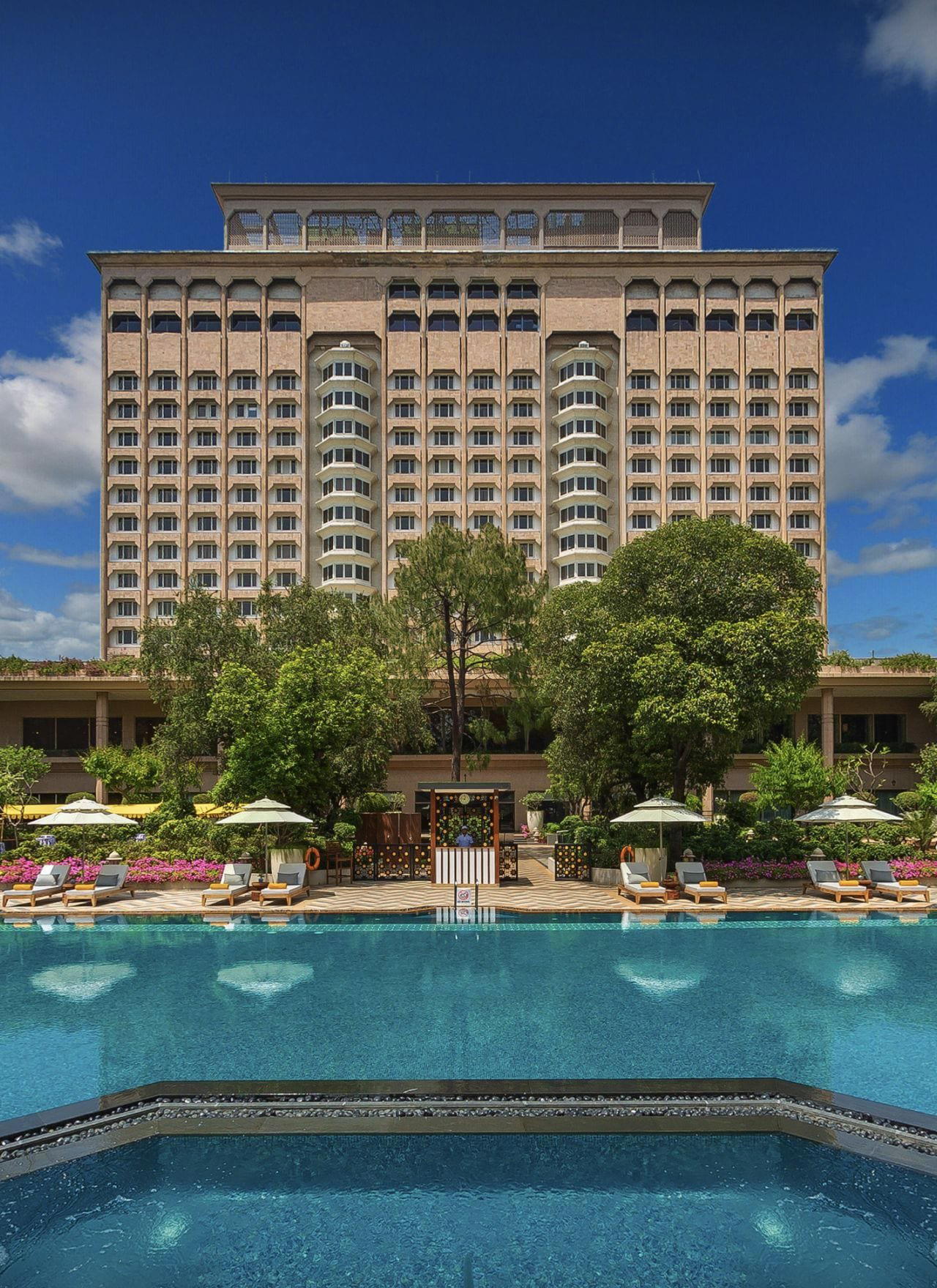
Spicy Duck occupies the lobby level of the Taj Palace in Delhi's Diplomatic Enclave, placing it within one of the capital's most storied hotel dining addresses. The restaurant takes its name from a dish that sits at the crossroads of South and Southeast Asian cooking traditions, a pairing that reflects how Delhi's hotel restaurant circuit has long absorbed and reinterpreted the wider Asian kitchen. For visitors to Chanakyapuri, it represents a considered alternative to the capital's dominant Mughal-North Indian axis.
Pearl is the En Primeur Club membership app — saves, bookings, and concierge access live there. Same editors, same standards.
- Address
- Lobby Level 2, Taj Palace, Sardar Patel Marg, Diplomatic Enclave, Chanakyapuri, New Delhi, Delhi 110021, India
- Phone
- +91 11 2611 0202
- Website
- tajhotels.com
- Directions
- Get directions
 Saves & bookings on Pearl
Where Delhi's Diplomatic Quarter Meets the Asian Table
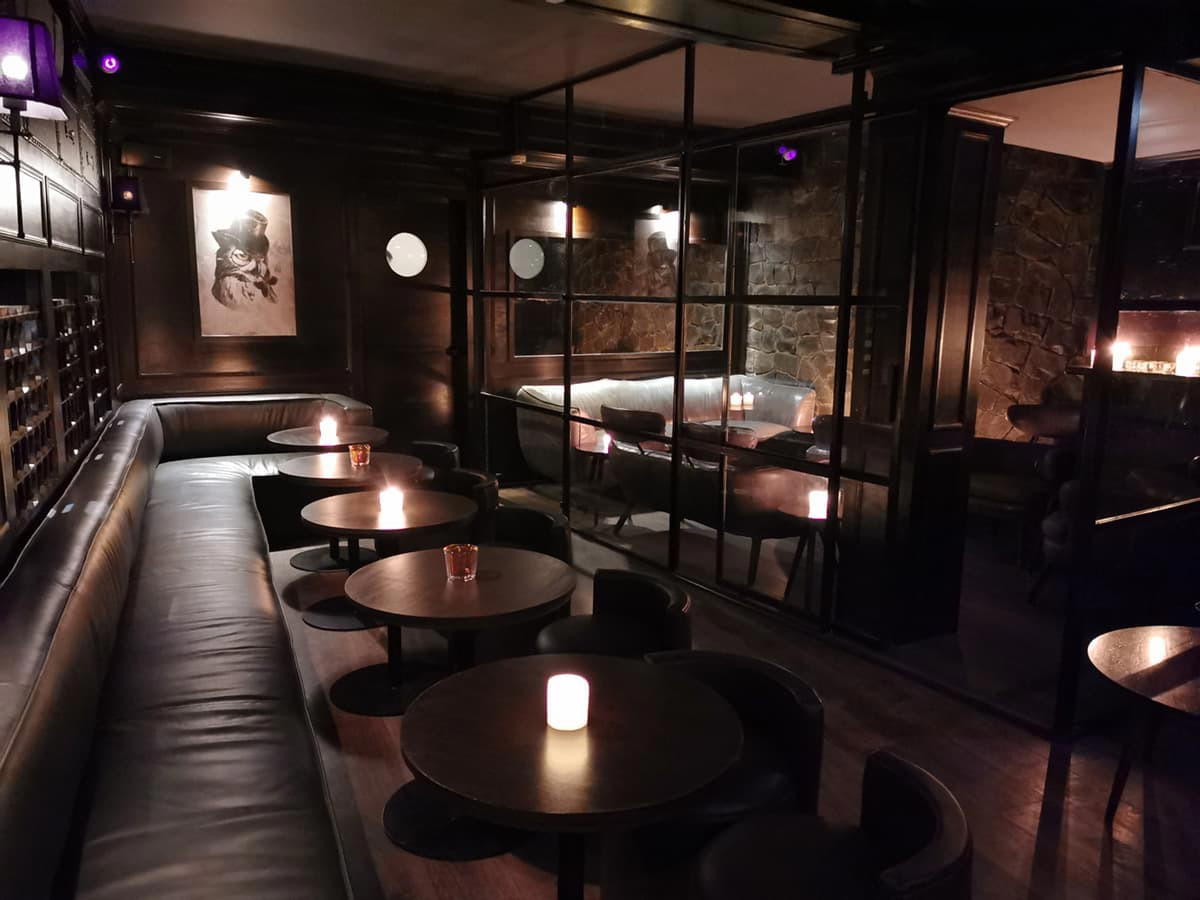
The Diplomatic Enclave in Chanakyapuri has always operated at a remove from the rest of Delhi's restaurant culture. Sardar Patel Marg moves slowly. Embassies sit behind long walls. The Taj Palace anchors the southern end of the strip, and its lobby-level dining addresses have historically drawn a clientele shaped more by international postings and state business than by the weekend crowds that fill Hauz Khas or Khan Market. Spicy Duck sits within that context: a restaurant whose physical setting predetermines a certain register before a single dish arrives.
Hotel restaurants of this tier in Delhi occupy a particular niche. They are not the city's most talked-about destinations among local food writers, who tend to favour the independent scene in Shahpur Jat or the older Mughal lineages of places like Bukhara. But they carry a consistency and a formality that the neighbourhood demands, and they often absorb culinary influences that wouldn't survive the economics of a standalone space in the same city. Spicy Duck, with its name drawing directly from a dish that travels between Chinese, Thai, and broader South Asian cooking traditions, signals exactly that kind of ambition.
The Cultural Logic of Duck on a Delhi Menu
Duck is not a direct ingredient in the North Indian kitchen. The subcontinent's dominant poultry traditions run through chicken and, in the Muslim communities of Old Delhi, through certain preparations of mutton and goat. Duck appears more readily in Bengal, in Kerala's Syrian Christian households, and in the northeastern states where proximity to Myanmar and Bhutan has shaped a different pantry. A restaurant that places duck at the centre of its identity in the capital is making a statement about where it positions itself: outside the Mughal-Punjabi axis that dominates so much of Delhi's premium dining conversation.
That positioning matters for how you read the menu and the room. Delhi's hotel dining circuit has long served as a conduit for pan-Asian cooking, partly because the diplomatic community it serves is inherently international, and partly because the major hotel groups have maintained kitchens capable of sourcing and handling ingredients that the broader city market can't always support. The Taj Palace, as one of Delhi's established five-star addresses, sits within that tradition. For a broader map of how Indian hotel dining compares across cities, Adaa at Falaknuma Palace in Hyderabad and Leela Kerala Terrace in Trivandrum offer useful points of comparison for how heritage properties frame regional cuisine at the premium end.
Reading Spicy Duck Against Delhi's Wider Scene
Delhi's restaurant culture in 2024 and into 2025 has fractured into several distinct tiers. At one end, the hyperlocal specialists: Chache Di Hatti for chole bhature, Bikanervala in Chandni Chowk for the kind of vegetarian sweets and snacks that have defined Old Delhi for generations, or Andhra Pradesh Bhavan for the sort of fiercely regional thali that no hotel kitchen attempts. At the other end, the hotel-anchored formats where geography and clientele demand a wider net. The restaurant operates in the latter tier.
Within that tier, the comparison set includes restaurants at peer five-star properties across the Diplomatic Enclave and neighbouring Chanakyapuri. The relevant question for a reader deciding between the restaurant and, say, a trip across town to the independent Asian restaurants in Defence Colony or Greater Kailash is not which is better cooked, it is which experience the occasion demands. Chanakyapuri's hotel dining rooms offer privacy, predictable service standards, and a certain neutrality of atmosphere that business dinners and diplomatic hosting require. The city's independent Asian specialists tend to be louder, more tightly packed, and considerably less formal.
India's broader restaurant scene has been generating interesting work at the intersection of regional Indian and Asian traditions. Inja in New Delhi does this explicitly as its central concept. Bomras in Anjuna draws on the Burmese-Indian coastal overlap. Farmlore in Bangalore approaches the question through a produce-first lens. Each represents a different answer to the same underlying tension in Indian restaurant culture: how to honour the subcontinent's own depth while engaging seriously with the wider Asian kitchen. The restaurant's hotel setting gives it a different set of constraints and freedoms than any of those operations, but it is navigating a version of the same question.
For readers who want to understand how Indian chefs are engaging with these crossover traditions at the more experimental end of the spectrum, Kappa Chakka Kandhari in Chennai and Neel in Patiala each offer instructive models, while Naar in Kasauli shows what happens when a kitchen commits fully to Himalayan specificity. The contrast with a Chanakyapuri hotel restaurant is useful: the further a kitchen sits from a major urban hotel district, the more it tends to define itself through geographic specificity rather than breadth.
Planning Your Visit
The restaurant is located on the lobby level of the Taj Palace at Sardar Patel Marg in Chanakyapuri, accessible from central Delhi via a direct drive down the ring road or through the Diplomatic Enclave's connecting avenues. The Taj Palace is well-served by pre-arranged hotel cars and by app-based taxis; the enclave itself is not walkable from most other dining and hotel clusters in the city. Curry Kitchen within the capital and Americano in Mumbai and the atmospheric Dining Tent in Jaisalmer round out the picture of how hotel dining operates at different price and formality registers across the country. For a global reference point on how hotel-anchored fine dining positions itself within a city's competitive set, Le Bernardin in New York City and Lazy Bear in San Francisco illustrate how the category can achieve critical independence from its physical host.
Comparison Snapshot
Comparable venues nearby, for context on price, style, and recognition.
| Venue | Cuisine | Price | Notes |
|---|---|---|---|
| Spicy DuckThis venue — the venue you are viewing | Sichuan and Cantonese Chinese | $$$ | Not listed |
| Farzi Cafe | Modern Indian Fusion | $$$ | Connaught Place |
| Soy x Neung Roi | Thai and Pan-Asian | $$$ | Mahipalpur |
| Bukhara Restaurant | North West Frontier Indian | $$$ | Diplomatic Enclave |
| Dilli StreEAT | Indian Street Food | $$ | Indira Gandhi International Airport |
| Khan Chacha - Khan Market | Authentic Mughlai Kebabs & Rolls | $$ | Khan Market |
At a Glance
- Elegant
- Sophisticated
- Business Dinner
- Special Occasion
- Hotel Restaurant
Current opening hours
- Monday
- 12:30–2:45 PM, 7–11:45 PM
- Tuesday
- 12:30–2:45 PM, 7–11:45 PM
- Wednesday
- 12:30–2:45 PM, 7–11:45 PM
- Thursday
- 12:30–2:45 PM, 7–11:45 PM
- Friday
- 12:30–2:45 PM, 7–11:45 PM
- Saturday
- 12:30–2:45 PM, 7–11:45 PM
- Sunday
- 12:30–2:45 PM, 7–11:45 PM
Hours can change for holidays and private events. Last verified .
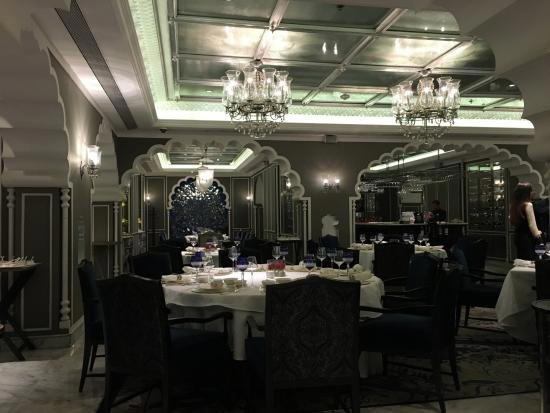
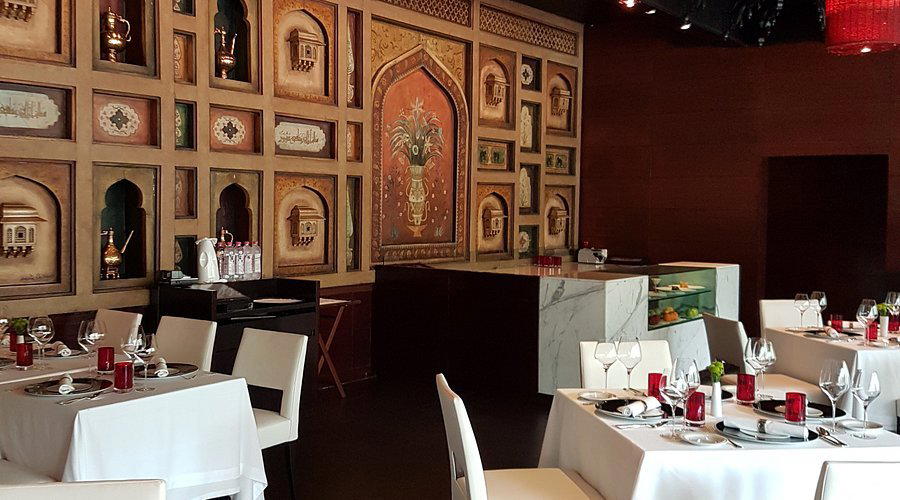
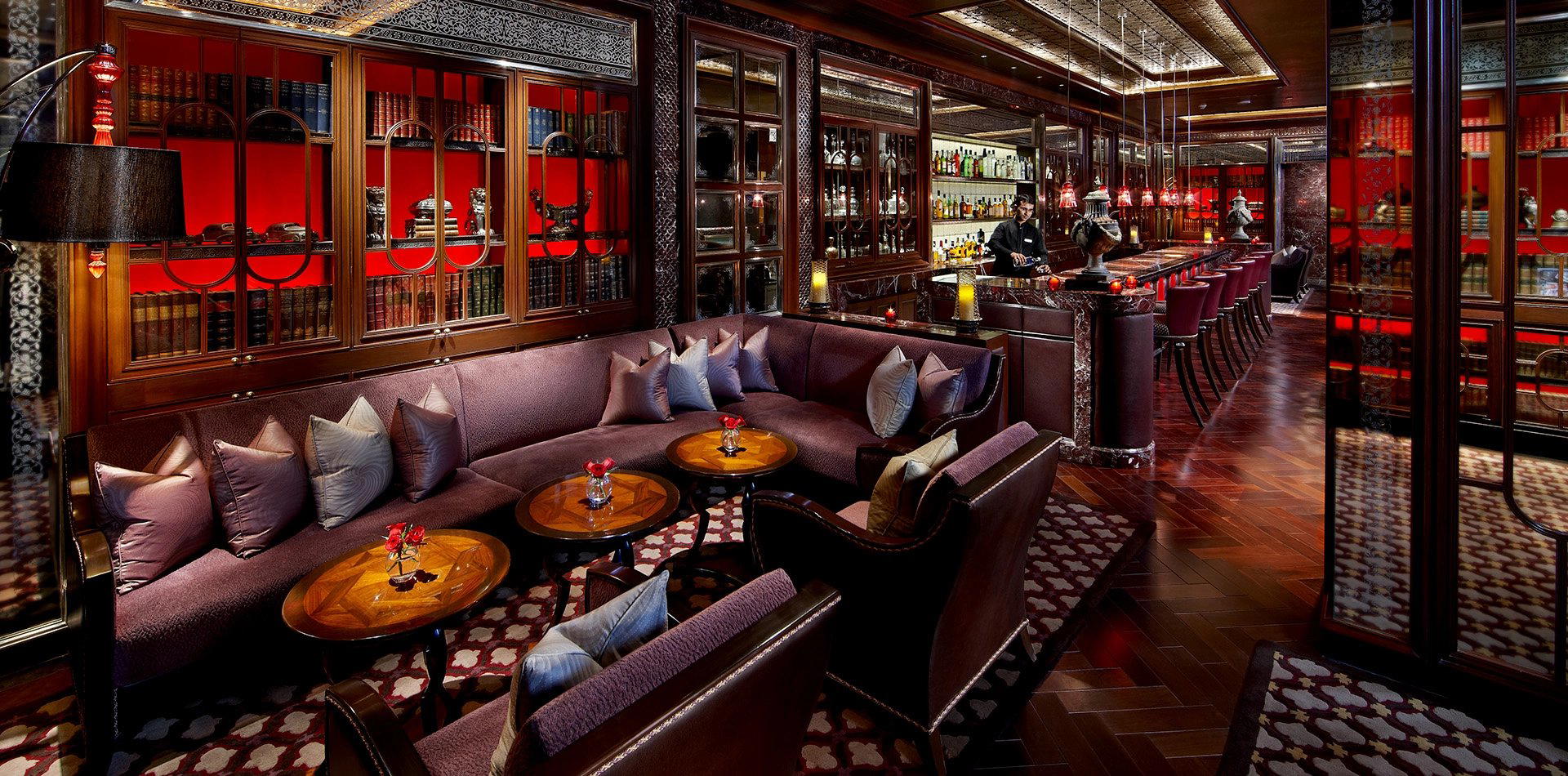
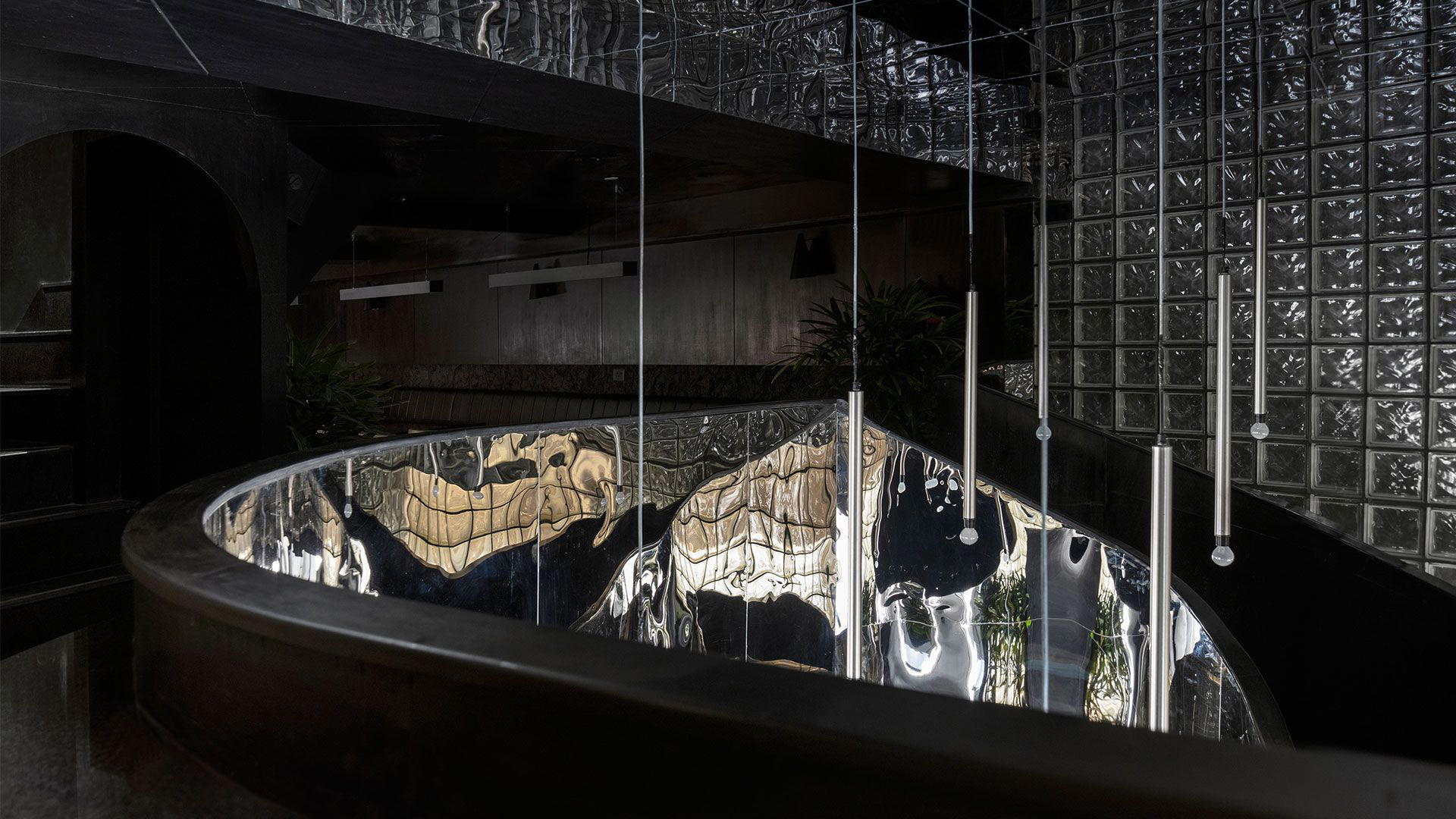
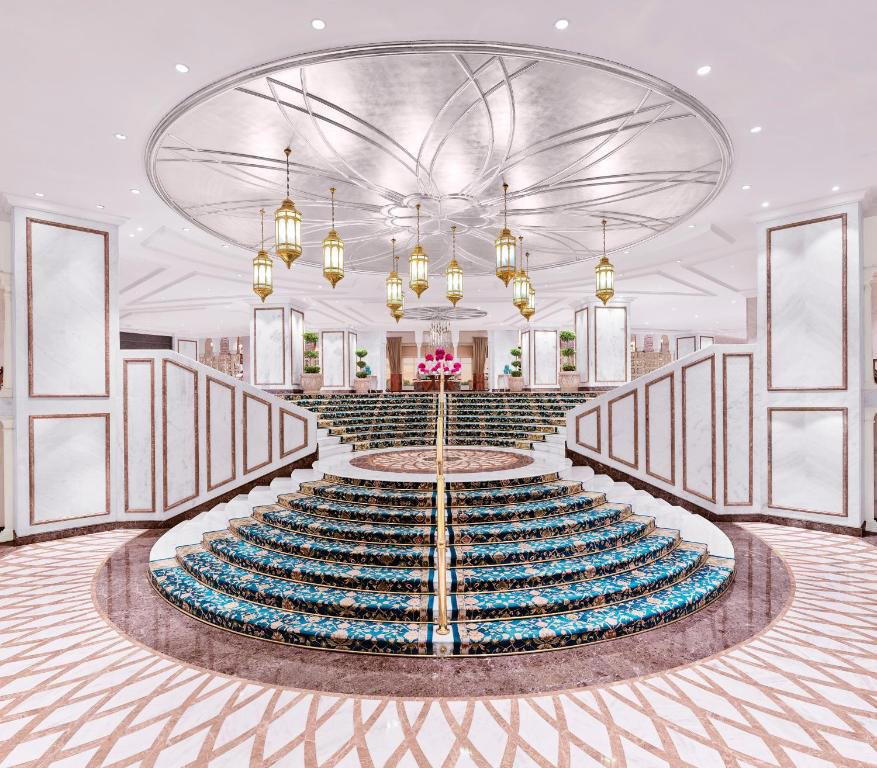
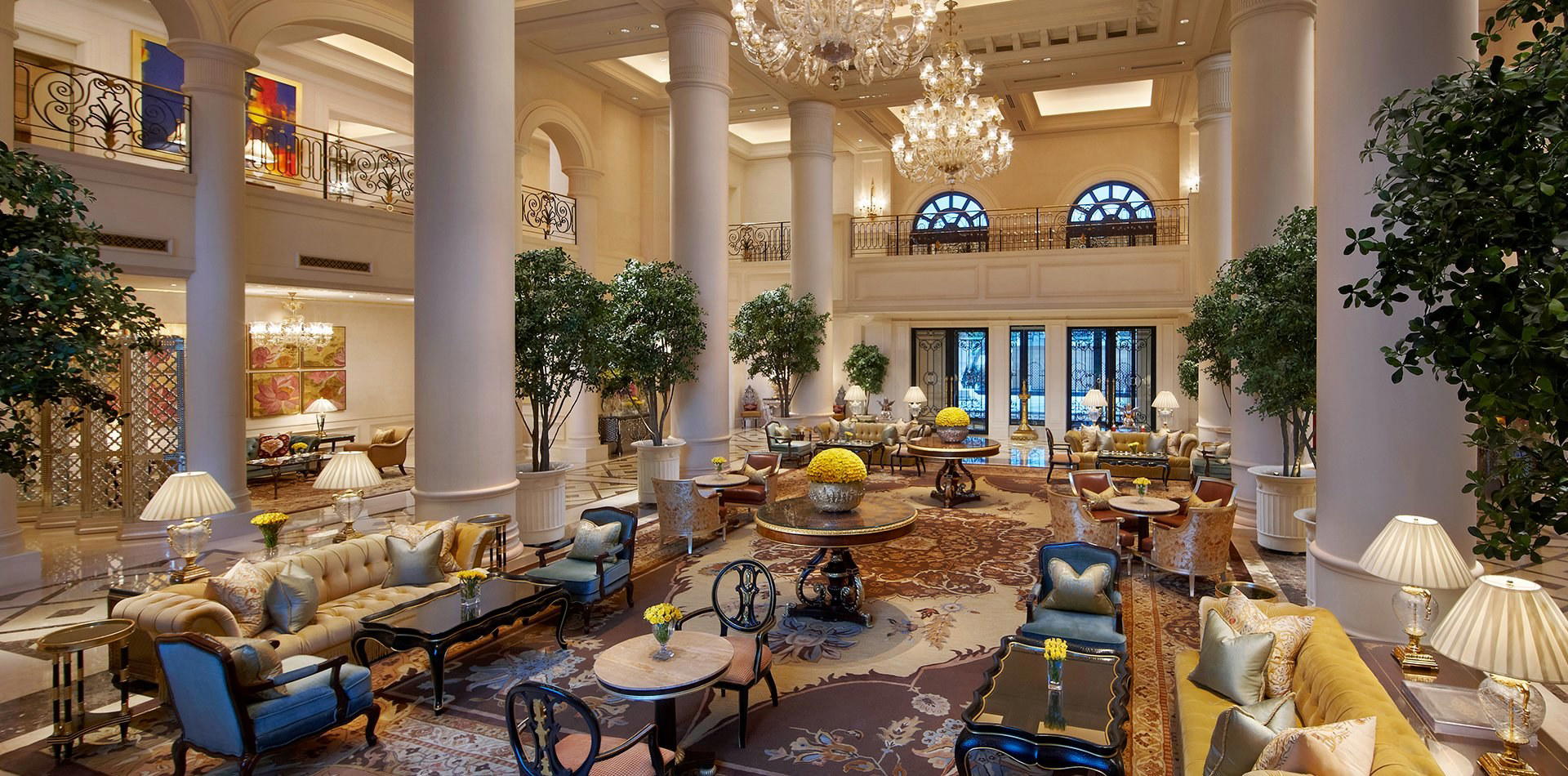
High-end elegant atmosphere with crystal chandeliers and sophisticated lighting in a luxury hotel setting.