




World's 50 Best #30 · La Liste Top Restaurants · The Best Chef Three Knives
Our verdict
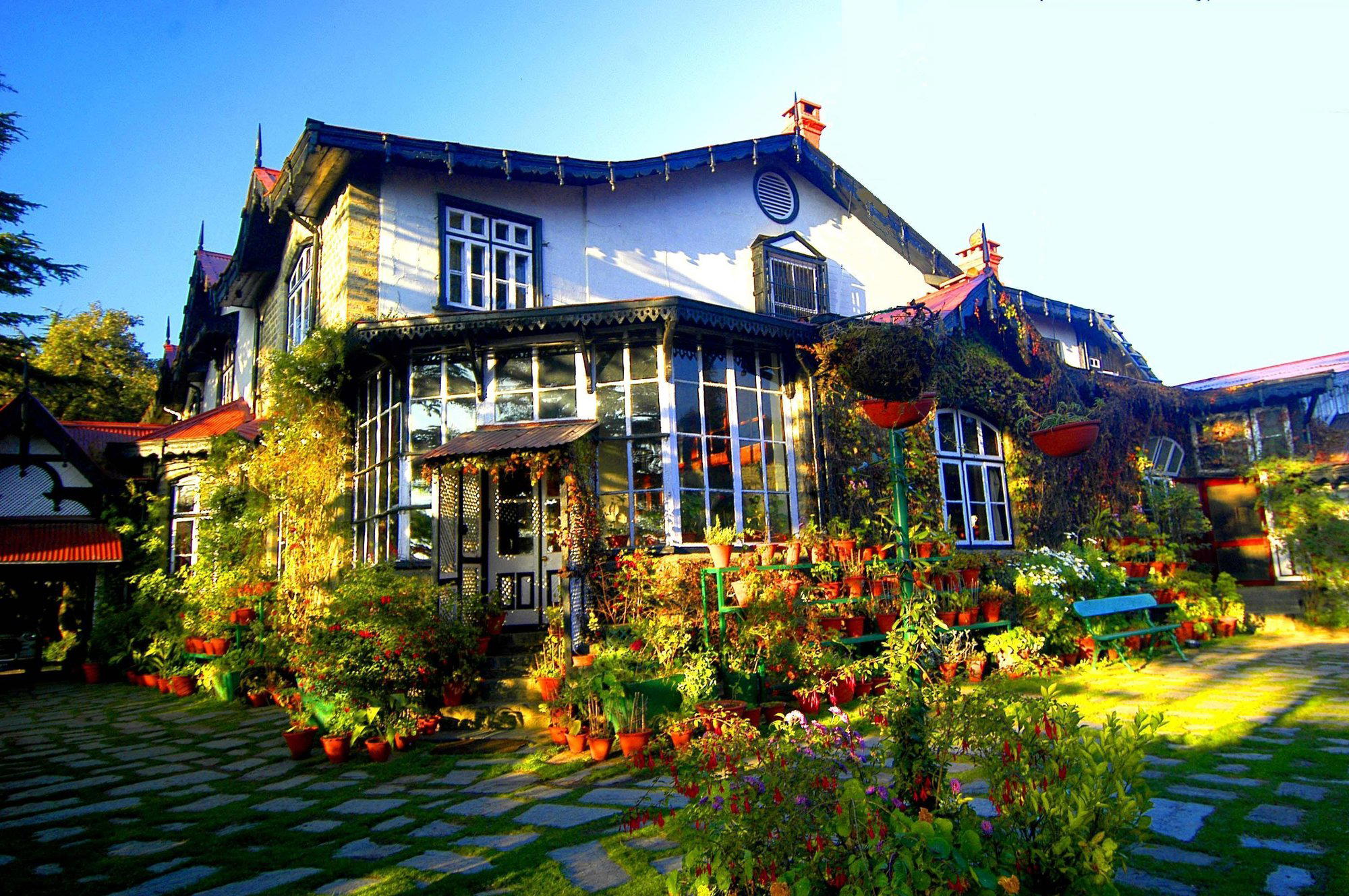
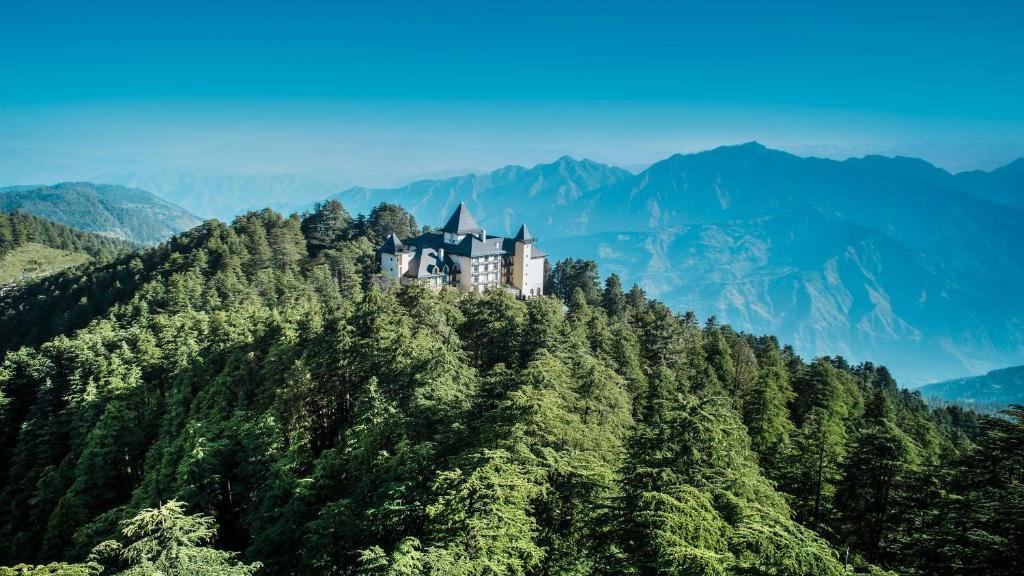
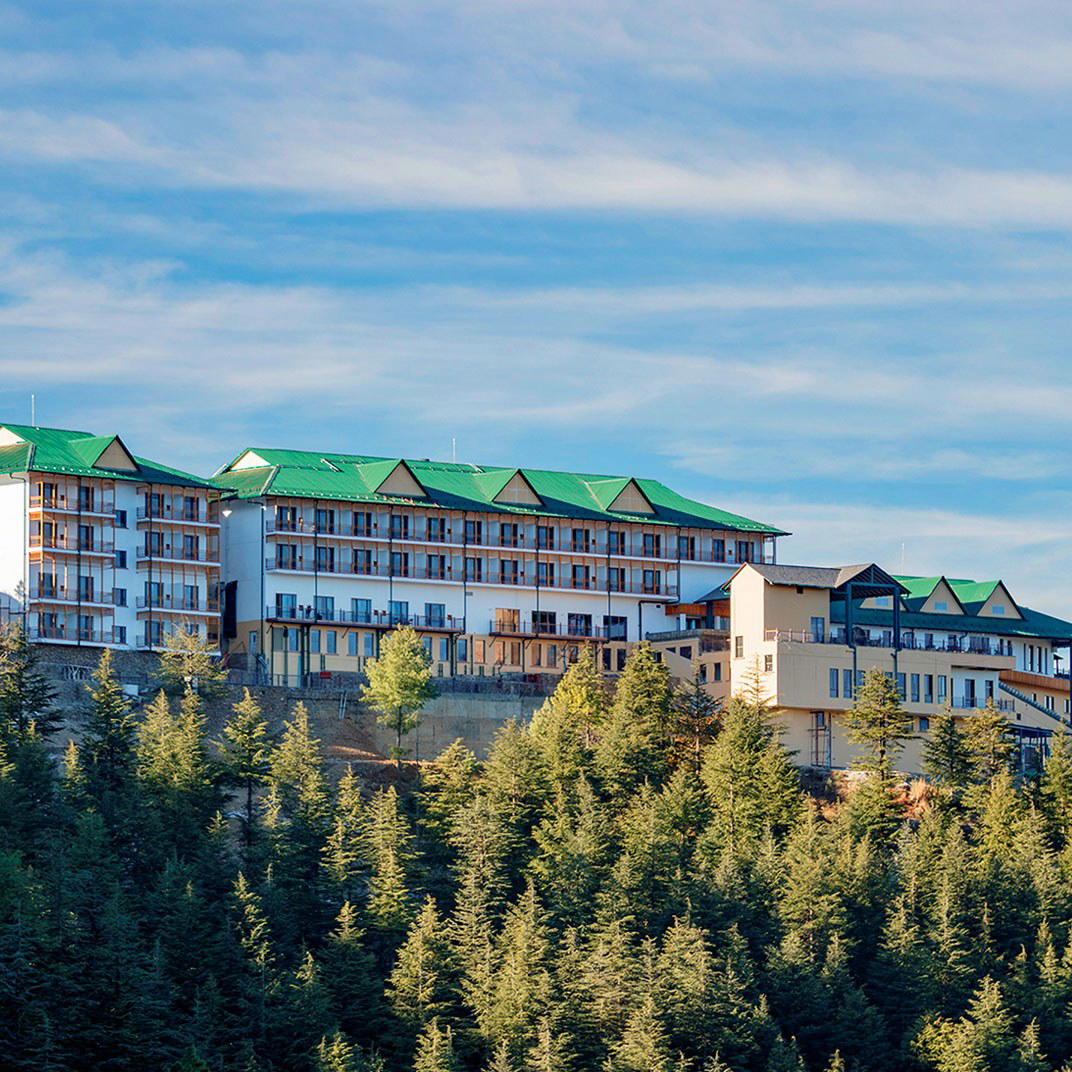
Naar sits inside Amaya in the Kasauli hills, where chef Prateek Sadhu — ranked 66th on Asia's 50 Best list in 2025 and awarded 93 points by La Liste — translates Himalayan ingredients and Kashmiri culinary memory into a format that places this small-mountain-town address firmly in India's serious dining conversation. The drive up, the altitude, and the deliberate remove from the plains are part of the proposition.

Pearl is the En Primeur Club membership app — saves, bookings, and concierge access live there. Same editors, same standards.
- Address
- Located in Amaya, VPO, Darwa, Kasauli, Himachal Pradesh 173236, India
- Phone
- +91 88004 22053
- Hours
- Mon ClosedTue–Sun 12:30–3 PM, 6:30–11 PM
- Website
- restaurantnaar.com
- Directions
- Get directions
- Booking
- Book on the venue's website
The menu
What to order
- Lamb neck
- Himalayan trout
- Stinging nettle
- Chicken heart and liver
At Altitude, With Intent
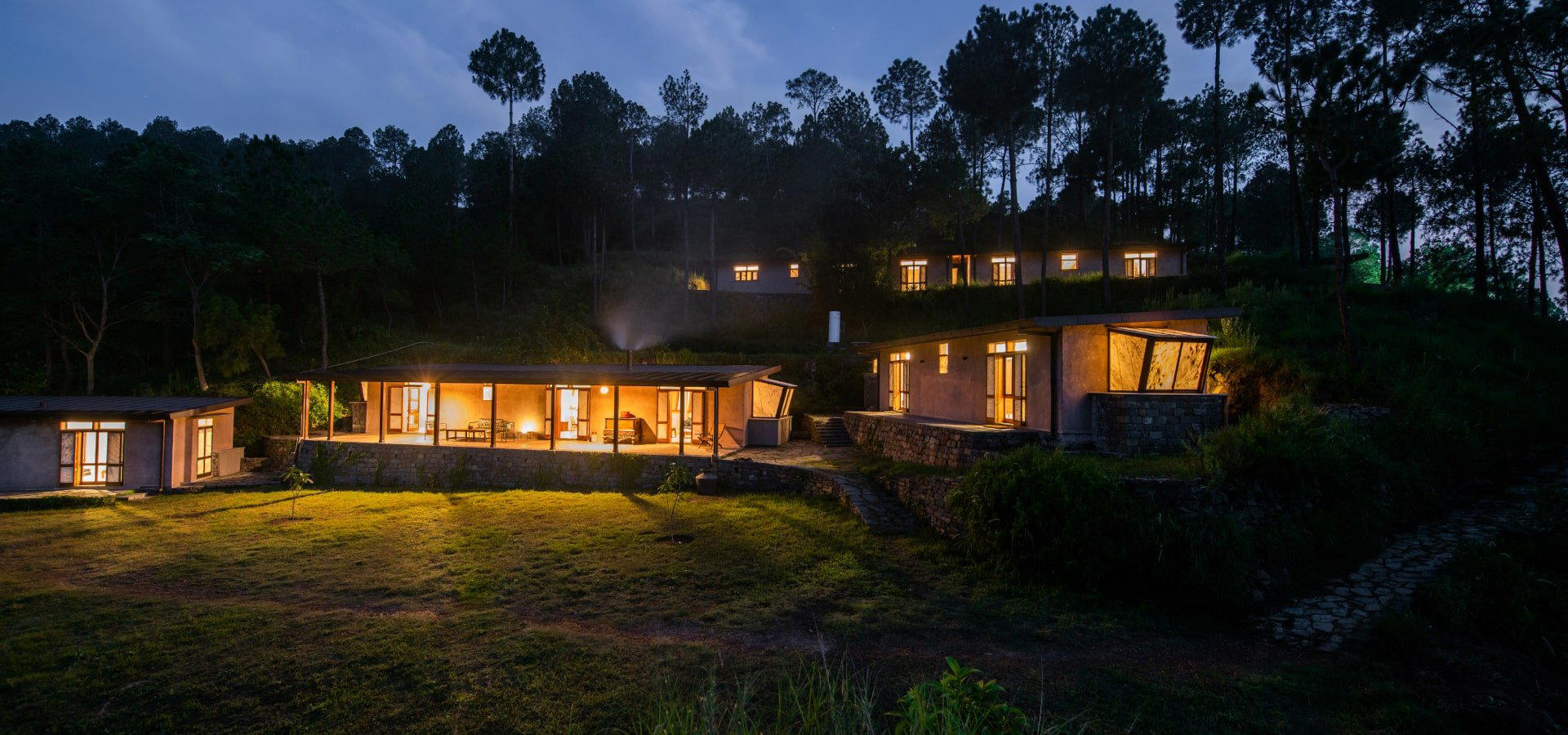
The approach to Kasauli already tells you something about what Naar is trying to do. The town sits above 1,800 metres in the Solan district of Himachal Pradesh, and the air changes noticeably on the final stretch of road. Amaya, the property that houses Naar, is set in VPO Darwa, away from the cantonment lanes that most visitors associate with Kasauli. Before a plate arrives, the physical distance from Delhi, Mumbai, or Chandigarh has done some of the editorial work: this is not a restaurant that relies on footfall or proximity to a commercial strip. The mountain setting is load-bearing, not decorative.
That spatial remove matters when you consider where Naar sits in India's current fine dining conversation. The country's most-discussed serious restaurants have, until recently, clustered in its metros: the long-established Mughlai traditions at Dum Pukht in New Delhi, the produce-led approach at Farmlore in Bangalore, the cosmopolitan register at The Table in Mumbai. Naar arrives as part of a smaller, more recent tendency: destination restaurants in non-metro locations, where the landscape and the local ingredient supply are as much the argument as the kitchen technique.
The Himalayan Belt as a Culinary Region
What Prateek Sadhu has worked toward at Naar is a systematic case for the Himalayan belt as a coherent culinary region with its own produce logic, preservation traditions, and flavour grammar. The chef's Kashmiri background gives this a biographical grounding, but the editorial point is larger than biography: the Himalayas contain an ingredient library, wild herbs, cold-climate alliums, fermented staples, altitude-specific grains, that has been underrepresented in serious restaurant cooking, especially relative to how thoroughly coastal Indian traditions have been explored at the fine dining level.
Sadhu's career before Naar included time in international kitchens, and the resulting technical fluency is part of what separates Naar from a regional-food-as-nostalgia format. The cooking at venues like Adaa at Falaknuma Palace in Hyderabad or Jamavar Delhi works from a position of codified classical heritage; Naar operates differently, treating Himalayan ingredients as material for active research rather than faithful reconstruction. La Liste's 93-point score in 2026, their ranking draws on restaurant critic assessments across a wide base of publications, reflects that the kitchen's output is being read as technically serious, not merely culturally interesting.
What the Awards Are Actually Measuring
A new-entry appearance on Asia's 50 Best at position 66, combined with 93 La Liste points in the same cycle, is a compressed form of validation that few Indian restaurants outside the metros have achieved. For context, the Asia's 50 Best list, produced by William Reed, the same organisation behind the World's 50 Best, weights contemporary technique, ingredient provenance, and originality of culinary voice alongside execution. Naar received the New Entry Award for 2025, which means it did not simply appear on the list but did so with enough momentum to be specifically noted by the voting academy.
India's representation on Asia's 50 Best has historically tilted toward Delhi and Mumbai, with some Bangalore presence. Naar's Kasauli address makes it a structural outlier in that peer group, alongside destination restaurants in other non-capital cities across the region. Compared to the similarly geography-led Dining Tent in Jaisalmer or the coastal produce argument at Bomras in Anjuna, Naar is making the most explicitly altitude-dependent case of any Indian restaurant currently ranked at this level.
Getting There and Planning Around It
Kasauli is most accessibly reached from Chandigarh, approximately 65 kilometres away, making Chandigarh airport or the Chandigarh railway junction the practical entry points for most travellers. The drive from Chandigarh to the Kasauli hills takes roughly 90 minutes to two hours depending on traffic at the plains-to-hills transition. From Delhi, the journey by road runs around five to six hours, though many visitors combine the trip with a stay in Chandigarh or Shimla. Naar's position within Amaya means accommodation is tied to the property, which simplifies the logistics of an evening there: you are already where you need to be.
Naar does not publish hours or a booking platform link publicly through standard channels, which means approaching through the Amaya property directly is the practical route. For those building a wider Himachal itinerary, our full Kasauli restaurants guide, hotels guide, bars guide, wineries guide, and experiences guide cover the broader town in detail.
Where Naar Fits in the Wider Indian Restaurant Picture
India's serious restaurant tier has diversified considerably over the past decade. The metropolitan anchors, Kappa Chakka Kandhari in Chennai building a case for Kerala culinary tradition, Chandni in Udaipur operating within a heritage hospitality context, da Susy in Gurugram or Baan Thai in Kolkata as examples of single-cuisine specialists in secondary cities, show how varied the geography has become. Naar is the clearest current example of a restaurant making altitude and cold-climate provenance the central curatorial argument.
The comparison with internationally ranked destination restaurants is also worth making explicit. Venues like Le Bernardin in New York City or Atomix operate in dense urban markets where the restaurant's address is incidental to the cuisine's internal logic. Naar inverts that: removing it from the mountains would change what it is arguing. That is a more precarious proposition commercially, but a more coherent one editorially. The 2025 awards cycle suggests the international restaurant community read it as exactly that.
Frequently asked questions
Is Naar okay with children?
Naar's format, a focused tasting menu built around indigenous Himalayan ingredients under chef Prateek Sadhu, is structured around attentive, course-by-course dining rather than casual flexibility. The Kasauli setting at Amaya, over 1,800 metres up in Himachal Pradesh, adds a journey element that makes spontaneous visits with young children logistically demanding. Families with older children who engage with tasting menus will find it more workable than those with toddlers.
Is Naar better for a quiet night or a lively one?
Naar runs on the quieter end of the spectrum. The restaurant is located within Amaya in Darwa, Kasauli, well removed from any urban dining buzz, and Prateek Sadhu's cooking, recognised by both Asia's 50 Best (position 66, 2025) and La Liste (93 points, 2026), demands the kind of attention that suits a deliberate, unhurried evening. Come here for conversation and focus, not atmosphere in the nightlife sense.
What kind of recognition has Naar received?
Naar has received recognition including: La Liste Top Restaurants (2026): 93pts; World's 50 Best Asia's Best Restaurants #66 (2025); Chef: Prateek Sadhu New Entry Award 2025 Prateek Sadhu, one of India’s foremost culinary innovators, challenges conventions with his imaginative cre….
What do regulars order at Naar?
Given Naar's tasting menu format, the kitchen drives the sequence rather than à la carte selection, which means regulars are returning for Prateek Sadhu's evolving treatment of Himalayan-belt produce rather than a fixed signature dish. What draws people back, based on the restaurant's Asia's 50 Best New Entry recognition in 2025, is the menu's grounding in wild and indigenous ingredients sourced across the Himalayan region, a set of materials that changes with altitude, season, and Sadhu's own foraging research.
Where exactly is Naar?
Naar is located at Located in Amaya, VPO, Darwa, Kasauli, Himachal Pradesh 173236, India, Kasauli.
Who is the chef at Naar?
The chef associated with Naar is Prateek Sadhu.
A Quick Peer Check
| Venue | Cuisine | Price | Awards |
|---|---|---|---|
| NaarThis venue — the venue you are viewing | Modern Mountain Indian | $50–100 | World's 50 Best #30 · La Liste Top Restaurants |
| Dum Pukht | Indian | Not listed | World's 50 Best |
| Bukhara | Modern Indian | Not listed | Tabelog 100 #61 |
| Indian Accent | Indian | Not listed | World's 50 Best |
| Karavalli | Indian | Not listed | Not listed |
| O Pedro | Goan | Not listed | Not listed |
Recognition history
Dated appearances from independent guides and award organizations, with the underlying list record or original source where available.
World's 50 Best Asia's Best Restaurants #30
World's 50 Best
La Liste Top Restaurants
La Liste
Food & Wine Global Tastemakers Top Restaurants #6
Food & Wine
Opinionated About Dining Top Restaurants in Asia Ranked #122
Opinionated About Dining
The Best Chef Three Knives
The Best Chef
Full recognition history (6 entries)
World's 50 Best Asia's Best Restaurants #66
World's 50 Best
Details
- Intimate
- Rustic
- Scenic
- Cozy
- Sophisticated
- Special Occasion
- Date Night
- Open Kitchen
- Panoramic View
- Chefs Counter
- Craft Cocktails
- Local Sourcing
- Mountain
- Tasting Menu
- Vegetarian Friendly
Current opening hours
- Monday
- Closed
- Tuesday
- 12:30–3 PM, 6:30–11 PM
- Wednesday
- 12:30–3 PM, 6:30–11 PM
- Thursday
- 12:30–3 PM, 6:30–11 PM
- Friday
- 12:30–3 PM, 6:30–11 PM
- Saturday
- 12:30–3 PM, 6:30–11 PM
- Sunday
- 12:30–3 PM, 6:30–11 PM
Hours can change for holidays and private events. Last verified .
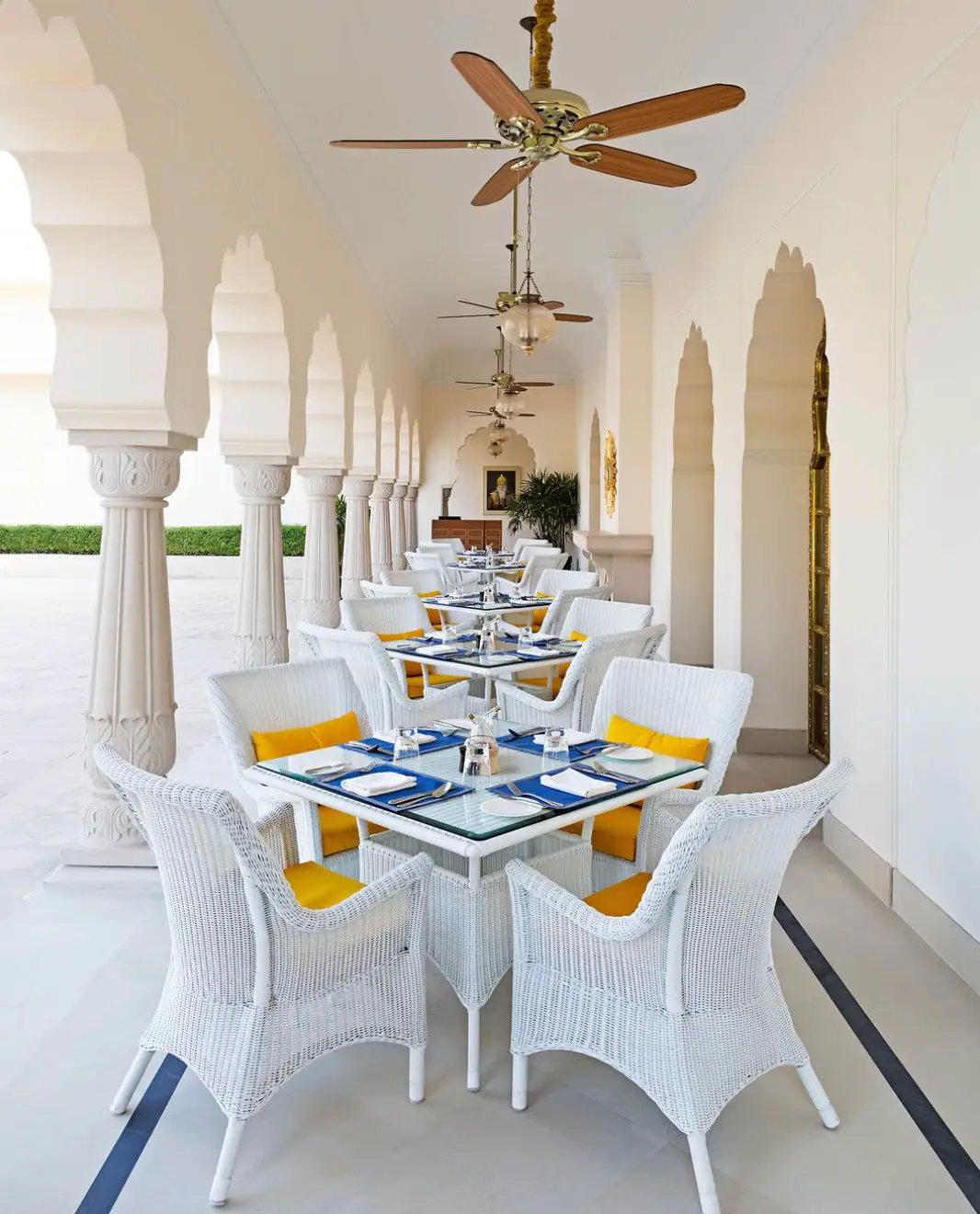
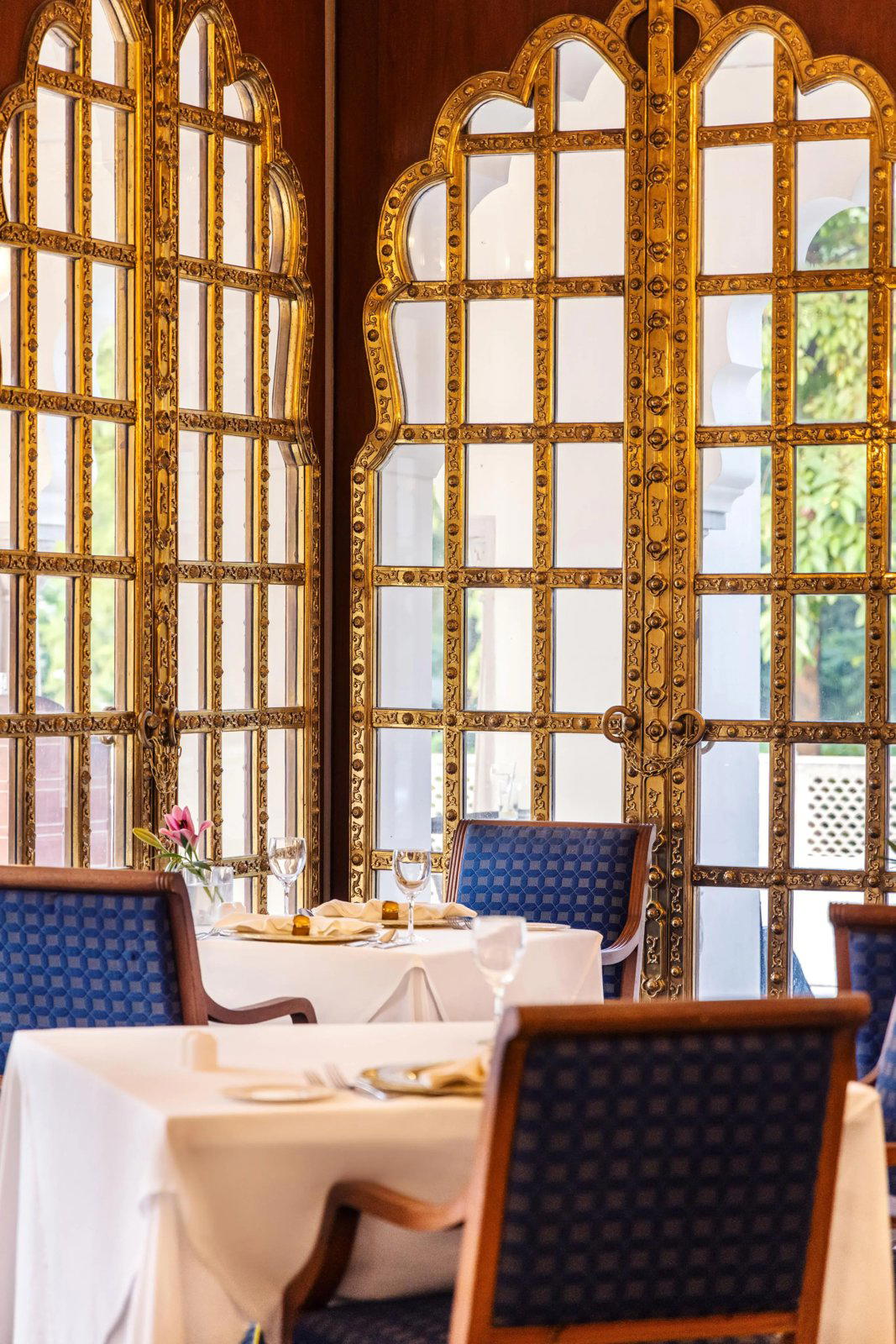
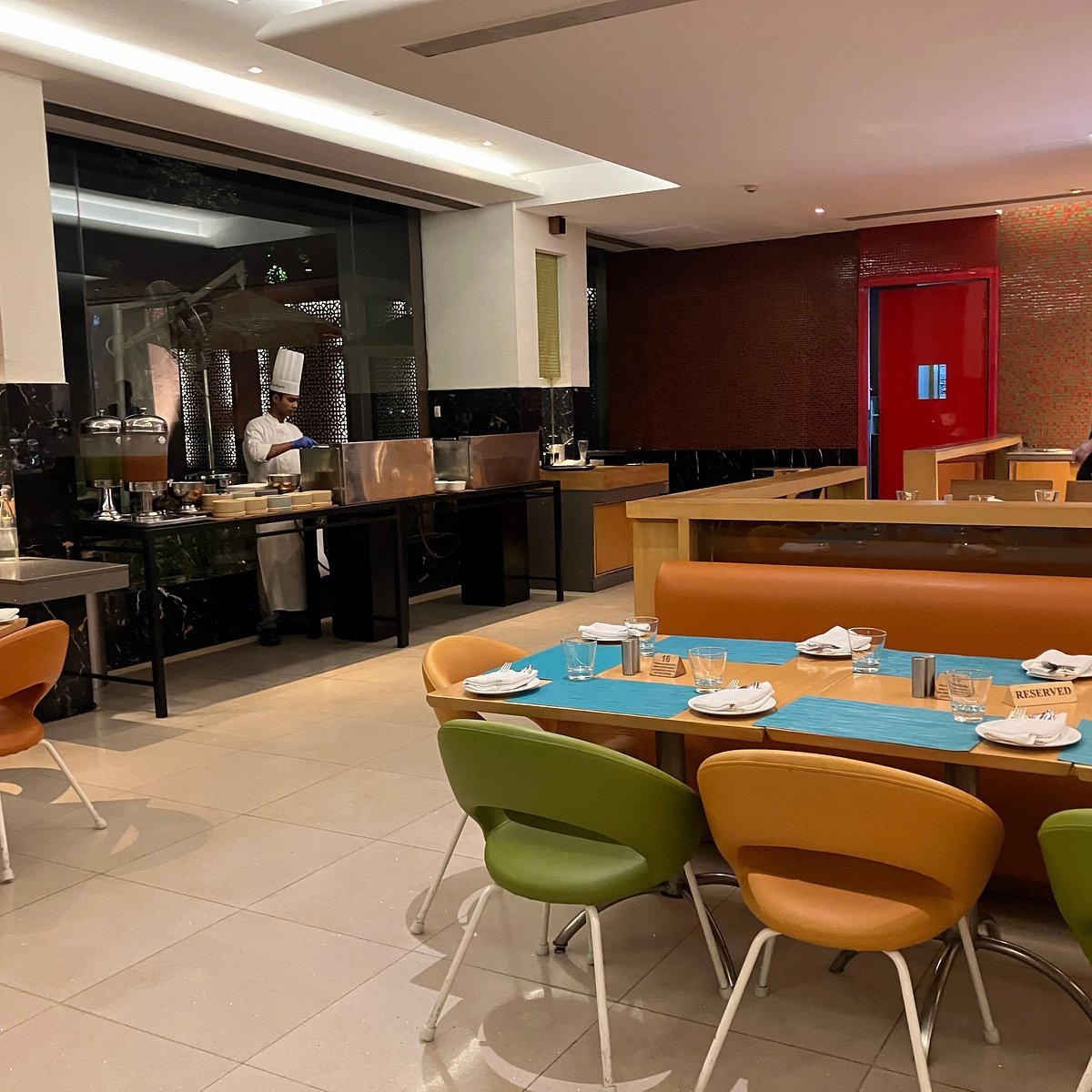
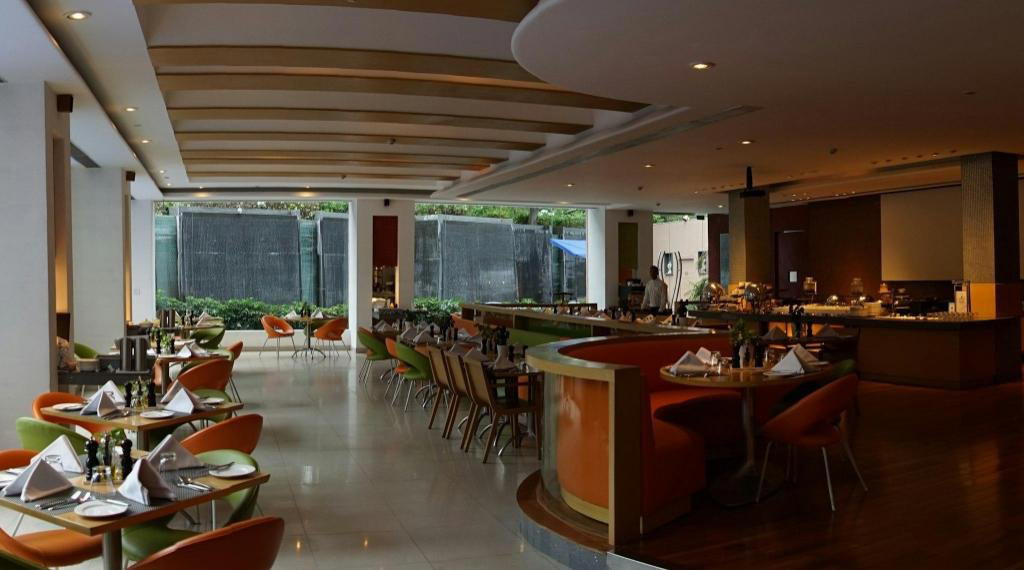
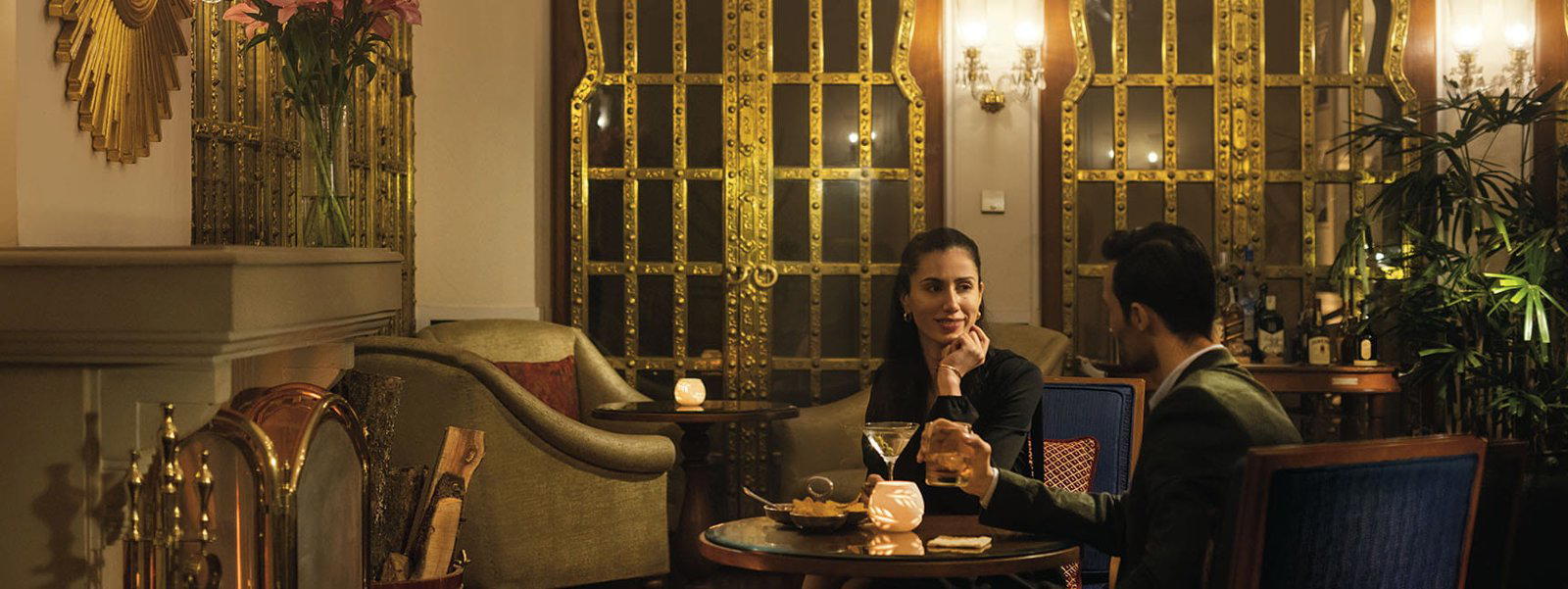
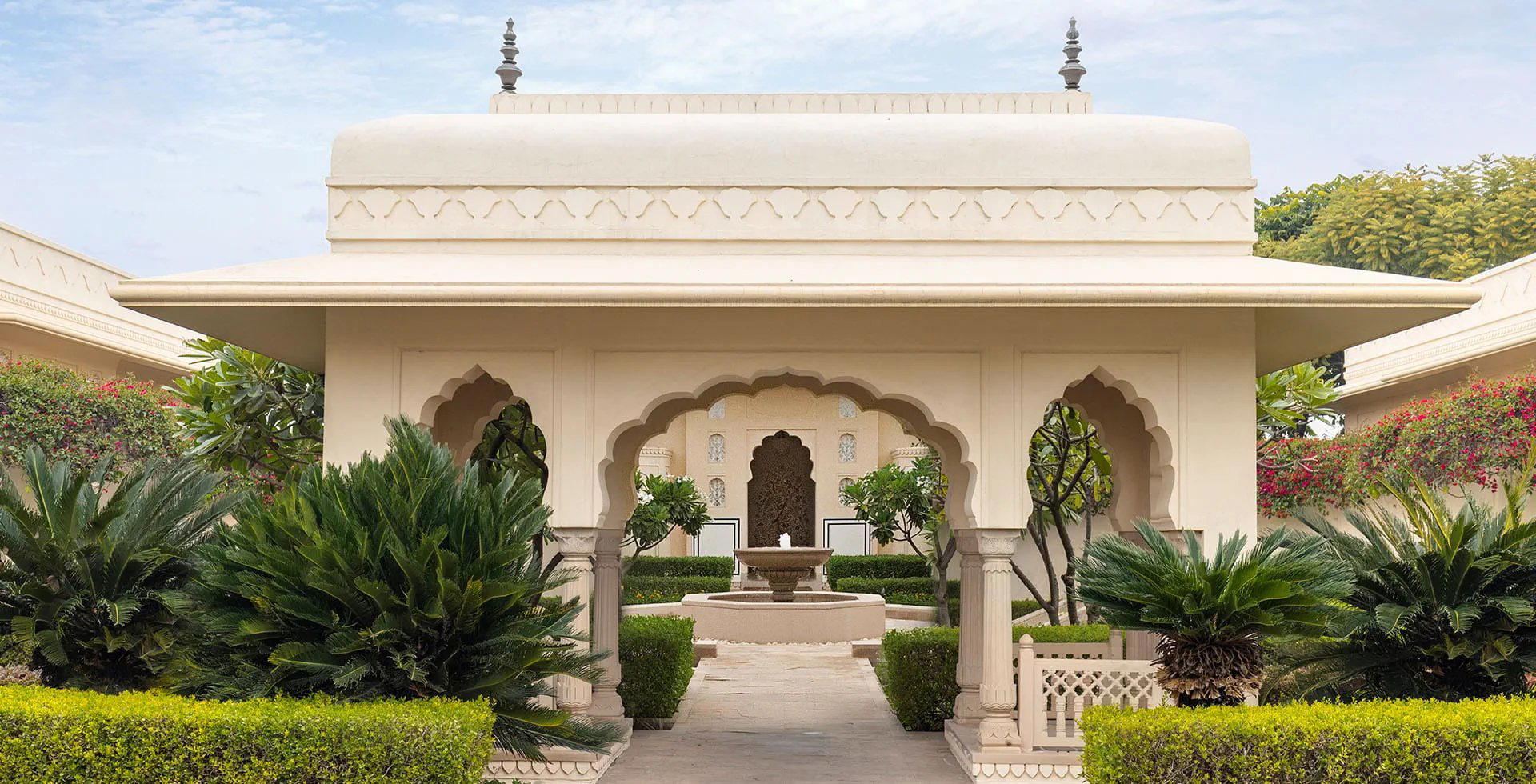
Warm and inviting with dim lighting, open kitchen, mid-century modern bar furniture, and dramatic Himalayan views through mist.