Our verdict
Dilli StreEAT serves Indian street food in Food Court, Delhi, with raj kachori, momos, biryani, and kathi rolls for breakfast or lunch.

Pearl is the En Primeur Club membership app, where members save venues, book tables and use the concierge.
The menu
What to order
- Raj_kachori
- Momos
- Biryani
- Kathi_rolls
Delhi's Street Food Conversation, Under One Roof
Delhi's relationship with street food is not casual. The city has built an entire cultural grammar around the chaat counter, the tandoor cart, and the morning chole bhature stall, a grammar so specific that neighborhoods argue over whose version is definitive. Food courts that attempt to consolidate this tradition face an immediate credibility problem: the original vendors are half the point. Dilli StreEAT sits inside that tension, operating as a food court format in Delhi that draws on the city's street-food repertoire at a moment when indoor, air-conditioned interpretations of roadside classics have become a serious sub-category of the dining market.
The format itself is worth understanding. Delhi's food court tier has split between generic mall operators running national fast-food chains and a smaller set of venues that anchor their offer in regional specificity. The latter group tends to perform better with both locals and informed visitors, because Delhi diners apply a different standard to street food than to restaurant dining. Authenticity, here, is not a marketing position, it is the baseline expectation.
What the Atmosphere Signals
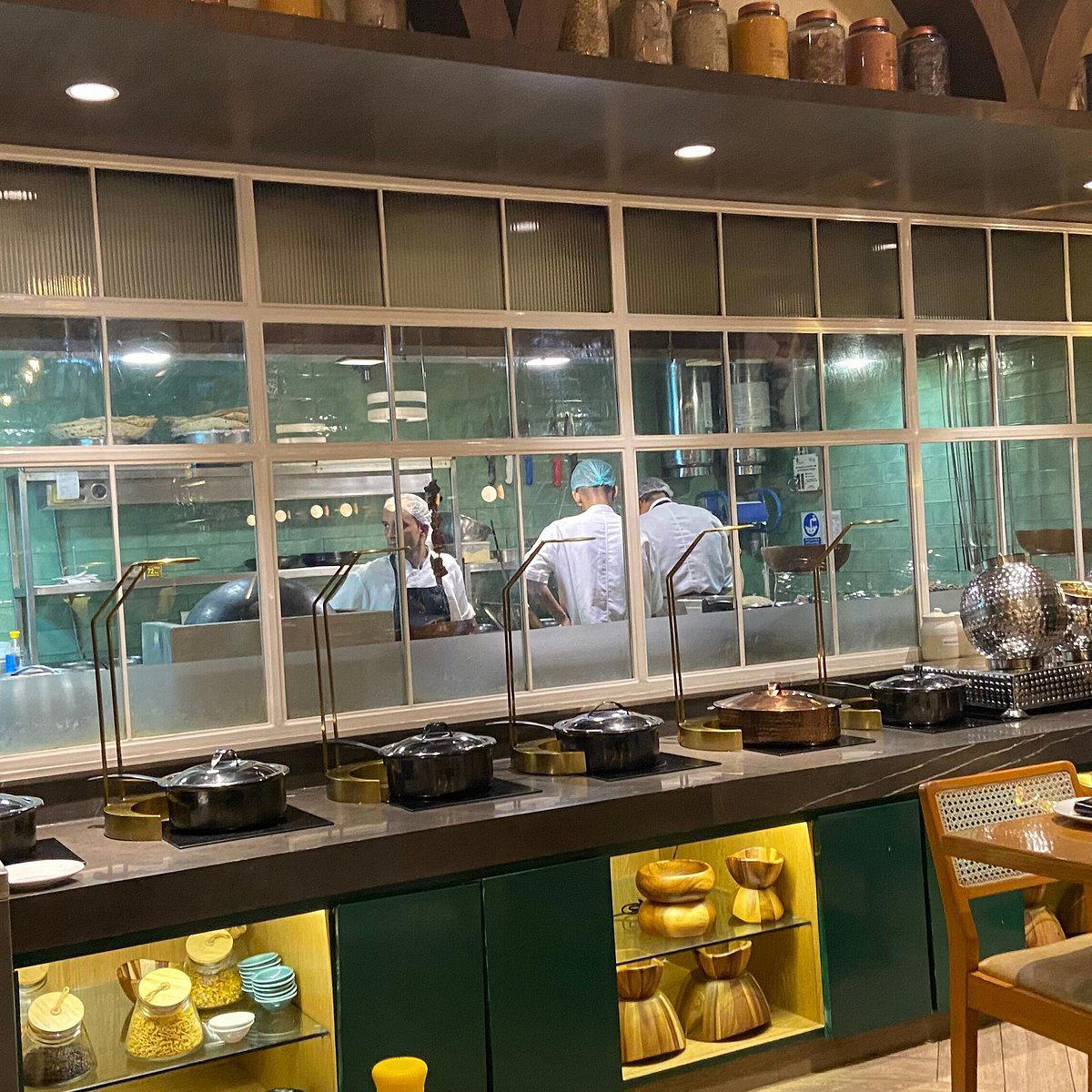
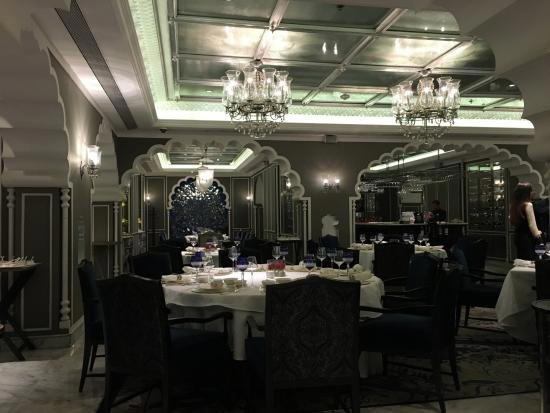
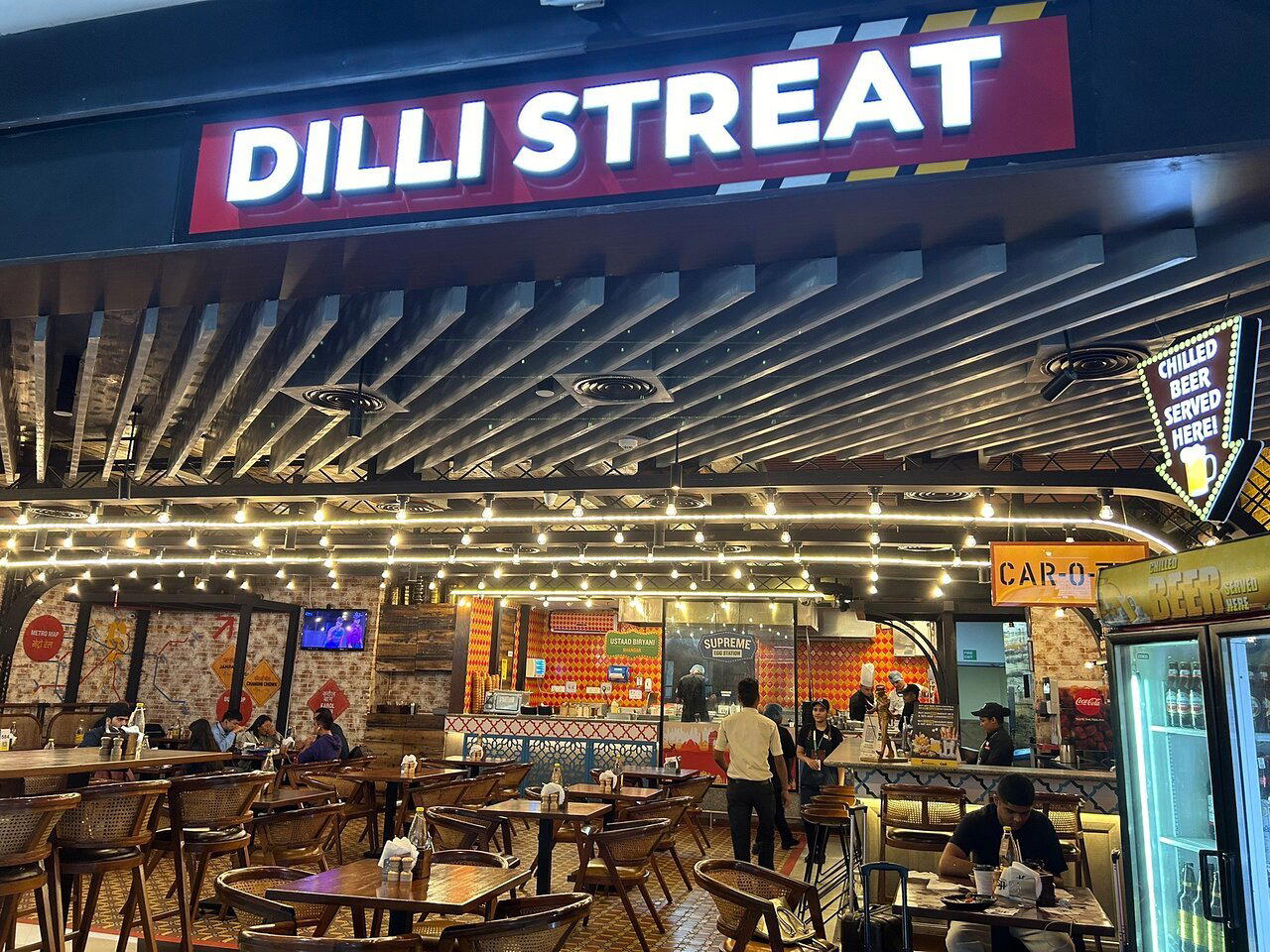
Food courts in Indian cities are sensory environments by design, and Delhi's are no exception. The sounds overlap: oil hitting a tawa, the percussion of a rolling pin on dough, the ambient noise of a crowd that knows exactly what it wants and is not waiting quietly for it. At a venue that draws from the street-food tradition, the visual field tends to be dense, open cooking stations, visible ingredients, the particular orange of tamarind chutney in squeeze bottles, the white of radish garnish against dark chole. These are not decorative choices. They are functional signals that the kitchen is operating at volume and expects scrutiny.
This kind of environment sits at the opposite end of the spectrum from the curated stillness of a tasting-menu restaurant. The comparison is not meant to diminish the format. In a city where street food operates as a primary rather than secondary dining mode, a well-run food court that maintains the visual and sensory energy of the street is performing something specific and deliberate. For context on how different Delhi's premium dining registers can be, the formal end of the city's restaurant scene is represented by venues like Bukhara, where the atmosphere is composed and controlled. Dilli StreEAT operates in an entirely different register.
Delhi's Street Food as a Competitive Category
Understanding where Dilli StreEAT sits requires mapping the broader street-food dining options in the city. Delhi's most credentialed street-food experience is arguably Old Delhi, where Chache Di Hatti operates with the kind of single-item focus and decades-long reputation that no food court format can replicate. Similarly, Bikanervala in Chandni Chowk represents the institutionalized sweet-and-snack tradition that has its own loyal constituency. These are category anchors. A food court model does not compete directly with them, it serves a different use case: variety under one roof, accessible location, reliable standards without the navigation demands of the older city.
The regional breadth available across Delhi's dining scene extends well beyond street food. Andhra Pradesh Bhavan represents the other end of regional specificity, where state-canteen dining produces some of the most direct regional cooking in the city. Curry Kitchen occupies yet another tier. These reference points matter because they frame the decision a Delhi diner or visitor is actually making when they choose a food court format over a specialist destination.
Placing Delhi Within India's Broader Dining Conversation
Delhi is not an isolated dining market. The conversations happening here about street food's formalization, about whether regional specificity survives venue scaling, and about what visitors versus locals want from a food court, are conversations that run across Indian cities. In Bangalore, farm-to-table formats at venues like Farmlore represent one answer to the authenticity question. In New Delhi itself, Inja operates in a fusion register that addresses the question differently. Further afield, Kappa Chakka Kandhari in Chennai and Adaa at Falaknuma Palace in Hyderabad show how regional traditions get treated at the premium end of the market in their respective cities.
For travelers moving across India and calibrating dining decisions by city, the contrast is useful. Bomras in Anjuna, Dining Tent in Jaisalmer, and Naar in Kasauli each demonstrate how location shapes format in ways that urban food courts do not have to contend with. The Delhi food court proposition is specifically urban, specifically high-footfall, and specifically built around the assumption that the diner wants speed and variety without sacrificing regional identity. In global terms, the gap between a food court and a fine-dining destination is wide. Le Bernardin in New York City or Lazy Bear in San Francisco occupy a different universe of format, price, and pacing. The comparison is not a hierarchy, it is a map of the range available to any serious diner.
Planning a Visit: What to Expect
Food court formats in Delhi generally do not require advance booking; the model is walk-in and the throughput is designed for it. Peak hours, lunchtime on weekdays, weekend evenings, will produce queues at popular stations, which is a reasonable indicator of what is working on any given day. The address is listed within Delhi's food court infrastructure, and checking current operating hours directly before visiting is advisable. For a broader orientation to eating in the city, the full Delhi restaurants guide covers the range from street-level classics to formal dining. South Indian travelers or those curious about regional contrast might also reference Leela Kerala Terrace in Trivandrum or Neel in Patiala for a sense of how regional cooking performs across formats and cities. For those spending time in Mumbai, Americano in Mumbai offers a point of contrast in how a different Indian city handles the casual-dining register.
Frequently asked questions
Is Dilli StreEAT a family-friendly restaurant?
Food court formats in Delhi are among the most accessible dining settings for groups of mixed ages. Dilli StreEAT sits within a food court in Delhi, which typically means counter-service stations, open seating, and a pace that works for children and older visitors alike. There are no booking requirements or formal dining codes associated with this format.
What is the atmosphere like at Dilli StreEAT?
Food courts in Delhi are built for sensory overlap: the sound of a tawa, the smoke from a tandoor, conversations across shared tables. Dilli StreEAT operates within that environment, where the rhythm is set by the counters rather than a front-of-house team. It is communal and fast-moving by design, not by accident.
Does Dilli StreEAT represent a shift in how Delhi's street food is being served?
Delhi has a long-running conversation about whether formalizing street food preserves or dilutes the original. Dilli StreEAT, as a food court concept in Delhi, sits at the centre of that debate: it brings the city's chaat and tandoor traditions into a controlled indoor environment, trading footpath spontaneity for consistency and accessibility. That trade-off is the defining question for any serious street food venue operating in Delhi's current dining context.
What dish is Dilli StreEAT famous for?
Given its positioning as a street food venue in Delhi, the offering is likely anchored in the city's established chaat canon: preparations like golgappe, papdi chaat, and kebab formats that have defined Delhi's street-food identity for generations.
Where is Dilli StreEAT located?
Dilli StreEAT is located at Food Court, Delhi, Delhi, Delhi.
How far ahead should I plan for Dilli StreEAT?
No advance booking information is confirmed for Dilli StreEAT. Food courts in Delhi generally operate on a walk-in basis, making planning a matter of timing rather than reservation strategy. Visiting outside peak lunch hours on weekdays tends to mean shorter queues at popular Delhi food court counters.
What has Dilli StreEAT built its reputation on?
Dilli StreEAT's positioning is grounded in Delhi's street food tradition brought into a structured food court setting. Delhi is a city where street food carries cultural weight, and venues that consolidate multiple regional preparations under one roof serve a clear demand: the full range of the city's chaat and snack vocabulary without moving between outdoor stalls.
Standing Among Peers
A short peer table to compare basics side-by-side.
| Venue | Cuisine | Price | Awards |
|---|---|---|---|
| Dilli StreEATThis venue (the venue you are viewing) | Indian Street Food | Not listed | Not listed |
| Bukhara | North West Frontier Tandoori | $30–50 | World's 50 Best #37 · La Liste Top Restaurants |
| Chache Di Hatti | Iconic Punjabi Chole Bhature | $1–10 | Not listed |
| Dramz Delhi | Multi-Cuisine Fine Dining with North Indian & European | $50–100 | Not listed |
| Indian Accent | Modern Indian Fine Dining | $50–100 | World's 50 Best #46 · La Liste Top Restaurants |
| Rajdhani Thali Restaurant | Rajasthani & Gujarati Thali | Not listed | Not listed |