


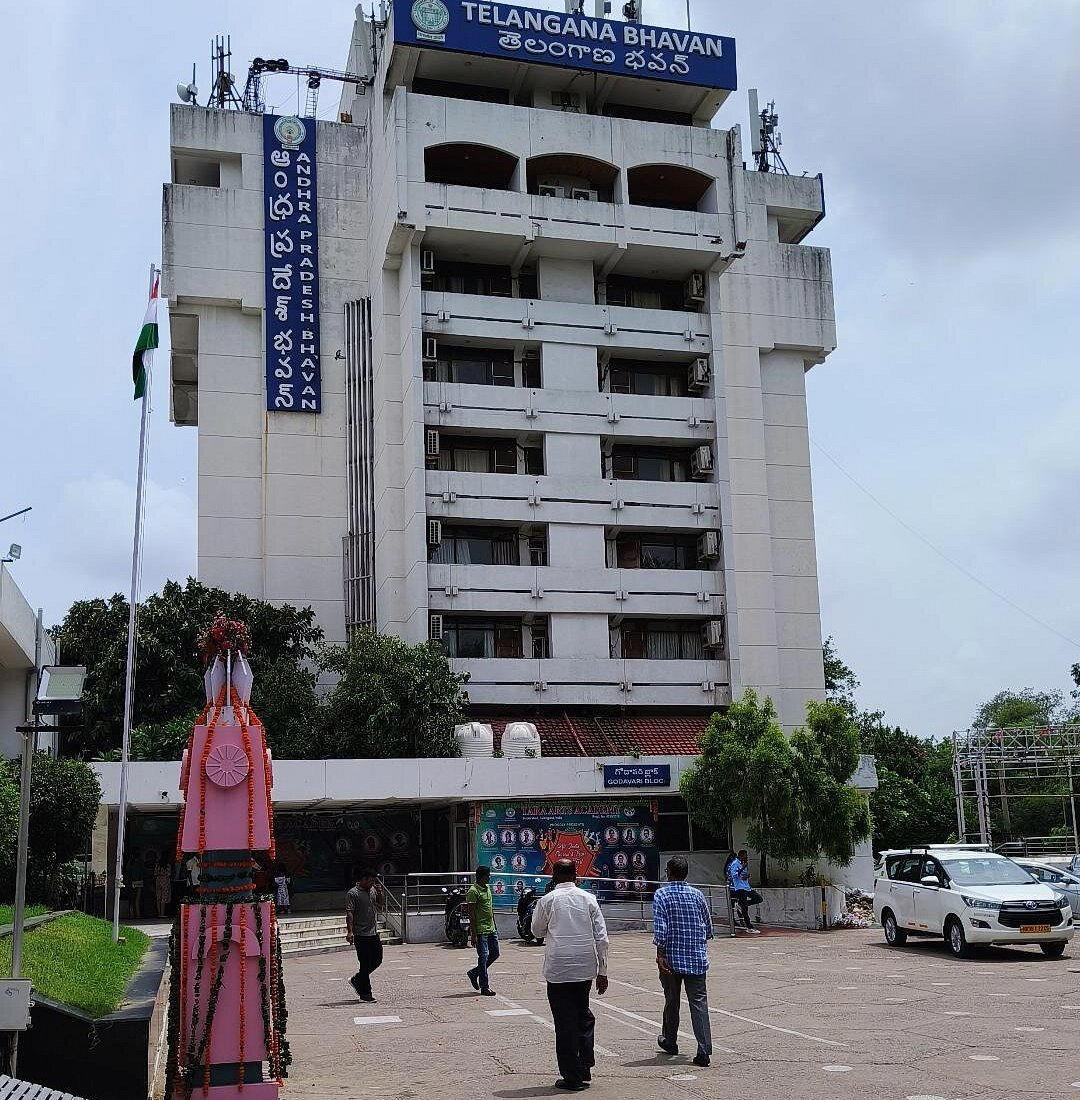
Occupying a prime address on Man Singh Road in Lutyens' Delhi, the Taj Mahal New Delhi is a five-star property that has operated for nearly five decades and recently completed a full renovation. With 296 rooms, multiple dining venues including the award-winning Varq and the Cantonese House of Ming, and proximity to the Presidential Estate, it remains the address of choice for visiting heads of state and senior business travellers.
Pearl is the En Primeur Club membership app — saves, bookings, and concierge access live there. Same editors, same standards.
- Address
- Taj Mahal, New Delhi Number 1, South Block, Man Singh Road Area, New Delhi, Delhi 110011
- Phone
- +91 11 6656 6162
- Website
- tajhotels.com
- Directions
- Get directions
 Saves & bookings on Pearl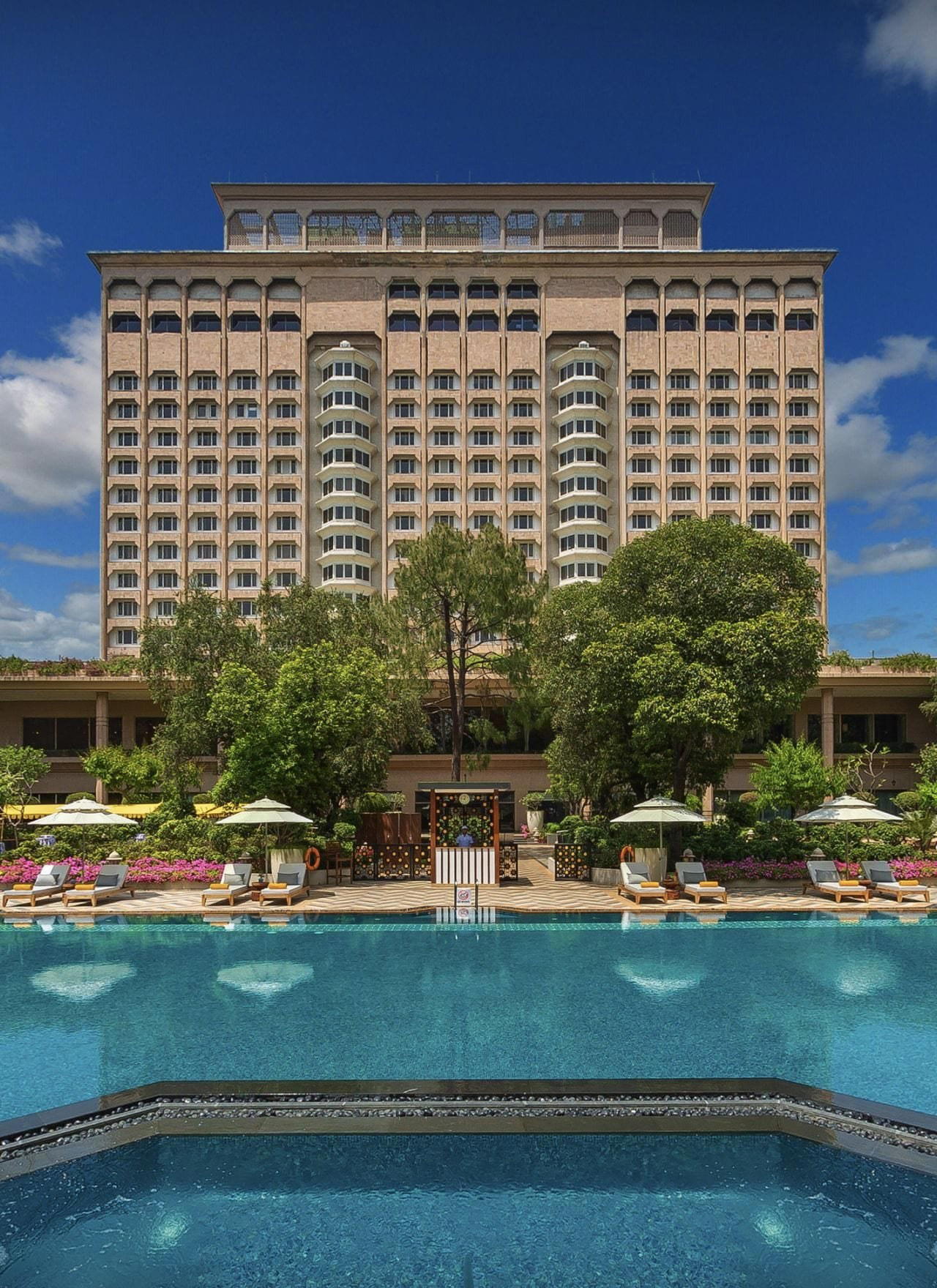
Architecture and Address: What Lutyens' Delhi Means for a Hotel
Edwin Lutyens designed the administrative heart of New Delhi in the 1920s with deliberate spatial generosity: wide boulevards, setback buildings, and a tree canopy so dense that temperatures in this district run several degrees below those in the surrounding city. A hotel on Man Singh Road does not simply occupy a convenient location. It inherits a physical environment that was engineered to project authority and calm, qualities that the Taj Mahal New Delhi has drawn on since it opened and continues to exploit after a complete renovation that preserved the building's formal character while updating its infrastructure throughout.
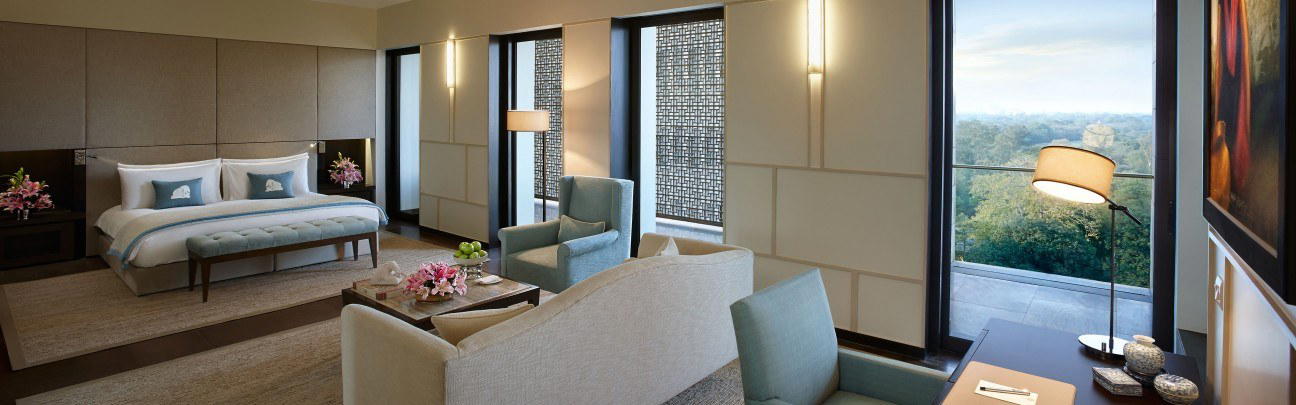
The renovation installed state-of-the-art air purification systems across the entire property, a detail that reads as a practical luxury in one of the world's most polluted capitals. Views from the upper floors extend over the leafy Lutyens grid toward the Presidential Estate at Rashtrapati Bhavan, roughly two kilometres away. That sightline, through ordered colonial-era greenery rather than unbroken concrete, is not available from most addresses in Delhi regardless of price point. It is the architectural dividend of the postcode.
296 Rooms, Several Tiers, and What Each One Signals
The property runs to 296 rooms across a hierarchy that moves from standard Luxury rooms through Luxury Residences and into a suite collection with distinct identities. The Lutyens' Grand Presidential Suite sits at the leading, occupying a position that corresponds to the hotel's long relationship with visiting heads of state and senior dignitaries. Below it, the Signature Suites carry names drawn from regional Indian palatial traditions and international reference points: Rambagh, Maharaja, Tanjore, and Versailles. Each reflects a different design language, which gives the suite floor more variety than a single coherent aesthetic approach would produce.
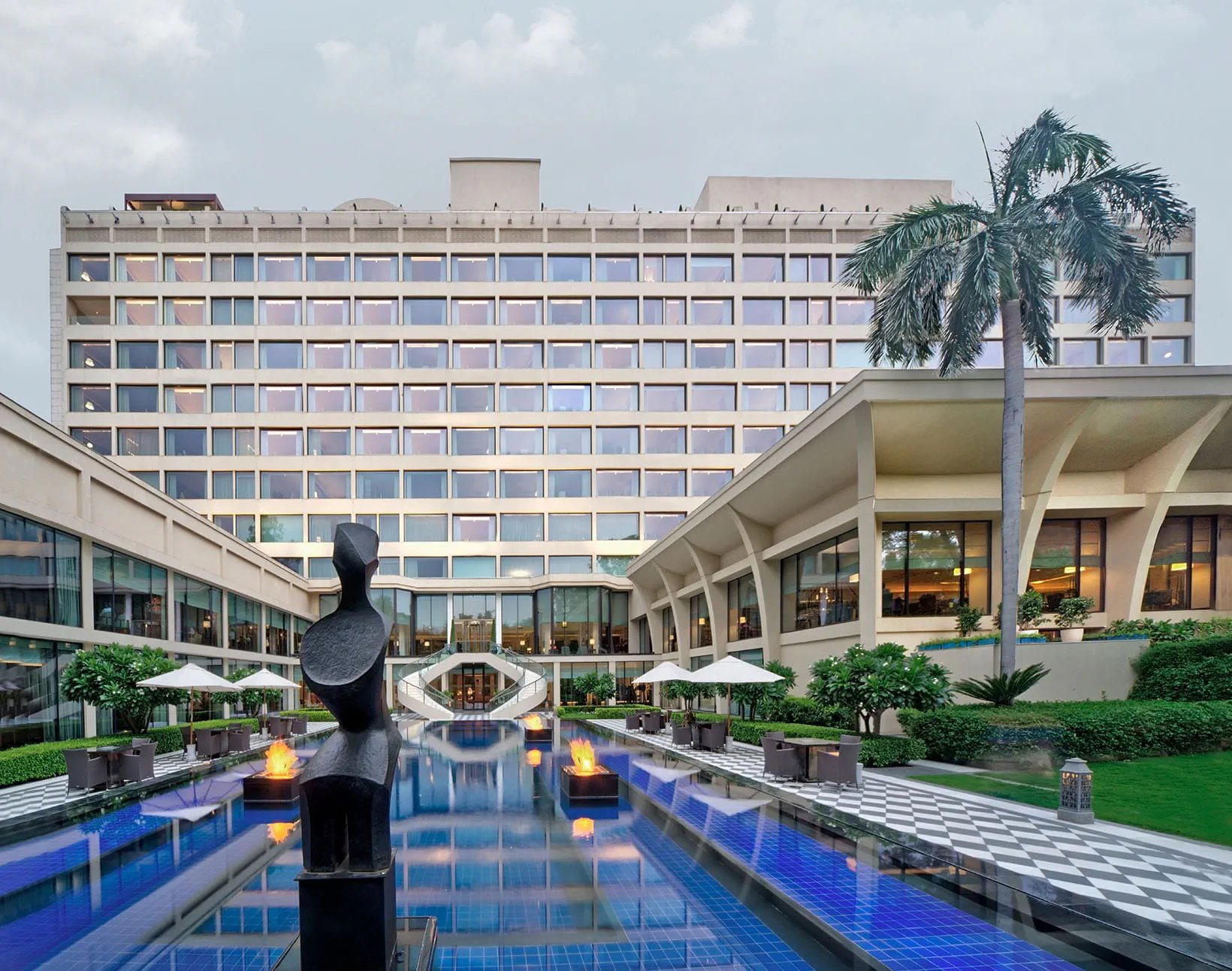
For context on where this property sits in its competitive set, the Lutyens' corridor supports several other five-star addresses. The Leela Palace New Delhi, The Imperial New Delhi, and The Oberoi, New Delhi all compete for the same senior government and corporate traveller. The Taj Mahal's particular positioning rests on longevity and the political weight of its guest history, alongside the renovation's claim to have refreshed the product without breaking the institutional feel that those guests expect. Published rates start at approximately USD 458 per night, which places it in line with the upper tier of the Delhi market.
Dining in a Hotel That Has Time to Build Restaurants
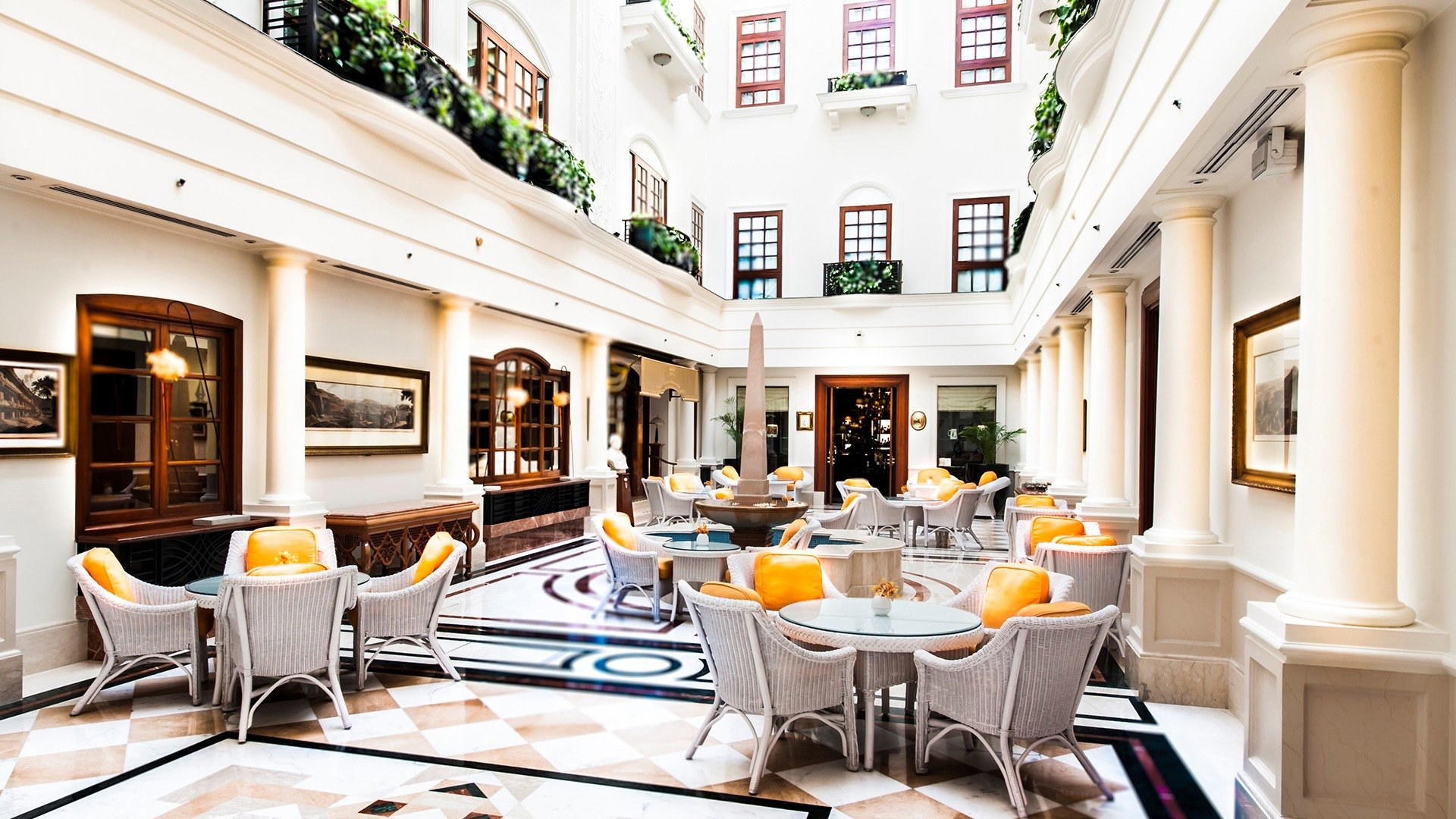
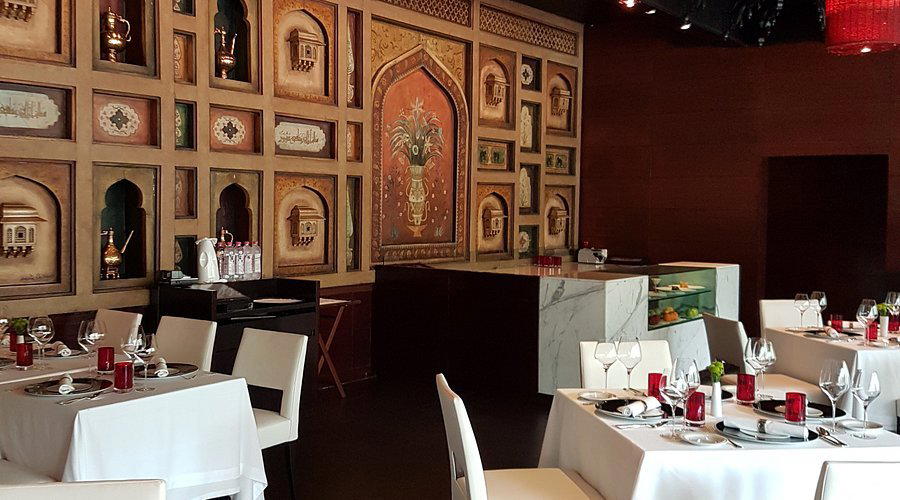
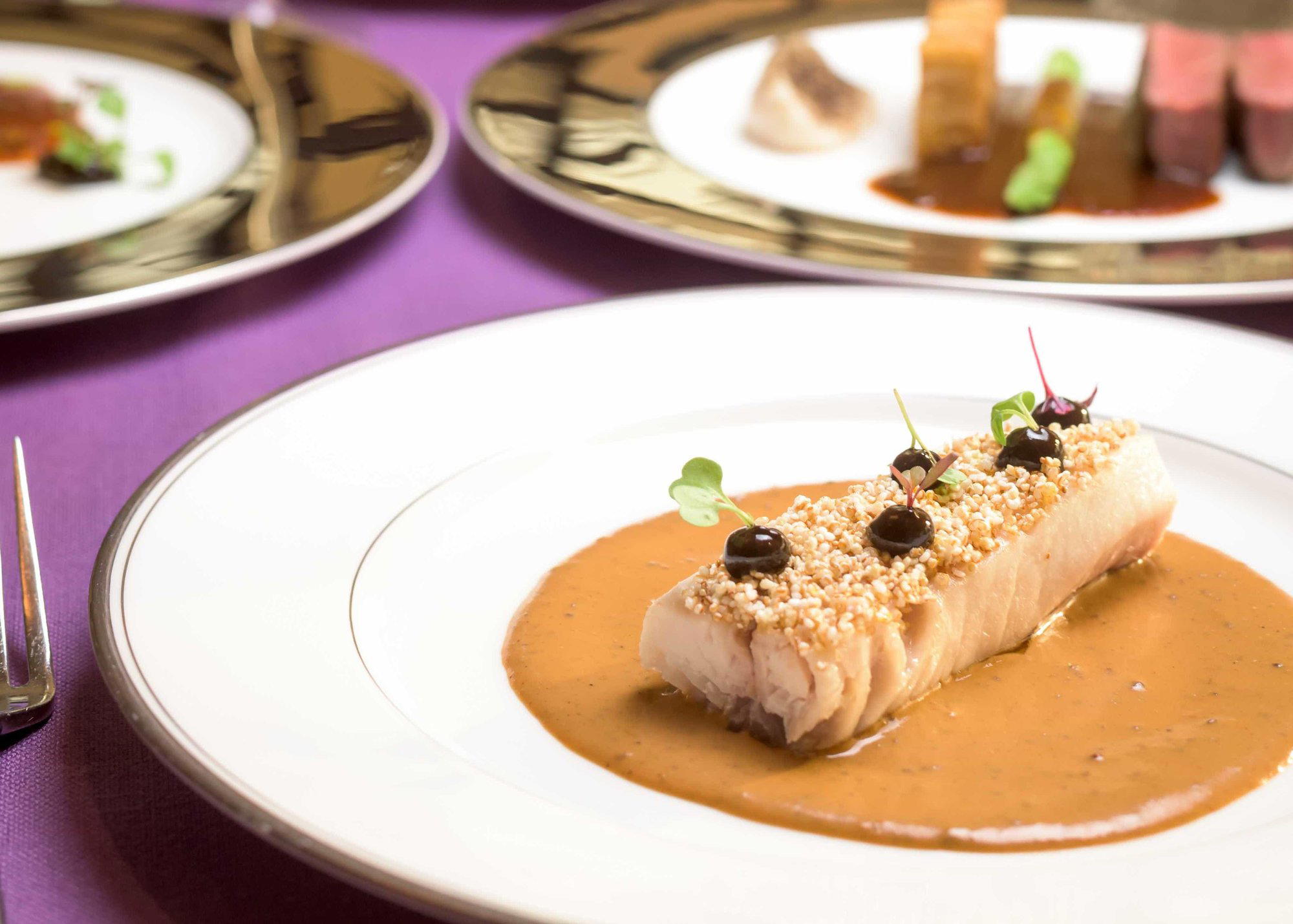
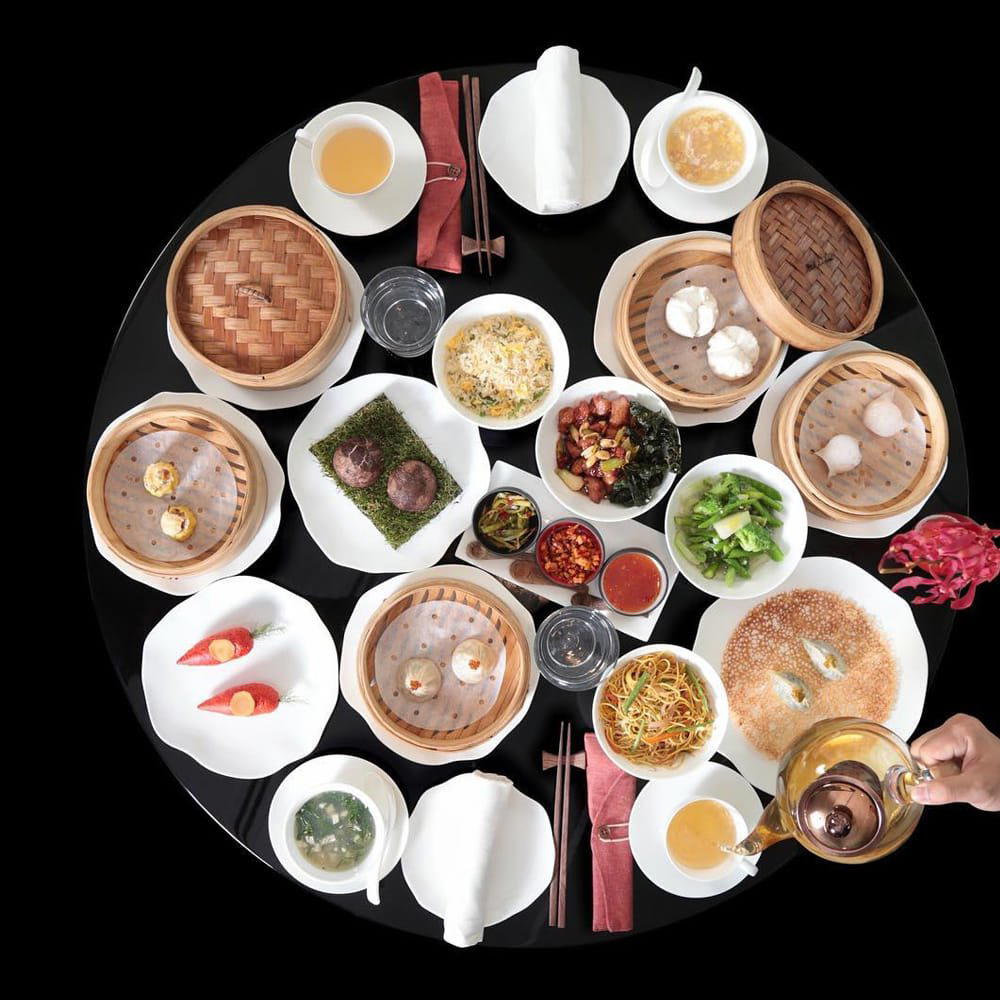
Delhi's restaurant scene has changed considerably over the past decade, with independent fine-dining properties drawing a clientele that once defaulted to hotel dining. Within that shift, the Taj Mahal's food and beverage programme holds its position partly through scale and partly through specific reputations. Varq carries recognition as an award-winning modern Indian dining destination, operating in a category where hotel restaurants in India have historically led rather than followed independent competition. House of Ming covers Cantonese, Sichuan, and Hunan cooking, a positioning that reflects the long-established Chinese-Indian culinary exchange in the country's major cities. Machan functions as the all-day international option, and the Emperor Lounge addresses gourmet daytime selections between meal services.
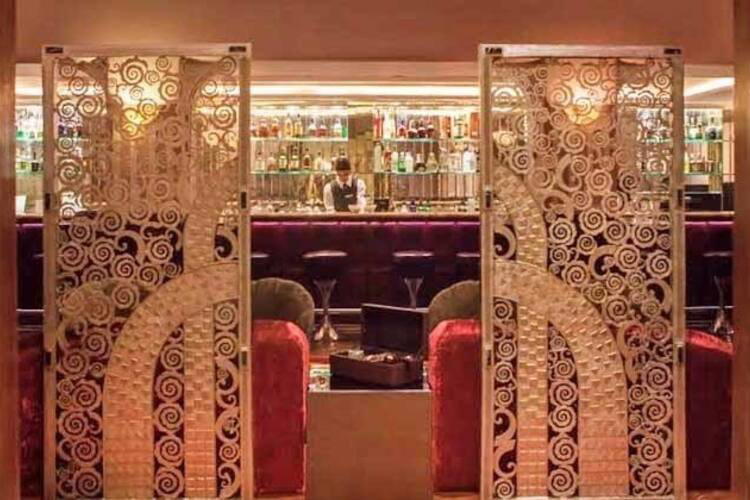
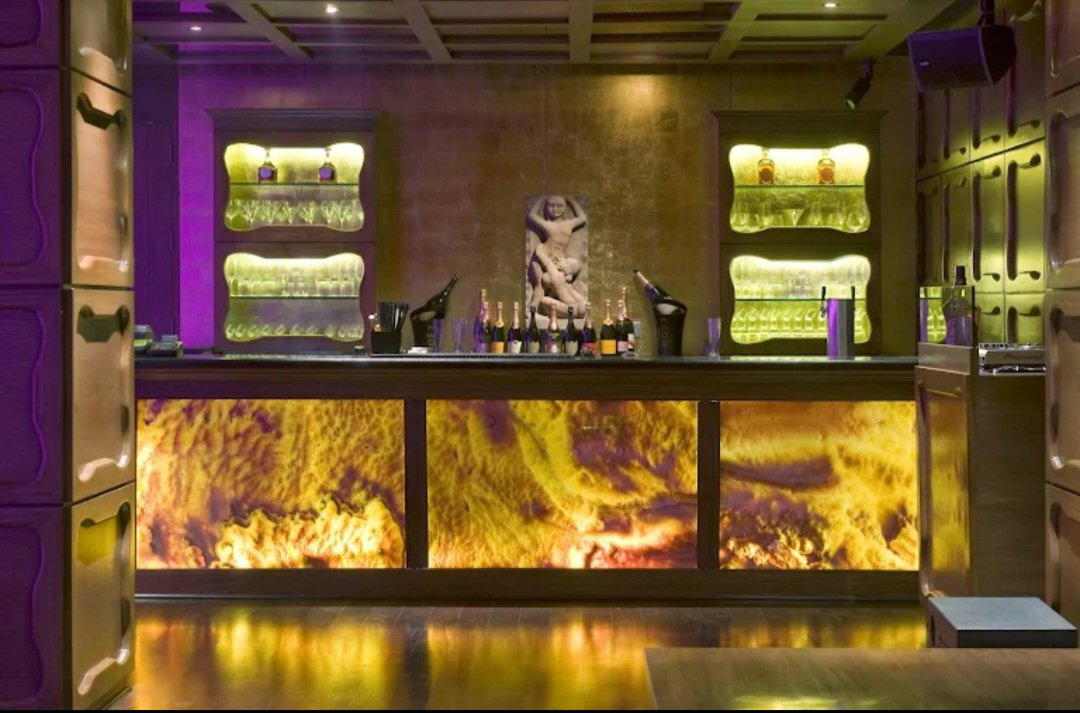
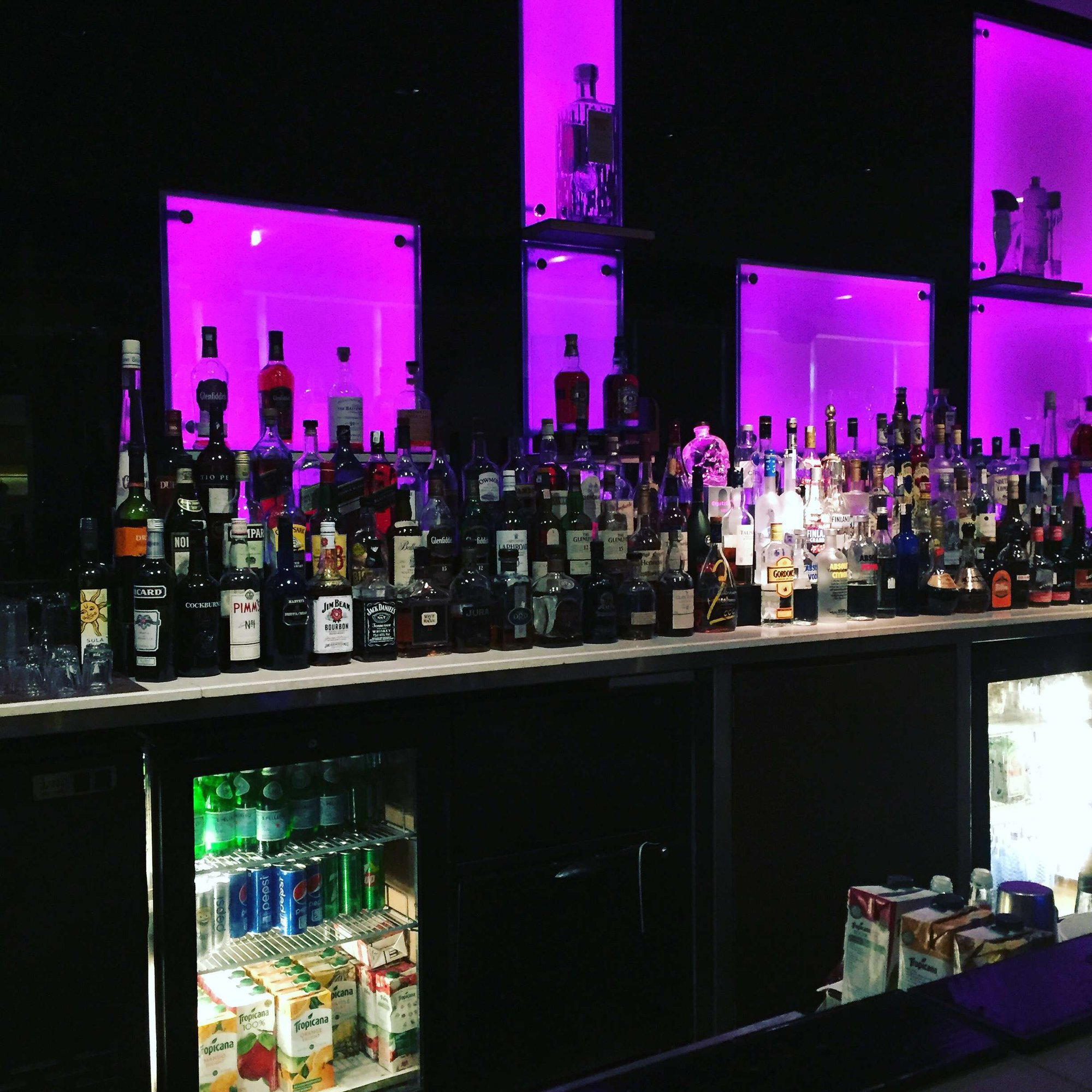
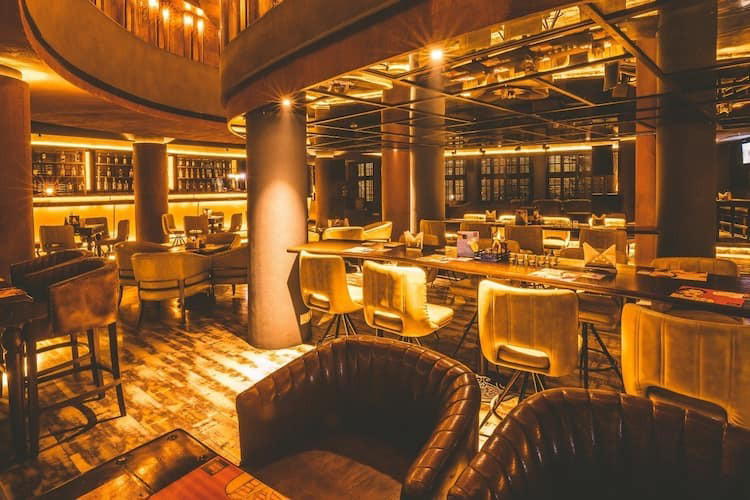
The bar programme at Ricks' takes a Casablanca-themed approach with modern mixology, a format that relies on a strong aesthetic concept to hold guest attention. Delhi's hotel bar scene has historically lagged behind Mumbai's, though the capital's growing pool of affluent younger professionals has accelerated demand for more considered drinking programmes. The Chambers, operating as India's first exclusive business club, sits adjacent to the dining offer and completes a food and beverage ecosystem designed to keep business and diplomatic guests on property rather than sending them elsewhere.
Wellness, Events, and the Full-Service Logic
The property supports its business and diplomatic positioning with conference infrastructure and a grand ballroom, both equipped with current audiovisual technology. The wellness offer runs through the J Wellness Circle spa, incorporating Indian ritual-based treatments alongside salon services from niu&nau; which operates with eco-certified beauty brands. The fitness centre and temperature-controlled pool complete the expected tier-one hotel leisure set. Tennis courts and access to Delhi Golf Club extend the leisure radius for guests with longer stays.
Butler service and dedicated concierge support are standard across upper-category rooms. The hotel sits 18 kilometres from Indira Gandhi International Airport, five kilometres from the main railway station, and two kilometres from Rashtrapati Bhavan. Those distances make it logistically efficient for diplomatic and government meetings while keeping it somewhat removed from central market areas like Connaught Place and the older Mughal city around Chandni Chowk.
Where This Property Fits in a Broader India Itinerary
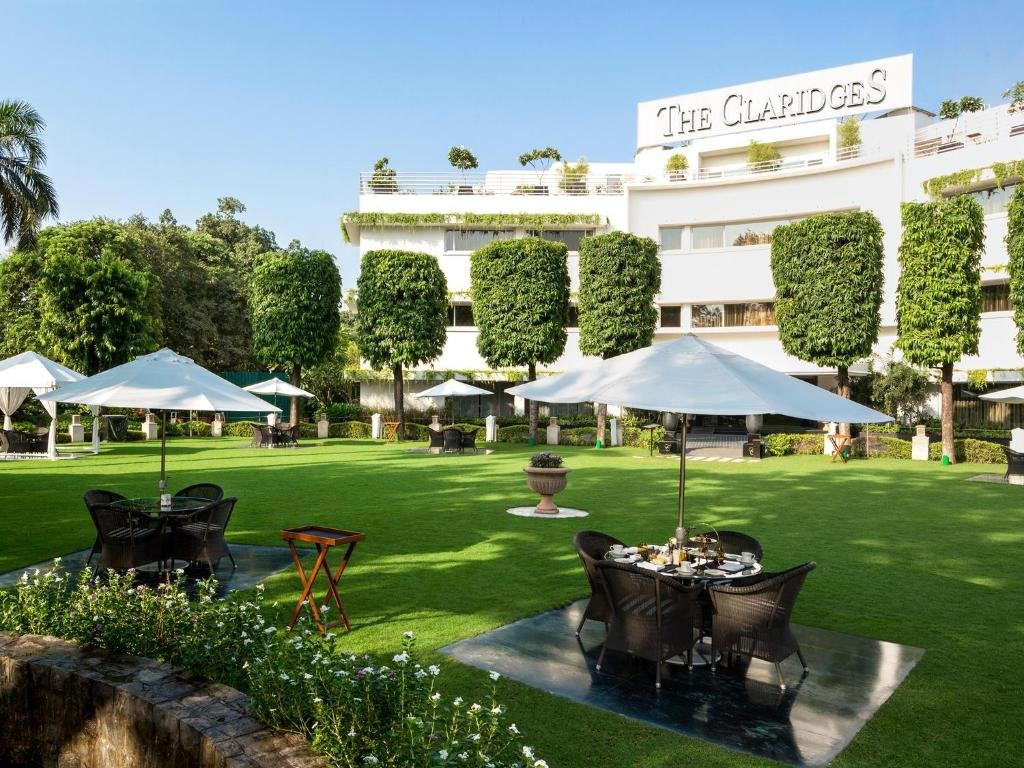
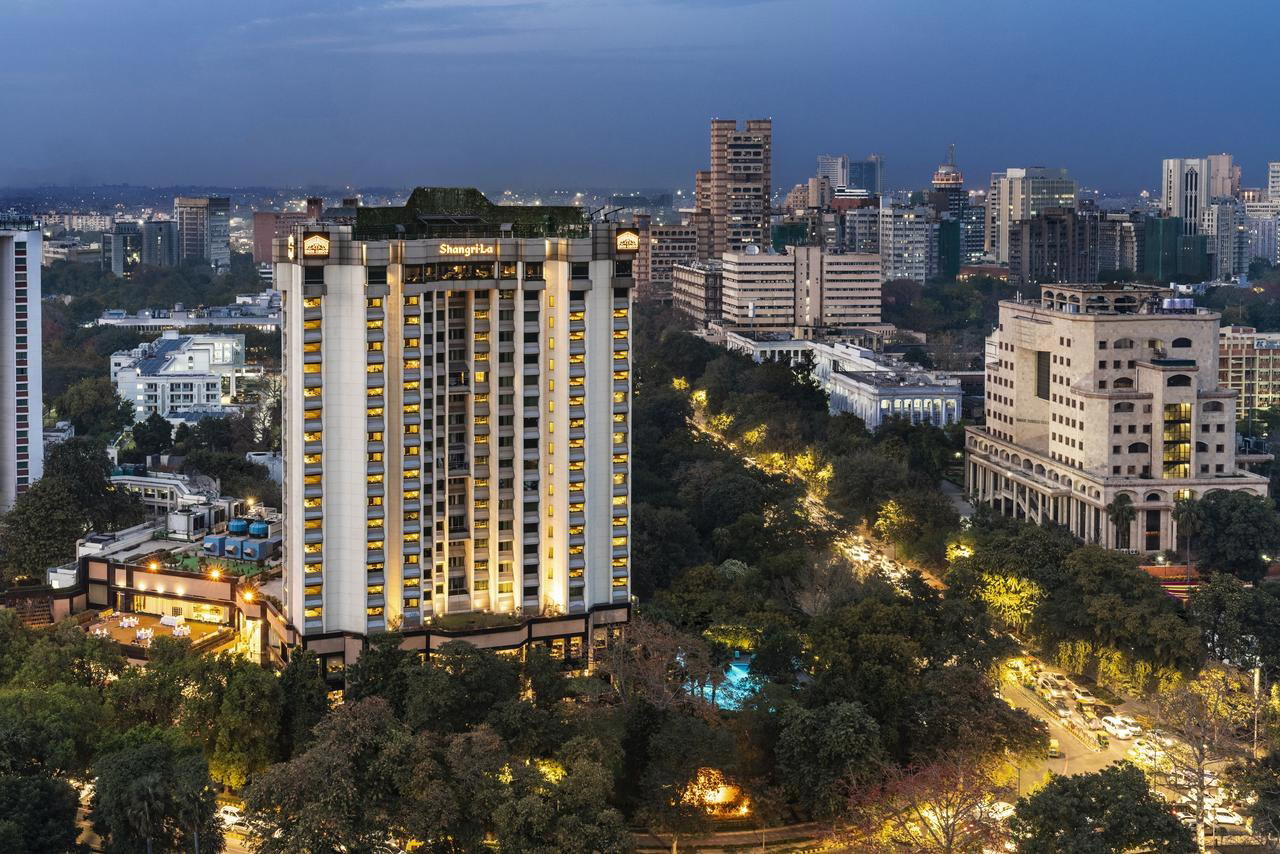
Delhi functions as the primary arrival point for most itineraries covering northern India. The Golden Triangle circuit, running through Agra and Jaipur, starts here. The Oberoi Amarvilas in Agra and The Leela Palace Jaipur in Jaipur represent the natural continuation for guests occupying this price tier. Those continuing into Rajasthan will find Amanbagh in Ajabgarh and Suján Jawai in Pali at the more design-led end of the spectrum. Within Delhi itself, alternatives for different traveller profiles include the smaller boutique format at The Manor New Delhi and the heritage colonial atmosphere of The Claridges New Delhi. Those prioritising a more contemporary residential aesthetic might consider The Lodhi. The Taj brand's own second Delhi property, Taj Palace, New Delhi, offers a different scale and a more diplomatic-quarter orientation for guests whose meetings cluster in that direction. For those with an interest in older Delhi character, Haveli Dharampura in Delhi provides a more intimate, heritage-house alternative in the Walled City.
Beyond Delhi, the Taj brand's flagship Mumbai property, The Taj Mahal Palace, Mumbai, operates as the group's most celebrated address and offers a useful point of comparison: the Mumbai palace trades on its 1903 heritage and harbour position, while the Delhi property's authority comes from its Lutyens' address and political adjacency. They serve different itinerary functions even within the same brand. Other properties in the broader region that may interest EP Club readers include Vivanta Vrindavan in Vrindavan and, for those extending into hill stations or adventure formats, Chapslee in Shimla and The Ultimate Travelling Camp.
Planning Your Stay
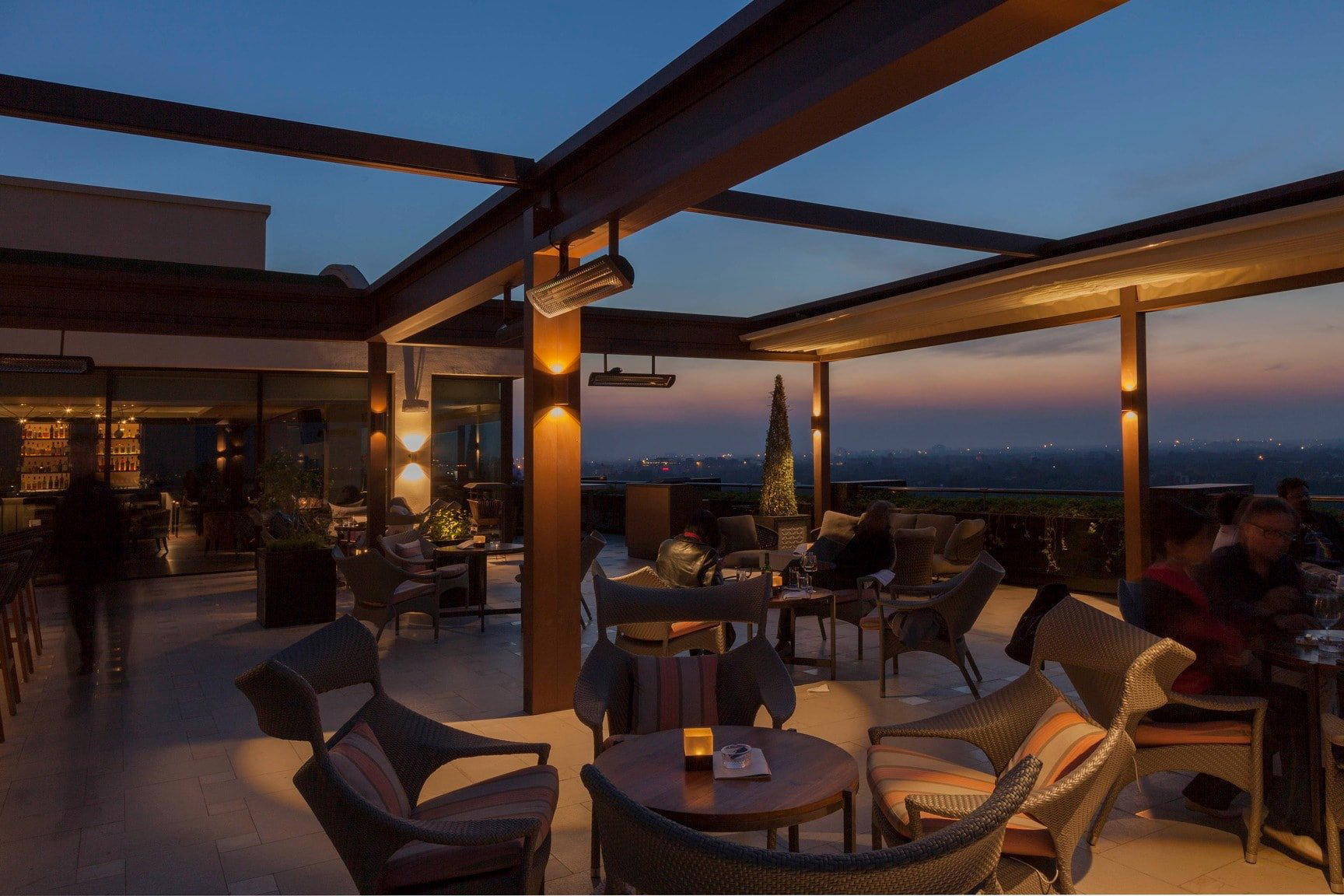
Rates from approximately USD 458 per night position this as a upper-tier Delhi choice, with suite categories scaling considerably above that figure. The hotel's address on Man Singh Road places it within easy reach of South Delhi's key diplomatic and government corridors, while still connecting efficiently to the airport via the main road network. Winter months from October through February are one comfortable window for Delhi: the air is cooler, outdoor areas on the hotel grounds become usable in the evenings, and the city's cultural calendar is at its most active. Summers run hot and the monsoon season from July through September brings humidity and intermittent disruption to travel plans. Those arriving for business during parliamentary sessions should factor hotel demand into booking timelines, as Lutyens' properties fill quickly when political schedules align with major international visits.
Fast Comparison
Comparable venues nearby, for context on price, style, and recognition.
| Venue | Cuisine | Price | Awards | Notes |
|---|---|---|---|---|
| Taj Mahal, New DelhiThis venue — the venue you are viewing | Classic luxury heritage property with modern amenities | $$$$ | Michelin 1 Key | Not listed |
| The Lodhi | Contemporary urban oasis blending modern luxury with Delhi's heritage amid lush gardens. | $$$$ | Michelin 1 Key | Lutyens Bungalow Zone |
| Taj Palace, New Delhi | Art Deco palace hotel exuding timeless luxury with contemporary amenities; centrally positioned as a sophisticated urban sanctuary since 1983. | $$$$ | 5-Star | Diplomatic Enclave |
| The Ultimate Travelling Camp | Nomadic luxury camp blending wilderness and high-end comforts | $$$$ | 5-Star | Bamnoli Village |
| The Oberoi, New Delhi | Harmonious blend of tradition and contemporary sophistication with Lutyens-inspired furnishings. | $$$$ | 5-Star | Defence Colony |
| The Claridges New Delhi | Classic British-style elegance with colonial-inspired suites and vintage charm. | $$$$ | 5-Star | Lutyens Delhi |
Recognition history
Dated appearances from independent guides and award organizations, with the underlying list record or original source where available.
Virtuoso Luxury Hotel Partner
Virtuoso
Michelin 1 Key
Michelin
Travel + Leisure 100 Favorite Hotels in the World #30
Travel + Leisure
At a Glance
- Elegant
- Sophisticated
- Ornate
- Well Known
- Business Trip
- Romantic Getaway
- Anniversary
- Historic Building
- Pool
- Spa
- Fitness Center
- Room Service
- Concierge
- Valet Parking
- Garden
- Street Scene
- Pool
- Spa
- Fitness Center
- Room Service
- Concierge
- Valet Parking
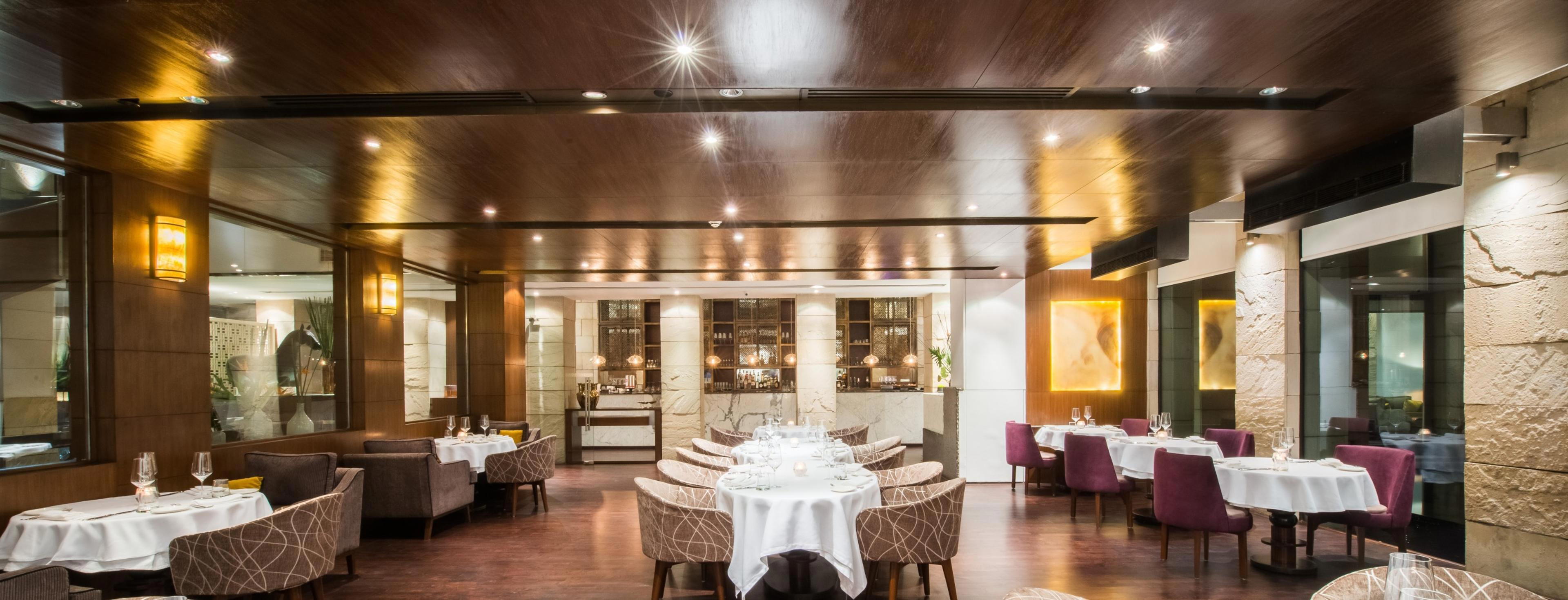
Elegant and regal with warm lighting, spacious clean rooms, and an overall sophisticated hospitality-focused atmosphere.