Bukhara Restaurant sits inside Delhi’s North Indian dining conversation, where tandoor heat, slow-cooked dals, kebabs, breads, and layered spice work define the table more than ornament. The appeal is not novelty; it is the disciplined grammar of Indian cooking, built around smoke, char, whole spices, ground masalas, and patient cooking.

Pearl is the En Primeur Club membership app — saves, bookings, and concierge access live there. Same editors, same standards.
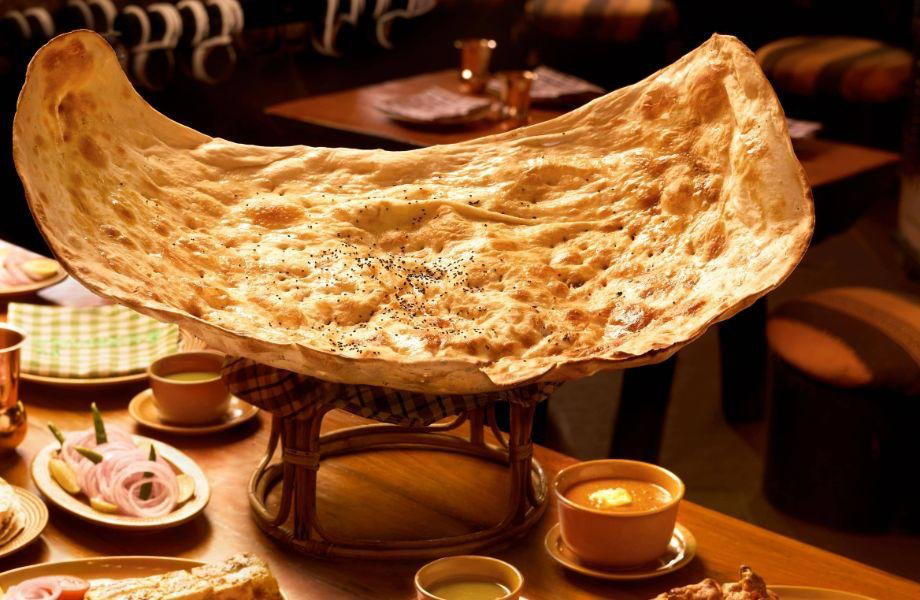
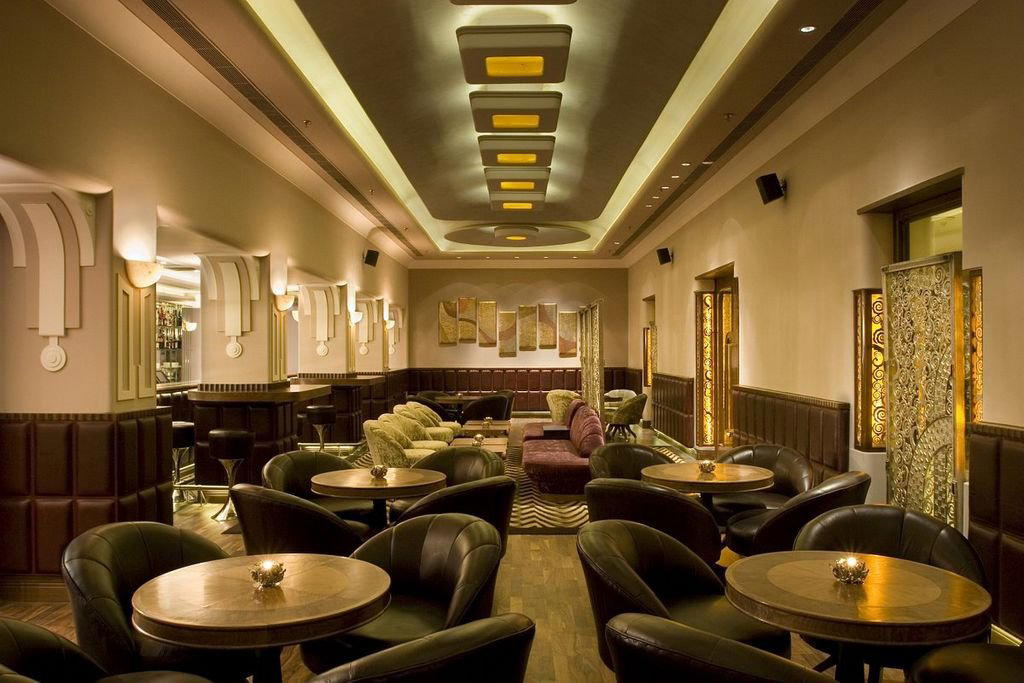
Imagine not a hushed tasting-menu chamber, but a Delhi dining room built around heat: tandoor, charcoal, iron, bread, lentils, and service whose rhythm matters more than ceremony. In North Indian cooking, spice is architecture, not a single volume control: whole spices give bass notes, ground spices build body, tempering sharpens edges, and slow cooking gives weight and depth. Bukhara belongs to that tradition, speaking clearly to Delhi’s appetite for food that is tactile, communal, and spice-led without theatrical plating.
Tandoor cooking gives Delhi its most direct kind of luxury
Delhi holds several dining identities at once: courtly Mughlai inheritance, Punjabi abundance after Partition, government-canteen regional food, hotel dining rooms for business tables, and street-side snacks that treat texture as seriously as spice. The tandoor cuts across them because it is both primitive and precise. It turns bread into a utensil, meat into char and marinade, and legumes into a long-form argument for patience. Bukhara Restaurant is listed simply as Indian, but in Delhi that category is highly specific, shaped by smoke, dairy, pulses, cumin, coriander, chilli, black cardamom, clove, kasuri methi, ginger, garlic, and the moment each meets pan or fire.
Read this kind of restaurant through sequence rather than garnish. A meal works by contrast: charred edges with soft breads, creamy lentils with raw onion bite, heat with yoghurt or butter, blackened surface with slow-cooked interior. Whole spices release aroma differently from powdered masalas; spices bloomed in fat behave differently from those cooked into marinades; dry tandoor heat finishes differently from wet simmering. The point is control, not mere intensity.
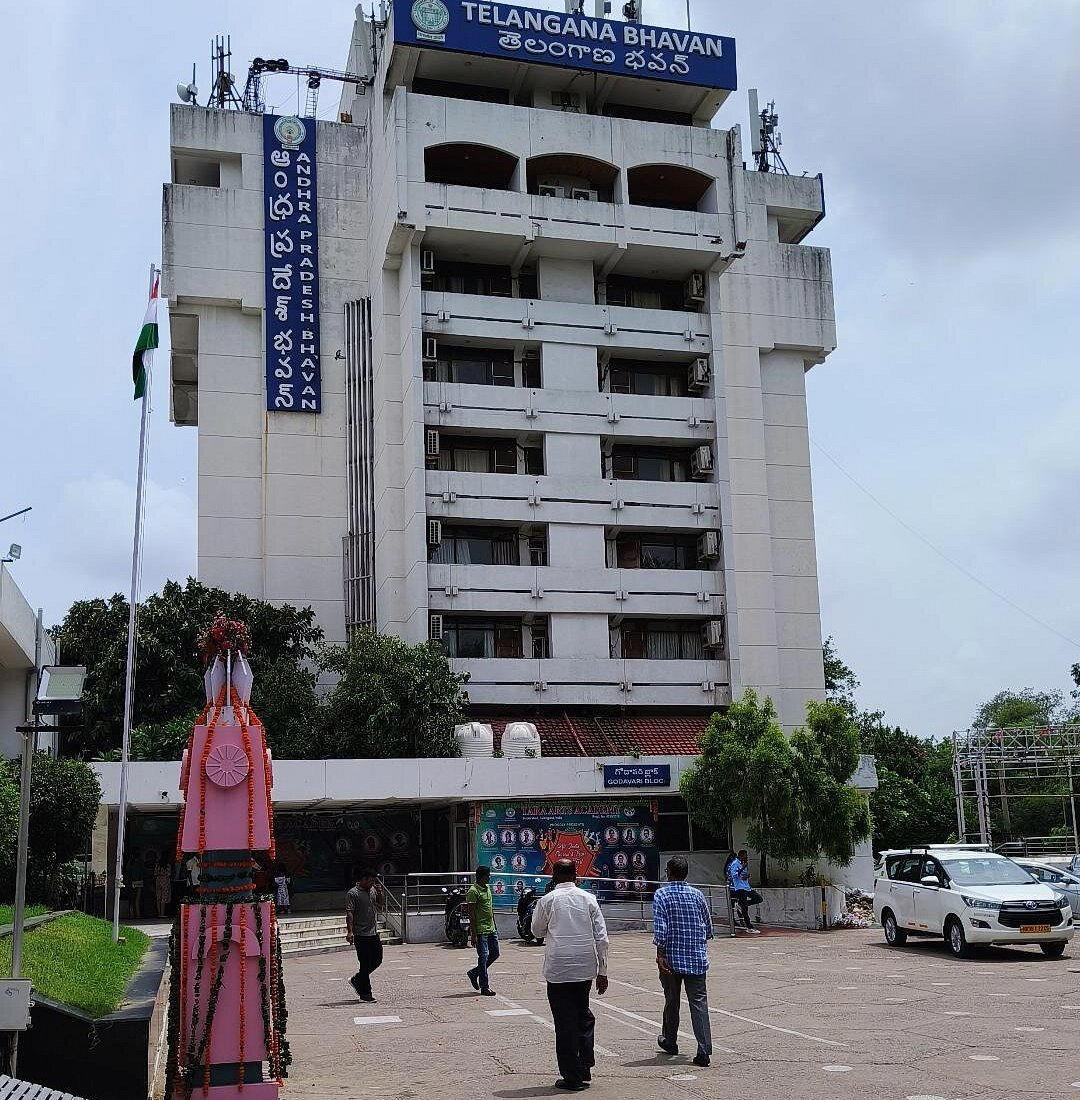
For travellers building a wider Delhi table, the city rewards range. Dum Pukht frames the slow-cooked, courtly side of North Indian hotel dining, while Andhra Pradesh Bhavan shows government-canteen dining delivering regional sharpness at speed. Old Delhi’s snack culture sits elsewhere, with Bikanervala | Chandni Chowk Delhi tied to sweets, chaat, and old-city traffic. Together, these tables explain Delhi’s Indian food as overlapping habits: banquet, canteen, street, hotel, and home-style memory.
The spice work is the story, not decoration
Visitors often misread spice in Delhi’s North Indian restaurants as heat first. Heat is only one lane; sequencing is the deeper skill. Cumin can be earthy or bitter depending on timing. Coriander can soften a masala or flatten it if overused. Black cardamom brings smoke and camphor; green cardamom moves sweeter. Clove has force, so restraint matters. Fenugreek can read as fragrance or harshness. Chilli can tint oil, season a marinade, or finish with a sharper attack. The strongest cooking makes those choices feel inevitable.
That is why tandoor-led dining in Delhi often feels more direct than plated modern Indian formats. The diner is close to the mechanics: bread tears, kebabs are shared, dal anchors the table, and sauces or chutneys reset the palate. The format needs little intellectualising while eating, but the kitchen logic is exacting. Marinades need time, breads need timing, lentils need duration, and spice needs a medium, usually fat, heat, or both. When the balance works, the meal lands with density rather than fuss.
Delhi’s hotel dining rooms also have a civic role. They are where visiting executives, extended families, diplomats, and out-of-town guests often meet Indian food in a controlled setting, making consistency as important as invention. The serious question is not whether a restaurant chases novelty, but whether it can repeat a demanding format nightly without dulling its edge. Here, repetition is not weakness; it is the test.
How to place it within a Delhi itinerary
Use this table for shared Indian cooking, not a quick snack crawl or chef-counter format. It suits diners wanting the grammar of North Indian food in one sitting: tandoor heat, breads, dal, kebab culture, and spice layering that privileges depth over surprise. Families will understand it quickly because the table is naturally communal. Solo diners and couples can make it work, but the cuisine’s strengths show more clearly when several dishes are shared.
For a broader read on the city, pair this meal with other Delhi categories instead of ranking them. Cafe Knosh sits in another hotel-dining register, while 360° in New Delhi points to the all-day international hotel format many capitals use for business meals. Planning beyond restaurants helps too: Our full Delhi restaurants guide maps the dining range, Our full Delhi hotels guide helps with base selection, Our full Delhi bars guide covers the drinking scene, Our full Delhi wineries guide tracks wine-related listings, and Our full Delhi experiences guide is useful for building time around meals.
Indian dining outside Delhi sharpens the comparison without making a league table. 1135 AD in Jaipur speaks to Rajasthan’s palace-dining frame; 5868 Restaurant in Gandhinagar sits in Gujarat’s capital context; 6 Ballygunge Place in Kolkata points to Bengali regional cooking; and Aaharam in Thanjavur brings the conversation south. Diaspora Indian restaurants such as Aanch, Indian in Toronto and Adda Indian Cuisine, Indian in Queens show how the cuisine changes when spice, produce, rent, and audience shift. In Delhi, though, the centre remains fire, bread, lentils, and masala discipline. That is why Bukhara Restaurant continues to make sense in the city’s Indian dining canon.
Approach it through appetite and format, not ceremony. The reward is the meal’s structure, the way spice moves from aroma to heat to depth, and the way the table becomes shared by default. For a visitor trying to understand Delhi through Indian food, that is more useful than another polished room with global plating and little local argument.
How It Compares
Comparable venues nearby, for context on price, style, and recognition.
| Venue | Cuisine | Price | Notes |
|---|---|---|---|
| Bukhara RestaurantThis venue — the venue you are viewing | North West Frontier Indian | $$$ | Not listed |
| Farzi Cafe | Modern Indian Fusion | $$$ | Connaught Place |
| Moti Mahal - Greater Kailash part 1 | Authentic Mughlai & North Indian | $$ | Greater Kailash 1 |
| Curry Kitchen | Traditional Indian Curry House | $$ | Aerocity |
| Dramz Delhi | Multi-Cuisine Fine Dining with North Indian & European | $$$ | Mehrauli |
| Spicy Duck | Sichuan and Cantonese Chinese | $$$ | Chanakyapuri |
Continue exploring
More in Delhi
Restaurants in Delhi
Browse all →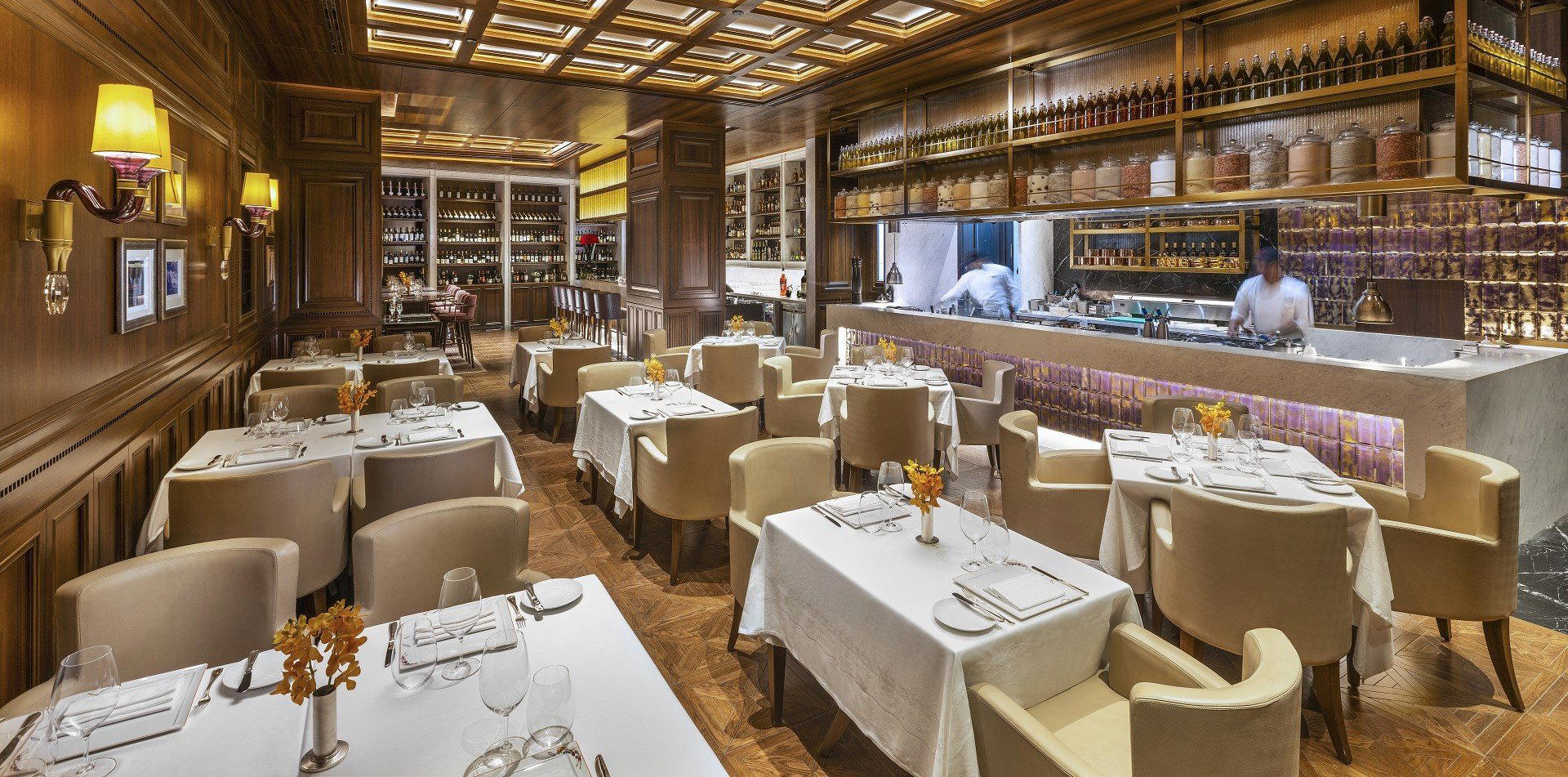


At a Glance
- Well Known
- Classic
- Sophisticated
- Elegant
- Business Dinner
- Group Dining
- Celebration
- Special Occasion
- Open Kitchen
- Historic Building
- Hotel Restaurant
- Beer Program
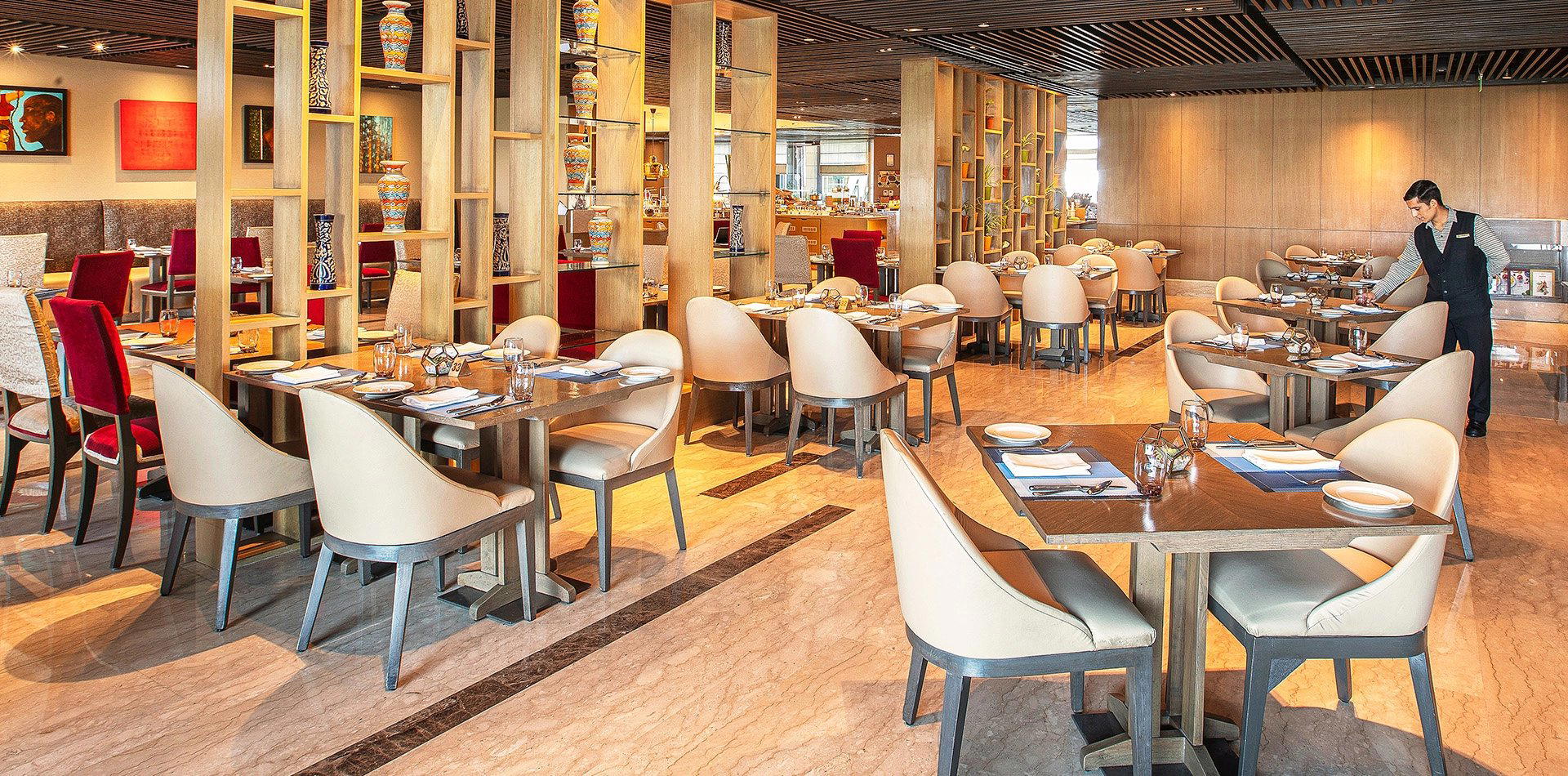
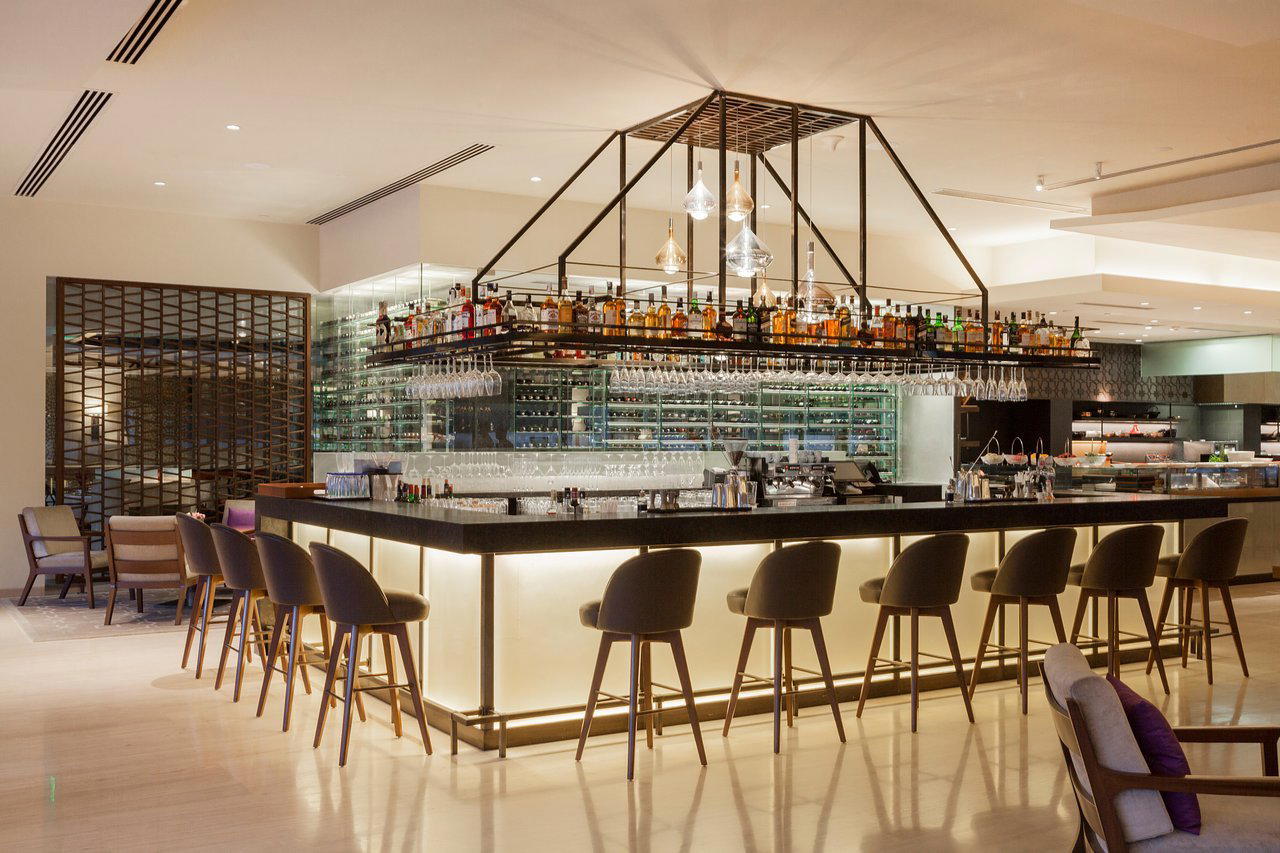
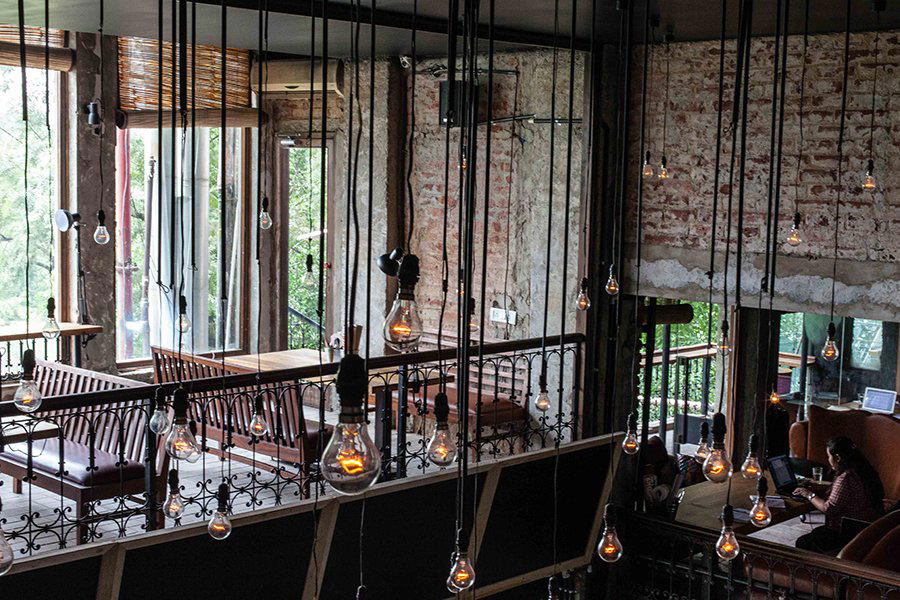
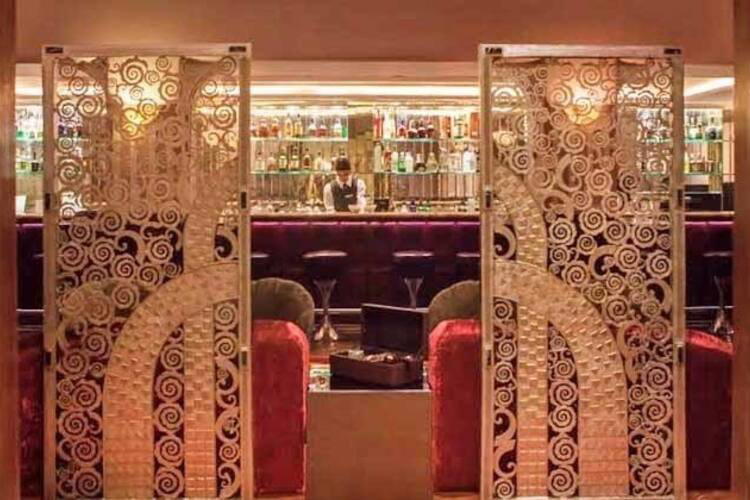
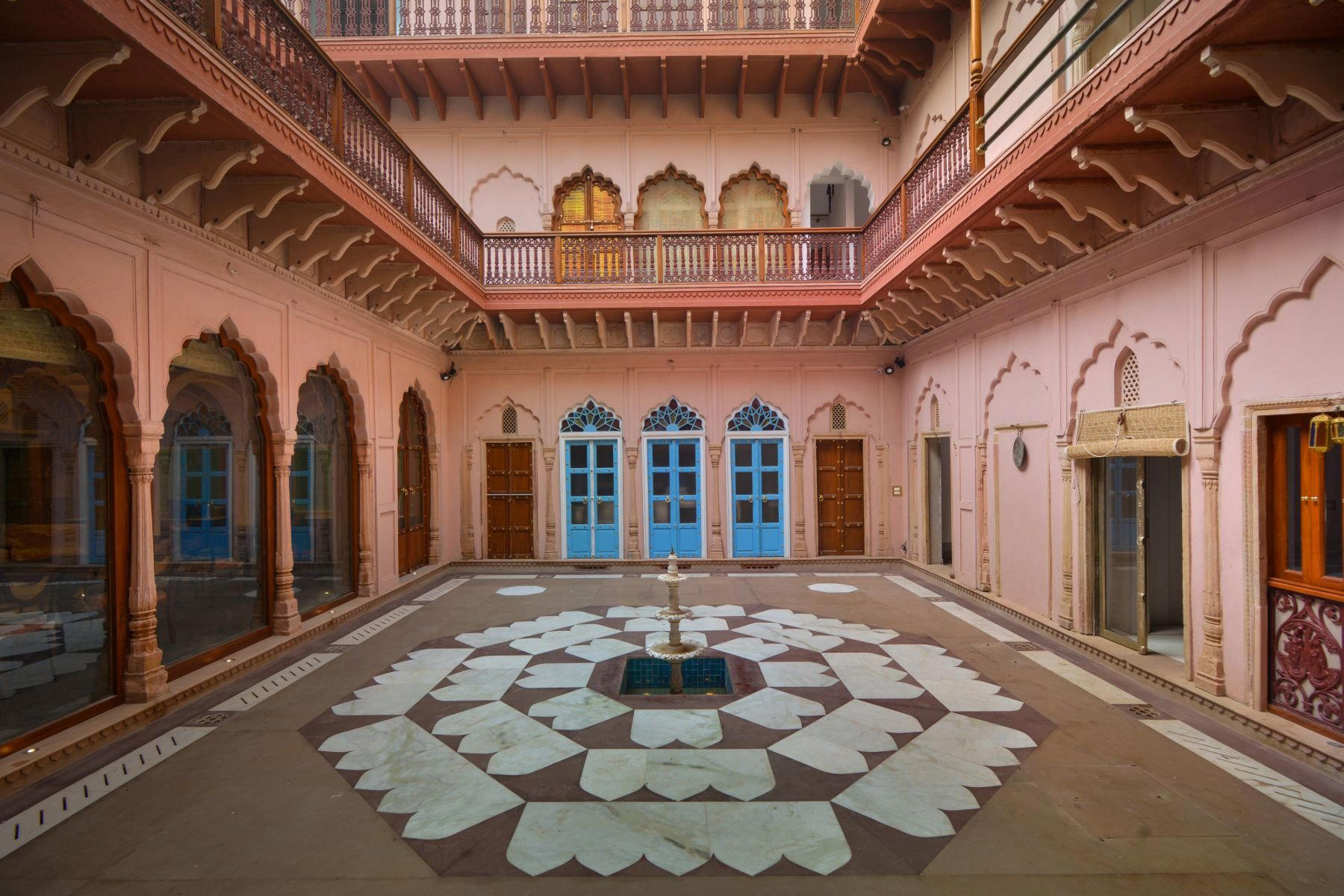
Stone walls and log-top tables create a rustic-luxury dining room with a refined, theatrical open-kitchen energy.