
Relais Chateaux Award
Our verdict
A bistro-style Punjabi kitchen in Jalandhar's Silver Plaza, Neel draws on the layered spice traditions of the Punjab region. The format sits closer to a relaxed neighbourhood dining room than a formal restaurant, making it a practical choice for those wanting considered regional cooking without ceremony. It occupies a specific niche in the Punjab dining circuit where spice architecture does the heavy lifting.

Pearl is the En Primeur Club membership app, where members save venues, book tables and use the concierge.
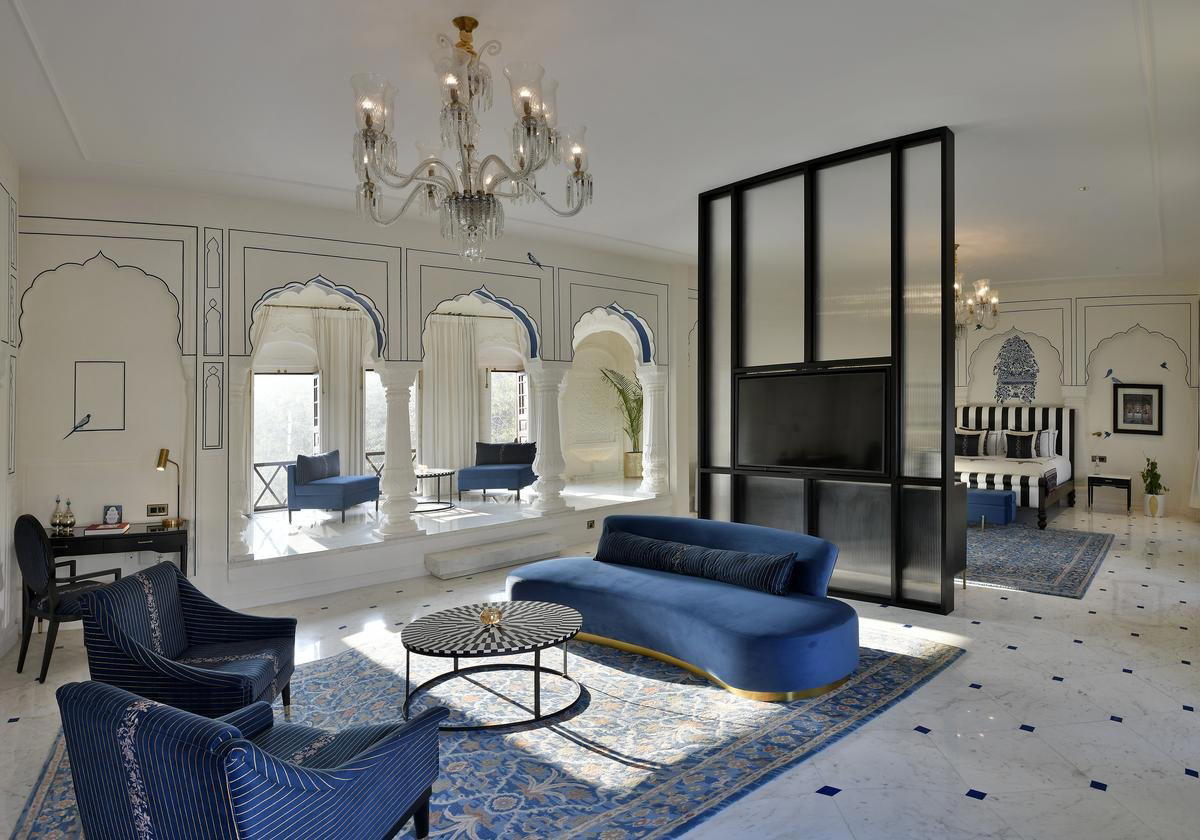
Spice as Structure: The Punjabi Kitchen at Neel
Punjab's cooking is often reduced, in the popular imagination, to butter and cream. That reading misses the more disciplined tradition underneath it: a grammar of whole spices added at different stages of cooking, each bloom and temper timed to extract a specific quality from the same ingredient. A cumin seed dropped into hot oil yields something different from cumin ground and added mid-cook, and different again from cumin toasted dry and finished over a dish. The kitchens that understand this distinction are doing something architecturally precise, not just flavourful. Neel, operating out of a Silver Plaza shopfront on Sodal Road in Jalandhar, sits in that tradition, bistro in format, Punjabi in its spice logic.
The address places it in a part of the Punjab that does not chase the recognition circuits of Delhi or Mumbai. Dum Pukht in New Delhi and Jamavar Delhi in Delhi occupy a different register entirely: formal, high-investment rooms with national press coverage and clientele who fly in. Neel operates without that scaffolding.
The Bistro Format in a Punjabi Context
Across Indian cities, a certain kind of neighbourhood restaurant has quietly built the most coherent regional cooking. It is not the hotel dining room, where kitchens sometimes play to tourist expectations, nor the street cart, which serves a narrower repertoire. The bistro-style room occupies a middle position: seated, considered, capable of slower cooking methods and layered preparation, but without the ceremony or price tier that changes how a diner approaches the table. Neel's classification as bistro-style cuisine situates it in this category.
The implication for spice work is significant. A bistro kitchen has the time and equipment to temper whole spices properly, to build a masala in stages rather than shortcuts, and to finish dishes with fresh aromatics that would lose potency on a faster service line. This is where the architectural quality of Punjabi spicing becomes visible: the difference between a dal that has had its tarka added as a finishing pour of ghee, mustard, dried chilli, and garlic versus one where those elements were stirred in at the start. Both are technically correct; only one shows the full range of what those spices can do at different temperatures.
Regional Spice Tradition: Reading the Punjab Pantry
The Punjab pantry is both specific and deep. Ajwain in flatbreads, methi in winter preparations, dried pomegranate seed in chaat-adjacent dishes, black cardamom in slow-cooked meat, these are not decorative. Each carries a functional role in the dish's flavour structure, and each requires a decision about when and how to introduce it. The most revealing indicator of a kitchen's seriousness is not the protein or the sauce but the sequencing of spice additions and how the cook handles the transition between whole and ground forms of the same ingredient.
Regional cooking at this level invites comparison not with fine-dining counterparts but with what the tradition itself can produce. Farmlore in Bangalore has built its reputation on applying similar rigour to Karnataka's pantry; Naar in Kasauli does comparable work with Himachali ingredients at altitude. The ambition in each case is the same: to cook the regional tradition accurately rather than to adapt it for a presumed audience. Neel's positioning in Jalandhar rather than a larger metro city means it answers primarily to eaters who grew up with this food and will notice when the spice sequencing is off.
The Jalandhar Setting
Jalandhar sits within the broader Punjab corridor that includes Patiala, Ludhiana, and Amritsar, cities where eating is a serious daily activity, not a special-occasion event. The dining culture here is less mediated by hospitality industry norms than in Delhi or Mumbai, which means expectations run high on flavour and low on theatre.
It suggests a kitchen that satisfies local eaters on their own terms, not one calibrated toward visitors or reviewers. For those planning a trip through Punjab and building a table-by-table itinerary, our full Patiala restaurants guide maps the broader options in the region. The Patiala bars guide, hotels guide, and experiences guide cover the full circuit for anyone spending more than a meal in the area.
Elsewhere in India, the restaurants doing the most careful work with regional spice traditions include Adaa at Falaknuma Palace in Hyderabad for Hyderabadi cooking, Chandni in Udaipur for Rajasthani traditions, and Bomras in Anjuna for the Burmese-Goan overlap. Each operates in its own regional grammar. Neel speaks Punjabi.
Planning a Visit
Neel is located at Shop No. 17, Silver Plaza, Sodal Road, Aman Nagar, Jalandhar. Pricing is not published, but the bistro-style positioning and neighbourhood location suggest a range consistent with mid-tier regional dining in Punjab rather than fine-dining price points.
For those building a broader India itinerary around serious regional cooking, The Table in Mumbai, da Susy in Gurugram, Dining Tent in Jaisalmer, and Baan Thai in Kolkata each represent a distinct regional or international register worth mapping against the Punjab experience. The Patiala wineries guide covers options for those looking to pair regional food with wine. Further afield, Le Bernardin in New York City and Atomix in New York City represent the international end of the precision-cooking spectrum, useful reference points for understanding how spice architecture translates across very different culinary traditions.
Frequently asked questions
Does Neel work for a family meal?
The bistro-style format and Aman Nagar neighbourhood address both point toward a setting suited to family dining. Punjab's eating culture is built around shared tables and communal ordering, and Neel's positioning within that tradition reinforces this. The Silver Plaza shopfront location on Sodal Road puts it firmly in everyday neighbourhood territory rather than occasion-dining formality.
Is Neel better for a quiet night or a lively one?
The bistro classification and Silver Plaza shopfront setting suggest a room that runs at a neighbourhood register: conversational rather than celebratory, table-focused rather than scene-driven. Jalandhar's eating culture treats dinner as a serious daily activity, so expect a room where the food takes precedence over the atmosphere around it.
What's Neel known for in terms of accolades?
Neel has received recognition including:
What should I eat at Neel?
The kitchen works within Punjabi bistro-style cuisine, so the most instructive dishes to order are those that show spice sequencing clearly, preparations where ajwain, methi, or dried pomegranate seed carry structural weight rather than decorative garnish. Punjab's culinary tradition runs deeper than its butter-and-cream reputation, and a bistro setting like Neel's Sodal Road address typically reflects that more disciplined regional approach.
Where is Neel located?
Neel is located at Shop No. 17, Silver Plaza, Sodal Rd, Aman Nagar, Jalandhar, Punjab 144008, India, Patiala.
Comparison Snapshot
Comparable venues nearby, for context on price, style, and recognition.
| Venue | Cuisine | Price | Awards | Notes |
|---|---|---|---|---|
| NeelThis venue (the venue you are viewing) | Traditional Punjabi | $30–50 | Relais Chateaux Award | Not listed |
| Atth | Punjabi fine dining in a royal palace | $20–30 | Relais Chateaux Award | Qila Mubarak |
| Omya | Modern Indian Fine Dining | $100–150 | Not listed | Lodhi Road |
| Sitara Himalaya | Himalayan Indian Cuisine | Not listed | Relais Chateaux Award | Palchan |
| Aanch | North-West Frontier North Indian | $10–20 | Not listed | Niranjanpur |
| Bukhara | North West Frontier Tandoori | $30–50 | World's 50 Best #37 · La Liste Top Restaurants | Chanakyapuri/Lutyens' Delhi |
Recognition history
Dated appearances from independent guides and award organizations, with the underlying list record or original source where available.
Relais Chateaux Award
Relais Chateaux
Full recognition history (2 entries)
Relais Chateaux Award
Relais Chateaux
Continue exploring
More in Patiala
Restaurants in Patiala
All restaurants in Patiala →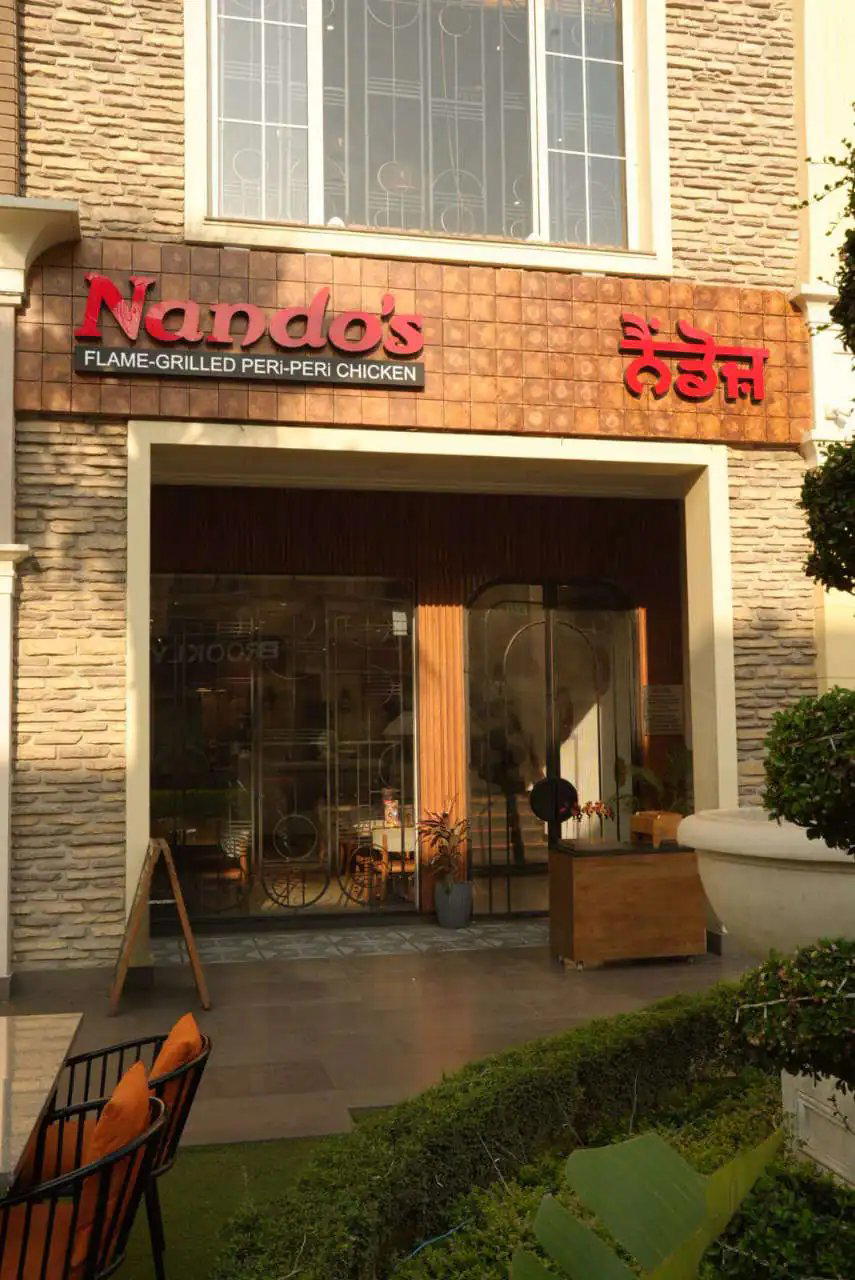
Details
- Elegant
- Historic
- Sophisticated
- Special Occasion
- Business Dinner
- Celebration
- Historic Building
- Private Dining
- Hotel Restaurant
- Local Sourcing
- Garden
- A La Carte
Current opening hours
- Monday
- 12–9:45 AM, 11 AM–12 AM
- Tuesday
- 12–9:45 AM, 11 AM–12 AM
- Wednesday
- 12–9:45 AM, 11 AM–12 AM
- Thursday
- 12–9:45 AM, 11 AM–12 AM
- Friday
- 12–9:45 AM, 11 AM–12 AM
- Saturday
- 12–9:45 AM, 11 AM–12 AM
- Sunday
- 12–9:45 AM, 11 AM–12 AM
Hours can change for holidays and private events. Hours as of .
Light-filled equestrian-inspired space with preserved heritage elements, sage green and gold private dining room, serene courtyards, and thoughtful modern restoration blending with traditional architecture.