
La Liste Top Restaurants
Our verdict
Adaa at Falaknuma Palace sits inside one of Hyderabad's most historically significant properties, serving Hyderabadi cuisine that draws on the layered spice traditions of the Nizam's court. Recognised by La Liste in both 2025 and 2026, it occupies a position well above the city's mainstream hotel dining tier. For those engaging seriously with the cuisine of the Deccan, it is a reliable primary reference point.

Pearl is the En Primeur Club membership app — saves, bookings, and concierge access live there. Same editors, same standards.
- Address
- TAJ FALAKNUMA PALACE, Engine Bowli, Falaknuma, Hyderabad, Telangana 500053, India
- Phone
- +91 40 6629 8585
- Hours
- Daily 12:30–3 PM, 7–10:45 PM
- Website
- tajhotels.com
- Directions
- Get directions
- Booking
- Book on the venue's website
The menu
What to order
- Kachche Gosht ki Biryani
- Patthar ka Gosht
- Zafrani Murgh Tikka
Dining at Altitude: The Palace Setting and What It Demands of the Cuisine
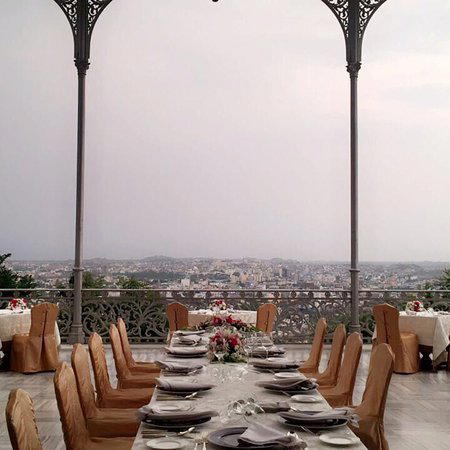
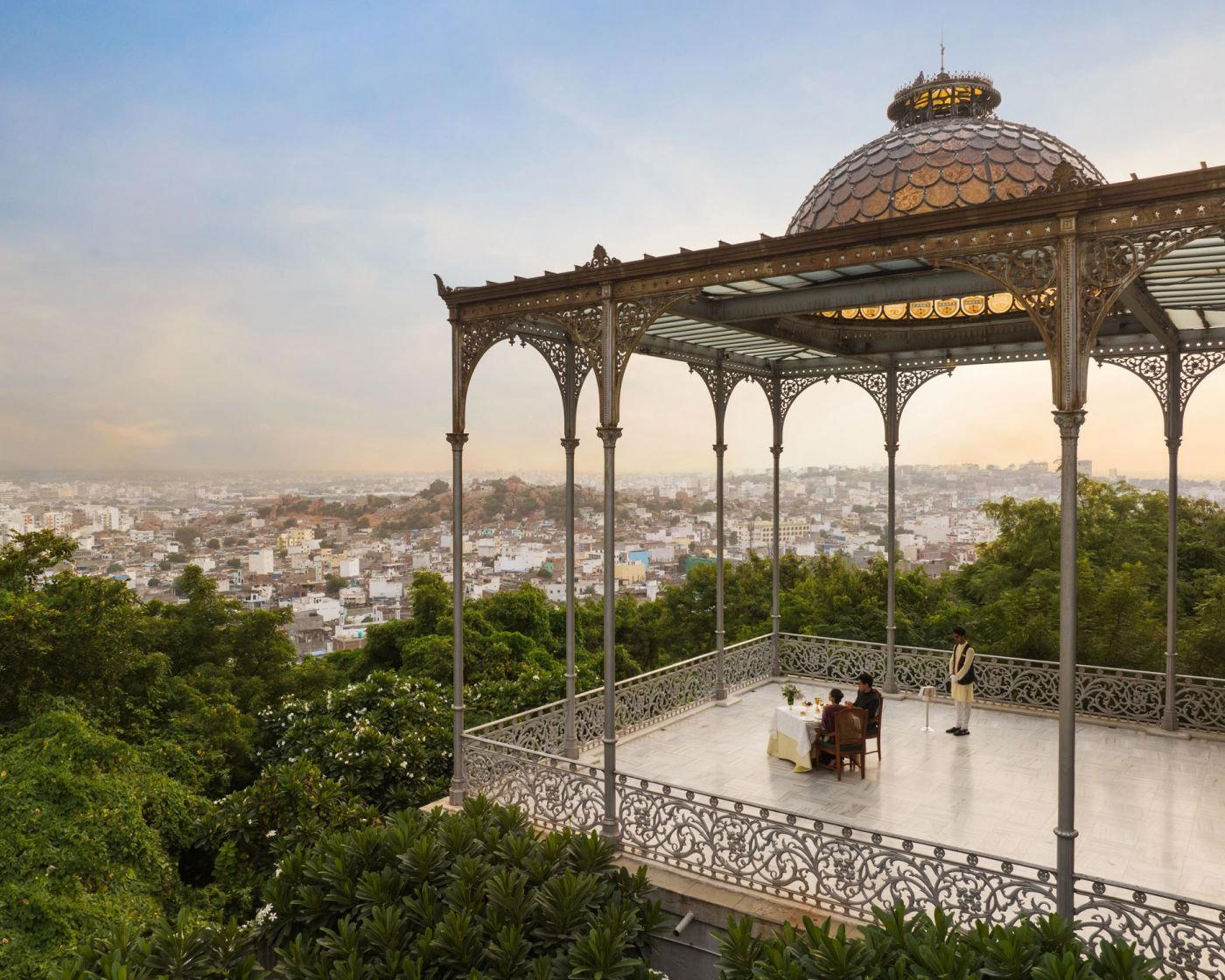
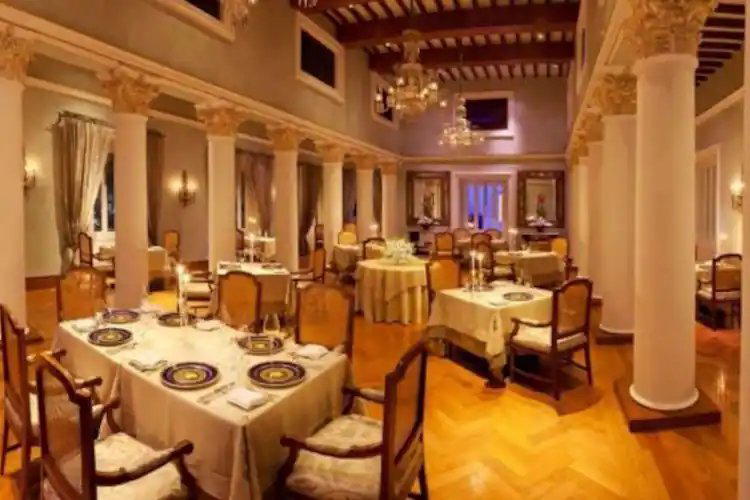
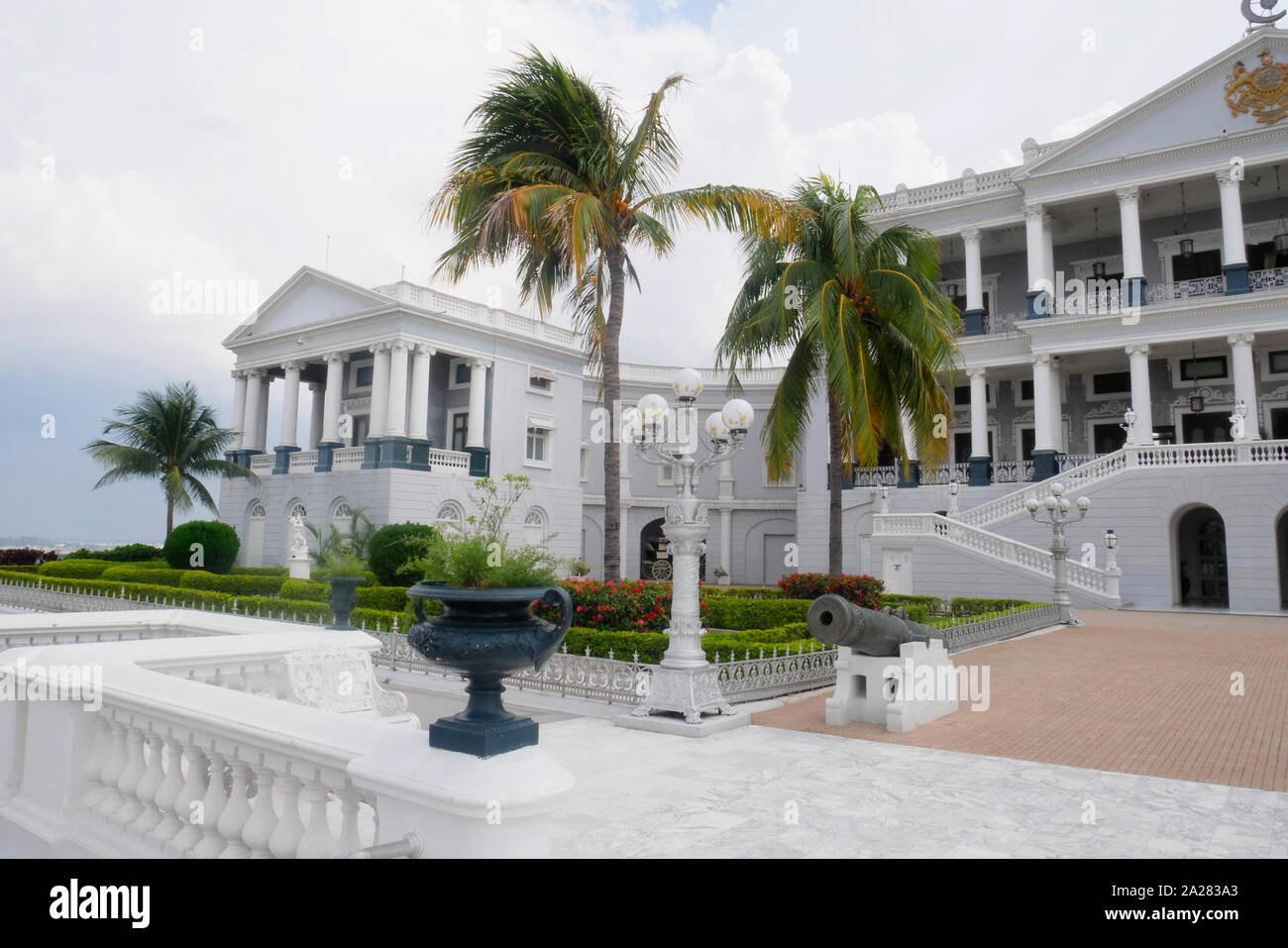
Falaknuma, meaning 'mirror of the sky' in Urdu, sits on a 32-metre basalt hill in Hyderabad's southern old city. The palace itself was constructed in 1884 for Nawab Vikar-ul-Umra and later acquired by the sixth Nizam, Mahbub Ali Khan. Arriving by the property's horse-drawn carriage from the gate below is not theatre for its own sake: it orients the diner before a single plate arrives. The physical ascent is an argument that what follows should be taken seriously. Falaknuma Palace as a setting does not allow for casual cooking. The architecture — Italianate marble, Venetian chandeliers, corridors lined with Nizam-era portraits — creates a specific pressure on the kitchen. Adaa, the property's primary dining room, operates inside that pressure.
This context matters because Hyderabadi cuisine, at its technical ceiling, is among the most architecturally complex of India's regional traditions. It is not a cuisine of bright, singular flavours. It is built from sequenced spice events: whole spices cracked in hot fat first, then layers of ground spice bloomed into aromatics, then finishing pastes that shift the dish's final register entirely. Getting any one layer wrong collapses the whole. A palace setting that carries five centuries of court cooking history sets an expectation that few hotel restaurants in India are equipped to meet. Adaa's La Liste recognition, 82.5 points in 2025 and 81 points in 2026, suggests it is meeting a substantial portion of that expectation, placing it in a competitive tier shared by restaurants like Bukhara in New Delhi, which similarly draws authority from a historically grounded cooking tradition.
The Architecture of Hyderabadi Spice
To understand what Adaa is doing at its finest, it helps to understand how Hyderabadi spice structure differs from the Mughal-derived cooking more familiar to international diners. The Nizam's kitchen synthesised Persian, Turkish, and Telugu influences into a tradition where spices operate in distinct phases rather than as a blended background note. Whole spices, cardamom pods, cinnamon bark, cloves, enter the fat first, releasing fat-soluble volatiles that set the aromatic floor of a dish. Ground spices follow, often bloomed briefly before wet ingredients are added. Finishing spices, sometimes in the form of a kewra-spiked degchi lid sealed with dough, complete the sequence. The dum technique, central to Hyderabadi biryani and slow-cooked meat preparations, is essentially a spice-architecture tool: it traps and concentrates the final aromatic layer inside the vessel. Restaurants working seriously in this tradition, whether in Hyderabad or beyond, are measured by how faithfully and how inventively they execute this sequencing.
This is the tradition Adaa operates inside, and it is worth noting how rare it is to find hotel dining rooms in India genuinely committed to regional spice discipline at this level. Many hotel restaurants in the five-star tier gravitate toward a pan-Indian menu that sands down regional specificity in favour of broader accessibility. The Hyderabadi cuisine template, with its reliance on precise spice sequencing, long marination periods, and slow cooking under seal, resists that kind of simplification. Avartana in Chennai has demonstrated, in the South Indian context, how a hotel restaurant can build serious regional credibility. Adaa occupies a comparable position for Hyderabadi cooking specifically.
Where Adaa Sits in Hyderabad's Dining Tier
Hyderabad's restaurant scene divides more sharply than most Indian cities between old-city institutions and newer hotel-anchored properties. The old-city biryani houses, some operating from the same address for multiple generations, hold a different kind of authority, grounded in volume, tradition, and community ritual. Hotel dining rooms like Adaa compete on a different axis: controlled environment, curated service, access to archival recipes, and the ability to present the cuisine to a mixed audience of local residents and international hotel guests. Firdaus occupies a similar position in the city's hotel dining tier, with its own focus on Hyderabadi and Awadhi cooking. The two represent the city's clearest argument that heritage hotel dining can maintain genuine culinary specificity rather than retreating to safe, broadly Indian menus.
La Liste's continued recognition of Adaa across two consecutive years positions it within a cohort of Indian restaurants being tracked internationally for regional cuisine depth rather than for fusion ambition or international technique borrowing. Adaa's argument is different: it is the case for a court cuisine tradition preserved in its original geographic and architectural context. That specificity is not replicable elsewhere, which is precisely what gives the La Liste points their weight.
Planning a Visit
Adaa's location inside Falaknuma Palace means access follows palace protocols rather than standard restaurant logistics. The property sits in Falaknuma, roughly ten kilometres south of Hyderabad's old city and around 25 kilometres from the Hitech City business district, a meaningful distance in Hyderabad's traffic. Non-resident diners should confirm current access arrangements directly with the property, as the palace has historically managed entry through pre-booking and escort from the main gate. Given the restaurant's La Liste standing and the limited dining capacity implied by the palace's dining room scale, booking well in advance is advisable, particularly for evening service on weekends or during peak travel periods between October and March, when Hyderabad's climate is most favourable. Arriving by the horse-drawn carriage from the gatehouse is part of the designed experience and takes approximately ten minutes.
For those building a broader Hyderabad visit, the property pairs logically with the old-city itinerary: the Charminar, Chowmahalla Palace, and the Laad Bazaar pearl and bangle markets are all within the same southern old-city corridor. Our full Hyderabad restaurants guide covers the city's dining tier in detail, and our Hyderabad hotels guide addresses the case for staying at Falaknuma versus the newer properties in Banjara Hills and Hitech City. For a broader picture of what the city offers, our guides to Hyderabad bars, wineries, and experiences fill in the rest of the picture.
For context on how Adaa fits within India's wider premium dining scene, the range runs from the Mughal-rooted confidence of Bukhara to the coastal precision of Bomras in Anjuna and the palace-hotel dining of Chandni in Udaipur. Globally, the question of how a historic dining tradition is sustained and presented inside a heritage property connects Adaa to conversations happening at restaurants like Atomix in New York City and Le Bernardin, where culinary tradition and controlled environment are similarly inseparable from the dining proposition. Adaa's specific argument, Hyderabadi court cuisine, presented in the court itself, is among the most coherent in India's hotel dining category.
Frequently asked questions
Where is Adaa at Falaknuma Palace located?
Adaa at Falaknuma Palace is located at TAJ FALAKNUMA PALACE, Engine Bowli, Falaknuma, Hyderabad, Telangana 500053, India, Hyderabad.
Is Adaa at Falaknuma Palace award-winning?
Adaa at Falaknuma Palace has received recognition including: La Liste Top Restaurants (2026): 81pts; La Liste Top Restaurants (2025): 82.5pts.
What's the must-try dish at Adaa at Falaknuma Palace?
Adaa's menu is anchored in Hyderabadi cooking, which means dum-style biryanis and slow-cooked meat preparations built around tamarind, dried chillies, and stone-flower spice blends rather than the Mughal-inflected sauces common elsewhere. Those preparations are the reason La Liste has listed the restaurant in both 2025 and 2026, and they are the dishes to prioritise.
Should I book Adaa at Falaknuma Palace in advance?
Yes. Adaa operates inside the Taj Falaknuma Palace, a heritage property on a 32-metre basalt hill in Hyderabad's Falaknuma district, and access follows palace protocols. Non-resident guests typically require a reservation, and the palace's managed-entry policy means walk-ins are rarely accommodated. Contact the Taj Falaknuma Palace directly to confirm current booking procedure.
What has Adaa at Falaknuma Palace built its reputation on?
The restaurant's standing rests on two things: the depth of its Hyderabadi cooking and the specificity of its setting. La Liste awarded it 82.5 points in 2025 and 81 points in 2026, placing it among India's formally recognised dining addresses. The cuisine draws on a tradition that predates Mughal influence in the region, distinguishing Adaa from the broader category of Indian palace-hotel restaurants.
Fast Comparison
| Venue | Cuisine | Price | Awards |
|---|---|---|---|
| Adaa at Falaknuma PalaceThis venue — the venue you are viewing | Royal Hyderabadi Fine Dining | $150–200 | La Liste Top Restaurants |
| Dum Pukht | Indian | Not listed | Not listed |
| Bukhara | Modern Indian | Not listed | Tabelog 100 #61 |
| Indian Accent | Indian | Not listed | Not listed |
| Karavalli | Indian | Not listed | Not listed |
| O Pedro | Goan | Not listed | Not listed |
Recognition history
Dated appearances from independent guides and award organizations, with the underlying list record or original source where available.
La Liste Top Restaurants
La Liste
Full recognition history (2 entries)
La Liste Top Restaurants
La Liste
Continue exploring
More in Hyderabad
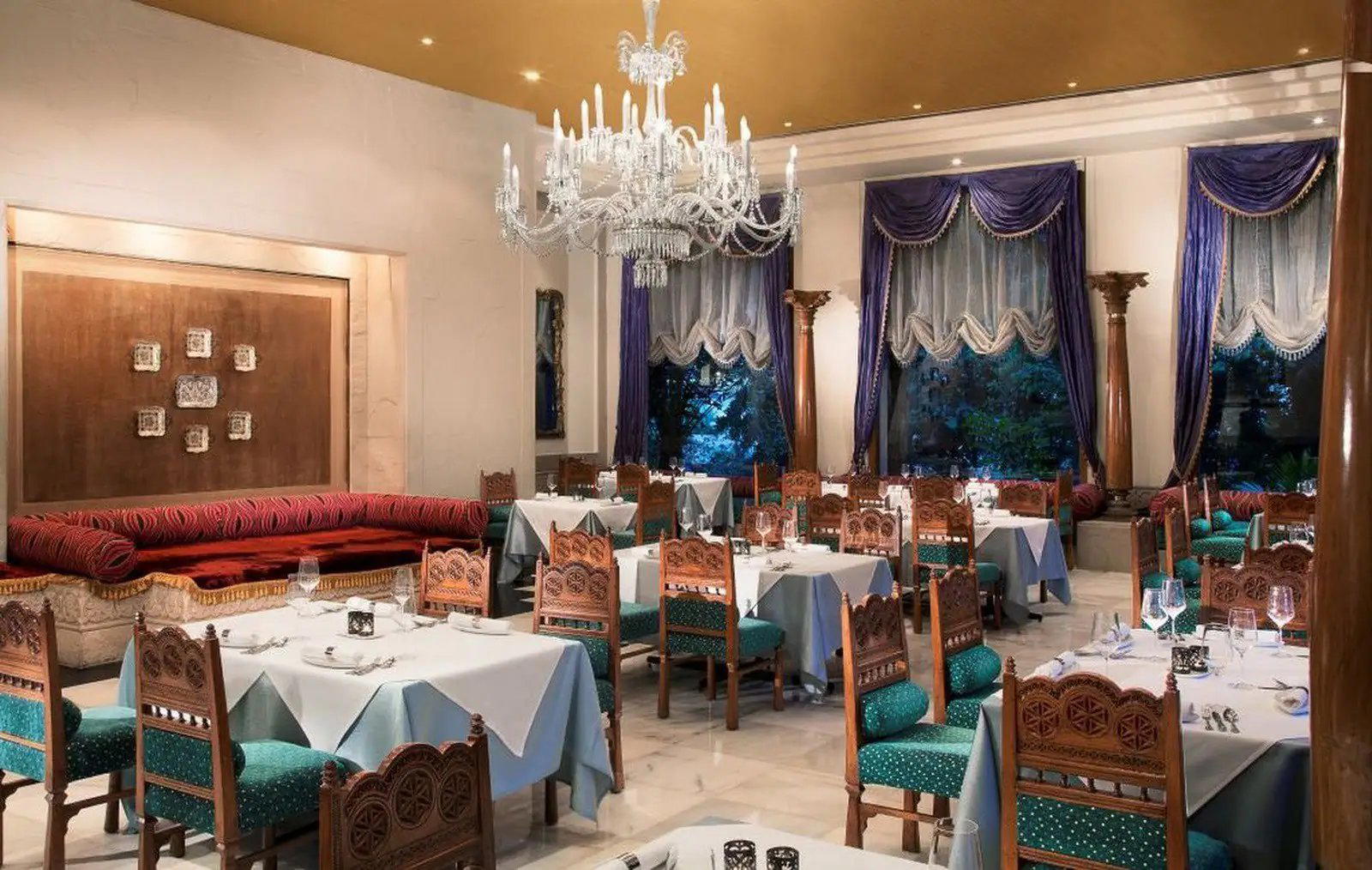
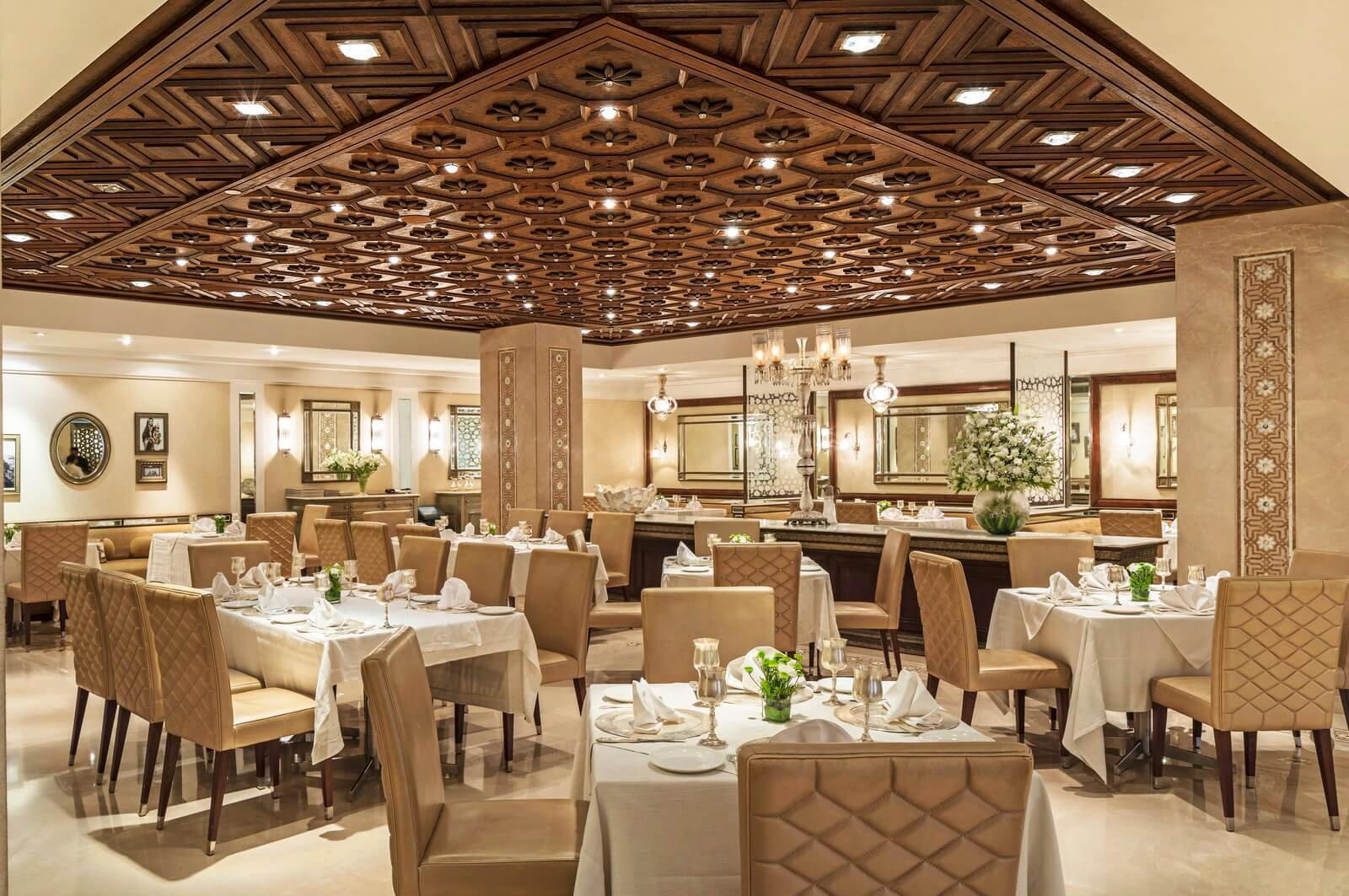
Restaurants in Hyderabad
Browse all →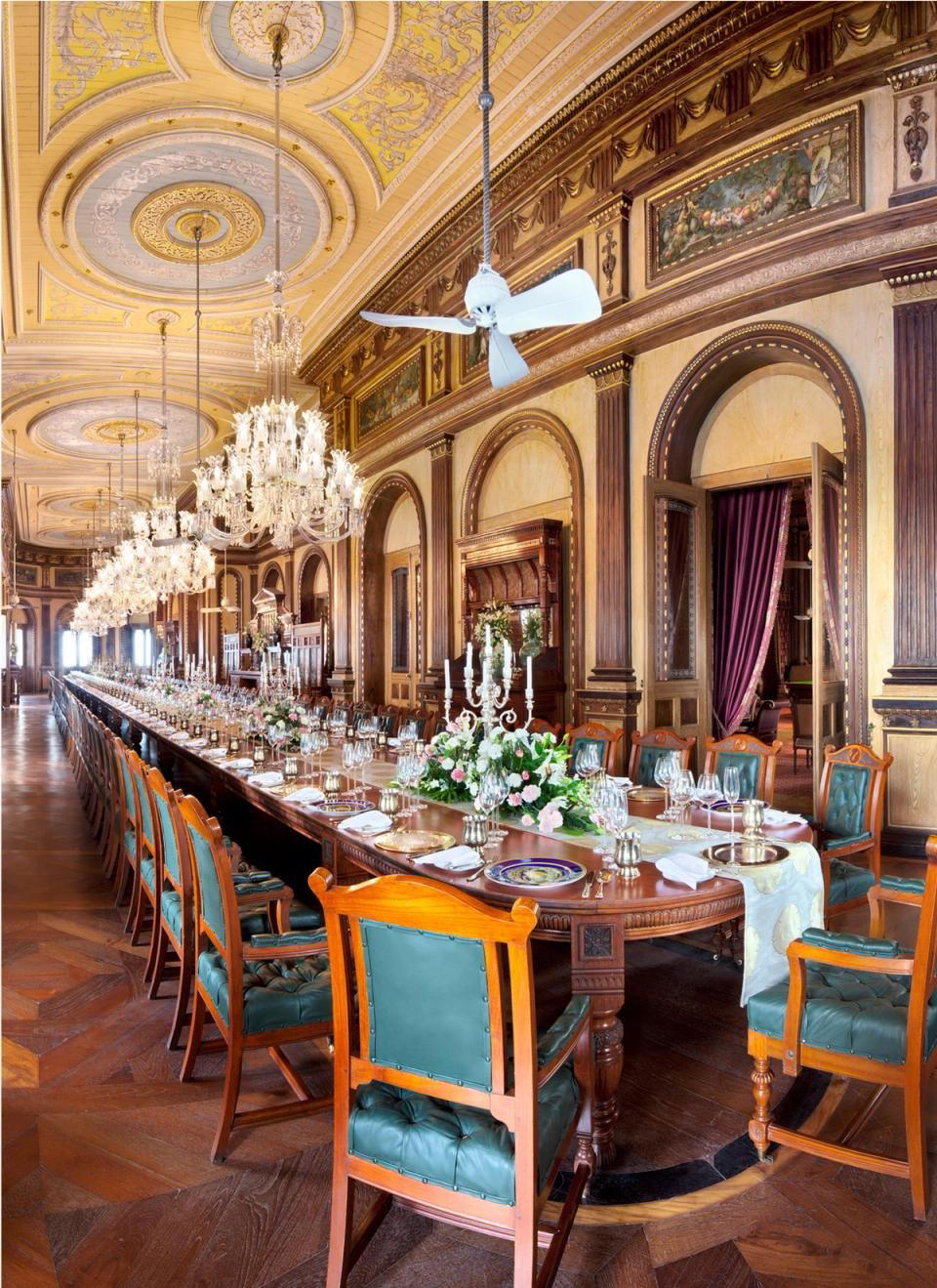
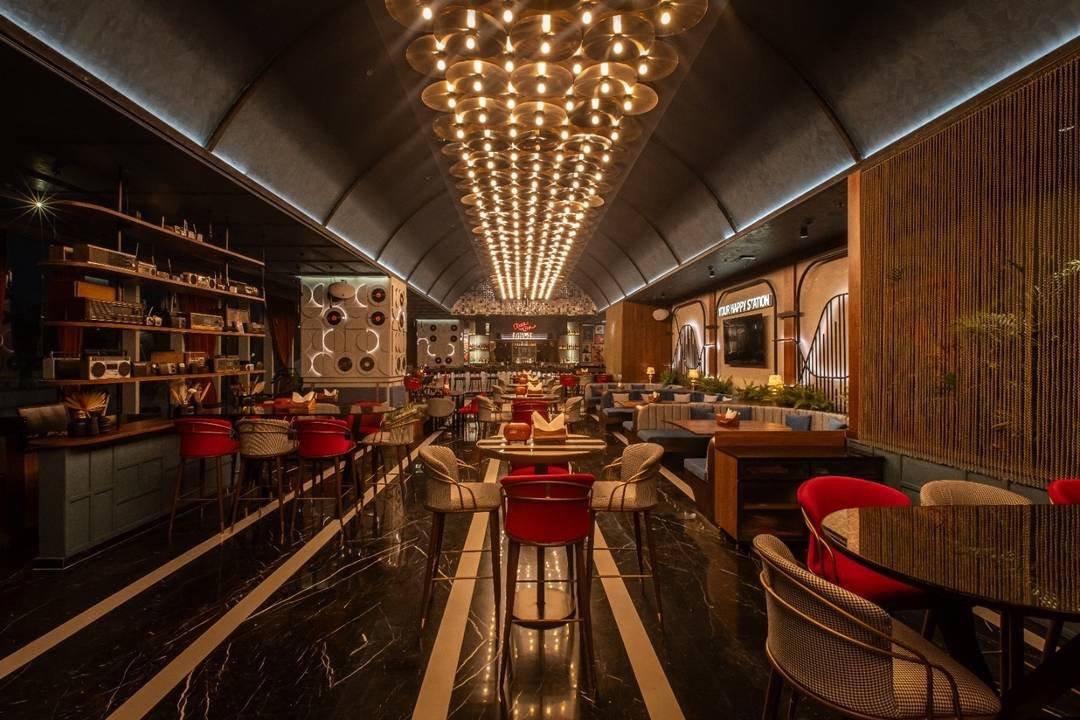
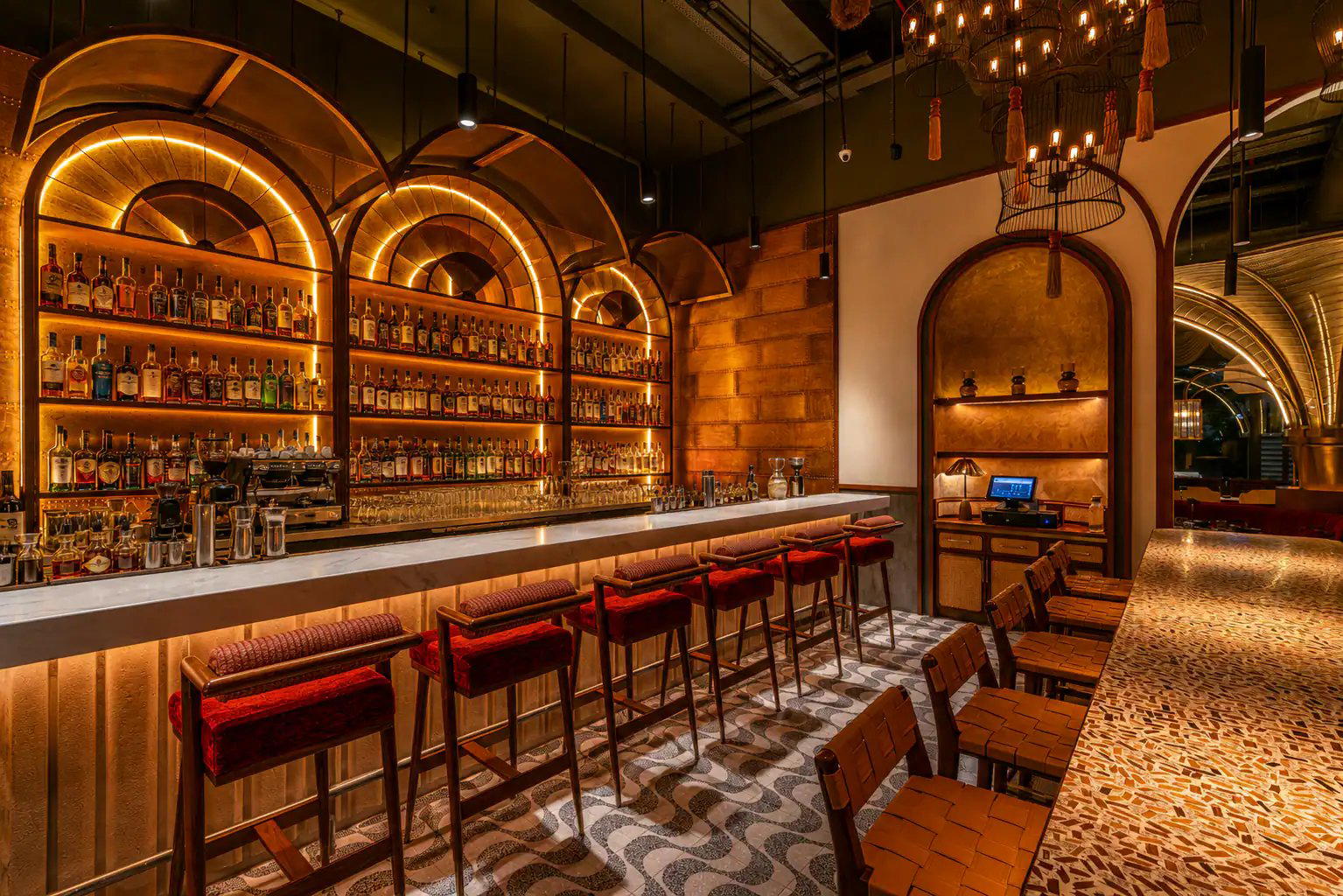
Bars in Hyderabad
Browse all →
Details
- Ornate
- Elegant
- Sophisticated
- Well Known
- Special Occasion
- Celebration
- Date Night
- Historic Building
- Hotel Restaurant
- Panoramic View
- Craft Cocktails
- Skyline
- A La Carte
- Set Menu
- Vegetarian Friendly
Current opening hours
- Monday
- 12:30–3 PM, 7–10:45 PM
- Tuesday
- 12:30–3 PM, 7–10:45 PM
- Wednesday
- 12:30–3 PM, 7–10:45 PM
- Thursday
- 12:30–3 PM, 7–10:45 PM
- Friday
- 12:30–3 PM, 7–10:45 PM
- Saturday
- 12:30–3 PM, 7–10:45 PM
- Sunday
- 12:30–3 PM, 7–10:45 PM
Hours can change for holidays and private events. Last verified .
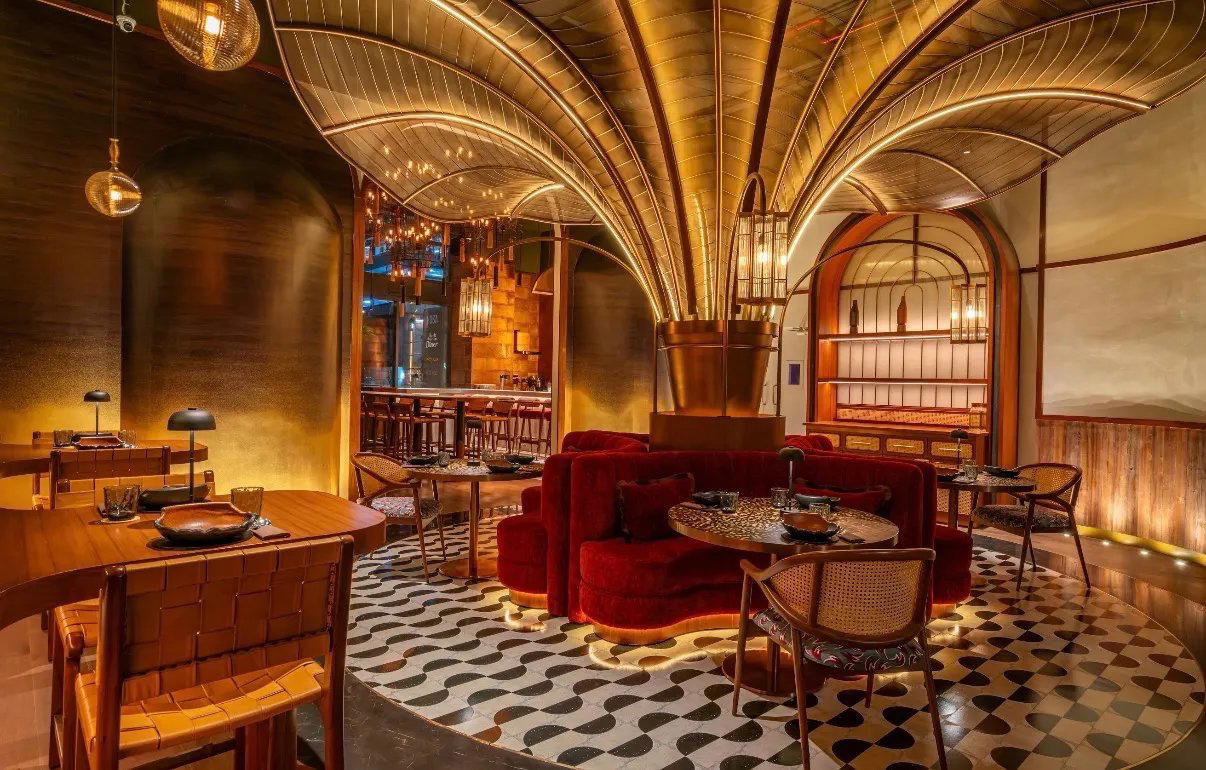
Ornate room with massive old-school paintings, Venetian chandeliers, and royal lighting creating a magical, historic palace atmosphere.