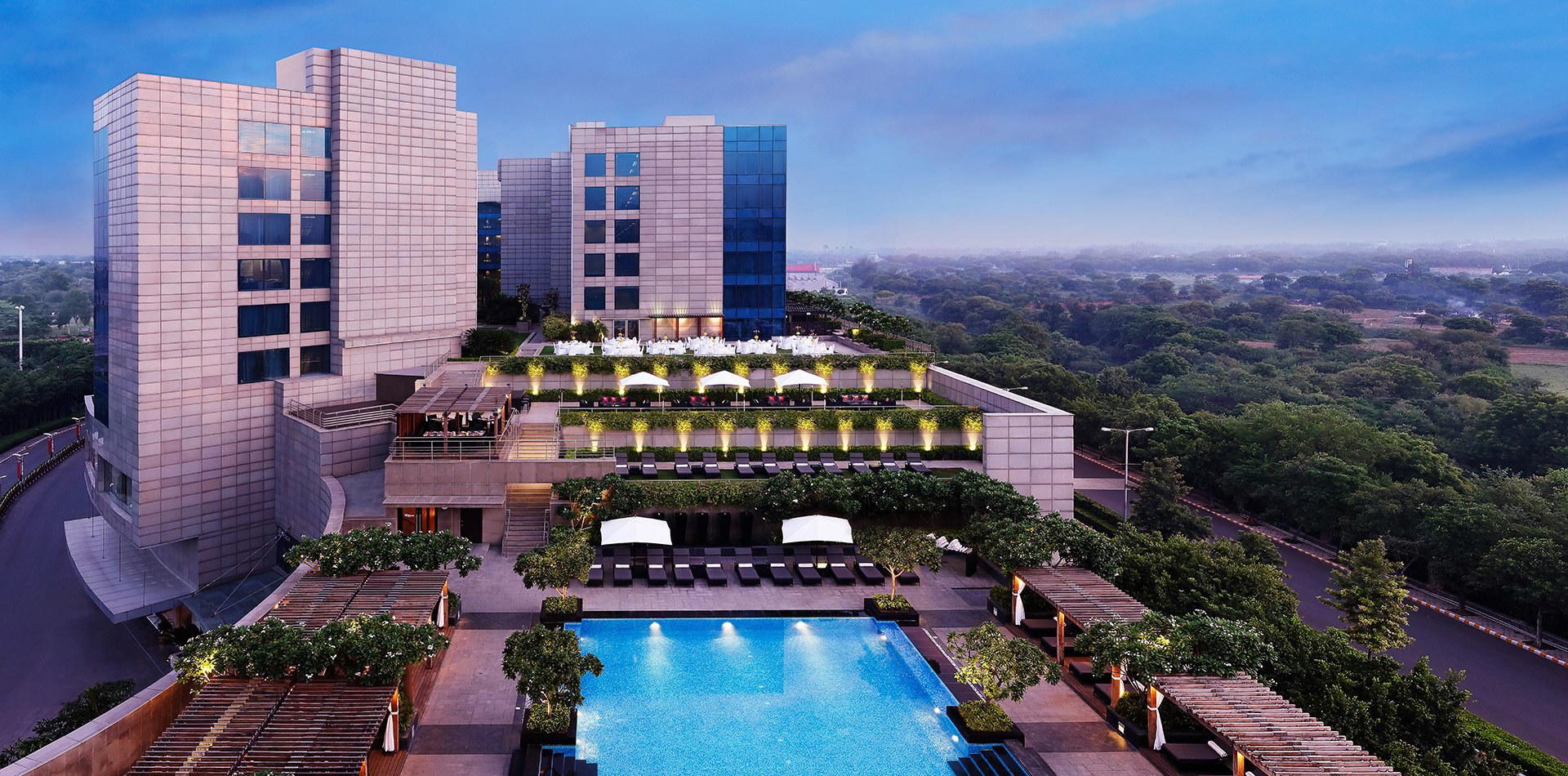
Soy x Neung Roi at the Radisson Blu Plaza in Mahipalpur brings Southeast Asian cooking to Delhi's hotel dining circuit, with a format that draws from Thai and broader regional traditions. Positioned along the NH-48 corridor near Indira Gandhi International Airport, it sits in a part of the city where hotel restaurants do much of the serious dining work. A considered choice for travellers and south Delhi residents who want regional Asian cuisine without heading into the city centre.
Pearl is the En Primeur Club membership app — saves, bookings, and concierge access live there. Same editors, same standards.
- Address
- Radisson Blu Plaza, Block R, Mahipalpur Village, Mahipalpur, New Delhi, Delhi 110037, India
- Phone
- +91 11 2677 9191
- Website
- radissonhotels.com
- Directions
- Get directions
 Saves & bookings on Pearl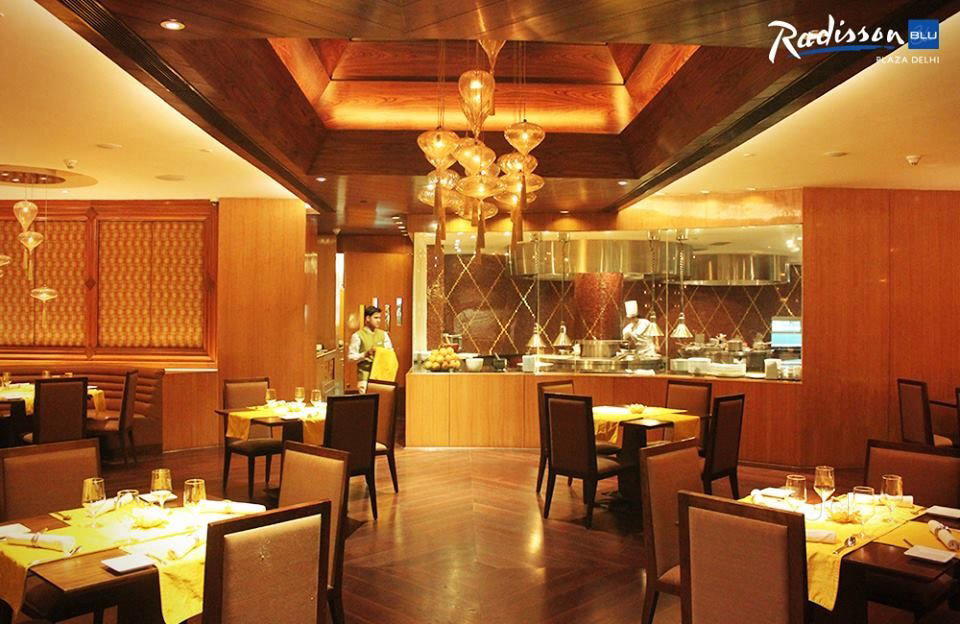
Southeast Asian Cooking in Delhi's Airport Corridor
Soy x Neung Roi is a Thai and Pan-Asian restaurant at Radisson Blu Plaza in Mahipalpur, New Delhi. Soy x Neung Roi, operating inside the Radisson Blu Plaza in Mahipalpur, sits in that category: a Southeast Asian kitchen in a location where the surrounding residential and commercial fabric offers few comparable alternatives, which concentrates both foot traffic and culinary expectation in a single room.
The name itself signals the kitchen's ambitions. "Neung Roi" translates from Thai as "one hundred," and the pairing with "Soy" points toward a dual register: the fermented, umami-driven ingredient culture of Southeast Asia alongside a broader regional framing that spans Thai, pan-Asian, and adjacent culinary traditions. Delhi's appetite for Thai and Southeast Asian food has grown considerably over the past decade, with the city moving from novelty pad Thai and green curry to more considered cooking that takes its source materials seriously. The airport-corridor location means Soy x Neung Roi operates somewhat outside the competitive pressure of central Delhi's restaurant scene, which includes high-profile operators in Connaught Place, Khan Market, and the Lutyens' Belt, but that distance also means it has to work harder for loyalty from non-hotel guests.
Ingredient Logic and Regional Sourcing
Southeast Asian cooking in India faces a consistent sourcing challenge. The aromatics and fermented condiments that define Thai, Vietnamese, and Malay kitchens, galangal, kaffir lime leaf, lemongrass, shrimp paste, fish sauce, palm sugar, are either imported at cost, grown in limited domestic supply, or substituted in ways that shift flavour profiles significantly. Restaurants that take the cuisine seriously tend to signal their approach through the ingredient provenance: whether they source Thai fish sauce or use domestic alternatives, whether galangal comes fresh or dried, whether the coconut milk is pressed in-house or opened from a tin.
In Delhi's broader Asian dining circuit, this question of sourcing separates the credible from the approximate. Venues like Inja in New Delhi have built their identity around ingredient fidelity to source cuisines, while others prioritise accessibility over authenticity. Farther afield, Bomras in Anjuna has long demonstrated how Burmese cooking in India can hold its integrity when ingredient sourcing is treated as a non-negotiable. The same standard applies here: a Southeast Asian kitchen's credibility in the Indian market is largely determined by how it resolves the sourcing equation, not by how it describes the cuisine on the menu.
Hotel-backed kitchens often have an advantage in this respect. The supply chain infrastructure of a brand like Radisson Blu can support import arrangements that independent operators struggle to maintain at consistent volumes.
Placing It in Delhi's Dining Order
Delhi's restaurant geography is not uniform. The central districts, from Bukhara's tandoor-anchored institution to the street-level authority of Chache Di Hatti, represent a different tier of dining culture than the airport corridor. The south-west fringe, where Mahipalpur sits, functions more as a hospitality zone than a dining destination in its own right. That context shapes expectations: guests arriving here are largely hotel-bound or specifically seeking the cuisine, rather than choosing from a dense neighbourhood menu.
Within hotel dining in Delhi, the competitive set includes a number of well-resourced operations attached to five-star and upper-upscale properties. Curry Kitchen represents the buffet-and-all-day model that still dominates hotel F&B; in this city tier, while more specialist restaurants have carved out reputations for specific cuisines. A Southeast Asian specialist in this location occupies a relatively open field compared to central Delhi, where competition is denser and the audience more demanding.
For context on what ingredient-driven cooking looks like at the summit of the Indian restaurant tier, Farmlore in Bangalore and Kappa Chakka Kandhari in Chennai both show how sourcing transparency can become a primary editorial identity. Delhi's own Andhra Pradesh Bhavan takes a different route entirely, using institutional supply chains to maintain regional authenticity at scale. These are different models, but the underlying logic, that ingredient provenance communicates culinary intent, holds across all of them.
Seasonal Timing and When to Visit
How It Compares Beyond Delhi
Southeast Asian cooking in Indian hotel properties has improved markedly over the past five years, partly because ingredient supply chains have matured and partly because a generation of guests has returned from travel to Bangkok, Singapore, and Kuala Lumpur with calibrated expectations. The benchmark has shifted, and operators who once relied on approximation now face guests who know what lemongrass-forward tom kha should taste like. This is broadly a positive development for the cuisine's representation in India, even if it raises the scrutiny level for every kitchen in the category.
Globally, the hotel restaurant format for specialist Asian cuisines is well-established. Properties ranging from Adaa at Falaknuma Palace in Hyderabad to Le Bernardin in New York City demonstrate how hotel-anchored restaurants can define their identity through culinary specificity rather than hospitality convenience. The question for any hotel restaurant operating a specialist cuisine is whether it functions as a destination in its own right or primarily as an amenity for in-house guests. That distinction tends to determine long-term reputation.
Planning Your Visit
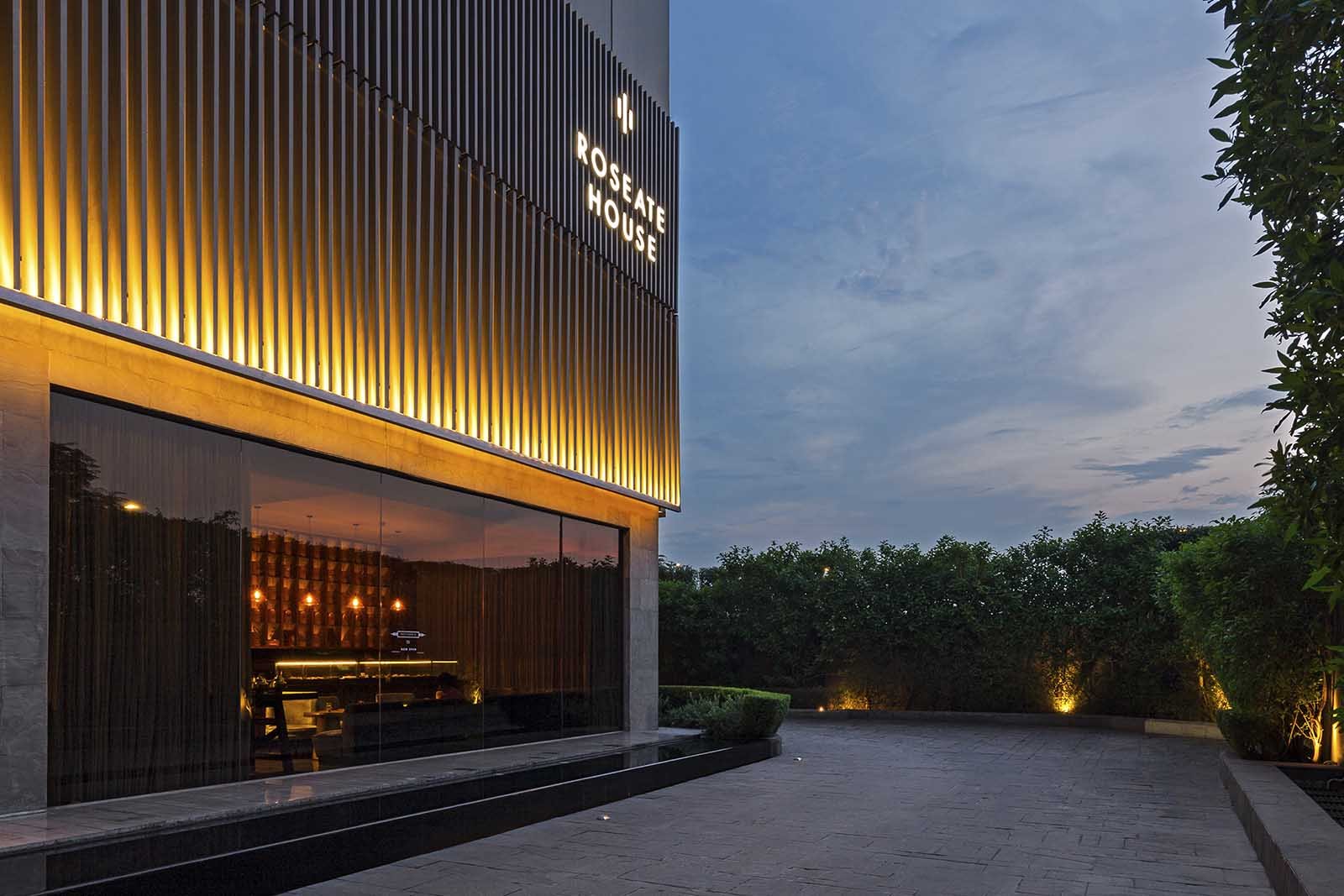
The restaurant operates within the Radisson Blu Plaza, Block R, Mahipalpur Village, New Delhi, making it accessible from the airport without entering the city's central traffic systems. Given the hotel's location, reaching it by ride-share or pre-booked hotel transfer is one practical approach; parking is available on-site for those driving.
Comparable Spots
Comparable venues nearby, for context on price, style, and recognition.
| Venue | Cuisine | Price | Notes |
|---|---|---|---|
| Soy x Neung RoiThis venue — the venue you are viewing | Thai and Pan-Asian | $$$ | Not listed |
| Oh! Calcutta | New Delhi | Authentic Bengali Fine Dining | $$$ | Greater Kailash |
| Curry Kitchen | Traditional Indian Curry House | $$ | Aerocity |
| Jamavar Delhi | Traditional North Indian Fine Dining | $$$$ | Chanakyapuri |
| Hotel Saravana Bhavan | Authentic South Indian Vegetarian | $$ | Connaught Place |
| Dramz Delhi | Multi-Cuisine Fine Dining with North Indian & European | $$$ | Mehrauli |
Continue exploring
More in Delhi
Restaurants in Delhi
Browse all →

At a Glance
- Elegant
- Sophisticated
- Special Occasion
- Business Dinner
- Hotel Restaurant
- Sake Program
Current opening hours
- Monday
- 6:30–11:30 PM
- Tuesday
- 6:30–11:30 PM
- Wednesday
- 1–3:30 PM, 6:30–11:30 PM
- Thursday
- 1–3:30 PM, 6:30–11:30 PM
- Friday
- 1–3:30 PM, 6:30–11:30 PM
- Saturday
- 1–3:30 PM, 6:30–11:30 PM
- Sunday
- 1–3:30 PM, 6:30–11:30 PM
Hours can change for holidays and private events. Last verified .
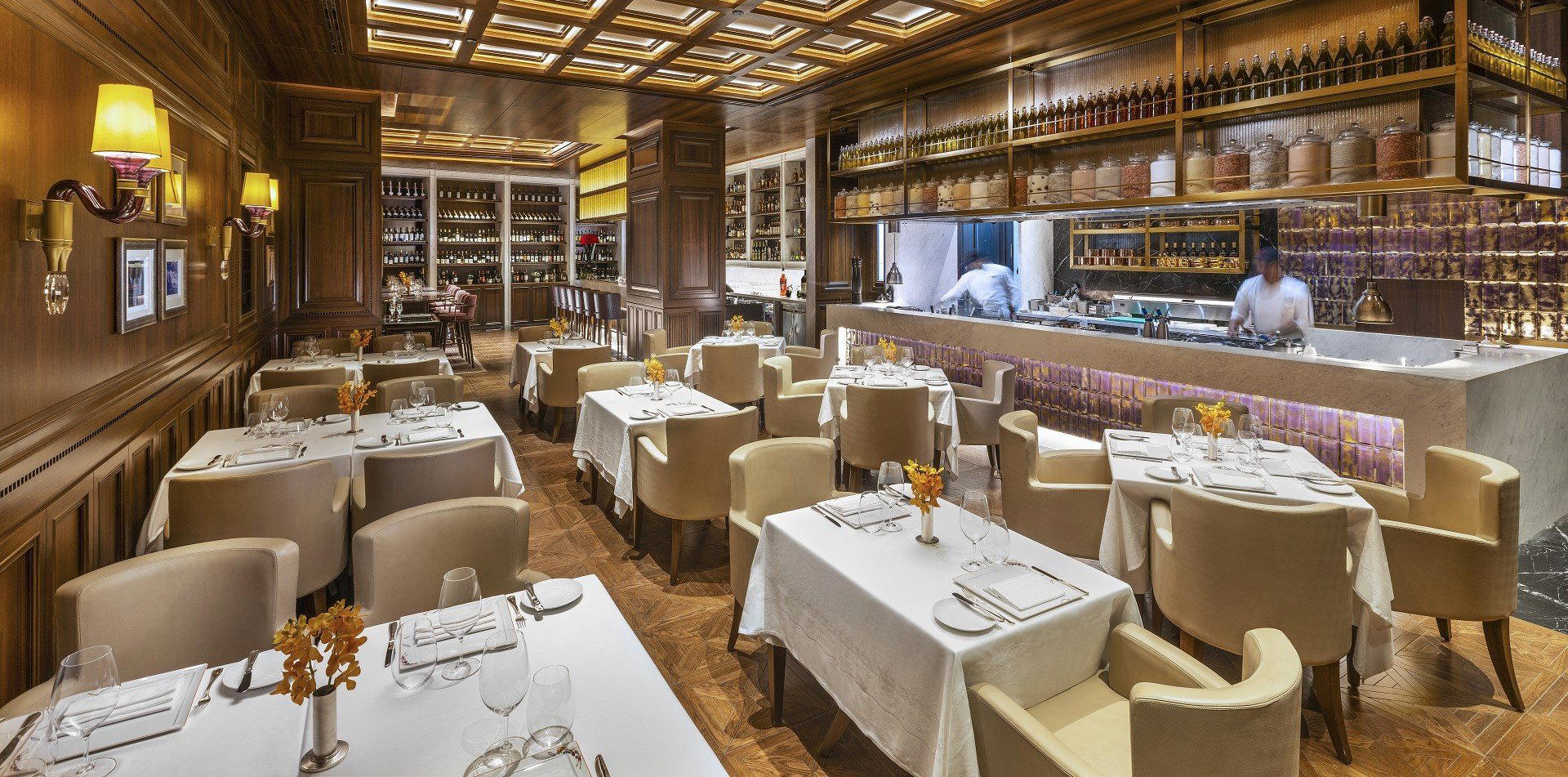
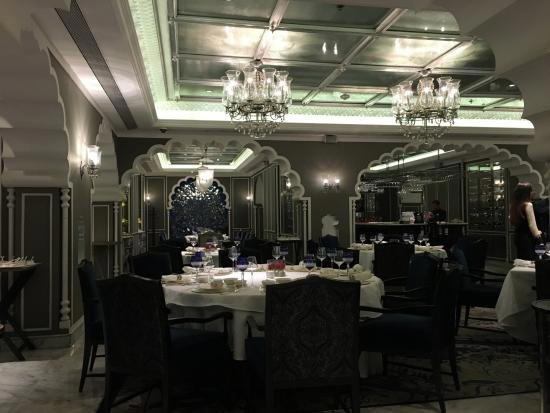
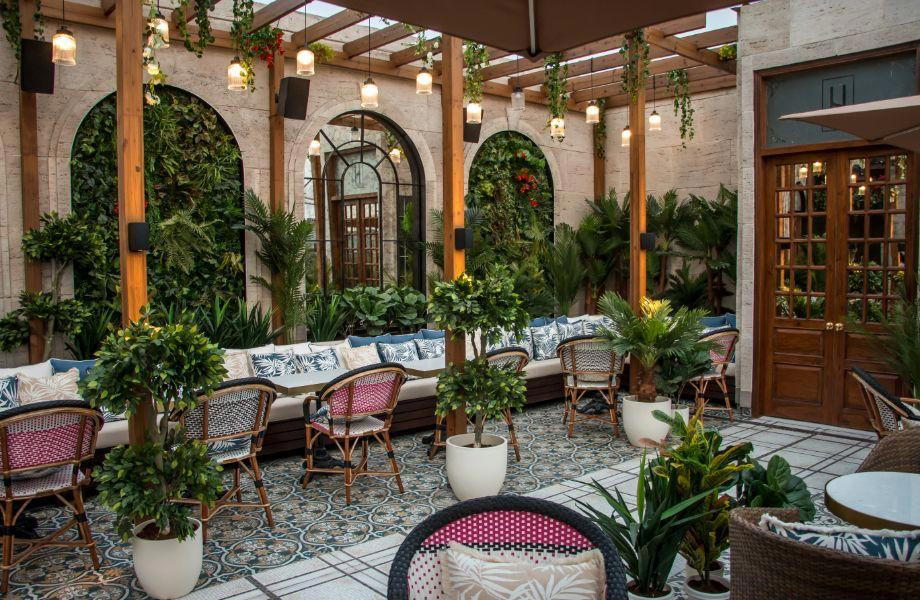
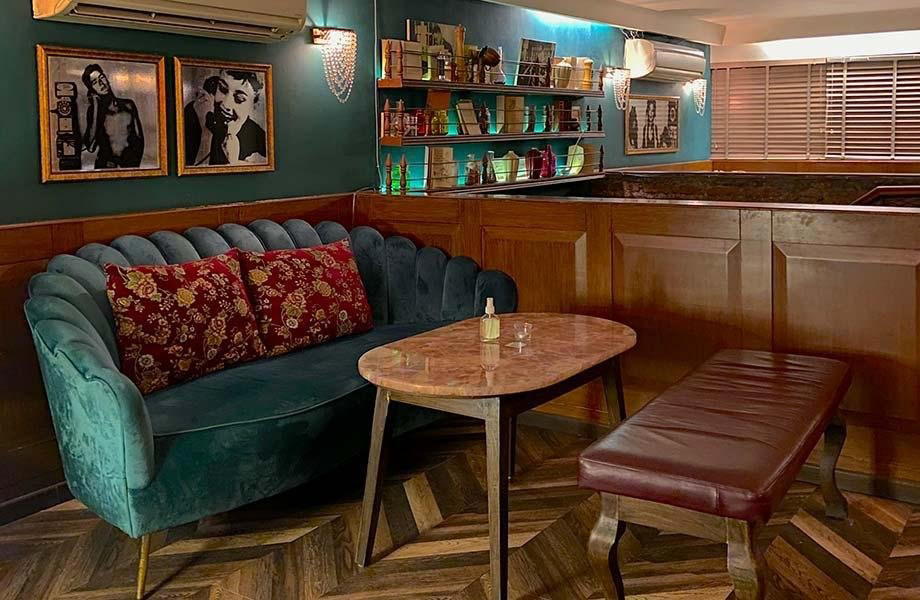
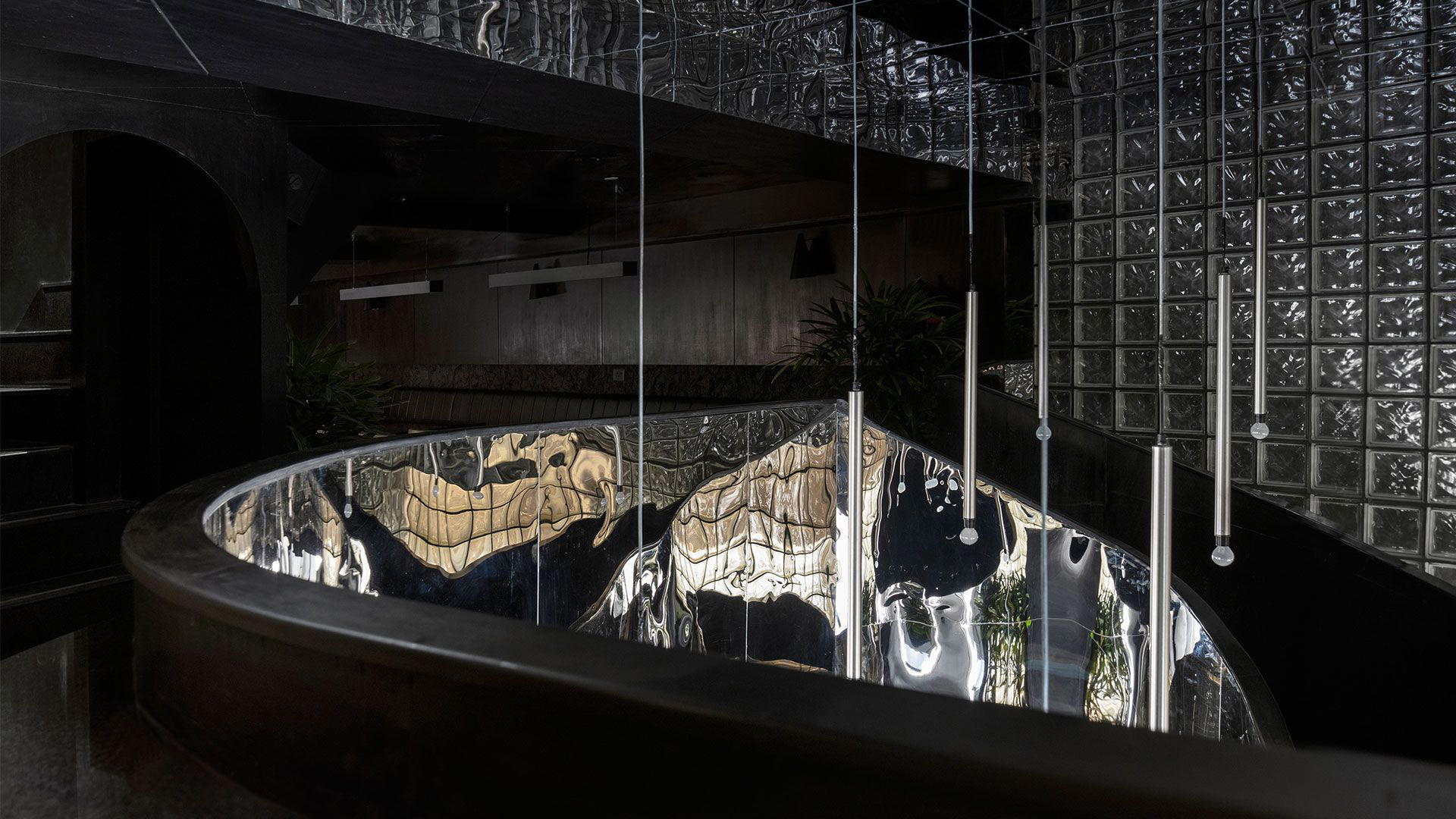
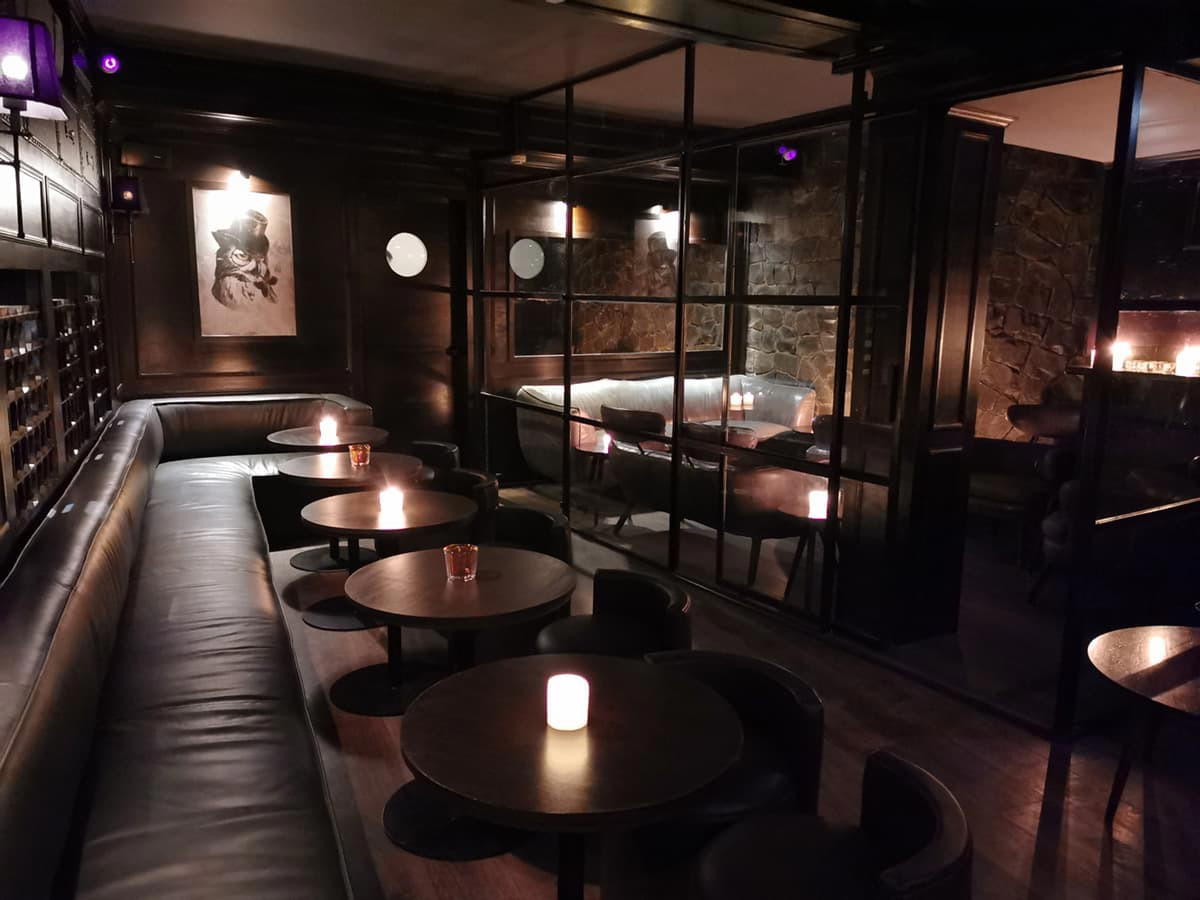
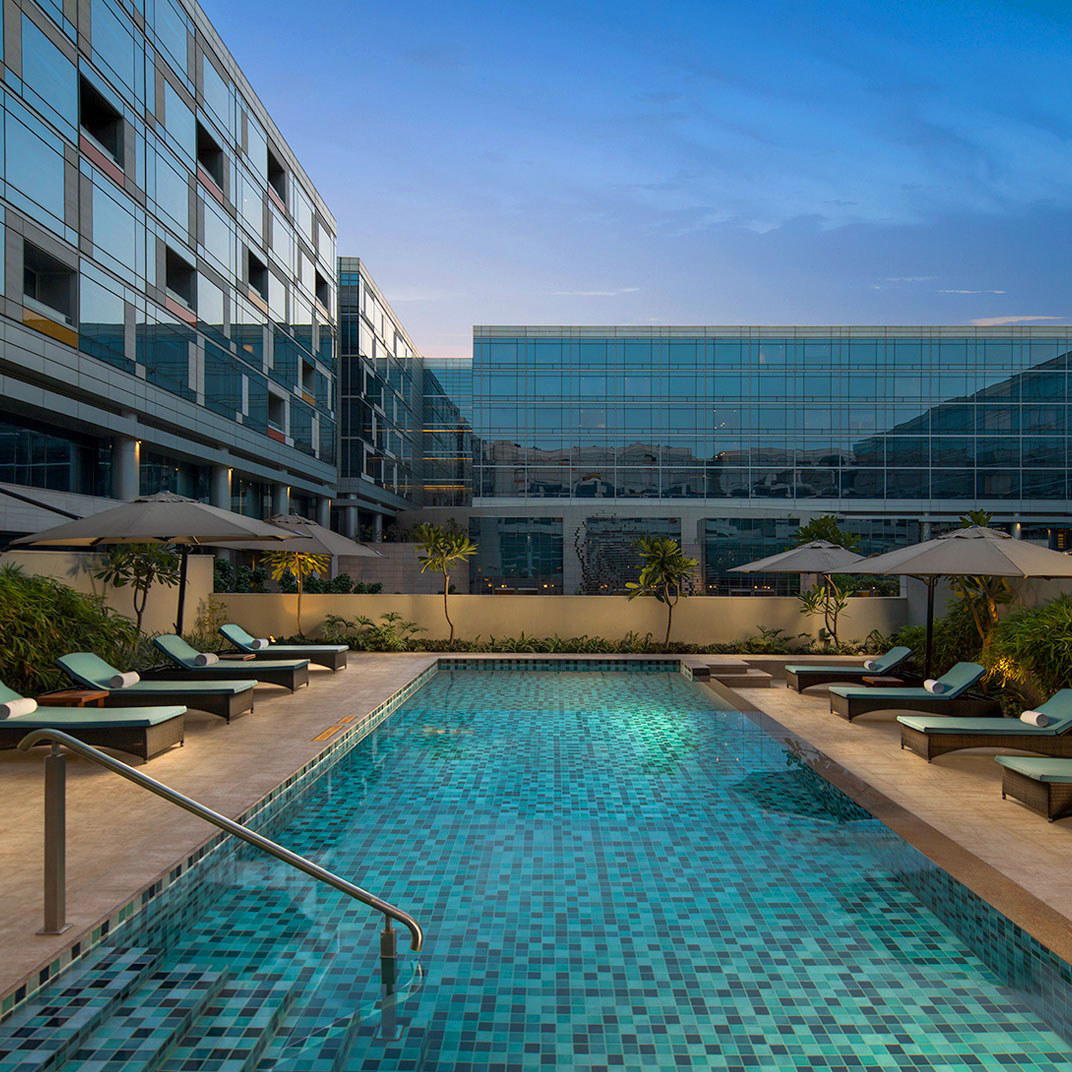
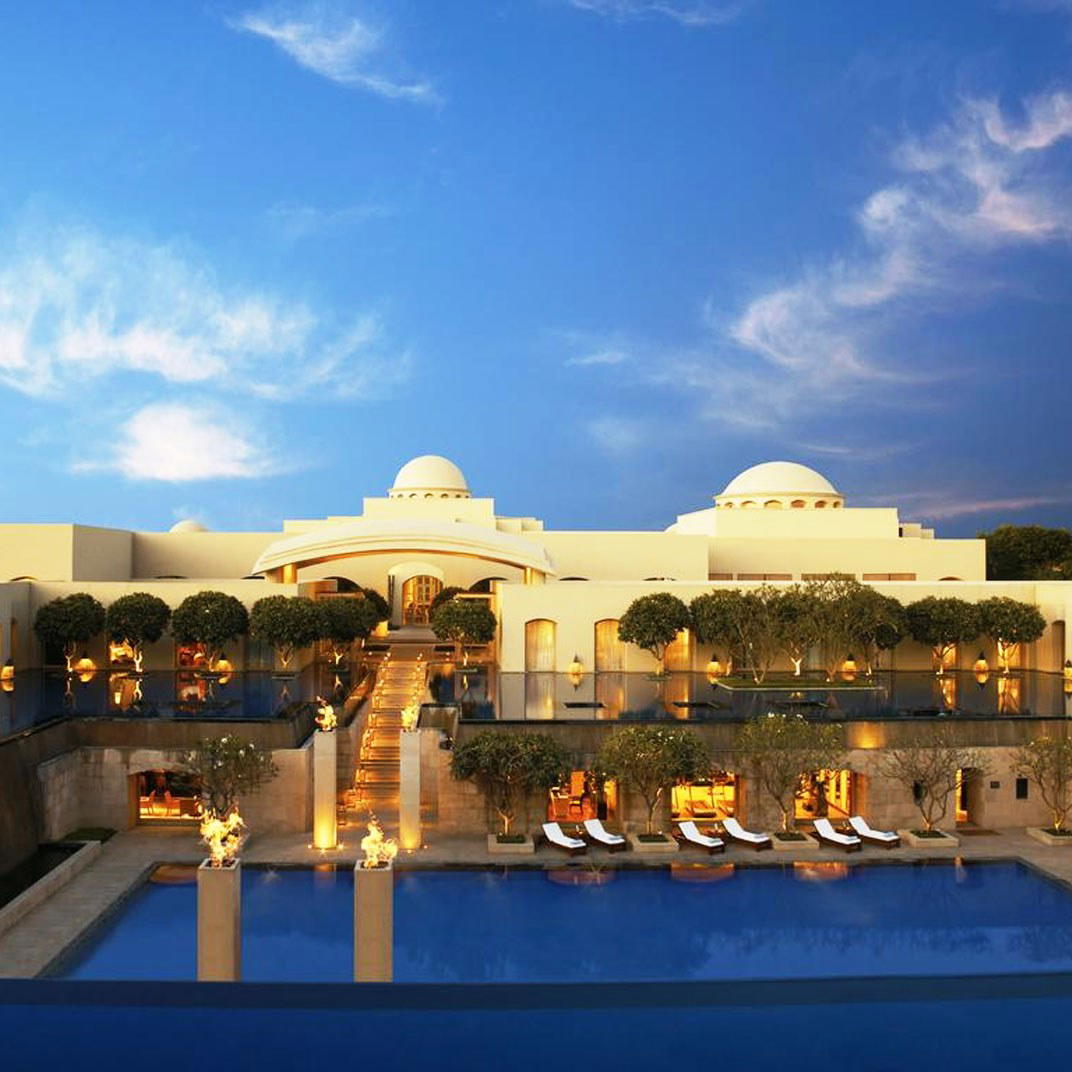
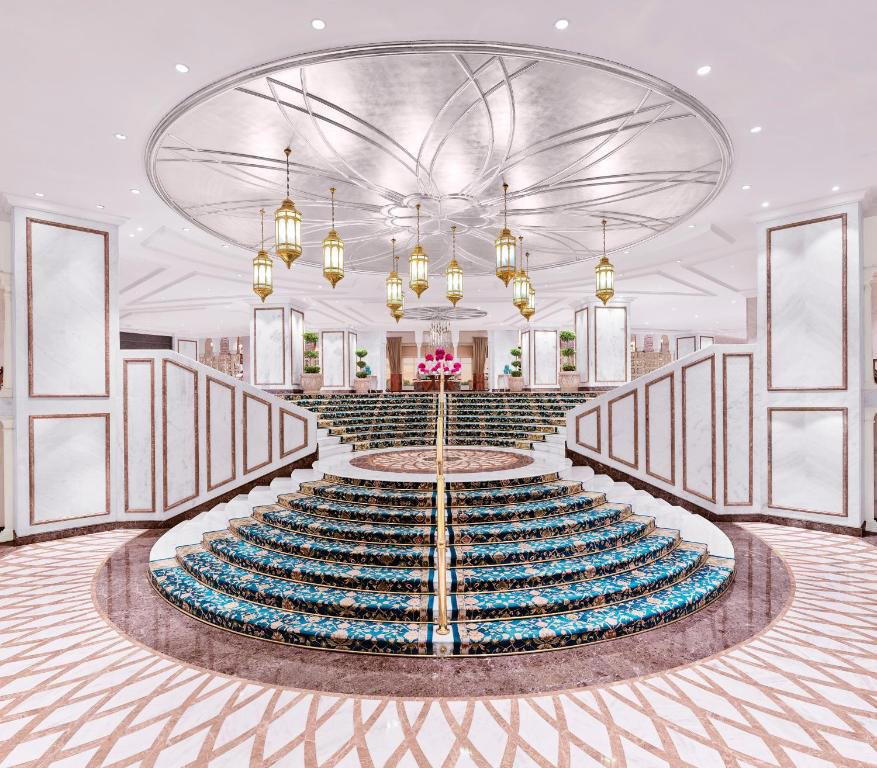
Refined upscale atmosphere with harmonious blend of contemporary Asian gastronomy in a hotel setting.