Our verdict
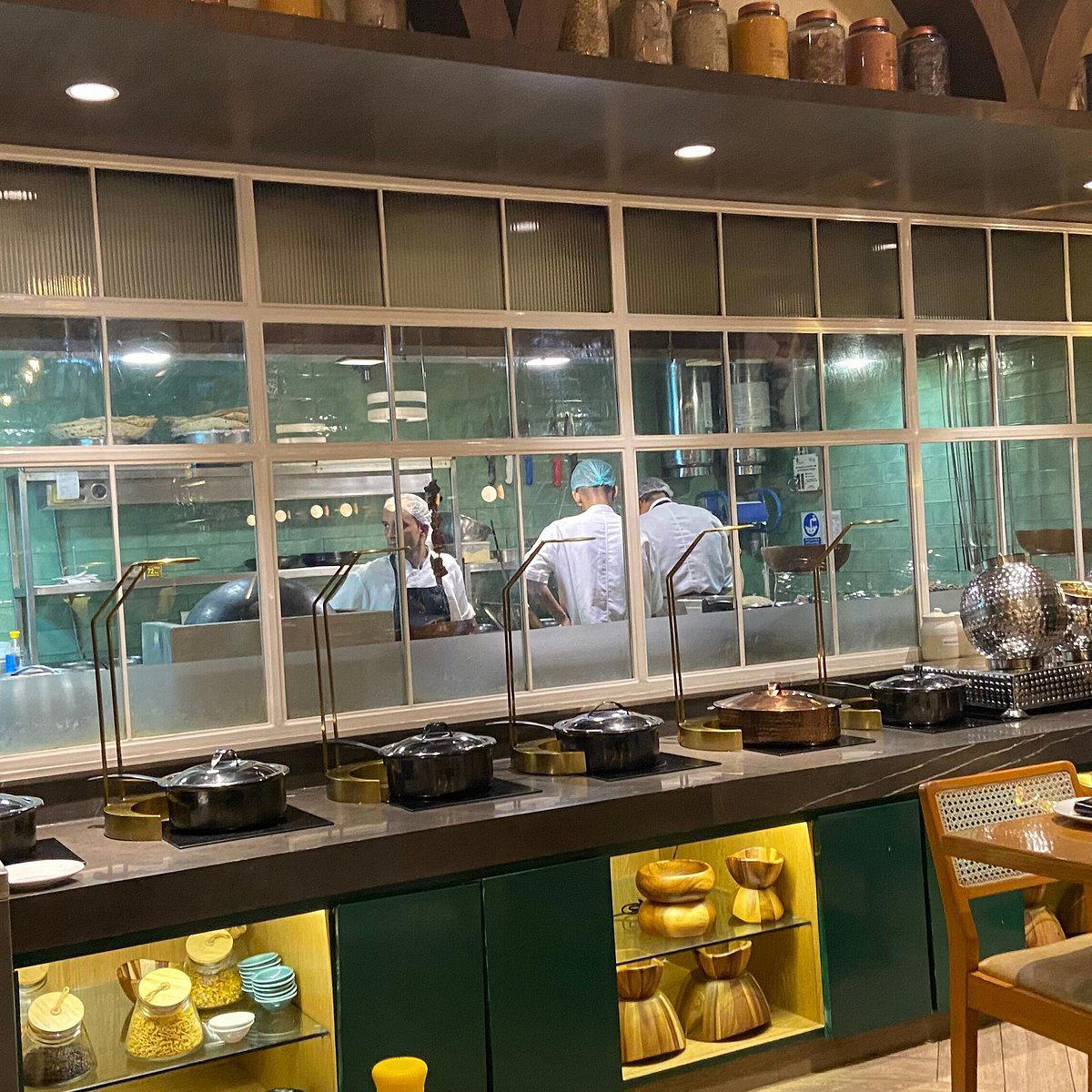
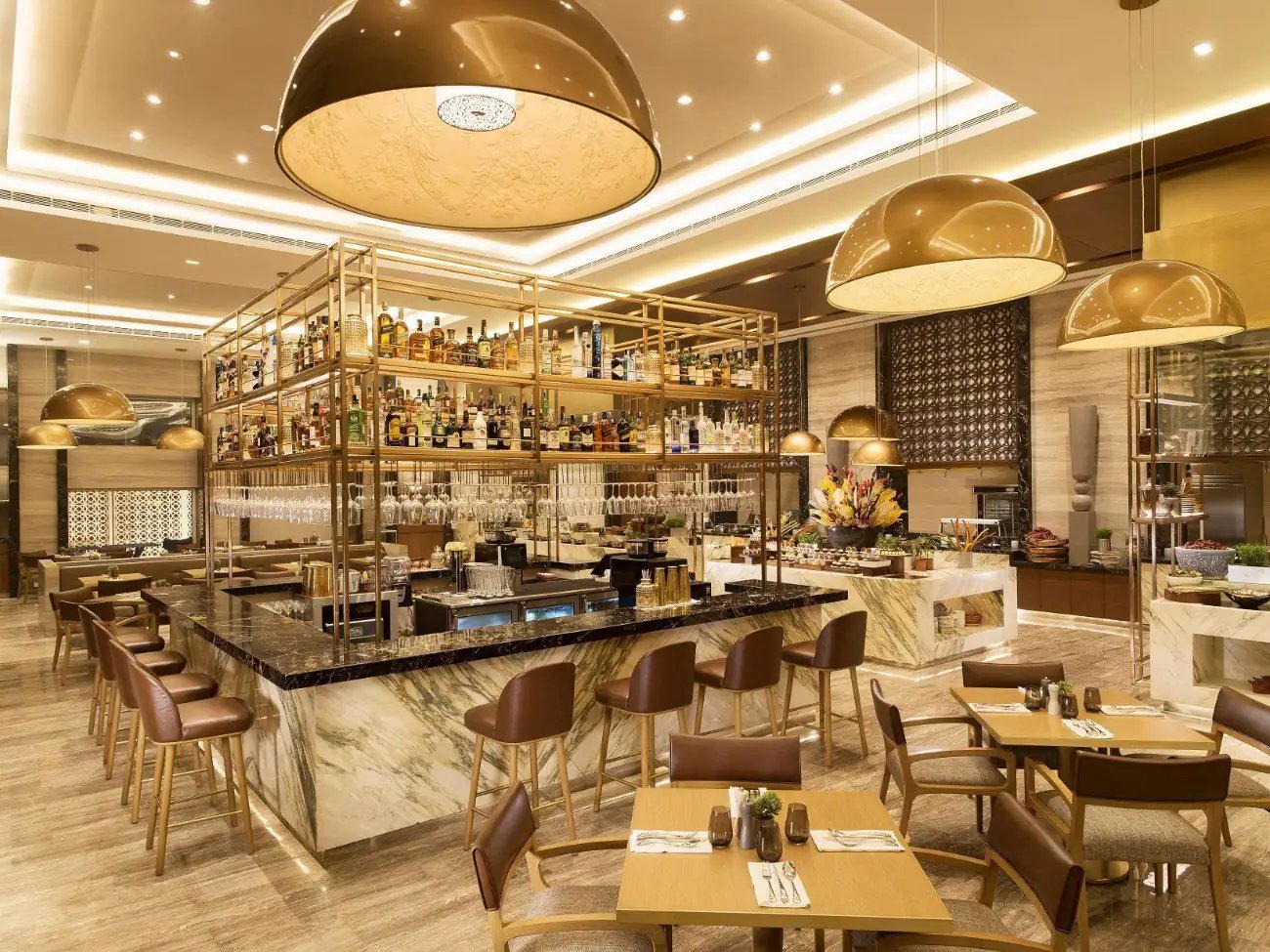
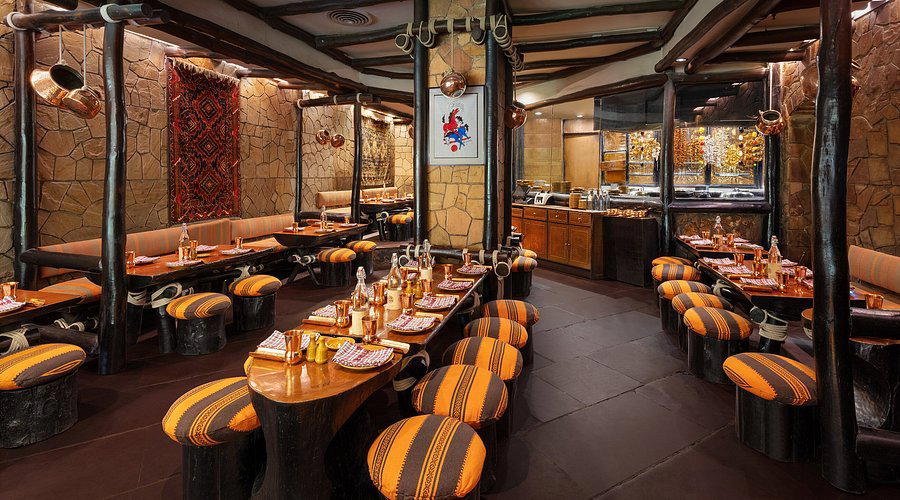
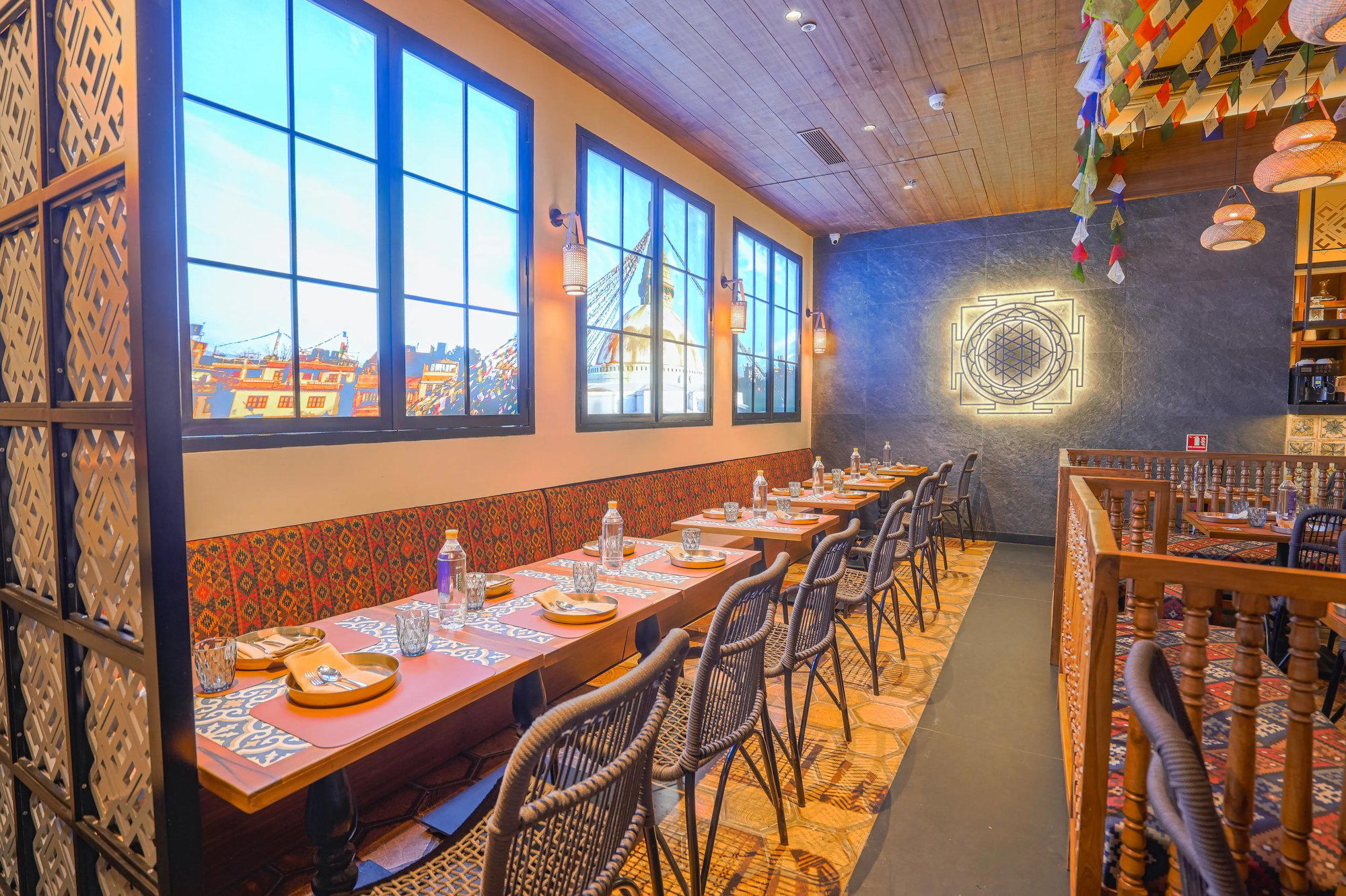
Positioned inside Terminal 3's international departures at Indira Gandhi International Airport, Curry Kitchen offers travellers a structured encounter with Indian regional cooking before the flight out. Where most airport dining defaults to generic formats, this counter holds its place in a broader conversation about how Indian cuisine is represented at the country's primary international gateway.

Pearl is the En Primeur Club membership app, where members save venues, book tables and use the concierge.
Indian Cuisine at the Airport: What the Format Reveals
Terminal 3 at Indira Gandhi International Airport is one of the busiest international departure halls in South Asia, processing millions of outbound passengers annually. The food options within its airside zone function as a final editorial statement about Indian cooking, what the country chooses to show departing international travellers. Most airports globally default to this role without thinking about it carefully. In Delhi, where the range of available regional cuisines spans everything from the tandoor-heavy Mughal tradition to the tamarind-sharpened cooking of coastal Andhra, the selection pressure is intense. Curry Kitchen occupies that charged position.
Airport restaurants sit in a peculiar competitive tier. They do not compete with destination restaurants in the city proper, venues like Bukhara, which has defined the benchmark for frontier-region cooking in Delhi for decades, or Inja in New Delhi, which applies a contemporary lens to Indian ingredients. The airside audience has already left the city. The relevant comparison is therefore not to the leading tables in Delhi but to the question of whether the airport format can carry enough culinary integrity to leave a meaningful final impression. That is the frame in which Curry Kitchen should be read.
Menu Architecture and What It Signals
The editorial angle that matters most in assessing any airport Indian restaurant is not the individual dish but the menu structure: does it collapse into a generic pan-Indian shorthand, or does it attempt some degree of regional specificity? Delhi's airport sits at the convergence of North Indian cooking traditions, the dairy-rich, slow-cooked gravies of the Mughal belt, the wheat-forward breads of Punjab, the vegetarian discipline of Rajasthani cooking. A menu that acknowledges these as distinct rather than blending them into an undifferentiated curry format signals a different intent.
Without verified specifics on Curry Kitchen's current menu, it would be irresponsible to inventory individual dishes or tasting notes here. What the broader airport curry category tends to do, and what distinguishes the stronger examples from the weaker ones, is whether the menu separates dal preparations by regional type, whether bread selection reflects regional identity (tandoor-fired versus layered paratha versus rice-based alternatives), and whether the protein treatments acknowledge the North Indian preference for dry-spice marinades alongside wet gravies. These structural choices, more than individual recipes, determine whether a menu is teaching the traveller something or simply filling time before boarding.
The same structural logic applies to how Indian cuisine is presented elsewhere across the country. Kappa Chakka Kandhari in Chennai makes a point of centering Kerala's tapioca and coconut cooking in a city that largely ignores it. Adaa at Falaknuma Palace in Hyderabad frames Deccani cuisine as a distinct palatial tradition. These are menus with a declared point of view. The question an airport kitchen must answer is whether it can sustain that kind of clarity under volume pressure and a captive, time-limited audience.
The Delhi Context: Why This Gateway Matters
Delhi's food identity is not monolithic. The city functions as a collecting basin for cooking traditions from across North India. Andhra Pradesh Bhavan represents the institutional thali model, where a state government canteen becomes one of the city's most precise expressions of Andhra cooking. Bikanervala in Chandni Chowk carries the Marwari sweet-and-savoury tradition that migrated to the city generations ago. Chache Di Hatti holds the chole bhature reference in a neighbourhood that has contested versions of that dish for decades. Dilli StreEAT attempts to formalize the street food canon.
What this means for an airport restaurant is that any traveller who has spent meaningful time in the city has access to a calibrated internal reference. They know what a properly acidic tamarind chutney should taste like against a fried chickpea batter. They know the difference between a dal makhani that has cooked overnight and one that has cooked for two hours. The airport kitchen, operating under the constraints of airside logistics, cannot always match those benchmarks. But the structural choice of whether to attempt them or retreat to a safer, blander version is itself informative.
For those who want to build that reference before they fly, the full picture of what Delhi's dining scene offers is documented in our full Delhi restaurants guide. Comparable depth of regional thinking appears further afield at Farmlore in Bangalore and at Naar in Kasauli, both of which approach regional ingredients with a specificity that airport cooking rarely attempts.
Planning Your Visit: Practical Considerations
Curry Kitchen is located within Terminal 3's international departures zone at Indira Gandhi International Airport, which means access requires a valid boarding pass for an international departure. The practical implication is that this is not a restaurant you can visit independently as a dining decision, it is only accessible as part of the departure process. Factor that into any timing calculation: T3 international departures, even for seasoned travellers, benefit from arriving with enough buffer to clear security and still eat without the distraction of a boarding announcement.
The broader Indian airport dining tier, across Delhi, Mumbai, Bangalore, and Hyderabad, has improved considerably over the past decade as terminal infrastructure has modernised and operators have recognised the premium that international travellers place on a final Indian meal. Americano in Mumbai represents a different point on that spectrum, skewing toward Western formats. Bomras in Anjuna and Dining Tent in Jaisalmer show what regionally committed Indian cooking looks like when it is freed from airport constraints entirely. Leela Kerala Terrace in Trivandrum and Neel in Patiala anchor the regional end of that same argument from different geographies. For international comparison, the contrast with format-driven tasting menus like Lazy Bear in San Francisco or the precision of Le Bernardin in New York City clarifies how differently culinary intent can be expressed when institutional constraints are removed.
Frequently asked questions
What's the address for Curry Kitchen?
Curry Kitchen is located at Indira Gandhi International Airport T3 International Departures, New Delhi, Delhi 110037, India, Delhi.
Is Curry Kitchen one of the only sit-down Indian restaurants accessible after security at Delhi's T3 international terminal?
Curry Kitchen is located within the international departures zone at Indira Gandhi International Airport Terminal 3, placing it post-security and accessible only to outbound passengers with a valid boarding pass. Full-service, sit-down Indian restaurants in this airside position are uncommon at T3, where fast-casual counters make up the majority of food outlets. That structural rarity, rather than any documented award or chef credential, is the clearest reason it appears in searches for pre-flight dining in Delhi.
Do they take walk-ins at Curry Kitchen?
Curry Kitchen sits within the international departures zone at T3, Indira Gandhi International Airport, where the operating model is necessarily walk-in. Access requires a valid boarding pass for an outbound international flight, so the venue self-selects its guest pool by terminal access rather than by reservation.
What do critics highlight about Curry Kitchen?
Its editorial interest lies primarily in format: it is one of the few sit-down Indian restaurants operating airside at one of South Asia's busiest international terminals, which sets it apart from the kiosk-and-counter norm at T3.
Can Curry Kitchen adjust for dietary needs?
Indian cuisine as a category has deep structural support for vegetarian diets, and airport restaurants in India routinely flag vegetarian dishes per FSSAI labelling norms. Confirming specific allergen or vegan provisions directly with staff at the T3 counter is advisable before ordering.
Is eating at Curry Kitchen worth the cost?
No price range is documented for Curry Kitchen. Airport dining at T3 typically commands a premium over city equivalents due to airside operating costs, a pattern consistent across Indian international terminals. The value equation depends on your alternative: if a meal in central Delhi is not possible before departure, Curry Kitchen provides a sit-down regional option where kiosks would otherwise dominate.
A Lean Comparison
| Venue | Cuisine | Price | Awards |
|---|---|---|---|
| Curry KitchenThis venue (the venue you are viewing) | Traditional Indian Curry House | Not listed | Not listed |
| Bukhara | North West Frontier Tandoori | $30–50 | World's 50 Best #37 · La Liste Top Restaurants |
| Chache Di Hatti | Iconic Punjabi Chole Bhature | $1–10 | Not listed |
| Dramz Delhi | Multi-Cuisine Fine Dining with North Indian & European | $50–100 | Not listed |
| Indian Accent | Modern Indian Fine Dining | $50–100 | World's 50 Best #46 · La Liste Top Restaurants |
| Rajdhani Thali Restaurant | Rajasthani & Gujarati Thali | Not listed | Not listed |